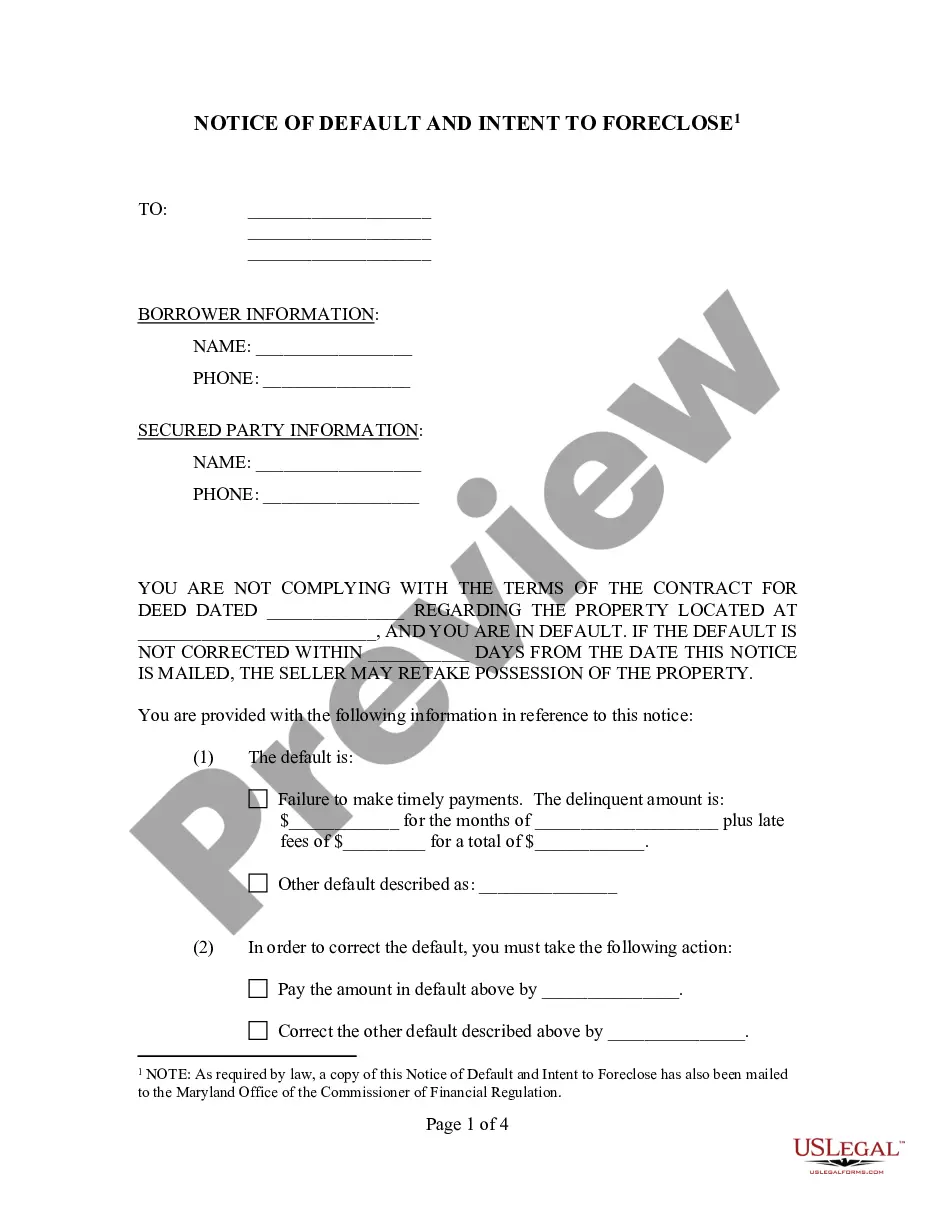
Maryland General Notice of Default for Contract for Deed
What is this form?
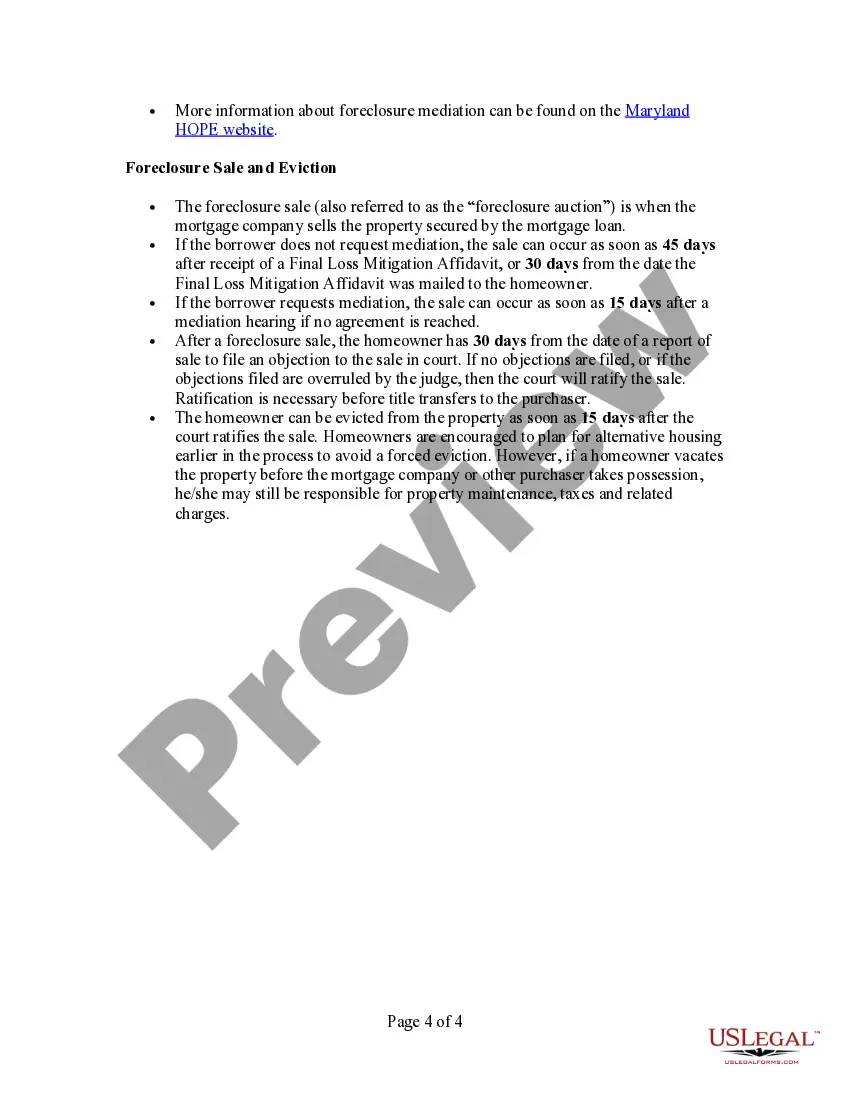
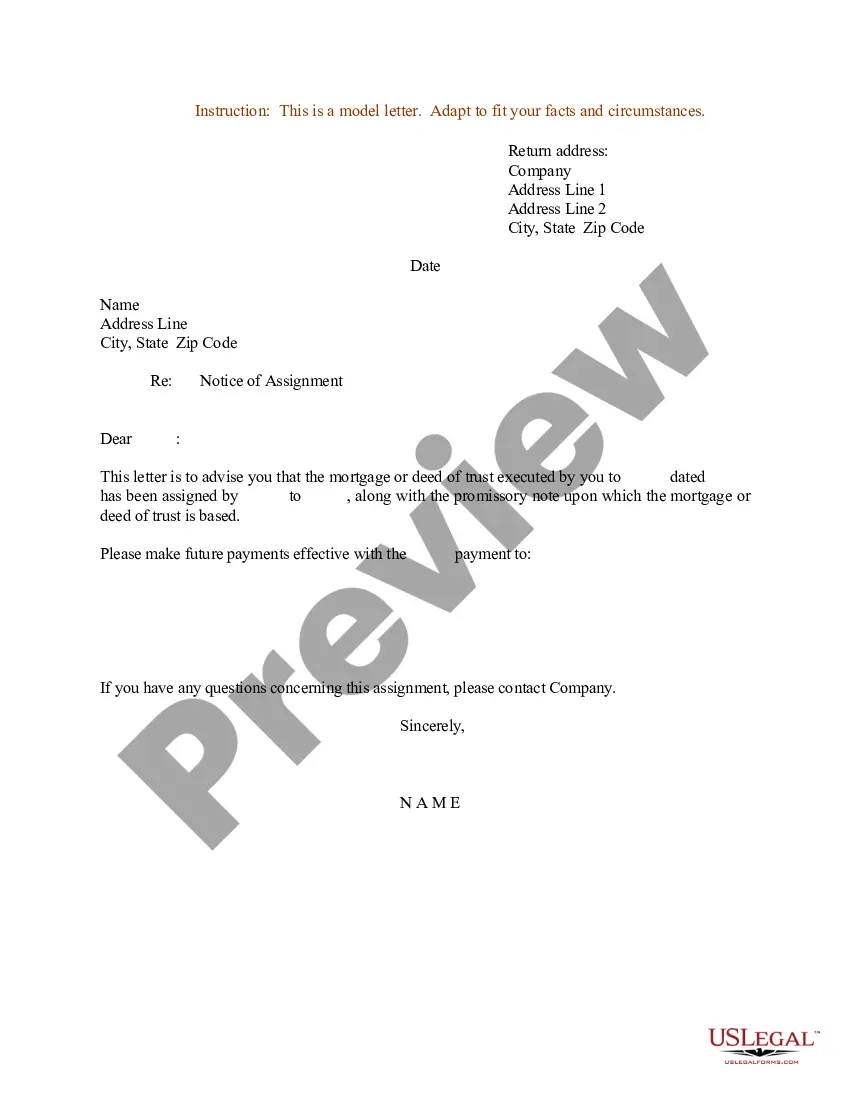
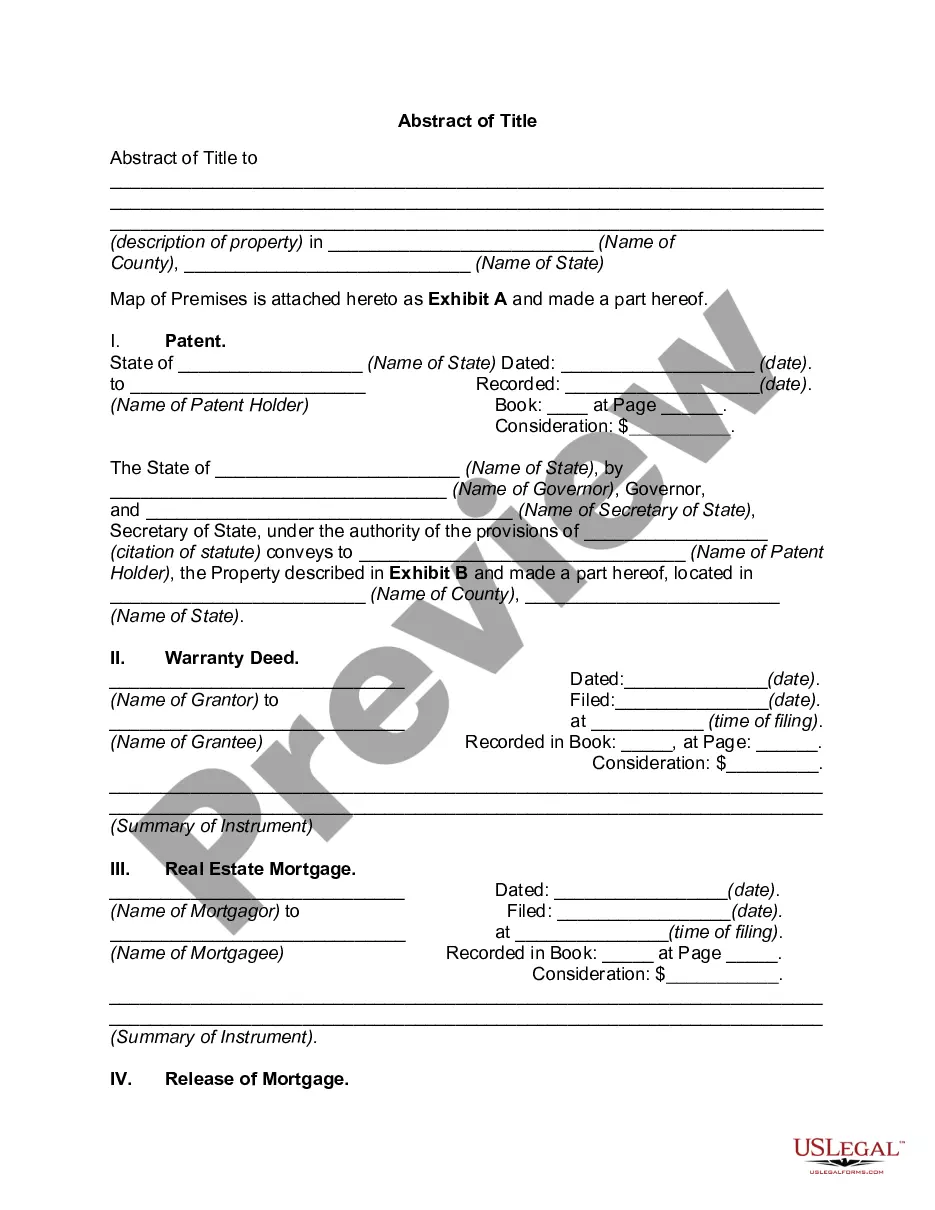
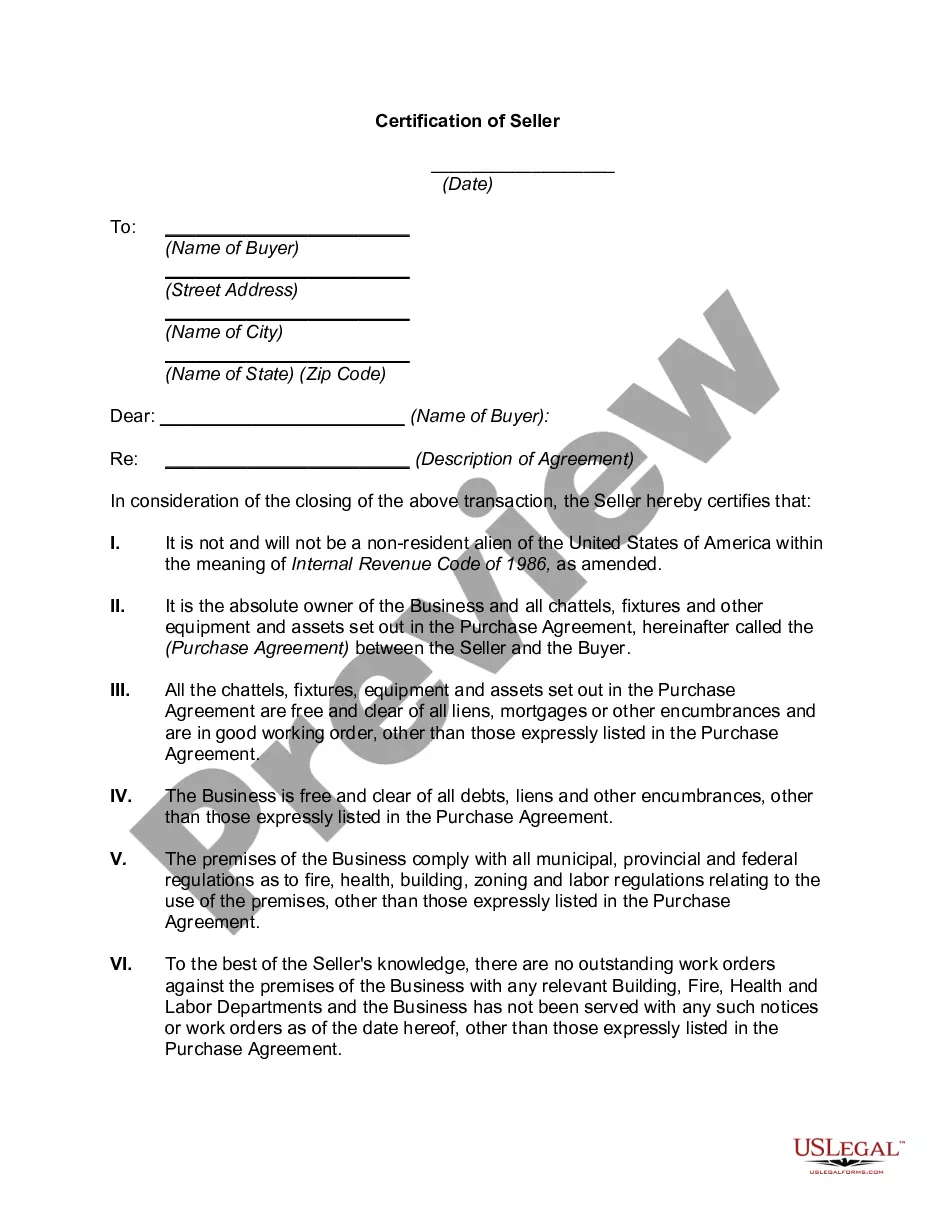
The General Notice of Default for Contract for Deed is a vital legal document that allows the seller to formally notify the purchaser of a breach of the contract terms. This notice provides details on the specific default, what actions the purchaser must take to correct the issue, and the seller's intended course of action if the default is not remedied. It differs from other notices by focusing specifically on contracts for deed, which serve as a means of property financing.
Main sections of this form
- Identification of the parties involved (seller and purchaser).
- Description of the default situation, explaining why the contract is in breach.
- Requirements for the purchaser to cure the default, including timelines and actions needed.
- The seller's proposed remedy if the purchaser does not take corrective actions.
- Signature lines for both parties to acknowledge the notice.
Common use cases
This notice should be used when a purchaser fails to comply with the terms of a contract for deed, such as failing to make timely payments or neglecting property maintenance responsibilities. The seller can use this form to initiate the process of addressing defaults, clearly outlining necessary steps for correction to avoid potential legal disputes.
Who can use this document
- Sellers of real property who have entered into a contract for deed
- Purchasers who need to be made aware of their non-compliance
- Real estate professionals assisting clients in contract management
Instructions for completing this form
- Identify the parties: Enter the full legal names of the seller and purchaser.
- Describe the default: Clearly outline the specific reasons for the default in the contract.
- Specify the required actions: Detail what actions the purchaser must take to cure the default.
- Outline the seller's remedy: State what legal actions the seller may pursue if the default is not corrected.
- Include signatures: Both parties must sign to acknowledge receipt of the notice and its contents.
Notarization requirements for this form
This form must be notarized to be legally valid. US Legal Forms provides secure online notarization powered by Notarize, allowing you to complete the process through a verified video call.
Get your form ready online
Our built-in tools help you complete, sign, share, and store your documents in one place.
Make edits, fill in missing information, and update formatting in US Legal Forms—just like you would in MS Word.
Download a copy, print it, send it by email, or mail it via USPS—whatever works best for your next step.
Sign and collect signatures with our SignNow integration. Send to multiple recipients, set reminders, and more. Go Premium to unlock E-Sign.
If this form requires notarization, complete it online through a secure video call—no need to meet a notary in person or wait for an appointment.
We protect your documents and personal data by following strict security and privacy standards.

Make edits, fill in missing information, and update formatting in US Legal Forms—just like you would in MS Word.

Download a copy, print it, send it by email, or mail it via USPS—whatever works best for your next step.

Sign and collect signatures with our SignNow integration. Send to multiple recipients, set reminders, and more. Go Premium to unlock E-Sign.

If this form requires notarization, complete it online through a secure video call—no need to meet a notary in person or wait for an appointment.

We protect your documents and personal data by following strict security and privacy standards.
Typical mistakes to avoid
- Not clearly stating the reasons for the default.
- Failing to specify timelines for the purchaser to cure the default.
- Neglecting to include necessary signatures from both parties.
Why complete this form online
- Convenience of downloading and completing the form from anywhere.
- Editability allows for quick adjustments based on your specific situation.
- Access to attorney-drafted templates ensures legal reliability and accuracy.
Summary of main points
- The General Notice of Default is essential for communicating defaults in a Contract for Deed.
- Completing this form accurately can prevent escalation of contractual disputes.
- Sellers must ensure clear, firm instructions for Purchasers to rectify defaults.
Looking for another form?

Form popularity
FAQ
A disadvantage to the seller is that a contract for deed is frequently characterized by a low down payment and the purchase price is paid in installments instead of one lump sum. If a seller needs funds from the sale to buy another property, this would not be a beneficial method of selling real estate.
If a buyer backs out of a transaction without invoking her rights under a contingency, the seller could sue her to force the sale to move forward or for damages. To avoid this risk, most contracts contain a clause that allows the seller to keep the buyer's deposit if the buyer backs out.
The buyer should record the contract for deed with the county recorder where the land is located and does so normally within four months after the contract is signed, though the time may vary depending on state law.
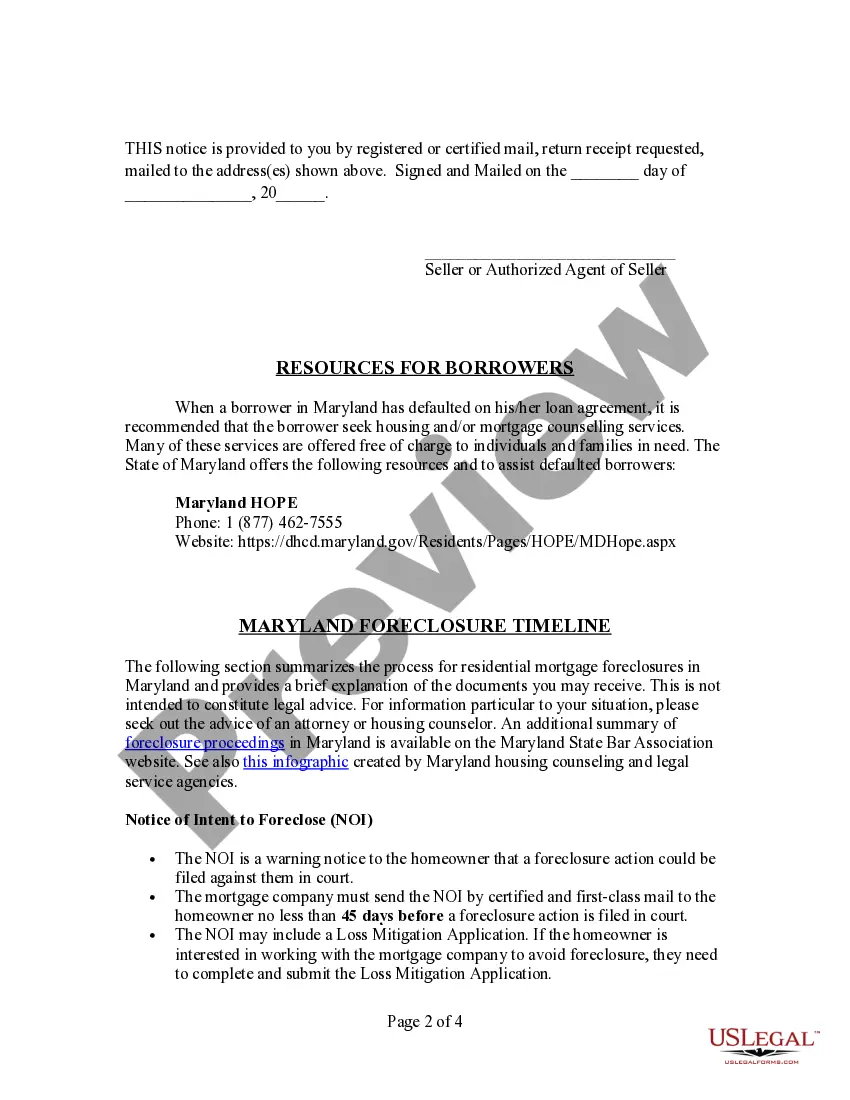
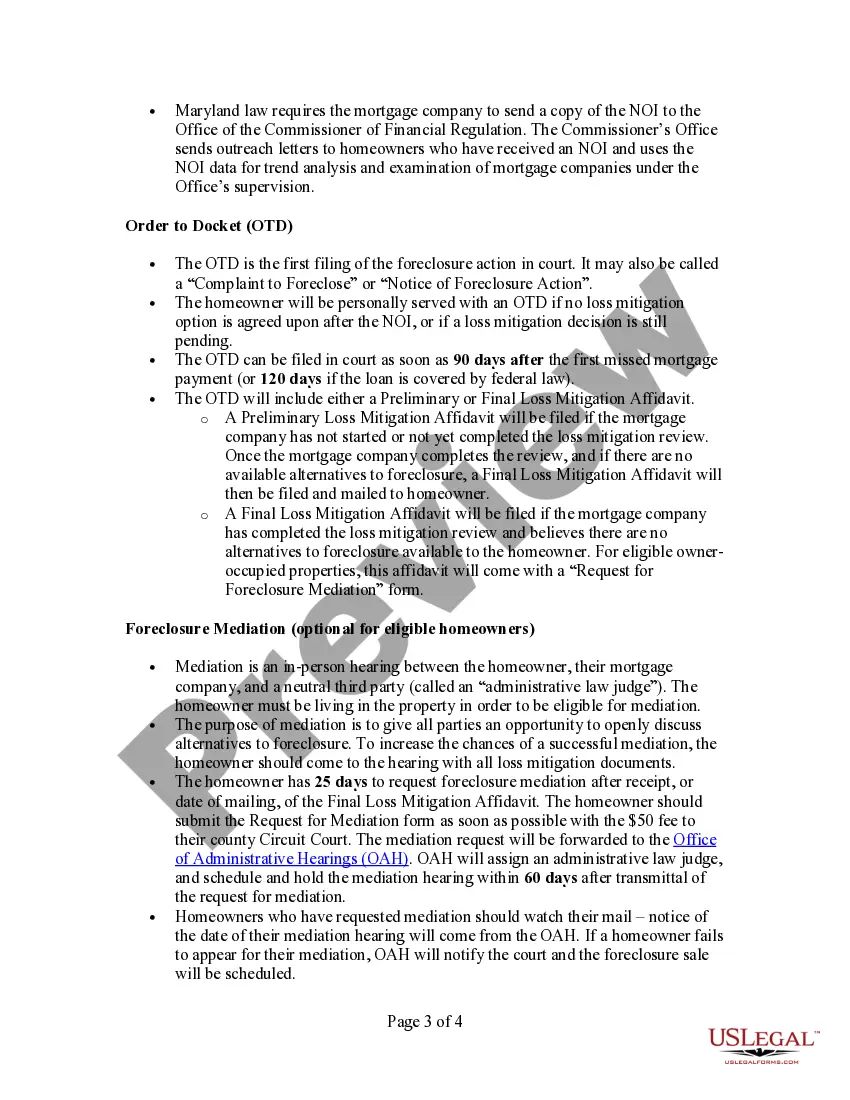
This means that if you default and can?t make your payments, you lose the property and all of the money you have already paid into it (often including repairs and improvements). Unlike a traditional mortgage, a defaulting buyer in a contact for deed may only have 30-60 days to cure the default or move out.
In the first instance, if your deed is not recorded, there is nothing in the public record to stop the seller from conveying the property to another person.The second situation could happen if your seller fails to pay his or her debts and the seller's creditors file liens or judgments against your property.
Failure to record a deed effectively makes it impossible for the public to know about the transfer of a property. That means the legal owner of the property appears to be someone other than the buyer, a situation that can generate serious ramifications.
Contact the other party and ask whether they are willing to negotiate the cancellation of the contract. Offer the other party an incentive to cancel the contract for deed.
If a seller defaults, he must return all deposits, plus added reasonable expenses, to the buyer. The other party may also seek to compel the erring party to complete the deal under specific performance. From a buyer's point of view, it is advisable to get the sale agreement registered.