Massachusetts Special or Limited Power of Attorney for Real Estate Sales Transaction By Seller
About this form
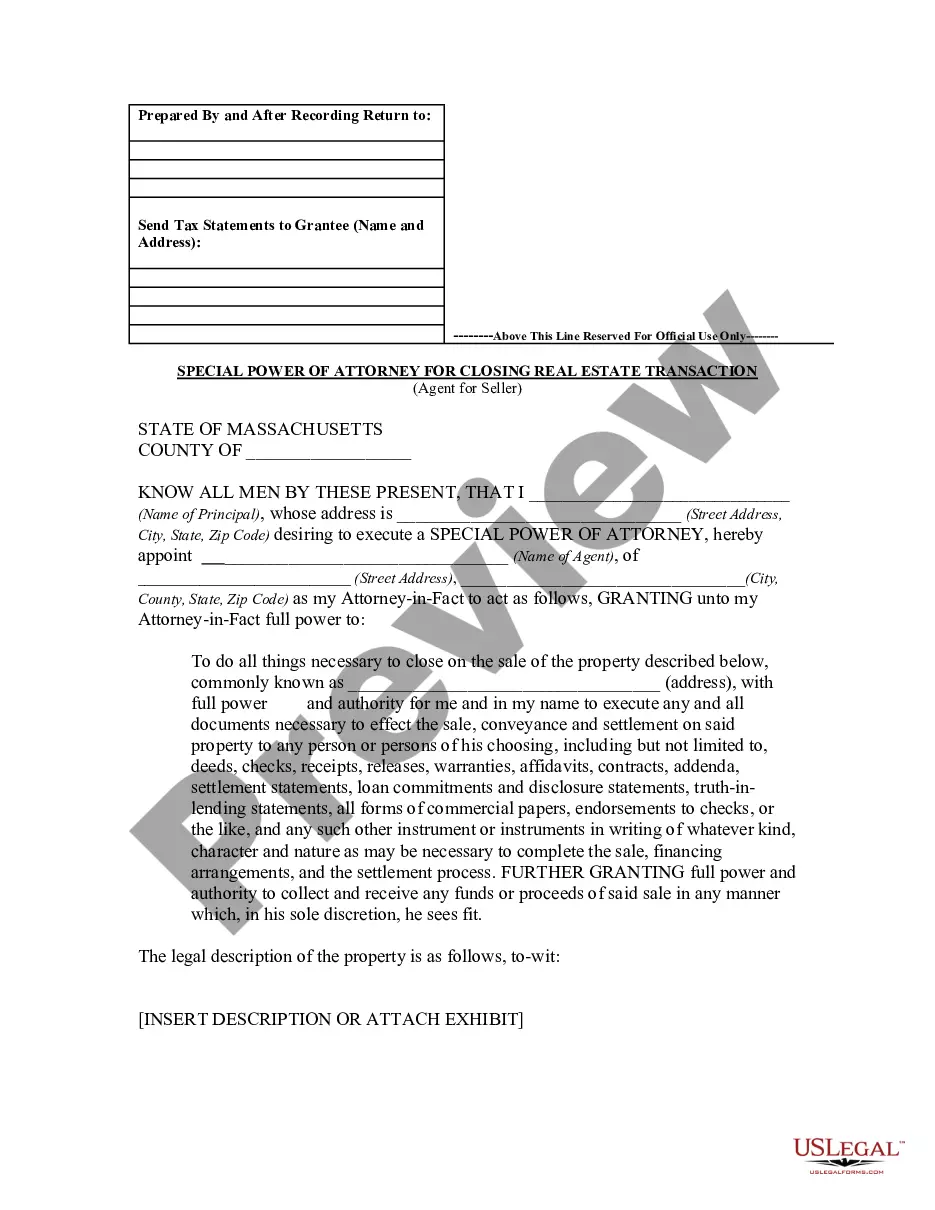
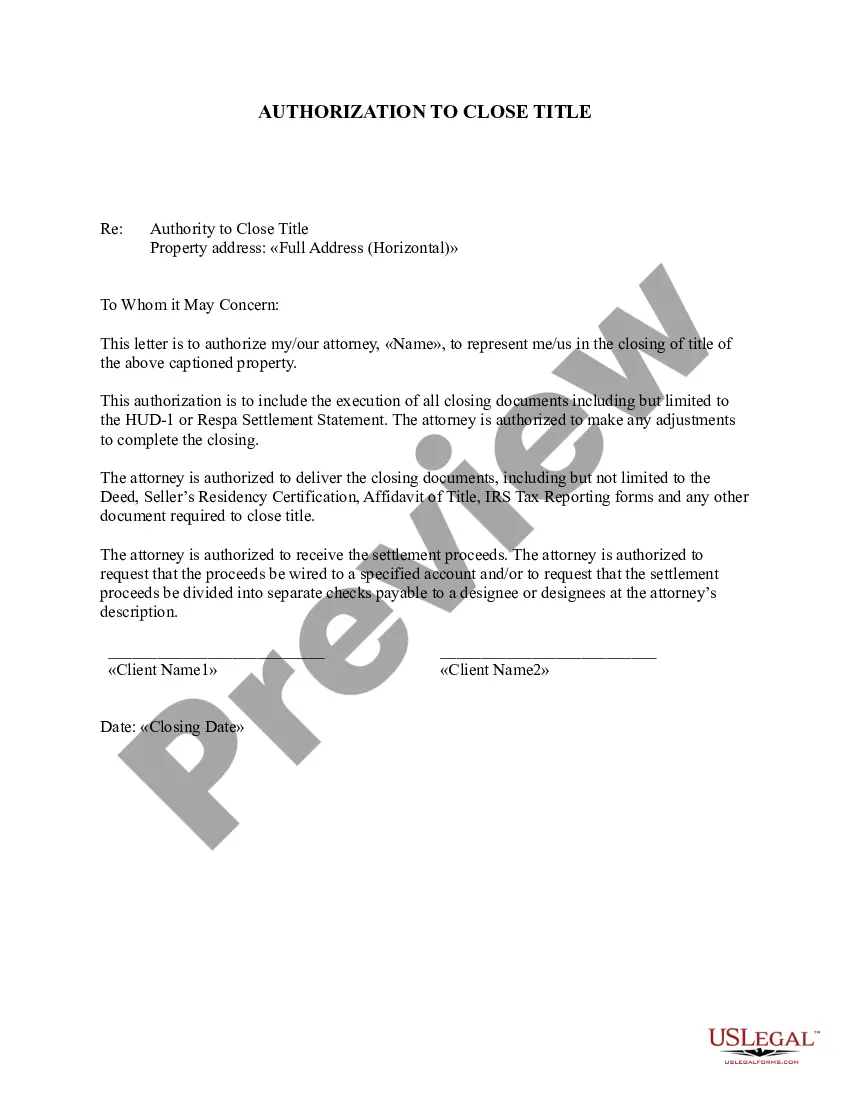
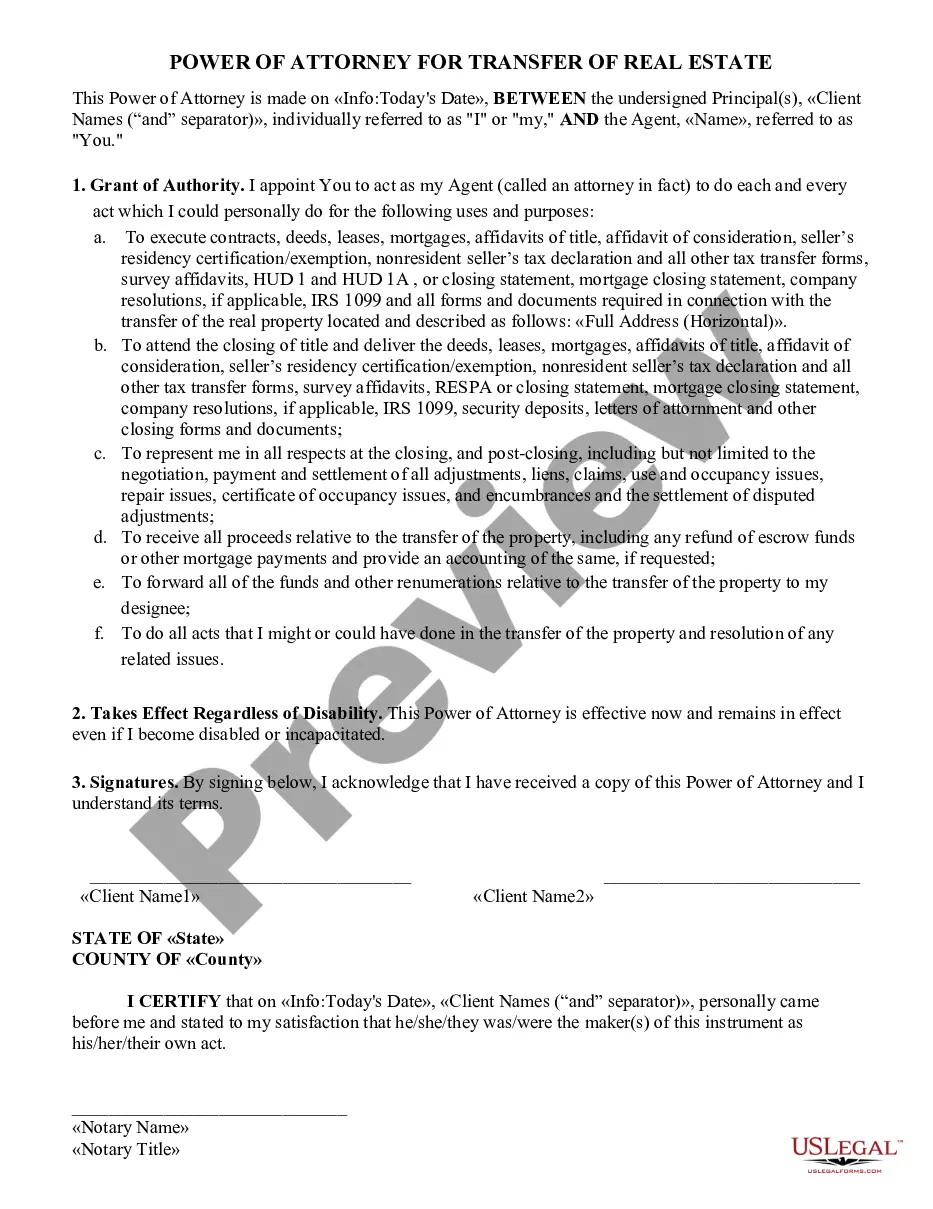
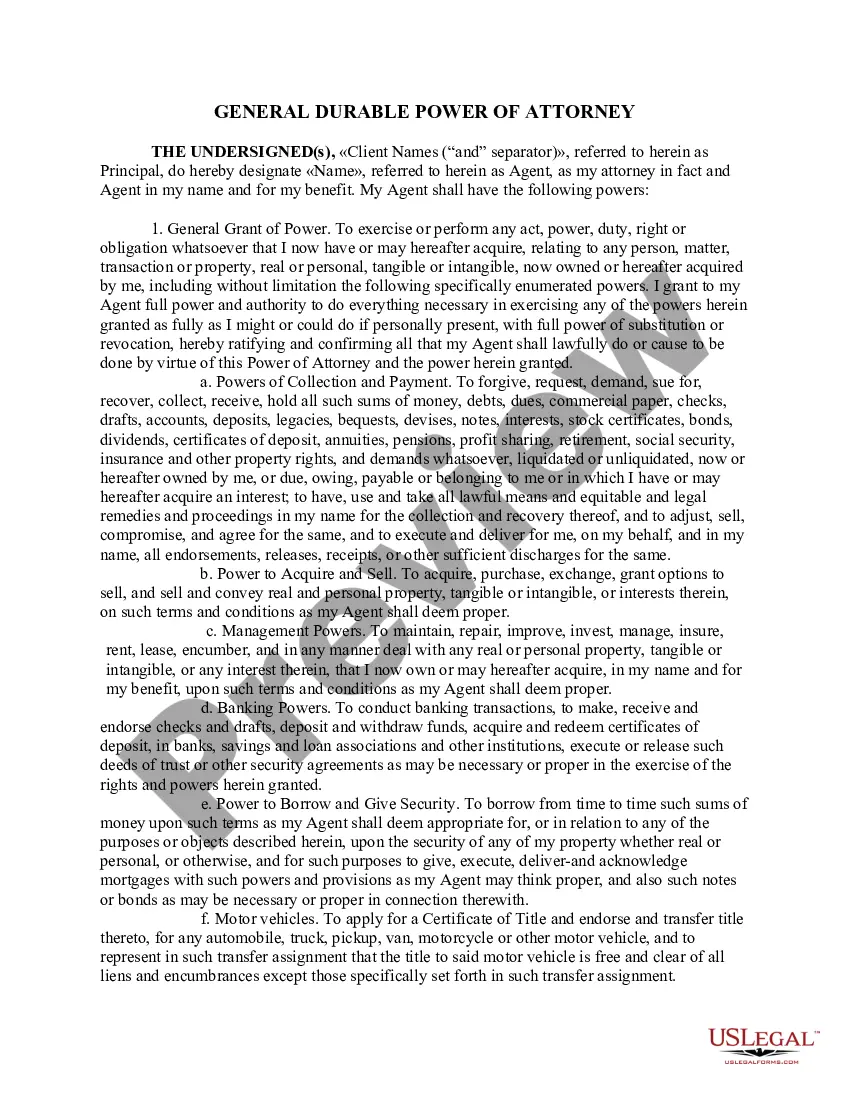
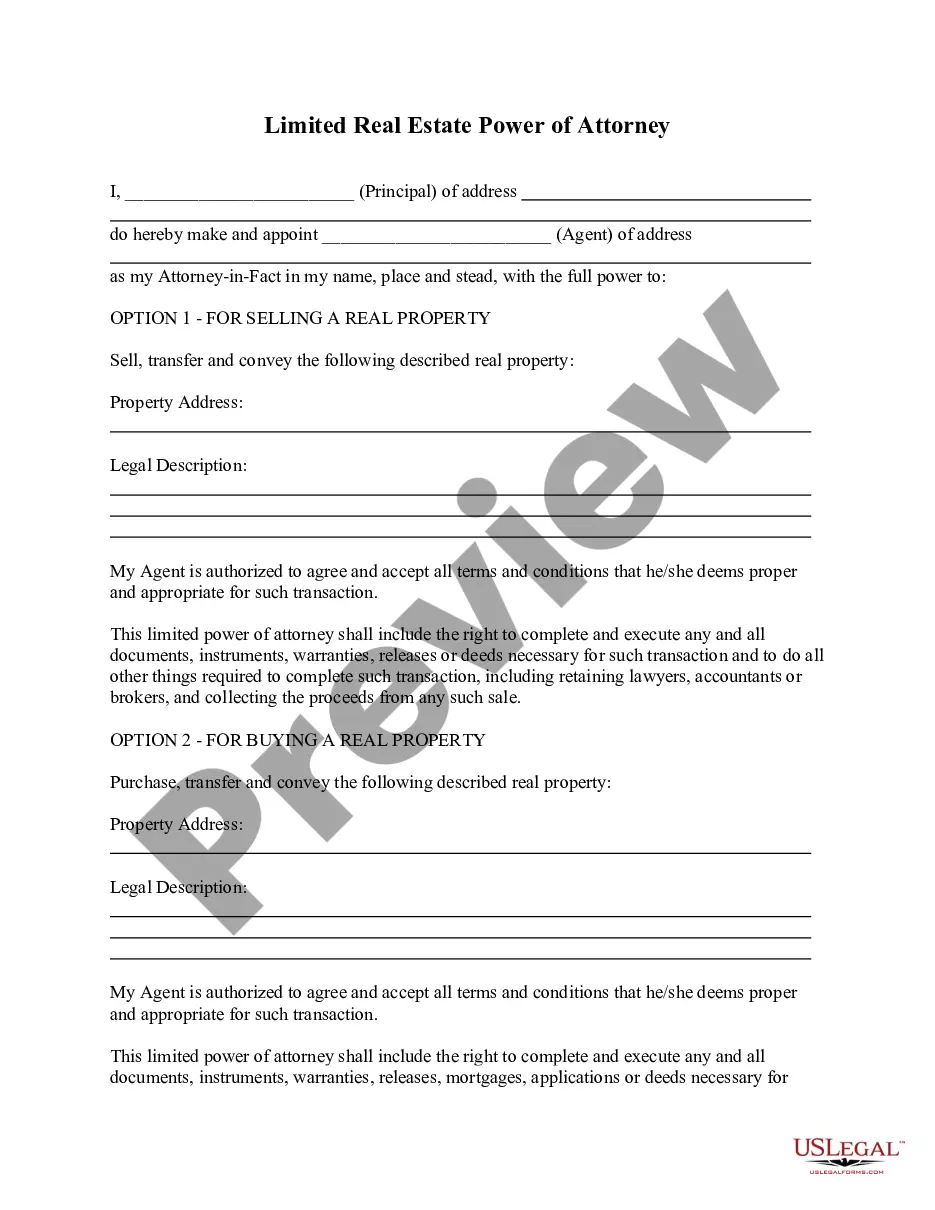
The Special or Limited Power of Attorney for Real Estate Sales Transaction By Seller empowers a seller to designate an attorney-in-fact. This form allows the appointed individual to handle all necessary actions and documentation involved in the sale of a specific property on behalf of the seller. Unlike general power of attorney forms, this document is specific to real estate transactions, ensuring that the appointed agent has the authority only for these purposes.
Main sections of this form
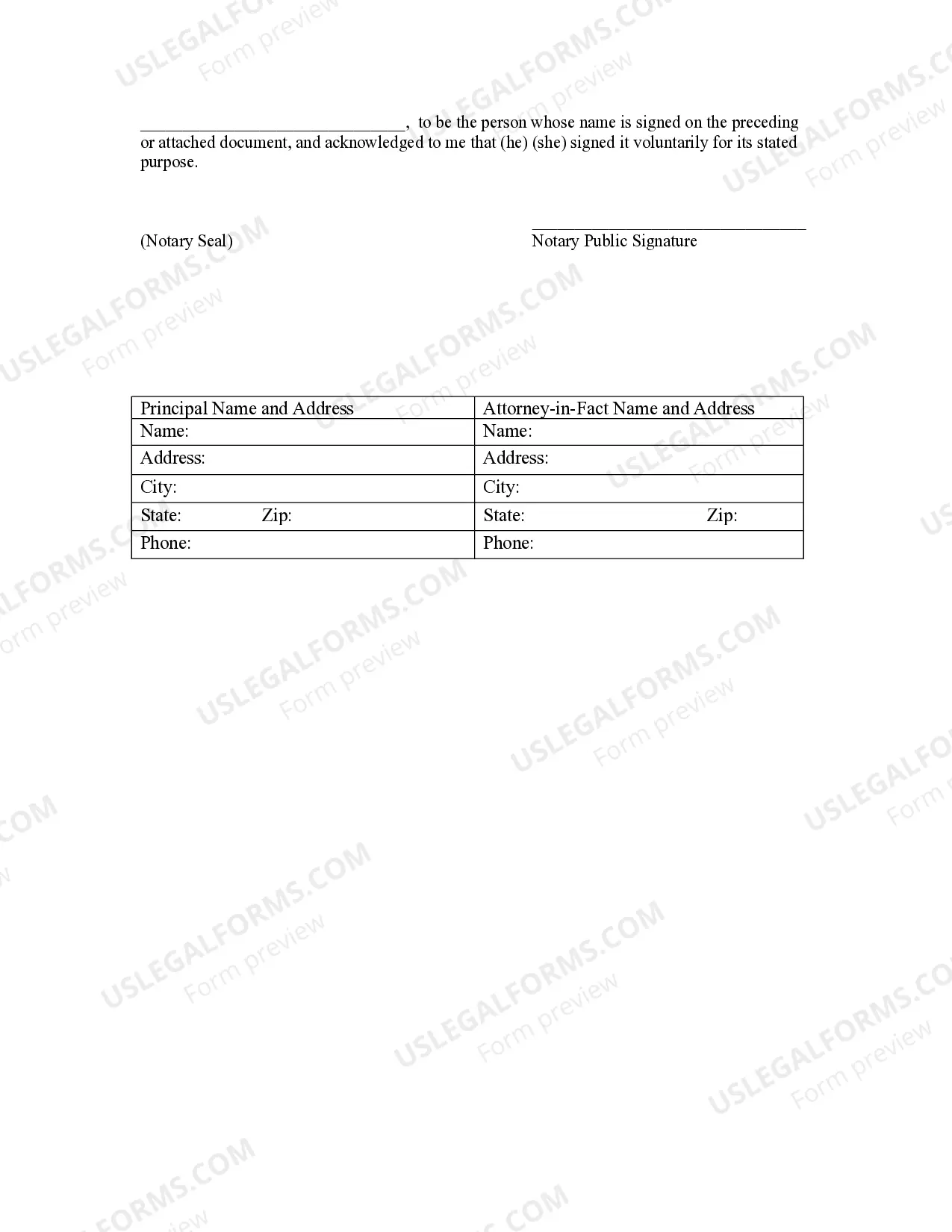
- Name and address of the principal (seller).
- Name and address of the attorney-in-fact (agent).
- Description of the specific property being sold.
- Granting of full power and authority to the agent for conducting the sale.
- Approval for the agent to collect and receive proceeds from the sale.
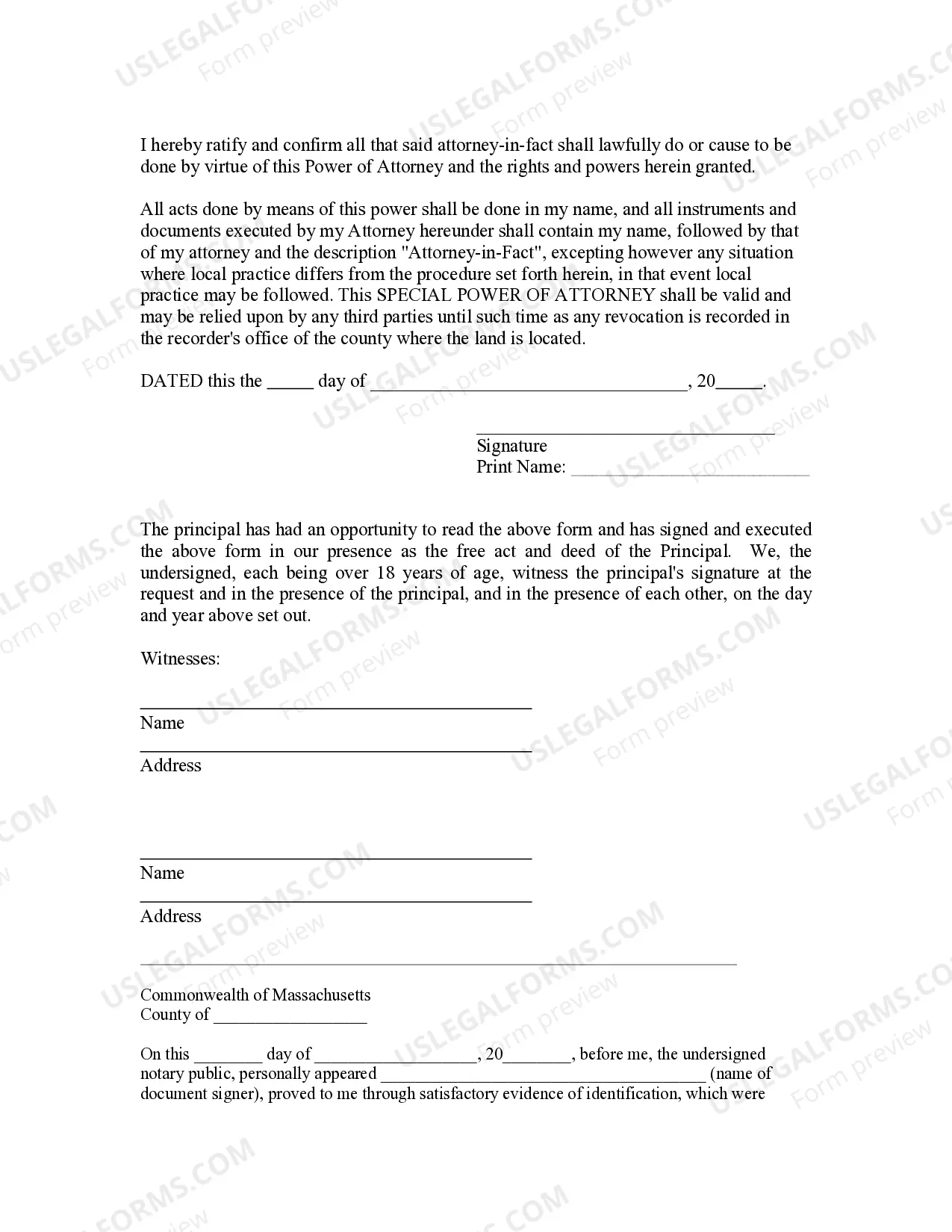
- Notary section to validate the document.
When to use this document
This form is needed when a seller is unable to be present for the closing of the sale or prefers to have someone else manage the transaction. Situations may include out-of-state sales, health issues, or other personal commitments that prevent the seller from being involved directly in the process. By using this power of attorney, the seller can ensure that the sale is executed smoothly and legally.
Who can use this document
- Sellers of real estate who need to delegate transaction authority.
- Individuals who cannot attend the closing in person.
- Those selling properties due to relocation or other commitments.
- Persons who wish to appoint a trusted individual to handle real estate transactions.
Instructions for completing this form
- Identify the parties involved: the principal (seller) and the attorney-in-fact.
- Provide the legal description and address of the property being sold.
- Clearly state the powers being granted to the attorney-in-fact.
- Include the signatures of both the principal and a notary public.
- Retain a copy for your records and provide copies to relevant parties involved in the transaction.
Notarization requirements for this form
To make this form legally binding, it must be notarized. Our online notarization service, powered by Notarize, lets you verify and sign documents remotely through an encrypted video session.
Get your form ready online
Our built-in tools help you complete, sign, share, and store your documents in one place.
Make edits, fill in missing information, and update formatting in US Legal Forms—just like you would in MS Word.
Download a copy, print it, send it by email, or mail it via USPS—whatever works best for your next step.
Sign and collect signatures with our SignNow integration. Send to multiple recipients, set reminders, and more. Go Premium to unlock E-Sign.
If this form requires notarization, complete it online through a secure video call—no need to meet a notary in person or wait for an appointment.
We protect your documents and personal data by following strict security and privacy standards.

Make edits, fill in missing information, and update formatting in US Legal Forms—just like you would in MS Word.

Download a copy, print it, send it by email, or mail it via USPS—whatever works best for your next step.

Sign and collect signatures with our SignNow integration. Send to multiple recipients, set reminders, and more. Go Premium to unlock E-Sign.

If this form requires notarization, complete it online through a secure video call—no need to meet a notary in person or wait for an appointment.

We protect your documents and personal data by following strict security and privacy standards.
Typical mistakes to avoid
- Failing to provide the complete legal description of the property.
- Neglecting to have the document notarized, if required.
- Not signing the document in the presence of the notary.
- Leaving sections incomplete or ambiguous, which may cause delays in the transaction.
Advantages of online completion
- Convenience: Download and complete the form from anywhere, at any time.
- Editability: Easily fill in required fields and make adjustments before finalizing.
- Reliability: Forms provided by licensed attorneys ensure compliance with legal standards.
Looking for another form?
Form popularity
FAQ
Name, signature, and address of the principal. Name, signature, and address of the agent. Properties and activities under the authority of the agent. Date of effect and termination of authority. Compensation to services of the agent.
Do I have to have witnesses to my Durable Power of Attorney? Not to have it be legal in Massachusetts.A durable power of attorney should always be notarized, but just like with witnesses it would be legal without it, although it might be hard to use, and won't help with real estate.
You create the power while you are mentally competent and of sound mind. The principal is the person who creates the POA in Massachusetts. Most will, appoint a spouse, relative, business partner or close friend as the agent.
Remember that all of the authorized agents under the power of attorney or representatives in an estate must sign the listing agreement, disclosure documents, etc. For example, when there are two executors in an estate, then they both must sign the Listing Contract.
The POA can be a useful tool in residential real estate transactions when a necessary party will be unavailable to execute documents prior to or attend the closing.In order to be recorded, the POA presented must contain the original signature of the principal, and it must be notarized.
A power of attorney (or POA) is a legal document that grants a person or organization the legal authority to act on another's behalf and make certain decisions for them.A power of attorney needs to be signed in front of a licensed notary public in order to be legally binding.
Remember that all of the authorized agents under the power of attorney or representatives in an estate must sign the listing agreement, disclosure documents, etc. For example, when there are two executors in an estate, then they both must sign the Listing Contract.
Massachusetts law does not require that a Power of Attorney be notarized.In addition to recommending that the Power of Attorney be notarized, most courts also recommend that the document be: (1) signed by the agent; and (2) recorded with the local court wherever the principal lives.
In many states, notarization is required by law to make the durable power of attorney valid. But even where law doesn't require it, custom usually does. A durable power of attorney that isn't notarized may not be accepted by people with whom your attorney-in-fact tries to deal.