Massachusetts Letter from Tenant to Landlord about Illegal entry by landlord
About this form
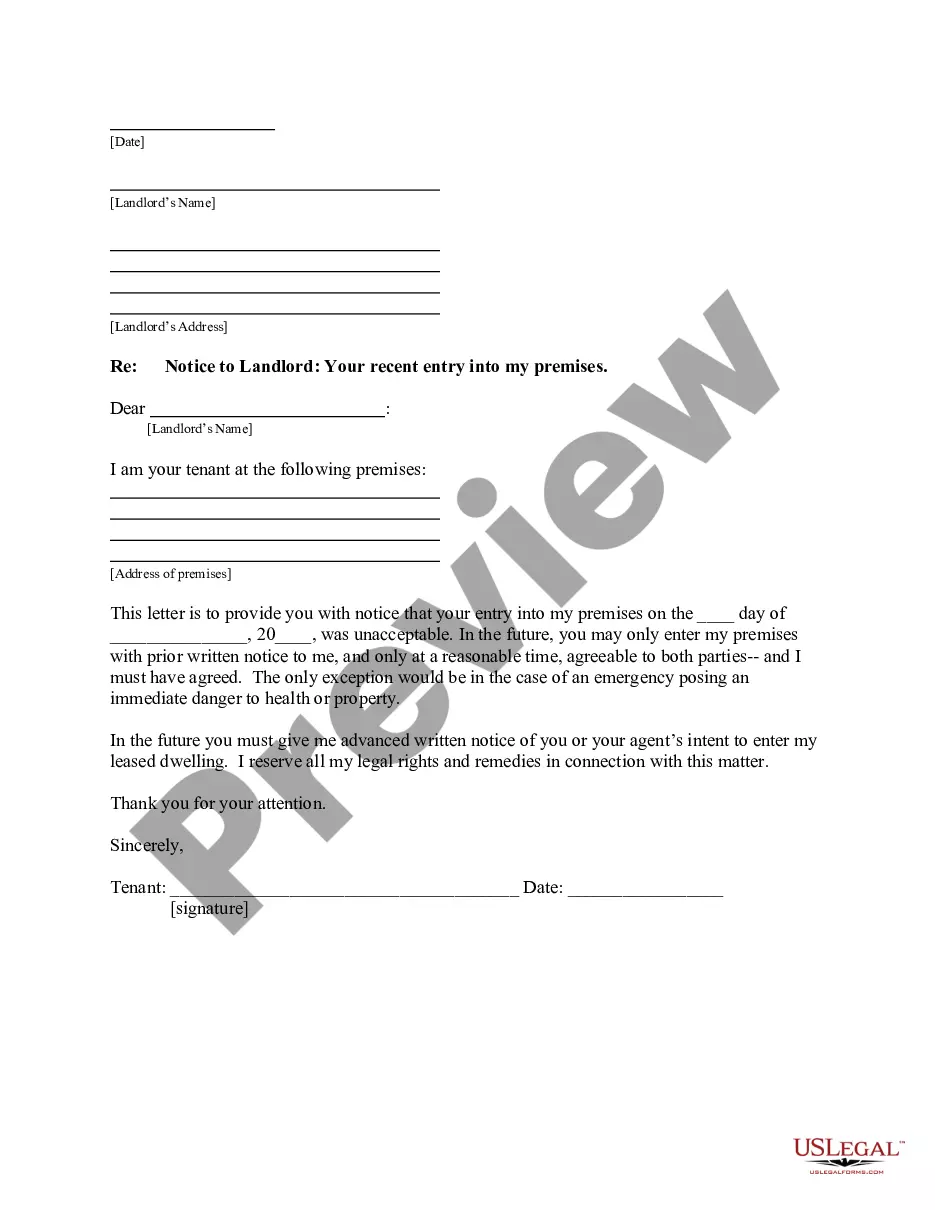
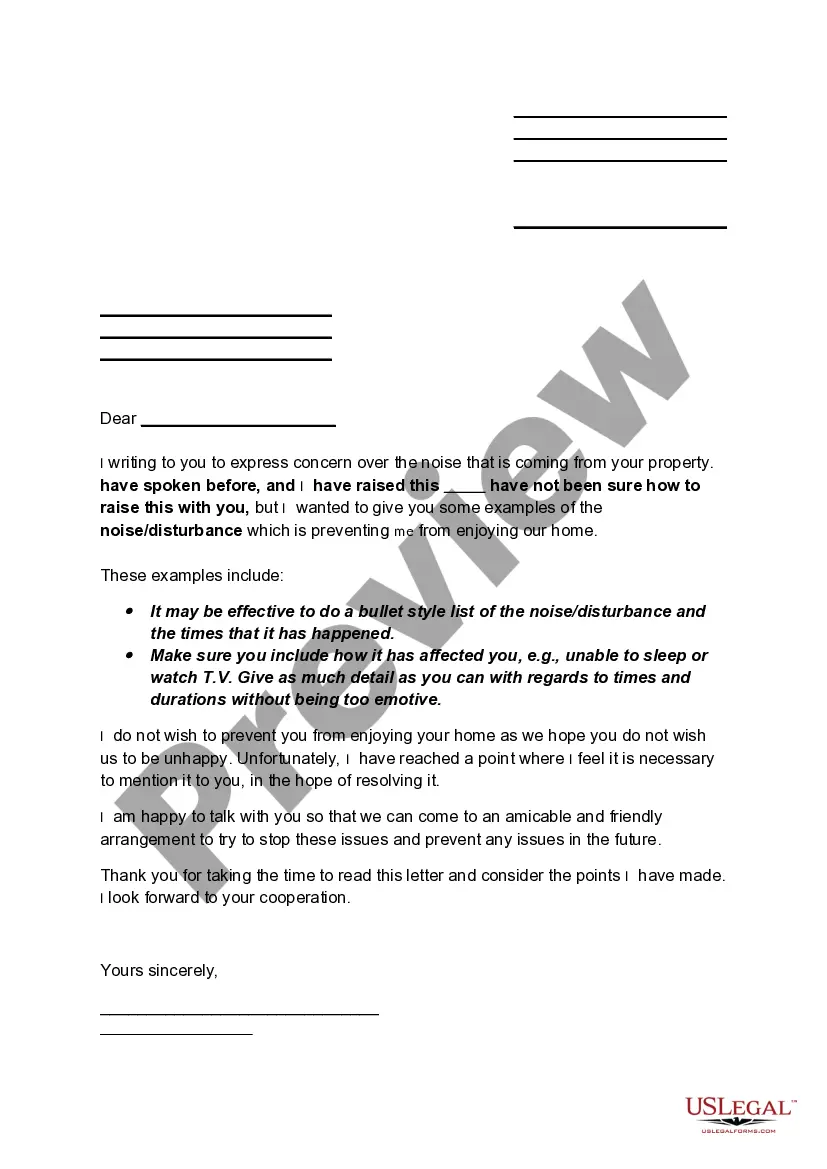
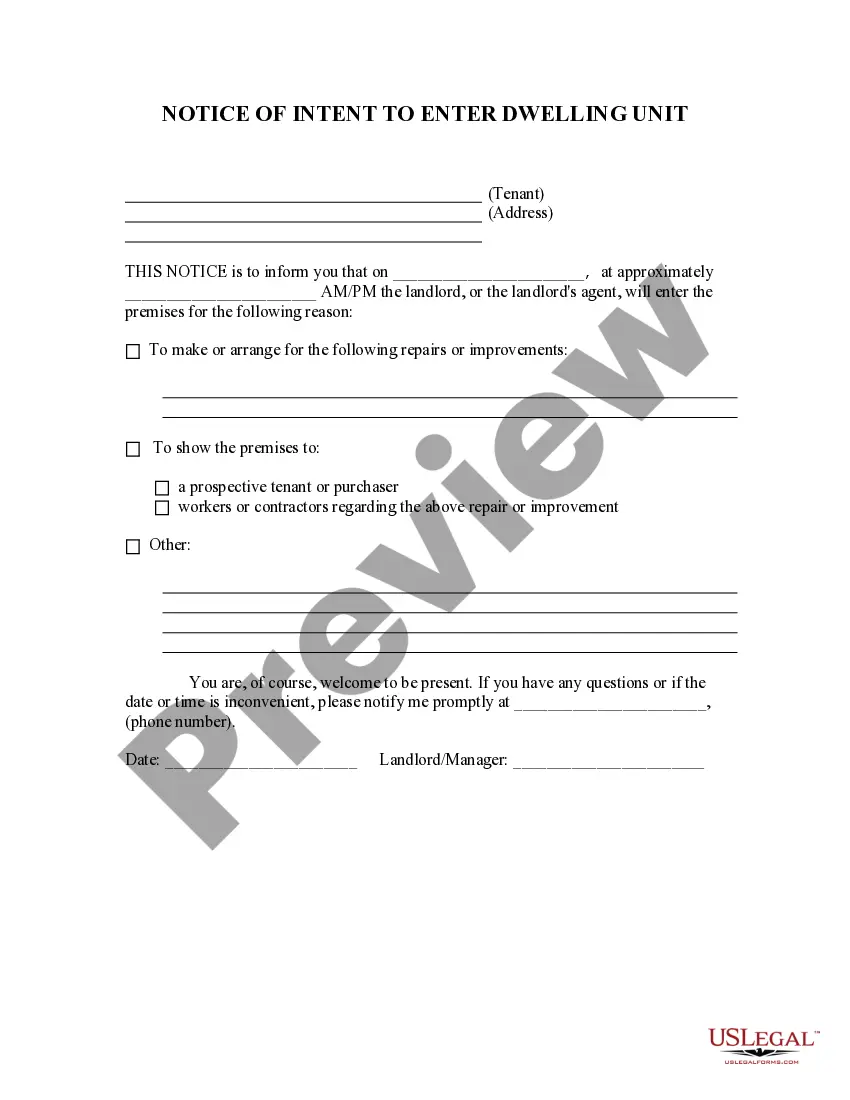
This form is a Letter from Tenant to Landlord regarding illegal entry by the landlord. Its primary purpose is to formally notify the landlord that future entries into the rented premises must be preceded by written notice and should occur at reasonable times. This differs from other forms such as eviction notices or general repair requests, as it specifically addresses the issue of unauthorized entry by the landlord.
Main sections of this form
- Statement requesting advance written notice before landlord's entry.
- Emphasis on reasonable entry times acceptable to both parties.
- Exception clause for emergencies threatening health or property.
- Reservation of legal rights regarding unauthorized entry.
- Signature and date fields for tenant acknowledgment.

Situations where this form applies
This form is useful when a tenant believes their landlord has entered the property without proper notice, violating their rights. It is typically used in situations where there is repeated unauthorized entry or when a tenant wants to set clear boundaries regarding property access. By using this letter, tenants assert their rights and communicate expectations for future landlord actions.
Who should use this form
This form is intended for:
- Residential tenants concerned about unauthorized entries by landlords.
- Individuals who wish to formally address the issue of illegal entry.
- Tenants who want to clarify their rights regarding entry into their rental property.
Steps to complete this form
- Identify yourself as the tenant and include your address.
- Clearly state your request for advanced written notice before entry.
- Specify acceptable entry times that are reasonable for both you and the landlord.
- Reserve your legal rights regarding any future unauthorized entries.
- Sign and date the letter before delivering it to the landlord.
Notarization guidance
This form does not typically require notarization unless specified by local law. However, keeping a verified record of the communication may be beneficial, depending on your stateâs requirements.
Get your form ready online
Our built-in tools help you complete, sign, share, and store your documents in one place.
Make edits, fill in missing information, and update formatting in US Legal Forms—just like you would in MS Word.
Download a copy, print it, send it by email, or mail it via USPS—whatever works best for your next step.
Sign and collect signatures with our SignNow integration. Send to multiple recipients, set reminders, and more. Go Premium to unlock E-Sign.
If this form requires notarization, complete it online through a secure video call—no need to meet a notary in person or wait for an appointment.
We protect your documents and personal data by following strict security and privacy standards.

Make edits, fill in missing information, and update formatting in US Legal Forms—just like you would in MS Word.

Download a copy, print it, send it by email, or mail it via USPS—whatever works best for your next step.

Sign and collect signatures with our SignNow integration. Send to multiple recipients, set reminders, and more. Go Premium to unlock E-Sign.

If this form requires notarization, complete it online through a secure video call—no need to meet a notary in person or wait for an appointment.

We protect your documents and personal data by following strict security and privacy standards.
Common mistakes
- Not providing a clear request for written notice.
- Failing to specify what constitutes an emergency.
- Neglecting to keep a copy of the letter for personal records.
Why complete this form online
- Convenience of downloading and printing the form instantly.
- Editability allows you to customize the letter to fit your specific situation.
- Access to professionally drafted content ensures legal adequacy.
- Using this letter establishes a formal record of your request for notice.
- It may serve as evidence in disputes regarding unauthorized entries.
Main things to remember
- This form allows tenants to request proper notice for entry, protecting their rights.
- Understanding state laws is crucial for effective use of this form.
- Clear documentation can aid in resolving disputes with landlords.
Looking for another form?




Form popularity
FAQ
How much notice must my landlord give? A landlord must give 24 hours' written notice before they can enter a property - assuming they are given permission by the tenant - and can only arrange to visit at a 'reasonable' time of the day; so ideally not late at night or early in the morning.
No, you can't sue your landlord for renting you an illegal apartment.
In all states, a landlord can enter the property in an emergency without notice or permission. For example, if a burst pipe in your apartment is leaking into the unit downstairs, your landlord may enter or send someone from the maintenance crew to enter your home if you're not there.
You should give your landlord access to the property to inspect it or carry out repairs. Your landlord has to give you at least 24 hours' notice and visit at a reasonable time of day, unless it's an emergency and they need immediate access.
You are paying rent to the landlord for exclusive use as the property as your home and as such you have the right to decide who enters it and when. If a landlord enters your home without permission they are, technically, trespassing, unless they have a court order to allow them otherwise.
When you rent a property from a landlord it becomes your home. They should only enter the property without you being present, if you have given permission for them to do so, or in a genuine emergency.
Massachusetts law allows the landlord to enter your premises at reasonable times and under reasonable notice under the following conditions: To show the apartment to prospective tenants, purchasers, lenders or their agents;If the premises appear to be abandoned; or. Pursuant to a Court order.
While a landlord has a right of entry, this is balanced against your right to privacy as a tenant. Landlords are not entitled to go through your unit and belongings at will. They generally must have a valid reason to enter the unit and give you proper notice, unless you gave them permission in advance.