Massachusetts Warranty Deed from Individual to LLC
Understanding this form
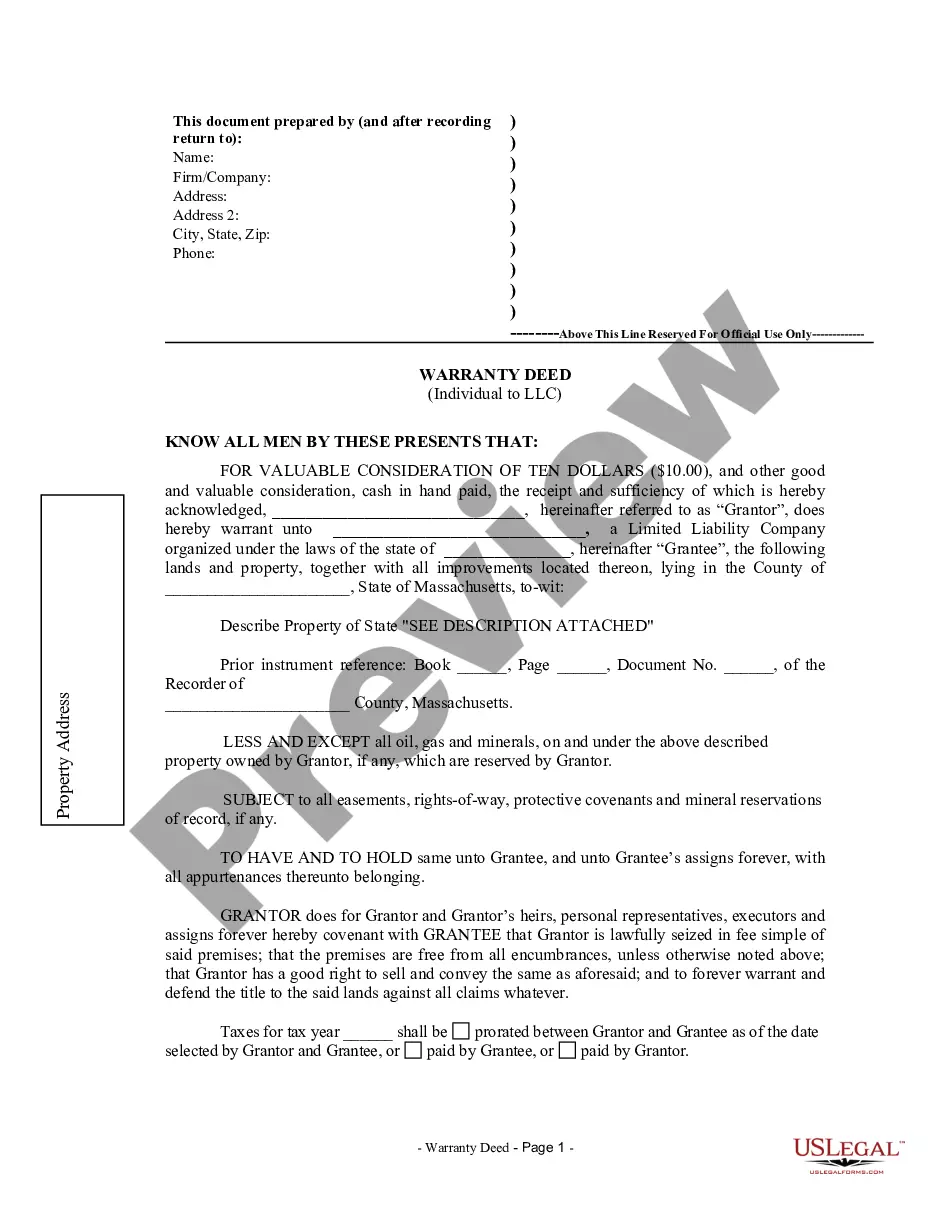
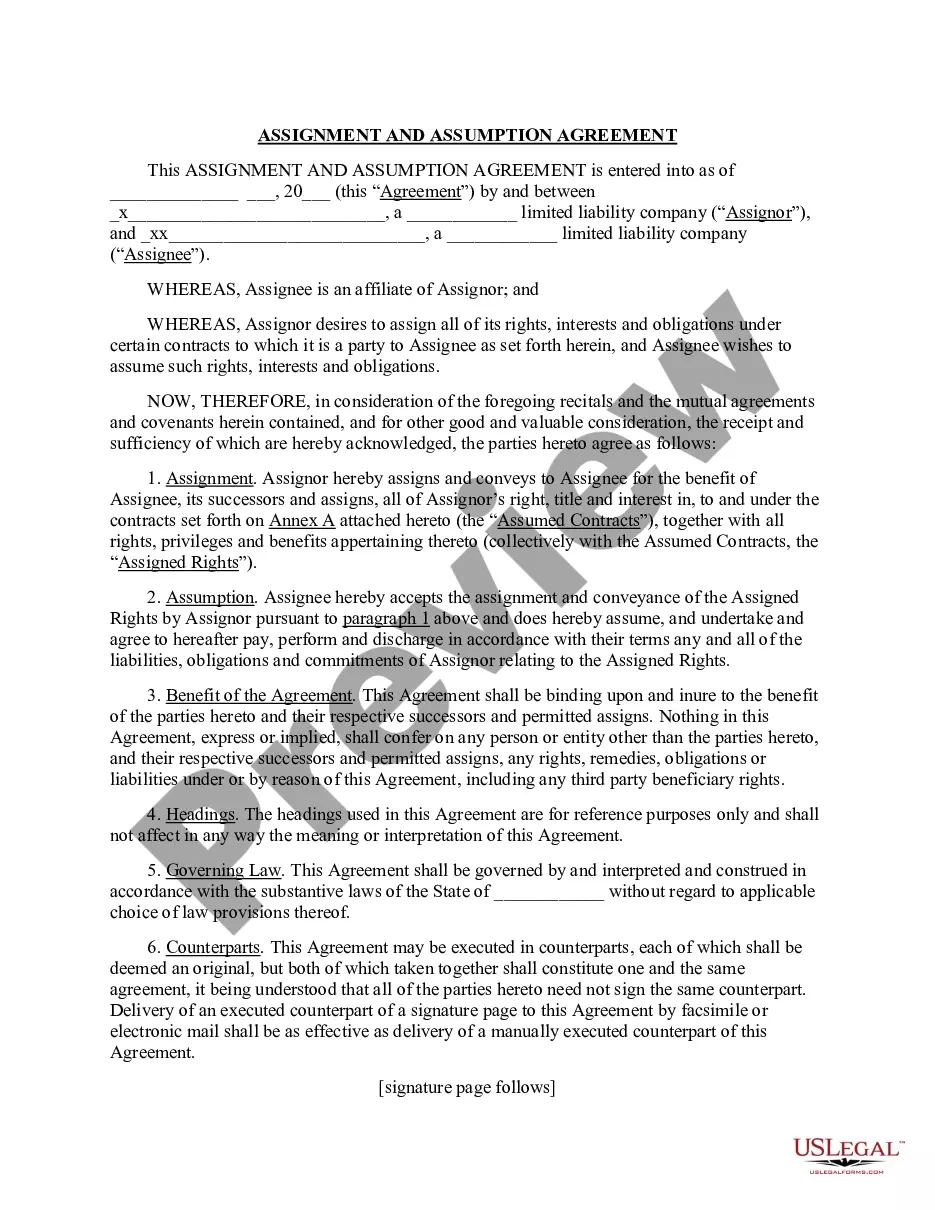
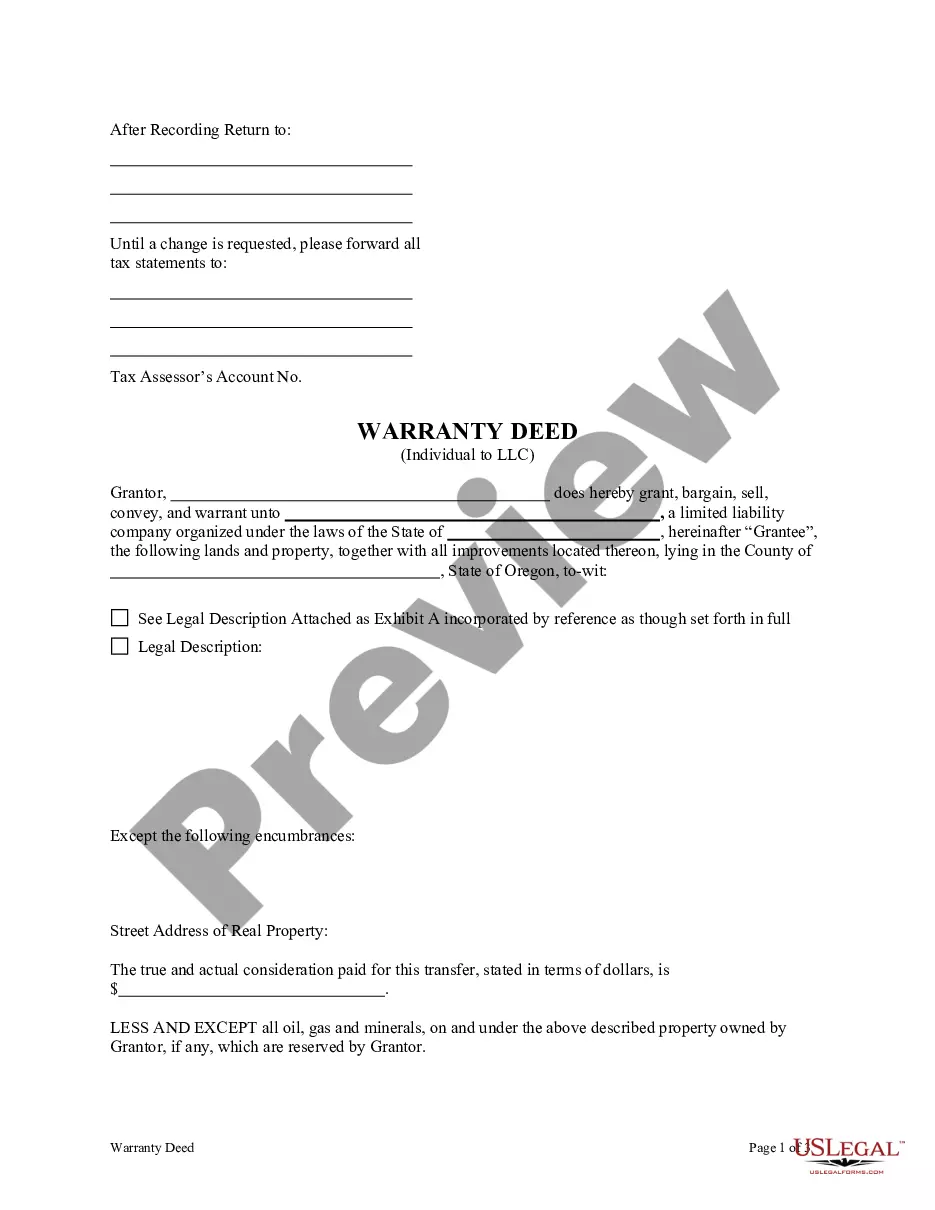
The Warranty Deed from Individual to LLC is a legal document used to transfer ownership of real property from an individual (the grantor) to a limited liability company (the grantee). This form serves to formally convey the property, ensuring the grantor guarantees the title is clear of encumbrances, except for specified reservations, such as oil, gas, and minerals. Unlike other types of deeds, this document is specifically tailored for transactions involving LLCs, providing essential legal protection for both parties involved.
Main sections of this form
- Description of the property being conveyed.
- Prior instrument reference for tracking ownership history.
- Reservation of rights concerning oil, gas, and minerals.
- Covenant by the grantor regarding the title's legality and encumbrances.
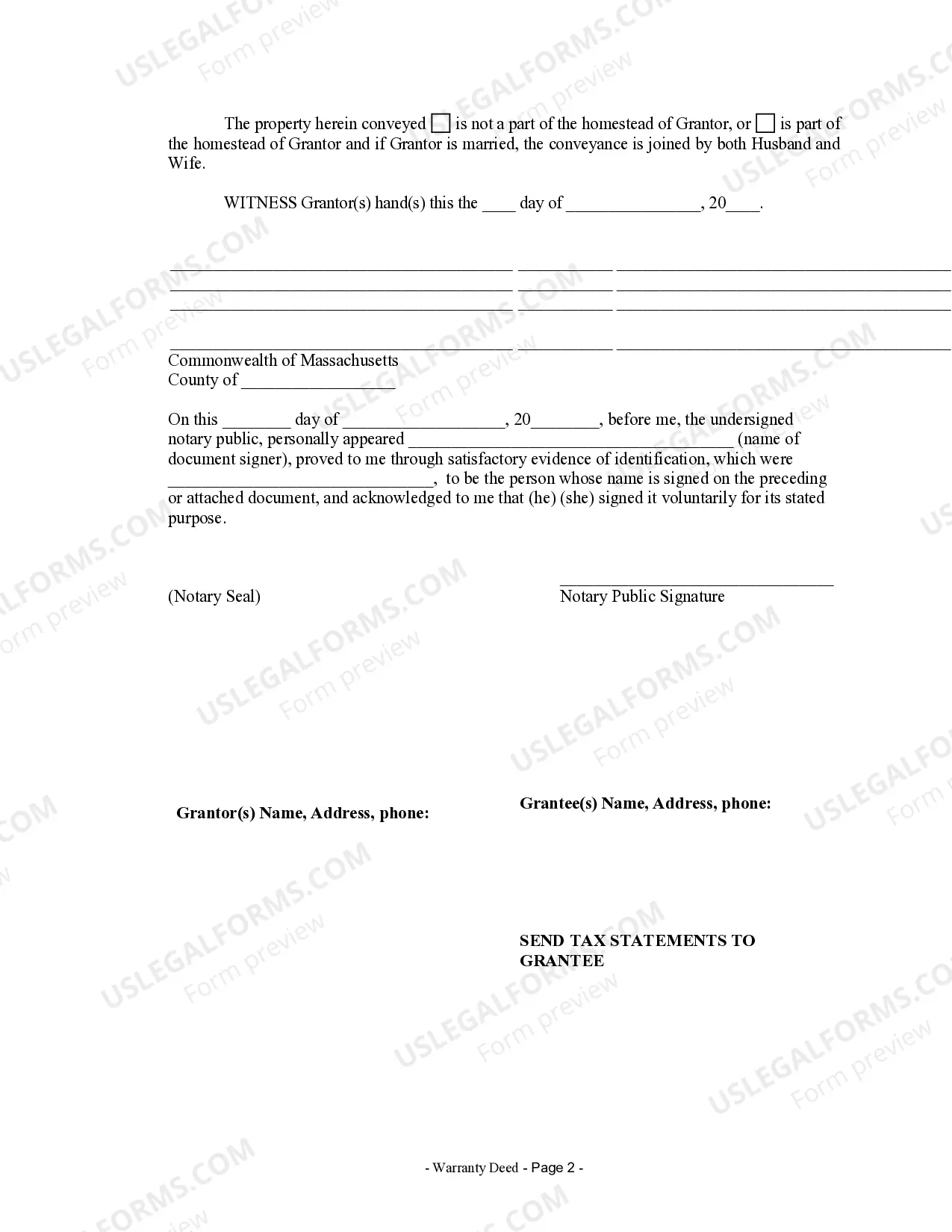
- Proration of taxes for the tax year between the grantor and grantee.
- Signature lines for the grantor and notary public acknowledgment.


Common use cases
This form should be used when an individual wishes to transfer property ownership to an LLC. It is commonly used in real estate transactions where business owners want to hold their property within a limited liability company for legal and tax benefits. This deed ensures a smooth transition of property interests while protecting both the individual's and the LLC's rights.
Who should use this form
- Property owners (individuals) who wish to transfer their real estate to an LLC.
- Members or managers of an LLC involved in property acquisition.
- Individuals seeking to streamline their property ownership for legal or financial purposes.
Instructions for completing this form
- Identify the parties involved: the grantor (individual) and the grantee (LLC).
- Provide a detailed description of the property being transferred.
- Enter the prior instrument reference with the corresponding book, page, and document number.
- Specify any reservations, such as oil, gas, and mineral rights.
- Include the date and ensure all parties sign the document, followed by notarization.
Does this form need to be notarized?
Notarization is required for this form to take effect. Our online notarization service, powered by Notarize, lets you verify and sign documents remotely through an encrypted video session, available 24/7.
Get your form ready online
Our built-in tools help you complete, sign, share, and store your documents in one place.
Make edits, fill in missing information, and update formatting in US Legal Forms—just like you would in MS Word.
Download a copy, print it, send it by email, or mail it via USPS—whatever works best for your next step.
Sign and collect signatures with our SignNow integration. Send to multiple recipients, set reminders, and more. Go Premium to unlock E-Sign.
If this form requires notarization, complete it online through a secure video call—no need to meet a notary in person or wait for an appointment.
We protect your documents and personal data by following strict security and privacy standards.

Make edits, fill in missing information, and update formatting in US Legal Forms—just like you would in MS Word.

Download a copy, print it, send it by email, or mail it via USPS—whatever works best for your next step.

Sign and collect signatures with our SignNow integration. Send to multiple recipients, set reminders, and more. Go Premium to unlock E-Sign.

If this form requires notarization, complete it online through a secure video call—no need to meet a notary in person or wait for an appointment.

We protect your documents and personal data by following strict security and privacy standards.
Typical mistakes to avoid
- Failing to accurately describe the property can lead to disputes.
- Omitting required signatures or dates can invalidate the deed.
- Not including the prior instrument information may create issues with title searches.
Advantages of online completion
- Convenient access allows users to fill out the form at their own pace.
- Editable templates ensure users can customize the form to meet their needs.
- Reliable legal forms drafted by licensed attorneys provide peace of mind.
Looking for another form?


Form popularity
FAQ
A quitclaim deed only transfers the grantor's interests in a piece of real estate. It does not create any warranties on the title. Only whatever part of the land the grantor owns, if any, will transfer to the grantee. A warranty deed contains a guarantee that the grantor has legal title and rights to the real estate.
A Fiduciary Deed is a Release Deed and is generally used by a grantor who is an Executor or Administrator of an estate to convey the decedent's property. It is also used by a Trustee of a Testamentary Trust, a Guardian, or Conservator.
Contact an attorney to prepare a quitclaim deed. Choose the way you want to hold the title. Sign the quitclaim deed as directed by your attorney. File the deed with the county's register of deeds so it can be recorded on public record.
You must tell HM Land Registry when you change the registered owner of your property, for example if you're transferring it into another person's name, or if you want to add your partner as a joint owner. Download and fill in an application to change the register.
Yes you can. This is called a transfer of equity but you will need the permission of your lender. If you are not married or in a civil partnership you may wish to consider creating a deed of trust and a living together agreement which we can explain to you.
Fiduciary deeds are just one of several types of deeds used in property transfers. This type is used to transfer property such as real estate when the owner can't sign a deed for legal or other reasons. Fiduciary deeds are commonly employed when settling estates and the original owner of the property is deceased.
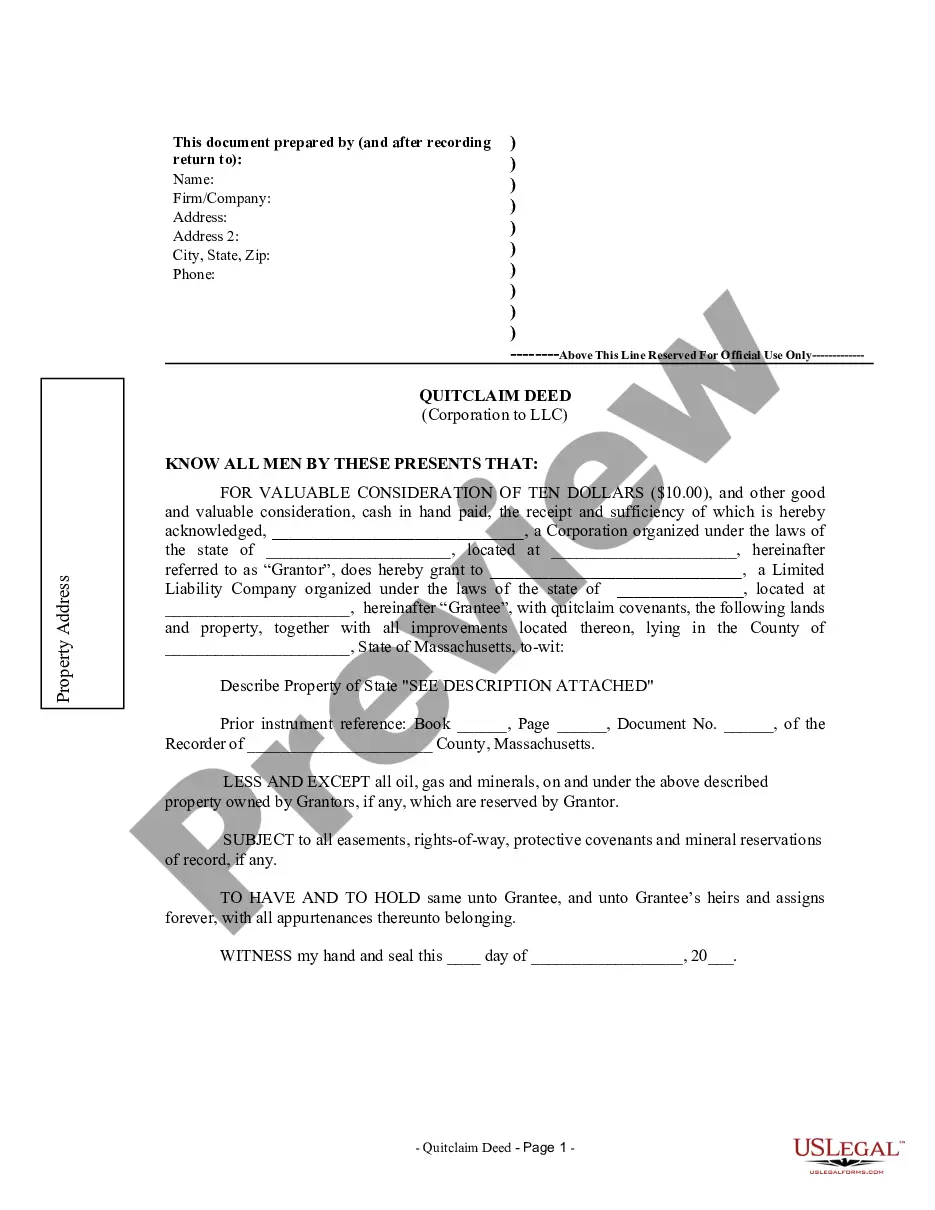
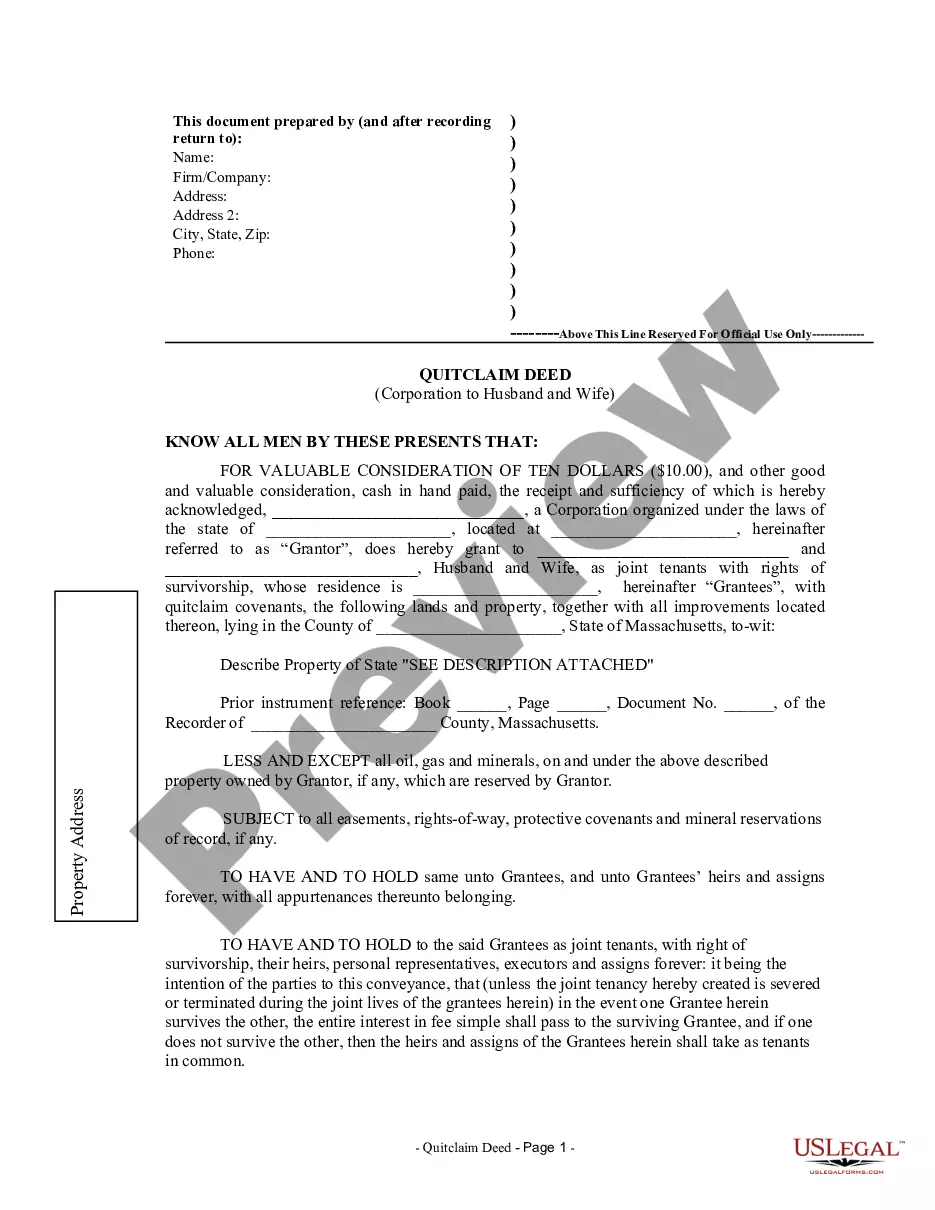
A Massachusetts (MA) quitclaim deed is used to legally transfer land or other property in Massachusetts with no guarantee that the seller (grantor) has the right to transfer to the buyer (grantee).
It is possible to be named on the title deed of a home without being on the mortgage. However, doing so assumes risks of ownership because the title is not free and clear of liens and possible other encumbrances.If a mortgage exists, it's best to work with the lender to make sure everyone on the title is protected.
Instead, you can add the person to your mortgage deed by contacting your title company and paying the required fee, but certain situations may warrant adding a co-borrower to your mortgage loan. If you marry or add someone to your deed, the person may agree to pay all or a portion of your home loan.