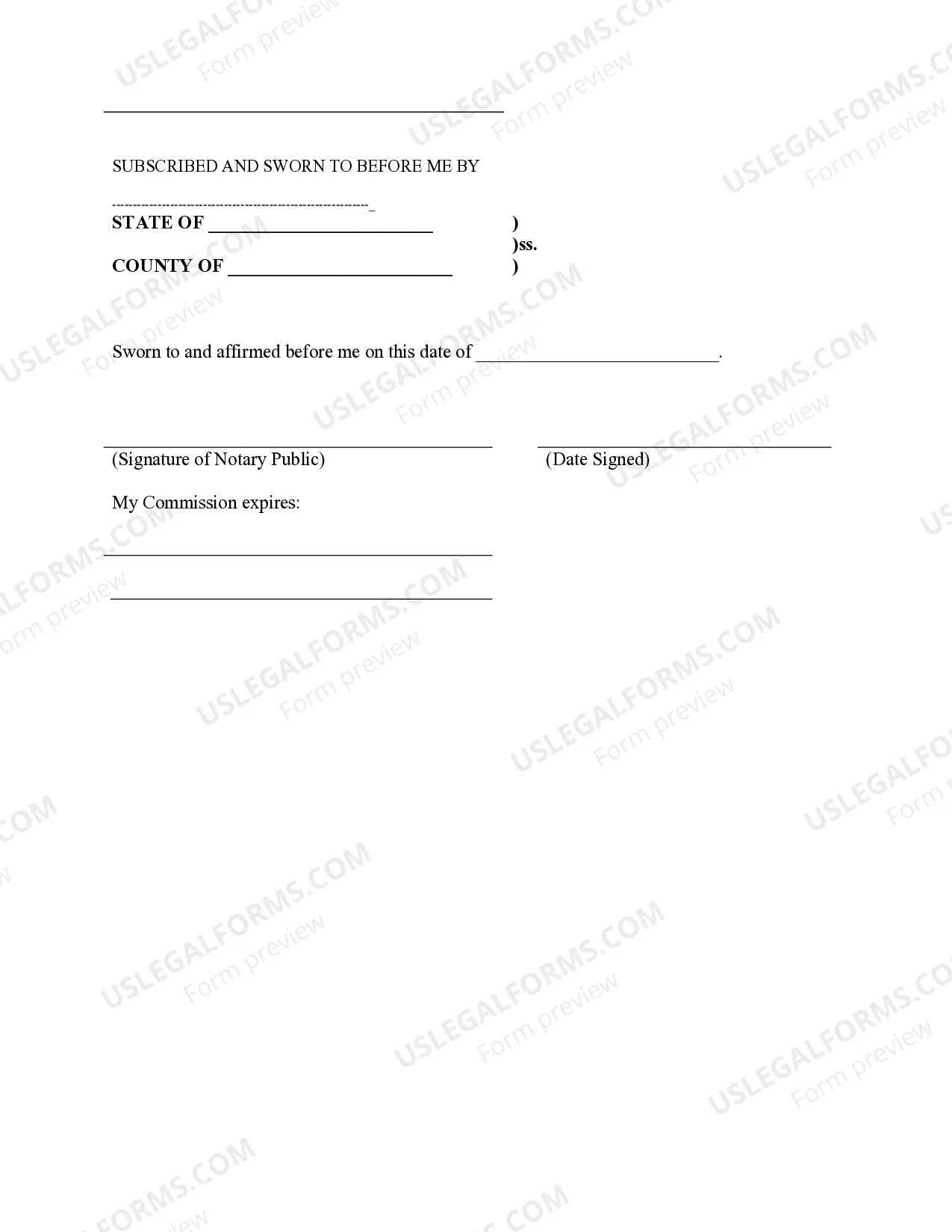
Once it’s filed with the court and accepted, you and the other heirs can start transferring and claiming the assets listed in the affidavit, making it a smoother process.
While it’s not required, having an attorney can help make sure everything is done correctly and that you don’t miss any important steps.
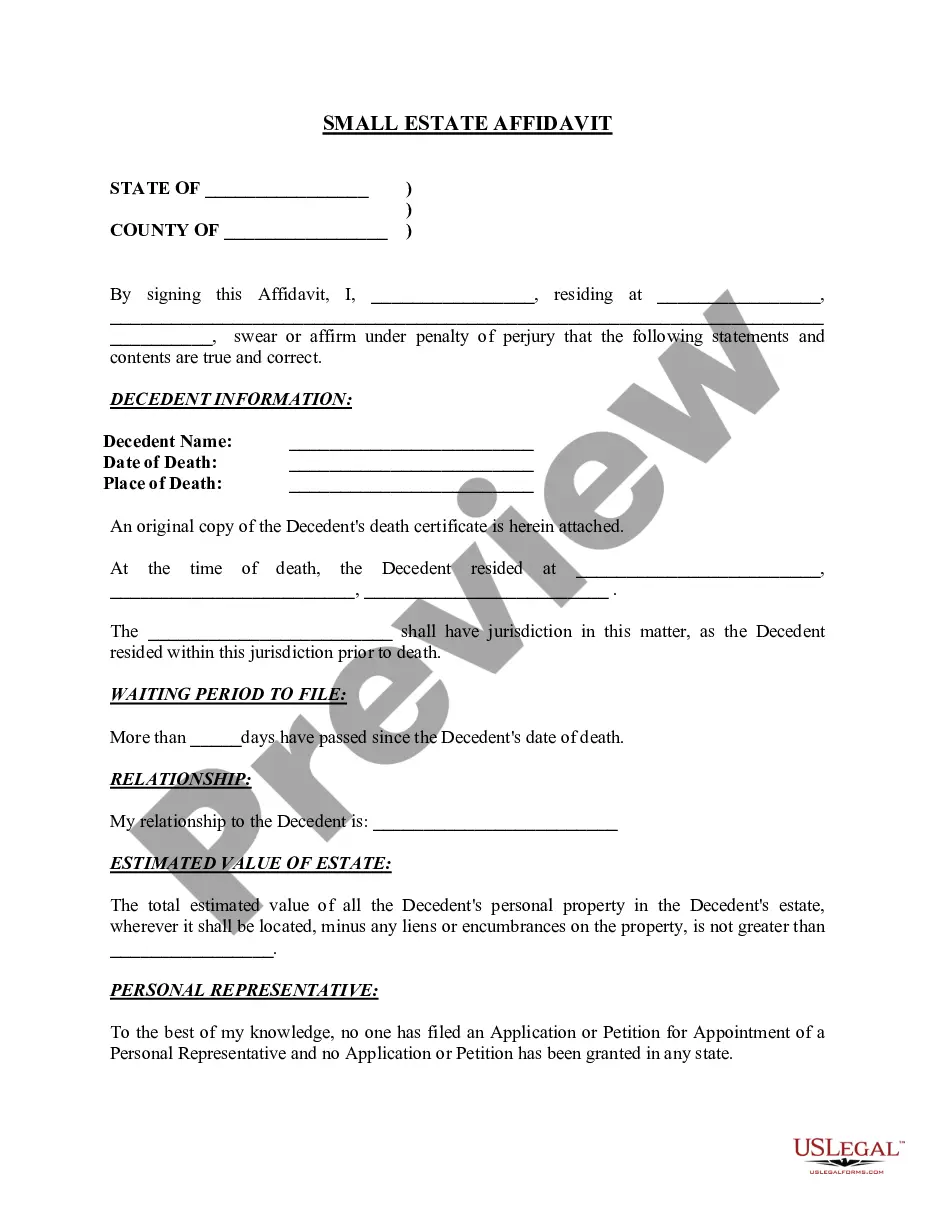
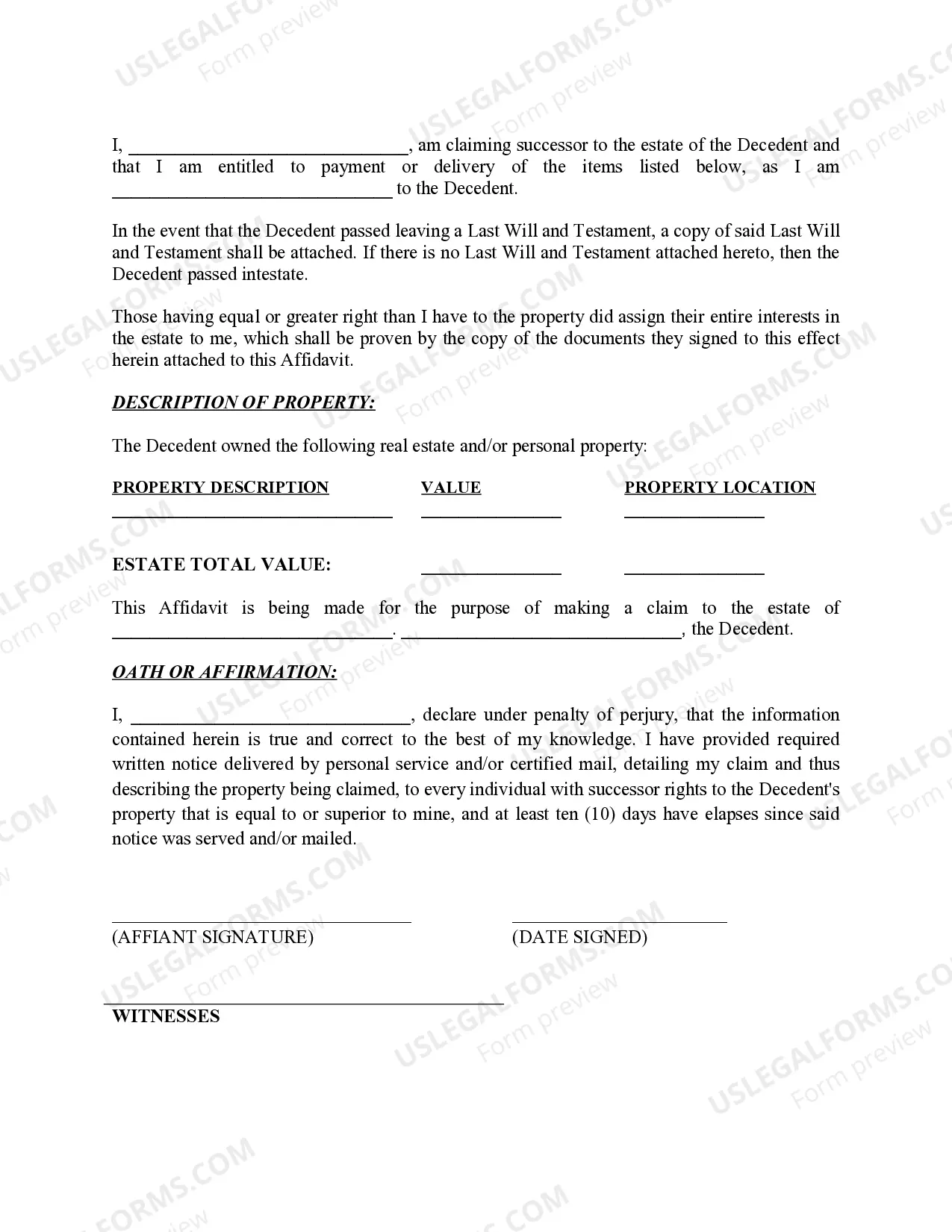
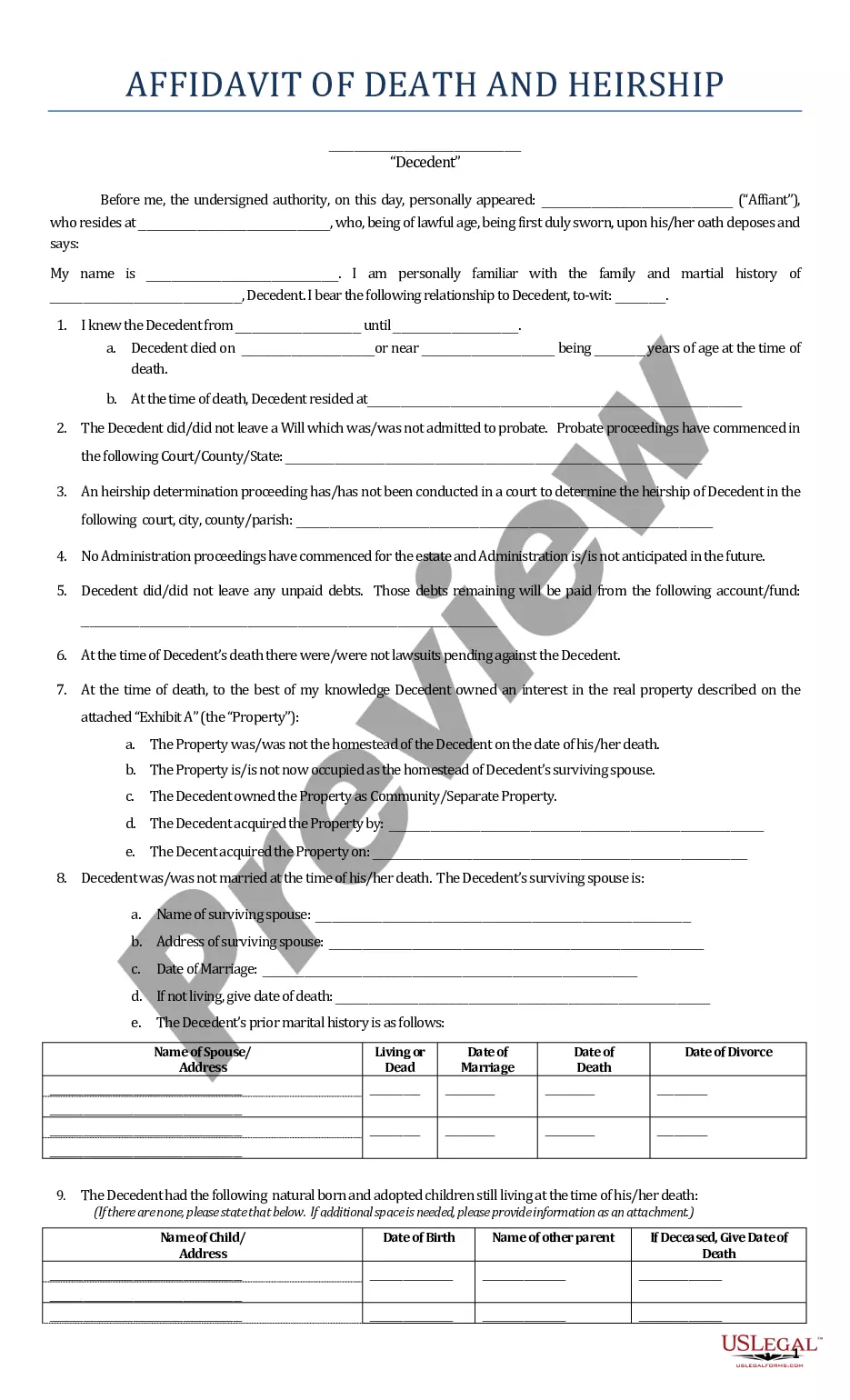
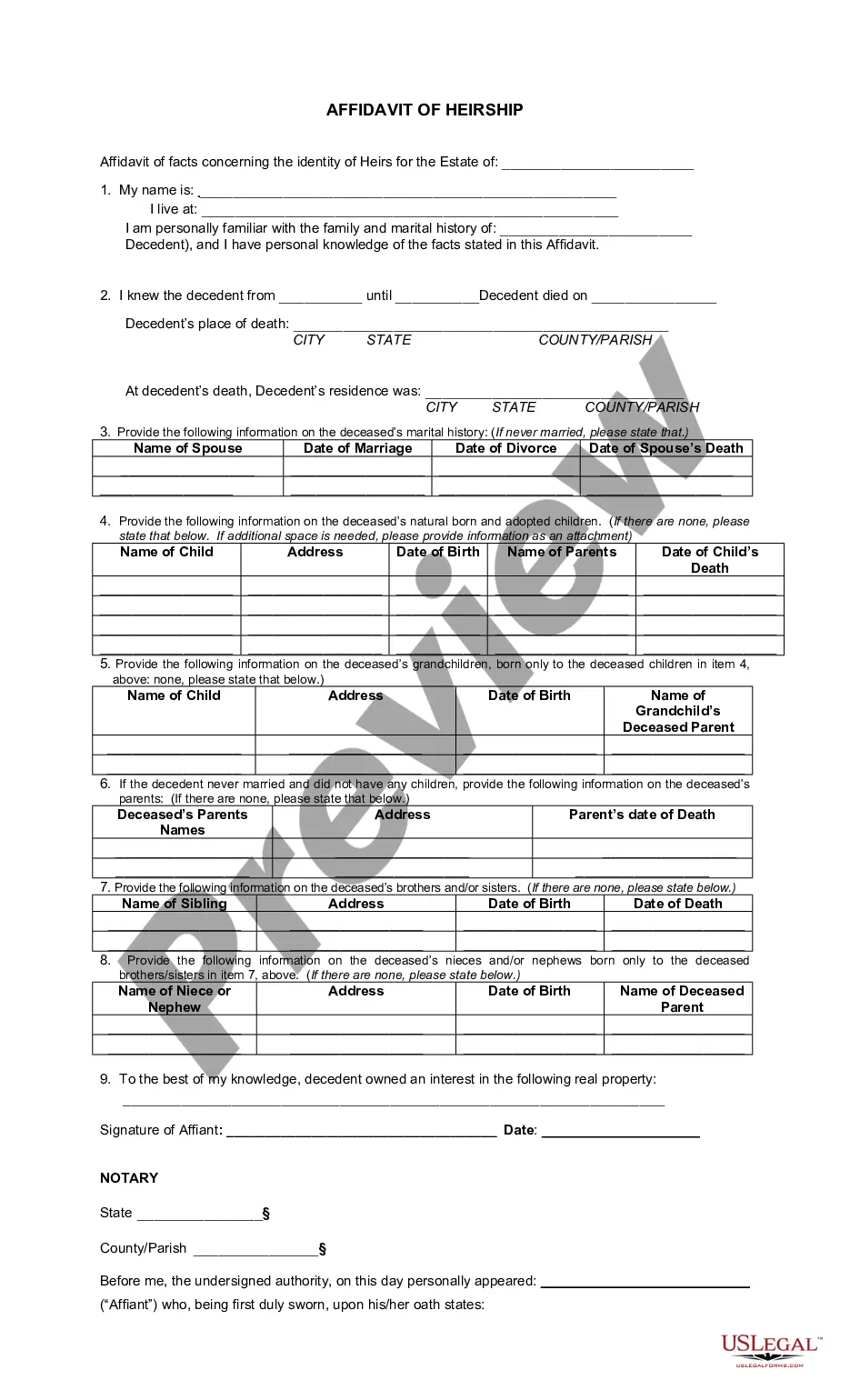
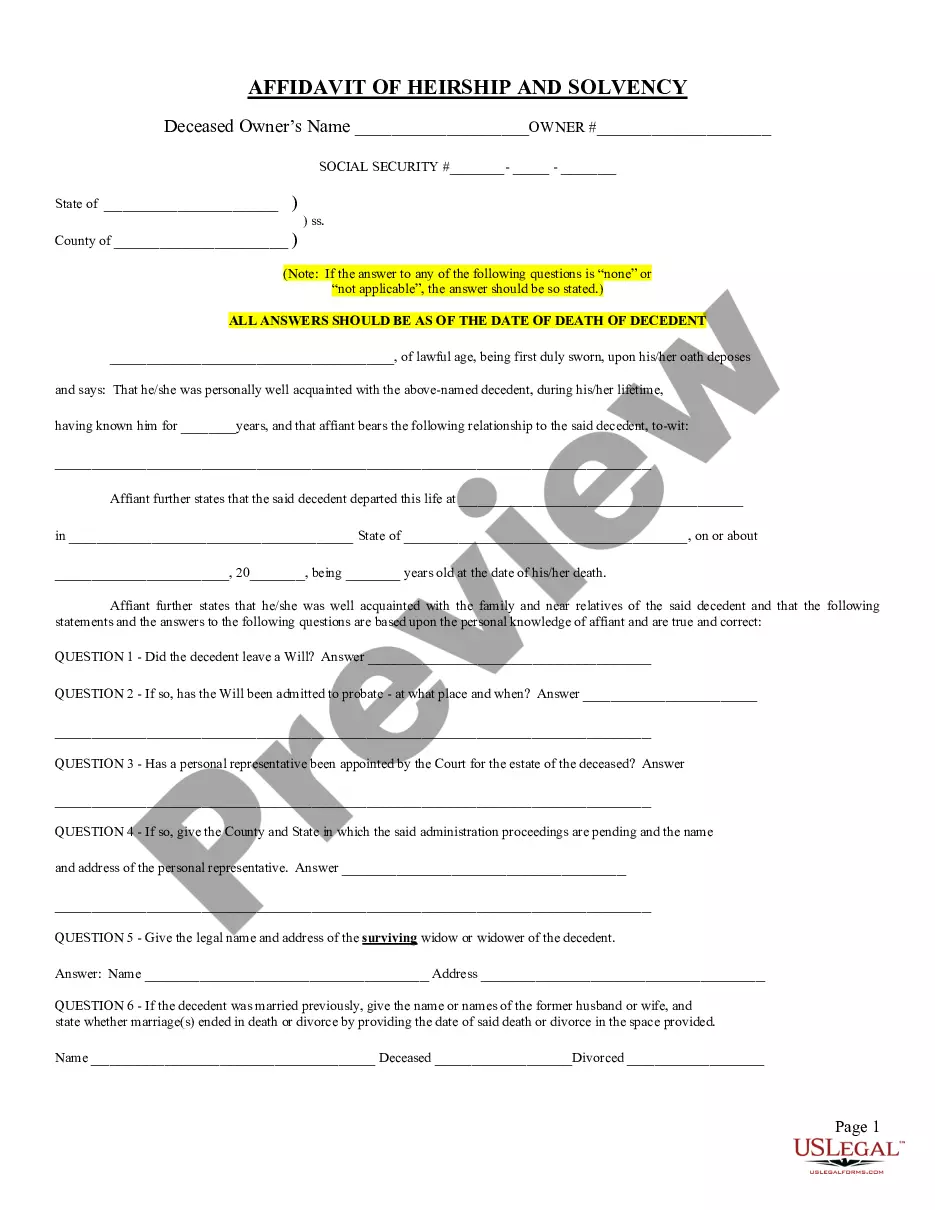
You’ll need details about the deceased, their heirs, and a list of the assets, plus a statement confirming there are no unpaid debts that would affect the estate.
It's best to act promptly, usually within a few months, but there’s no strict deadline as long as the estate qualifies.
You can include personal property, like cars and bank accounts, but real estate usually has to be handled differently.
Typically, it's the surviving spouse, adult children, or other close relatives of the deceased who can file the affidavit, as long as they’re entitled to the estate.
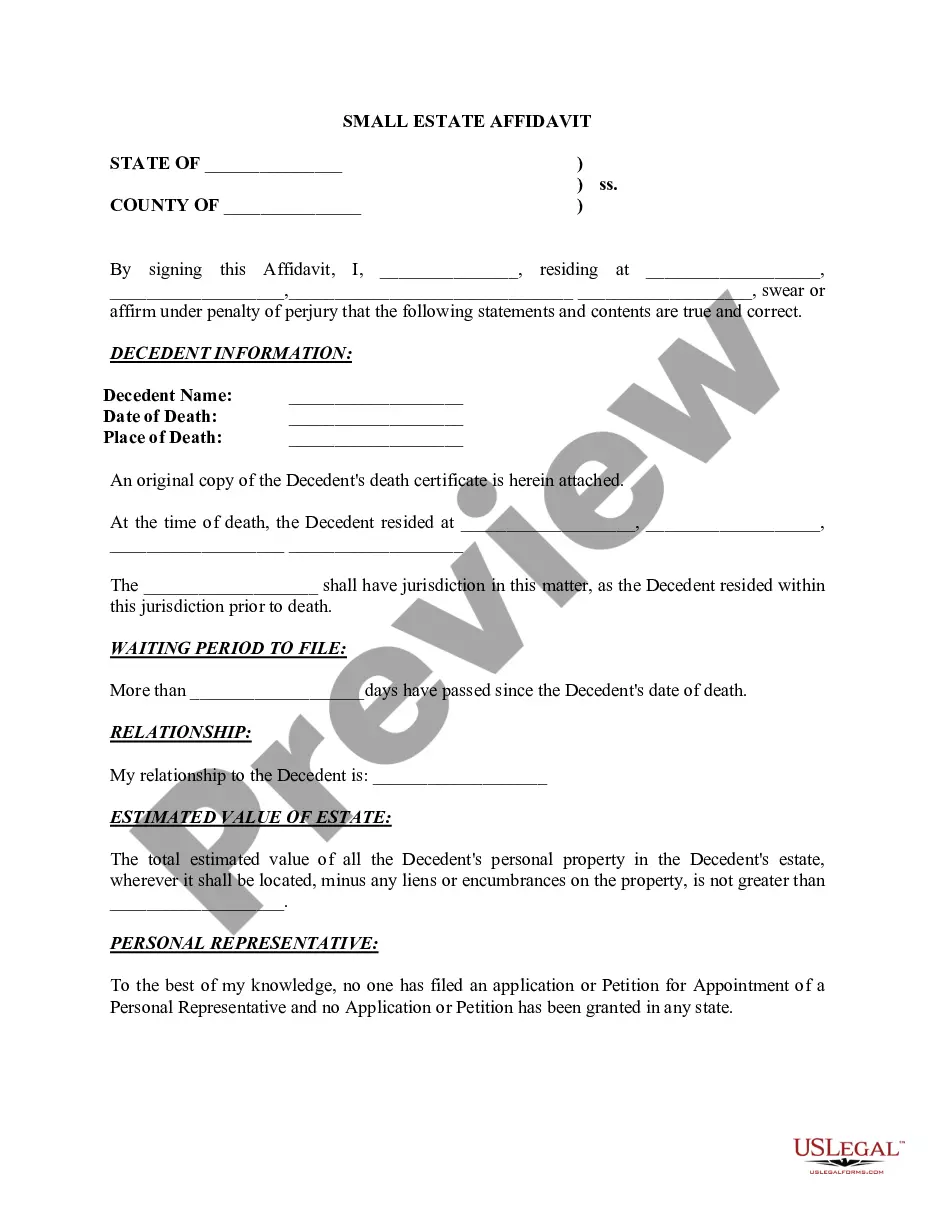
A Small Estate Affidavit is a legal document that allows heirs to claim a deceased person's property without going through a lengthy probate process, as long as the estate's total value is below a certain threshold.