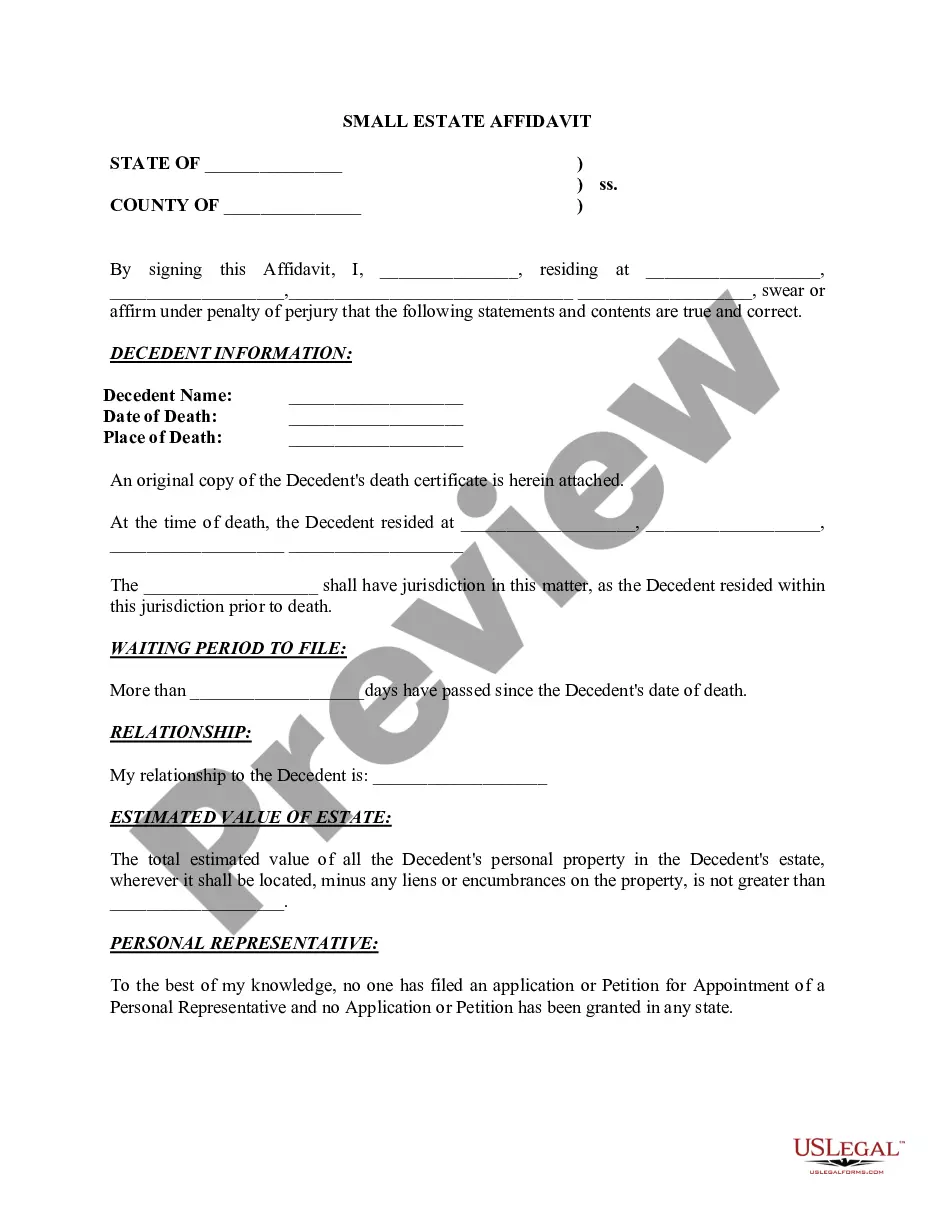
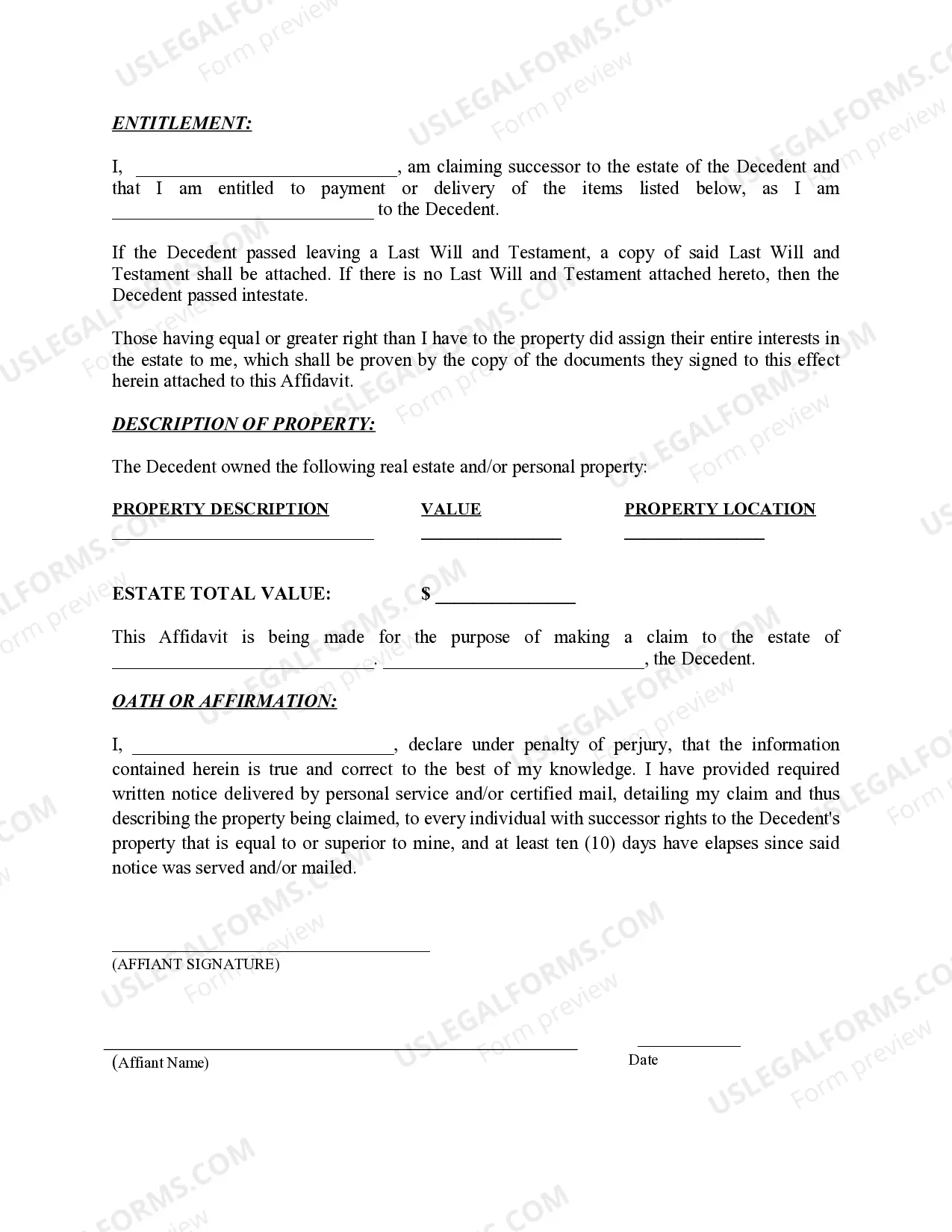
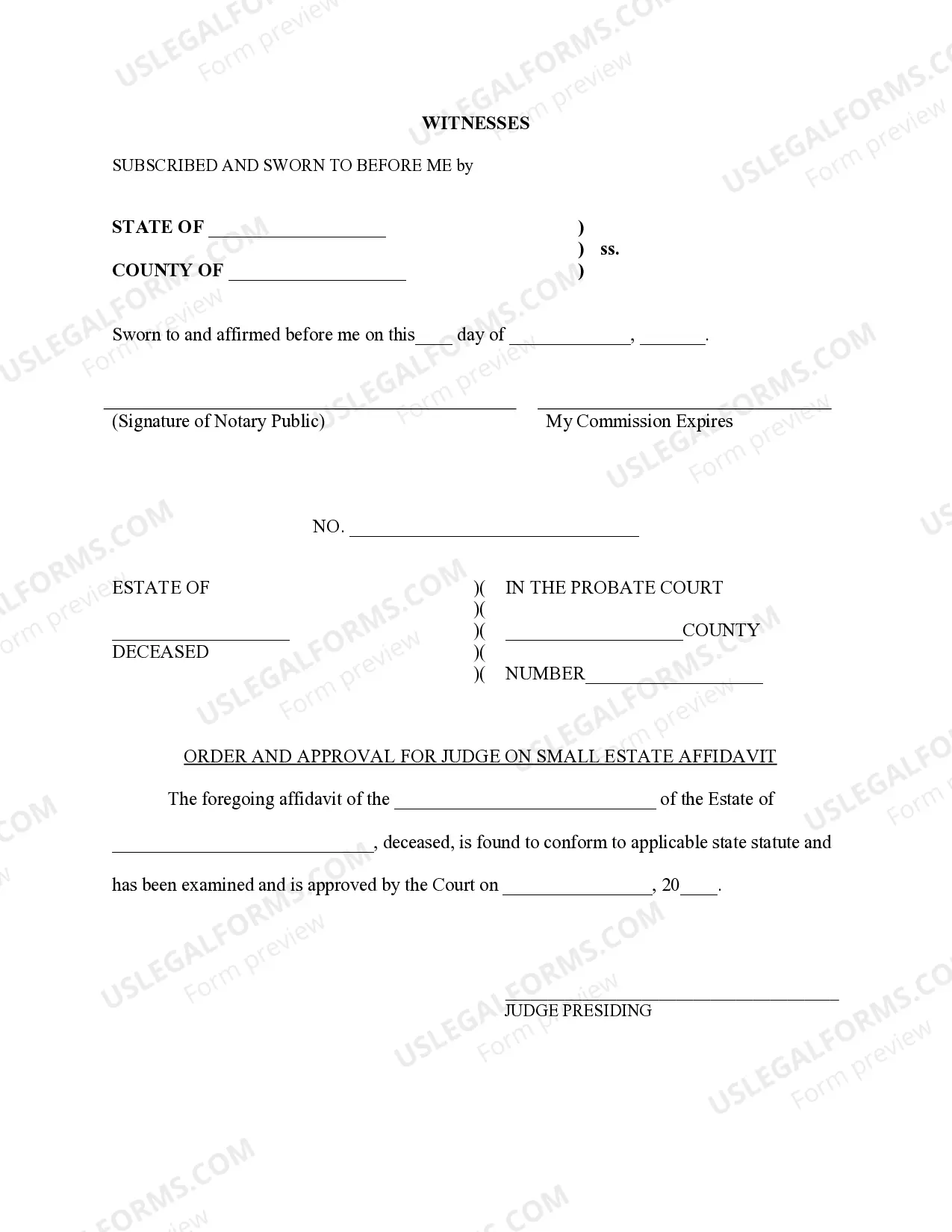
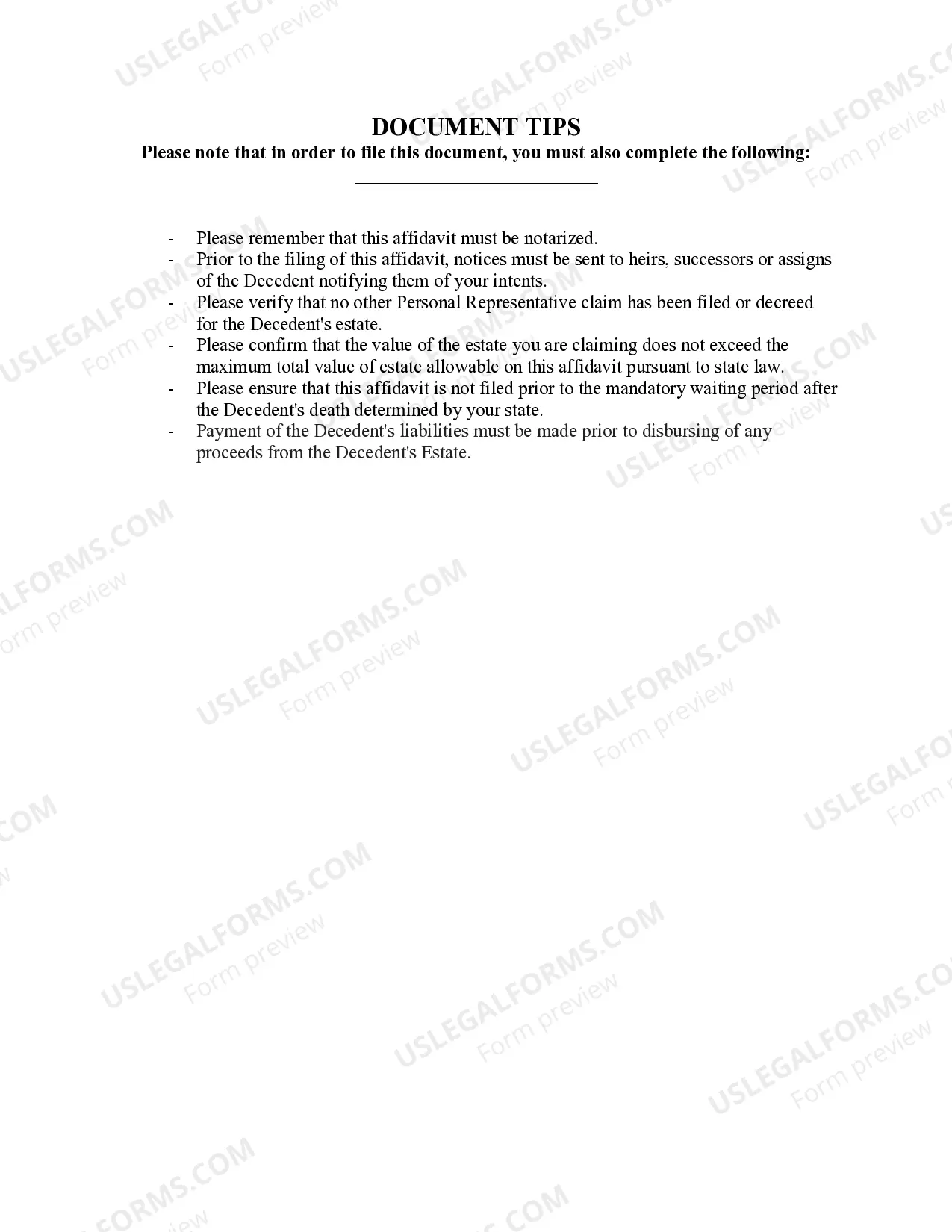
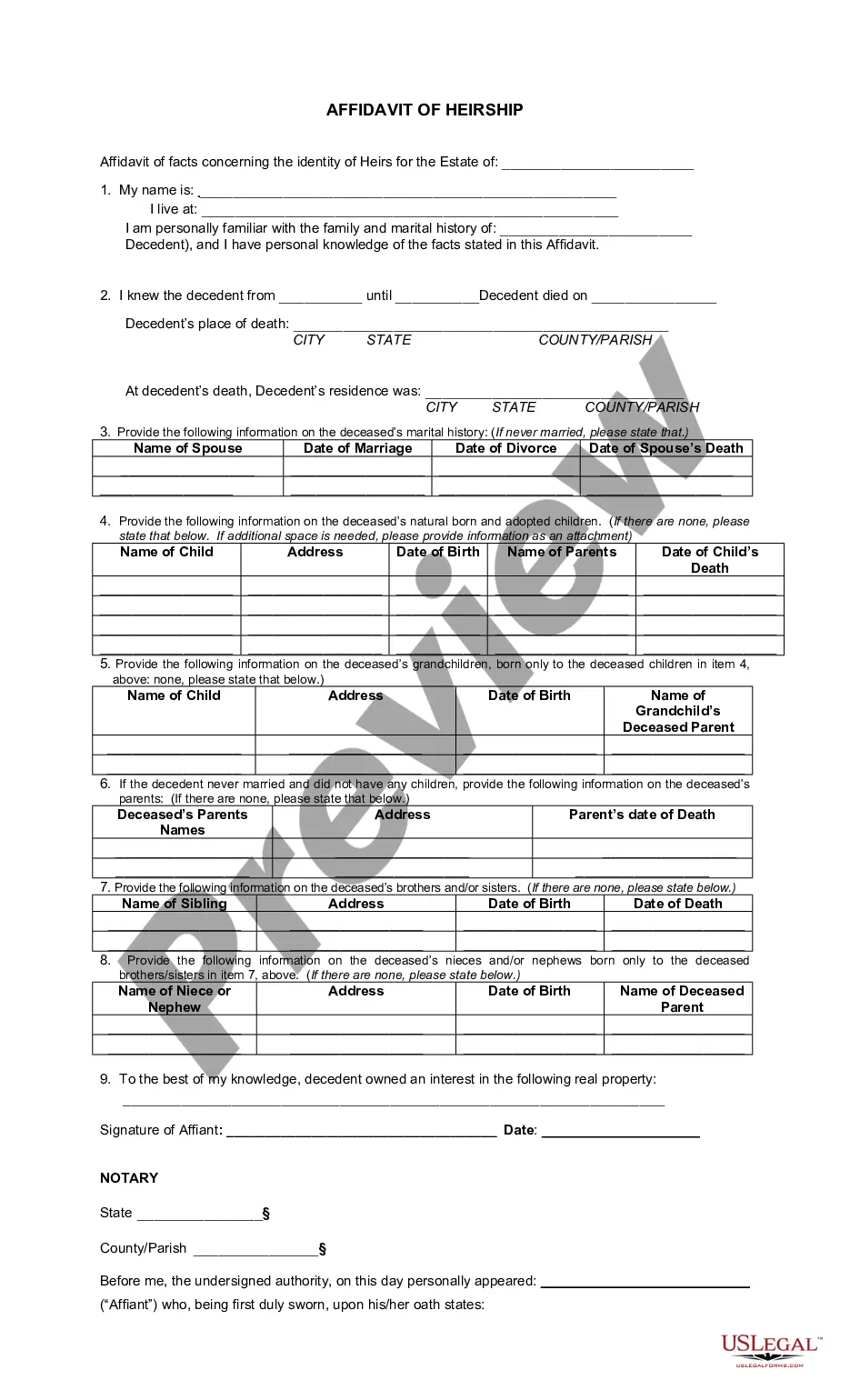
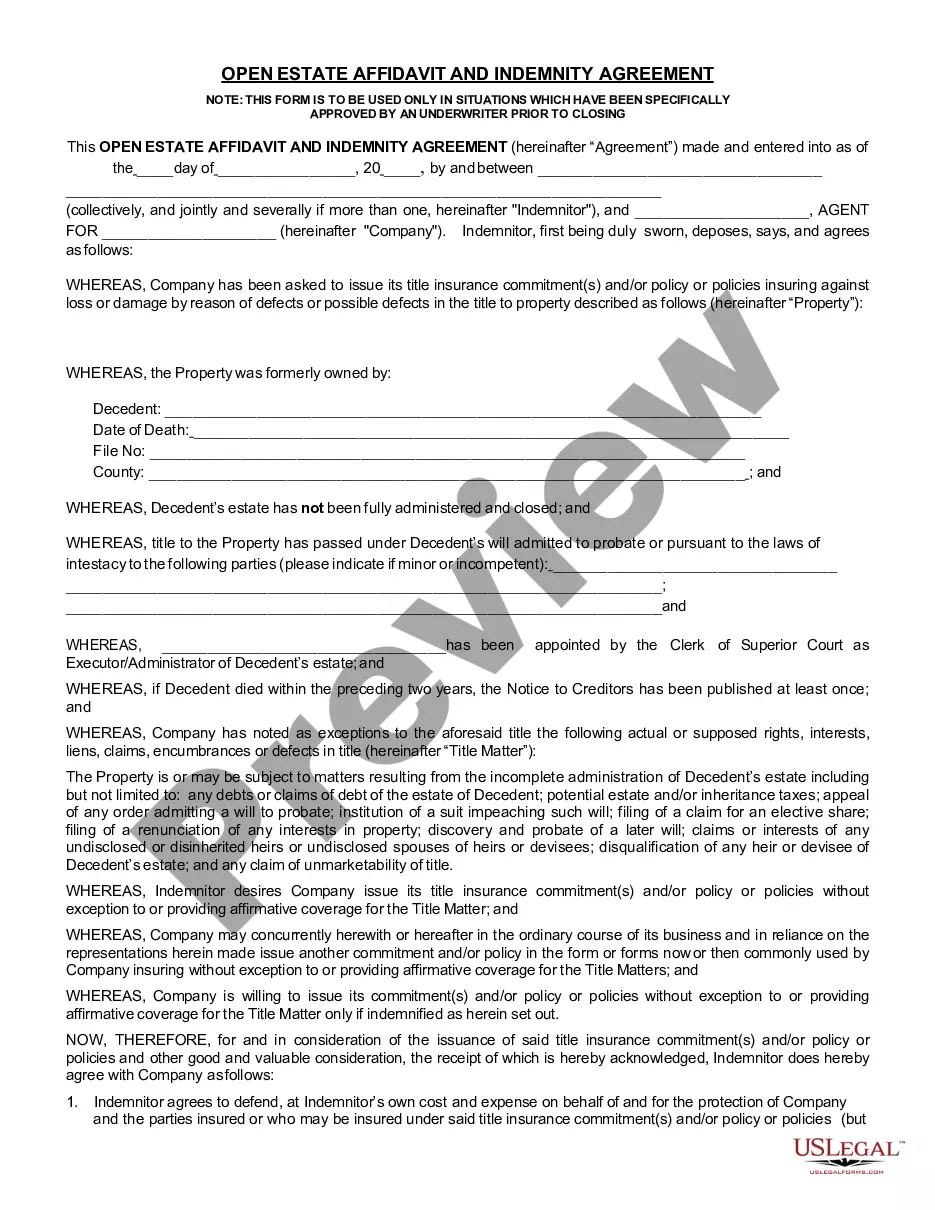
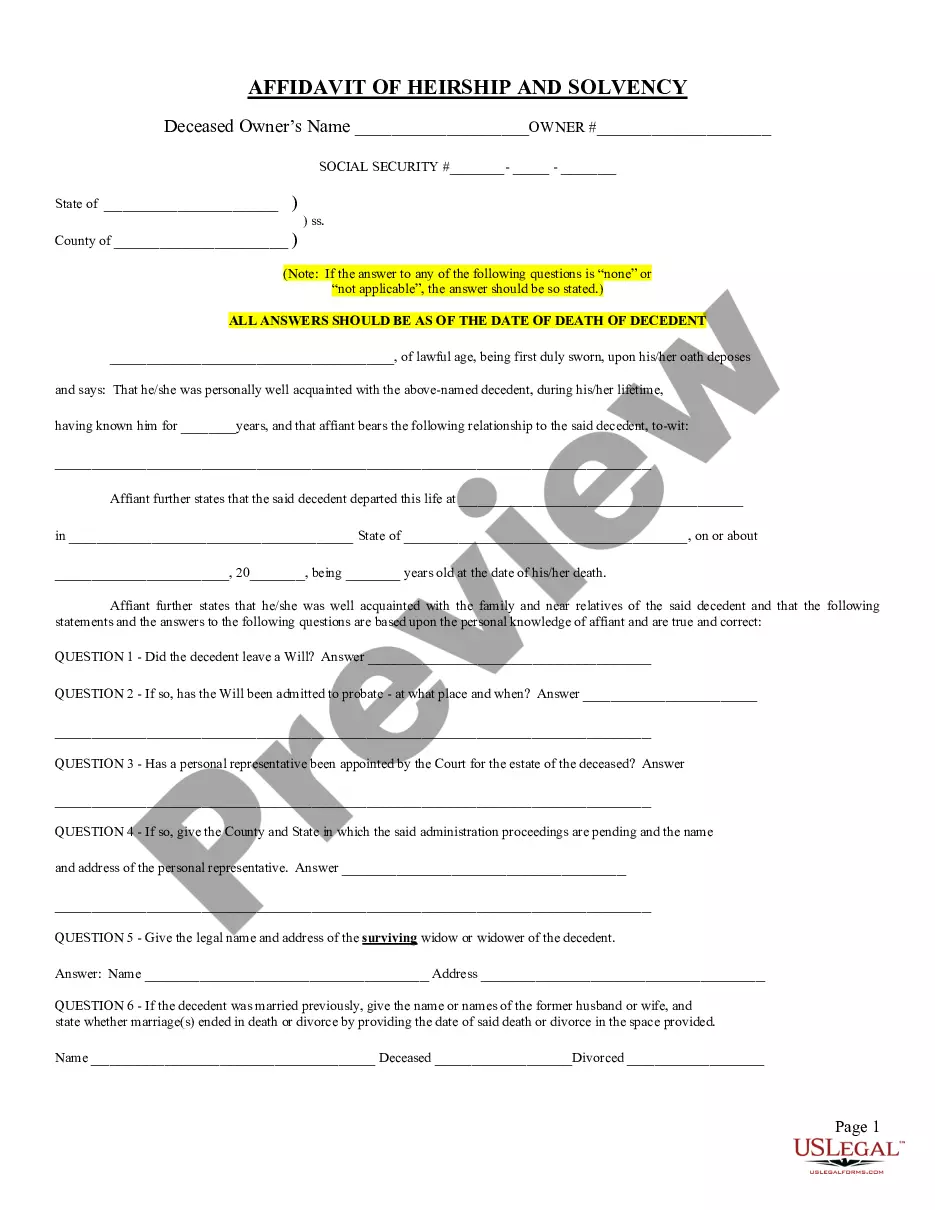
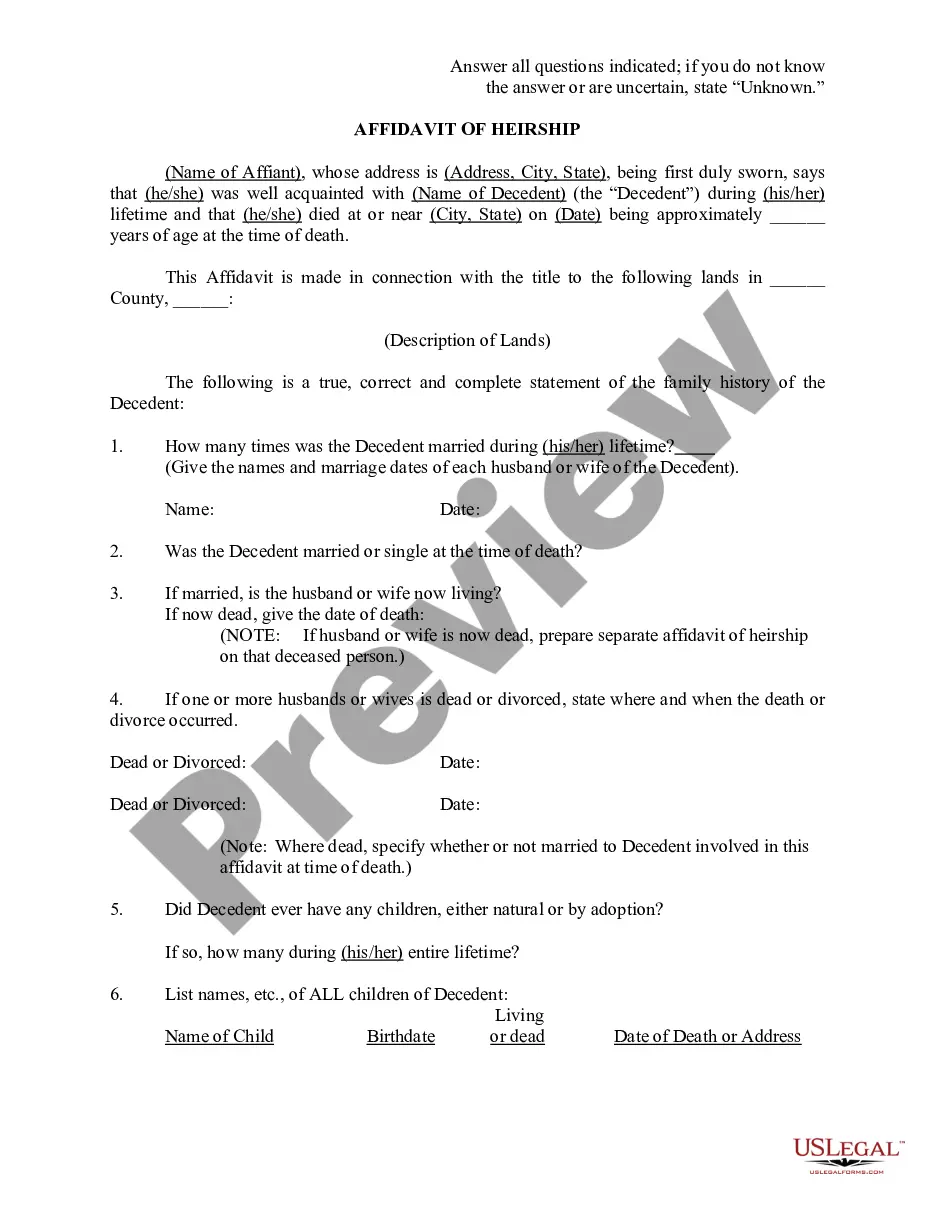
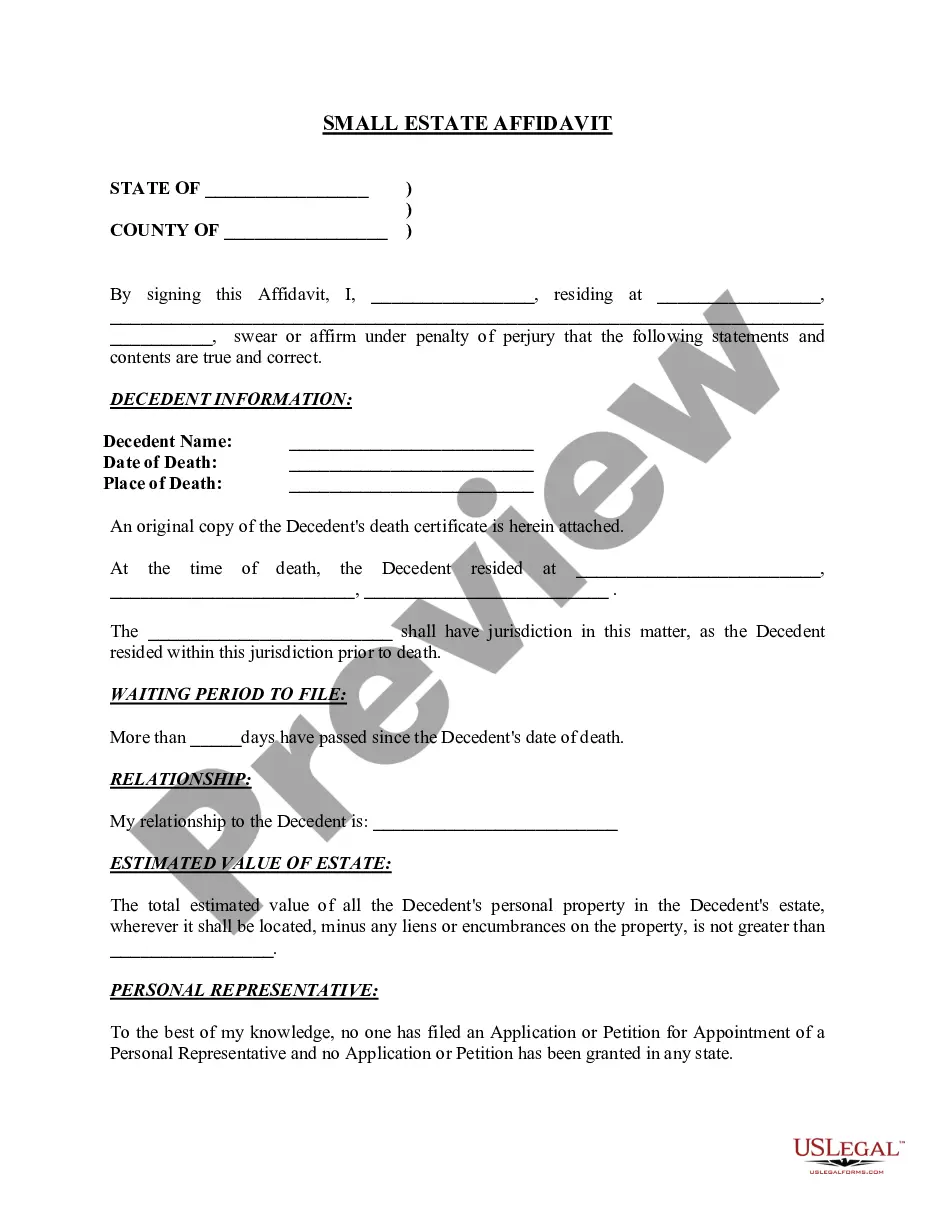
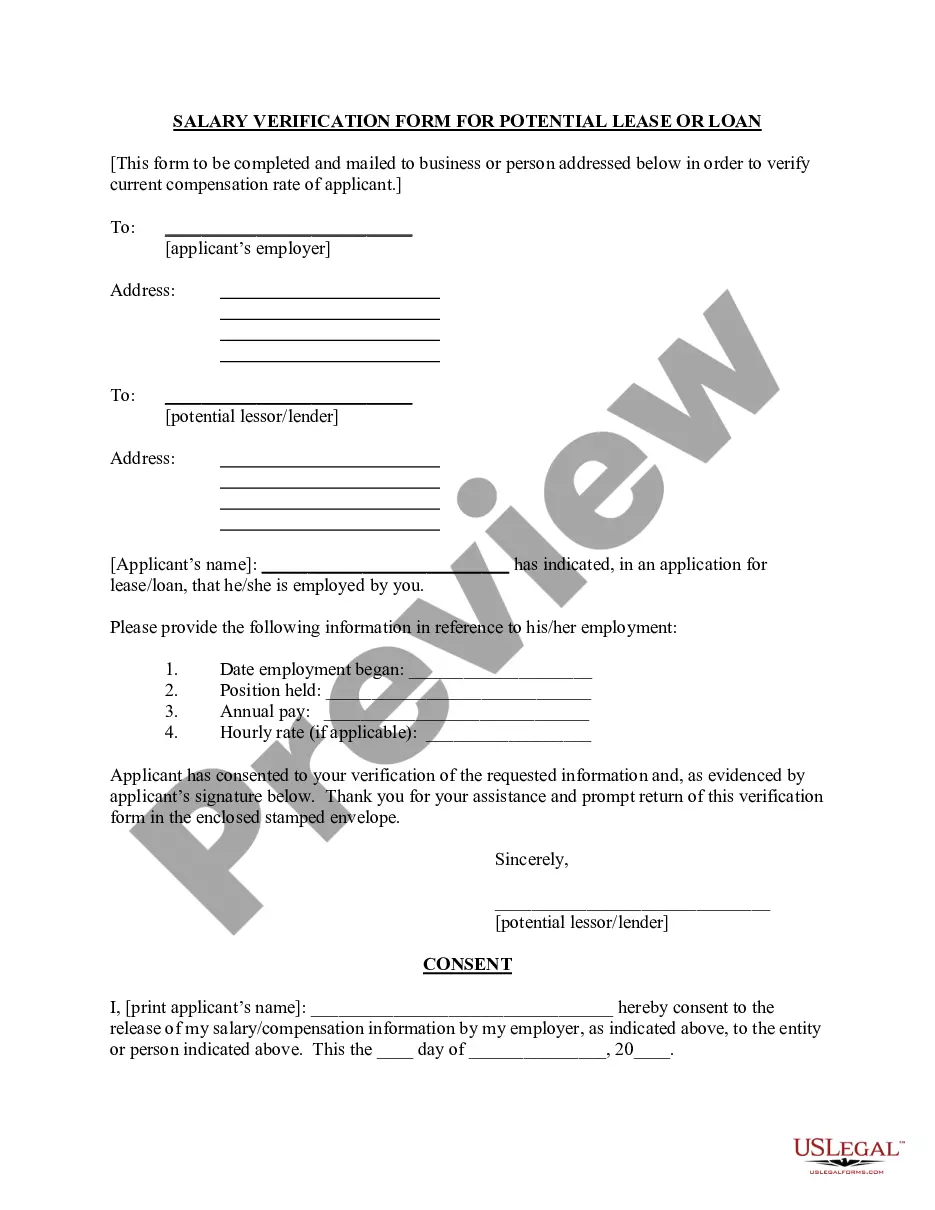
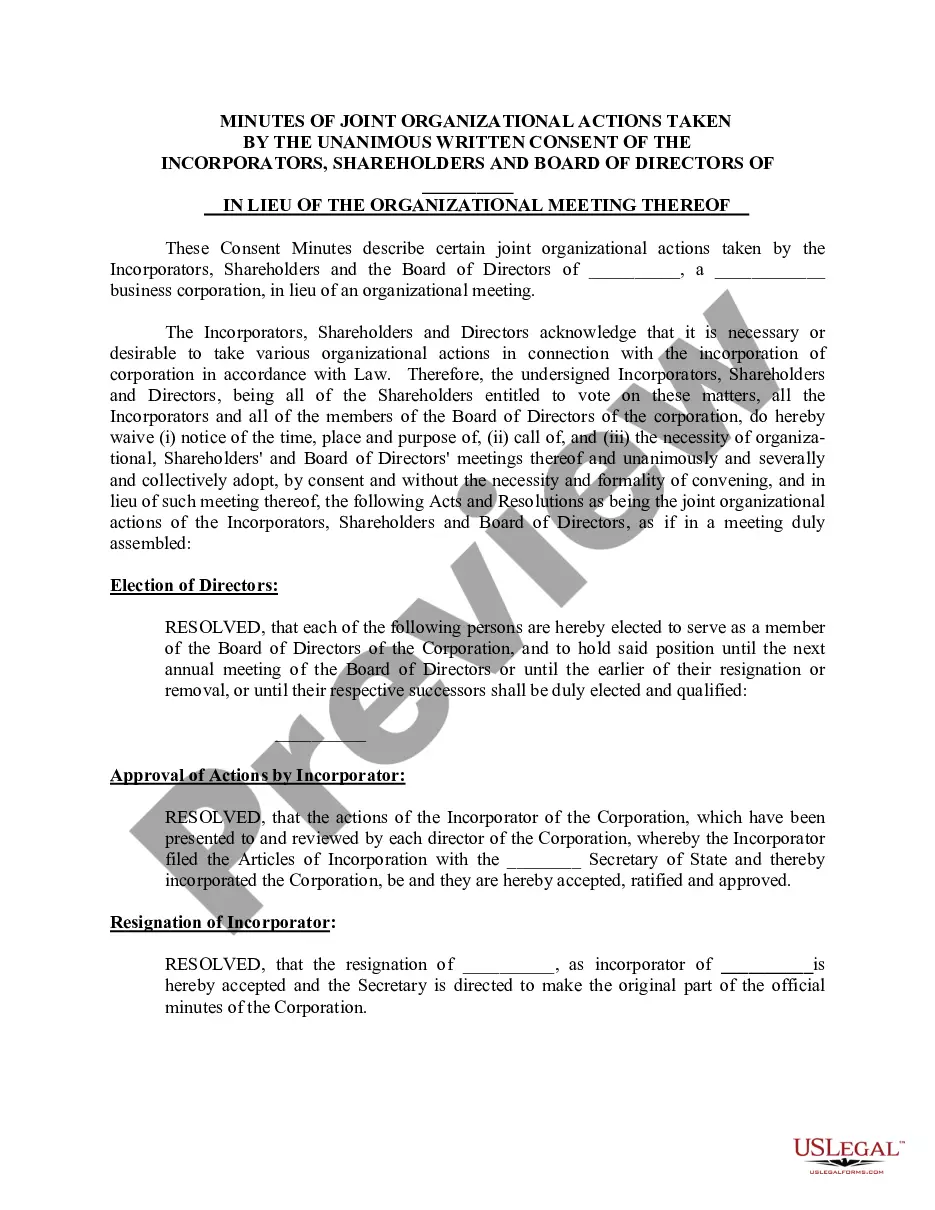
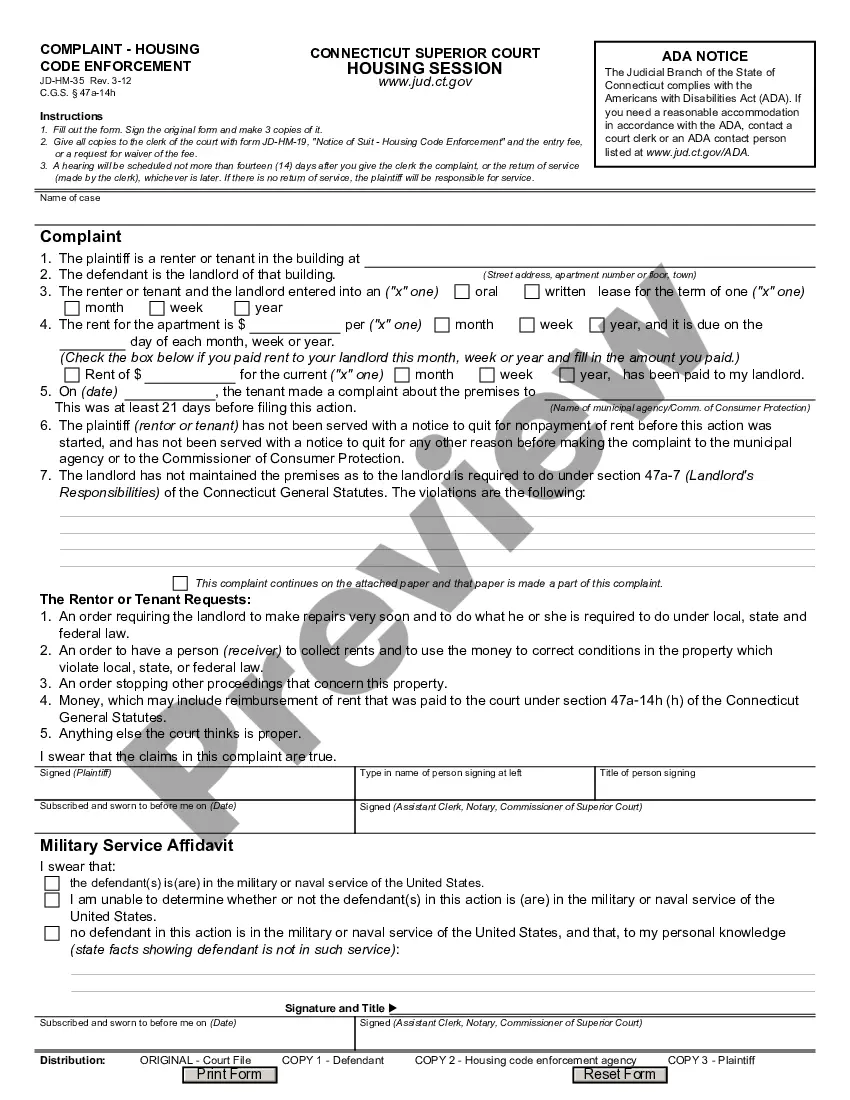
An Affidavit is a sworn, written statement of facts, signed by the 'affiant' (the person making the statement) before a notary public or other official witness. The affiant swears to the truth and accuracy of the statement contained in the affidavit. Where an estate is valued at less than $100,000, an interested party, as successor to the decedent, may, issue a small estate affidavit to collect or claim entitlement to the deceased property.
Yes, it can be contested, just like any legal document. If someone disagrees with it, they can bring their concerns to court. So, it's wise to ensure everything is up to snuff!
Once you file it, it’s like flipping a switch—the court can help distribute the assets according to the affidavit. Make sure to keep a close eye on the process!
It's not strictly necessary, but having a lawyer can clear up any muddy waters. They help make sure everything is shipshape and avoid any bumps in the road.
First, gather all necessary information about the deceased’s assets and debts. Then, you’ll draft the affidavit, kind of like putting together a puzzle, to ensure everything fits right.
Basically, close family members like spouses or heirs can use this affidavit if the estate meets certain criteria. It's like a golden ticket for smoother sailing through the probate process.
A Small Estate Affidavit is a legal document that helps settle the estate of someone who has passed away when their estate isn’t worth much. It makes things a bit simpler for everyone involved.
Trusted and secure by over 3 million people of the world’s leading companies