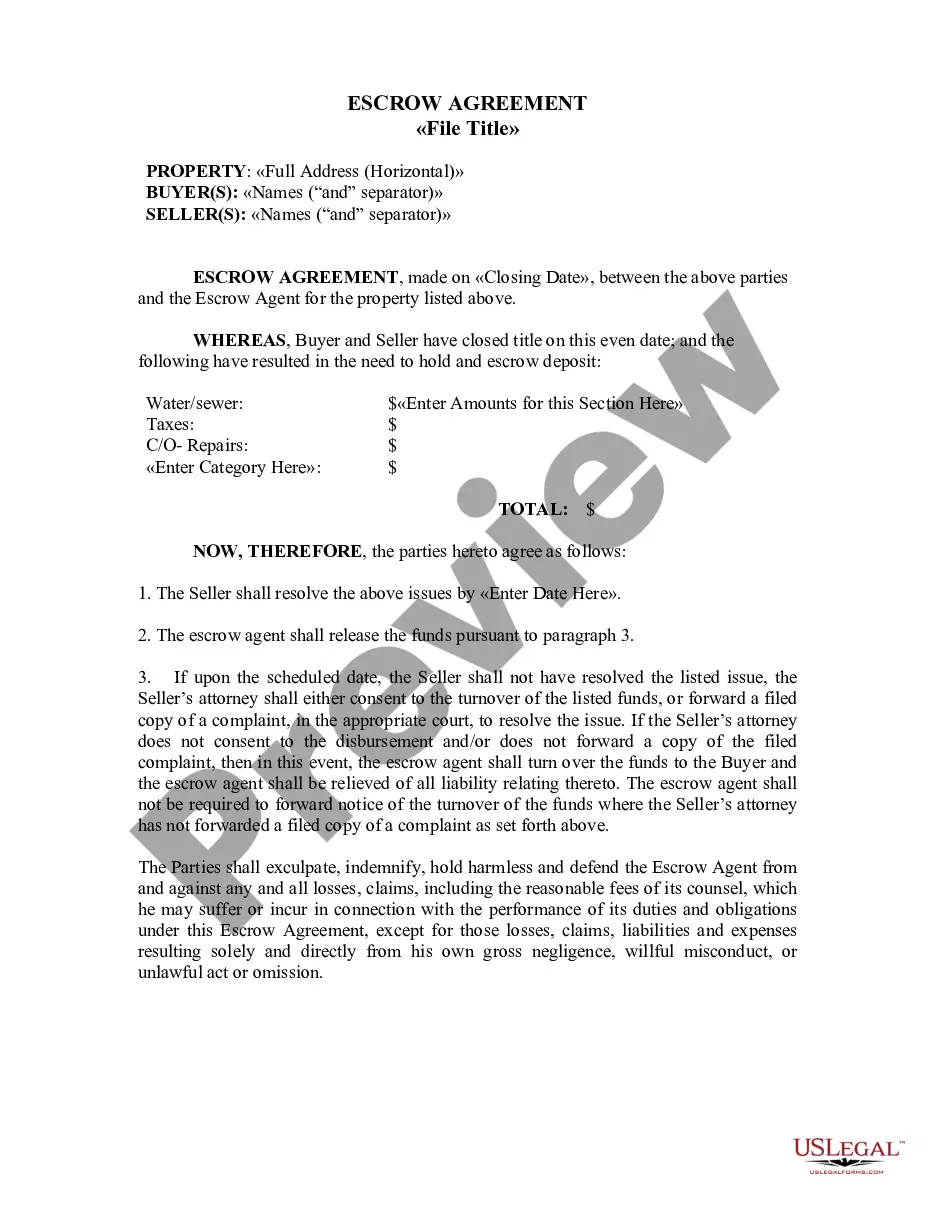
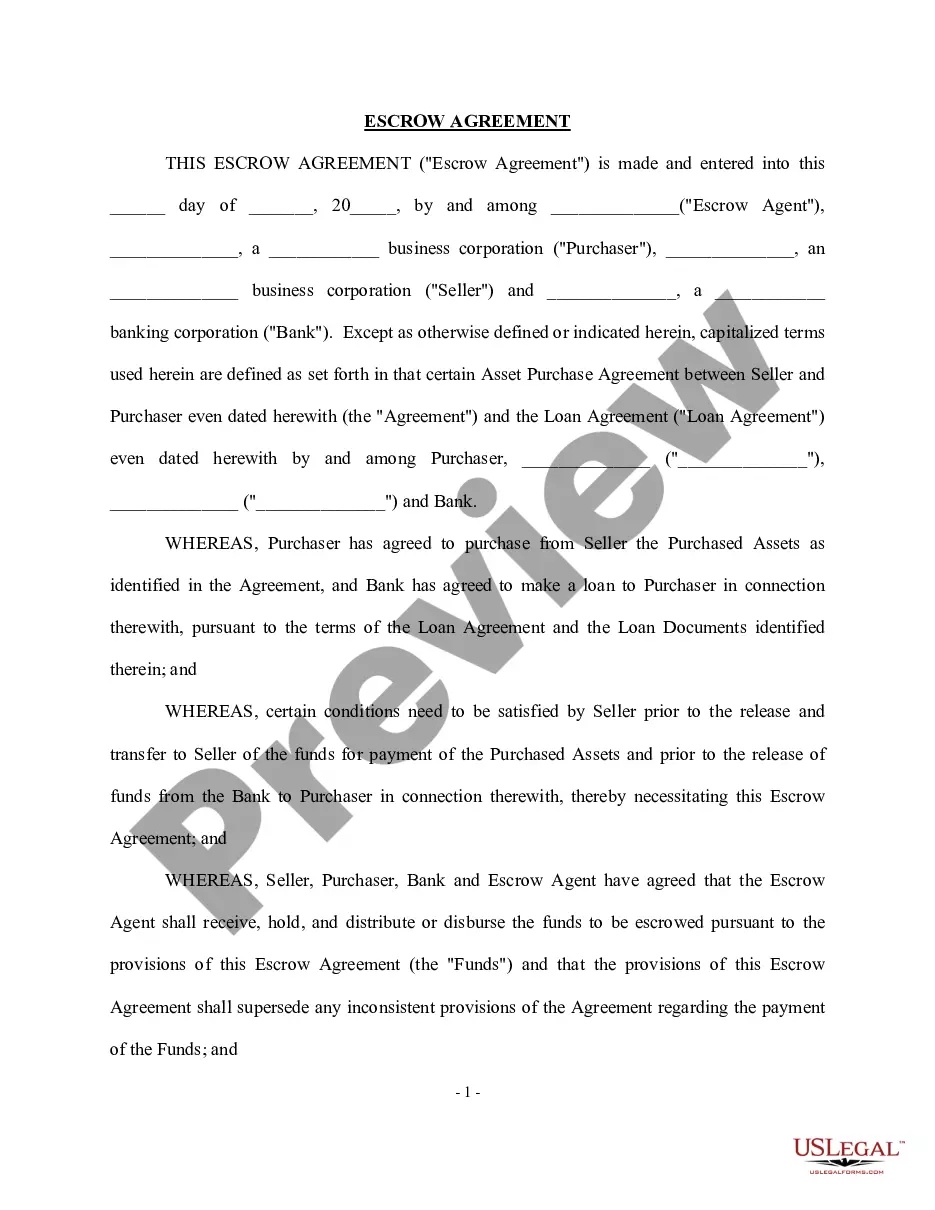
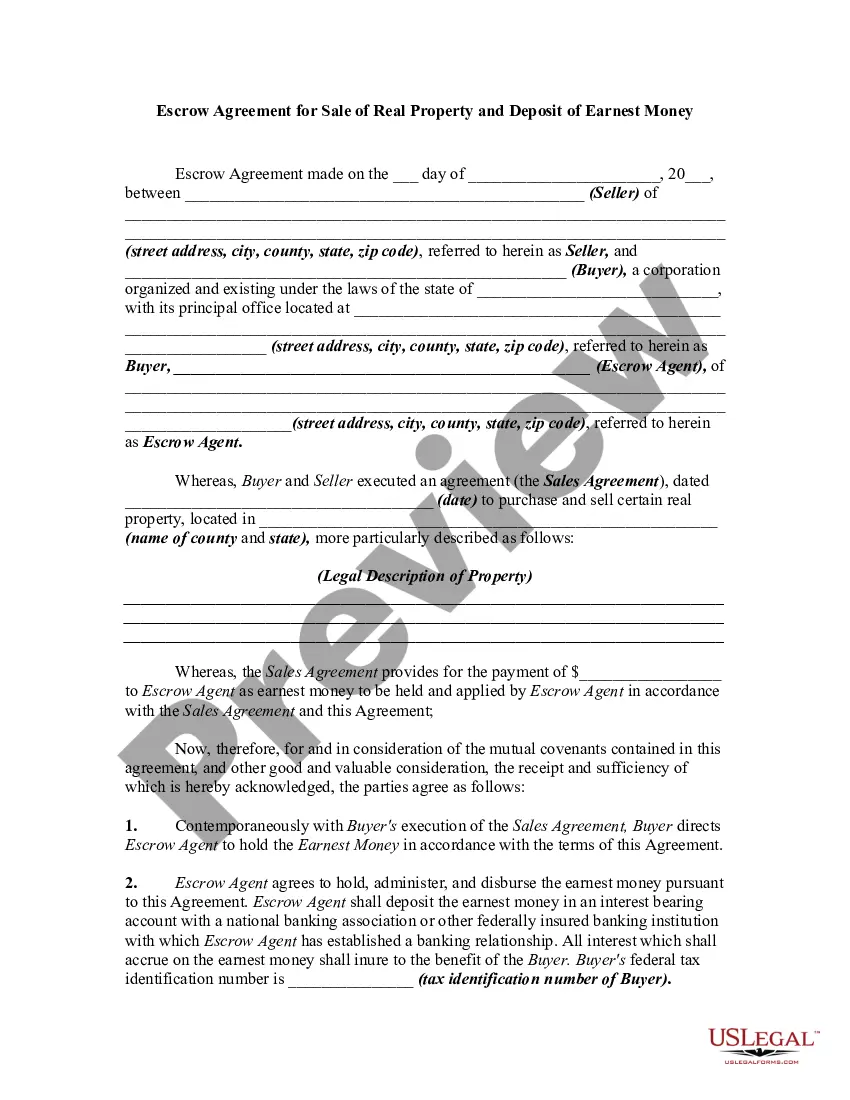
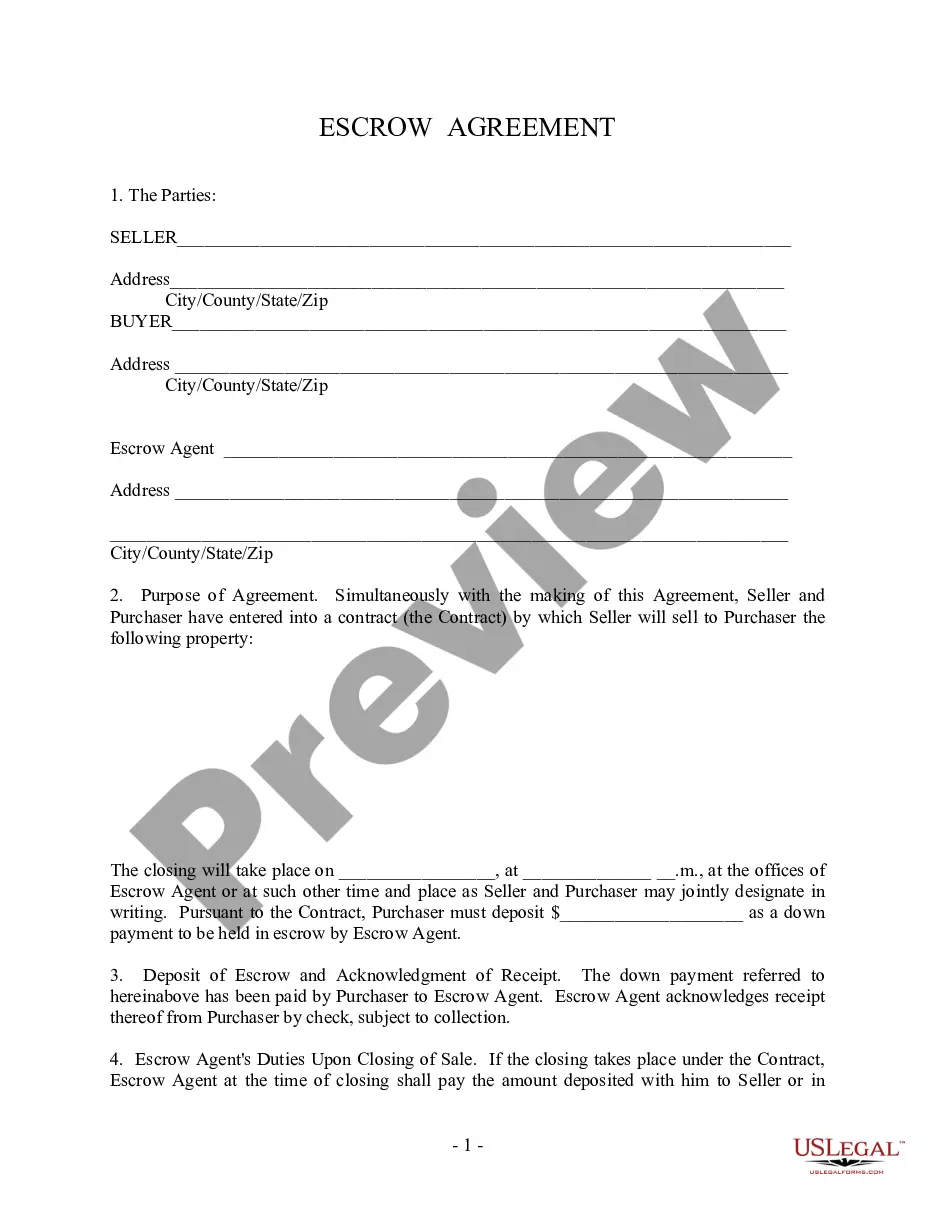
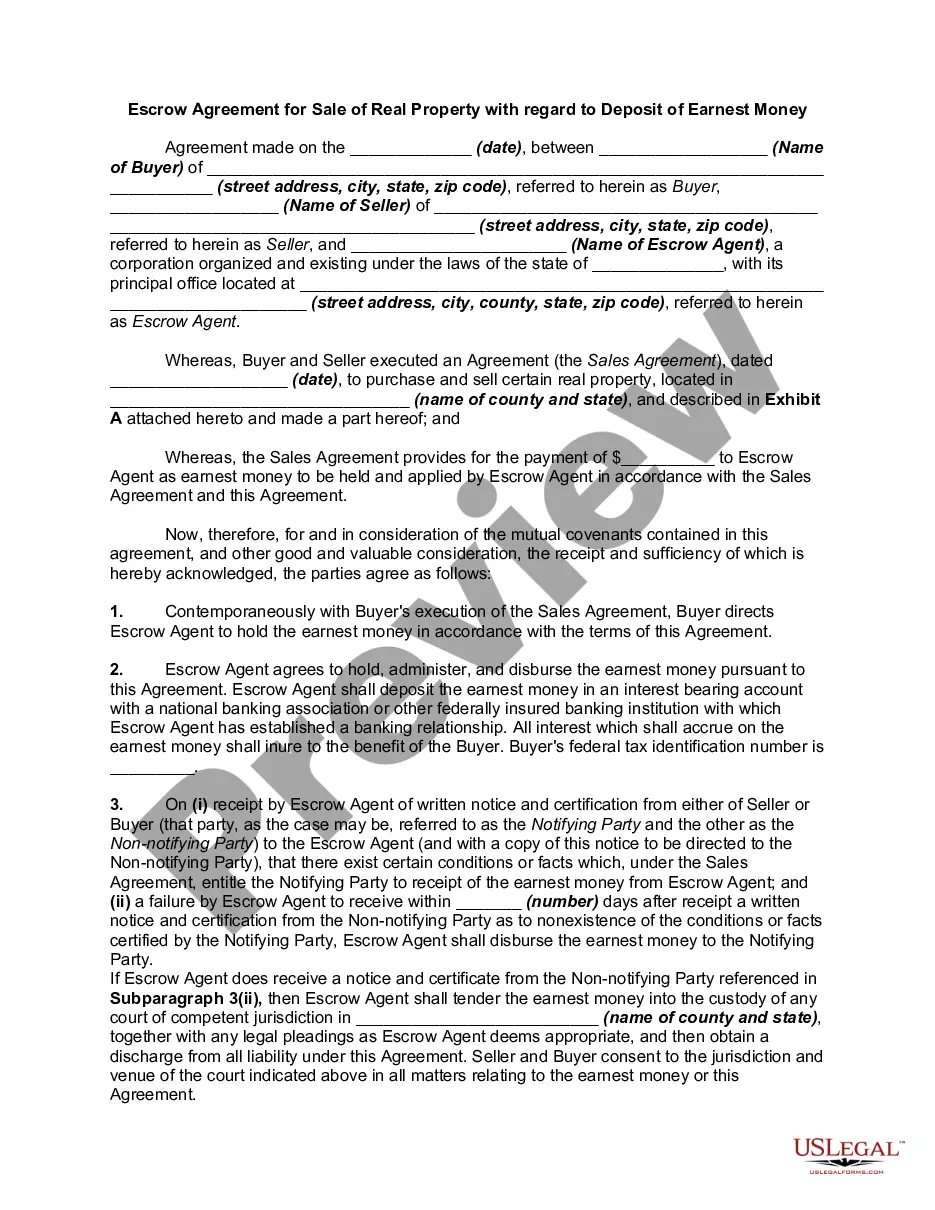
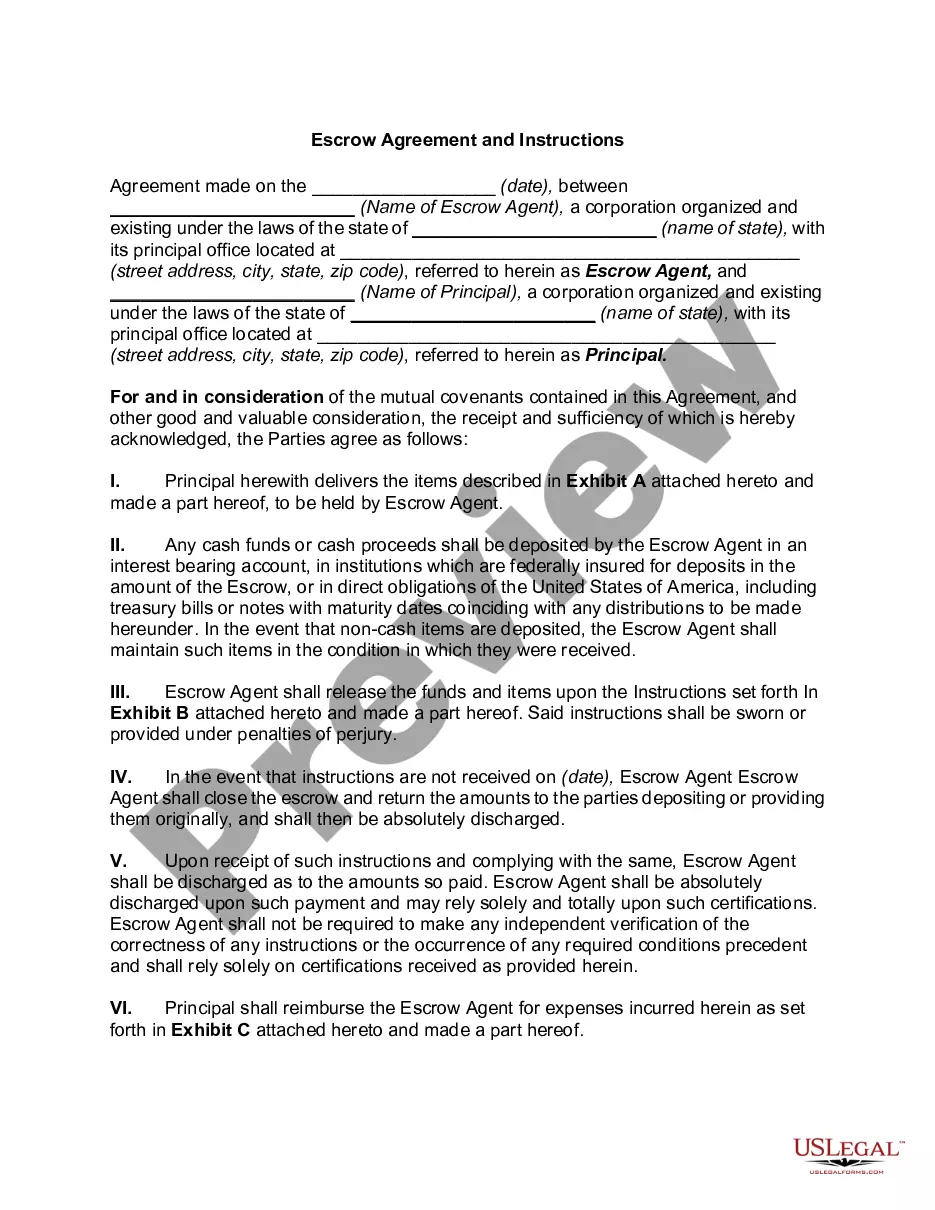
An escrow is the deposit of a written instrument or something of value with a third person with instructions to deliver it to another when a stated condition is performed or a specified event occurs. The use of an escrow is most common in real estate sales transactions
When choosing an escrow company, look for trustworthiness and good reviews. You want someone who's been around the block and knows how to handle transactions smoothly.
The length of the escrow process can vary, but it typically lasts a few weeks. It's not a race, so it's important to take the time to make sure everything is just right.
Yes, you can make changes, but all parties involved must agree. It's like adjusting a recipe—everyone needs to be on board!
If things go south during escrow, the agreement usually outlines what happens next. This could include returning funds or renegotiating terms, depending on the situation.
The escrow process is pretty straightforward. Once the agreement is in place, a neutral third party holds onto the legal documents and funds until all conditions are met.
You need an escrow agreement to ensure that everyone plays nice and follows through on their promises during a transaction. It keeps things fair and square.
An escrow agreement is like a safety deposit box for a real estate deal. It holds important documents and funds until all parties meet their end of the bargain.