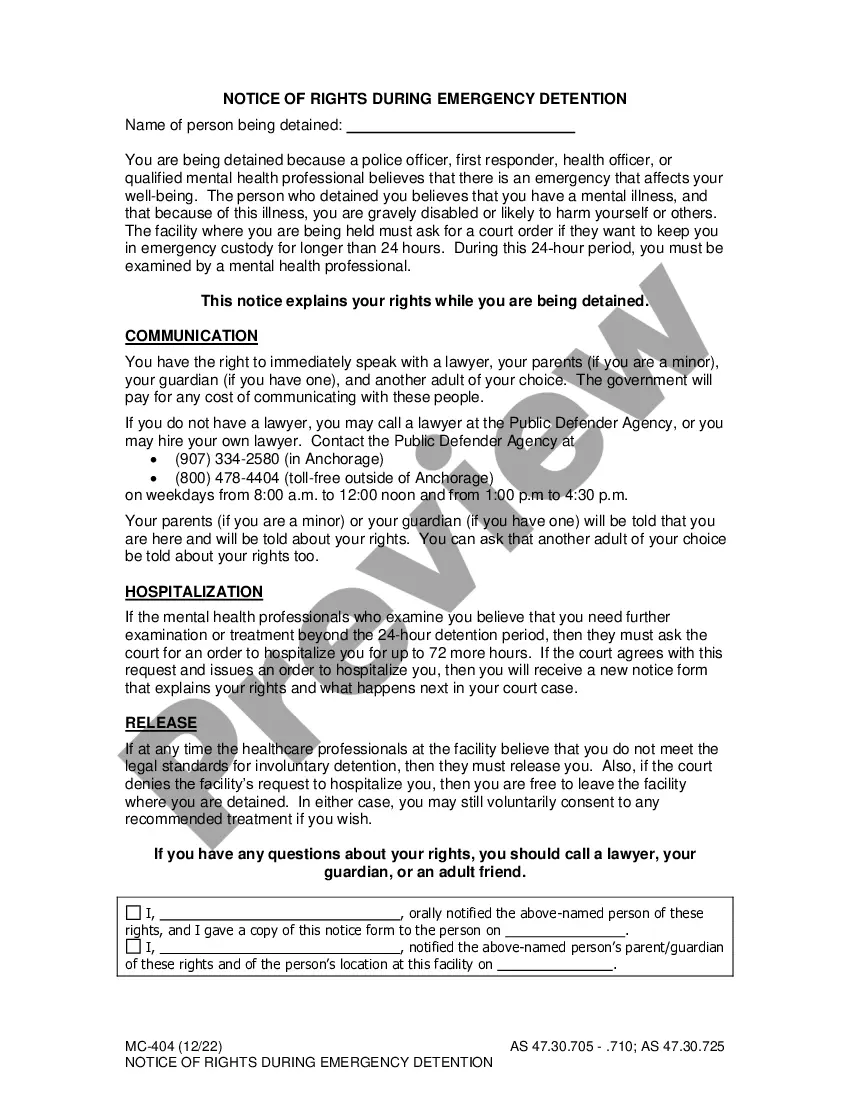
Stipulation for Setting Aside Default Judgment and Permitting Answer
Overview of this form
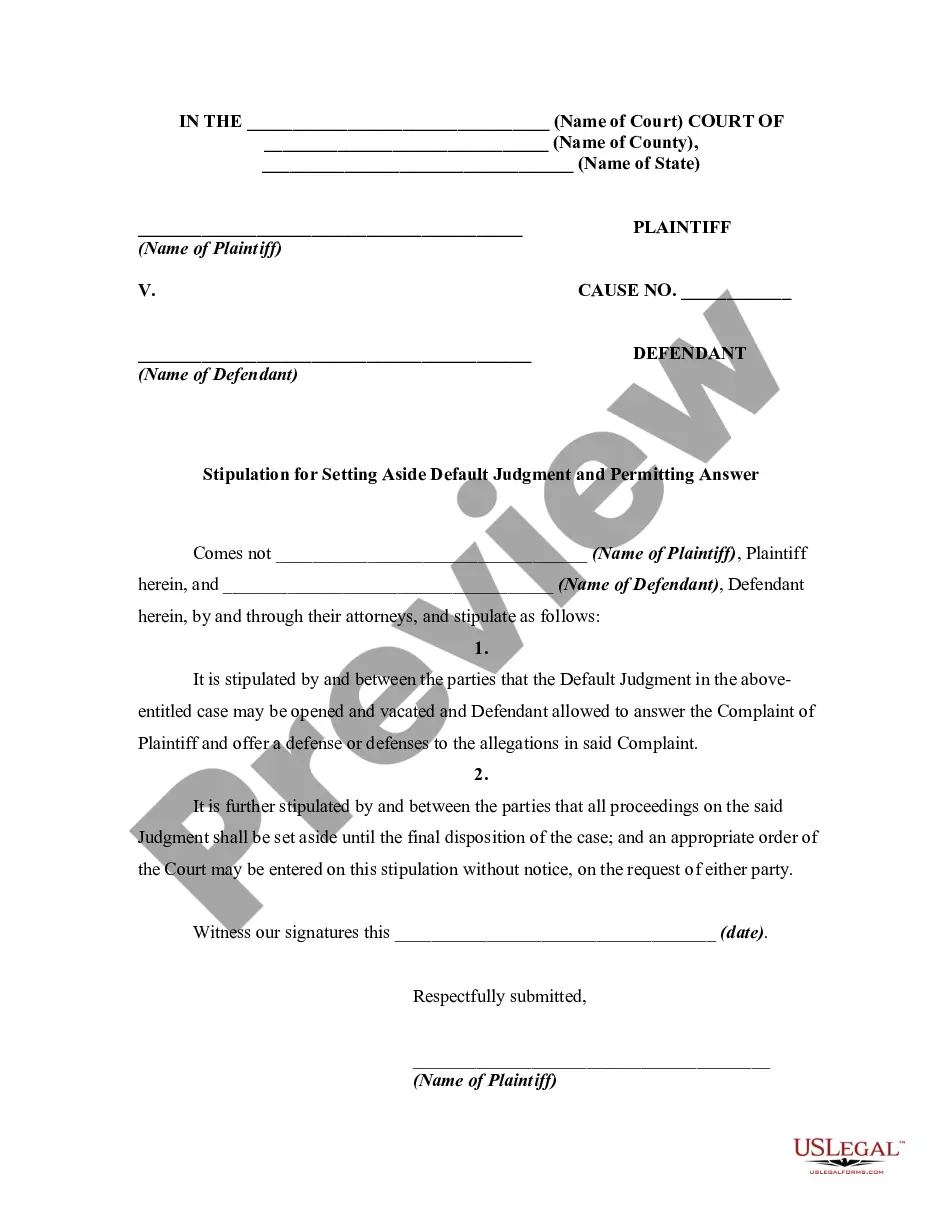
The Stipulation for Setting Aside Default Judgment and Permitting Answer is a legal document that allows a defendant to respond to a lawsuit even after a default judgment has been issued against them. This stipulation enables the court to vacate the default judgment, thereby allowing the defendant the opportunity to present their case and defend against the claims made by the plaintiff. This form is distinct from other judgment-related forms as it specifically focuses on the mutual agreement between both parties to reinstate the defendant's right to contest the lawsuit.
Main sections of this form
- Name and contact information of the plaintiff and defendant
- Case number for identification
- Mutual stipulation to vacate the default judgment
- Agreement to allow the defendant to answer the complaint
- Signatures of both parties and their attorneys
- Date on which the stipulation is executed
When to use this document
This form should be used when a defendant has missed a court date or failed to respond to a complaint and a default judgment has been entered against them. If both parties agree to set aside this default judgment, they can use this stipulation to allow the defendant to file an answer and present their defense in court. It is typically deployed when a defendant believes they had a valid reason for not responding, such as lack of proper notification.
Who should use this form
- Defendants who wish to contest a default judgment against them
- Plaintiffs who agree to allow the defendant to submit an answer
- Attorneys representing plaintiffs or defendants in a legal proceeding
Completing this form step by step
- Identify the names of the plaintiff and defendant involved in the case.
- Enter the case number associated with the legal proceeding.
- Provide a clear statement agreeing to set aside the default judgment.
- Ensure both parties sign the document along with their respective attorneys.
- Include the date on which the stipulation is executed.
Notarization requirements for this form
This form does not typically require notarization unless specified by local law. Always check your jurisdictionâs requirements to ensure compliance before submission.
Get your form ready online
Our built-in tools help you complete, sign, share, and store your documents in one place.
Make edits, fill in missing information, and update formatting in US Legal Forms—just like you would in MS Word.
Download a copy, print it, send it by email, or mail it via USPS—whatever works best for your next step.
Sign and collect signatures with our SignNow integration. Send to multiple recipients, set reminders, and more. Go Premium to unlock E-Sign.
If this form requires notarization, complete it online through a secure video call—no need to meet a notary in person or wait for an appointment.
We protect your documents and personal data by following strict security and privacy standards.

Make edits, fill in missing information, and update formatting in US Legal Forms—just like you would in MS Word.

Download a copy, print it, send it by email, or mail it via USPS—whatever works best for your next step.

Sign and collect signatures with our SignNow integration. Send to multiple recipients, set reminders, and more. Go Premium to unlock E-Sign.

If this form requires notarization, complete it online through a secure video call—no need to meet a notary in person or wait for an appointment.

We protect your documents and personal data by following strict security and privacy standards.
Mistakes to watch out for
- Failing to include the case number, which can cause confusion in court.
- Not having both parties sign the form, making it invalid.
- Leaving out the date, which is critical for tracking legal timelines.
Why use this form online
- Convenient: Easily download and fill out the form from anywhere.
- Editability: Customize the document to fit your needs without hassle.
- Reliability: The form is drafted by licensed attorneys to ensure legal compliance.
What to keep in mind
- The stipulation allows defendants the opportunity to contest a default judgment.
- It requires mutual agreement between both parties involved in the case.
- Proper completion and signatures are essential for the stipulation's validity.
Looking for another form?
Form popularity
FAQ
A default judgment means that the court has decided that you owe money. This a result of the person suing you in small claims court and you failed to appear at the hearing.
First, you can ask the court to set aside the default judgment and give you an opportunity to contest it. Next, you can settle the debt with the debt buyer for an amount less than what the default judgment is for. And finally you can eliminate the default judgment completely by filing for bankruptcy.
In order to vacate a judgment in California, You must file a motion with the court asking the judge to vacate or set aside the judgment. Among other things, you must tell the judge why you did not respond to the lawsuit (this can be done by written declaration).
To get a judgment set aside, fill in the application notice (N244) and send it to the court. You may have to pay a court fee of £255. You'll have to go to a private hearing at the court to explain why you do not owe the money.
Accept the judgment. Settle the judgment for less. Challenge the judgment. Pursue debt relief.
If the judgment is set aside, you and the creditor are put back in the position you were both in immediately before the judgment. This means if you have an argument or 'defence' against the judgment which you didn't get a chance to raise when the claim was first issued, you have a second chance to do this.
Apply to get the judgment set aside You'll have to go to a private hearing at the court to explain why you do not owe the money. If you do not go to the hearing, your application will be rejected and you'll have to pay the amount in the judgment.
After you notify the defendant of the judgment, you can begin to enforce the judgment. Your judgment might be for money, repossession, eviction, foreclosure, or any number of things. In any case, your rights at this point would be the same as if you had gone to trial and won.
Fill out a Notice of Motion to Vacate Judgment and Declaration (Small Claims) (Form SC-135 ). File it with the small claims court clerk. Pay the filing fee. If you cannot afford the fee, ask for a fee waiver. The clerk will give you a date for your hearing.