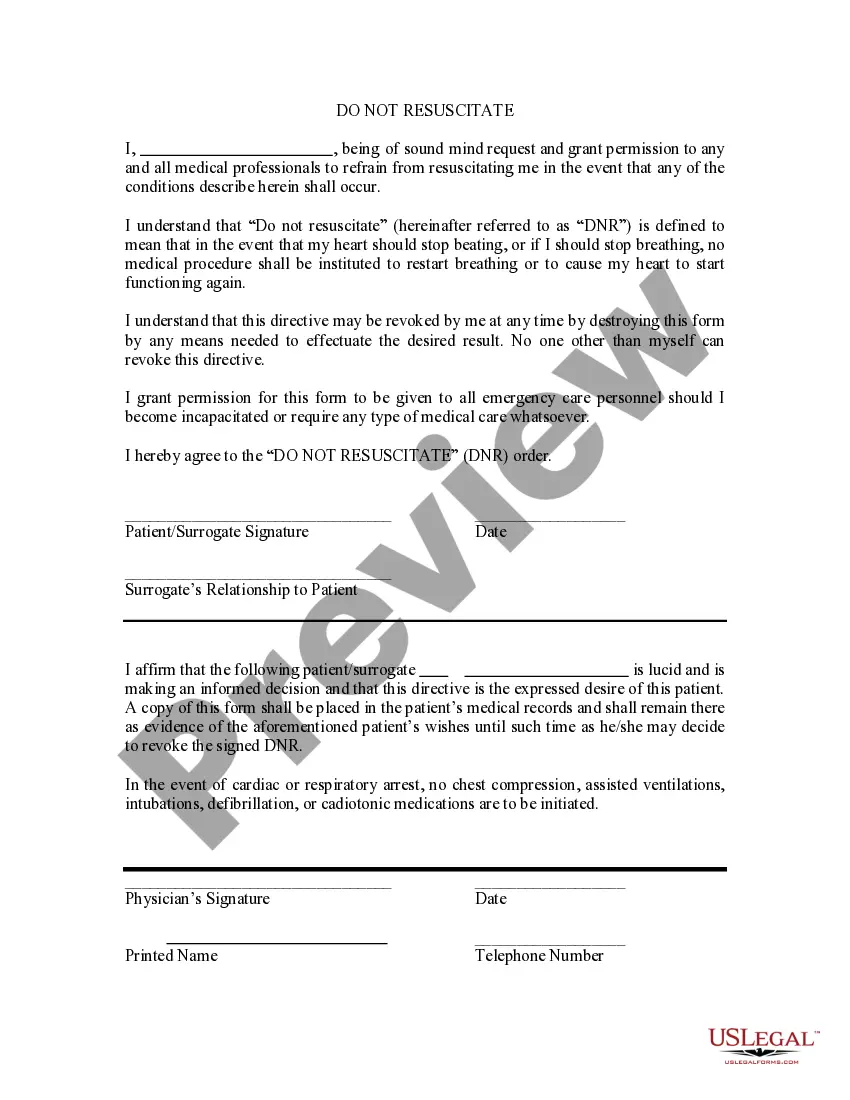
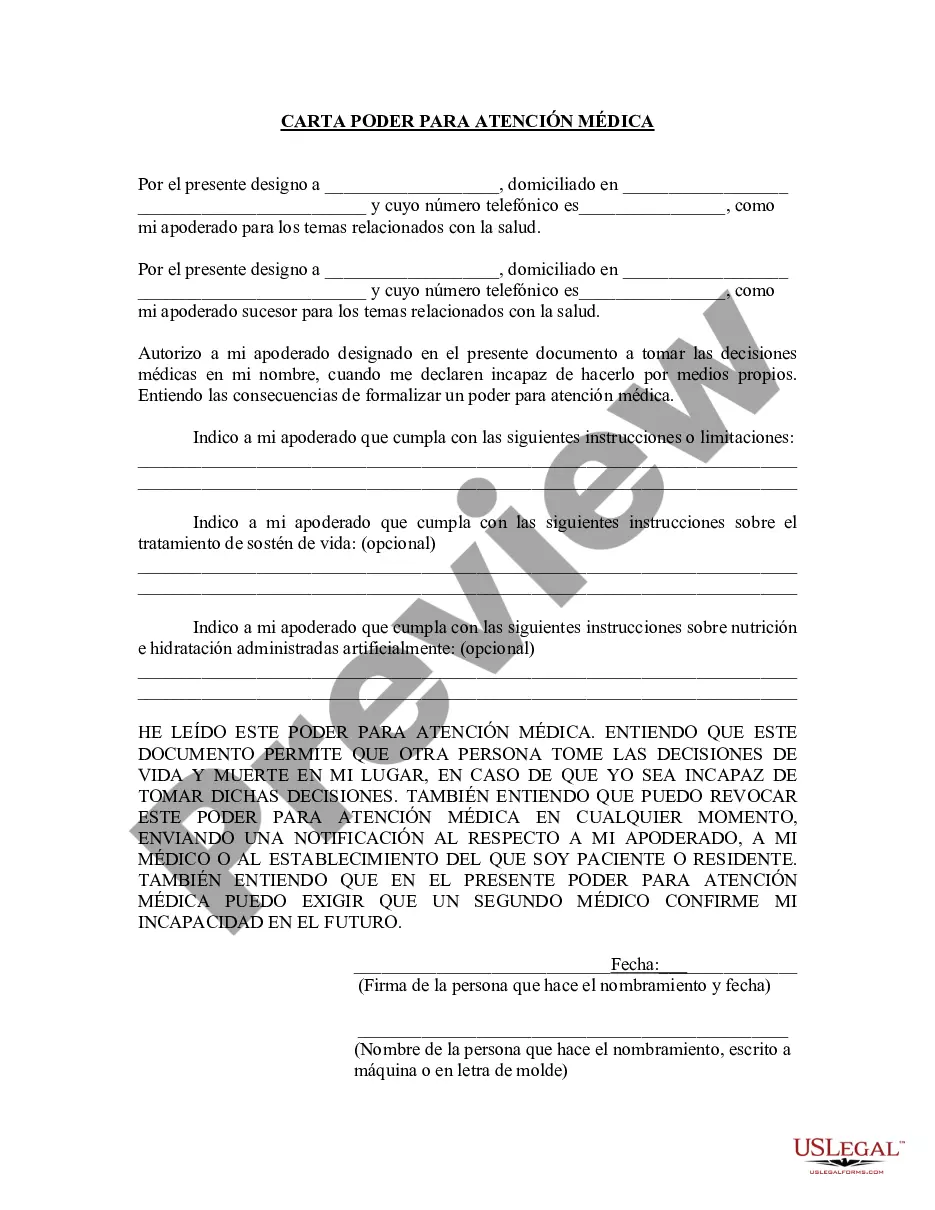
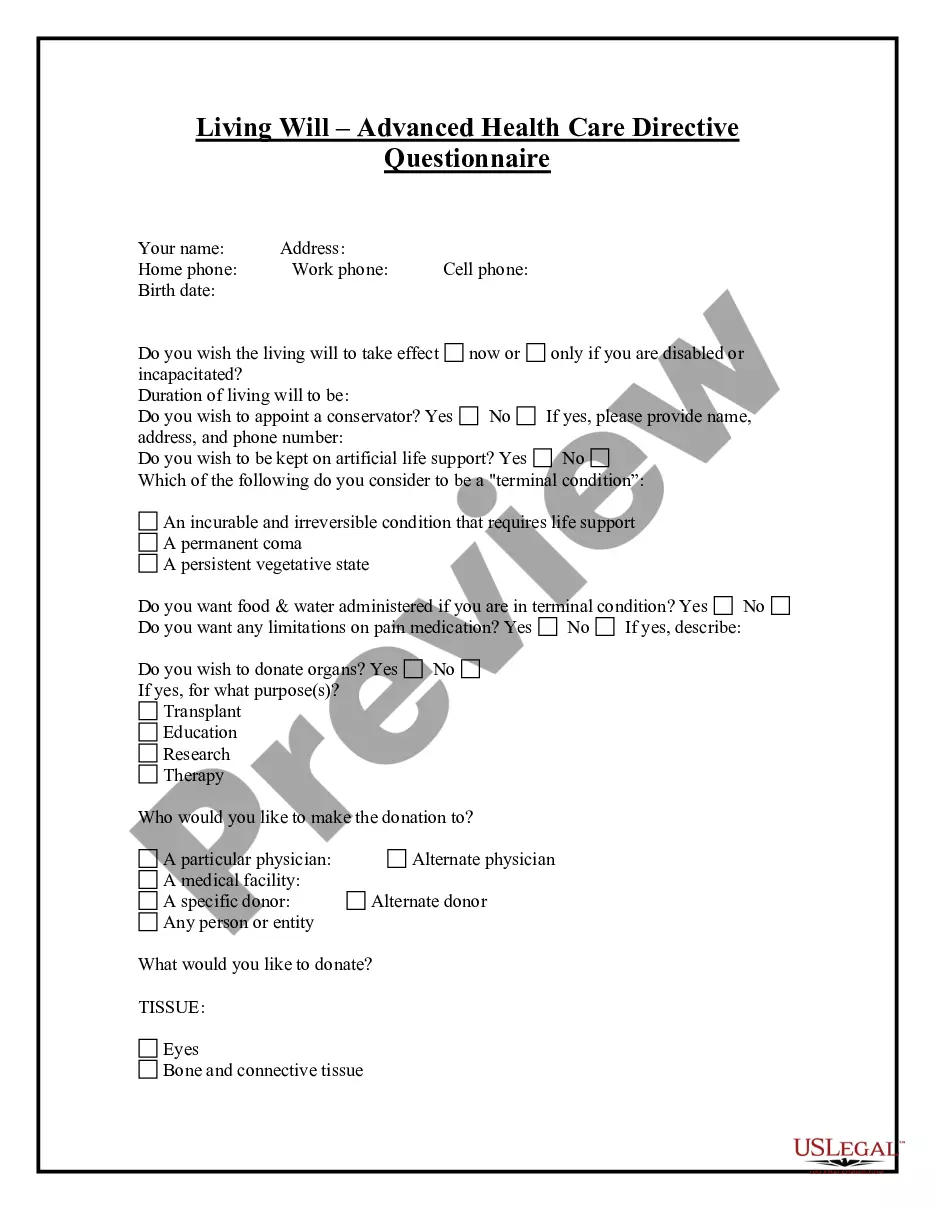
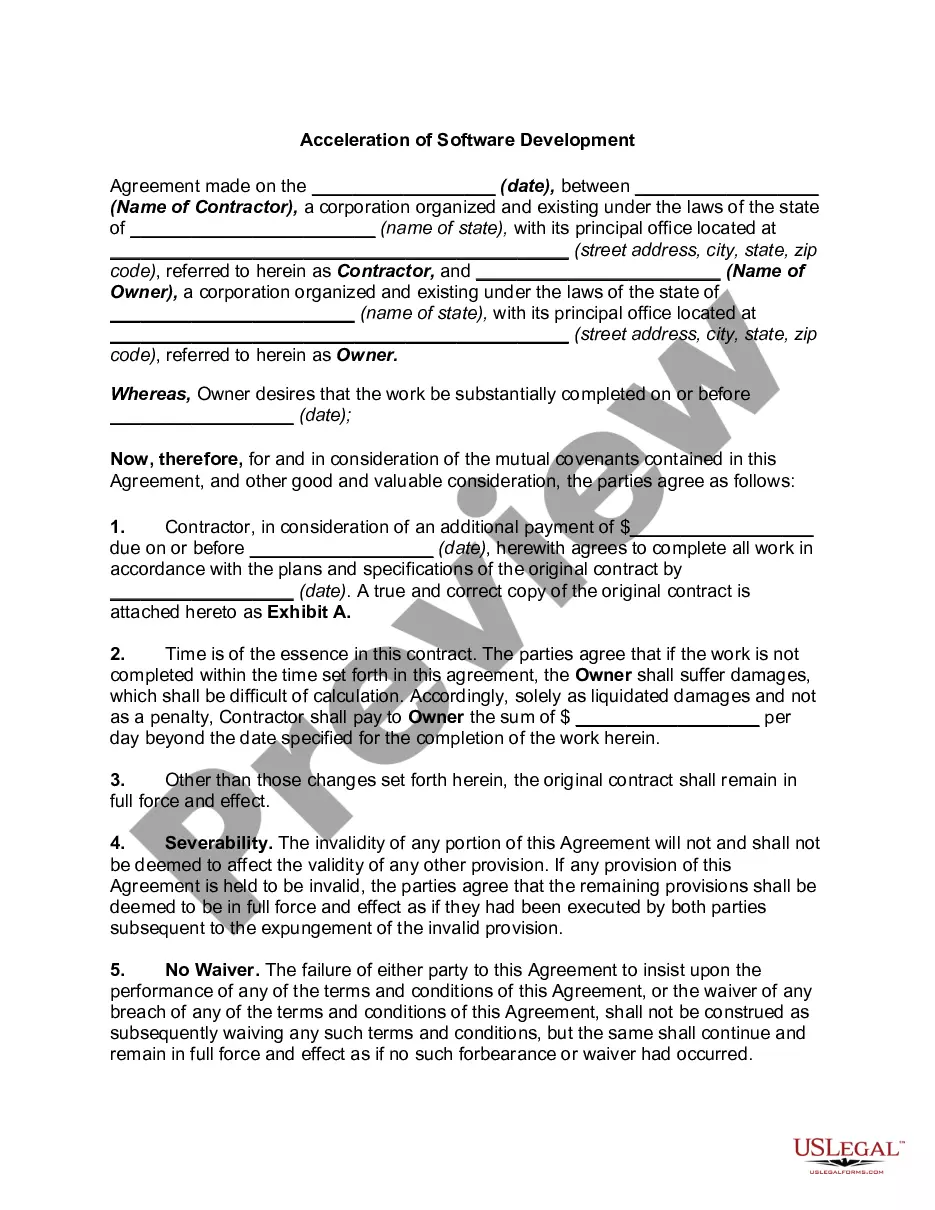
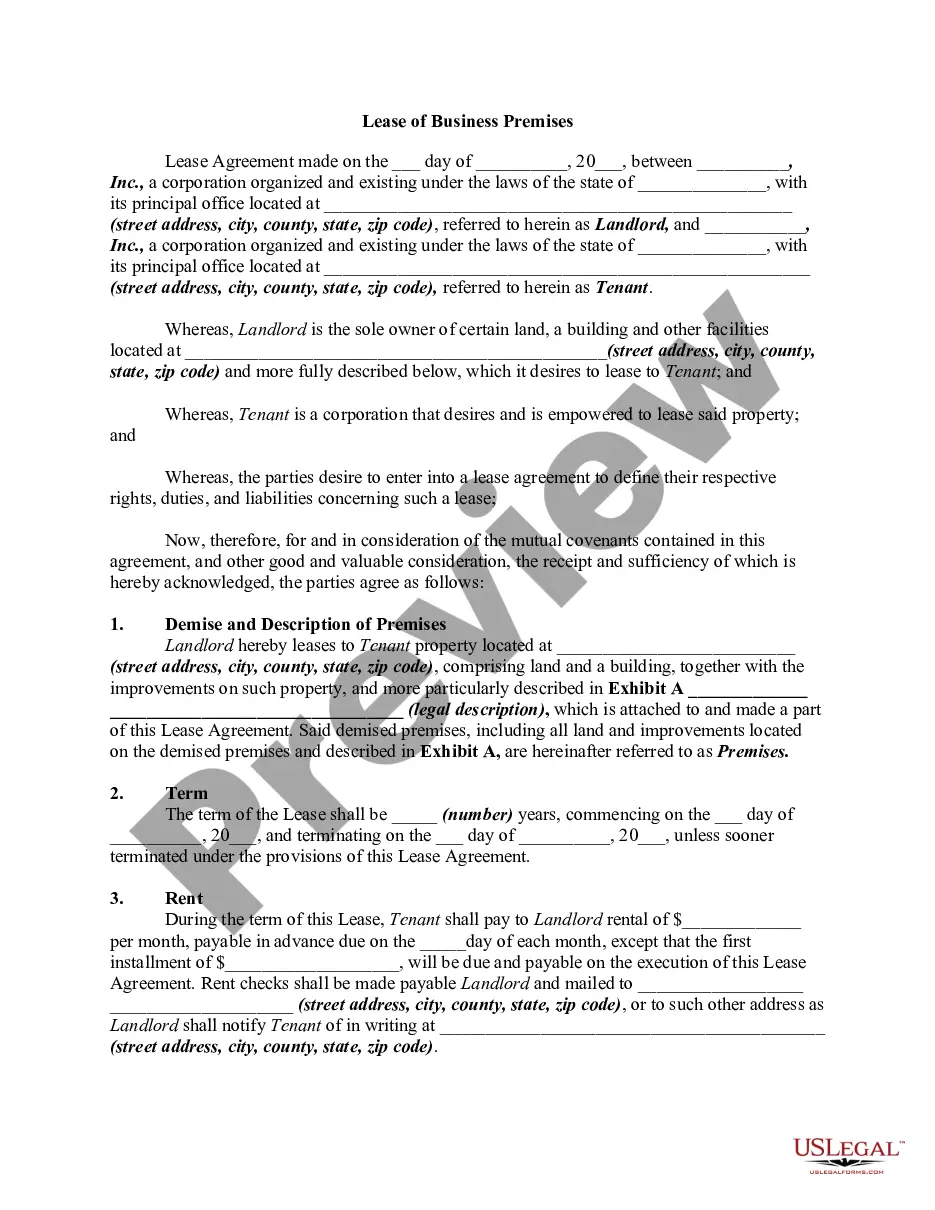
This is a form initiated by a patient requesting that he/she not be resuscitated should he/she stop breathing or should his/her heart stop beating. This form is also to be signed by a physician attesting to patient's wishes and to be placed in the patient's file.
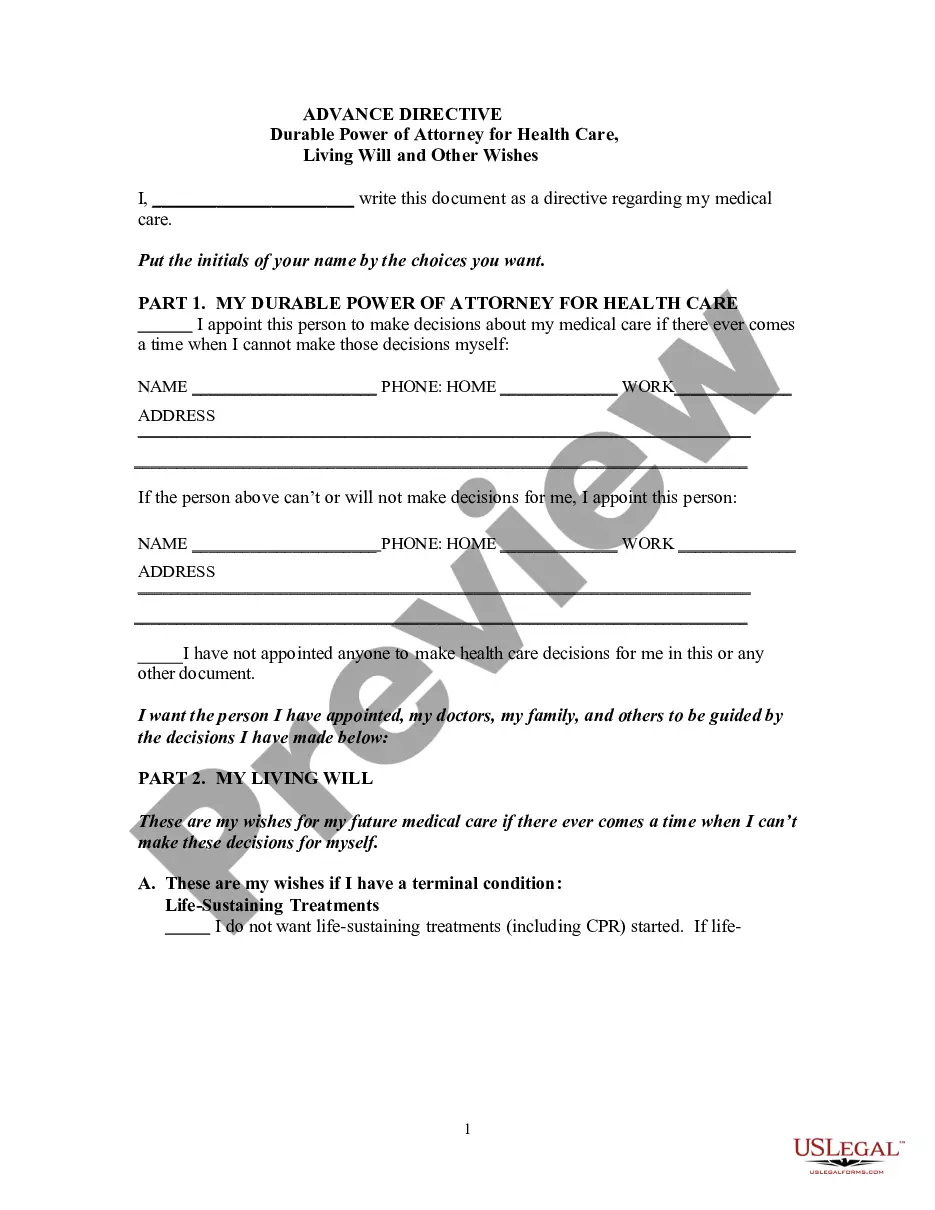
Yes, a DNR request is specifically about resuscitation, while an advance directive is a broader document that outlines your wishes for medical care, including end-of-life decisions.
Absolutely! You can change or revoke your DNR request whenever you want. Just inform your doctor, and make sure to update your documents.
You should keep a copy of your DNR in an obvious place, like on your fridge, and let your healthcare providers know about it. Some even wear a bracelet that indicates their DNR status.
Typically, family members cannot override your DNR request if you've made it legally. Your wishes are what count!
No need for a lawyer! You can talk with your doctor about your wishes, and they can help you fill out the necessary forms.
In Austin, Texas, anyone who is an adult and mentally competent can create a DNR request for themselves. It's often done with the help of a doctor.
A DNR request is a legal document that tells medical staff not to perform CPR or other life-saving measures if your heart stops or if you stop breathing.