Sometimes granting an easement can lead to benefits like improved access or utility services for the property. It can also be a good way to foster relationships with utility companies and neighbors.
Yes, in certain circumstances, easements can be terminated. This usually happens if the purpose of the easement is no longer needed or if both parties agree to end it.
Disputes can often be solved through discussion and negotiation. If that doesn’t work, parties might need to resort to mediation or, in some cases, legal action to clear the air.
Property owners should read the fine print! They need to understand what rights they’ll be giving up, how it might affect their land, and any responsibilities that come with it.
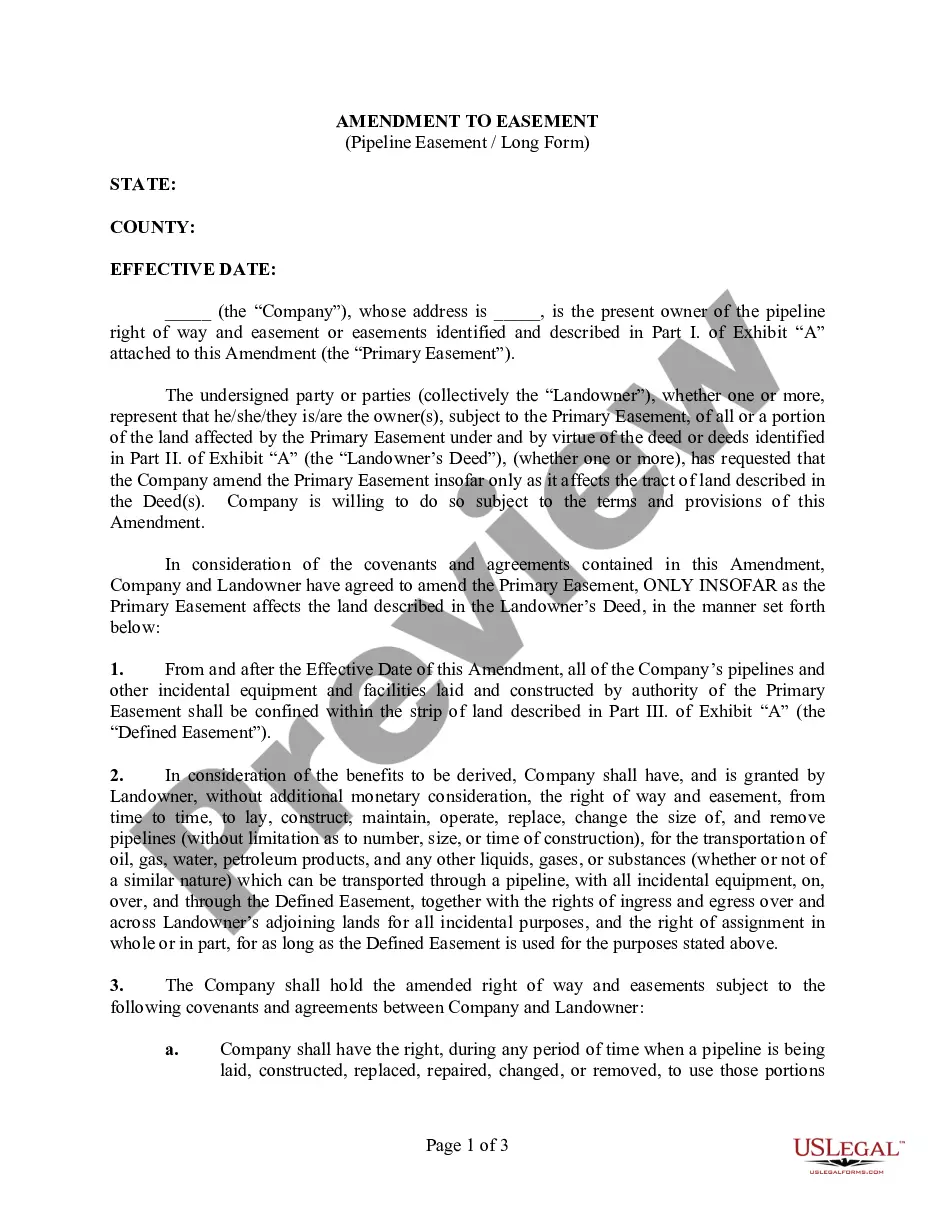
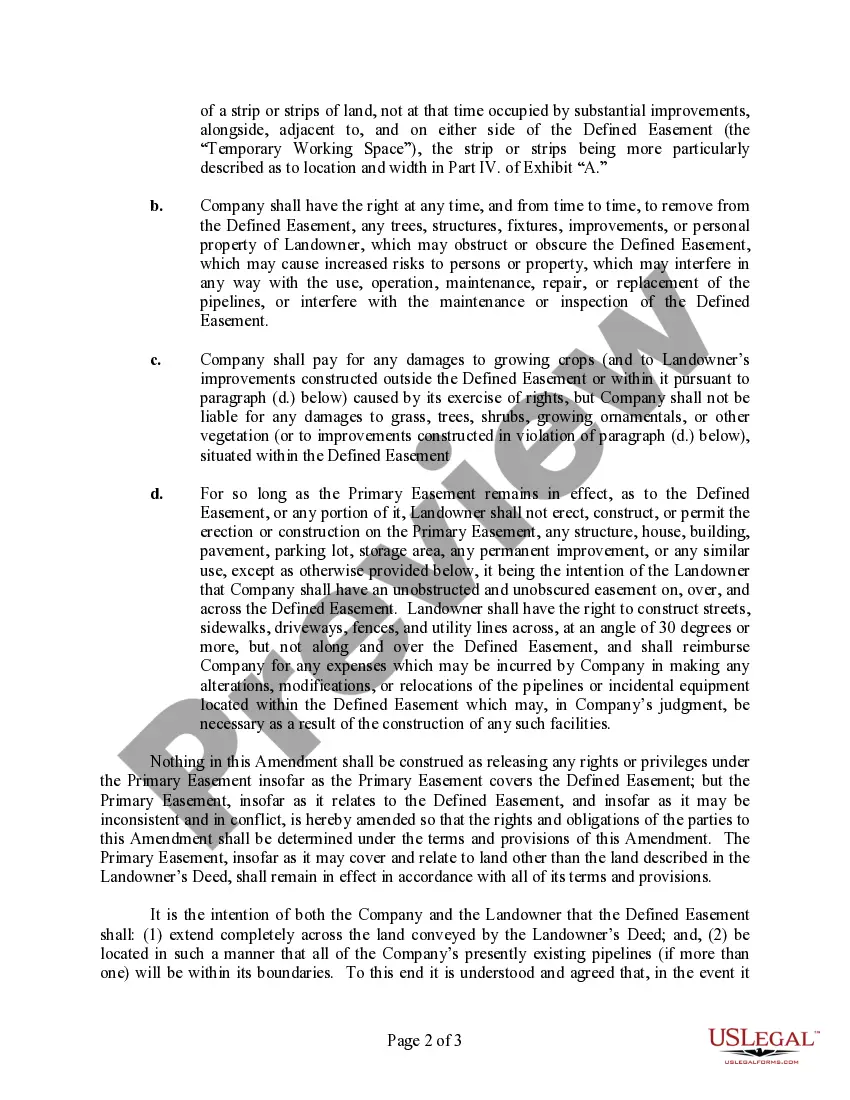
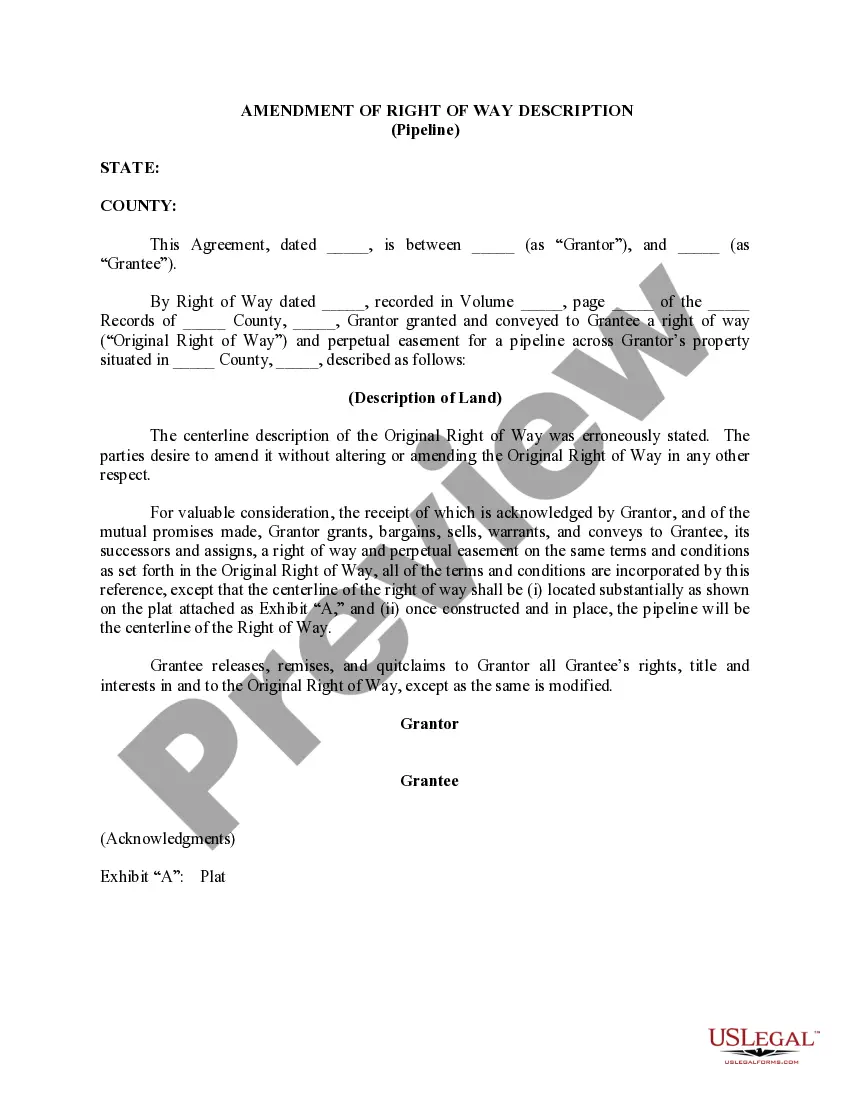
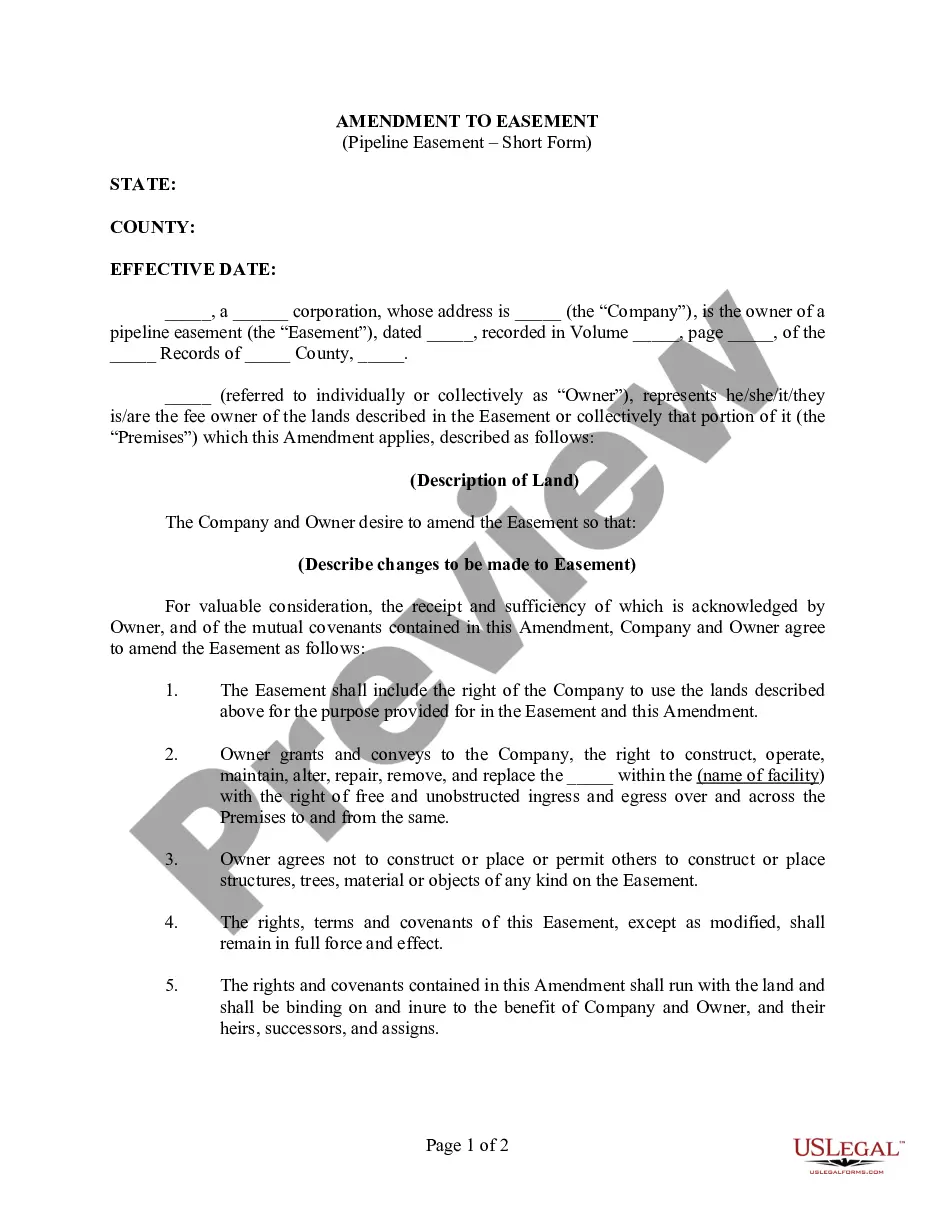
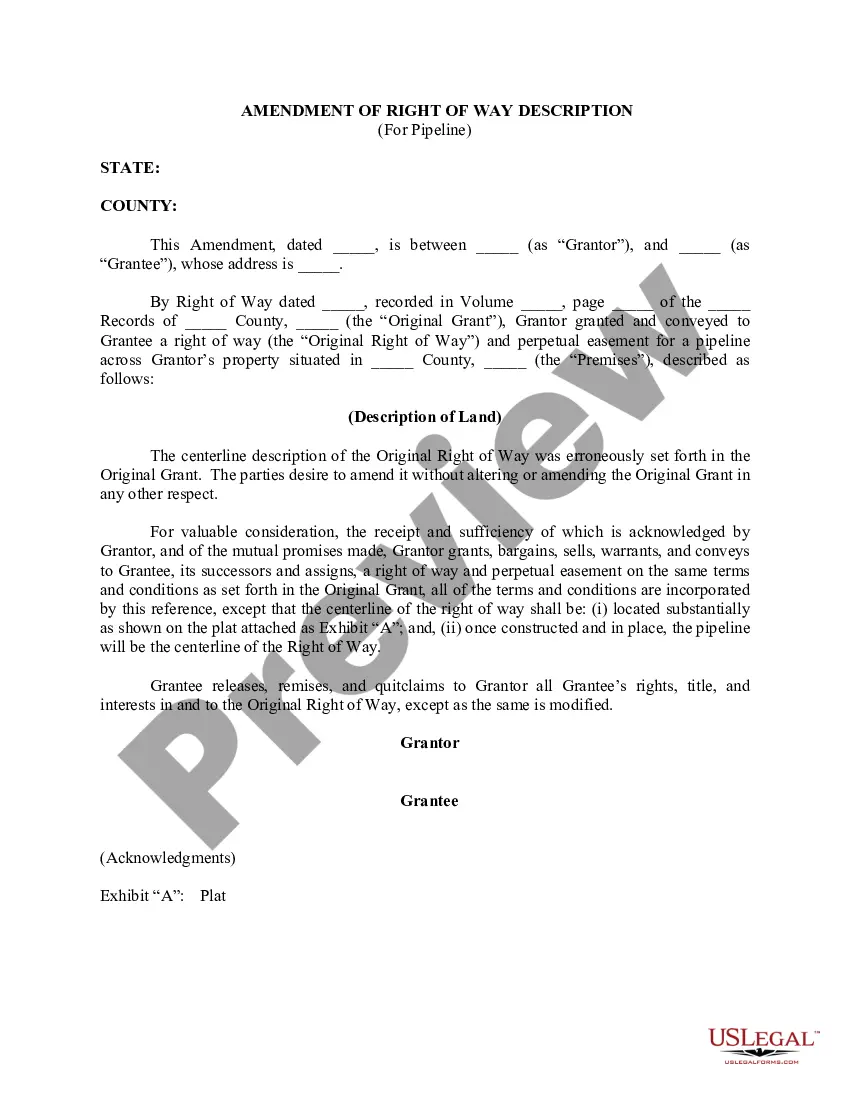
A pipeline easement allows companies to install and maintain pipelines for transporting oil, gas, or water through a property. It’s like giving them a permission slip to run their lines where they need to go.
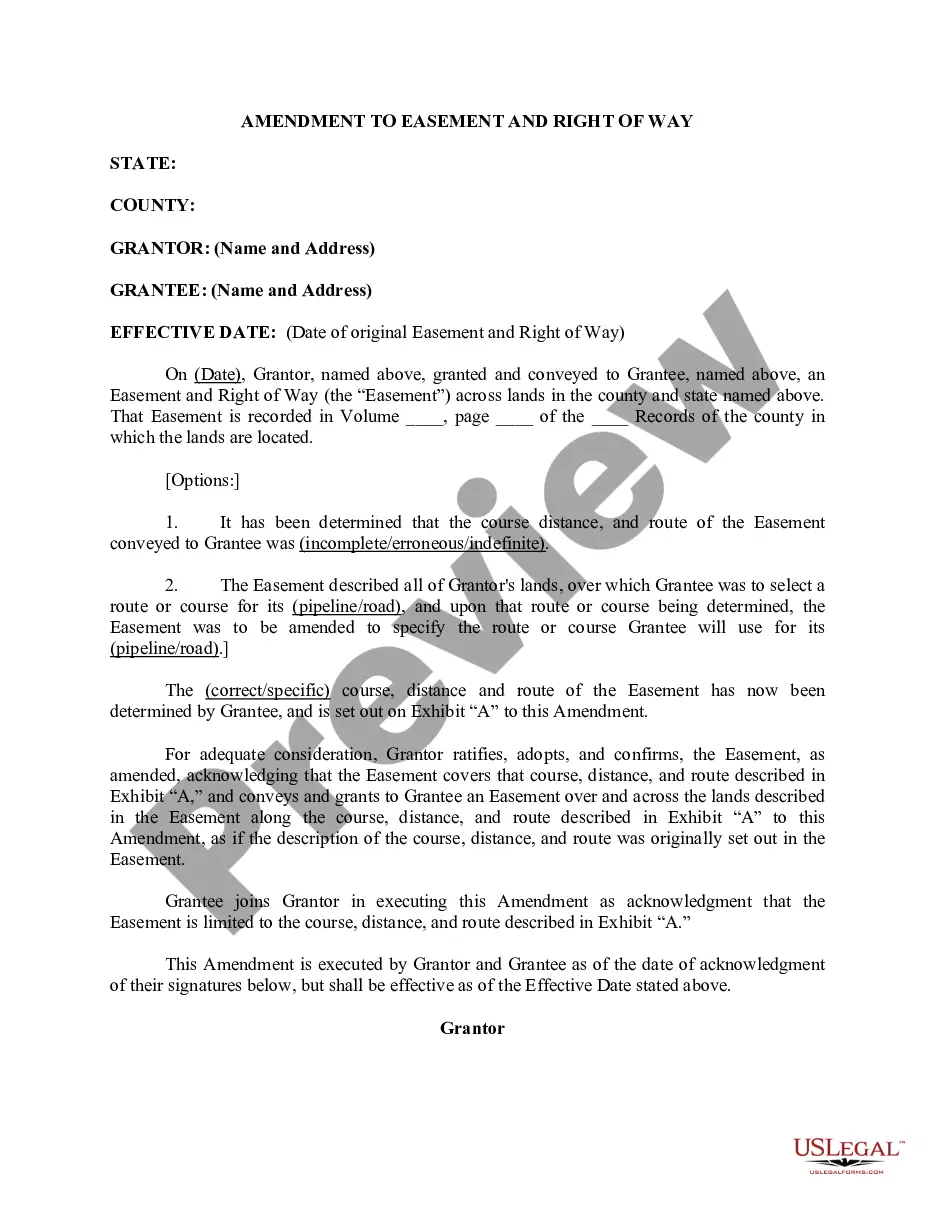
An amendment to easement means making changes or updates to an existing easement agreement. Think of it as a way to fine-tune the rules for using the property to fit new needs.
An easement is a legal right allowing someone to use a part of another person's property for a specific purpose, like pipelines. In Seattle, this helps ensure utilities can operate smoothly without stepping on anyone's toes.