Receiver of NSF Check
Understanding this form
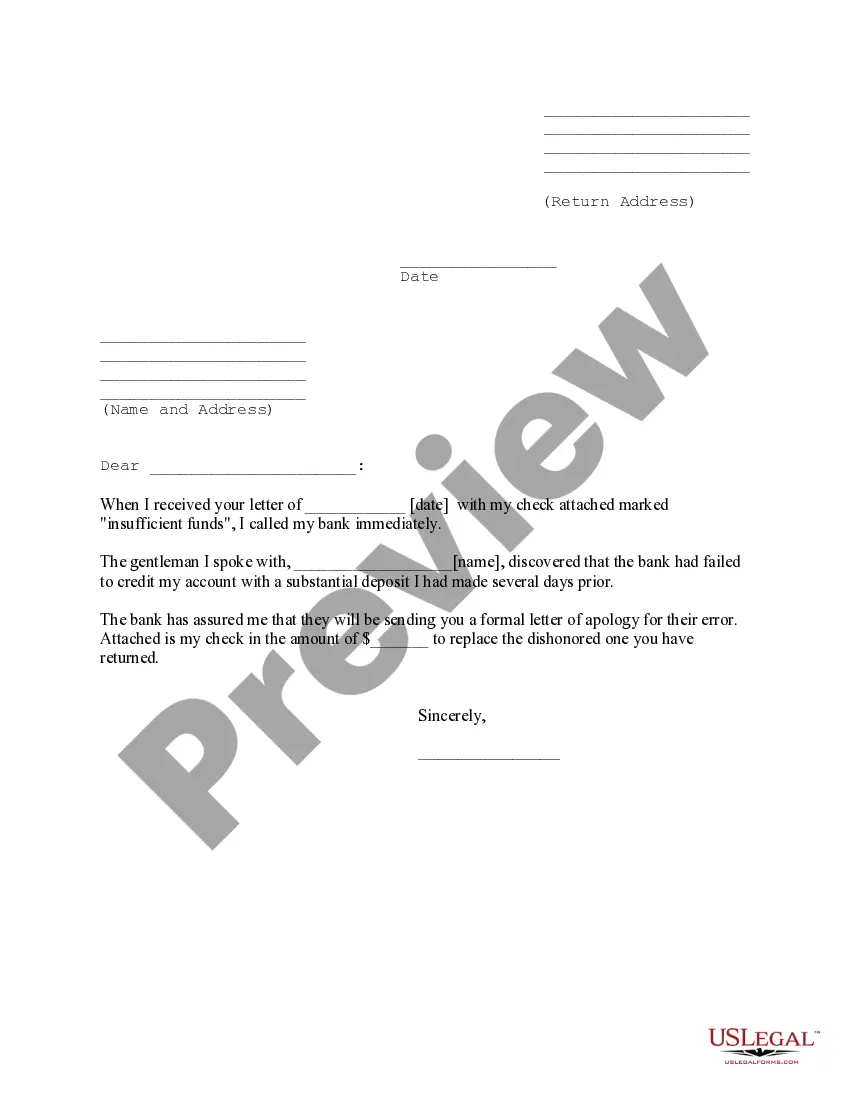
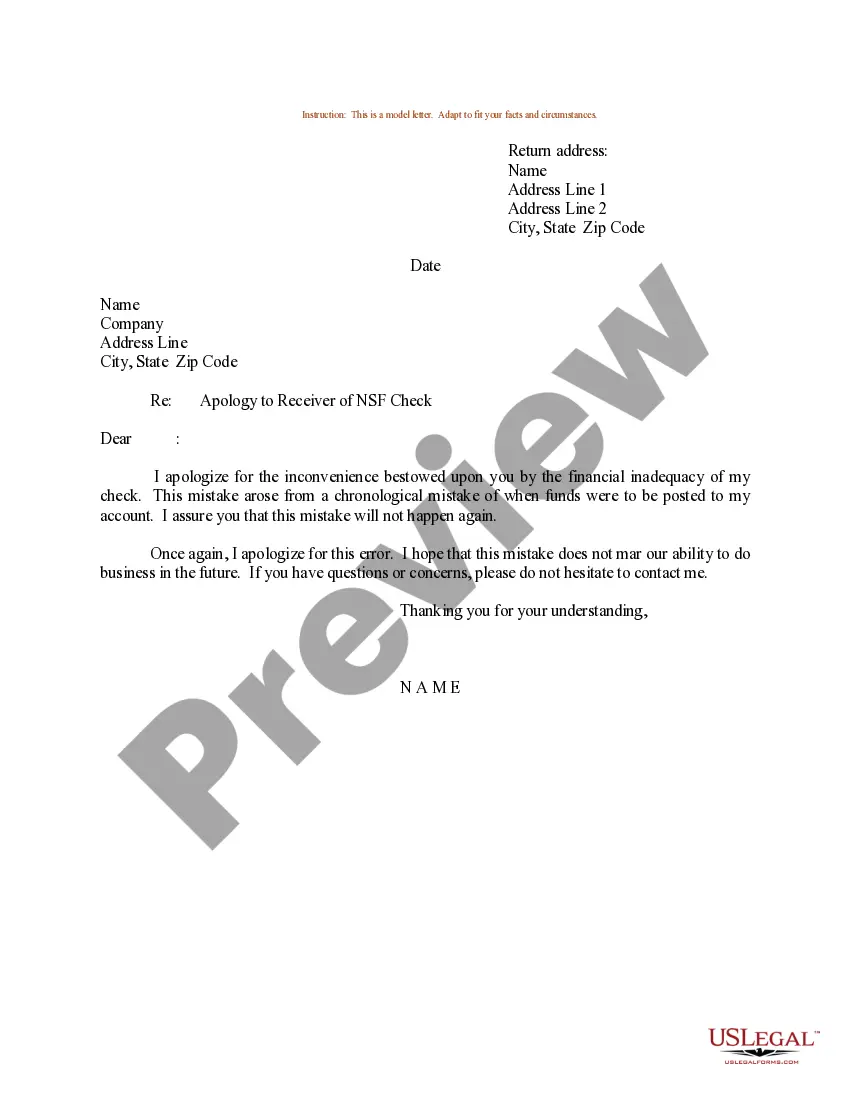
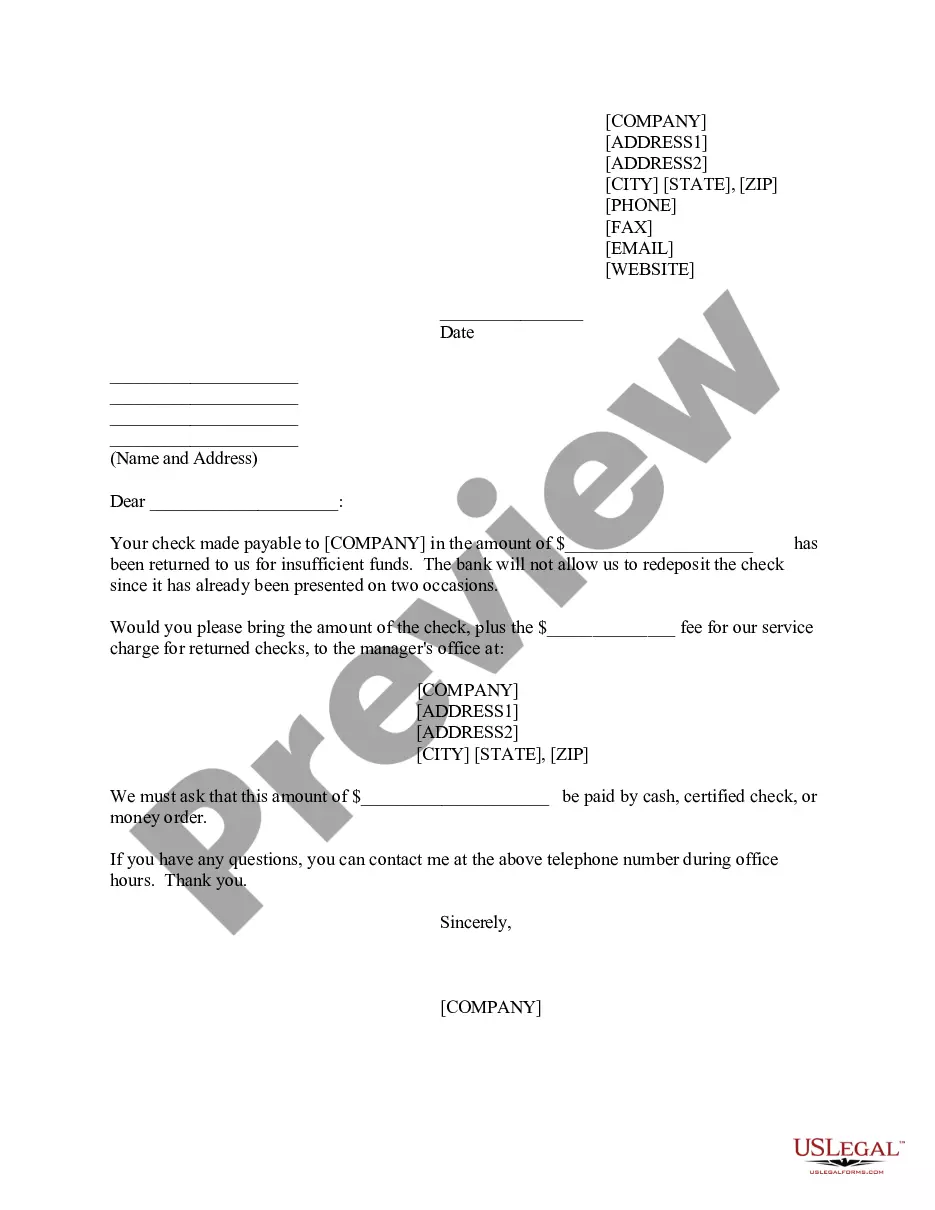
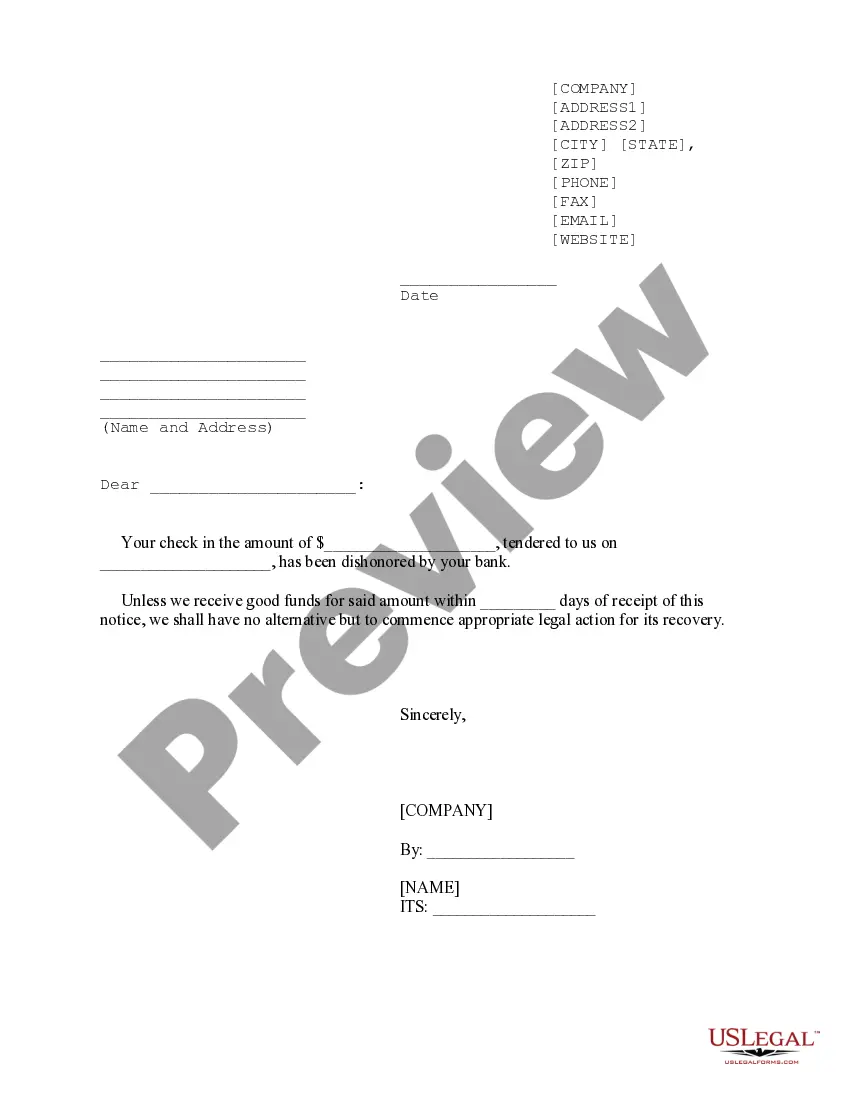
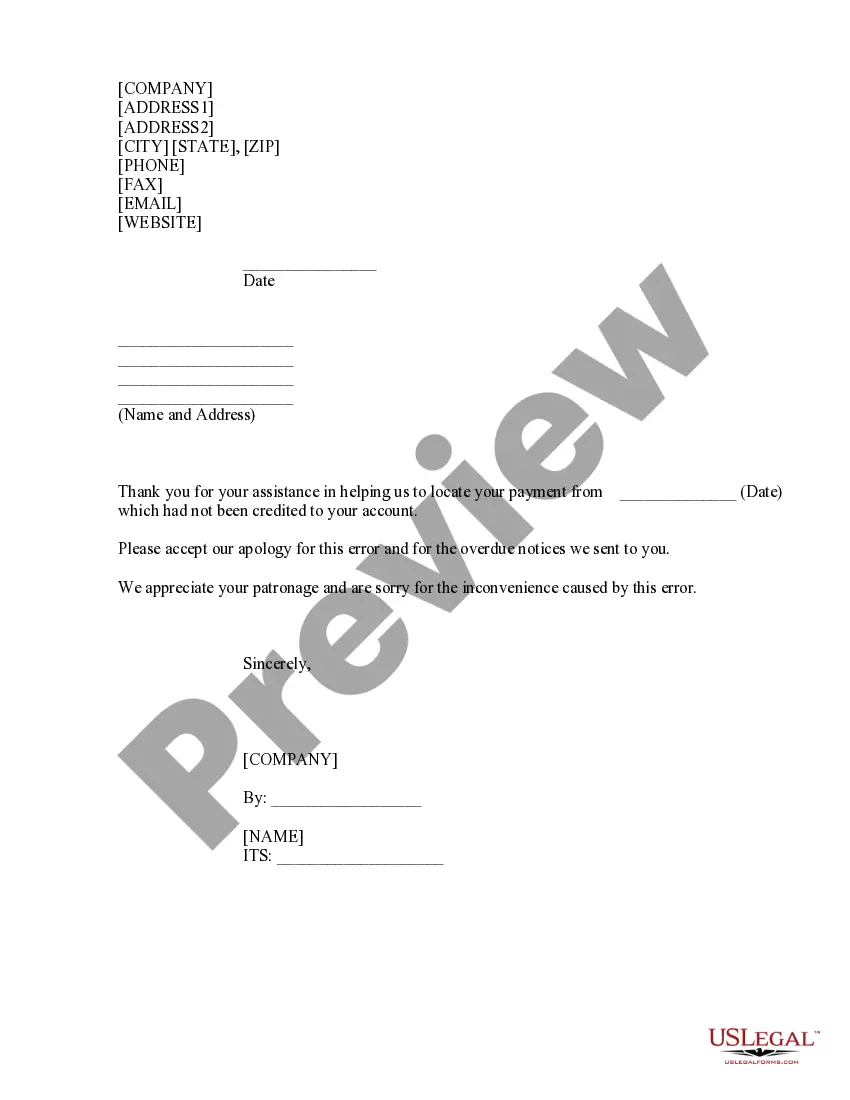
The Receiver of NSF Check form is a legal document that allows a person to formally respond to the situation where a check they wrote has bounced due to insufficient funds (NSF). This form is primarily used to communicate the circumstances surrounding the bounced check, provide an explanation, and submit a replacement check. It helps to clarify misunderstandings between the parties involved and ensures that the financial transaction is resolved efficiently.
Form components explained
- Return address of the sender.
- Name and address of the recipient.
- Date of the letter.
- Details about the bounced check, including the date and the amount.
- Information about the communication with the bank regarding the NSF check.
- Signature of the sender.
When to use this form
This form should be used when you are notified that a check you issued has been returned due to insufficient funds. Common scenarios include instances when you mistakenly overlooked a bank deposit or when banking errors occurred. Utilizing this form provides a structured approach to address the issue with the recipient and streamline the process of issuing a replacement payment.
Intended users of this form
- Individuals who have written a check that has bounced due to NSF.
- Business owners dealing with bounced checks from clients or customers.
- Anyone who needs to formally communicate about the NSF situation and replace the original payment.
Instructions for completing this form
- Fill in your return address at the top of the form.
- Provide the name and address of the recipient.
- Enter the date on which you are writing the letter.
- Add details regarding the original bounced check, including the date and amount.
- Describe your conversation with the bank that led to the bounced check situation.
- Sign the letter to formalize your communication and include any replacement check if applicable.
Notarization requirements for this form
Notarization is not commonly needed for this form. However, certain documents or local rules may make it necessary. Our notarization service, powered by Notarize, allows you to finalize it securely online anytime, day or night.
Get your form ready online
Our built-in tools help you complete, sign, share, and store your documents in one place.
Make edits, fill in missing information, and update formatting in US Legal Forms—just like you would in MS Word.
Download a copy, print it, send it by email, or mail it via USPS—whatever works best for your next step.
Sign and collect signatures with our SignNow integration. Send to multiple recipients, set reminders, and more. Go Premium to unlock E-Sign.
If this form requires notarization, complete it online through a secure video call—no need to meet a notary in person or wait for an appointment.
We protect your documents and personal data by following strict security and privacy standards.

Make edits, fill in missing information, and update formatting in US Legal Forms—just like you would in MS Word.

Download a copy, print it, send it by email, or mail it via USPS—whatever works best for your next step.

Sign and collect signatures with our SignNow integration. Send to multiple recipients, set reminders, and more. Go Premium to unlock E-Sign.

If this form requires notarization, complete it online through a secure video call—no need to meet a notary in person or wait for an appointment.

We protect your documents and personal data by following strict security and privacy standards.
Common mistakes to avoid
- Failing to include the correct date of the bounced check.
- Not providing sufficient details about the bank's error or your communication with them.
- Forgetting to sign the letter.
- Omitting the recipient's address, leading to delivery issues.
Benefits of using this form online
- Convenient access to legally vetted templates that save time.
- Easy to customize template to fit your specific situation.
- Secure download and storage for your records.
- Reliable format ensures clarity and professionalism in communication.
Looking for another form?
Form popularity
FAQ
Generally, a bank may attempt to deposit the check two or three times when there are insufficient funds in your account. However, there are no laws that determine how many times a check may be resubmitted, and there is no guarantee that the check will be resubmitted at all.
Banks and vendors frequently charge fees for bounced checks, sometimes exceeding the amount for which the check was written. The bank normally adds a nonsufficient funds (NSF) charge to your account, which can be as high as $35 for each bad check written.
When there are insufficient funds in an account, and a bank decides to bounce a check, it charges the account holder an NSF fee. If the bank accepts the check, but it makes the account negative, the bank charges an overdraft fee. If the account stays negative, the bank may charge an extended overdraft fee.
When you cash or deposit a check and there's not enough funds to cover it in the account it's drawn on, this is also considered non-sufficient funds (NSF). When a check is returned for NSF in this manner, the check is generally returned back to you. This allows you to redeposit the check at a later time, if available.
5 actions you can take after accepting an NSF check Contact the customer that wrote the NSF check. Anytime you receive an NSF check, you should notify your customer immediately.Send a new bill with the bank fee included.Send a demand letter.Turn it over to a collection agency.Initiate legal action.
What happens if I deposit a check and it bounces? If someone writes you a check that bounces after you deposit it, your bank can reverse the deposit and charge you an NSF fee or ?returned item? fee. If you want to retrieve the money from the writer of the check, it's up to you to take care of it.
Generally, a bank may attempt to deposit the check two or three times when there are insufficient funds in your account. However, there are no laws that determine how many times a check may be resubmitted, and there is no guarantee that the check will be resubmitted at all.