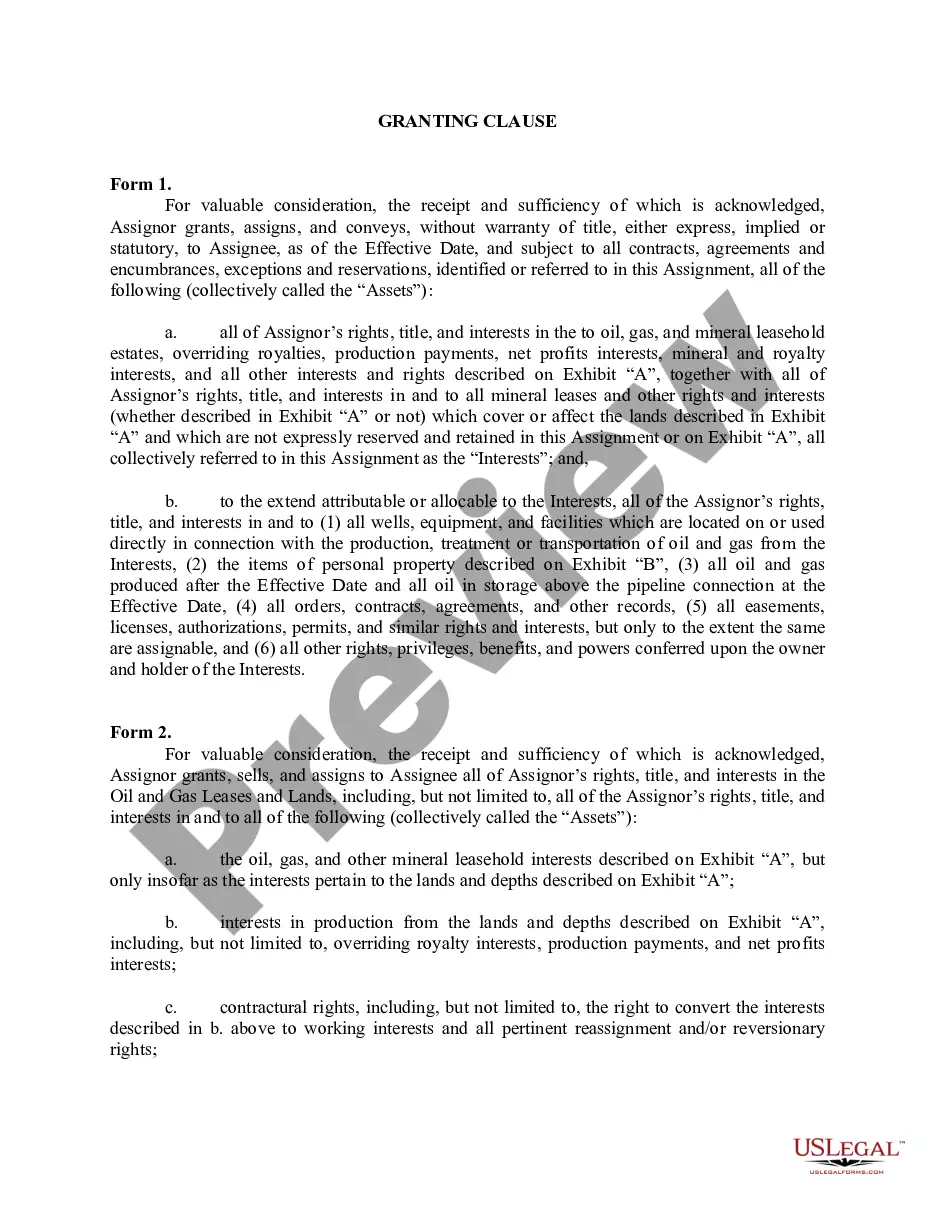
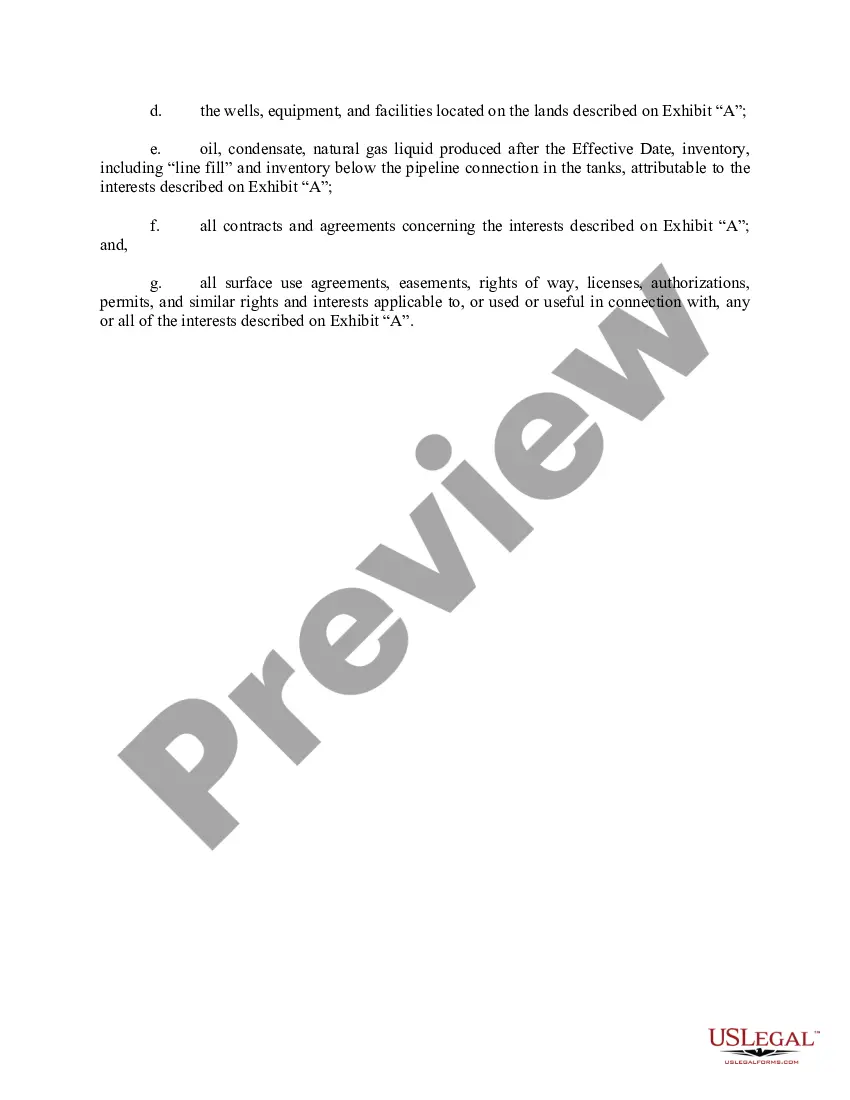
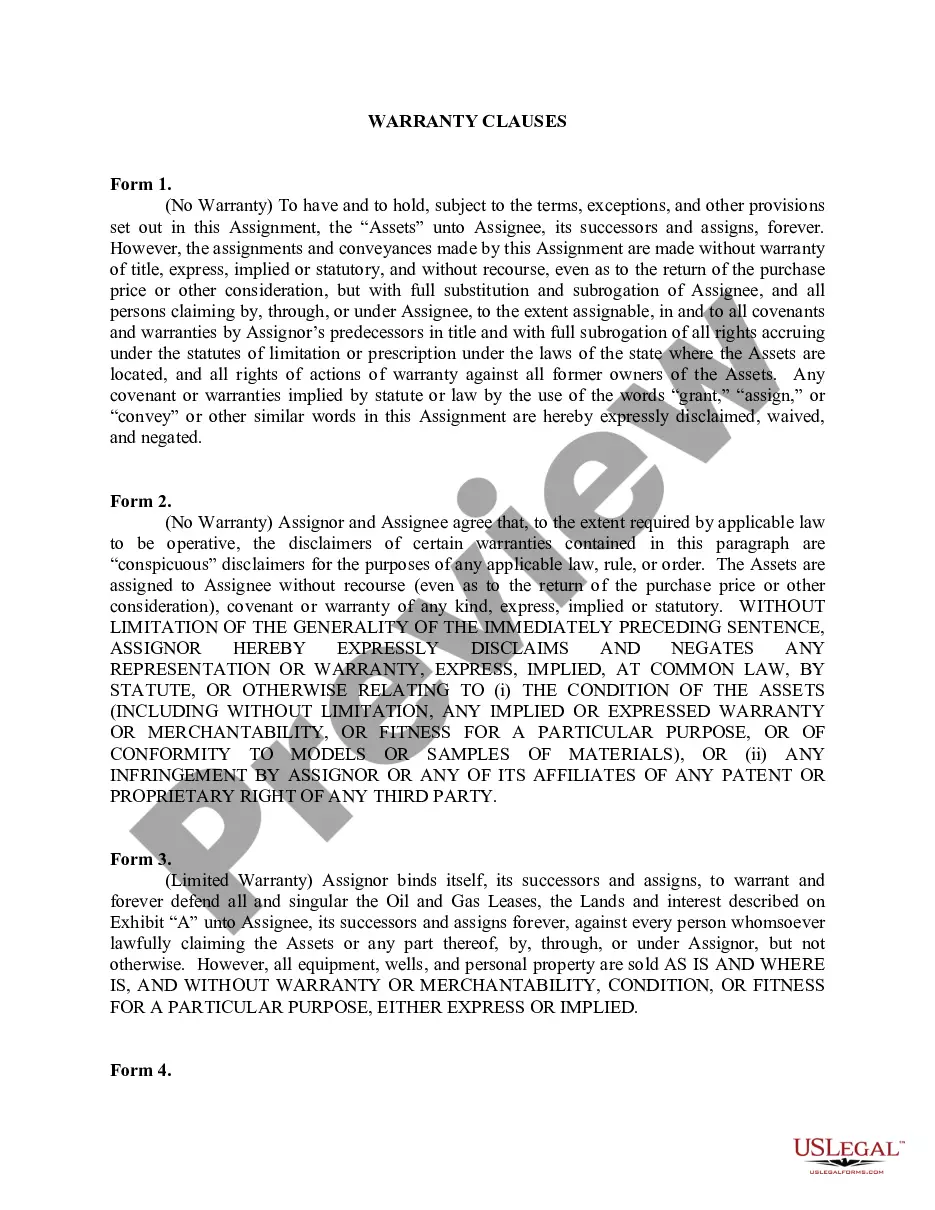
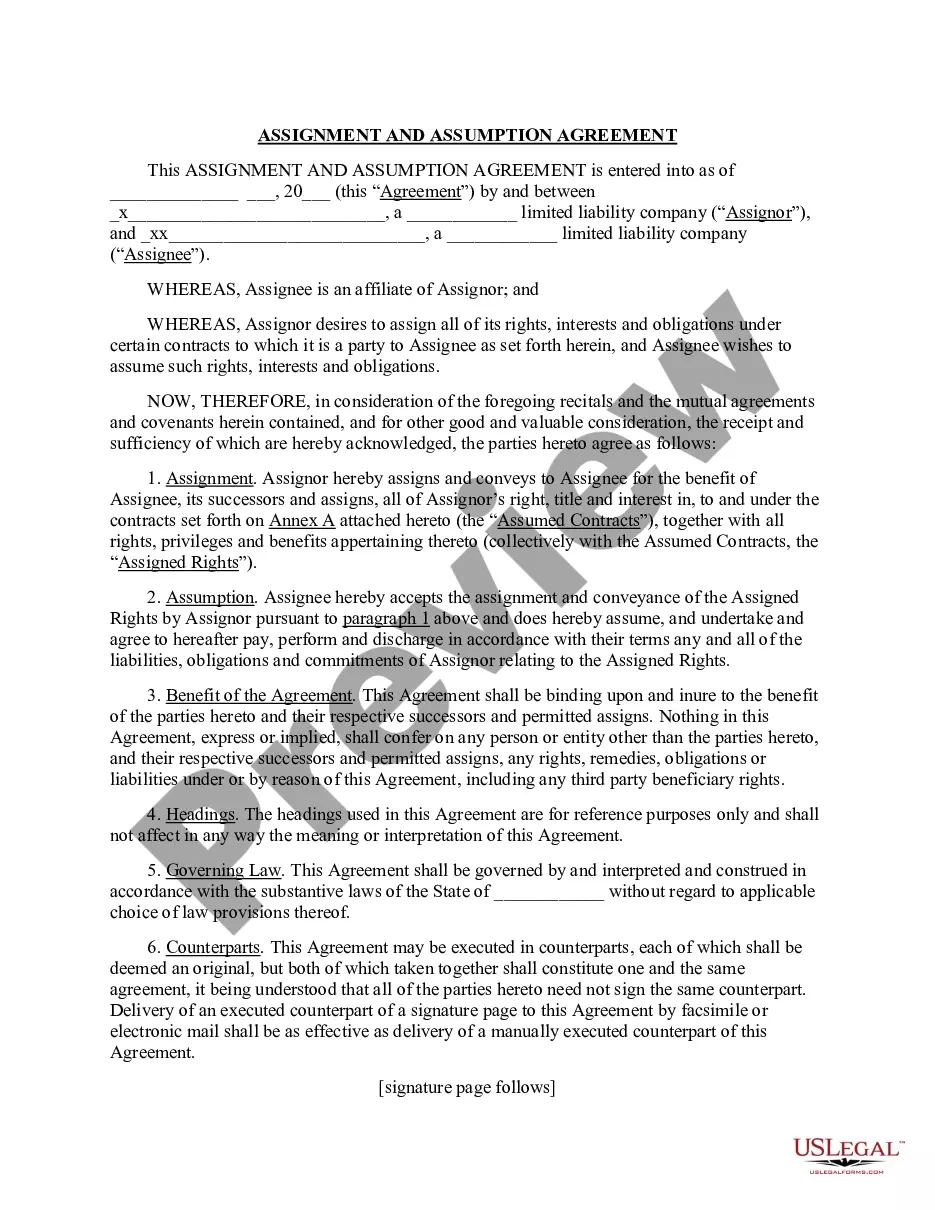
The Granting Clause form, the the receipt and sufficiency of which is acknowledged, assignor grants, assigns, and conveys, without warranty of title, either express, implied or statutory, to assignee.
Absolutely! If there are unique terms in the granting clause, they might just come back to haunt you when selling the property. Always read the fine print!
While it's not always a must, having a lawyer can save you a lot of headaches down the road. They can help ensure everything is buttoned up and above board.
Look for clarity and specificity. You want to make sure it clearly states the rights being granted—no room for misinterpretation!
It's not a walk in the park! Changing a granting clause usually requires legal work and can be a bit of a process, so it’s best to get it right the first time.
The granting clause can change the game for property ownership. It specifies who has control and what they can do with the property, so it’s vital to understand it well.
It’s crucial because it clearly defines the transfer of rights. Think of it as the fine print that binds the deal—without it, things can get pretty murky!
A granting clause is a part of a legal document that explains what rights or interests are being given over a property. It essentially lays down the groundwork for who gets what when it comes to land.
Trusted and secure by over 3 million people of the world’s leading companies