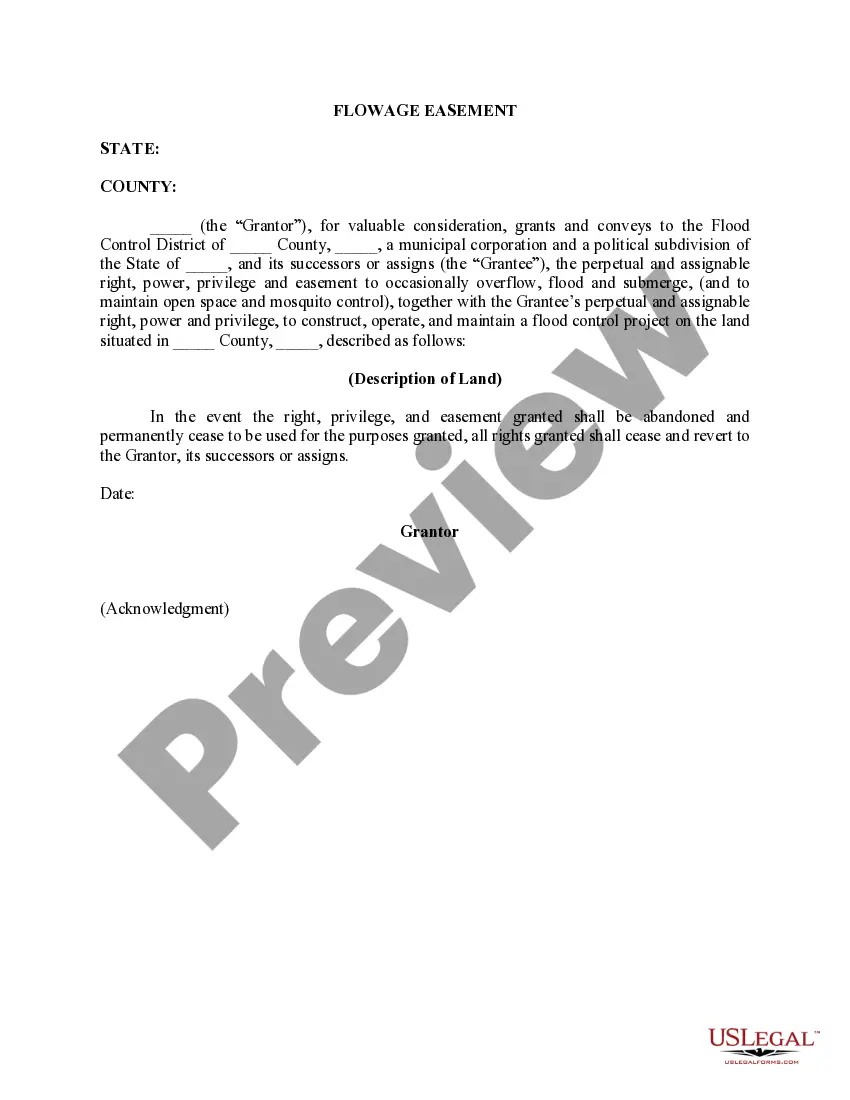
To check for a flowage easement on your property, you can review your property deed or check with the local planning department. They’ll have the scoop on any easements linked to your land.
Yes, as a property owner with a flowage easement, you'll need to respect the water flow and ensure your activities don’t obstruct it. It’s all about playing nice with nature!
If you think your property is impacted, it’s a good idea to consult a local land use lawyer or city officials. They can help clarify your rights and options, saving you a heap of trouble down the road.
In some cases, flowage easements can be modified or removed, but it usually requires negotiations and legal processes. It’s not just a walk in the park, but it’s possible.
Flowage easements can potentially impact property values. If your land is subject to flooding, it might lower the value a bit. But sometimes, it can increase value if it leads to better controlled flood areas.
Knowing about flowage easements is key if you own property near water. It helps you understand if and how your land might be affected by flooding and what you can do about it.
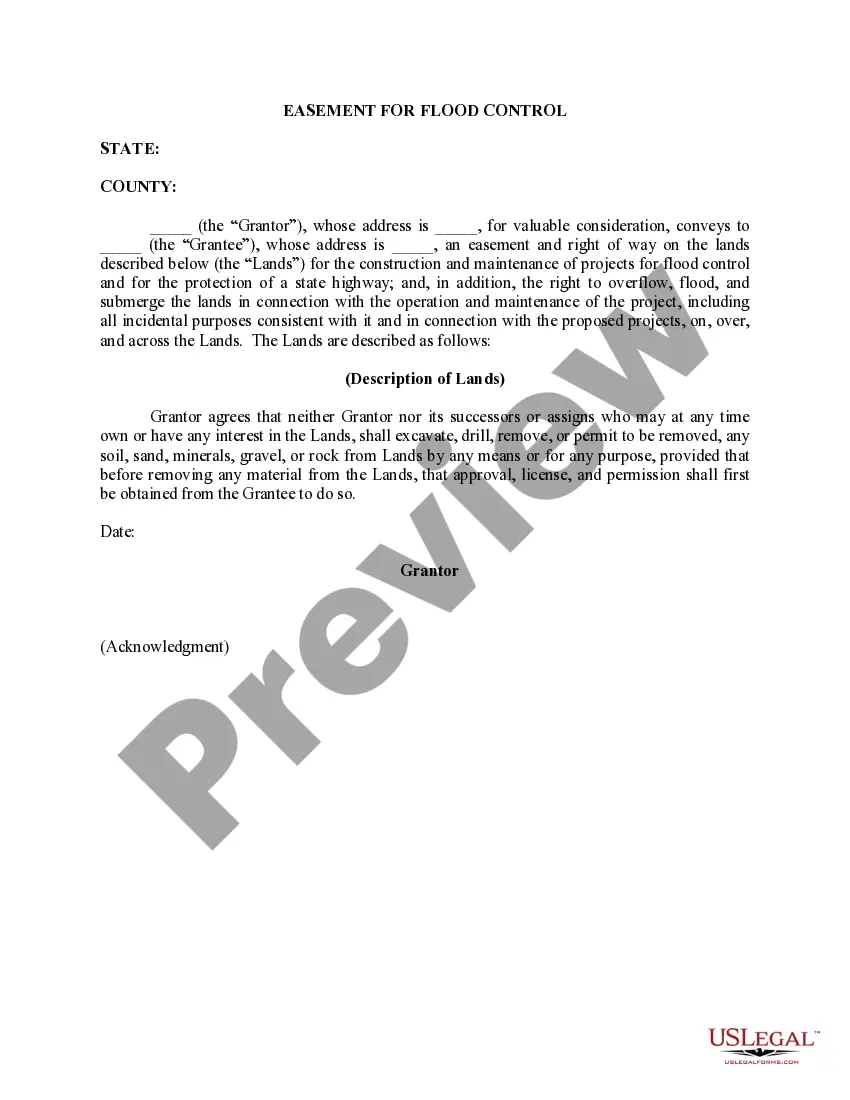
A flowage easement is basically a legal right that allows water to flow over someone's land. Think of it like giving water permission to travel through your property when it rains heavily or during floods.