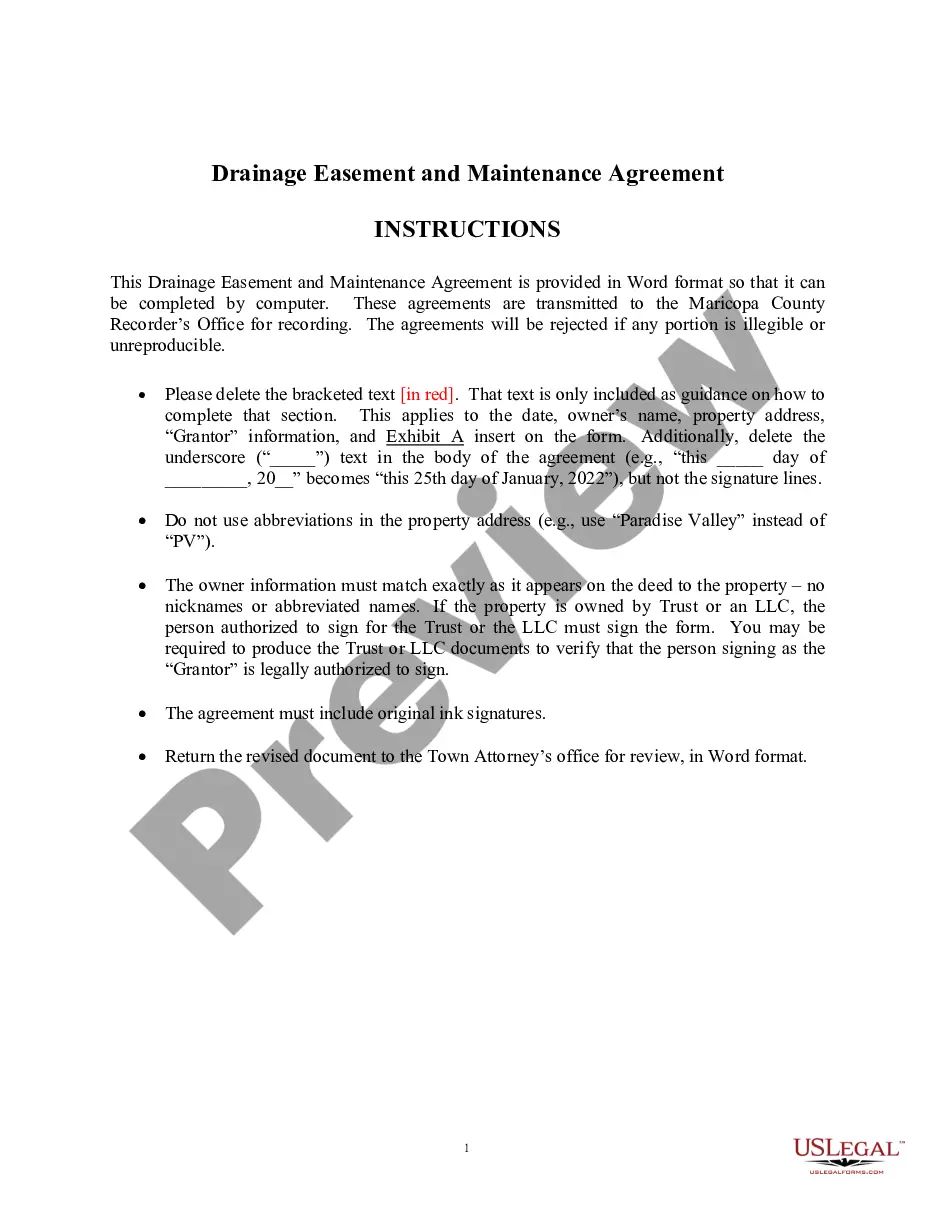
Changes to a drainage easement usually require going through local government. It’s not as easy as pie; you’ll need to follow certain procedures. Best to bring all your concerns to city planners!
If the drainage easement gets blocked, it’s like a traffic jam for water—it can lead to flooding. This could cause all sorts of headaches, so it’s key to address any blockages right away!
Building on a drainage easement can be tricky business. Often, construction is a no-go because it could disrupt the water flow. Best to check with your local city guidelines before starting any hammering!
If you’ve got a drainage easement on your property, it’s important to keep that area clear of debris and obstructions. Think of it like keeping a clear path for water to flow—don’t let it get clogged up!
To find out if your property has a drainage easement, check your property's deed or talk to local zoning offices. They can point you in the right direction like a trusty GPS.
In Tucson, with our monsoon rains and dry spells, drainage easements are crucial for managing stormwater. They help keep our streets and homes safe and sound, preventing water from piling up where it shouldn’t.
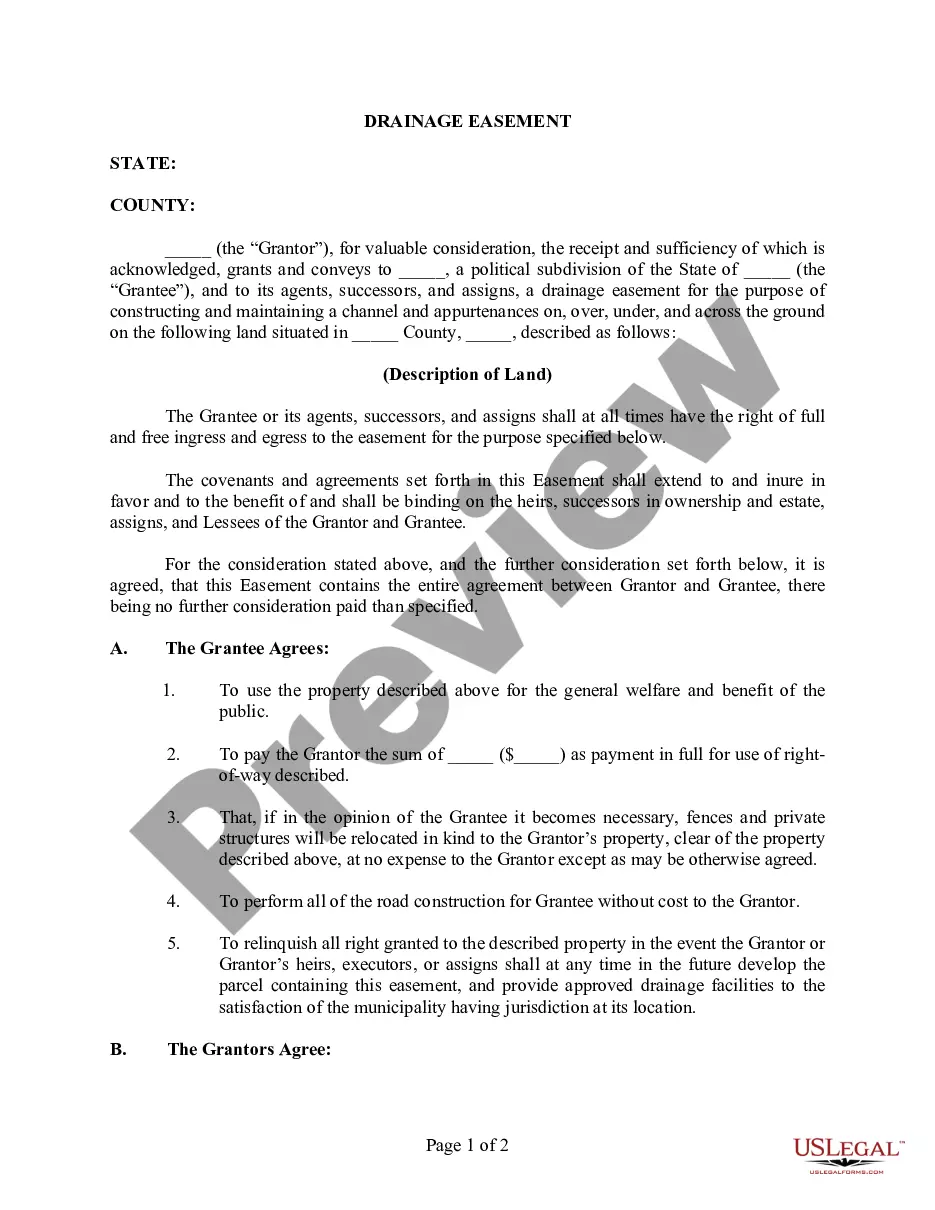
A drainage easement is like a designated pathway on someone’s property, which allows for water to flow freely. It’s there to prevent flooding and keep the area dry as a bone!