It's best to gather all your evidence, have a clear understanding of the law, and possibly consult a lawyer to make your case as strong as possible.
If the motion is denied, the case usually moves forward to trial where both parties can present their evidence.
Yes, heirship can definitely be contested, especially if there's a dispute over who should be recognized as the legal heir.
Judges often grant these motions if they find there isn't enough evidence to support a claim or if the law doesn't back up the case presented.
A valid cause of action means you have a solid legal basis to bring your case to court, showing that someone else's wrongful act caused the death.
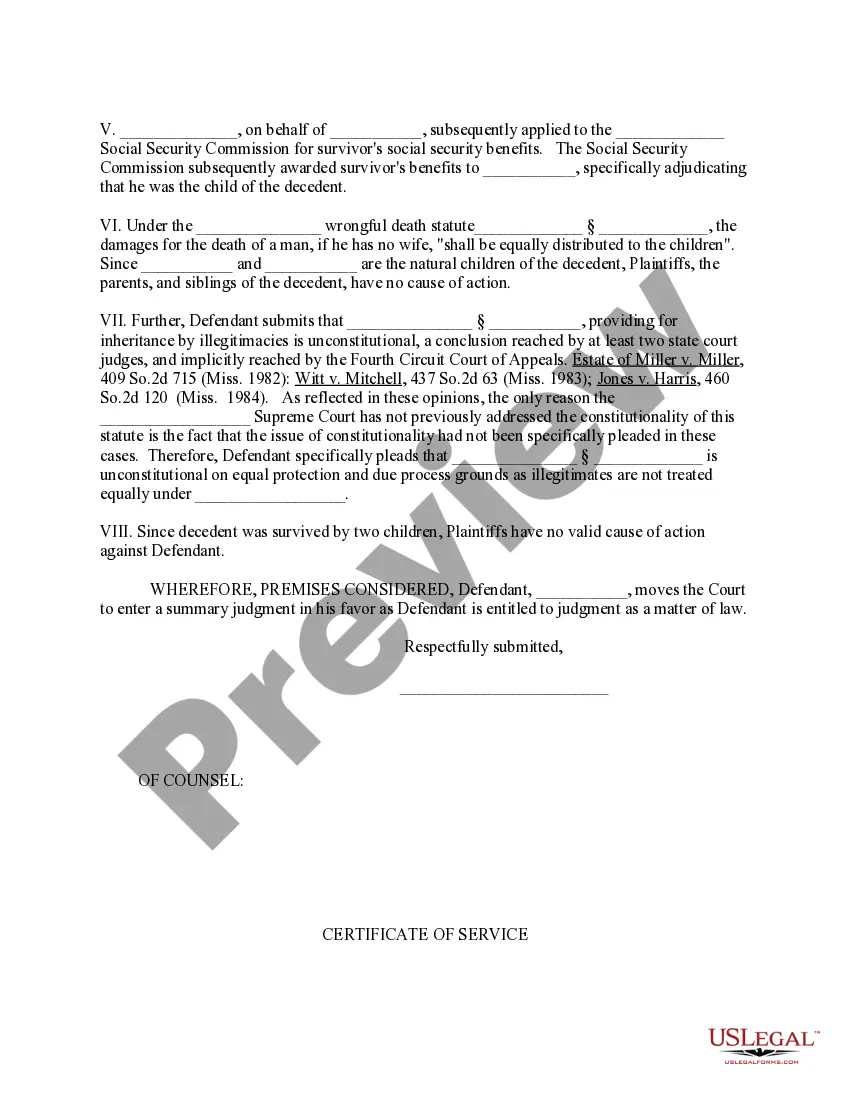
Heirship is all about determining who the legal heirs of the deceased are, which is crucial because only heirs can claim damages in a wrongful death case.
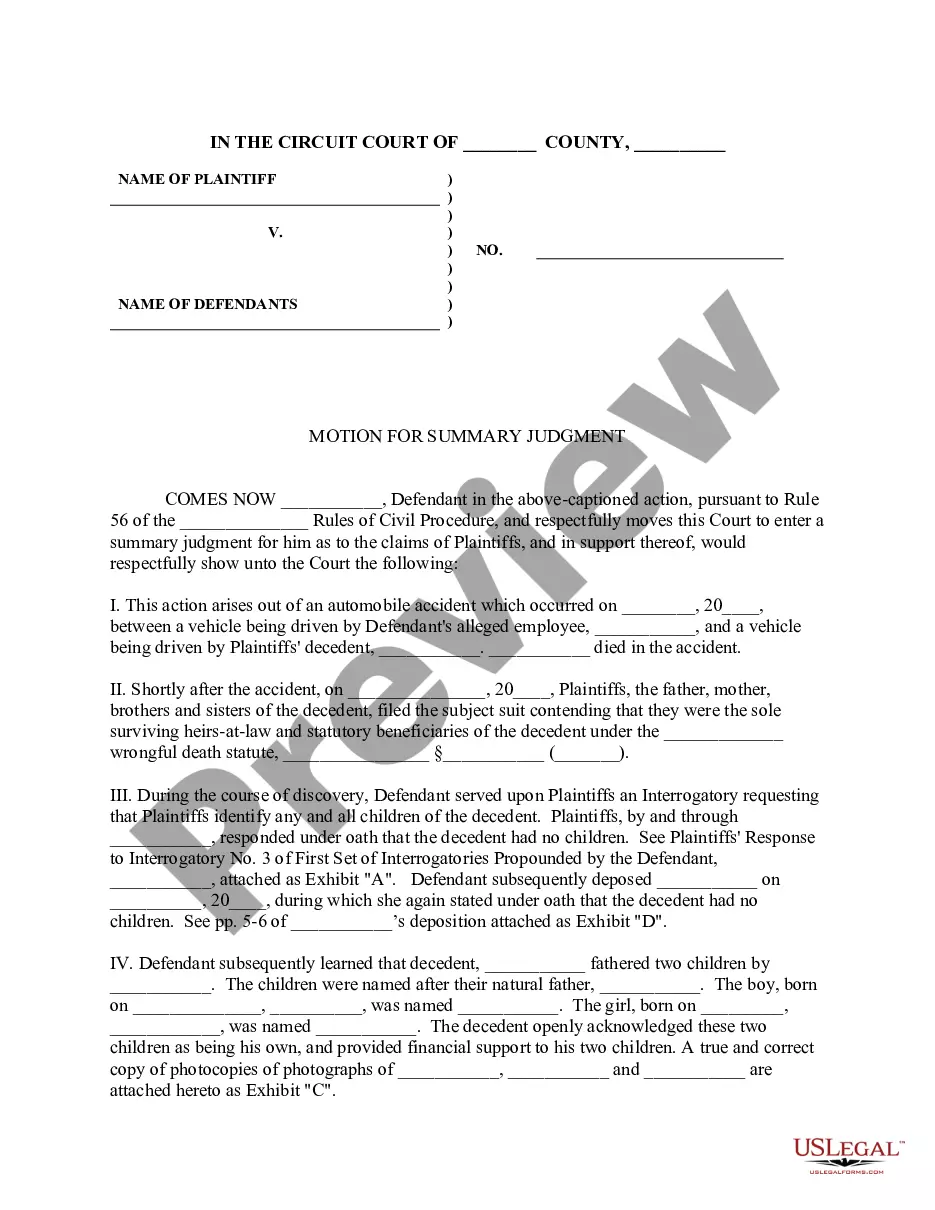
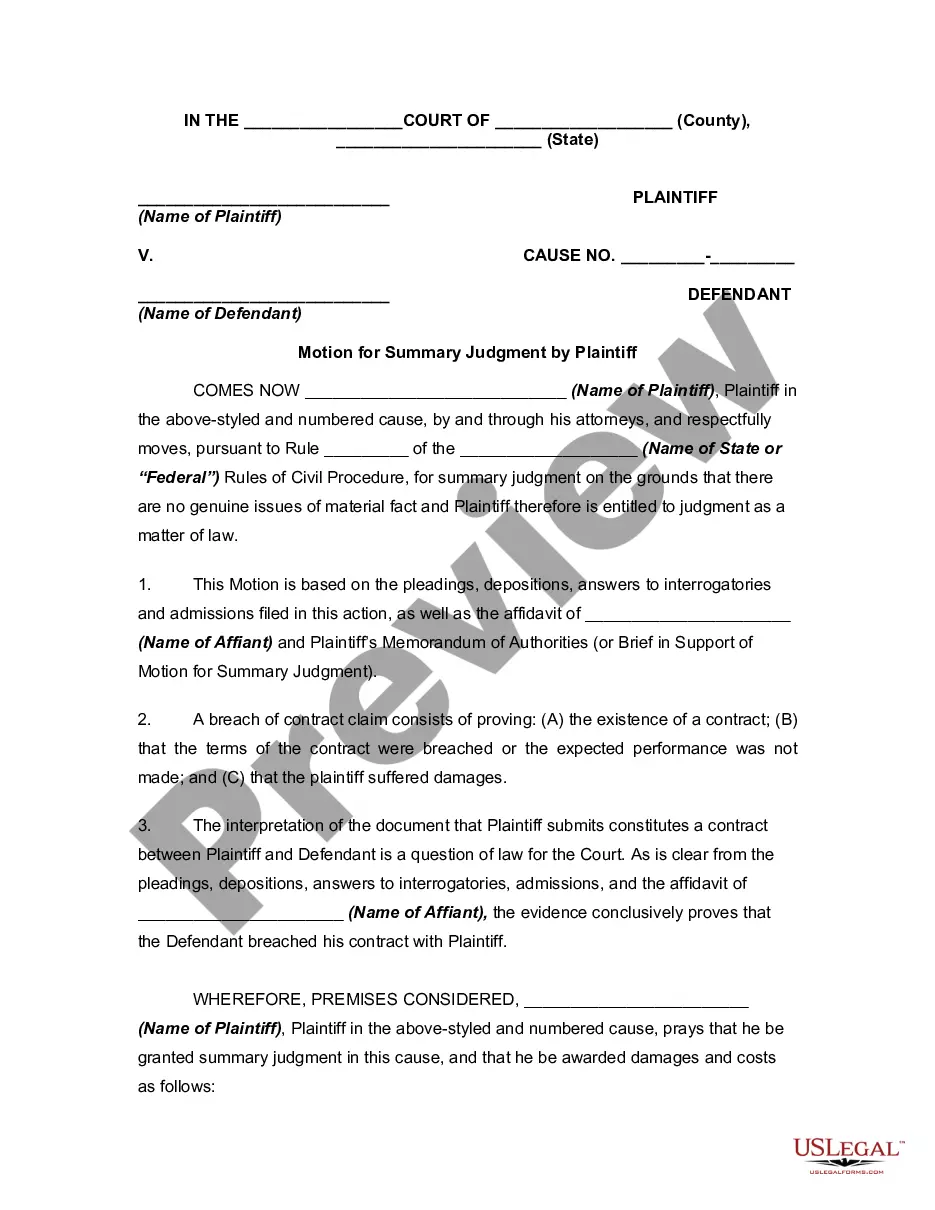
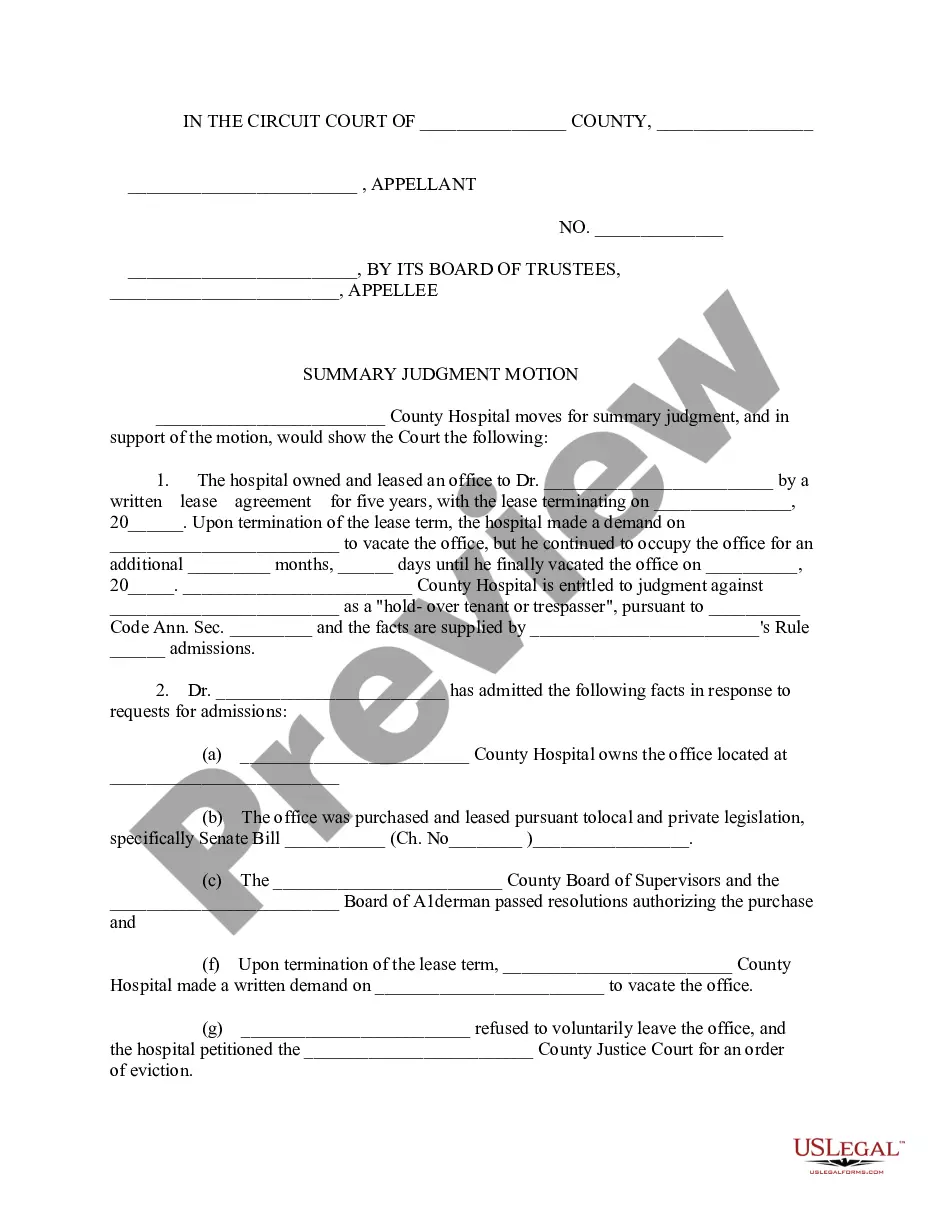
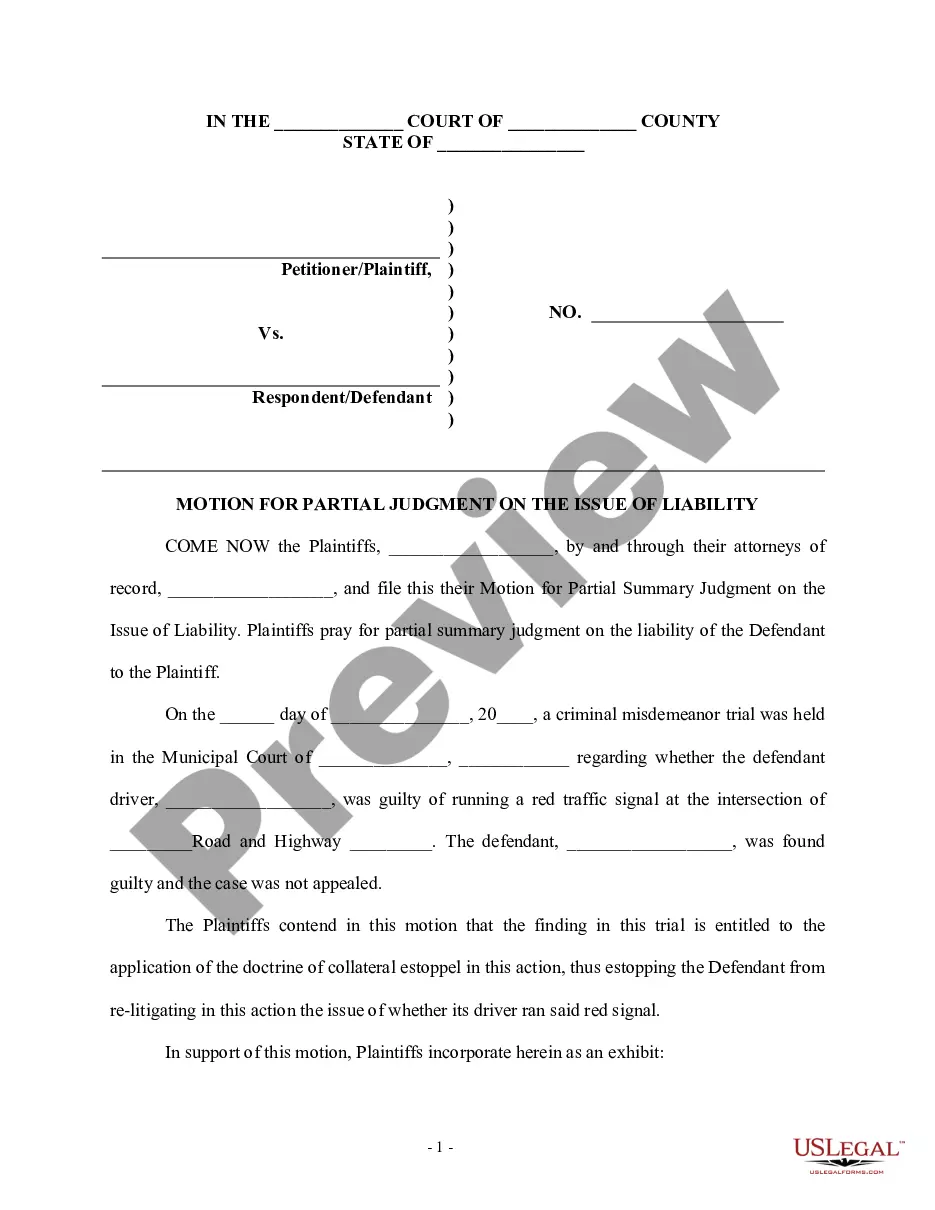
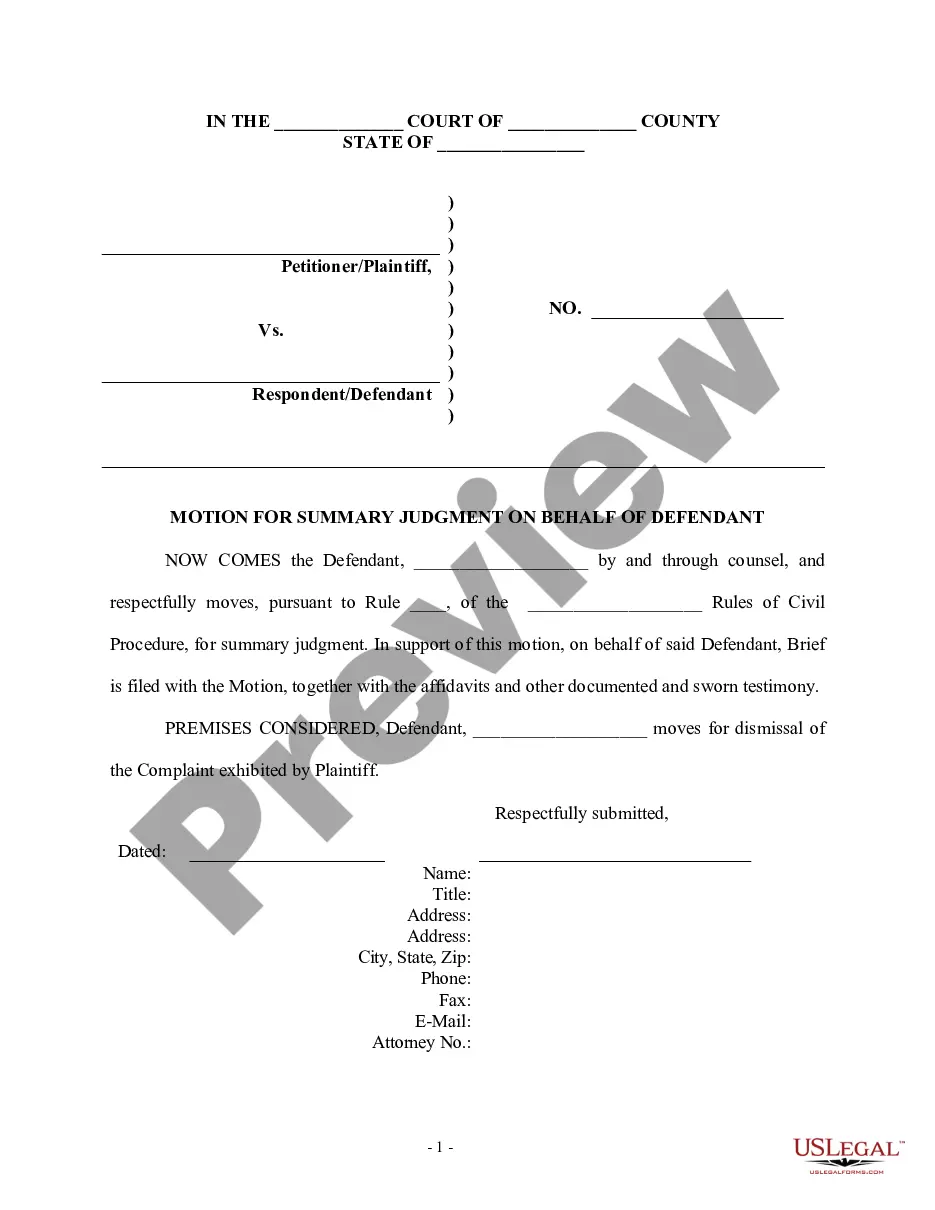
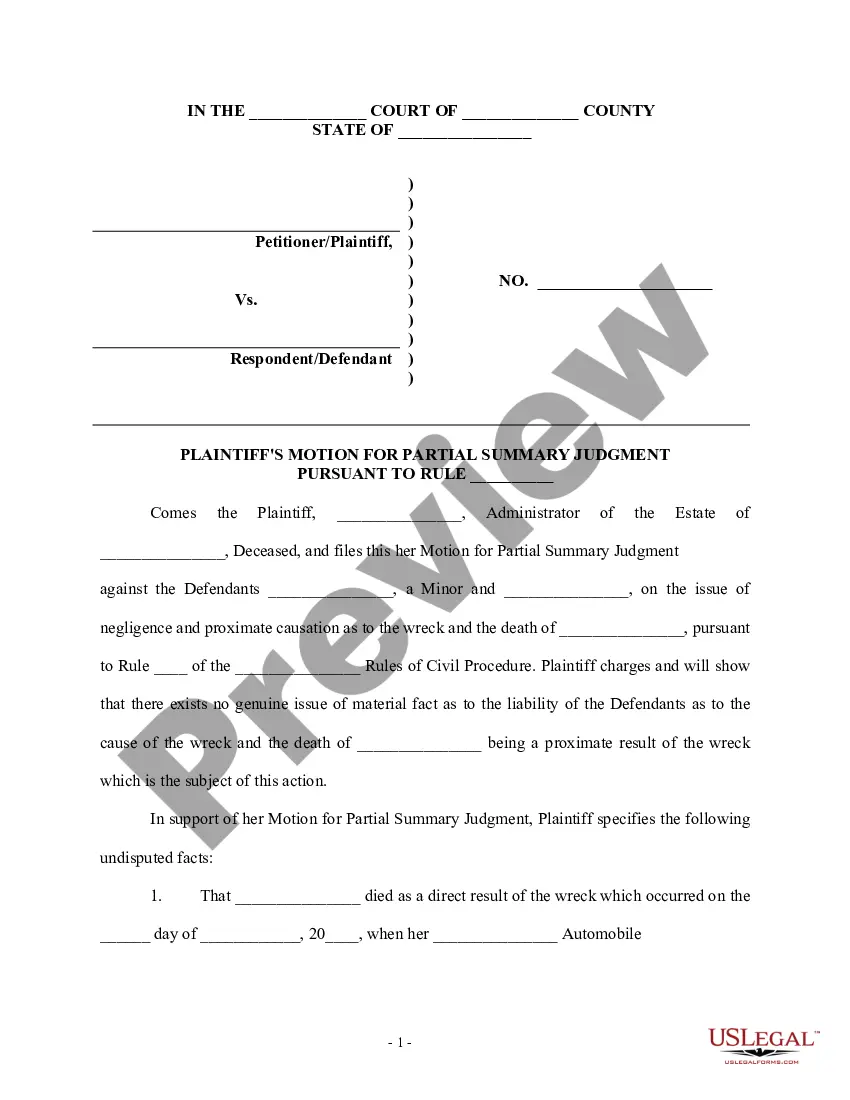
A Motion for Summary Judgment is a request to the court to decide a case without going to trial, arguing that there's no need for a trial because the facts are clear and support one side.