Evidence is crucial! The judge reviews the evidence presented to see if there is enough to warrant a trial or if the case can be decided based solely on what's been submitted, like documents or witness statements.
Yes, heirs can challenge it by showing that there are indeed disputes about the facts or that the law supports their case. It’s their job to convince the judge to keep the case alive.
During the hearing, both sides will present their arguments and evidence. It’s like a mini-trial where the judge decides if the case should go to trial or if it can be resolved right then and there.
A party might file this motion to argue that there aren’t any genuine disputes about the important facts of the case. If the facts are clear-cut, they might want the judge to rule in their favor without going to a full trial.
When someone mentions 'failure of valid cause of action,' it means that the legal claim being made doesn’t have enough legal grounds to stand on its own. Basically, it’s like saying the case doesn’t hold water.
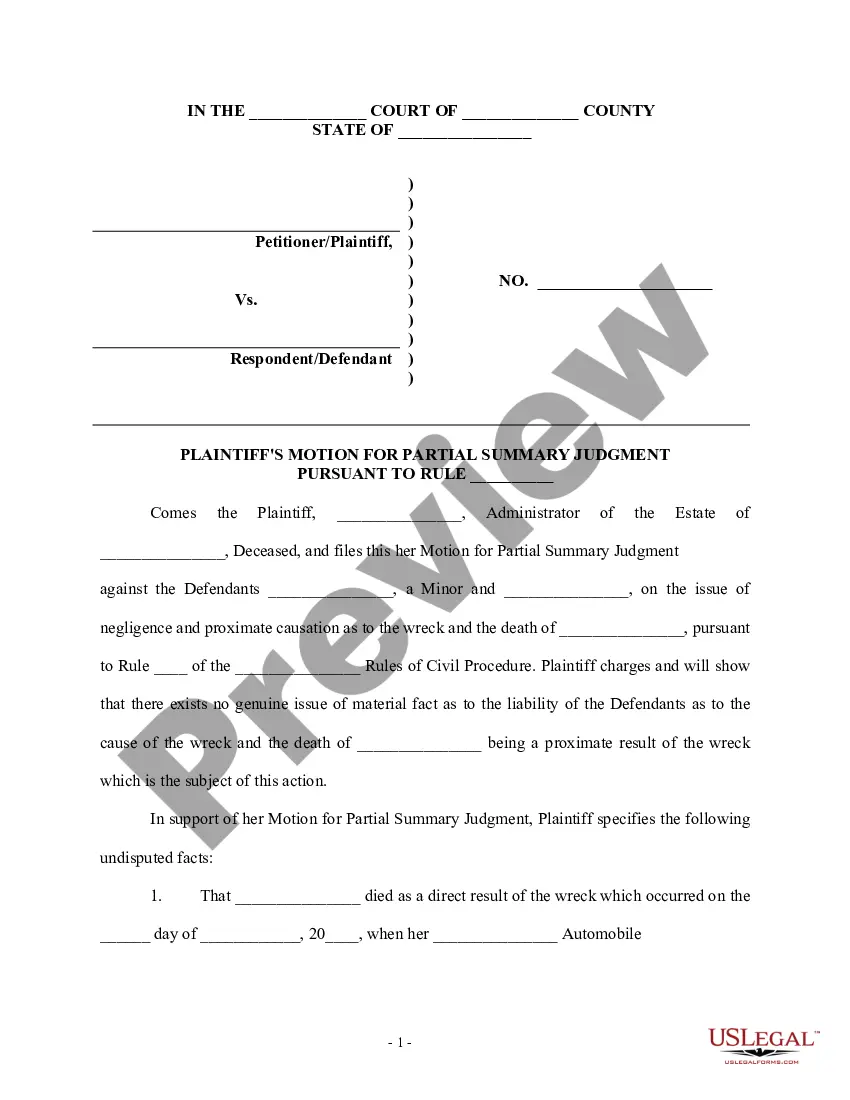
Wrongful death cases in Austin deal with claims that someone’s negligence caused another person's death. This can affect who becomes an heir, as certain heirs may have different rights depending on how the death occurred.
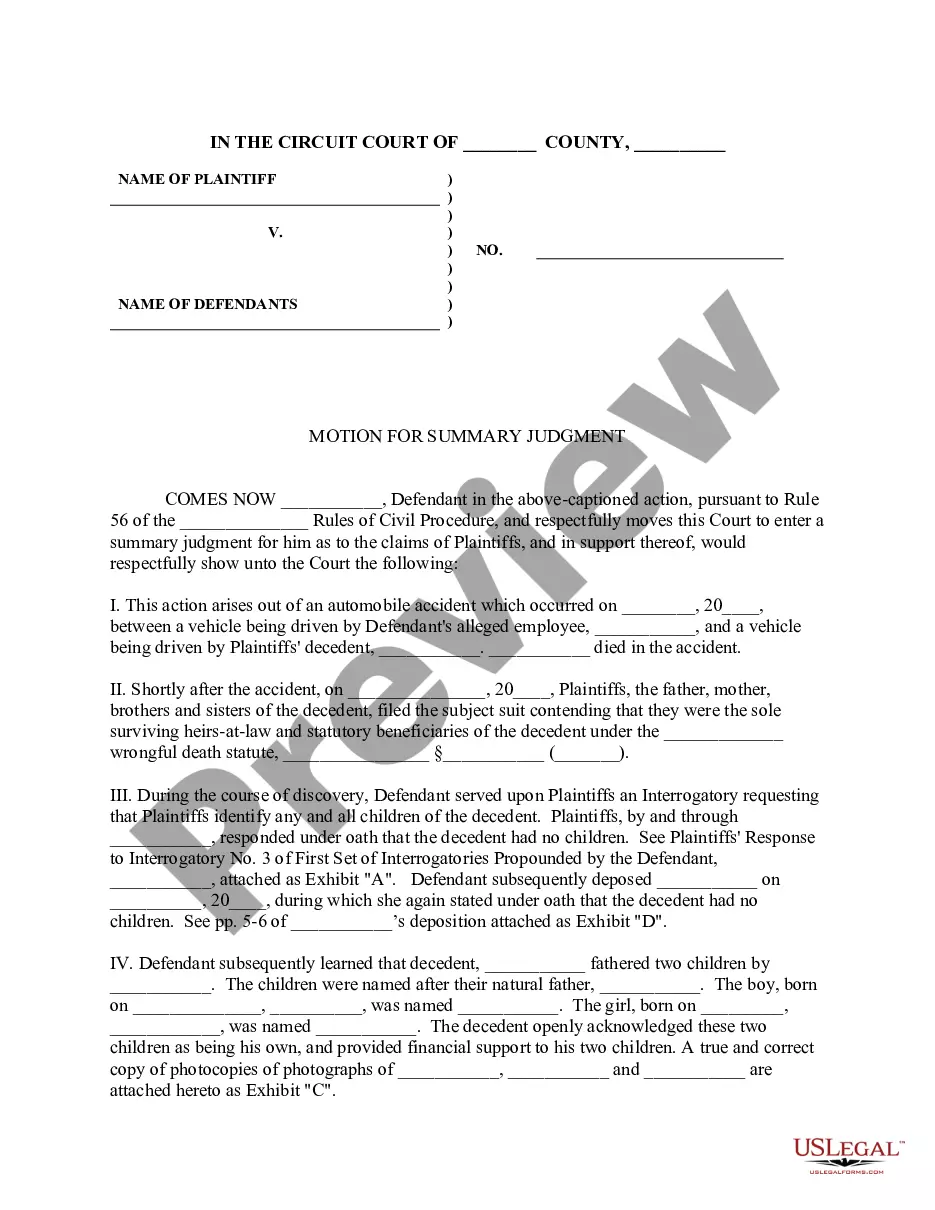
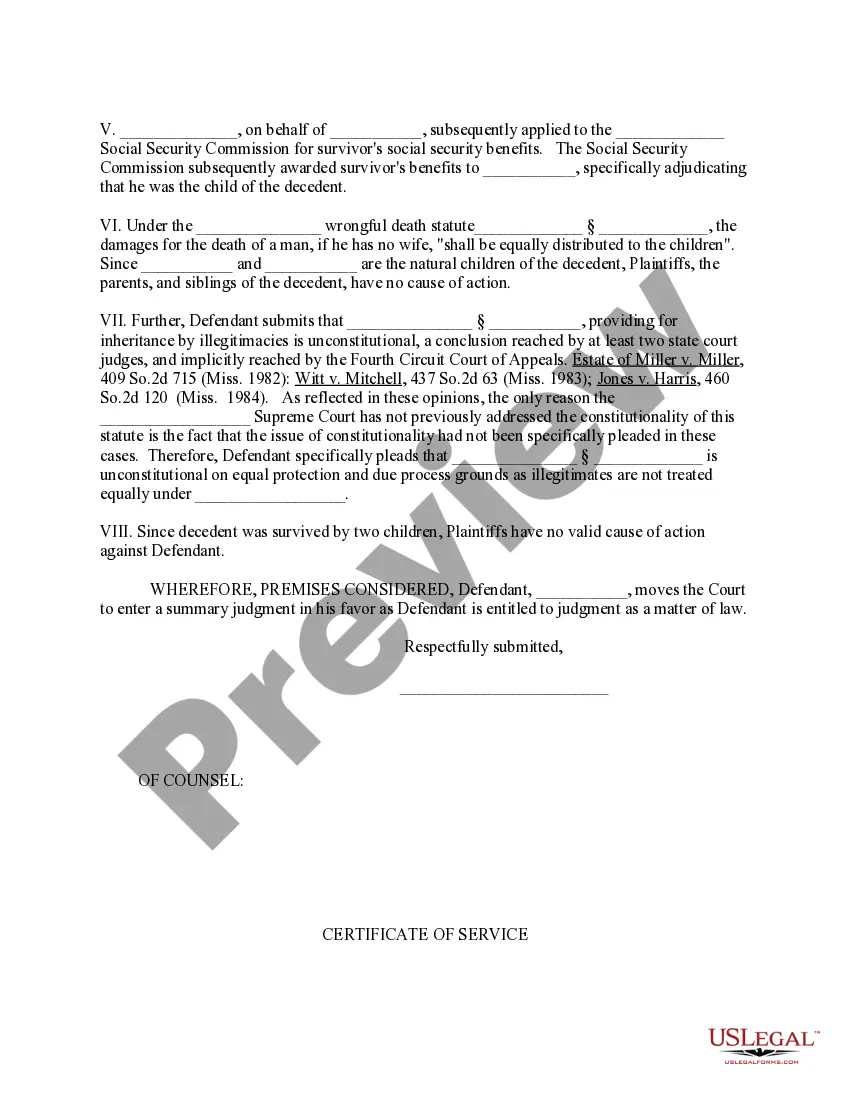
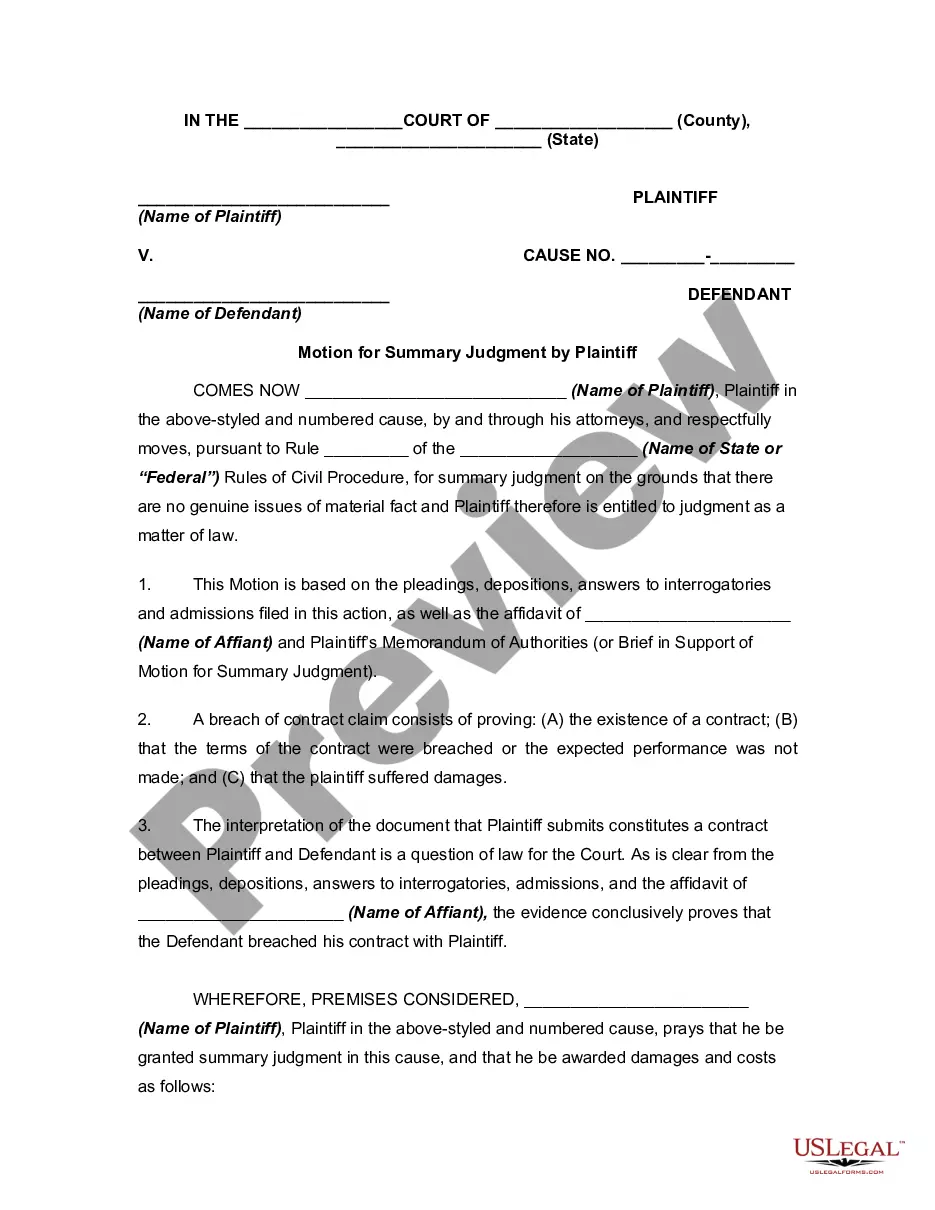
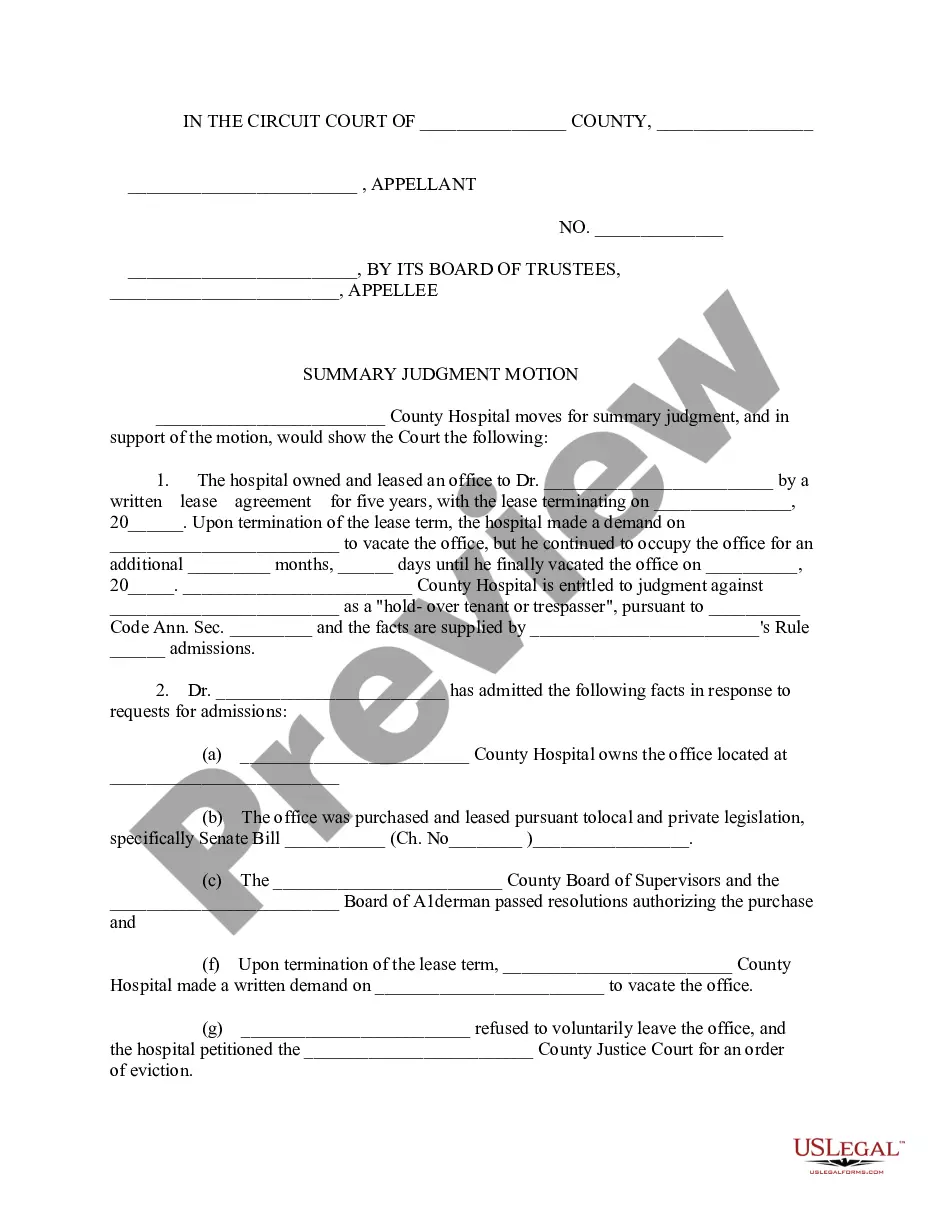
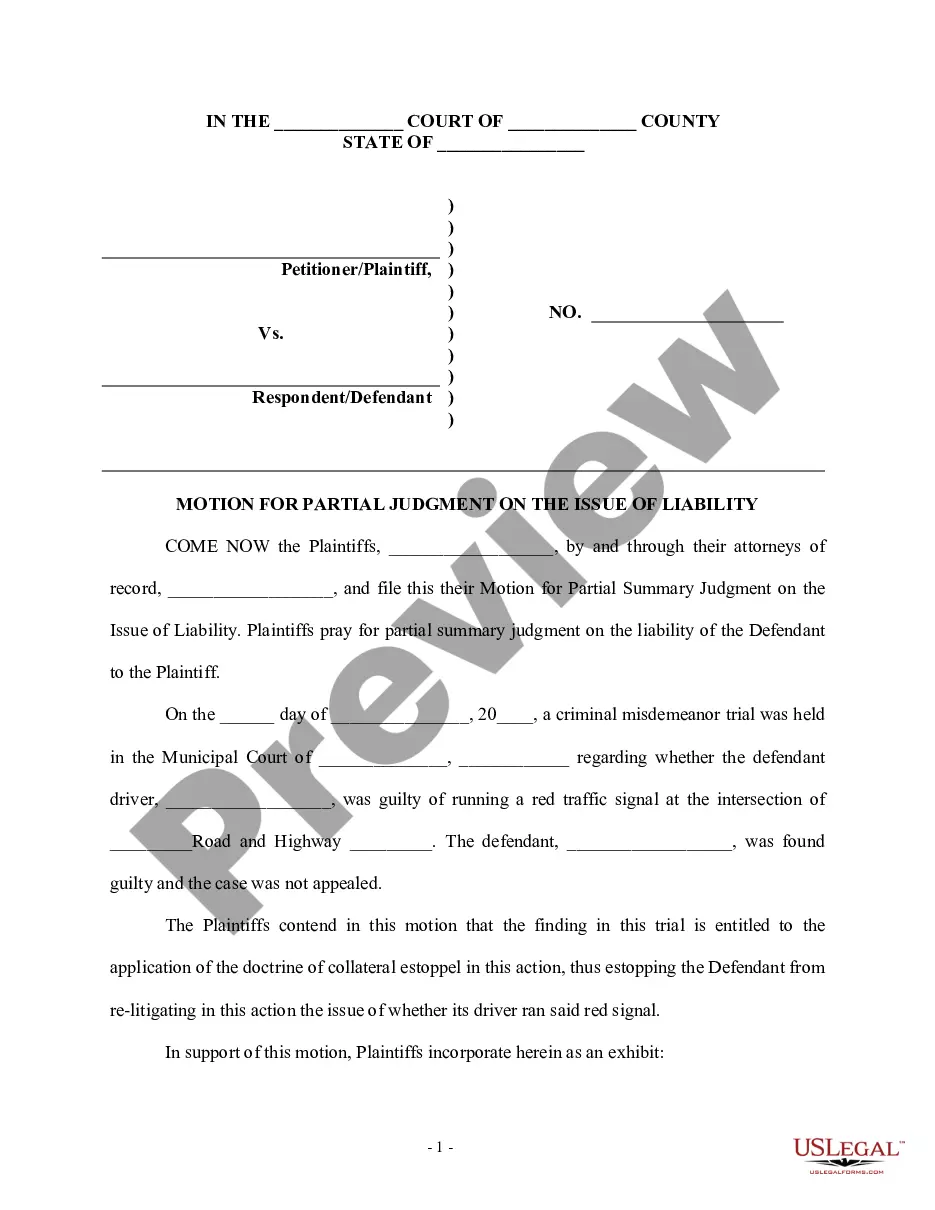
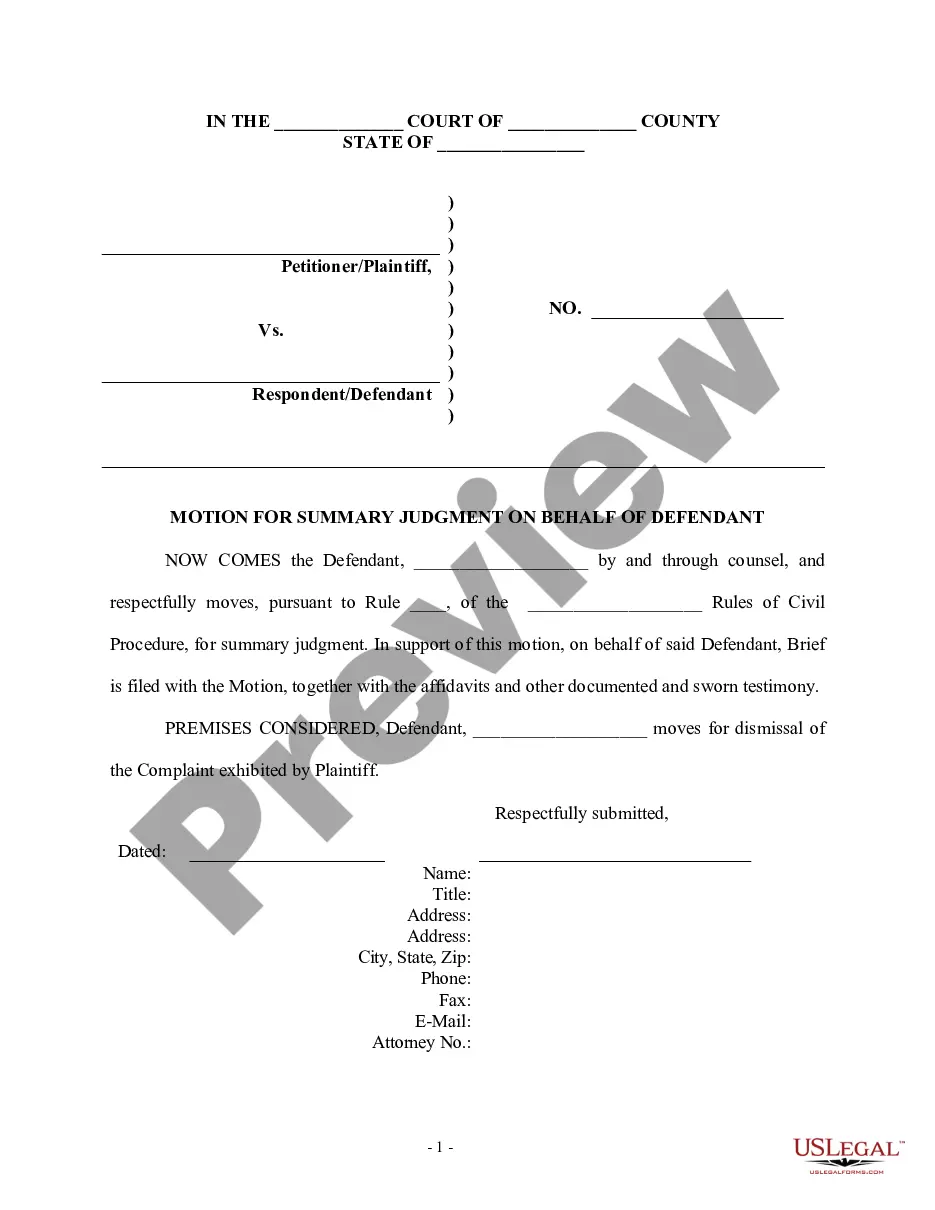
A Motion for Summary Judgment is a legal request asking the court to make a decision without going to trial. In an heirship case, it's often used to determine who inherits from someone who has passed away.