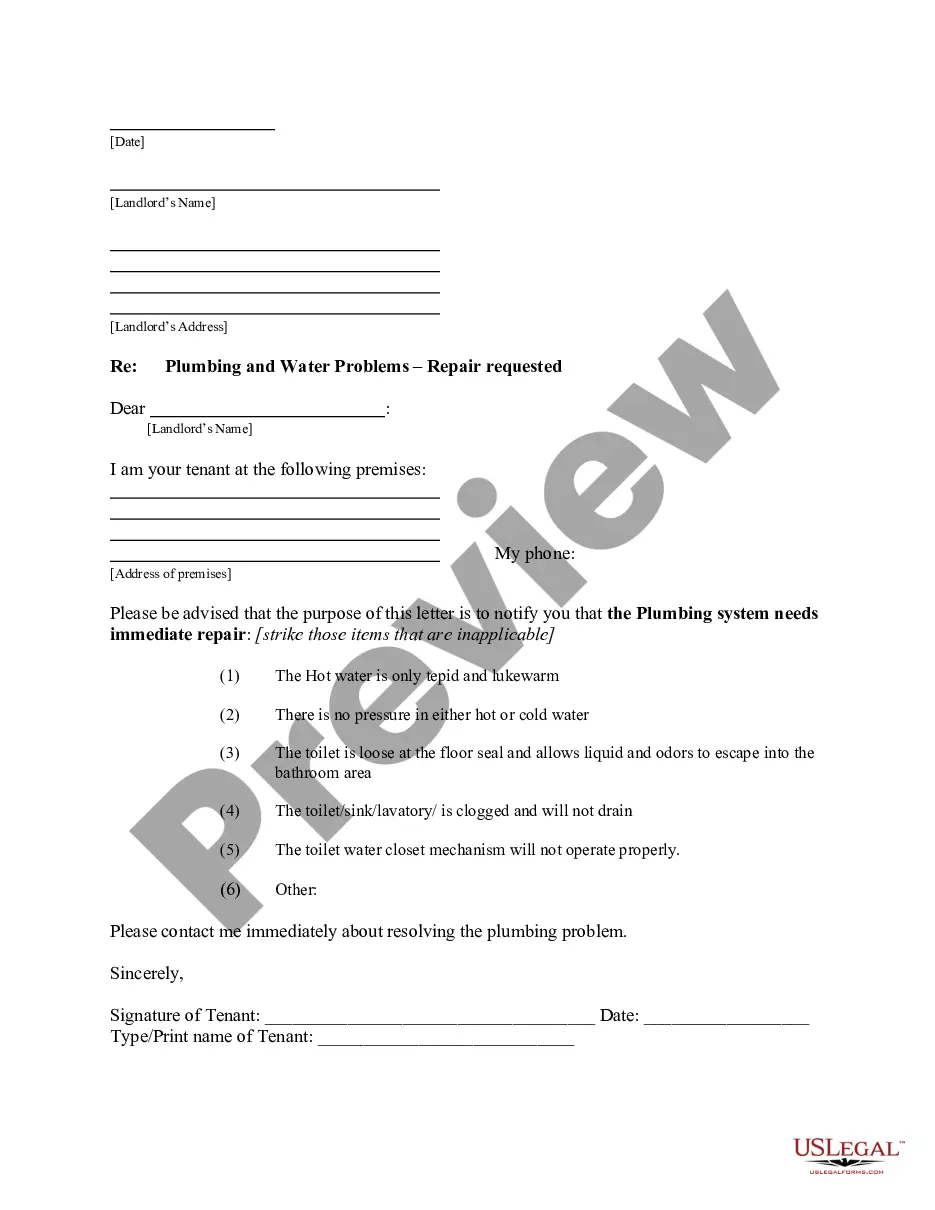
Composition with Creditors with Third Party Guaranty
About this form
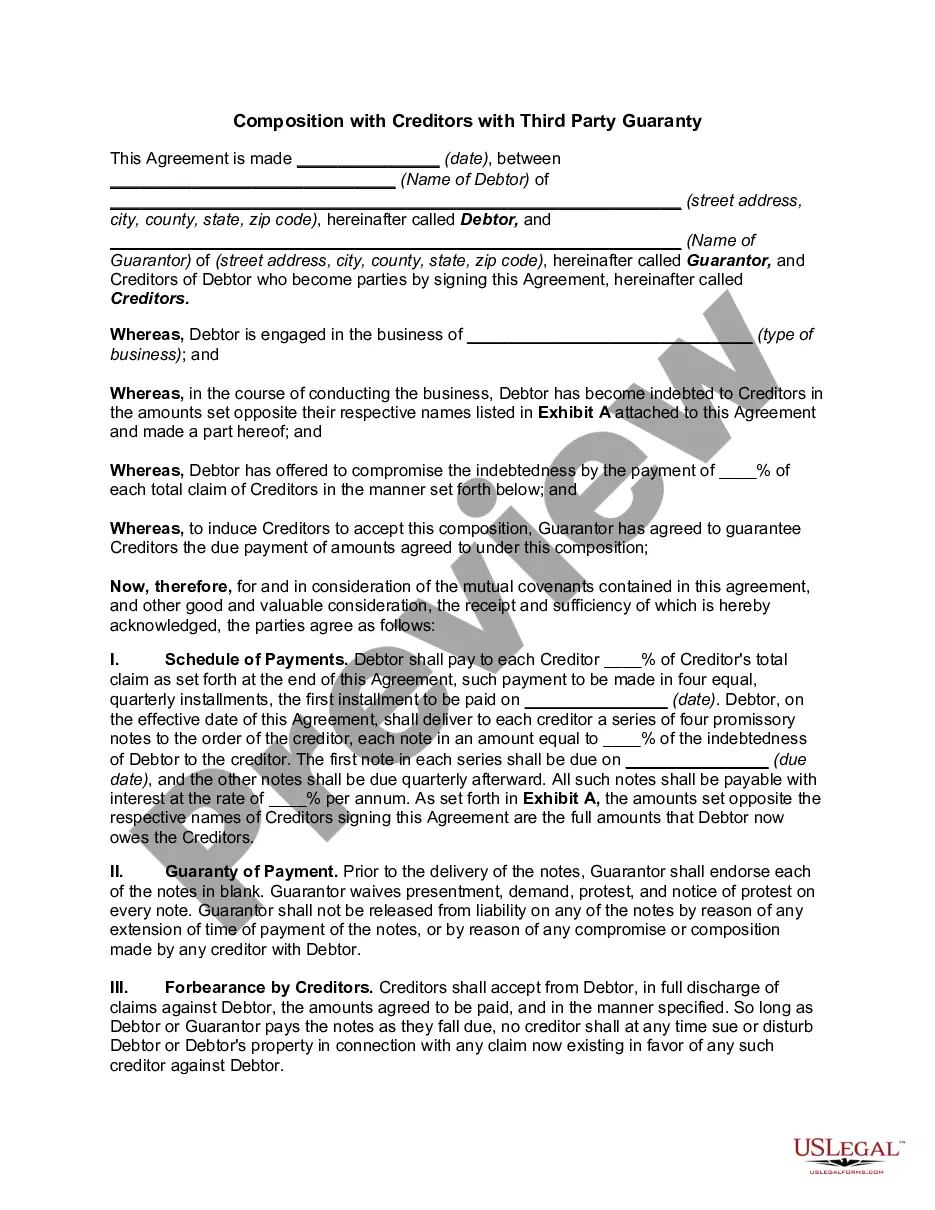
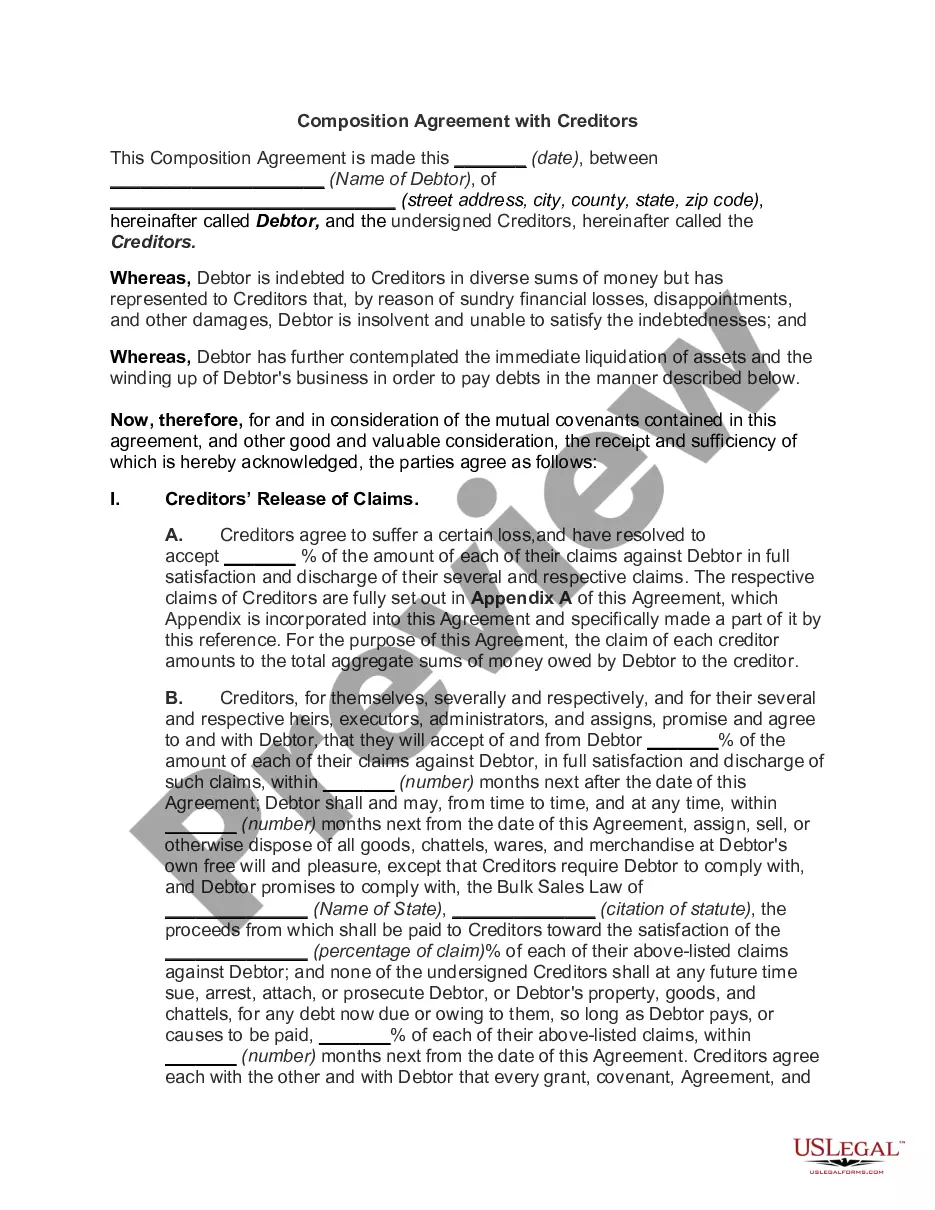
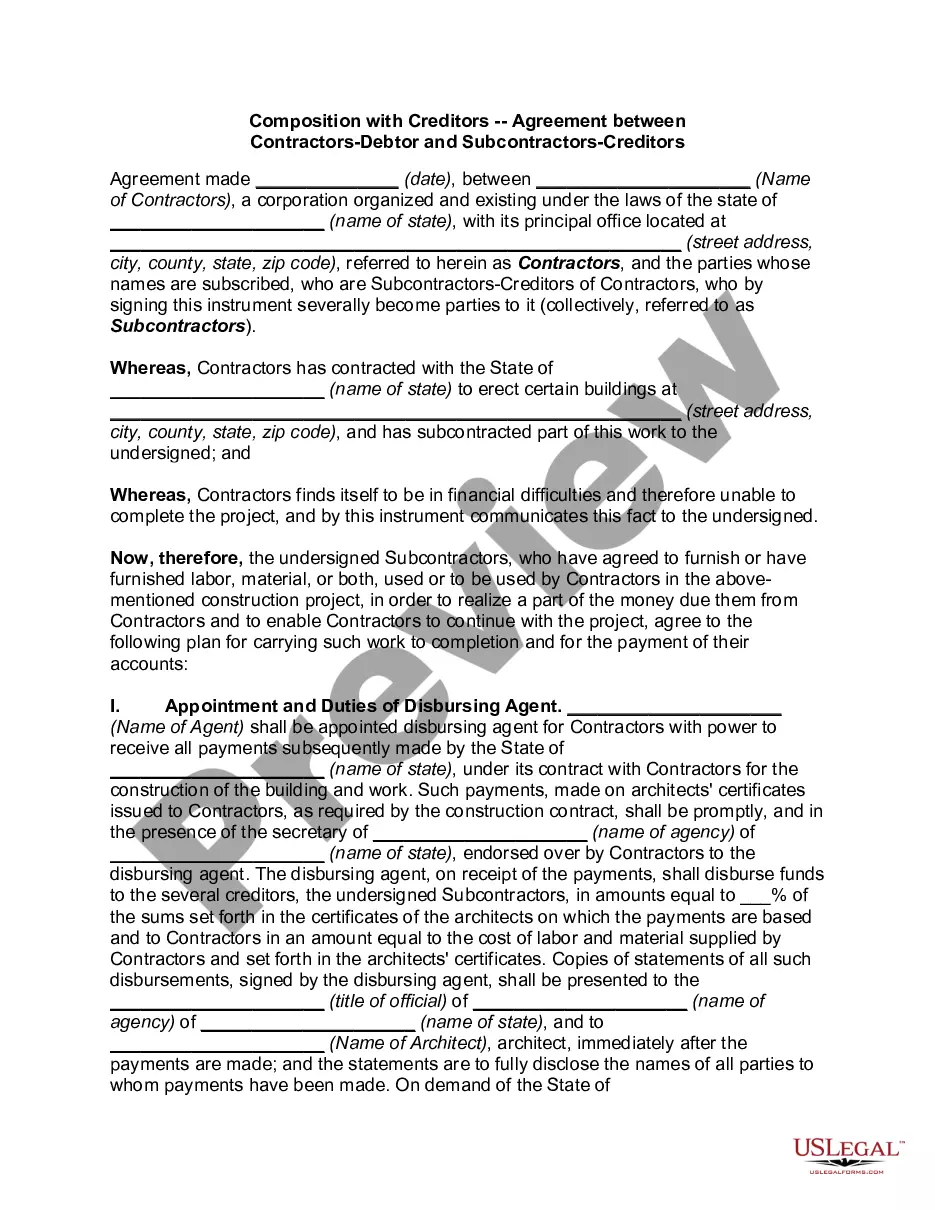
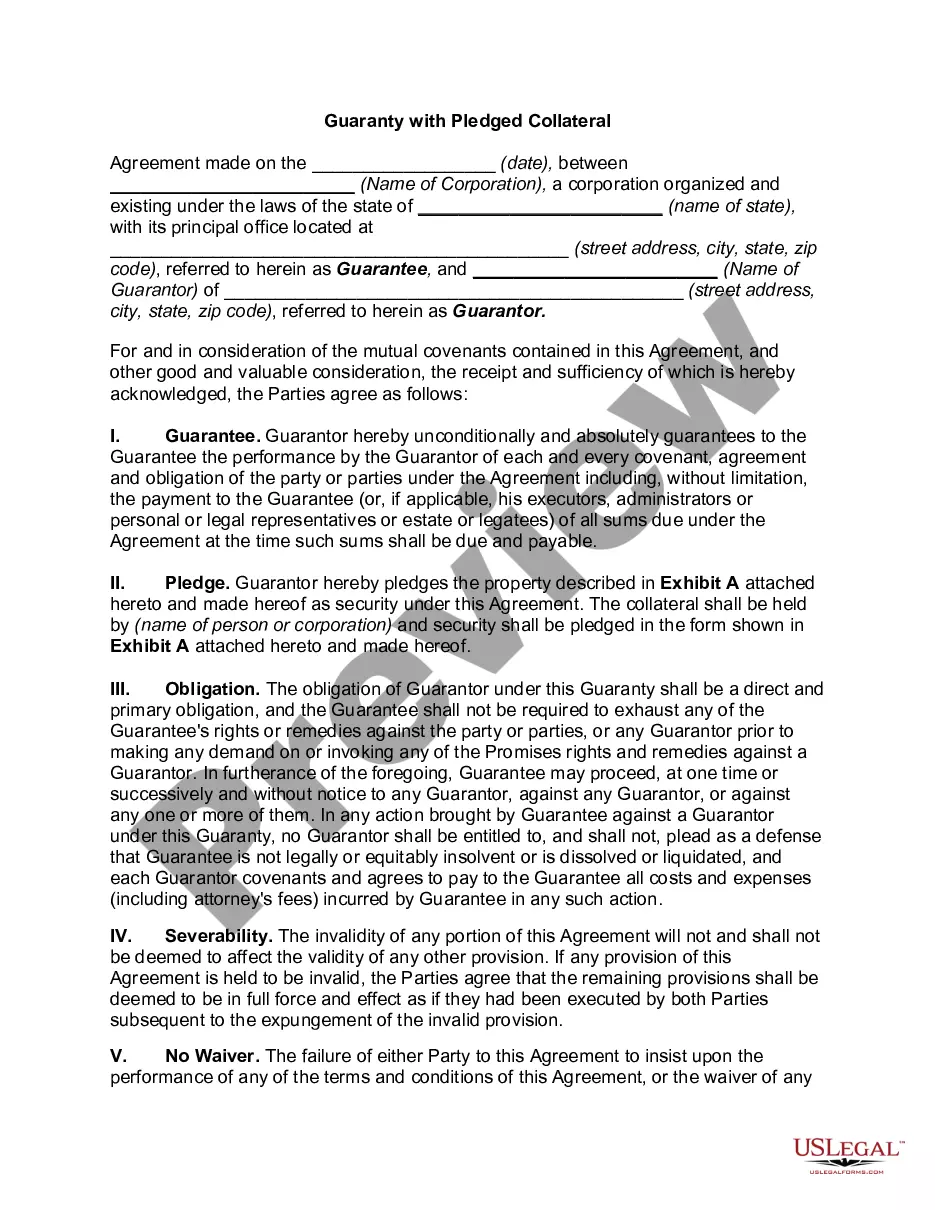
The Composition with Creditors with Third Party Guaranty is a legal document that outlines an agreement between a debtor and multiple creditors. In this arrangement, the creditors agree to accept lesser payments than the total owed in exchange for full satisfaction of their claims. This form is distinct from bankruptcy filings, as it allows debtors to negotiate settlements while avoiding more severe legal consequences.
Key components of this form
- Identification of the debtor, guarantor, and creditors involved in the agreement.
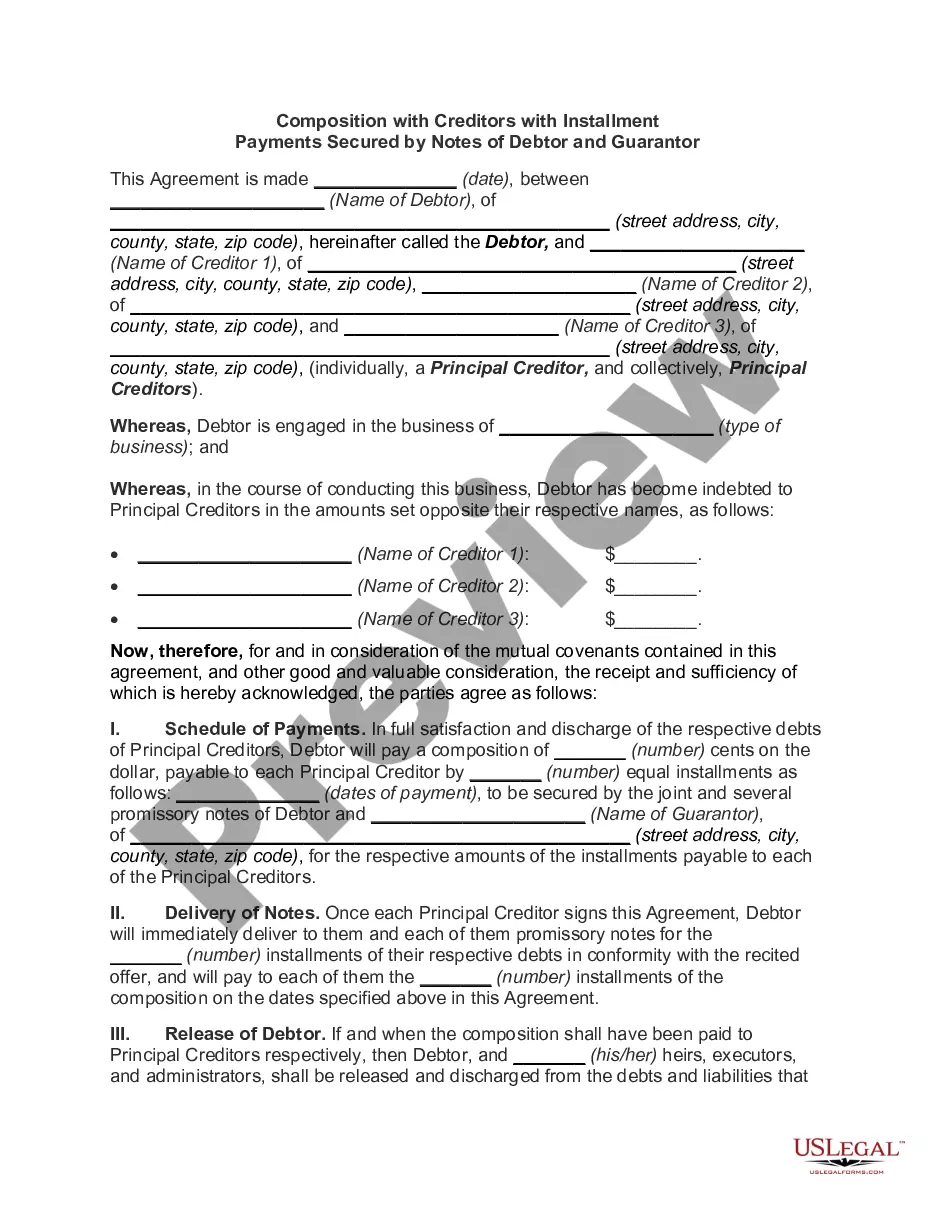
- Terms of payment, including amounts and schedules for installments.
- Guaranty section where the guarantor commits to ensure payment if the debtor defaults.
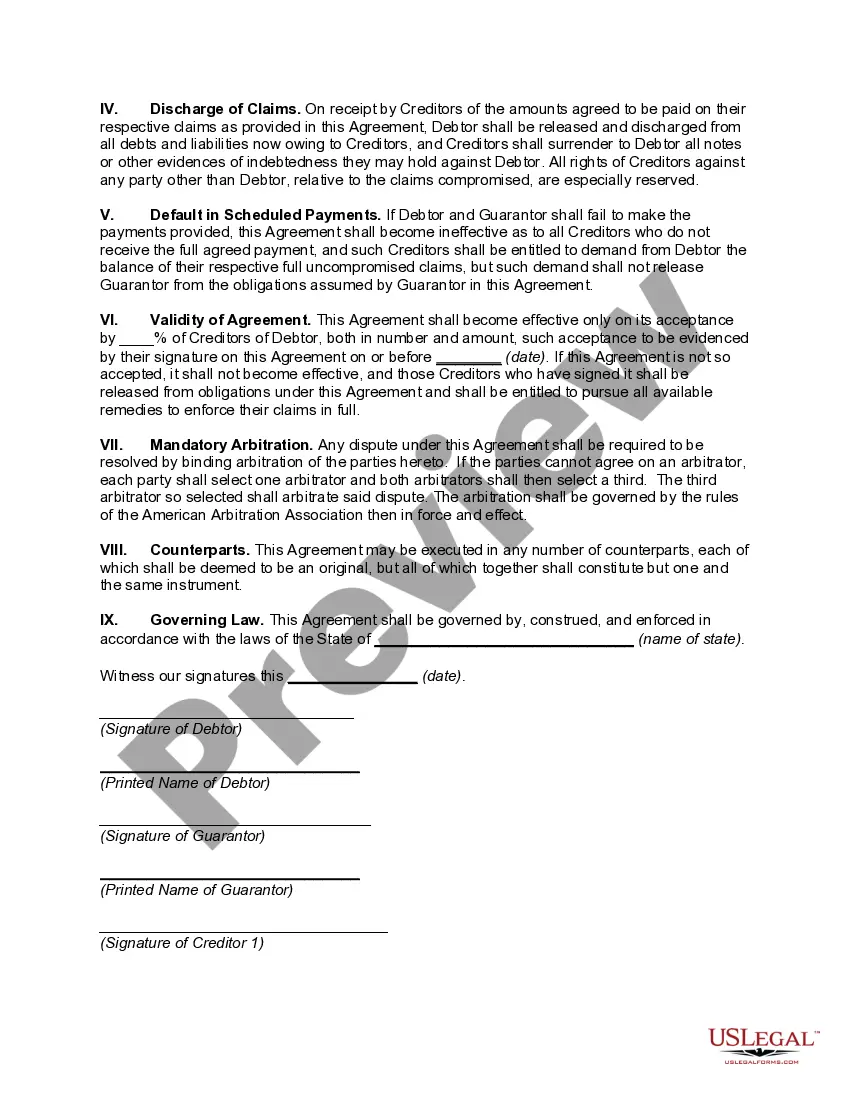
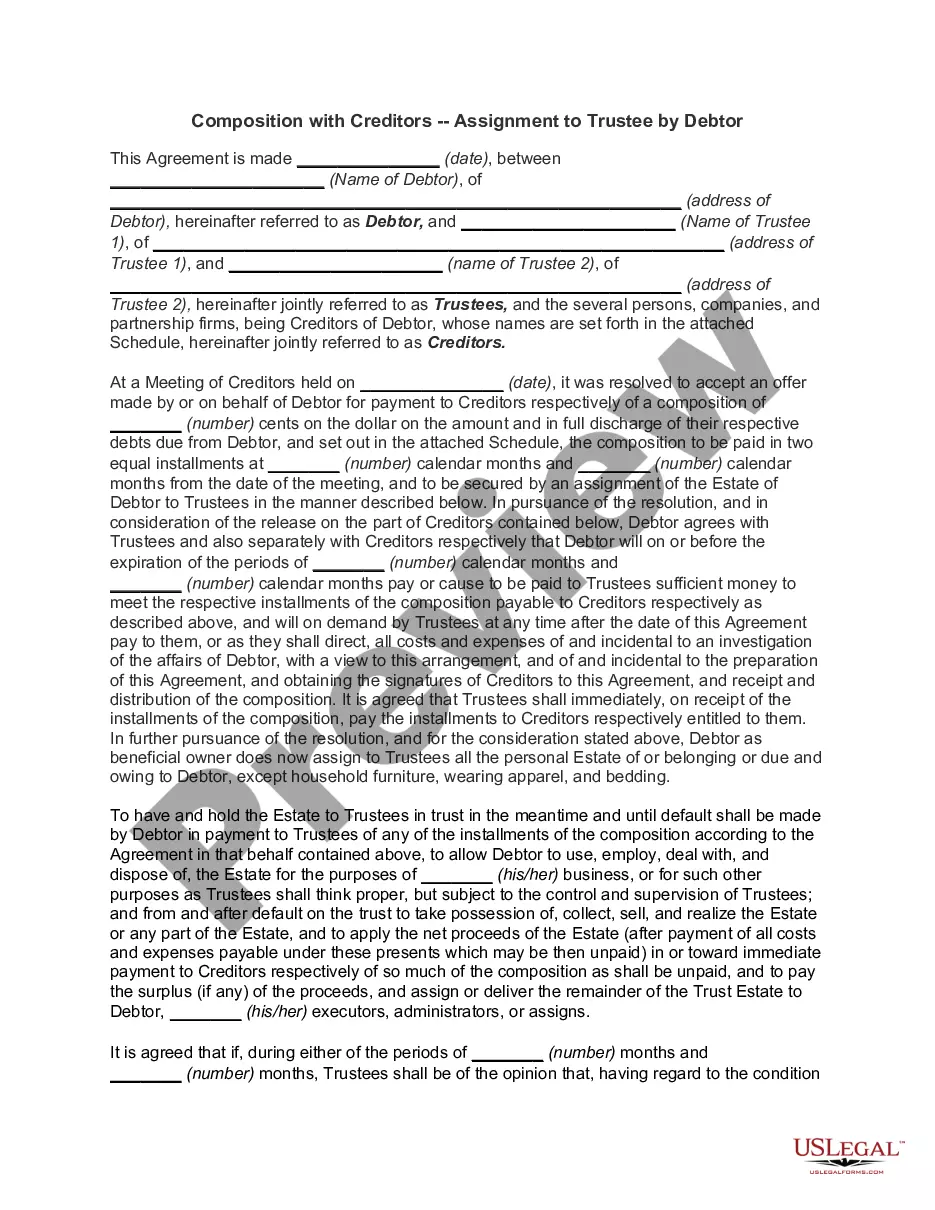
- Clauses for discharge of claims against the debtor upon fulfilling payment obligations.
- Details on default and the consequences of missed payments.
- Governing law and mandatory arbitration clauses for dispute resolution.
When to use this form
This form is suitable for use when a debtor is struggling to meet financial obligations but wishes to avoid bankruptcy. It is appropriate in scenarios where the debtor can negotiate terms with creditors to pay a portion of their debts over time. This form is useful for businesses or individuals seeking to settle debts while preserving relationships with creditors.
Who can use this document
- Debtors who are unable to meet their full debt obligations.
- Creditors willing to accept reduced payments to resolve claims quickly.
- Individuals or businesses looking to maintain control over their financial situation without resorting to bankruptcy.
- Guarantors who are willing to assure creditors of the debtor's payment commitments.
How to prepare this document
- Identify and enter the names of the debtor and guarantor, along with their addresses.
- List each creditor and the amount owed next to their name in the attached Exhibit A.
- Specify the payment amounts and schedule, including due dates for installments.
- Ensure the guarantor signs and endorses the notes included in the agreement.
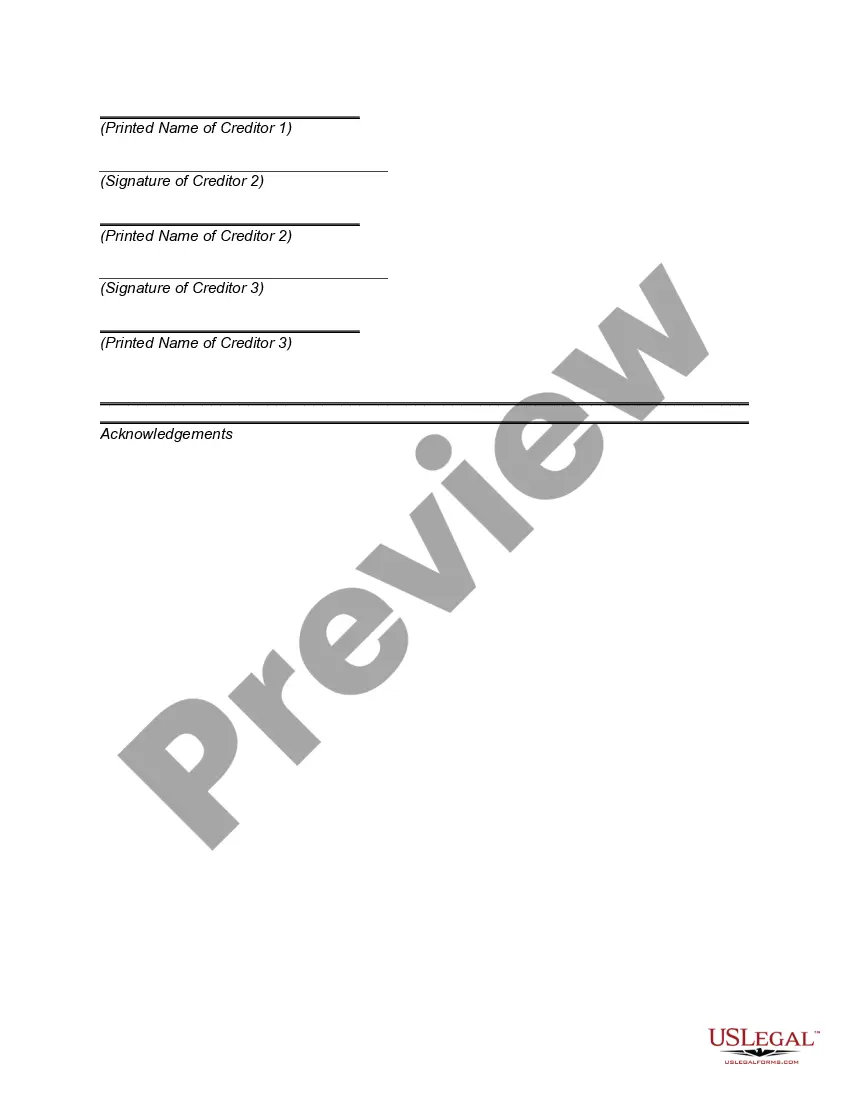
- Obtain signatures from each creditor to validate their agreement.
Does this document require notarization?
In most cases, this form does not require notarization. However, some jurisdictions or signing circumstances might. US Legal Forms offers online notarization powered by Notarize, accessible 24/7 for a quick, remote process.
Get your form ready online
Our built-in tools help you complete, sign, share, and store your documents in one place.
Make edits, fill in missing information, and update formatting in US Legal Forms—just like you would in MS Word.
Download a copy, print it, send it by email, or mail it via USPS—whatever works best for your next step.
Sign and collect signatures with our SignNow integration. Send to multiple recipients, set reminders, and more. Go Premium to unlock E-Sign.
If this form requires notarization, complete it online through a secure video call—no need to meet a notary in person or wait for an appointment.
We protect your documents and personal data by following strict security and privacy standards.

Make edits, fill in missing information, and update formatting in US Legal Forms—just like you would in MS Word.

Download a copy, print it, send it by email, or mail it via USPS—whatever works best for your next step.

Sign and collect signatures with our SignNow integration. Send to multiple recipients, set reminders, and more. Go Premium to unlock E-Sign.

If this form requires notarization, complete it online through a secure video call—no need to meet a notary in person or wait for an appointment.

We protect your documents and personal data by following strict security and privacy standards.
Common mistakes
- Failing to obtain signatures from all creditors involved in the agreement.
- Leaving out important details such as payment amounts or due dates.
- Not clearly defining the terms of default and consequences.
- Using the form without consulting with a legal professional when unsure of implications.
Advantages of online completion
- Convenient access at any time, allowing you to draft your agreement at your own pace.
- Editable templates that can be customized to fit specific financial circumstances.
- Reliability, as the forms are drafted by licensed attorneys and ensure legal compliance.
Looking for another form?


Form popularity
FAQ
Section 141 of the Indian Contract Act,1872 has mentioned the right of surety to get a share in the security which has been kept while entering into the contract of guarantee. The place of surety is the same as the place of the creditor in terms of security.
The ?impairment of collateral? defense represents one of the most popular guarantor defenses. Guar- antors often assert it against secured lenders that fail to perfect their security or that release collateral with- out the guarantor's consent.
WHAT IS A COMPOSITION? A creditor composition agreement is a non-statutory, out-of-court arrangement in which a debtor negotiates and enters into a settlement of its unsecured liabilities with its vendors, landlords, and other large creditors to provide debt relief and a restructuring.
Suretyship: An express promise by a third party (the surety) to a creditor to be primarily responsible for the debtor's obligation to the creditor. Simply put, the third party is completely and primarily responsible for the debt of the principal.
By guaranty, a person called the guarantor, binds himself to the creditor to fulfill the obligation of the principal debtor in case the latter should fail to do so. A guarantor is an insurer of the debt and essentially guarantees that the debt will be paid one way or another.
A guarantor is liable to pay if the principal debtor defaults. The creditor has to enforce the guarantee within the limitation period stipulated under the limitation act. As per article 55 of limitation act 1963, the time-limit of 36 months would be reckoned from the date the guarantee contract is breached.
The agreement is that the debtor will pay the creditors less than what they owe in order to settle the debt. This is called a composition. The creditors agree to this because they would rather get some of their money back than none at all.
Right to be notified of contract changes The lender must give you, the guarantor, full written details of any changes to the credit contract that either increase the borrower's obligations or shorten the amount of time the borrower has to pay the debt.