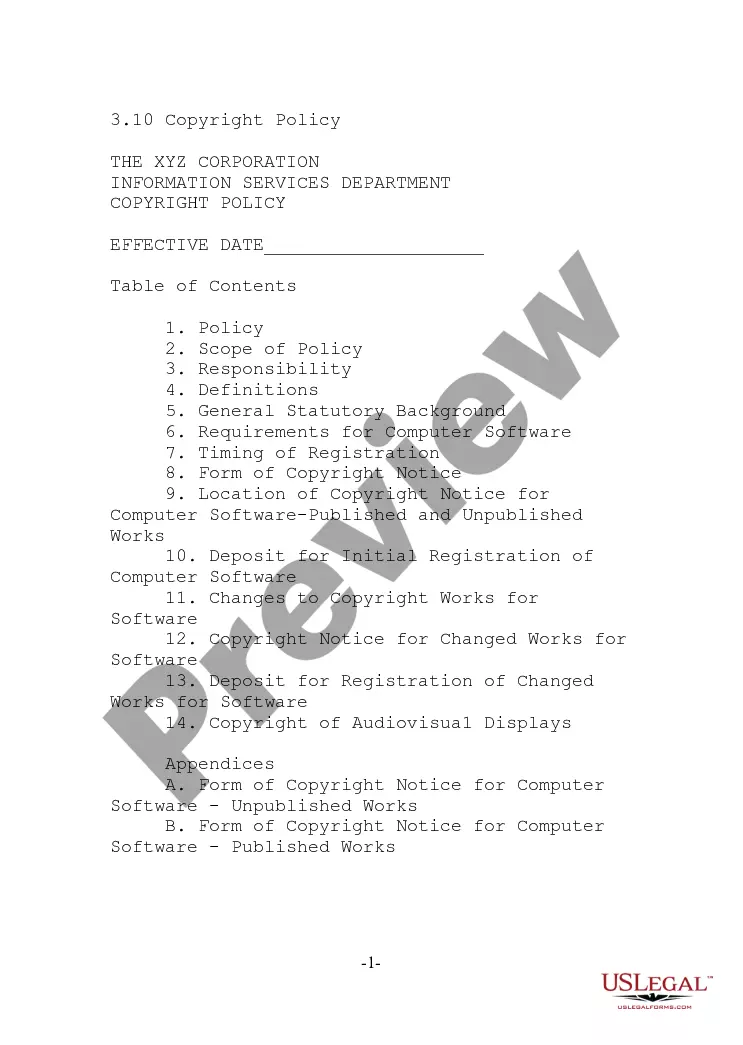
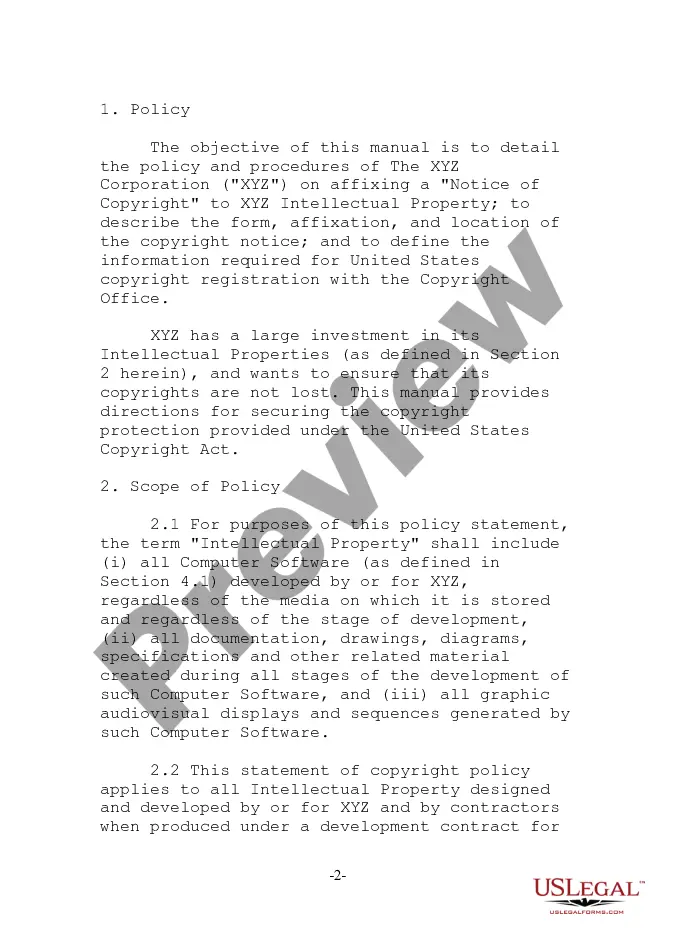
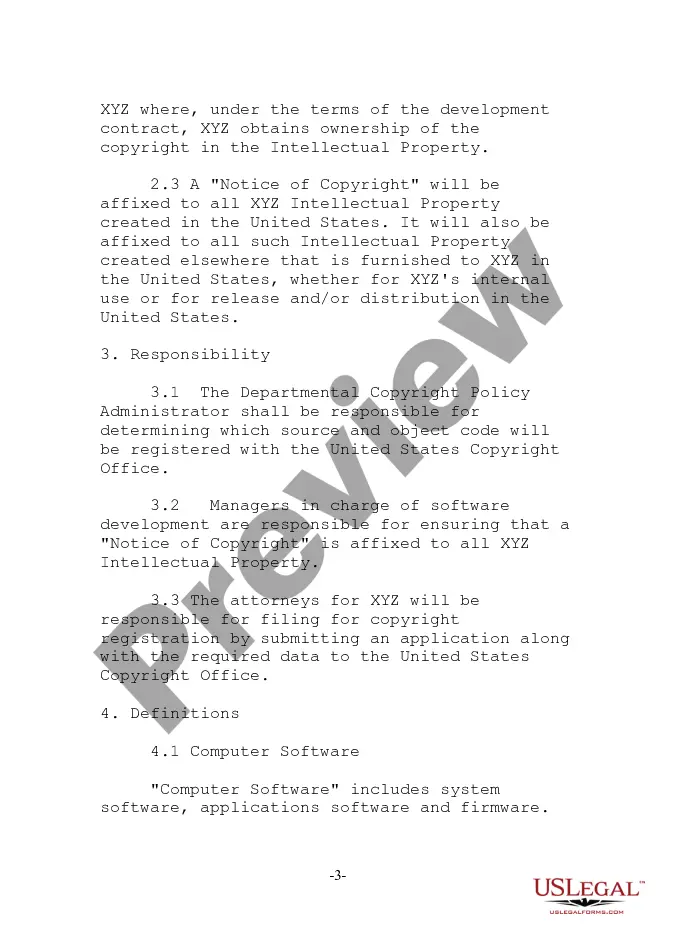
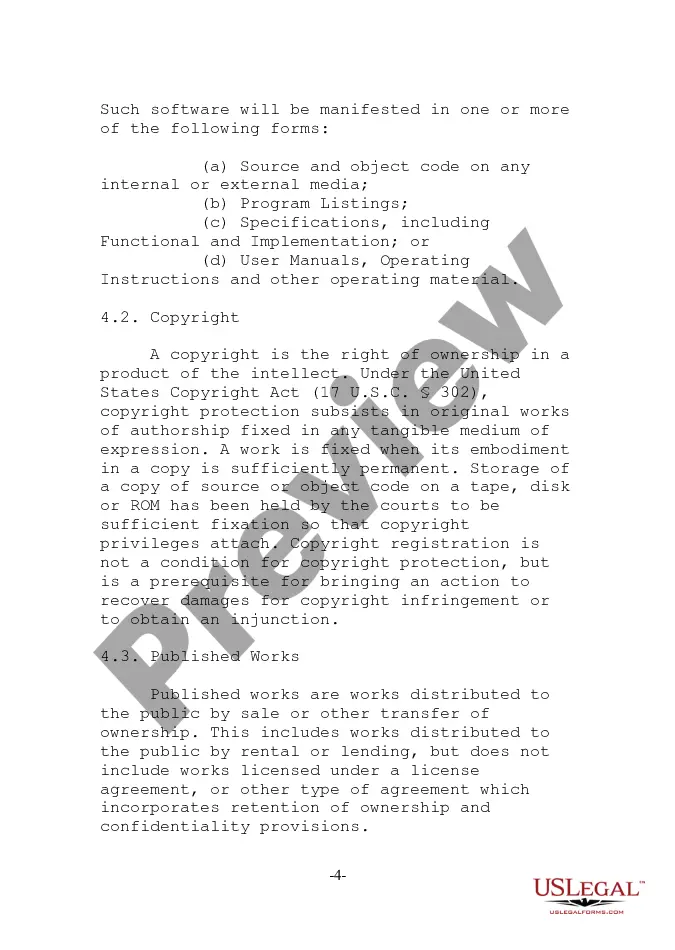
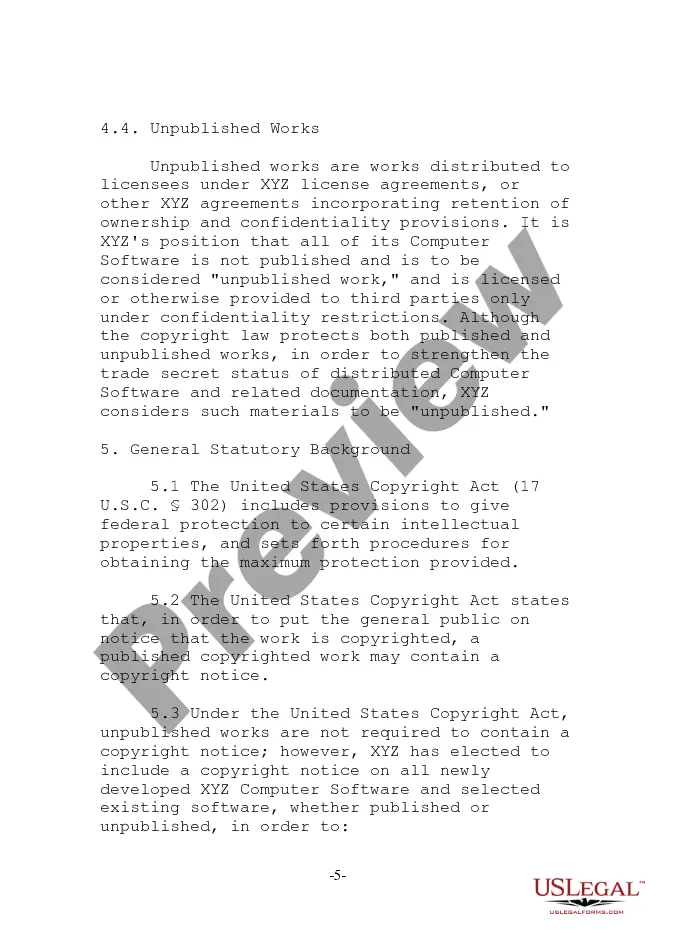
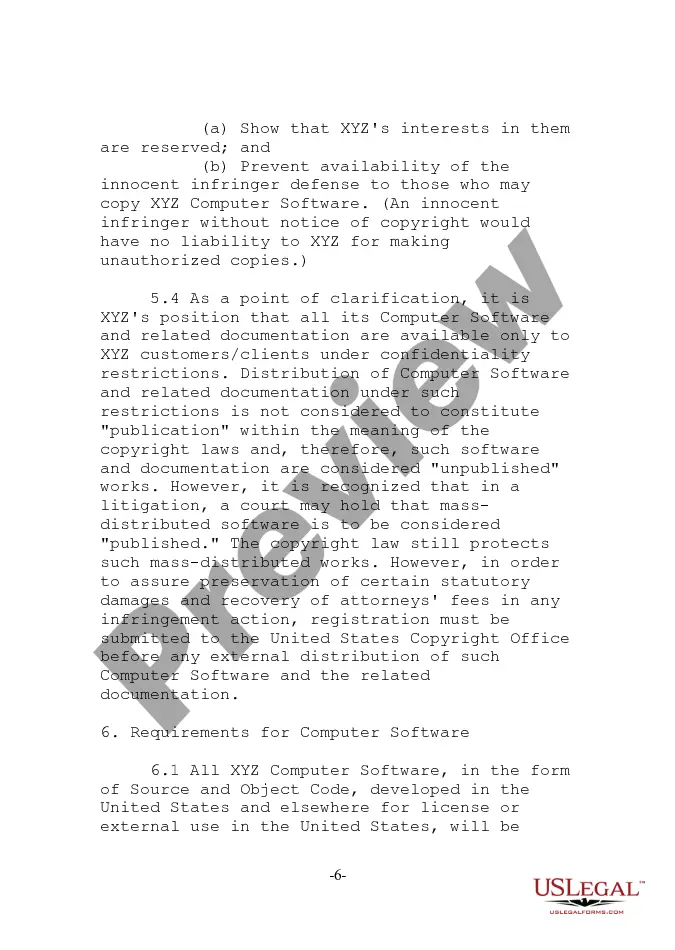
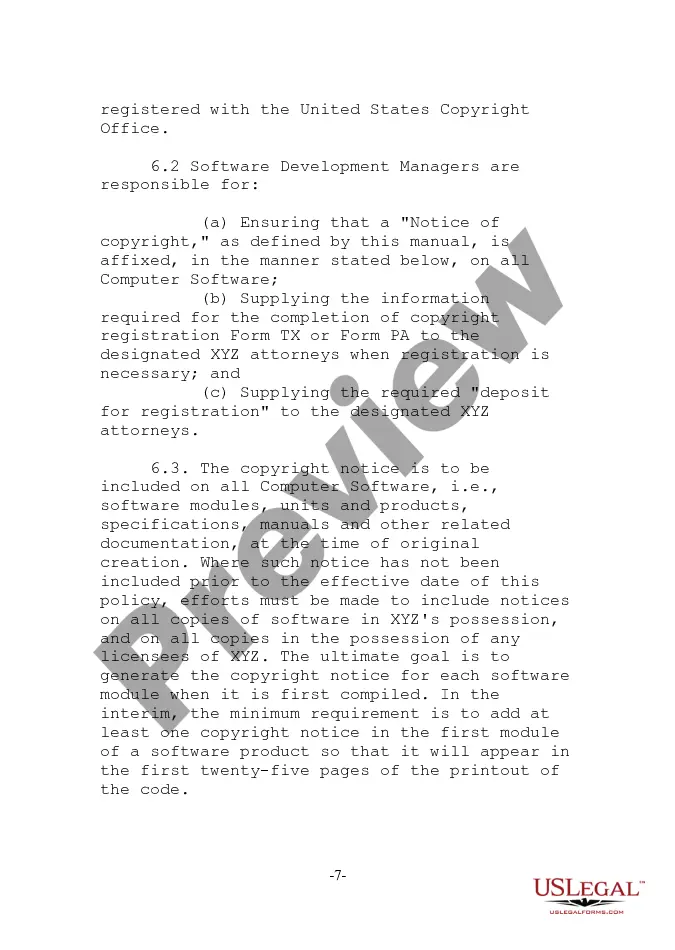
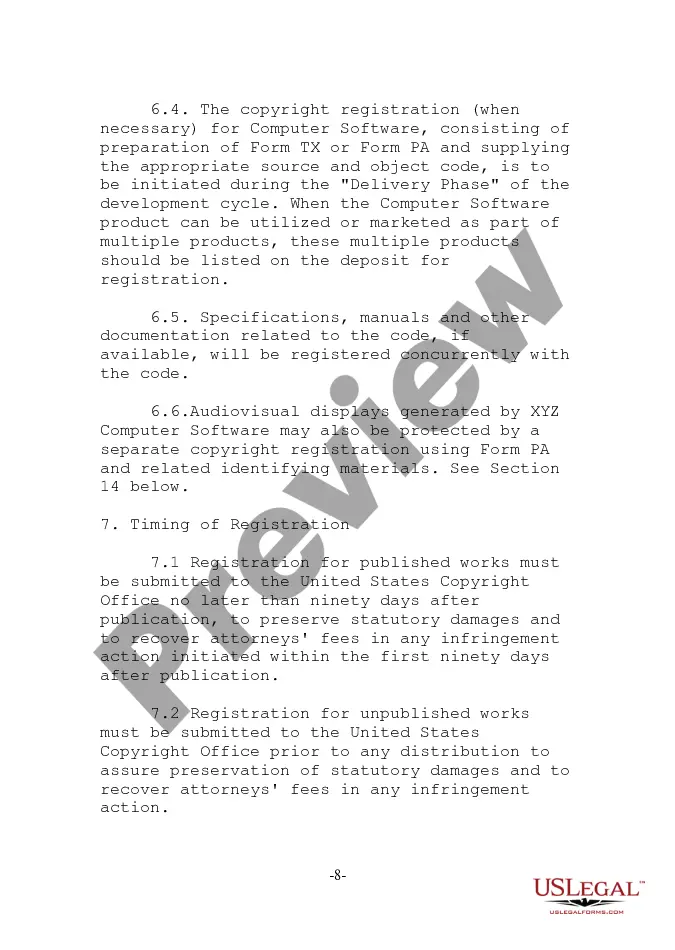
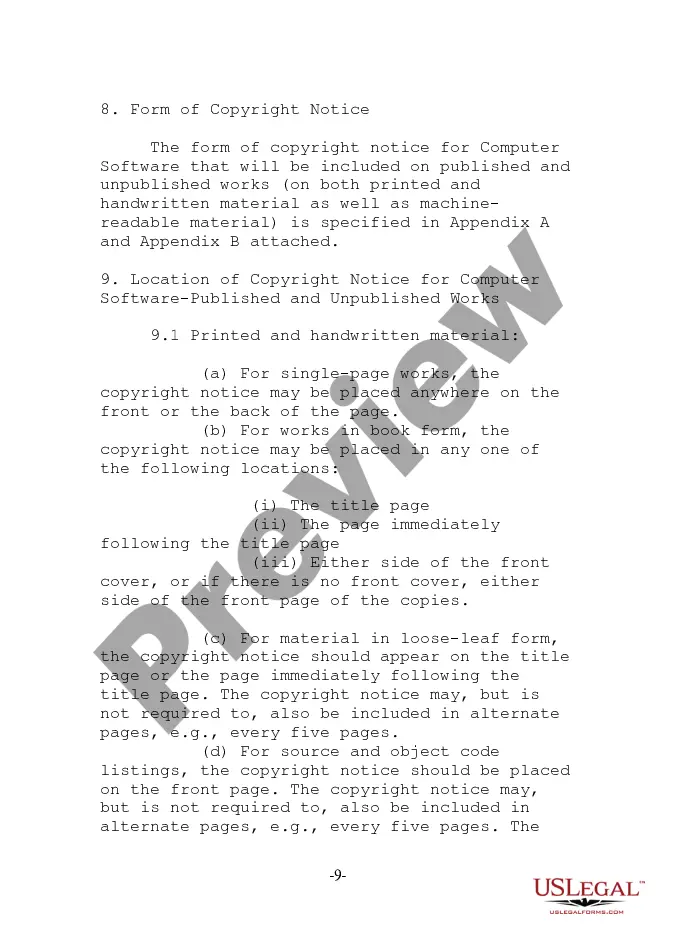
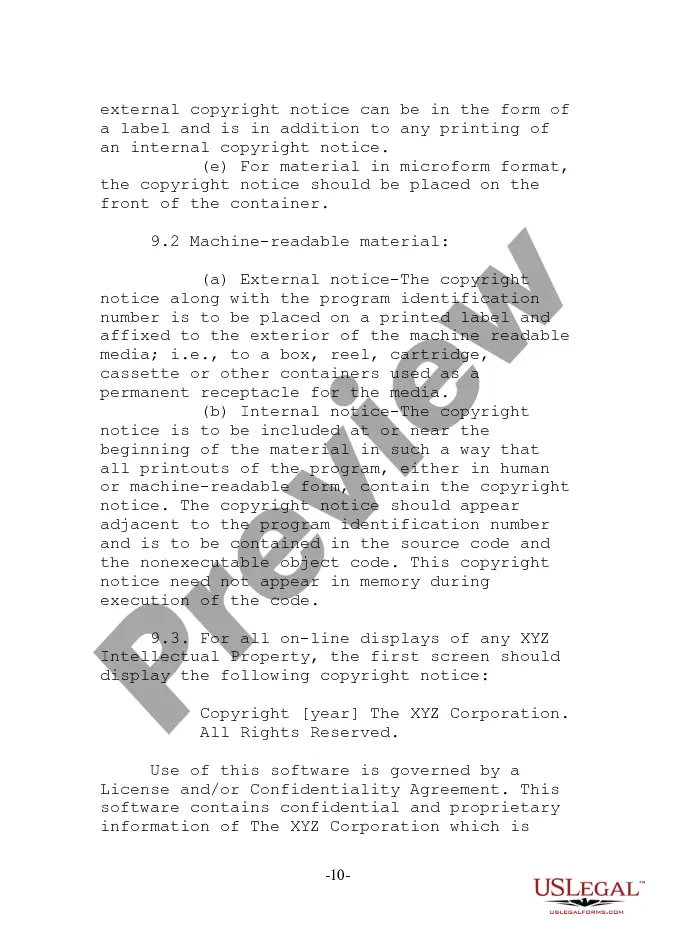
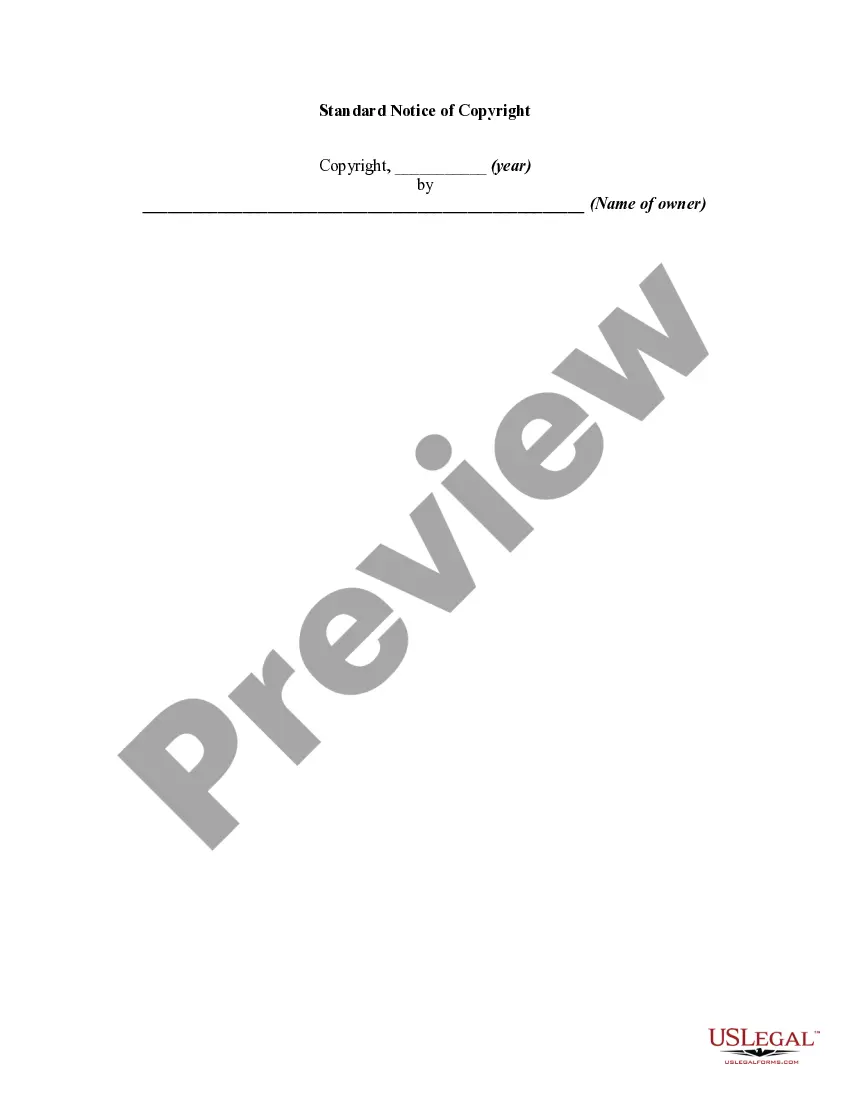
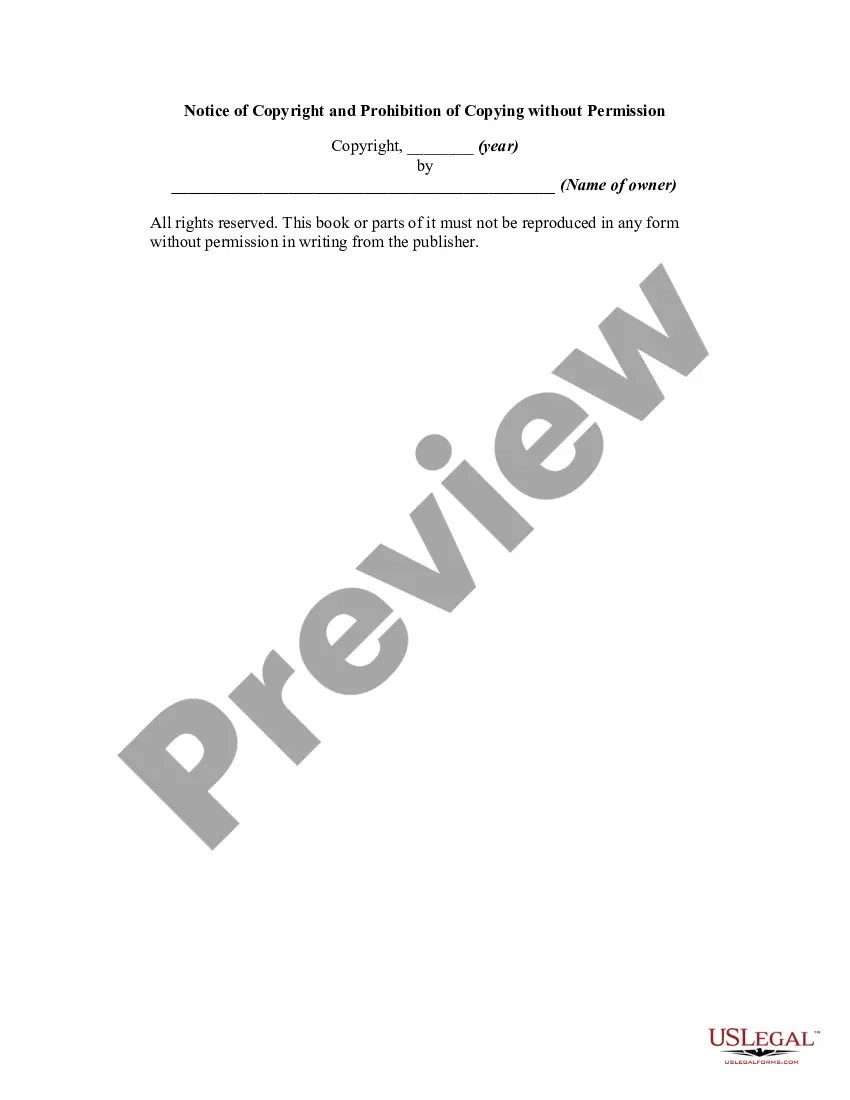
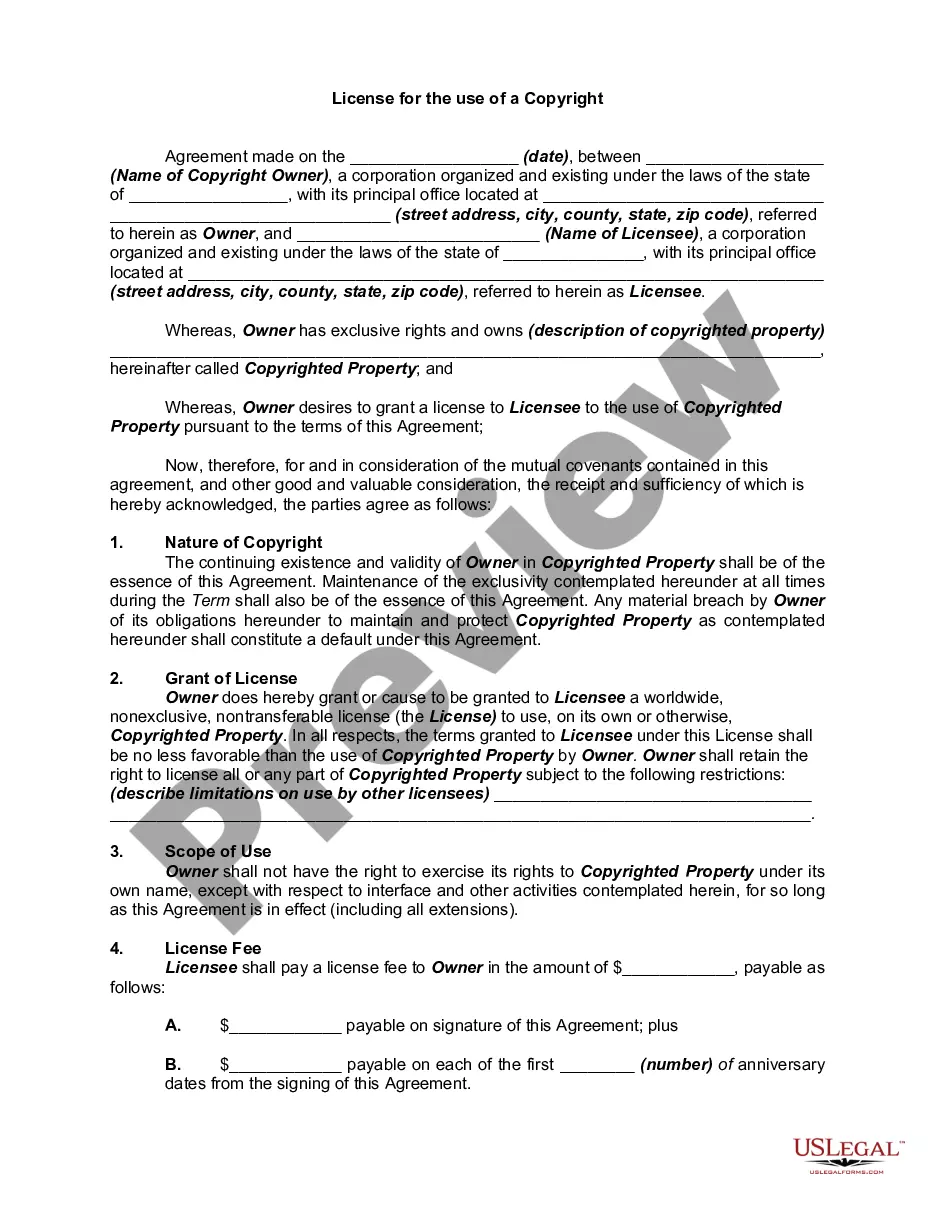
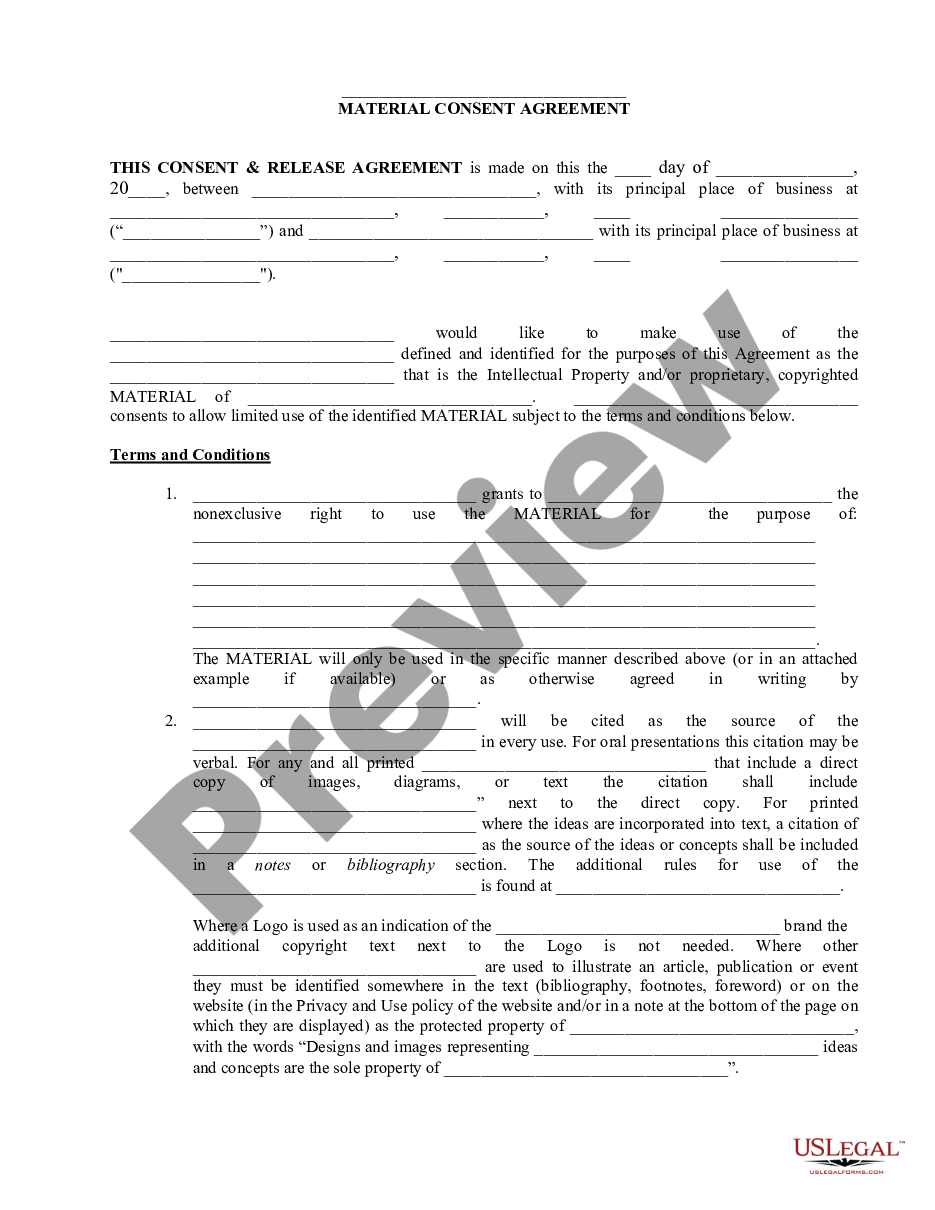
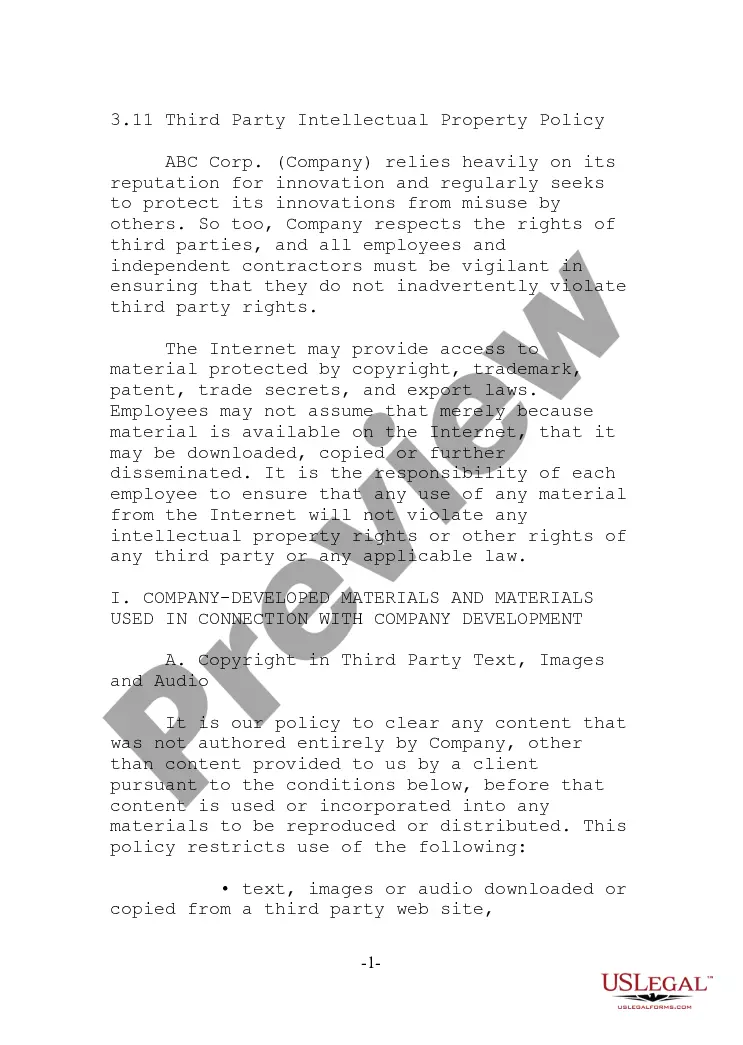
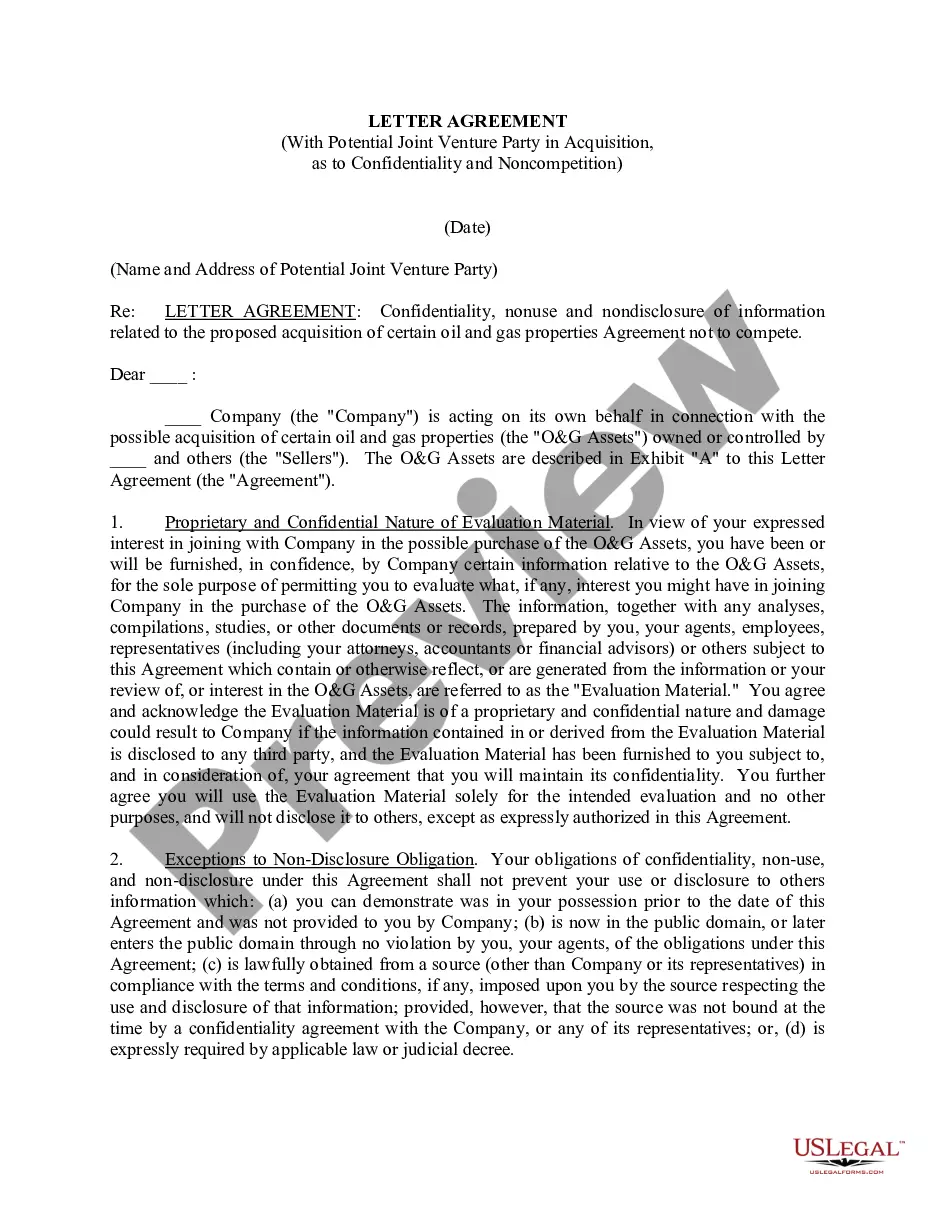
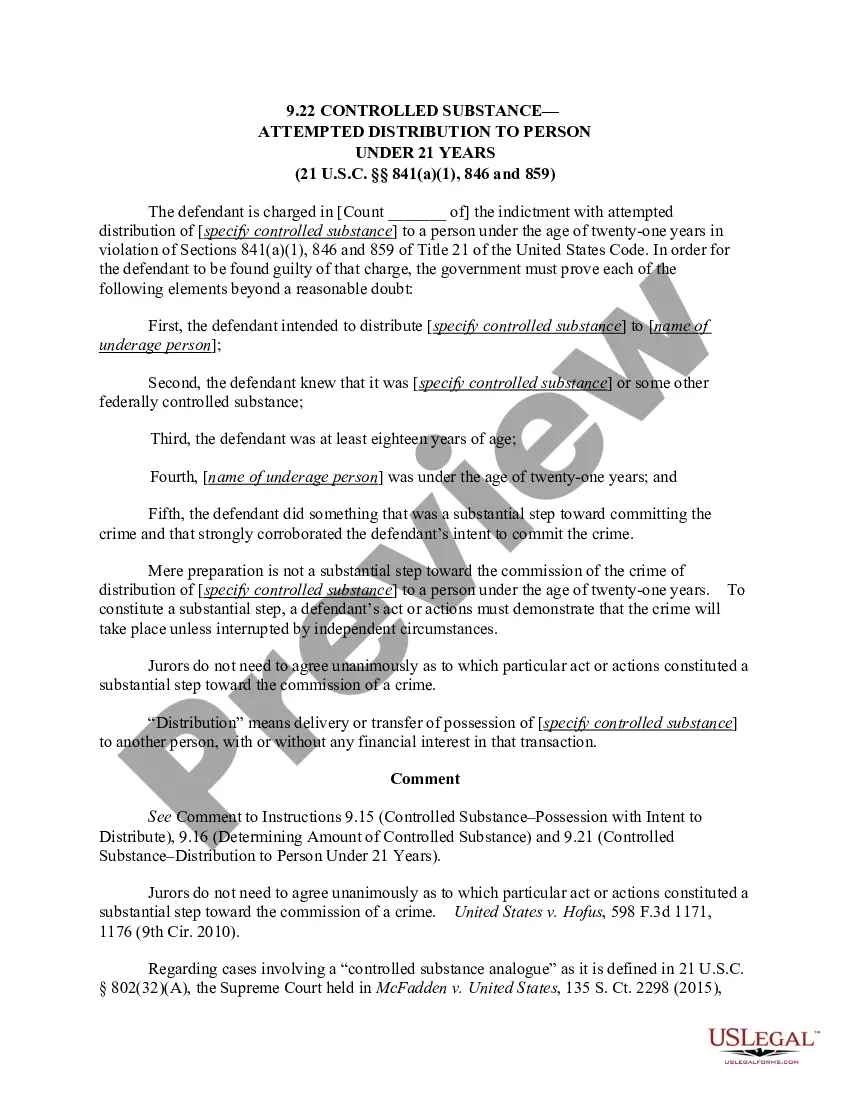
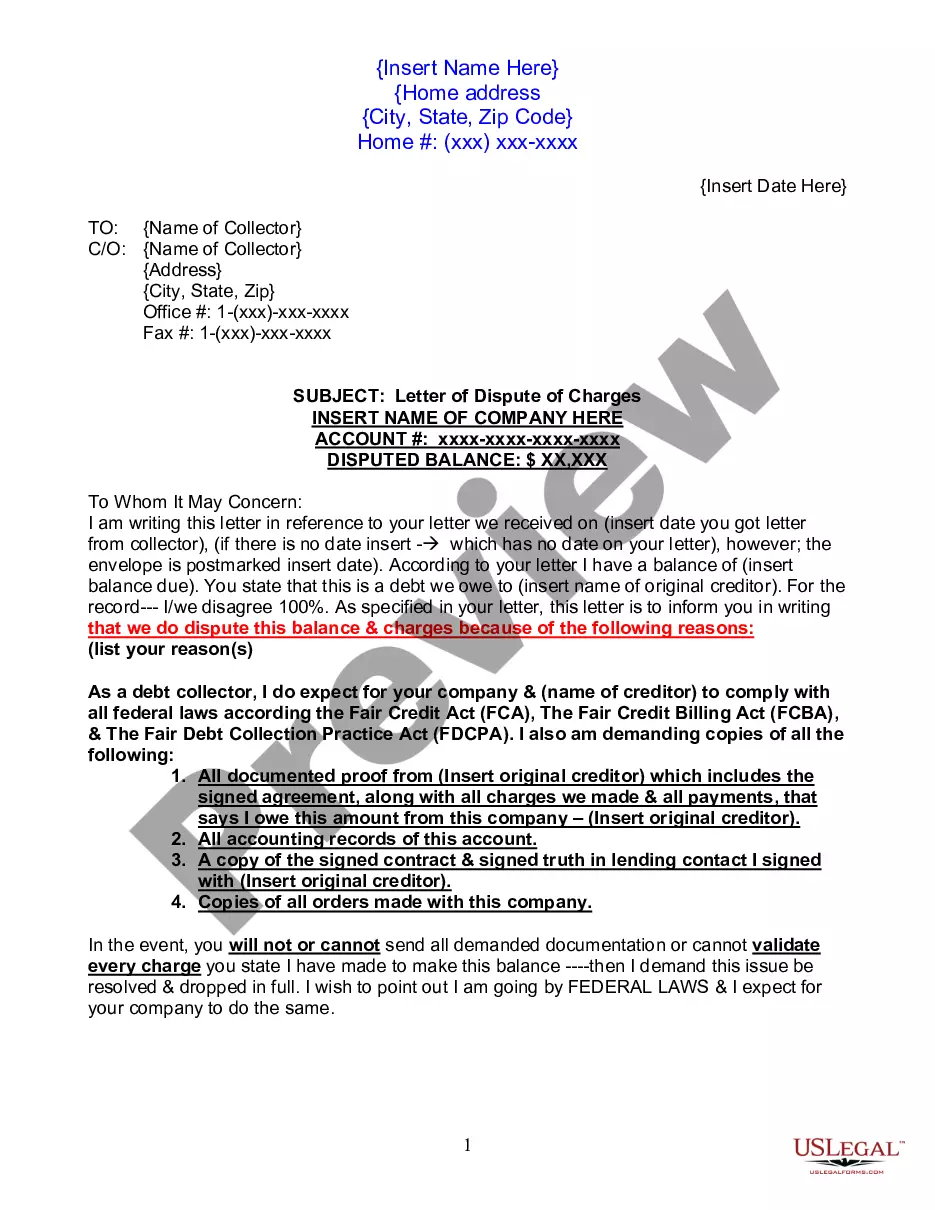
This form is a model adaptable for use in federal copyright law, licensing and related law. Adapt the form to your specific needs and fill in the information. Don't reinvent the wheel, save time and money.
If you suspect someone is using your work without a nod to you, it's best to document everything and possibly seek legal advice to discuss your options. Don't let it slide!
Yes, there are exceptions! Fair use, for instance, allows limited use of copyrighted material without permission for purposes like criticism, comment, news reporting, teaching, or research.
For most works, copyright protection lasts for the creator's lifetime plus 70 years. After that, it enters the public domain. So, the clock's ticking!
If you accidentally step on someone's toes regarding copyright, it can lead to legal trouble. It's always best to ask for permission or do a bit of research before using someone else's work.
Using someone else's work can be a tricky business! You'll need permission, or you might want to check if it falls under 'fair use' which allows for limited copying without permission.
If you've created an original piece of work and it's fixed in a tangible form, like a book or a painting, it's automatically protected by copyright. No need for a fancy stamp!
If you suspect infringement, start by documenting everything. Then, you may want to reach out to a lawyer or contact the person directly to sort things out.