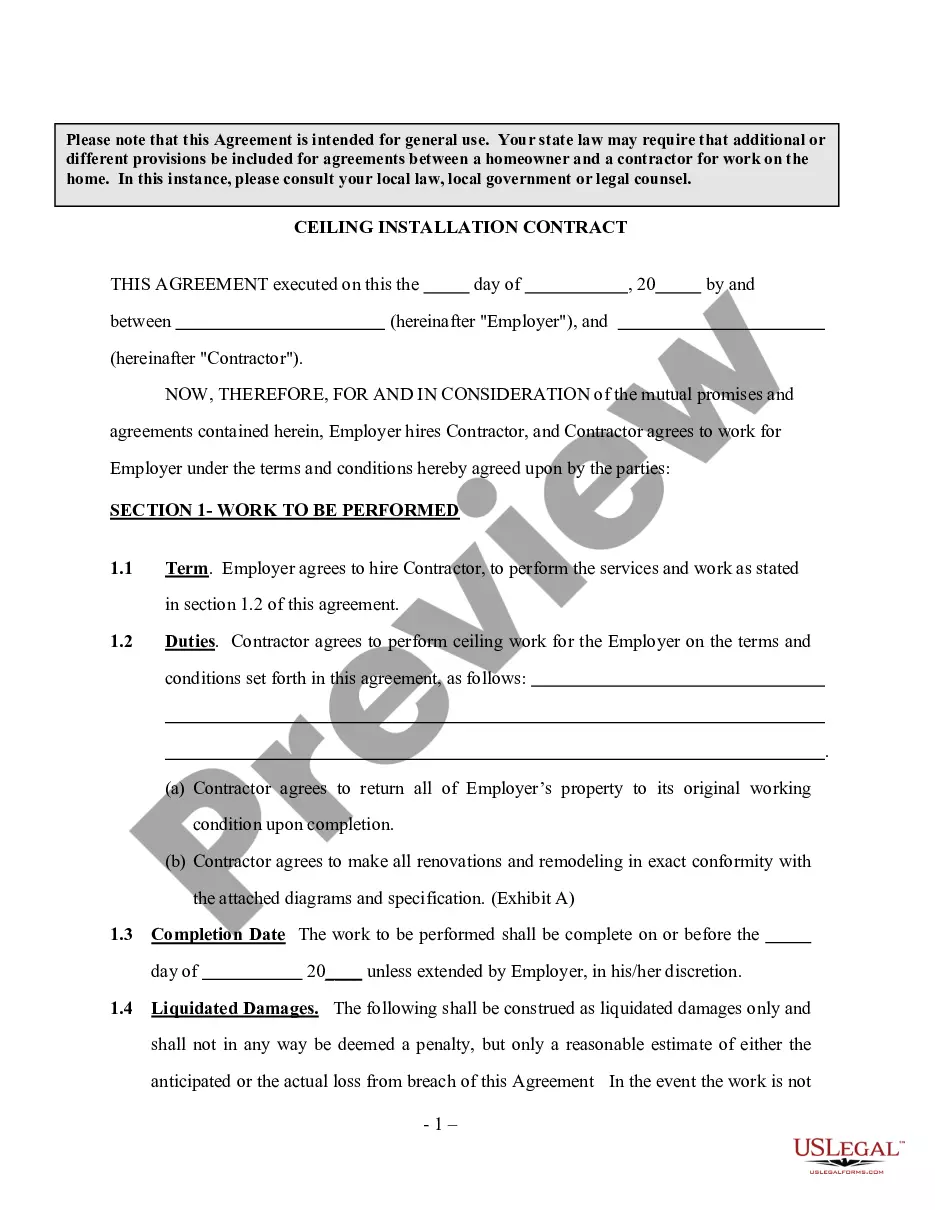
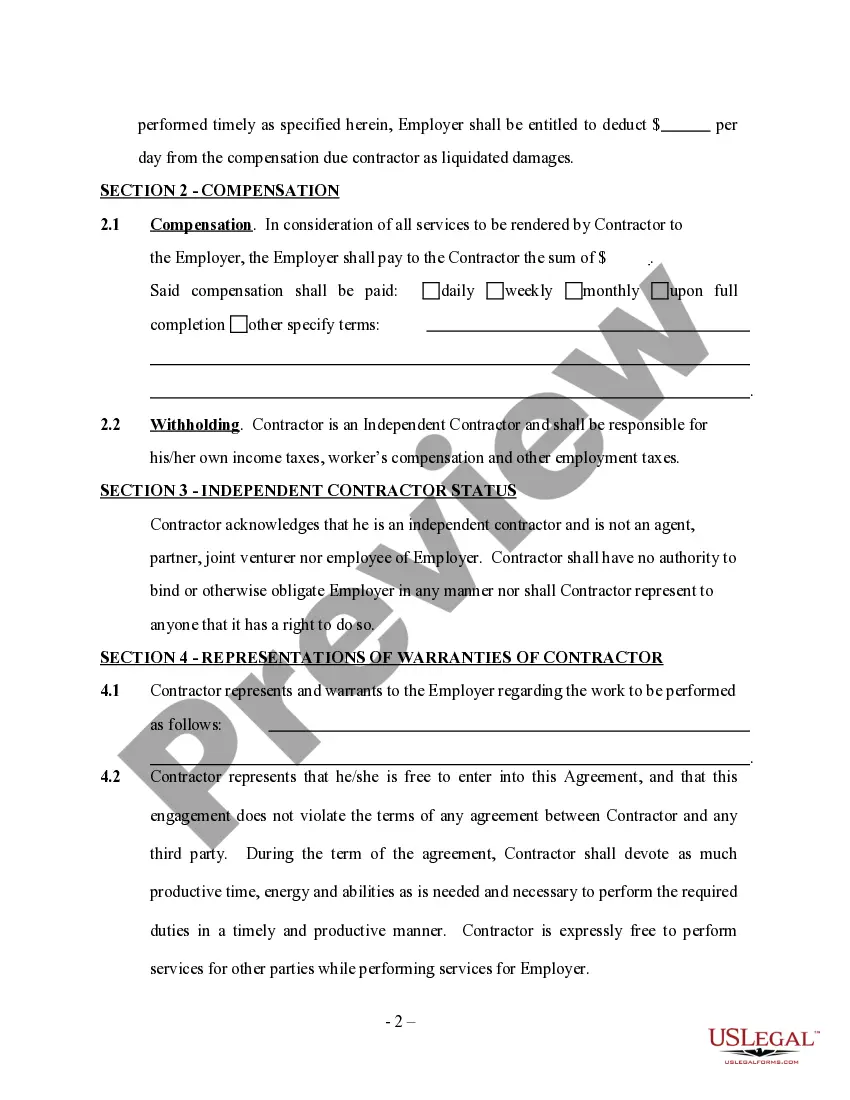
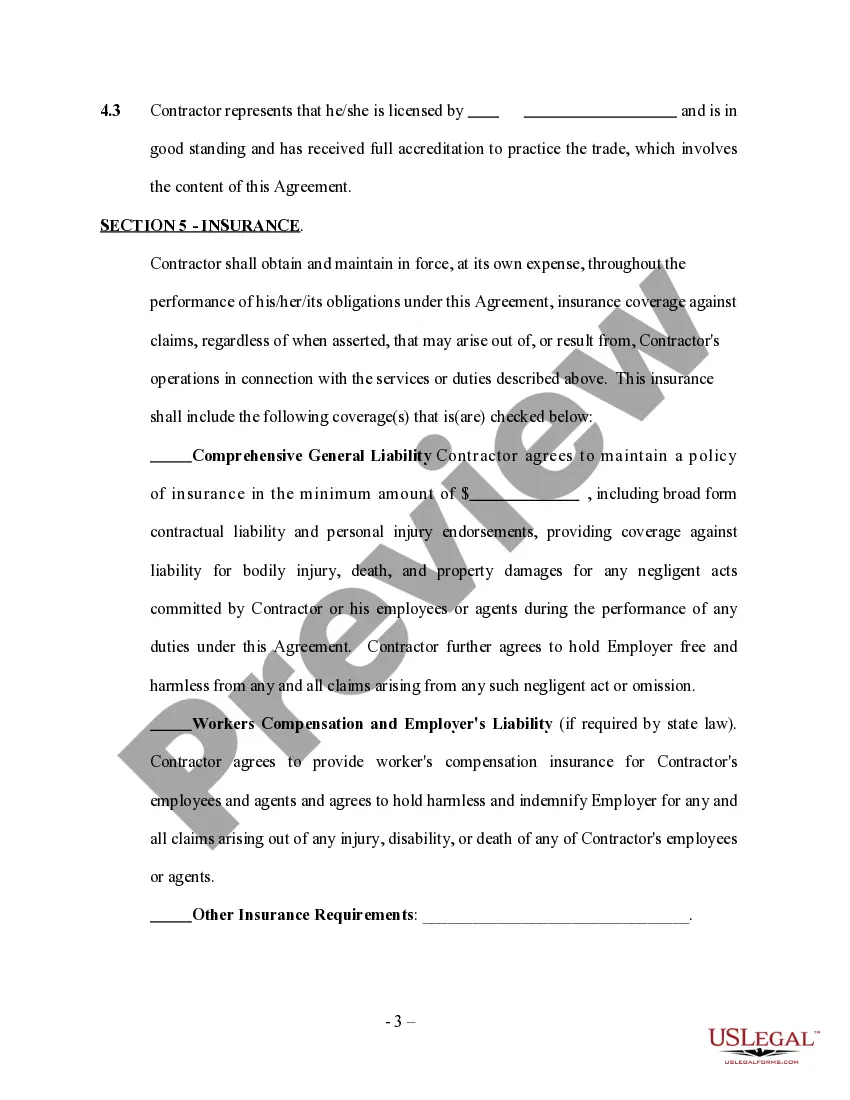
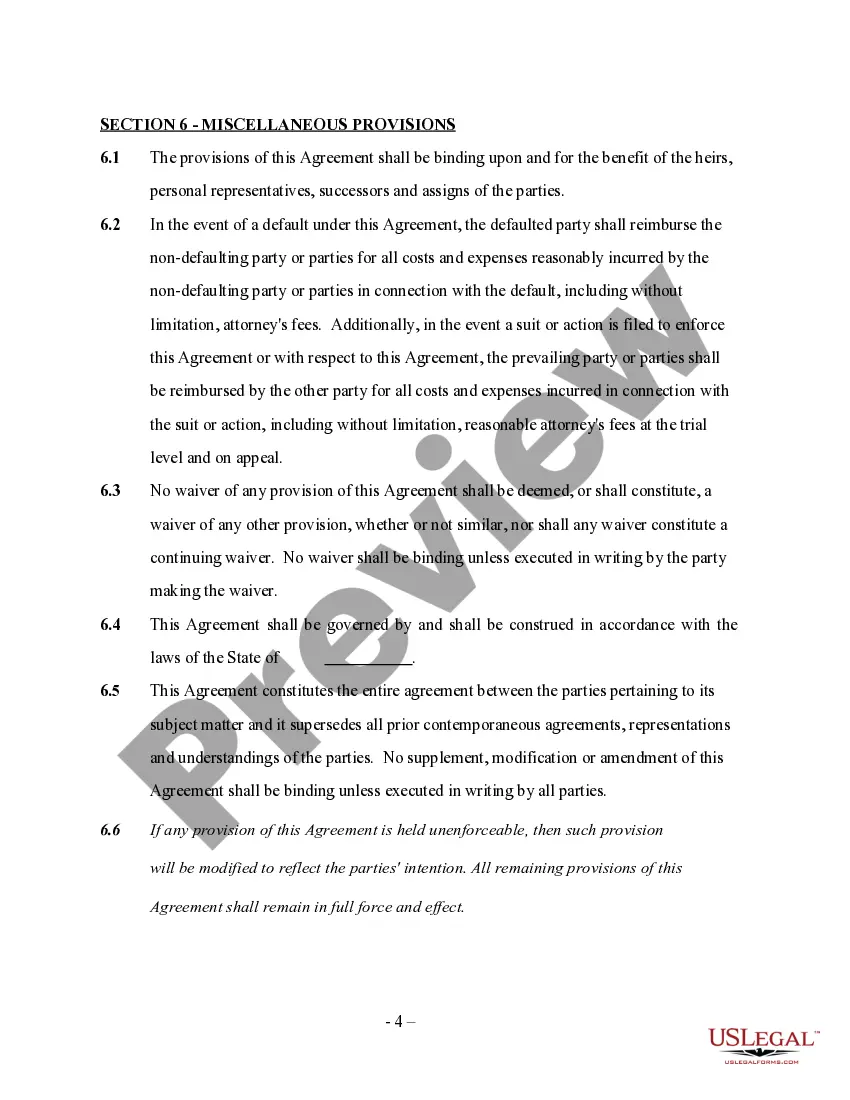
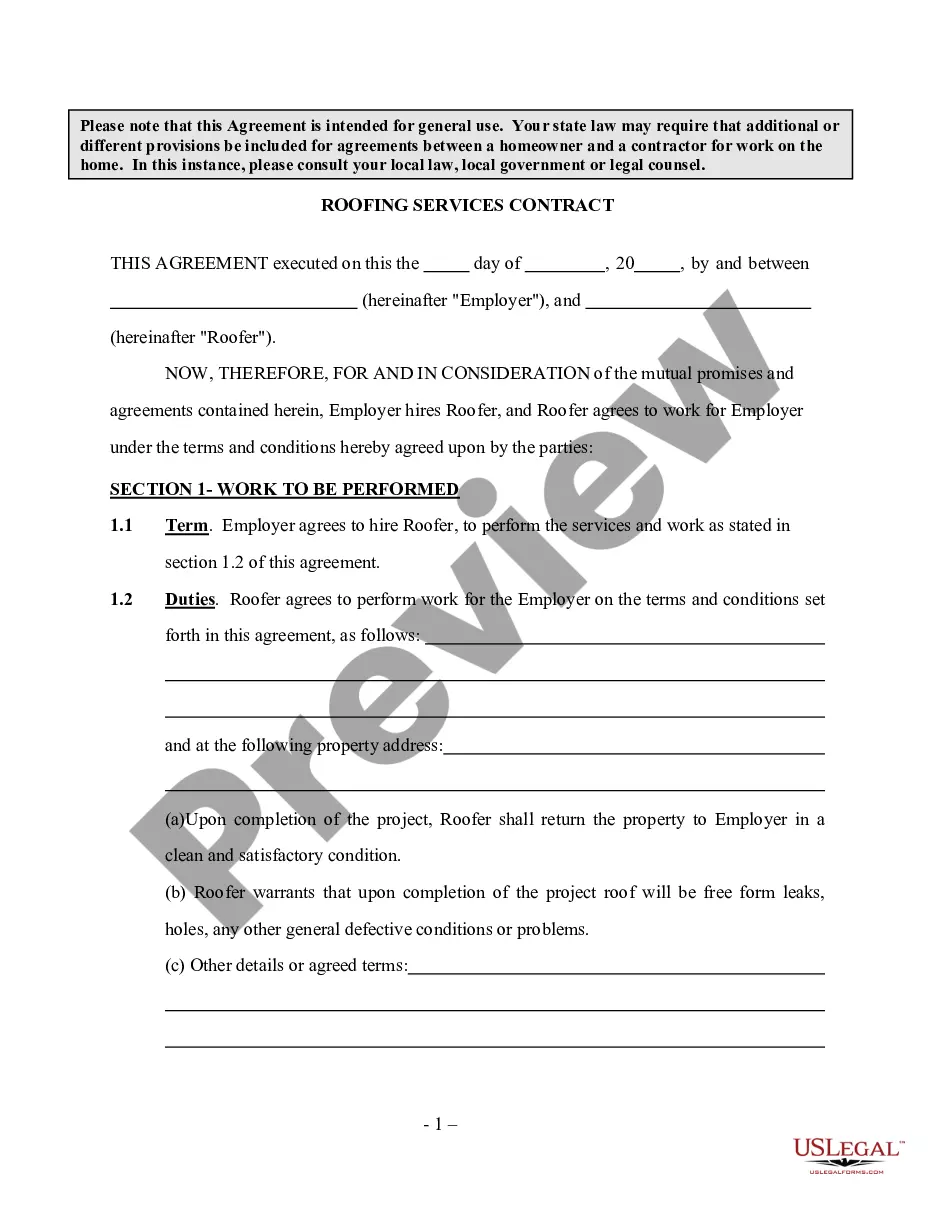
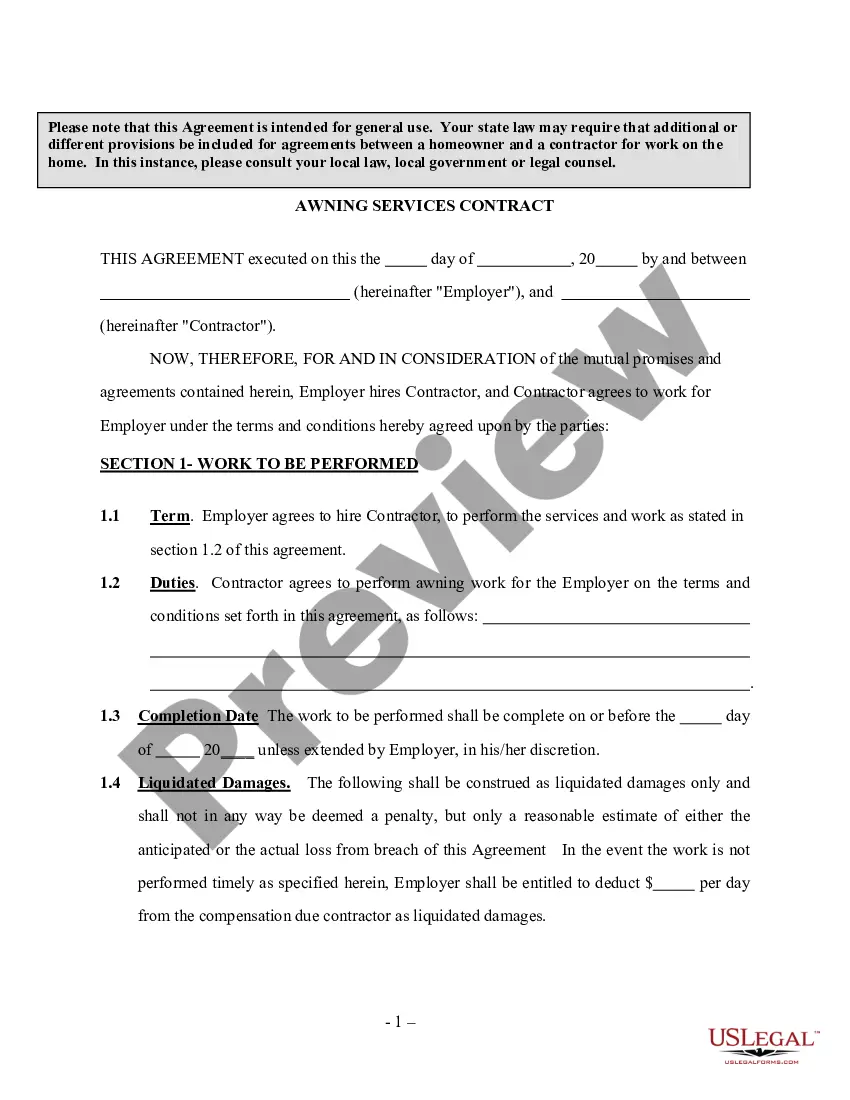
Employer contracts with an independent contractor to install or construct a ceiling as specified and agreed upon in the contract. Please note that this Agreement is intended for general use. Your state law may require that additional or different provisions be included for agreements between a homeowner and a contractor for work on the home. In this instance, please consult your local law, local government or legal counsel.
Keeping your ceiling in tip-top shape is all about regular cleaning. Dust it off and check for any signs of damage periodically to keep it looking fresh.
It’s not uncommon to face some bumps in the road. Just make sure you communicate openly with your contractor to resolve any hiccups that come up.
While some handy folks try DIY projects, ceiling installation can be tricky and requires precise work. It's usually safer and more efficient to hire a professional.
You have a variety of options, including drywall, wood, tiles, and even acoustic panels. Your choice will depend on your style preferences and functional needs.
Typically, if you're just replacing an existing ceiling with a similar one, you won’t need a permit. However, if you’re making significant changes, it’s best to check with your local regulations.
The timeline can vary based on the size of the job, but most installations can be completed in a day or two. It’s always a good idea to talk to your contractor about what to expect.
The first step is to find a reliable contractor who specializes in ceiling installation. You can ask for recommendations or check online reviews to make sure you’re in good hands.