Typically, employee records, company financials, client information, and proprietary business strategies are kept confidential, like keeping a vault securely locked.
Employees should be cautious; discussing certain work-related matters with family or friends can violate confidentiality agreements. It’s best to keep work talk at work.
The duration of confidentiality can vary, but it often lasts as long as the information is considered sensitive, and sometimes even indefinitely, like a secret recipe that’s never revealed.
If someone breaches confidentiality, it can lead to serious consequences such as disciplinary action, legal repercussions, or even loss of job - it’s like breaking a promise and facing the music.
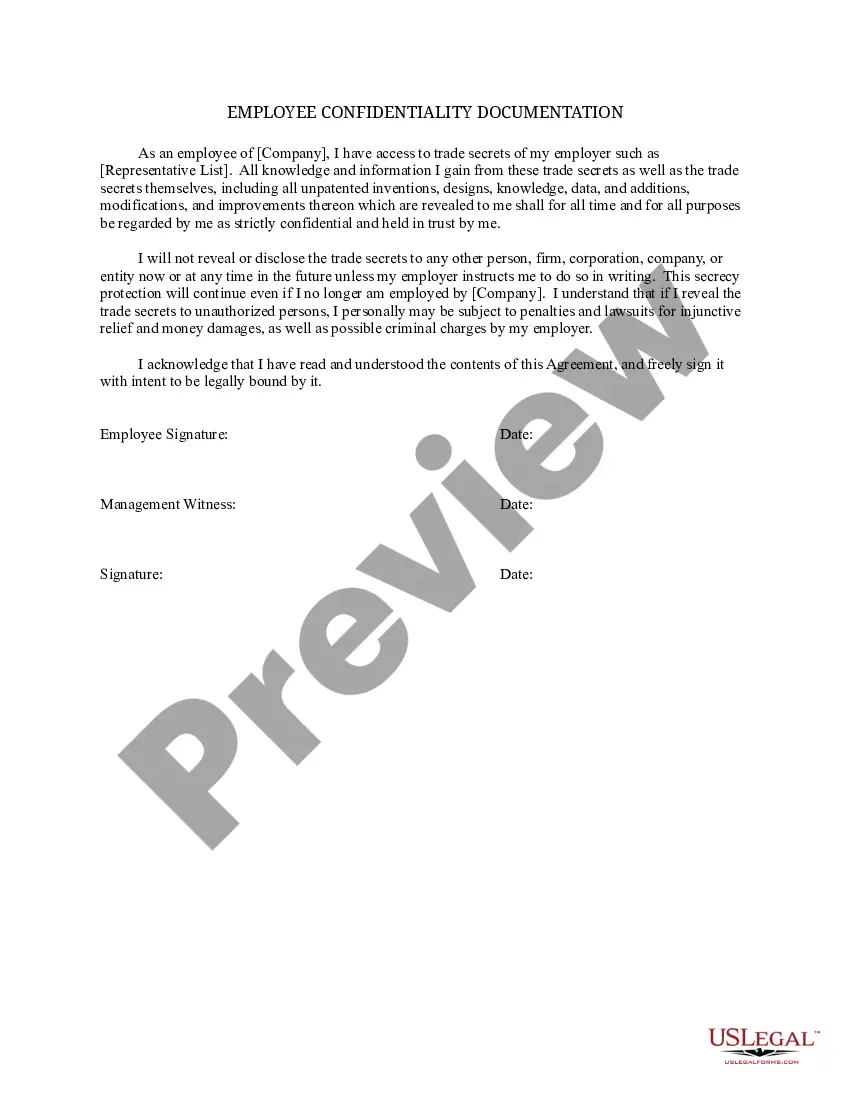
Typically, all employees, contractors, and sometimes even clients may need to sign confidentiality agreements to ensure everyone understands the importance of keeping sensitive information private.
Confidentiality is crucial because it helps protect personal information, company secrets, and maintain trust between employees and employers, like keeping a tight lid on a boiling pot.
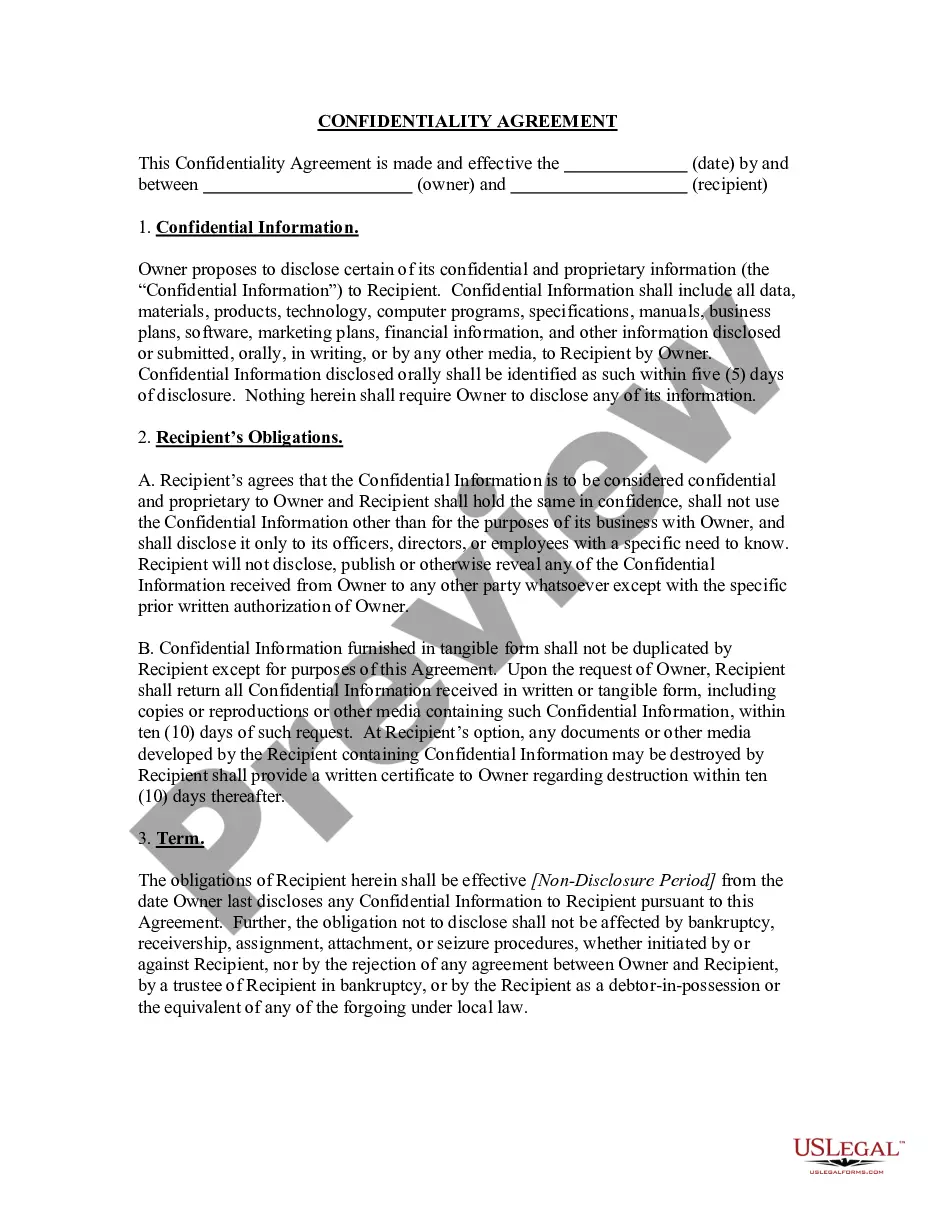
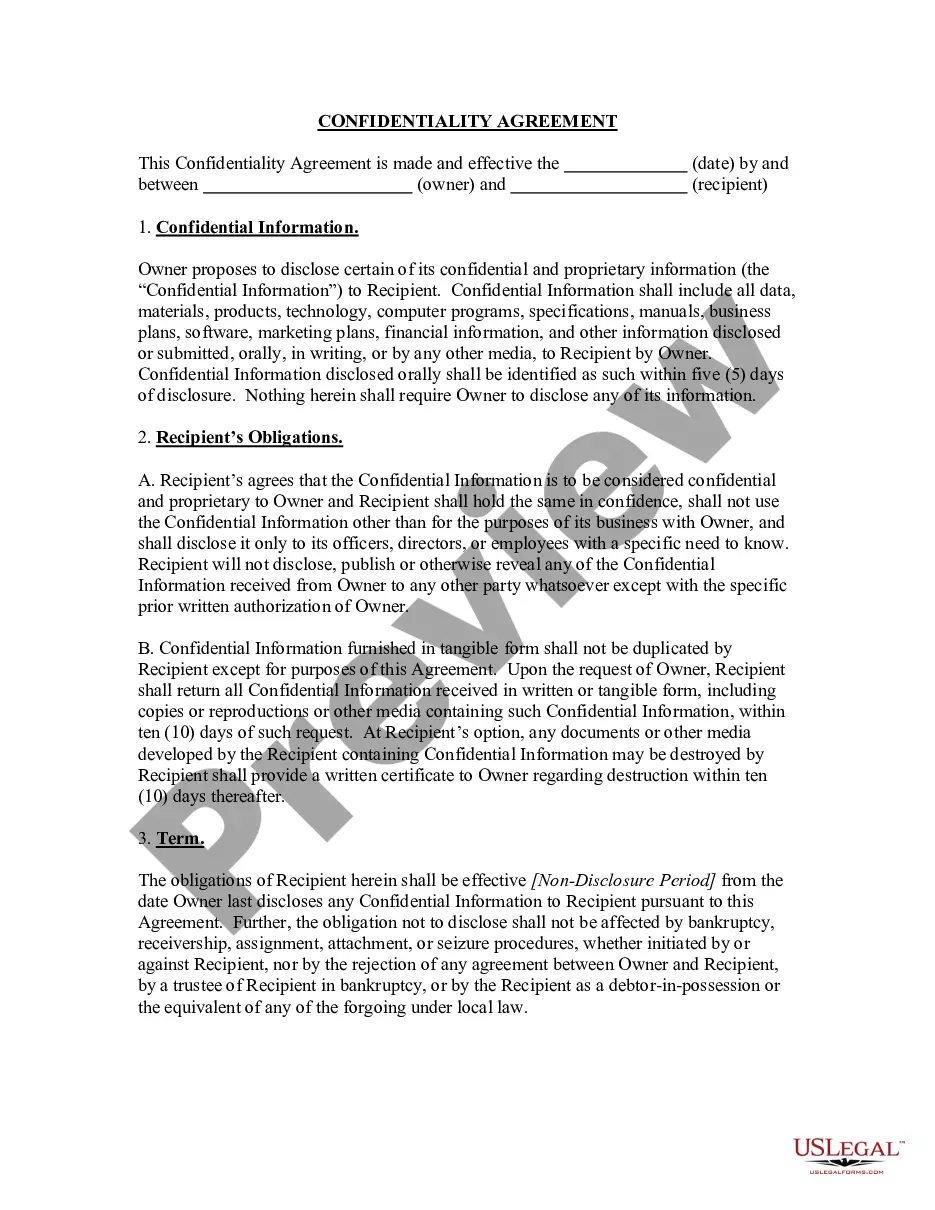
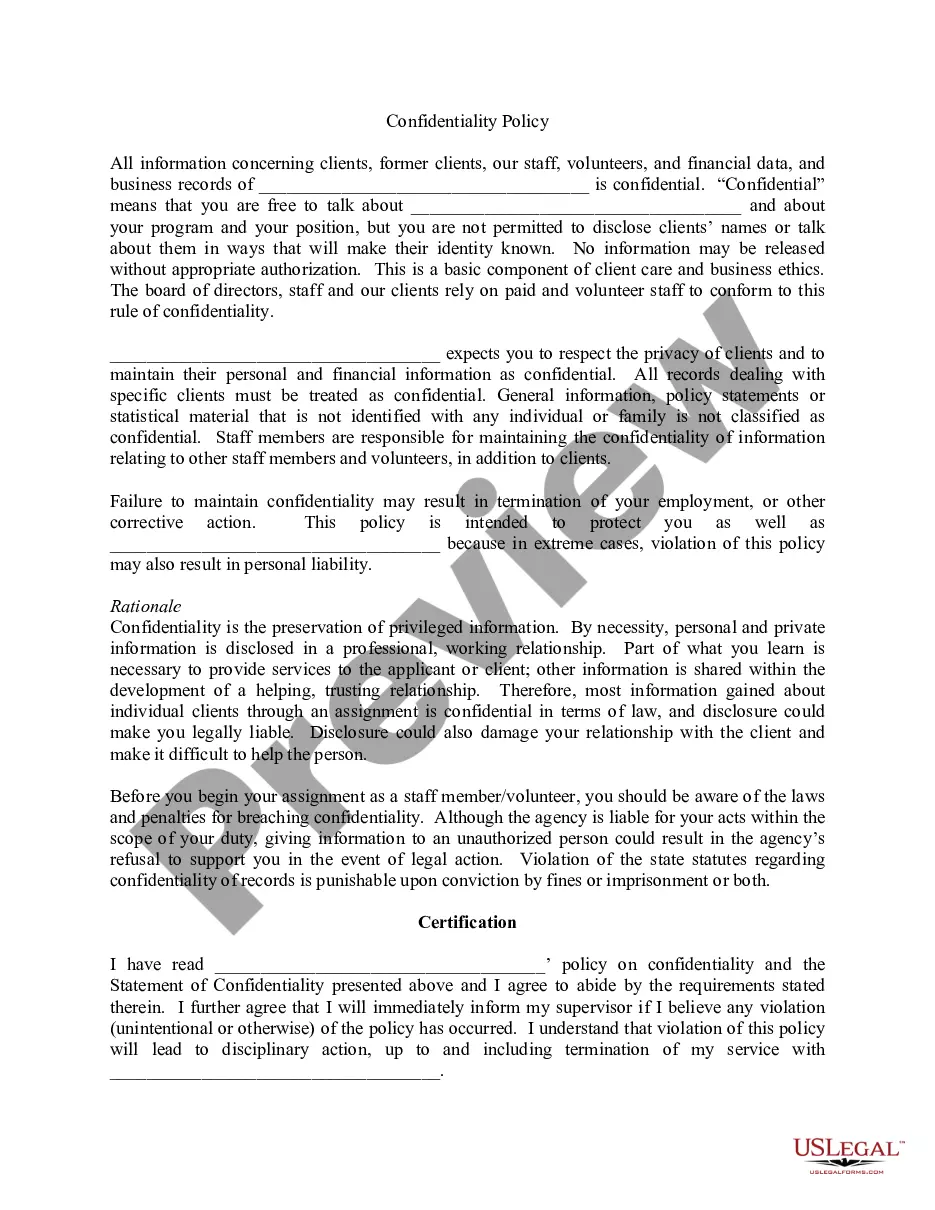
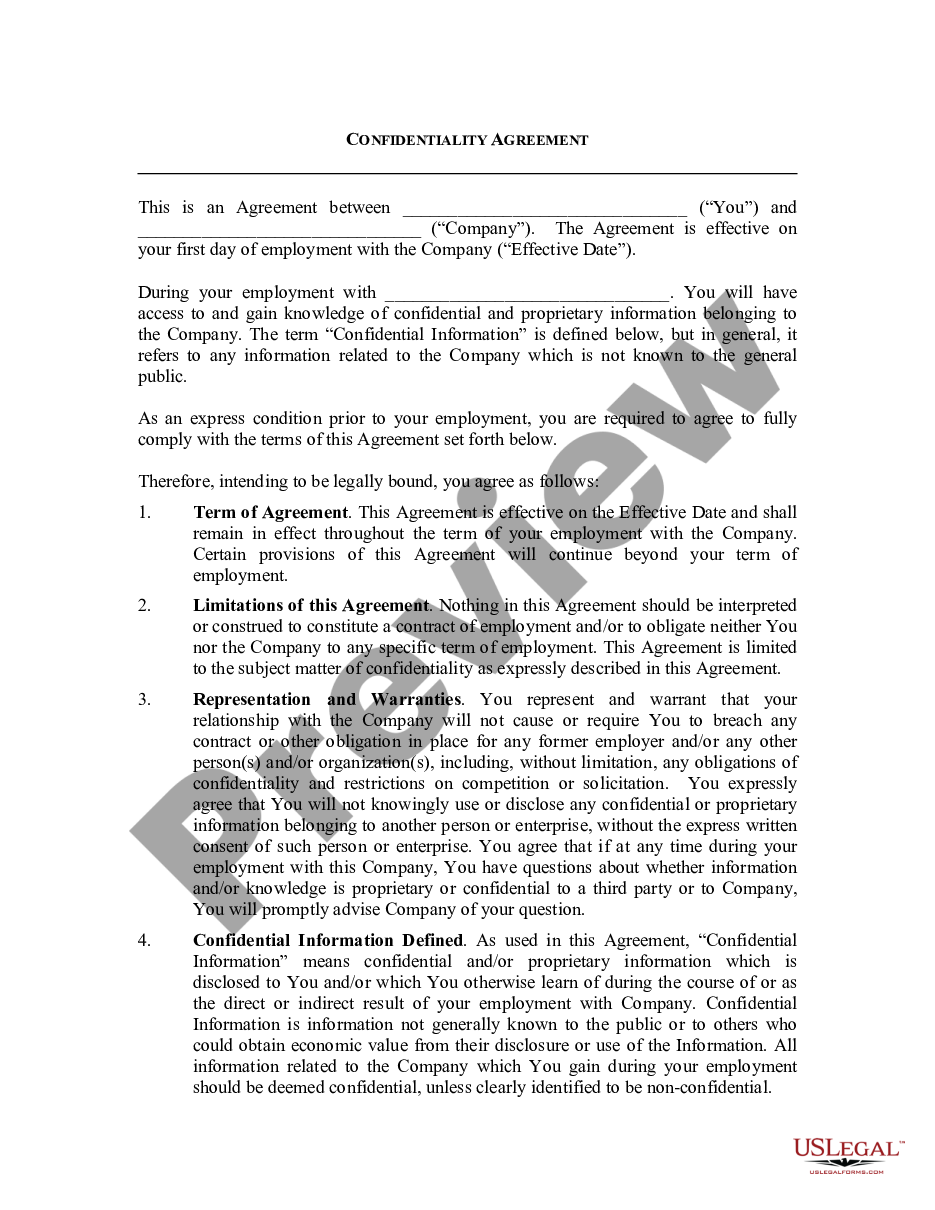
Employee confidentiality documentation is a set of guidelines and agreements that ensure sensitive information about a company and its employees is kept under wraps and not shared with unauthorized individuals.