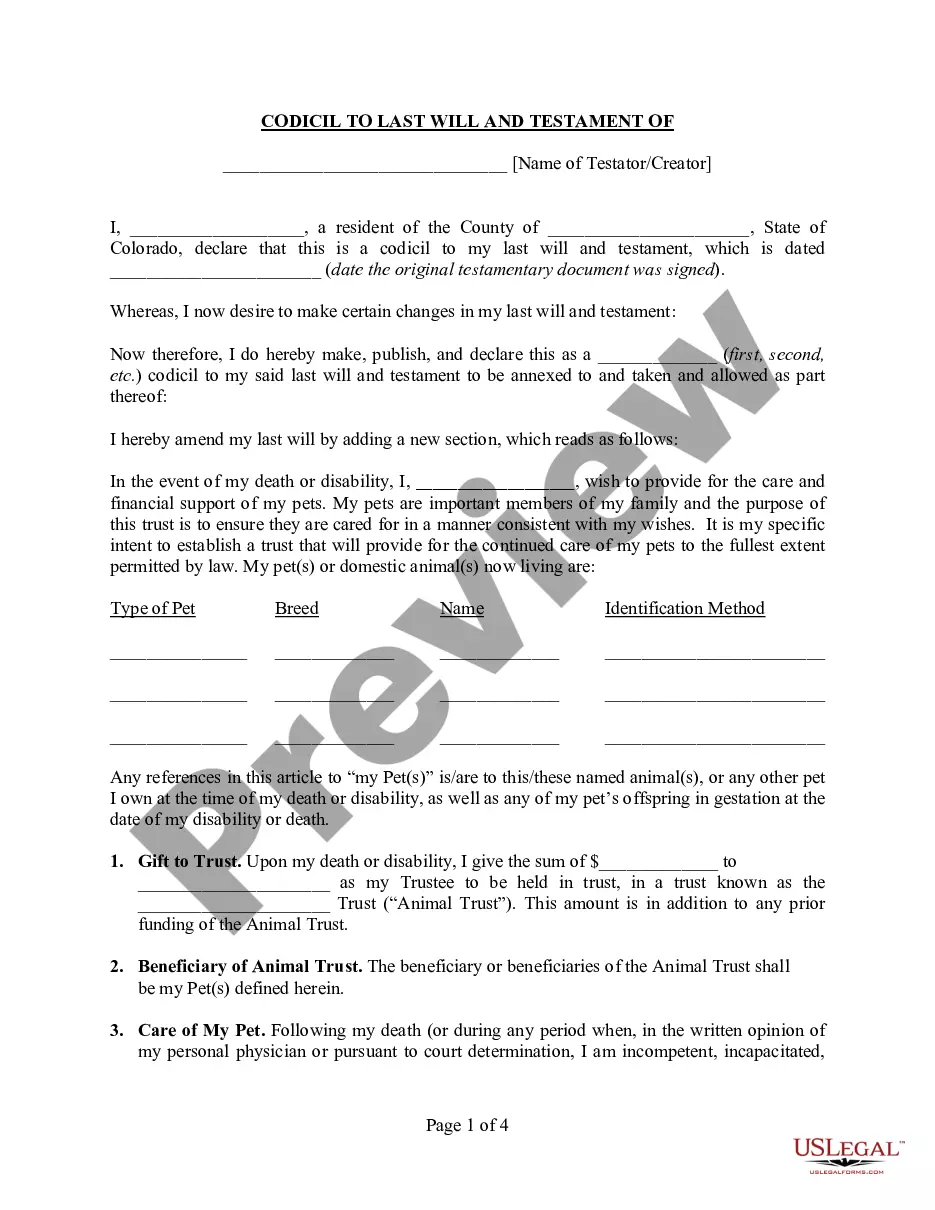
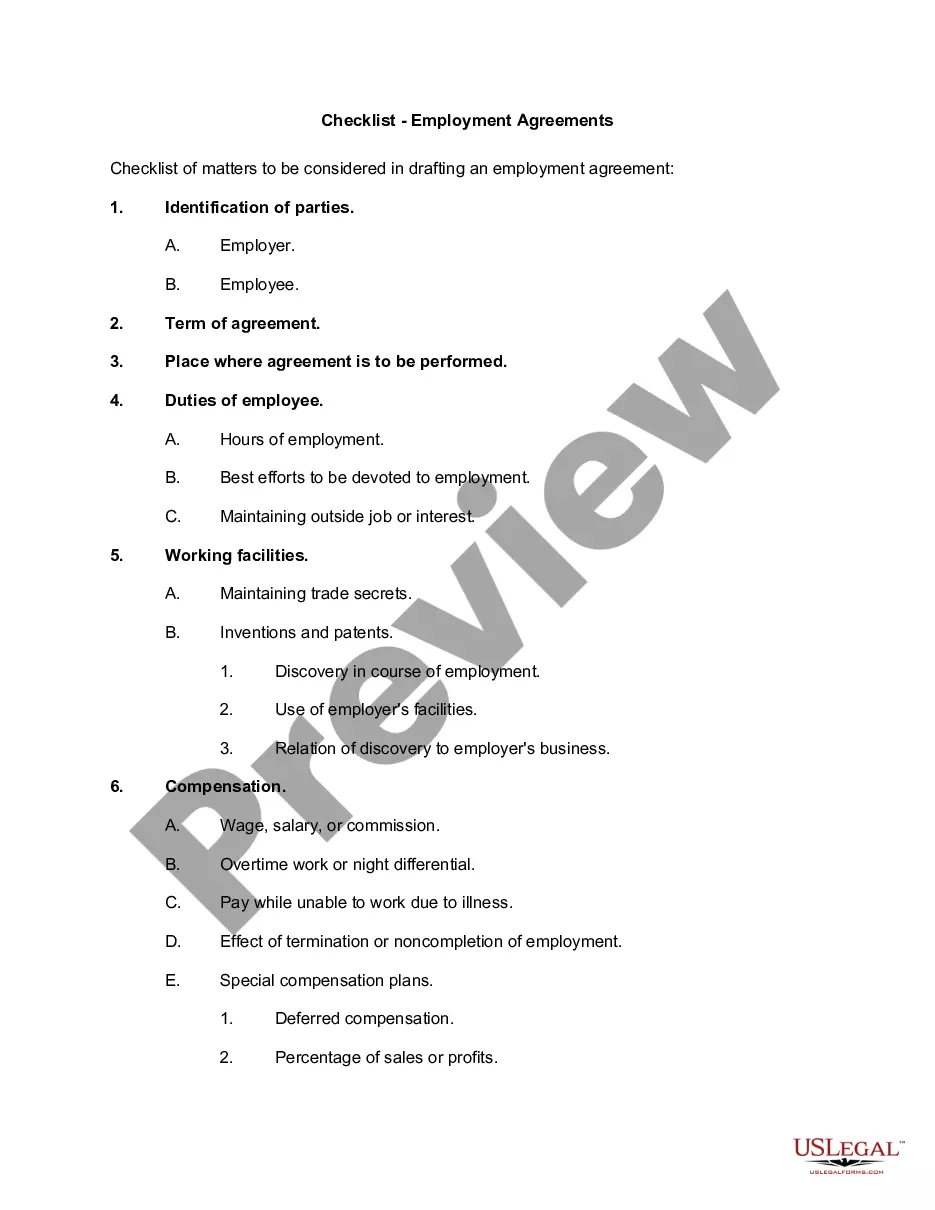
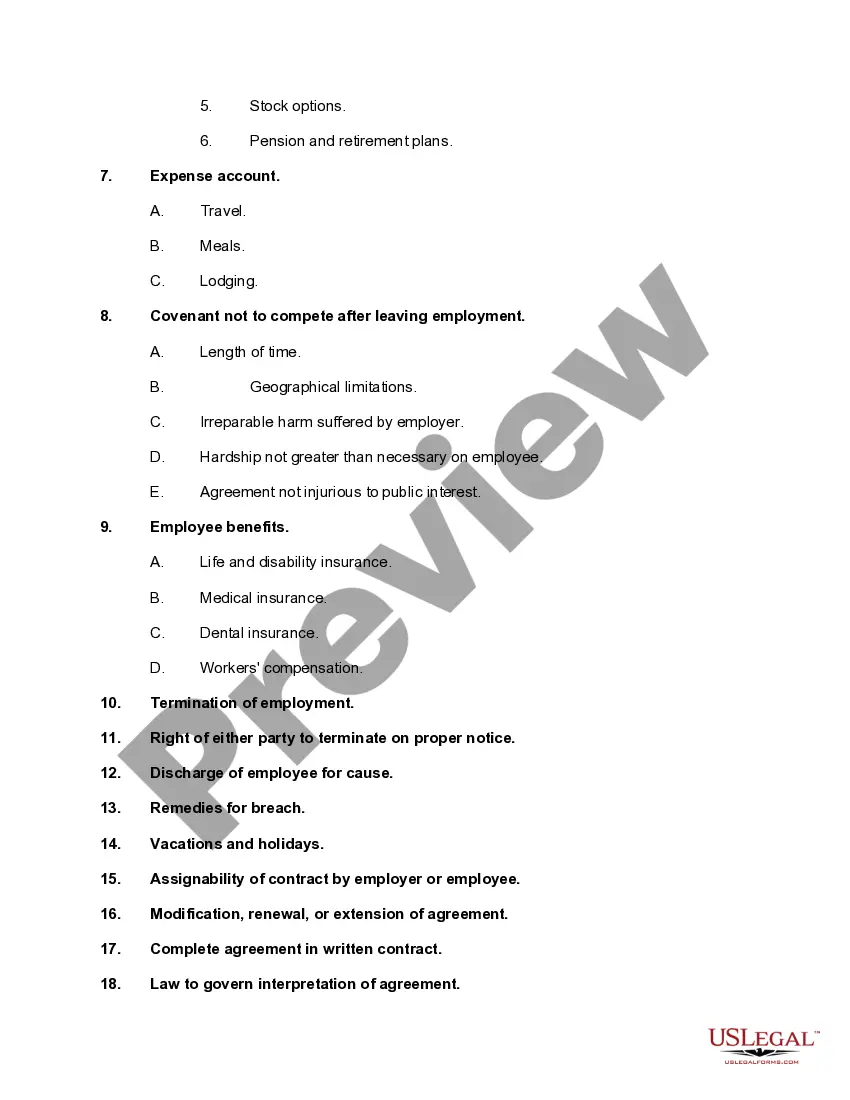
Checklist - Employment Agreements
Overview of this form
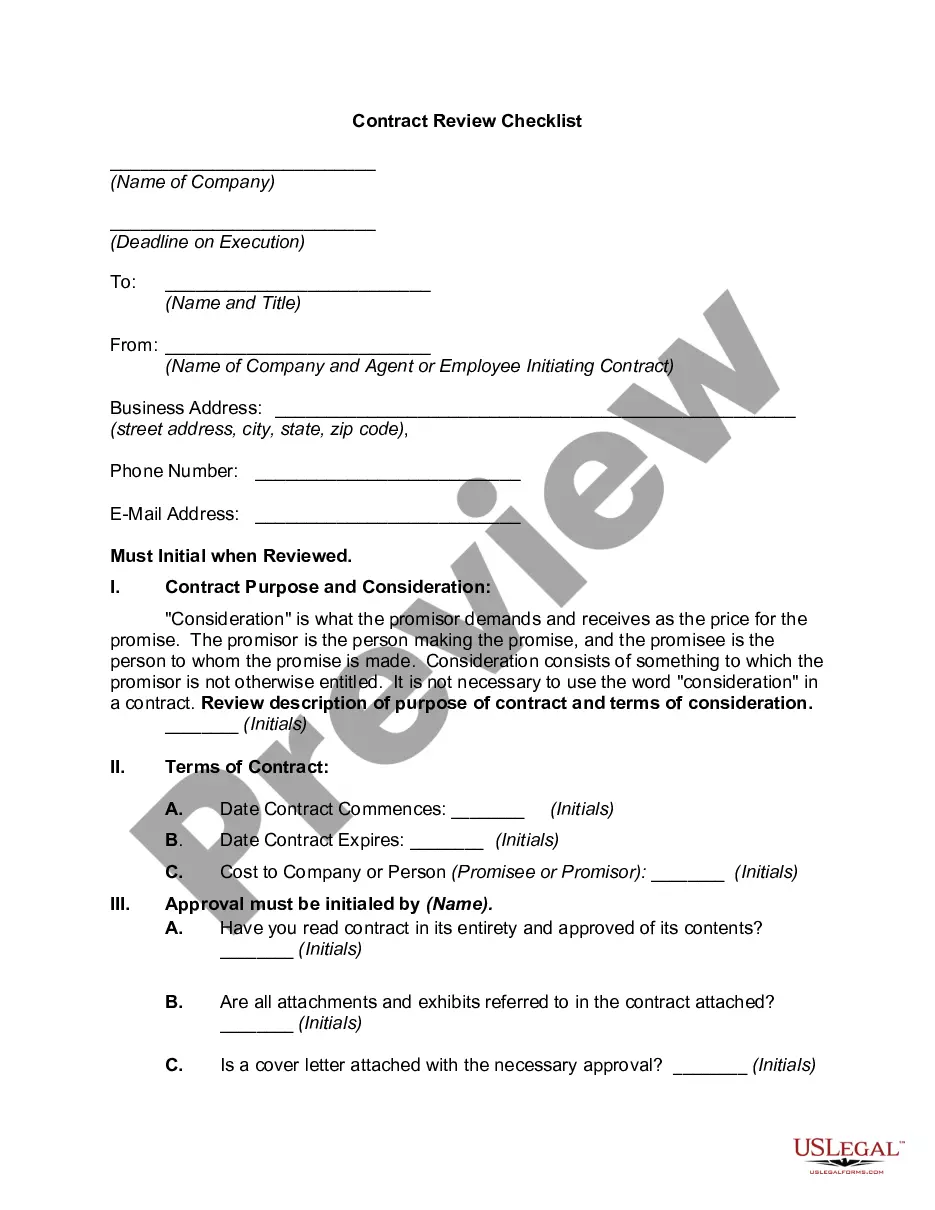
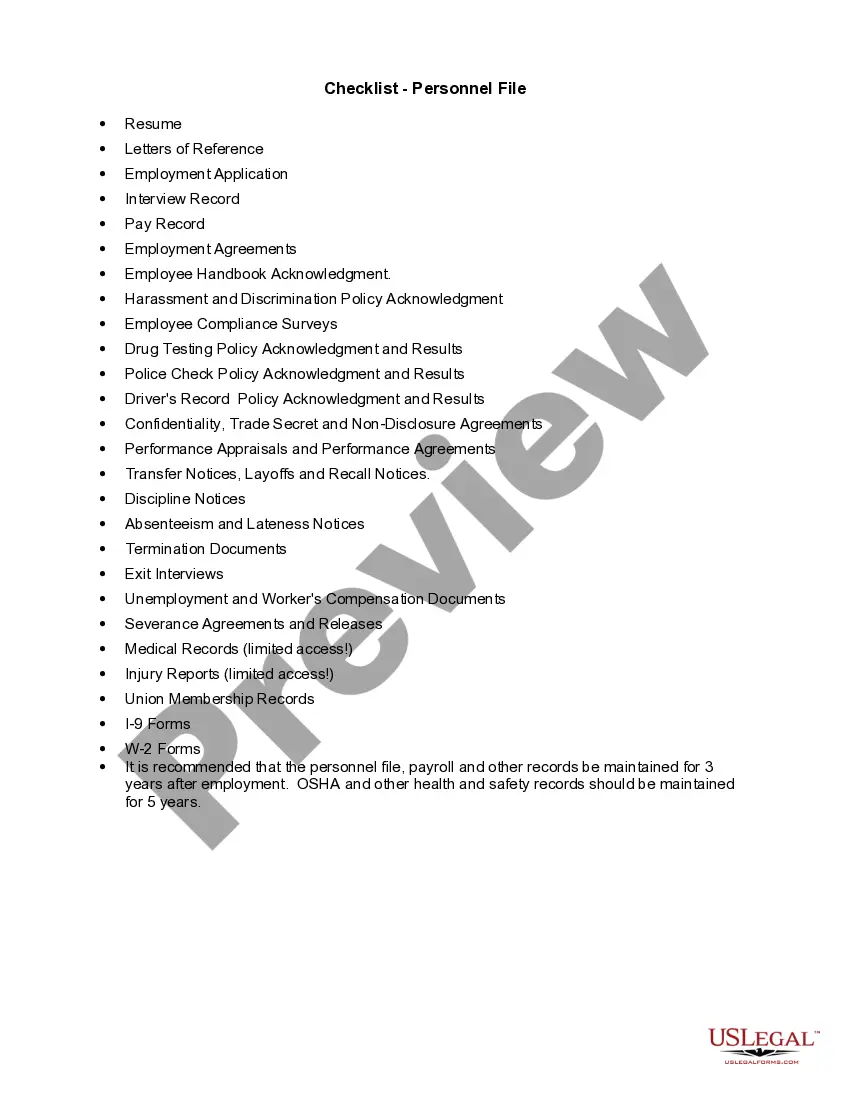
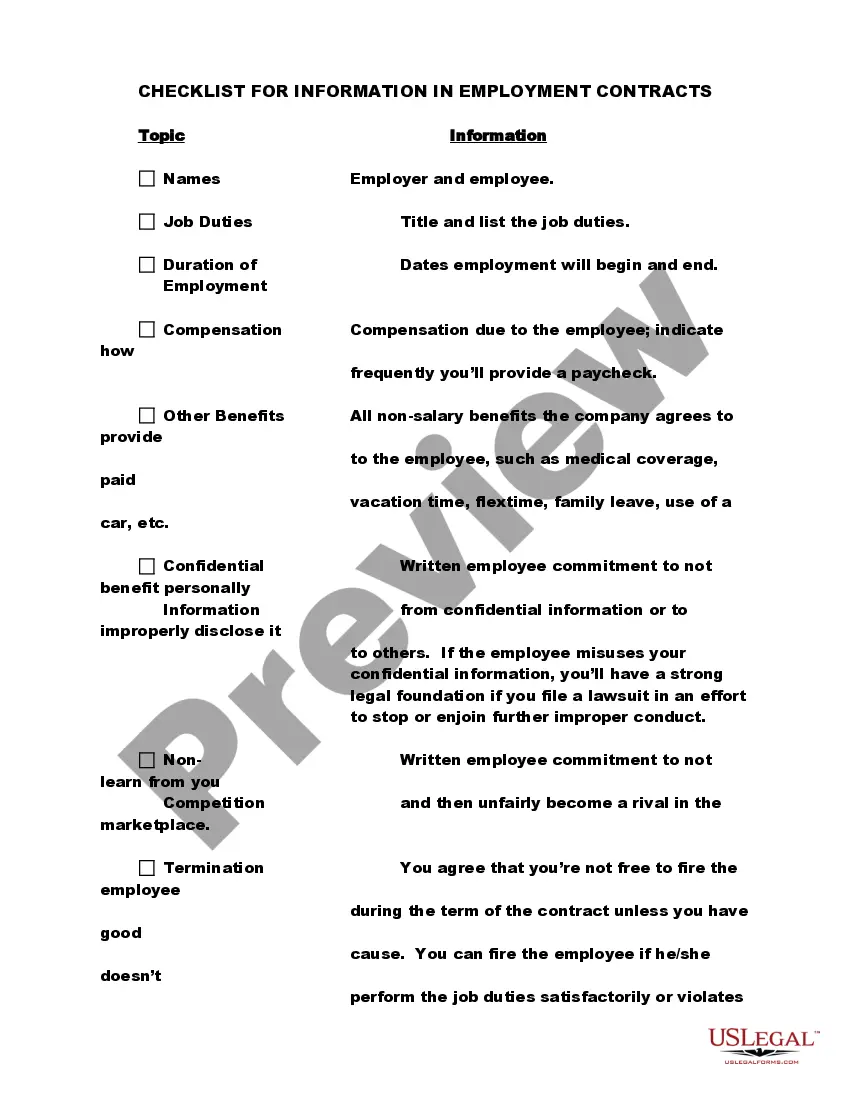
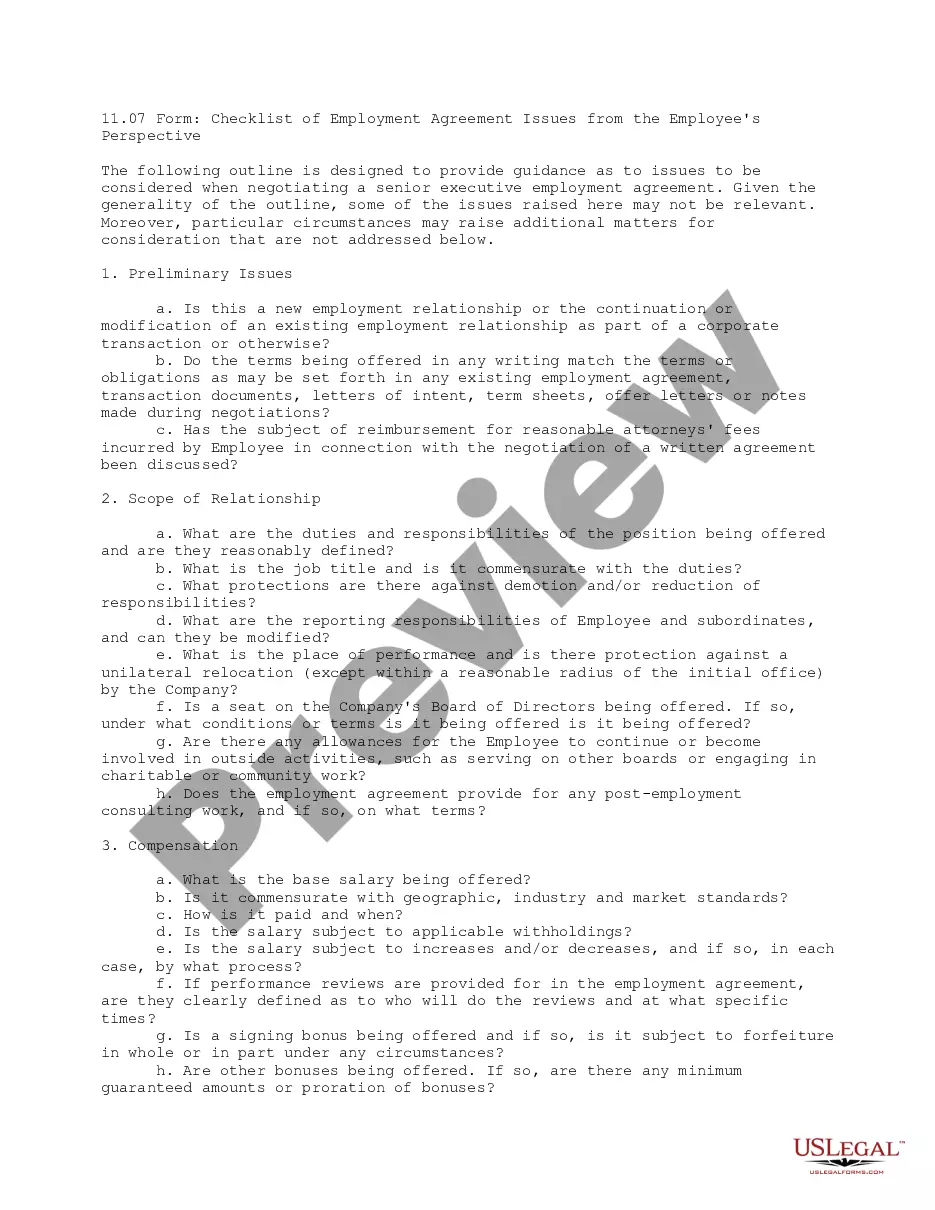
This Checklist - Employment Agreements is a guide that helps employers and employees create a clear and enforceable employment agreement. It outlines essential elements and considerations necessary for drafting a comprehensive contract, distinct from generic templates. This checklist aids in ensuring all important topics are covered, helping prevent misunderstandings in the employer-employee relationship.
Main sections of this form
- Identification of parties: Specifies the names and roles of the employer and employee.
- Term of agreement: Defines the duration of the employment.
- Duties of employee: Outlines expected responsibilities and hours of work.
- Compensation: Details on wages, bonuses, and benefits.
- Termination of employment: Conditions under which employment may be ended.
- Signatures: Ensures both parties agree to the terms.
When this form is needed
This checklist is beneficial when drafting an employment agreement, whether for a new hire or revising an existing contract. Employers can use it to ensure compliance with legal standards and to create a clear, mutual understanding of job expectations. It's particularly useful in scenarios involving specialized roles or when offering unique benefits that require detailed documentation.
Who needs this form
- Employers seeking to formalize employment relationships.
- Business owners hiring employees or contractors for the first time.
- Human resources professionals drafting or reviewing employment contracts.
- Employees who want to understand their rights and responsibilities under an employment agreement.
How to prepare this document
- Identify the parties: Clearly state the names of the employer and employee.
- Define the term of agreement: Specify the duration for which the contract is valid.
- Outline the duties: Describe the job responsibilities and expected working hours.
- Detail compensation: Enter all payment terms, including salary, bonuses, and benefits.
- Include termination conditions: Specify how either party can terminate the agreement.
- Gather signatures: Ensure both parties sign and date the agreement to make it enforceable.
Is notarization required?
In most cases, this form does not require notarization. However, some jurisdictions or signing circumstances might. US Legal Forms offers online notarization powered by Notarize, accessible 24/7 for a quick, remote process.
Get your form ready online
Our built-in tools help you complete, sign, share, and store your documents in one place.
Make edits, fill in missing information, and update formatting in US Legal Forms—just like you would in MS Word.
Download a copy, print it, send it by email, or mail it via USPS—whatever works best for your next step.
Sign and collect signatures with our SignNow integration. Send to multiple recipients, set reminders, and more. Go Premium to unlock E-Sign.
If this form requires notarization, complete it online through a secure video call—no need to meet a notary in person or wait for an appointment.
We protect your documents and personal data by following strict security and privacy standards.

Make edits, fill in missing information, and update formatting in US Legal Forms—just like you would in MS Word.

Download a copy, print it, send it by email, or mail it via USPS—whatever works best for your next step.

Sign and collect signatures with our SignNow integration. Send to multiple recipients, set reminders, and more. Go Premium to unlock E-Sign.

If this form requires notarization, complete it online through a secure video call—no need to meet a notary in person or wait for an appointment.

We protect your documents and personal data by following strict security and privacy standards.
Typical mistakes to avoid
- Neglecting to specify the term of the agreement.
- Failing to outline employee duties clearly.
- Not addressing compensation structures comprehensively.
- Overlooking termination clauses and notice requirements.
- Inadequate signatures or missing dates can invalidate the agreement.
Advantages of online completion
- Convenience of downloading and customizing forms at any time.
- Access to templates created by licensed attorneys for reliability.
- Ability to edit forms to suit individual needs without legal jargon.
- Quick updates to agreements as circumstances change.
Legal use & context
- Employment agreements are legally enforceable based on mutual consent.
- Each state may have different regulations and requirements for enforcement.
- Failure to include essential clauses may render the agreement unenforceable in disputes.
Quick recap
- Using a checklist ensures all critical elements of an employment agreement are included.
- Clear agreements help prevent potential conflicts between employers and employees.
- Understanding local laws is crucial when drafting legally binding employment contracts.
Looking for another form?


Form popularity
FAQ
It should include the annual salary or hourly rate, information about raises, bonuses, or incentives and how these may be obtained. Explain what the benefits plan includes medical, dental, eye care, etc. what percent the employer pays, and what percent the employee pays.
Names and address of all parties involved. Description of business. Clearly defined job position and role. Company specific requirements and/or protections. Length of job and duration of schedule/work hours. Pay, compensation, & benefits.
The nature and description of the job. As an employee you will be required to provide your services to the employer. Remuneration and benefits. Duration. Leave. Termination.
Understand what a contract is and what it is not. Don't forget to pay attention to the details. Count your hours. Consider the entire compensation package. Define the mileposts. Plan for the bad times.
There are three types of employment contracts: permanent employment contracts, fixed-term employment contracts and casual employment contracts. A permanent employment contract is for employees who are paid a salary or hourly rate and who work regular hours.
Title the employment contract. Identify the parties. List the term and conditions. Outline the job responsibilities. Include compensation details. Use specific contract terms. Consult with an employment lawyer. Employment.
Job title and description. Salary, benefits and bonuses. Hours and location of work. Holidays, sick leave and death in service. Restrictive clauses and covenants.
Names and addresses. It's important that it is very clear who the parties are that the agreement is between. Job title. You don't want to include too much information about the actual role itself. Salary. Location. Hours of work. Benefits. Disciplinary and grievance procedures.