Not at all! A written warning is a step before termination. It’s more of a red flag saying, 'You’re in hot water, but there’s still a chance to swim to safety.'
After receiving a written warning, it’s best for the employee to take it seriously, improve their performance, and keep an open line of communication with their manager. It's time to turn the ship around!
Typically, a written warning may stay on an employee's record for a specific period, often around six months to a year. Think of it as a temporary scar that hopefully fades with good behavior.
Absolutely! Employees have the right to respond, whether it’s to clarify their side of the story or express their disagreement. It’s like saying, 'I hear you, but let me explain my side.'
Common reasons include repeated tardiness, poor job performance, not following company policies, or inappropriate behavior. It's a chance to right the ship before it sails too far off course.
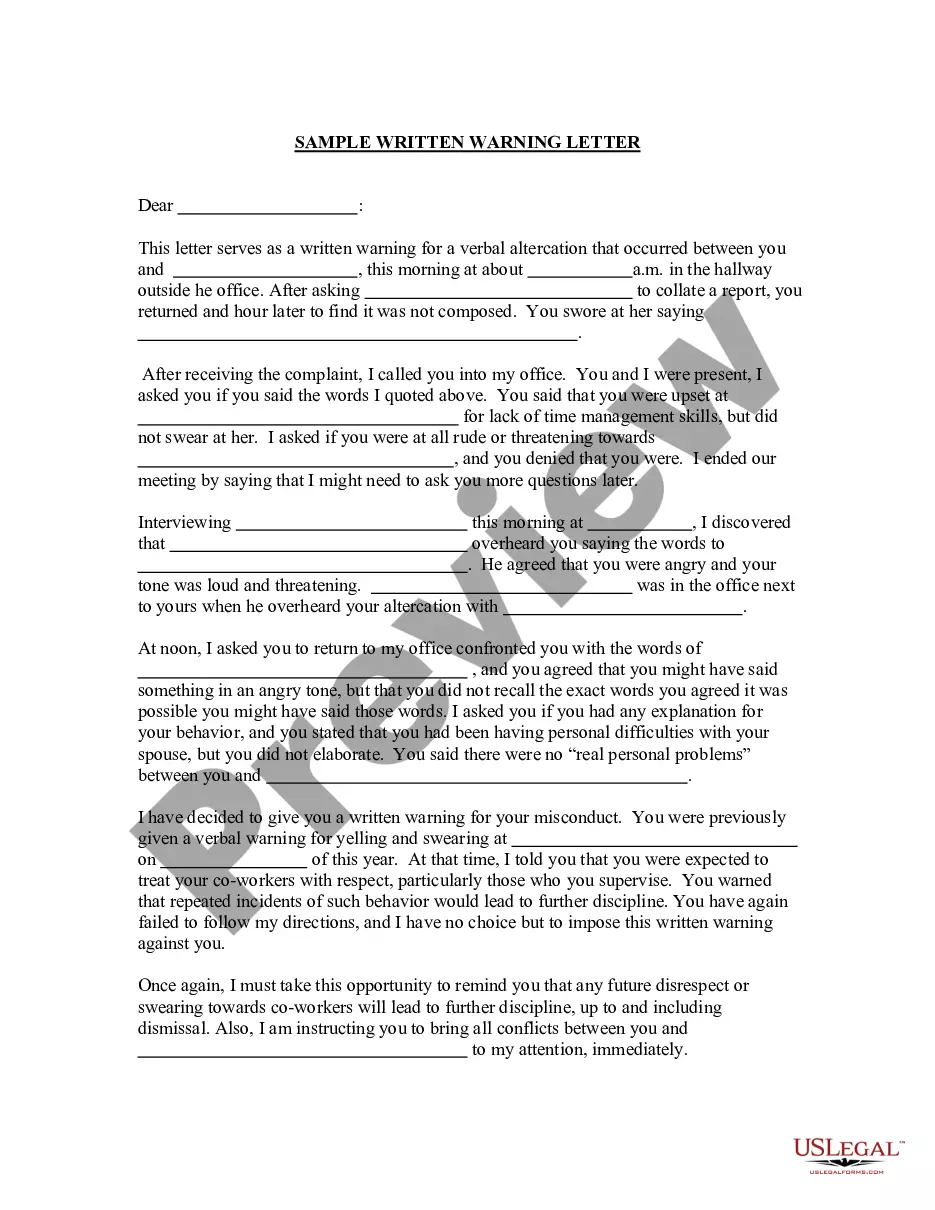
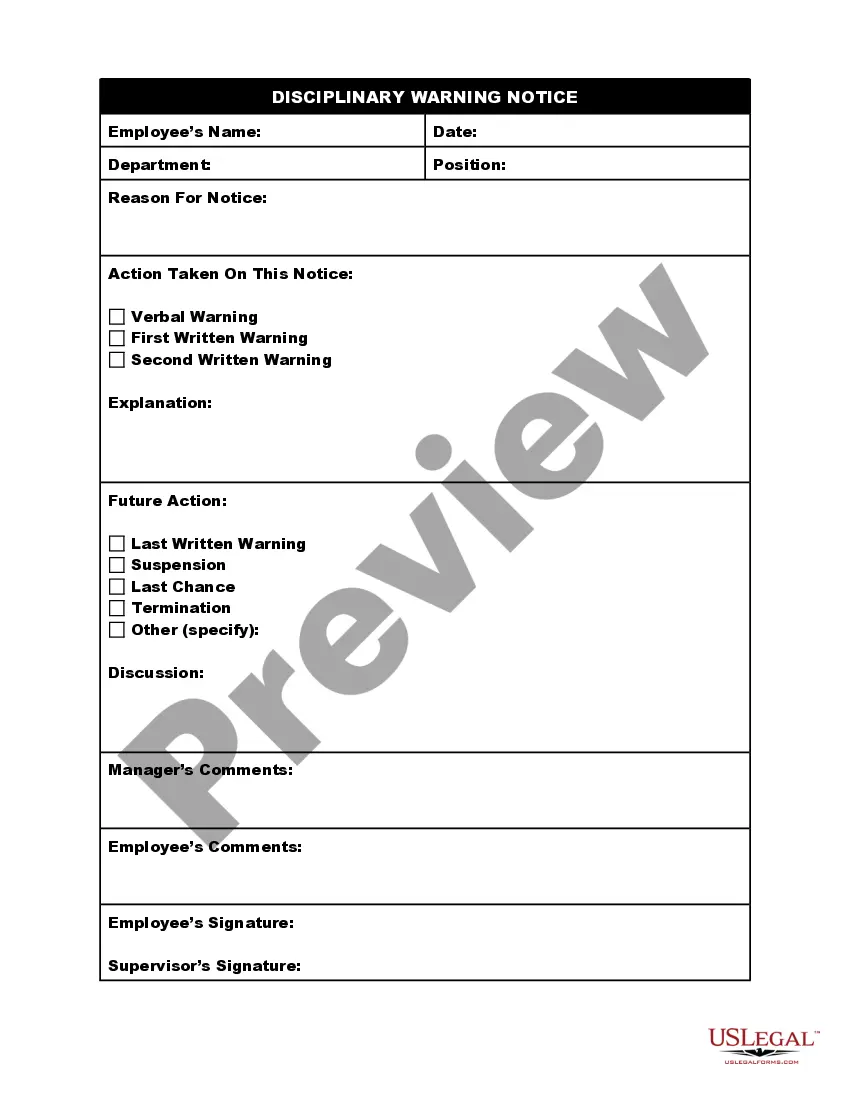
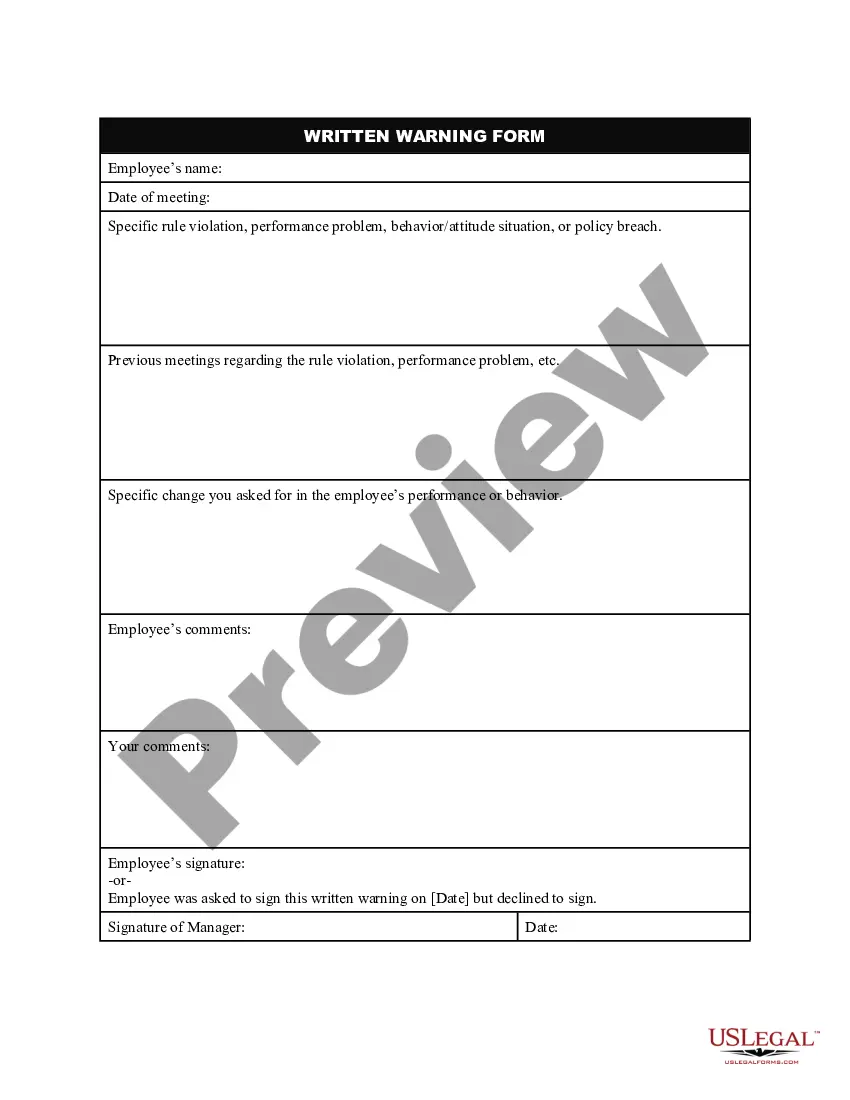
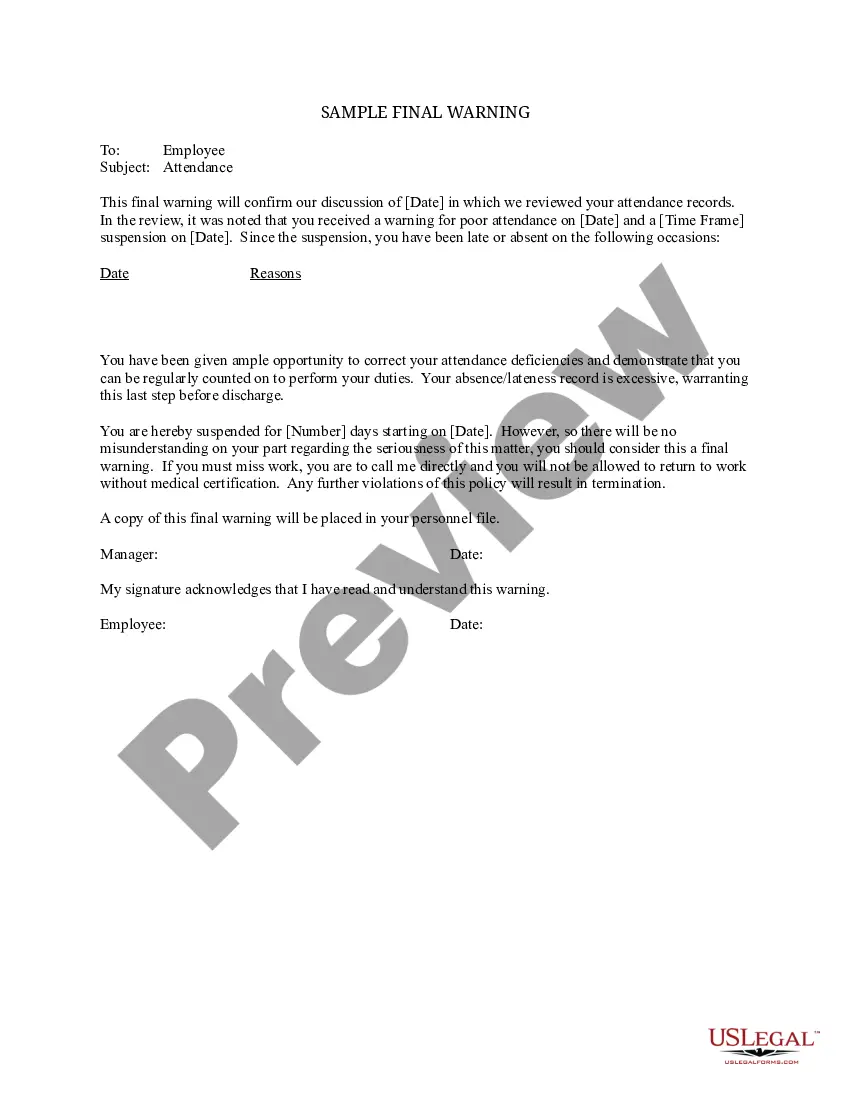
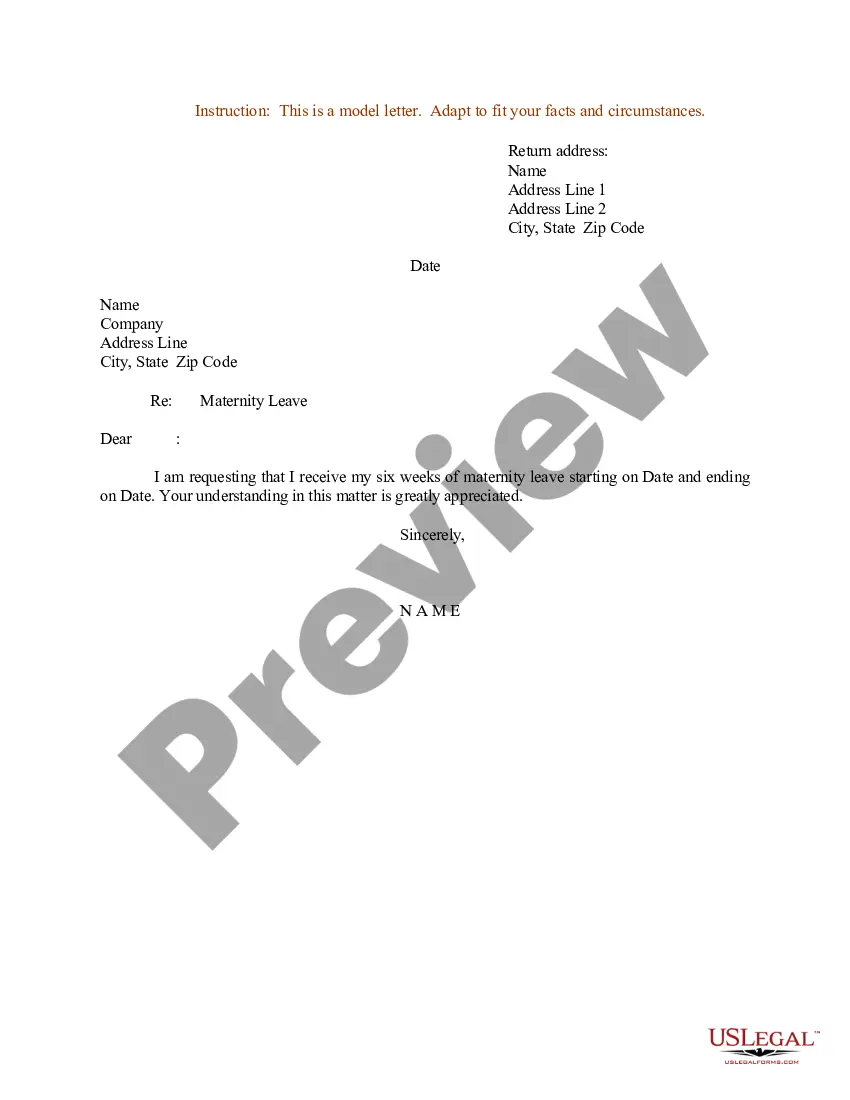
A good written warning letter should start with a clear statement of the issue, provide specifics about what went wrong, outline the expected behavior going forward, and mention any potential consequences if things don’t change.
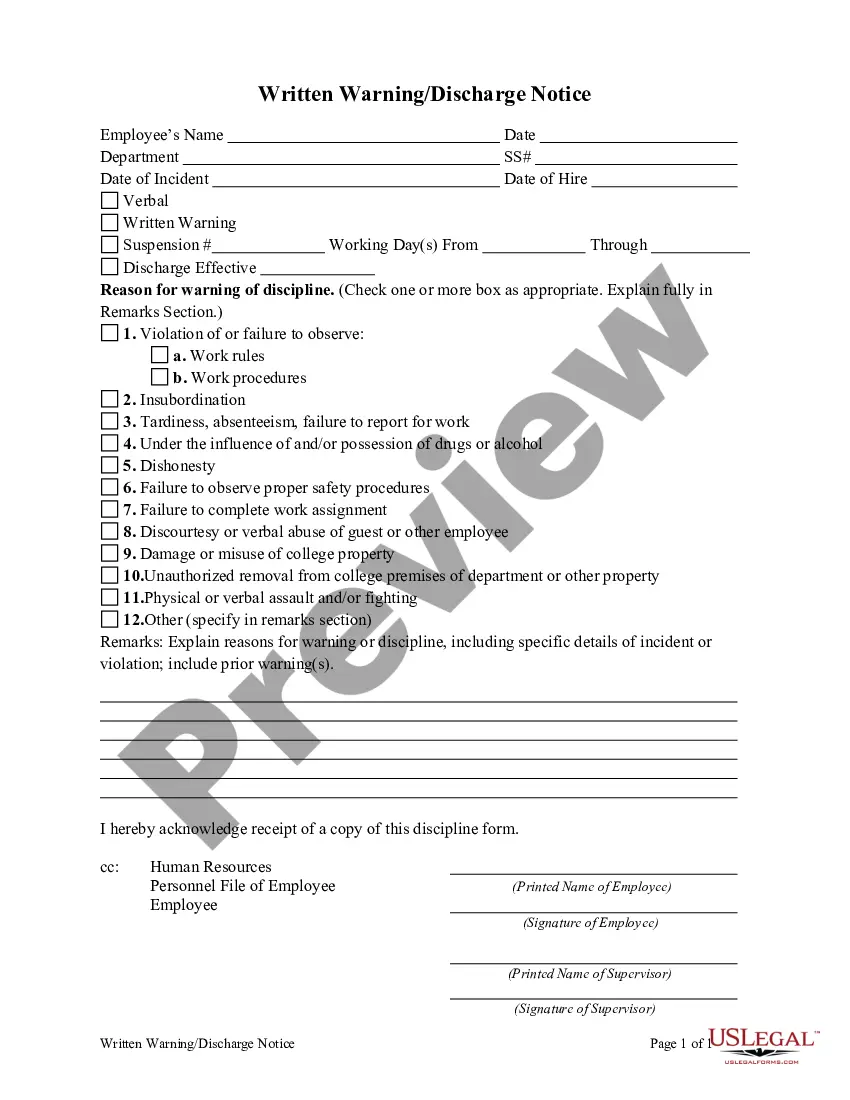
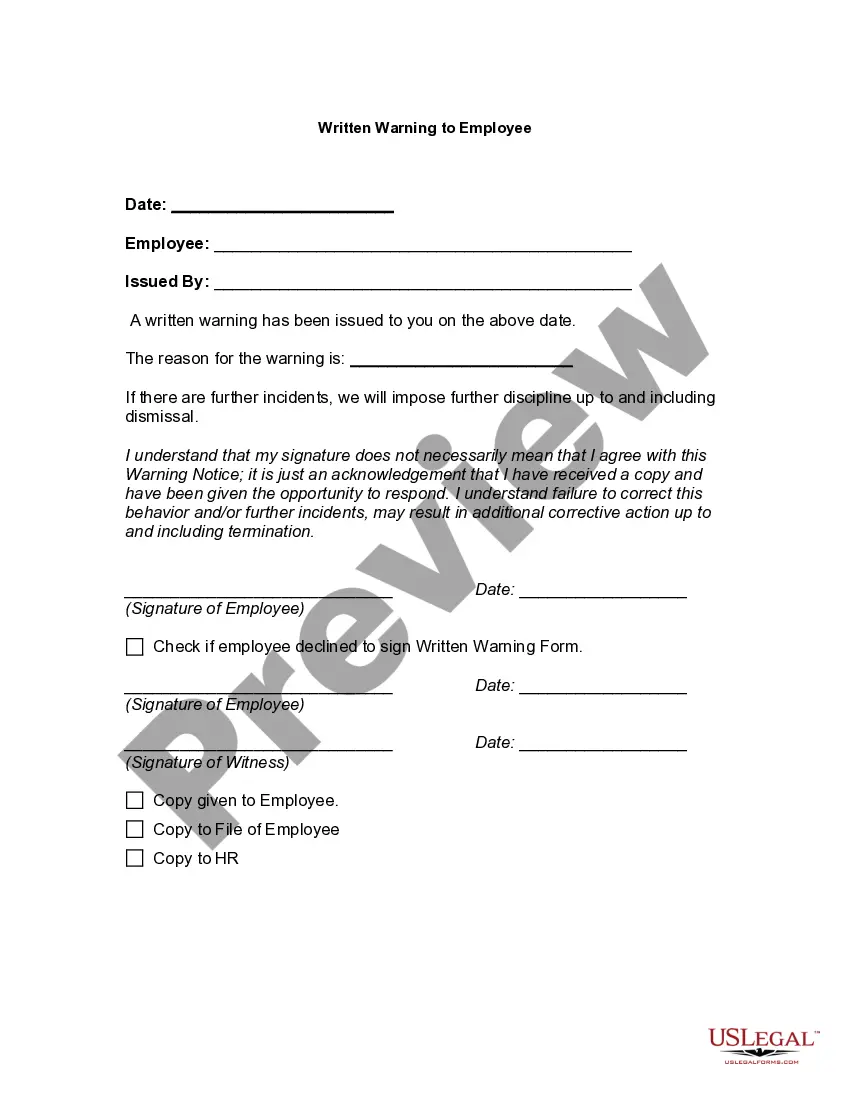
A written warning letter is a formal notice from an employer to an employee that addresses some form of misconduct or poor performance. It's basically a way to say, 'Hey, we need to talk about your behavior.'