Queens New York Grantor Retained Annuity Trust
Description
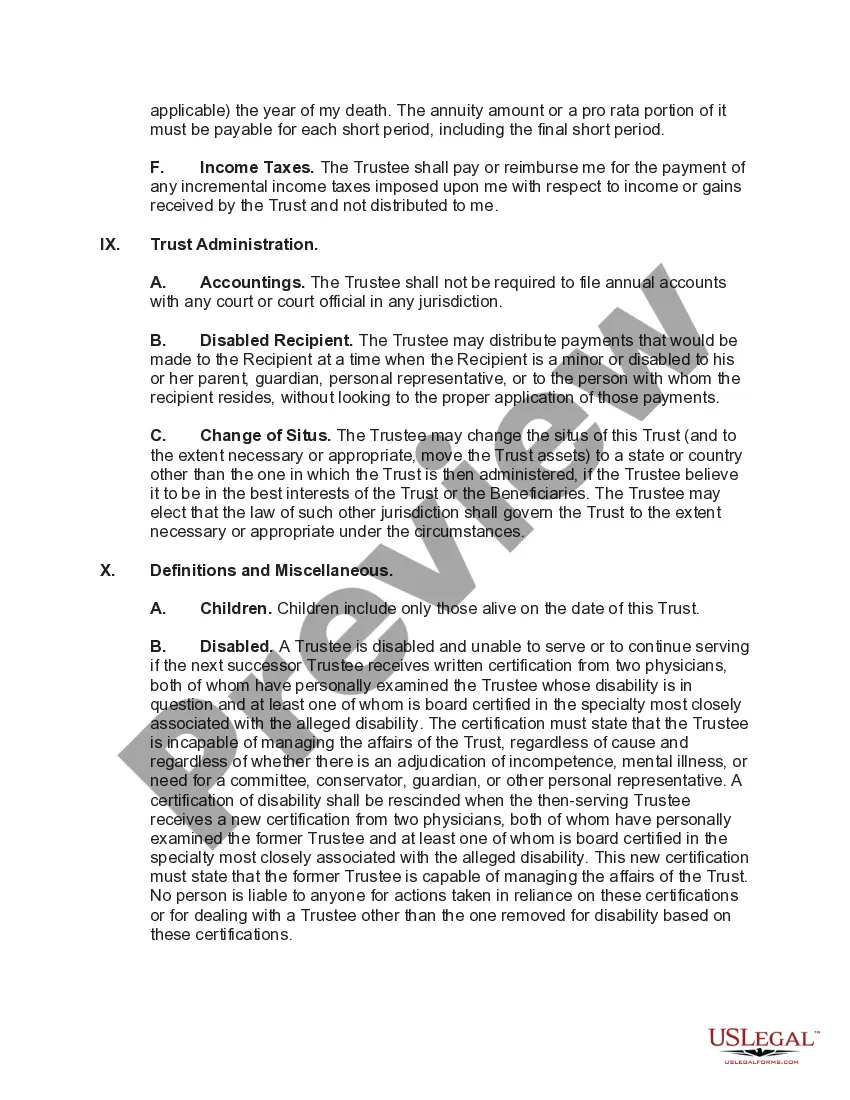
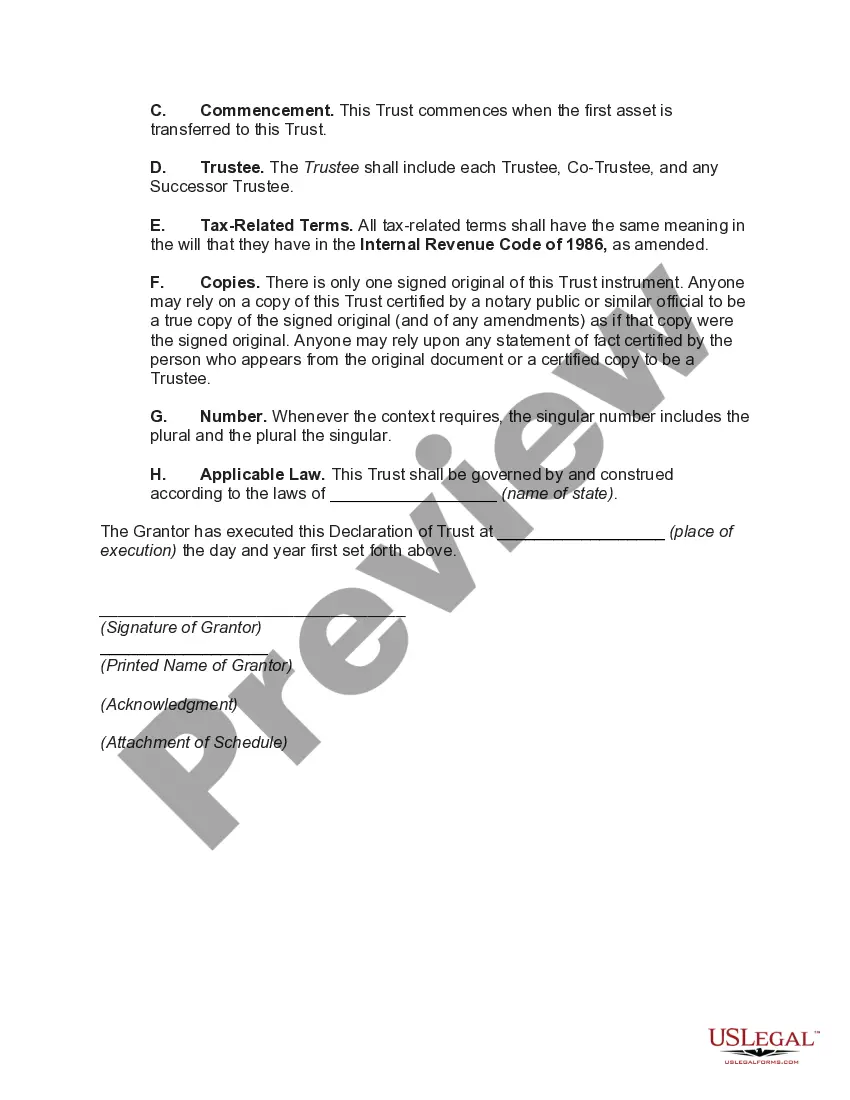
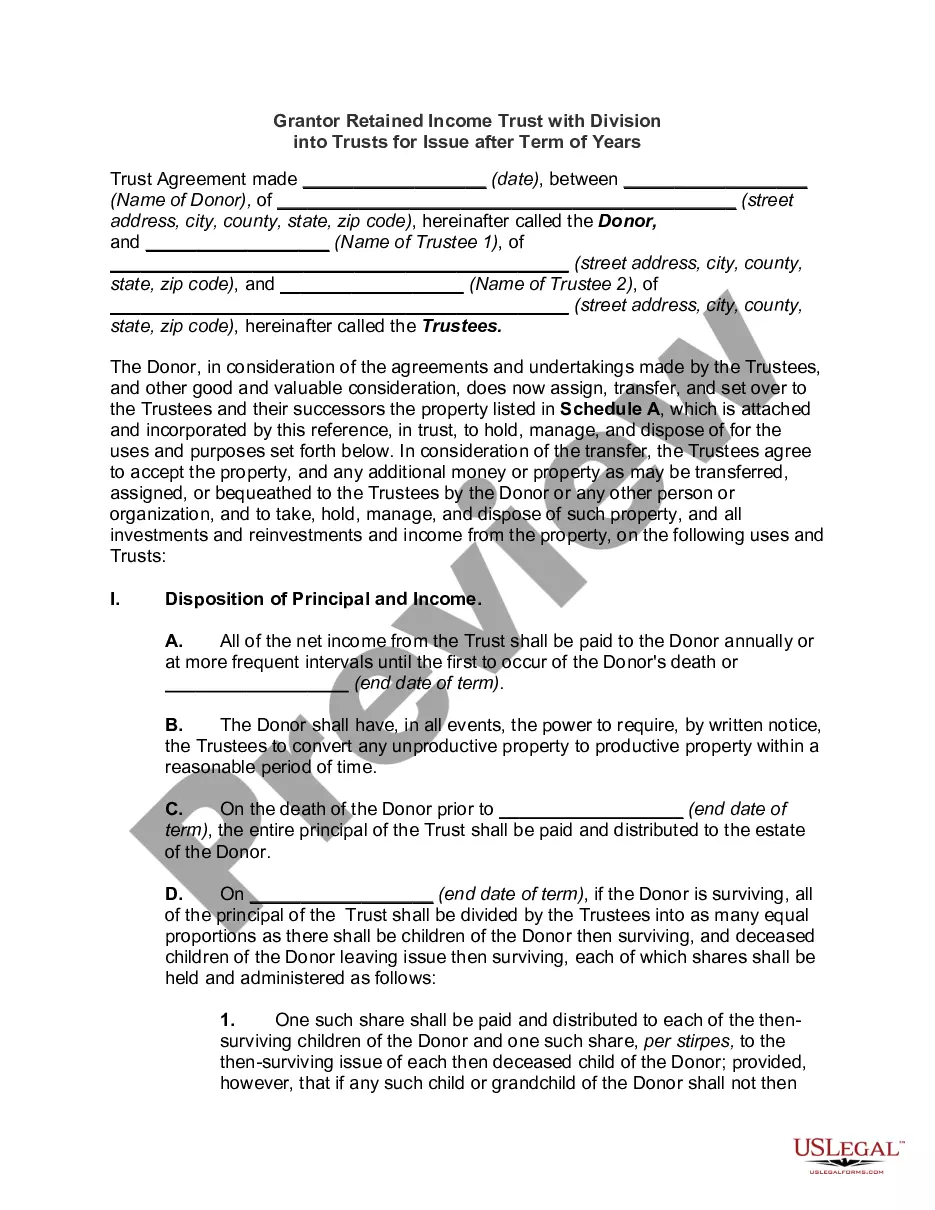
Get your form ready online
Our built-in tools help you complete, sign, share, and store your documents in one place.
Make edits, fill in missing information, and update formatting in US Legal Forms—just like you would in MS Word.
Download a copy, print it, send it by email, or mail it via USPS—whatever works best for your next step.
Sign and collect signatures with our SignNow integration. Send to multiple recipients, set reminders, and more. Go Premium to unlock E-Sign.
If this form requires notarization, complete it online through a secure video call—no need to meet a notary in person or wait for an appointment.
We protect your documents and personal data by following strict security and privacy standards.

Make edits, fill in missing information, and update formatting in US Legal Forms—just like you would in MS Word.

Download a copy, print it, send it by email, or mail it via USPS—whatever works best for your next step.

Sign and collect signatures with our SignNow integration. Send to multiple recipients, set reminders, and more. Go Premium to unlock E-Sign.

If this form requires notarization, complete it online through a secure video call—no need to meet a notary in person or wait for an appointment.

We protect your documents and personal data by following strict security and privacy standards.
Looking for another form?
How to fill out Grantor Retained Annuity Trust?
Laws and statutes in each domain differ from one jurisdiction to another.
If you are not a lawyer, it is simple to become confused by a multitude of standards when it comes to composing legal documents.
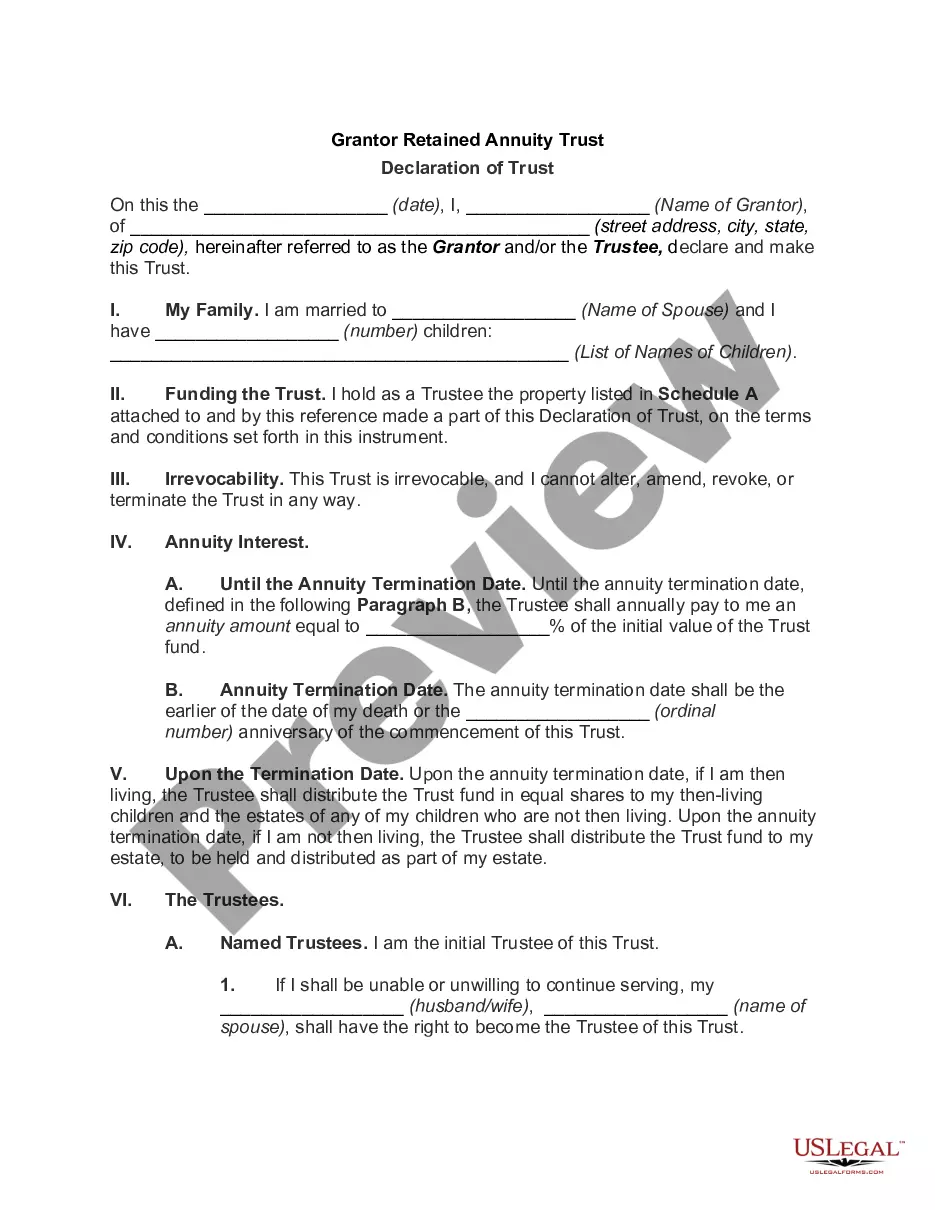
To prevent expensive legal help while preparing the Queens Grantor Retained Annuity Trust, you require a verified template that is applicable in your area.
This is the simplest and most cost-effective way to obtain current templates for any legal purposes. Find everything with just a few clicks and keep your documents organized with US Legal Forms!
- Examine the content of the page to confirm you have located the correct sample.
- Utilize the Preview feature or review the form description if available.
- Search for another document if there are discrepancies with any of your requirements.
- Use the Buy Now button to acquire the template once you identify the right one.
- Choose one of the subscription plans and Log In or create an account.
- Select how you would like to pay for your subscription (using a credit card or PayPal).
- Choose the format you want to save the document in and click Download.
- Complete and sign the template on paper after printing it or finalize it all electronically.
Form popularity
FAQ
And, with a GRAT or GRUT, you receive an income, instead of continuing to live in your home, for a set number of years. When you set up a GRAT or GRUT, you transfer an income-producing asset (like a family business, stocks or real estate) into an irrevocable trust for a set number of years.
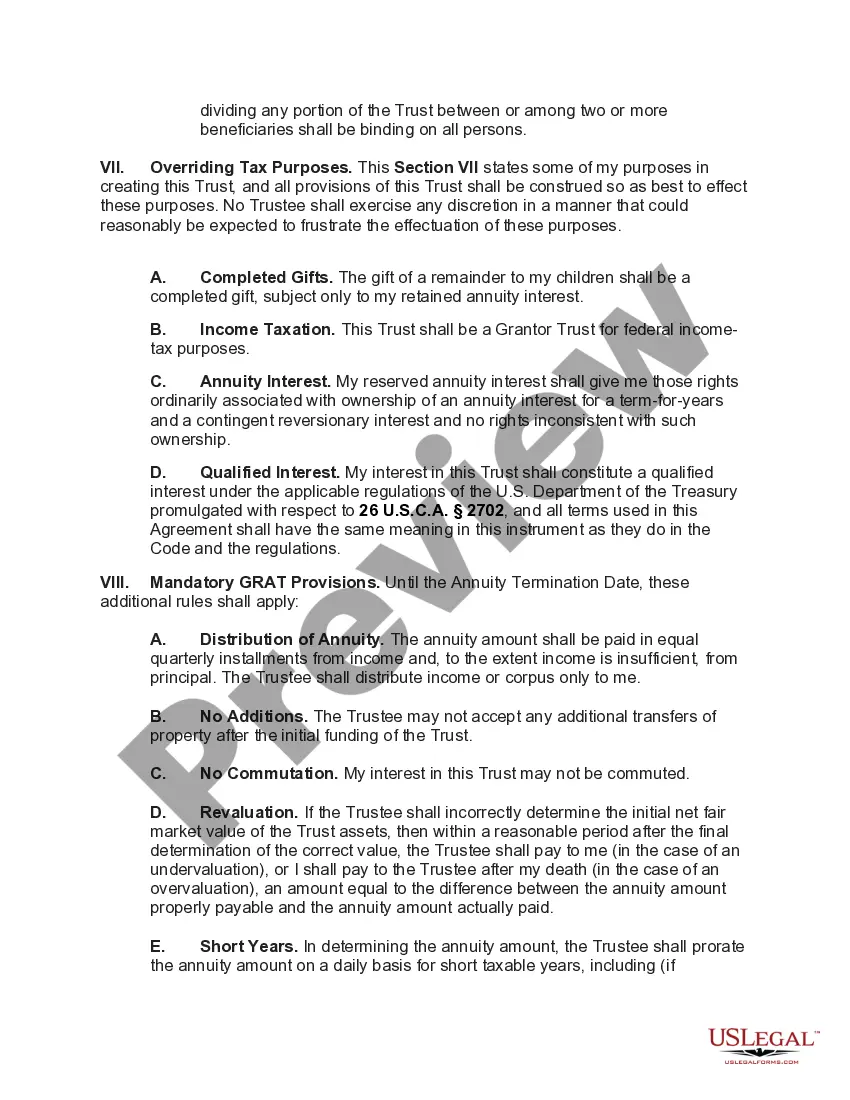
out GRAT allows the grantor to transfer any appreciation in excess of the Sec. 7520 rate without using any of the grantor's lifetime exemption. If the assets fail to appreciate at the Sec. 7520 rate, the only cost to the grantor will have been the legal and administrative costs of setting up the GRAT.
Key Takeaways. Grantor retained annuity trusts (GRATs) are estate planning instruments in which a grantor locks assets in a trust from which they earn annual income. Upon expiry, the beneficiary receives the assets with minimal or no gift tax liability. GRATs are used by wealthy individuals to minimize tax liabilities.
JL: The term of the GRAT is chosen by the grantor when the GRAT is first created. The minimum duration for a GRAT is two years, and that is a very popular choice for many clients. But longer GRATs are also common, and some clients decide to establish GRATs that last 3, 5 or 10 years.
How Are GRATs Taxed? GRATs are taxed in two ways: Any income you earn from the appreciation of your assets in the trust is subject to regular income tax, and any remaining funds/assets that transfer to a beneficiary are subject to gift taxes.
GRATs are taxed in two ways: Any income you earn from the appreciation of your assets in the trust is subject to regular income tax, and any remaining funds/assets that transfer to a beneficiary are subject to gift taxes.
How long do bypass grafts last? People tend to do very well after heart bypass and most get a good 15 years before needing another intervention, which at that point would almost always be having a stent inserted.
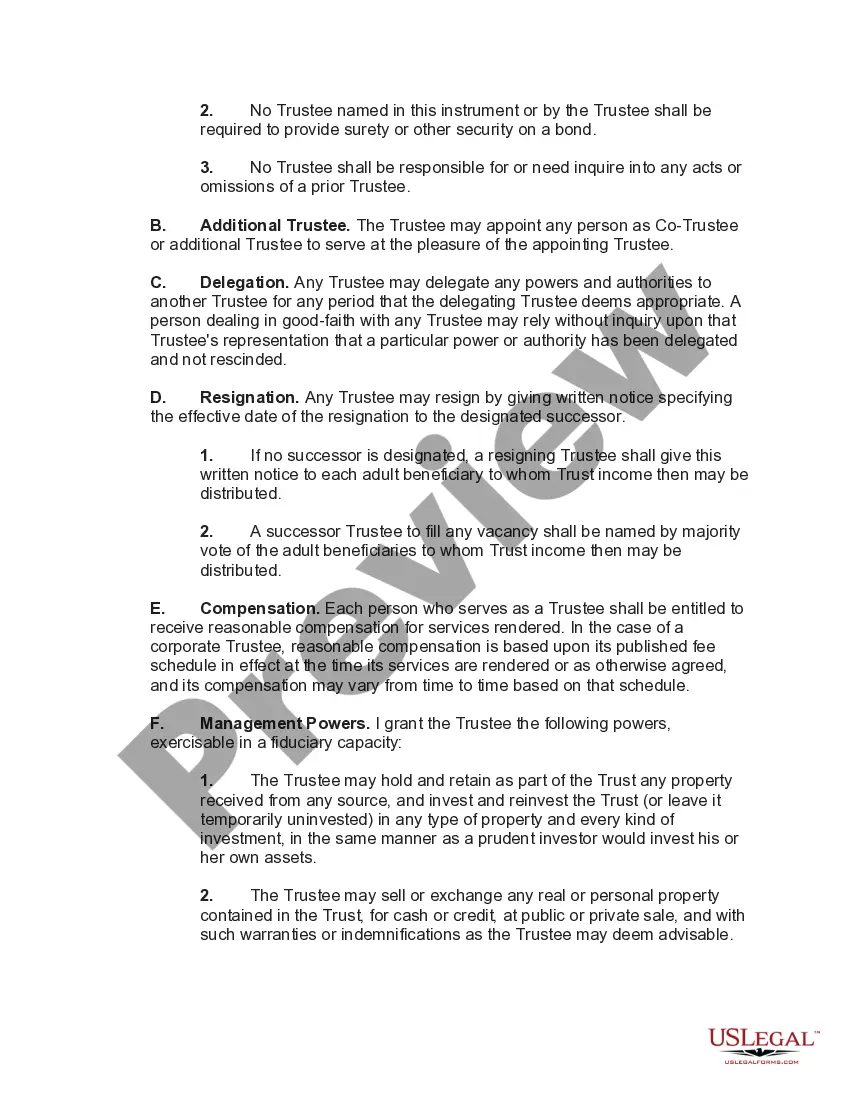
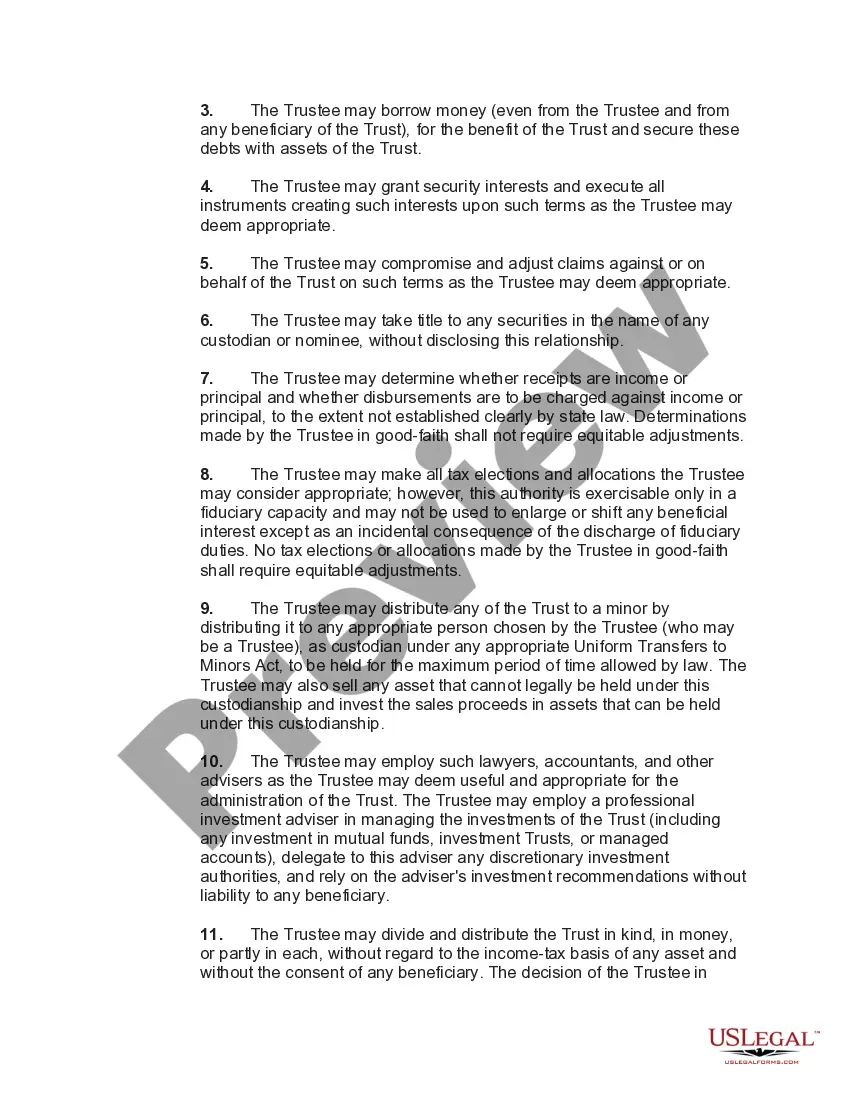
A GRAT is an irrevocable trust that allows the trust's creator known as the grantor to direct certain assets into a temporary trust and freeze its value, removing additional appreciation from the grantor's estate and giving it to heirs with minimal estate or gift tax liability.
The annuity amount is paid to the grantor during the term of the GRAT, and any property remaining in the trust at the end of the GRAT term passes to the beneficiaries with no further gift tax consequences.