Arlington Texas Convertible Note Agreement
Description



Form popularity
FAQ
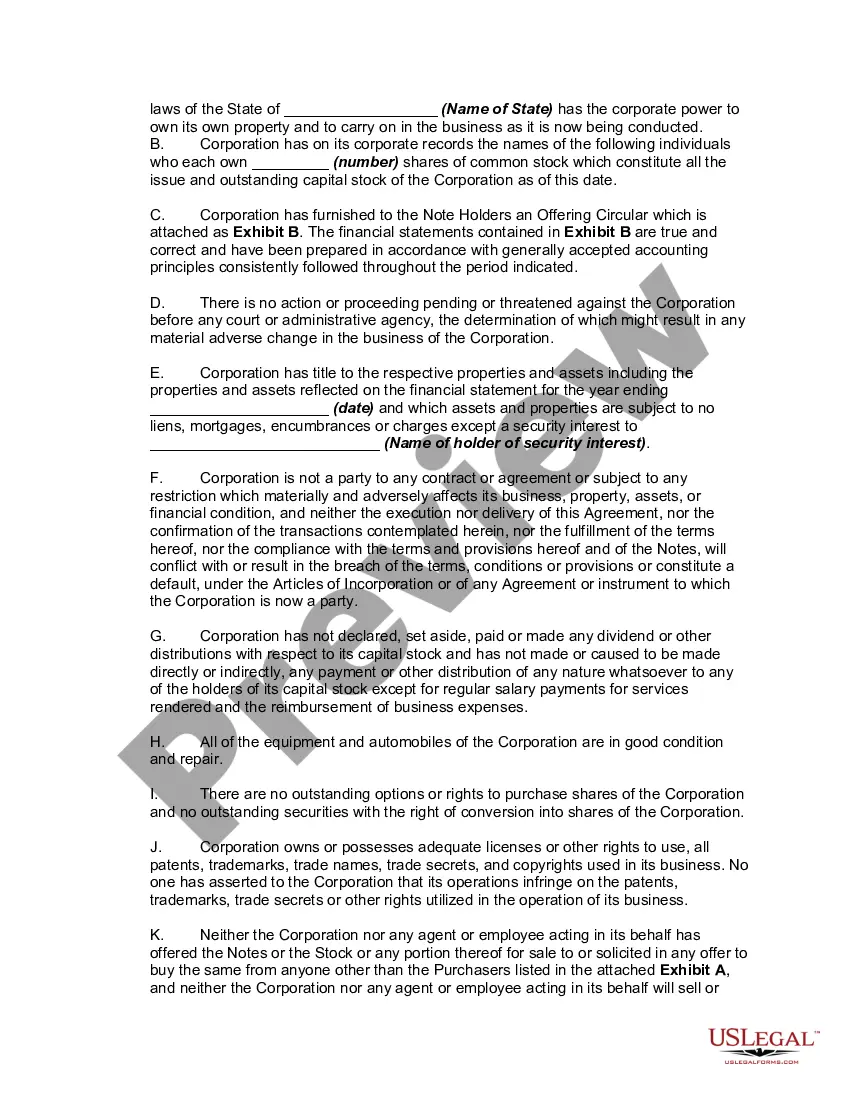
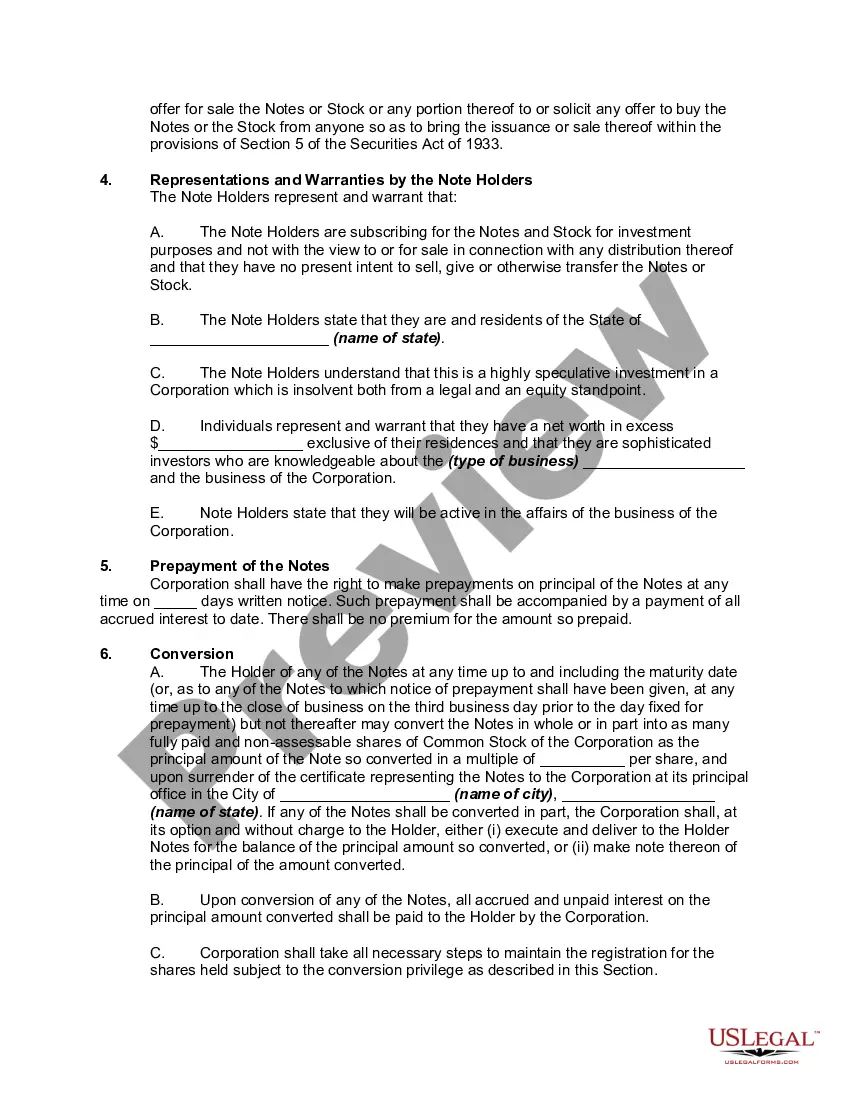
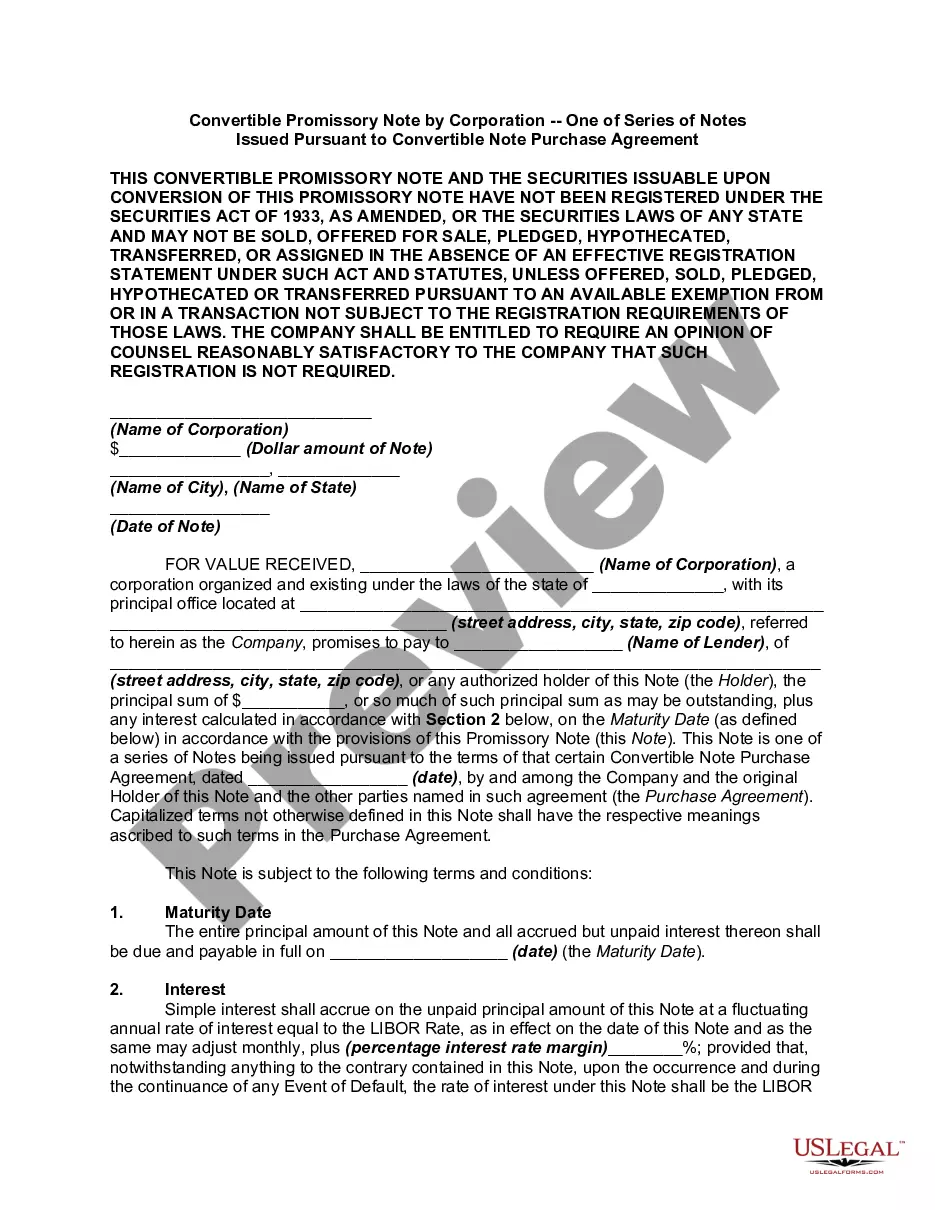
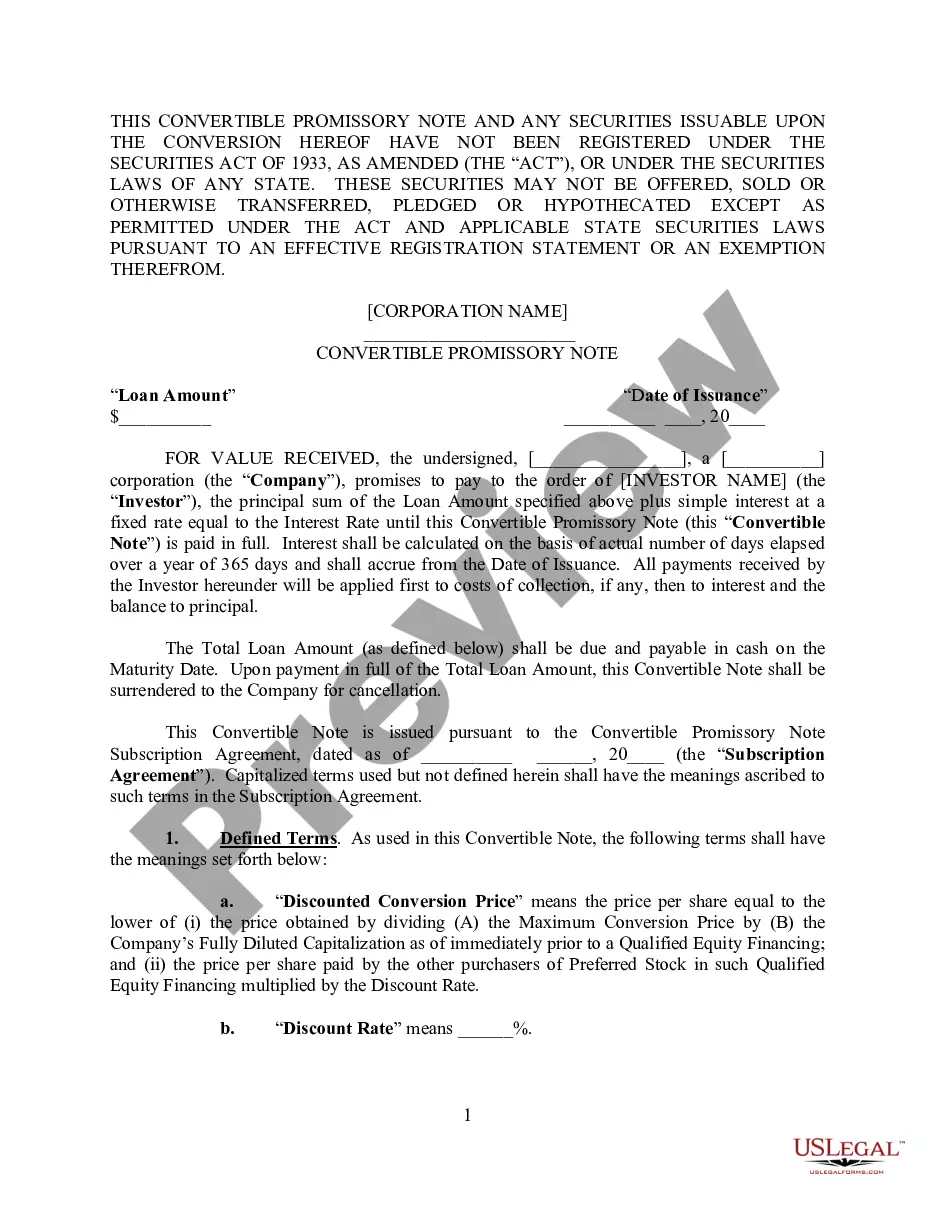
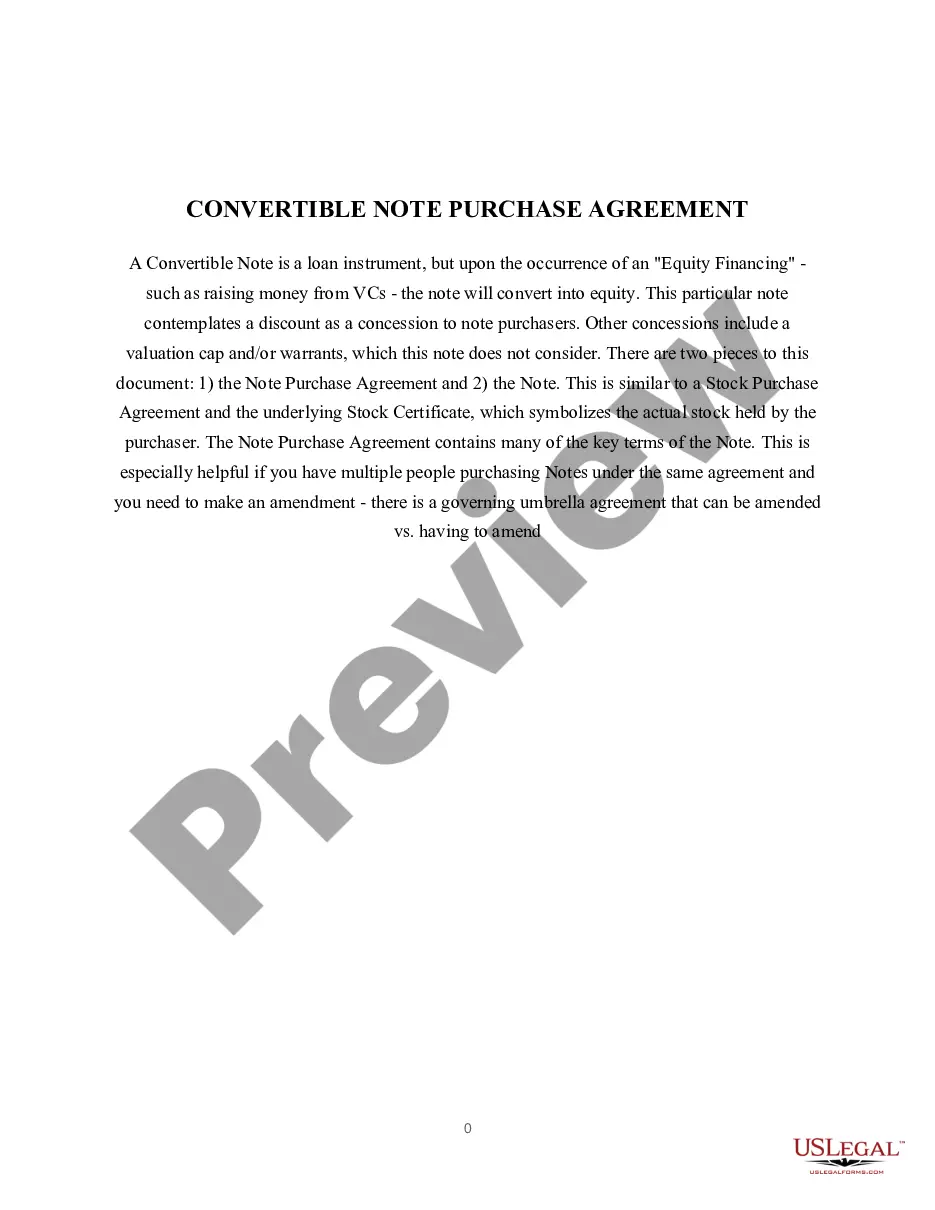
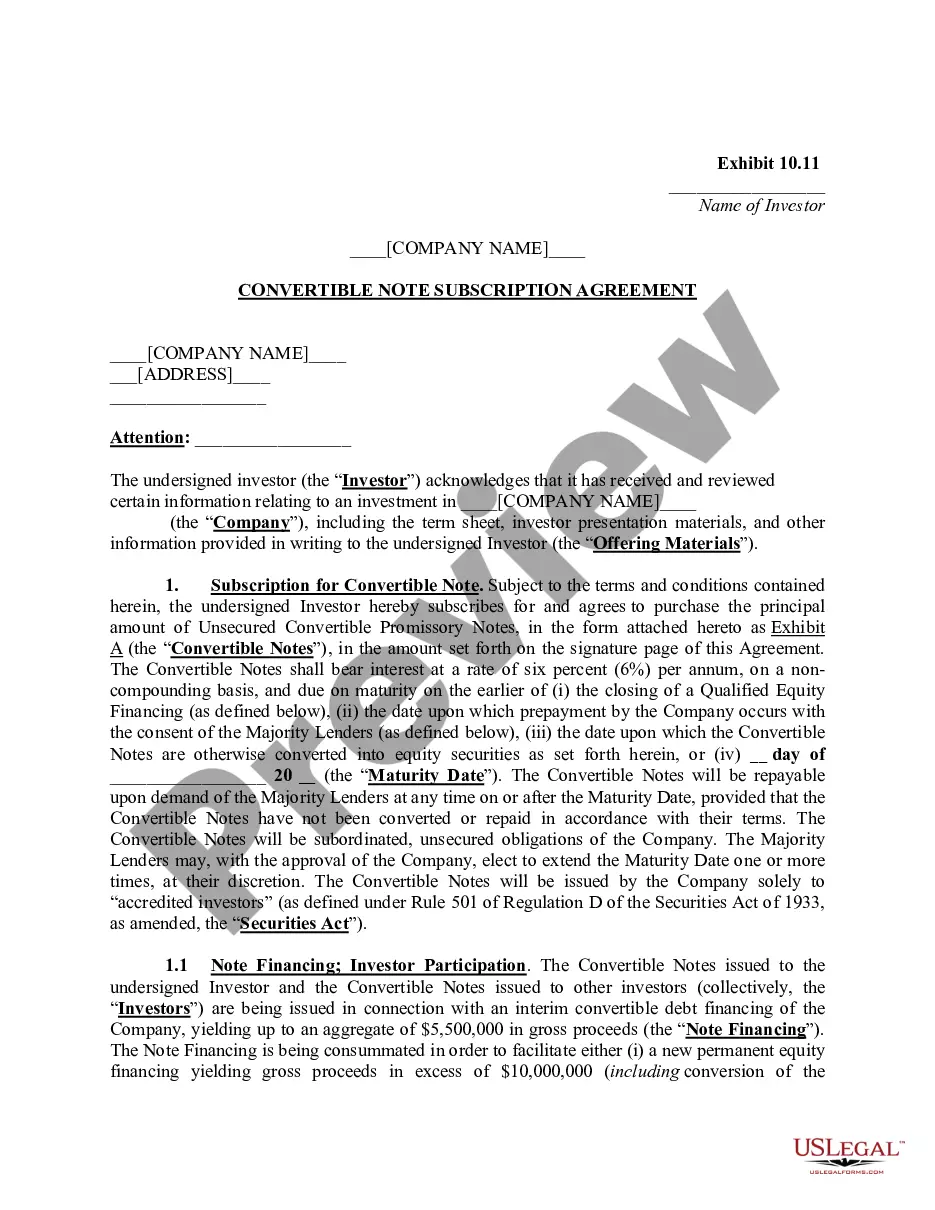
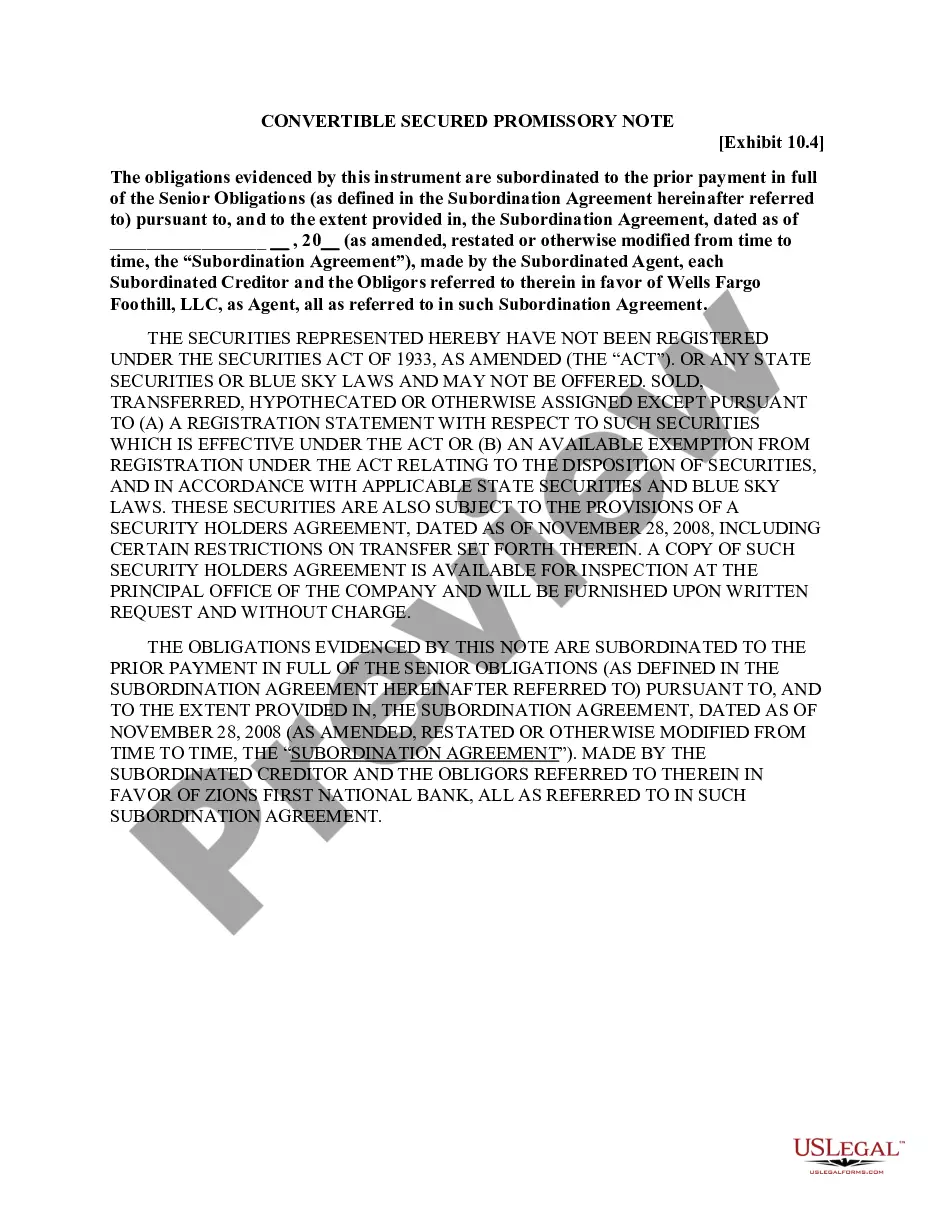
Typically, startups and early-stage companies can issue a convertible note to raise funds. This instrument attracts investors looking for potential equity stakes in exchange for their investment. If you are considering an Arlington Texas Convertible Note Agreement, you should consult legal experts to ensure compliance and maximize your funding potential.
While a convertible note can offer flexibility, it also has some disadvantages. For instance, it can lead to uncertainty regarding ownership dilution, as the conversion terms may not be clear initially. Additionally, if a startup does not reach its next funding round, the repayment terms could impose financial pressure. Thus, evaluating the Arlington Texas Convertible Note Agreement carefully is essential.
When a company repurchases convertible notes, it means that the company is buying back its outstanding debt securities from investors. This action can indicate financial strength and a desire to reduce debt obligations. Understanding the implications of such a move is essential when dealing with an Arlington Texas Convertible Note Agreement, as it can impact investor confidence and future financing options.
Whether a convertible note is good or bad depends on the context of the investment. For companies, it can be an advantageous way to secure funding without immediate valuation pressure. For investors, an Arlington Texas Convertible Note Agreement offers potential upside through equity conversion, but it also carries risks, such as the possibility of the company failing before the note converts.
Convertible senior notes are typically purchased by institutional investors, such as hedge funds or mutual funds, as well as accredited individual investors. These investors seek the potential upside of equity exposure while also enjoying the security features of debt. With an Arlington Texas Convertible Note Agreement, these investors can strategically position themselves in a growing company while managing risk effectively.
Companies often offer convertible notes as a way to raise capital while delaying valuation discussions. This financial instrument allows investors to convert their investment into equity at a later date, usually during a subsequent funding round. By using an Arlington Texas Convertible Note Agreement, companies can attract investment without immediate equity dilution, making it an appealing option for both startups and established businesses.
The issuance of Non-Convertible Debentures (NCD) starts with drafting the terms of the debenture, including interest rates and maturity periods. Following this, the company must obtain necessary approvals from its board and possibly from shareholders. Understanding this process is important when structuring an Arlington Texas Convertible Note Agreement, as it may include similar terms.
Filing Form 424 with the Secretary of State in Texas involves completing the form with the required information about your company and its securities. After ensuring all information is accurate, you must submit the form along with any required fees. This filing is crucial for compliance when creating an Arlington Texas Convertible Note Agreement.
Issuing convertible debentures requires a company to prepare a detailed prospectus and terms of the debenture, including conversion rights. After these documents are finalized, the company must seek approval from its board and, if necessary, from existing shareholders. This process is similar to an Arlington Texas Convertible Note Agreement, where clear terms are essential.
The issuance of a convertible note starts with drafting the note itself, which details the investment amount, interest rate, and conversion terms. Once the terms are agreed upon, both the investor and the issuer sign the agreement. This process is vital for startups looking to secure funding through an Arlington Texas Convertible Note Agreement.