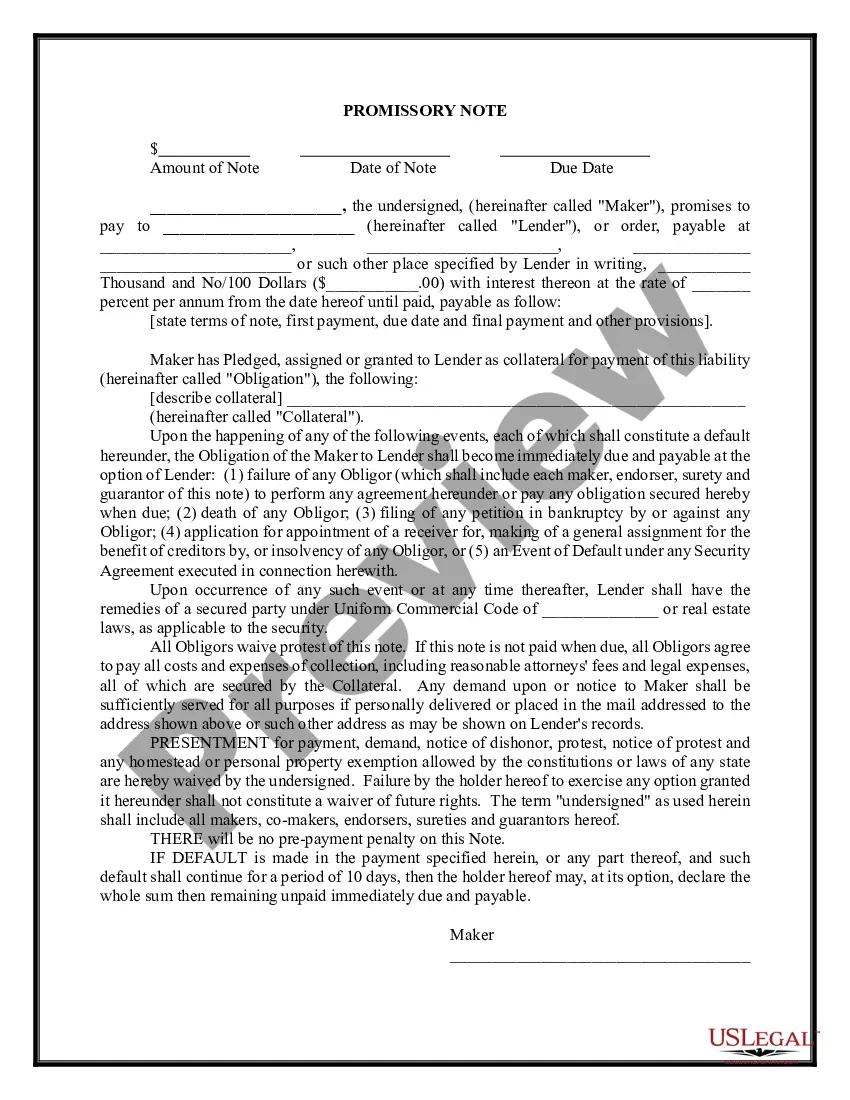
This form is a generic example that may be referred to when preparing such a form for your particular state. It is for illustrative purposes only. Local laws should be consulted to determine any specific requirements for such a form in a particular jurisdiction.
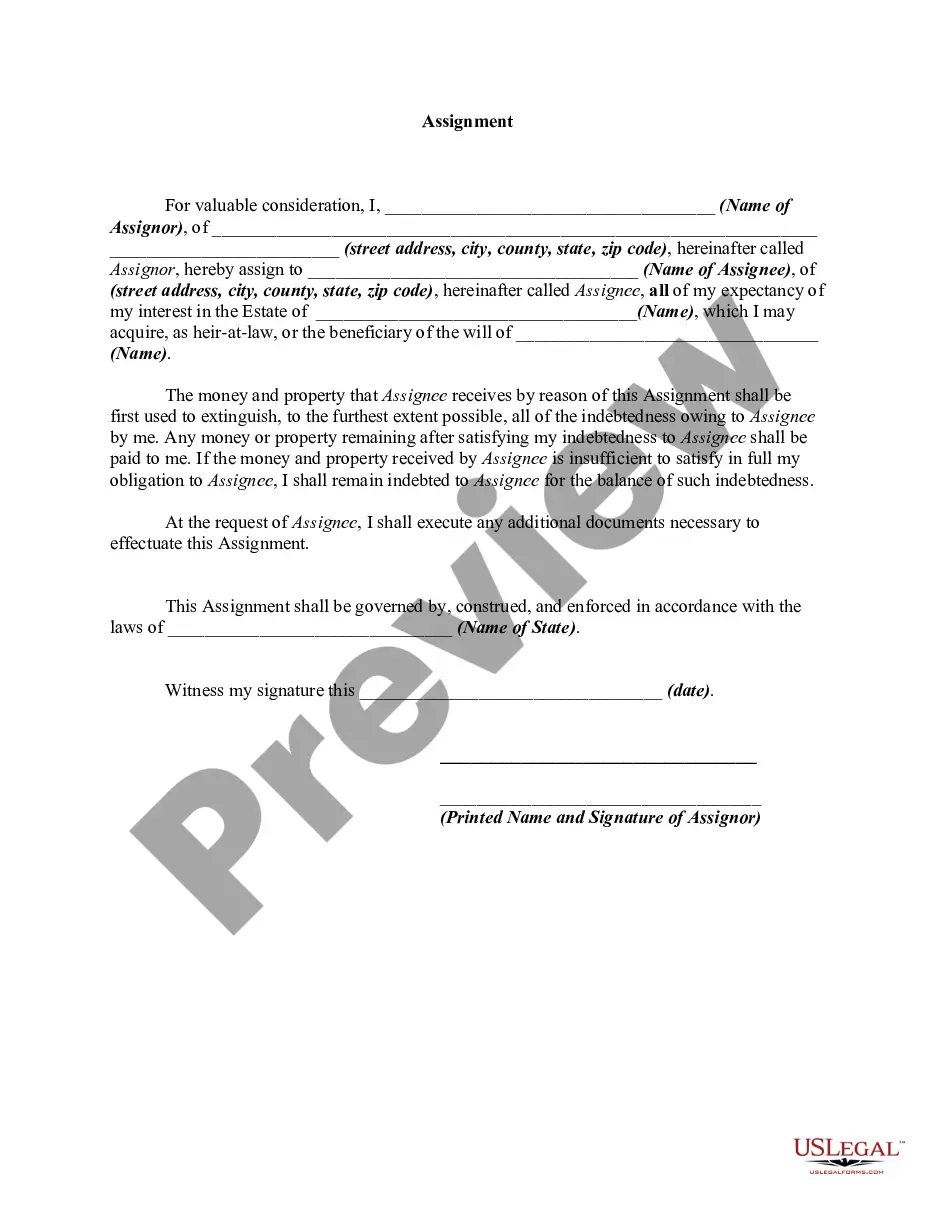
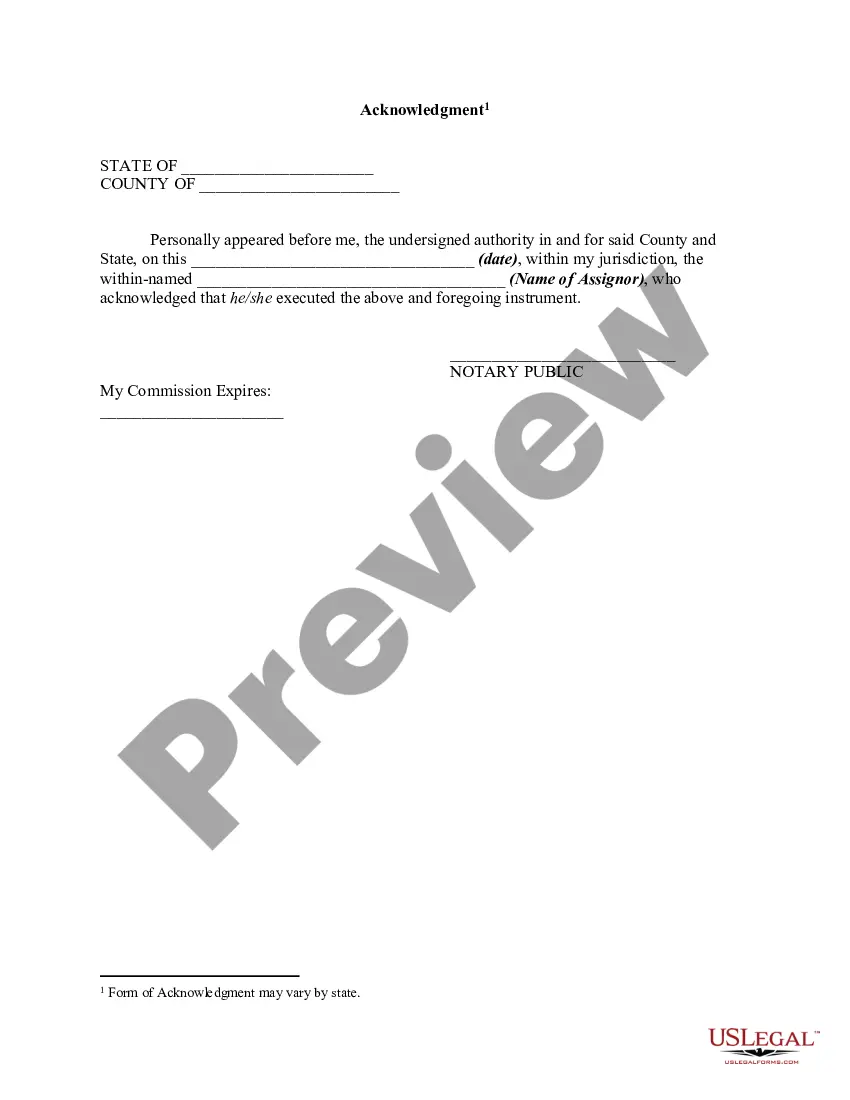
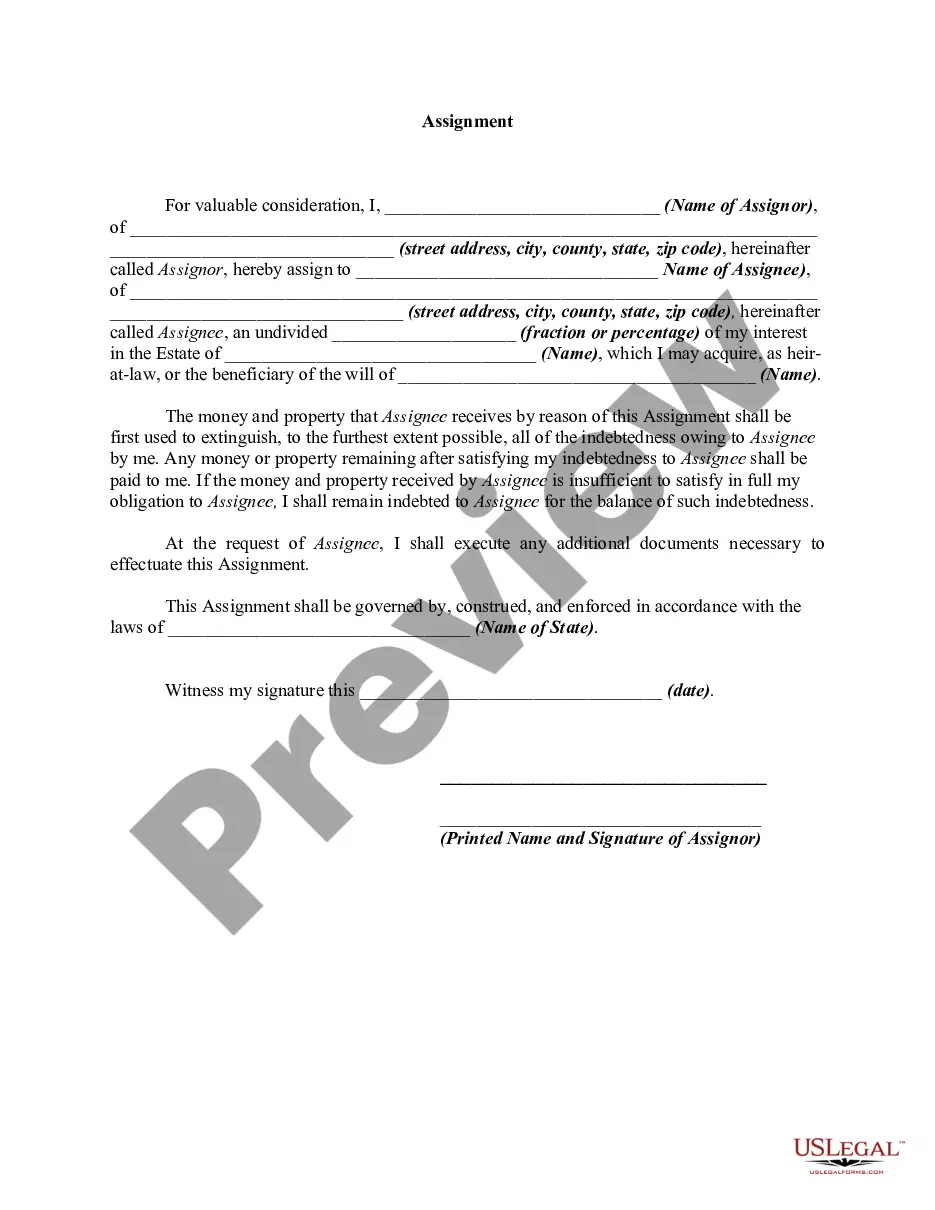
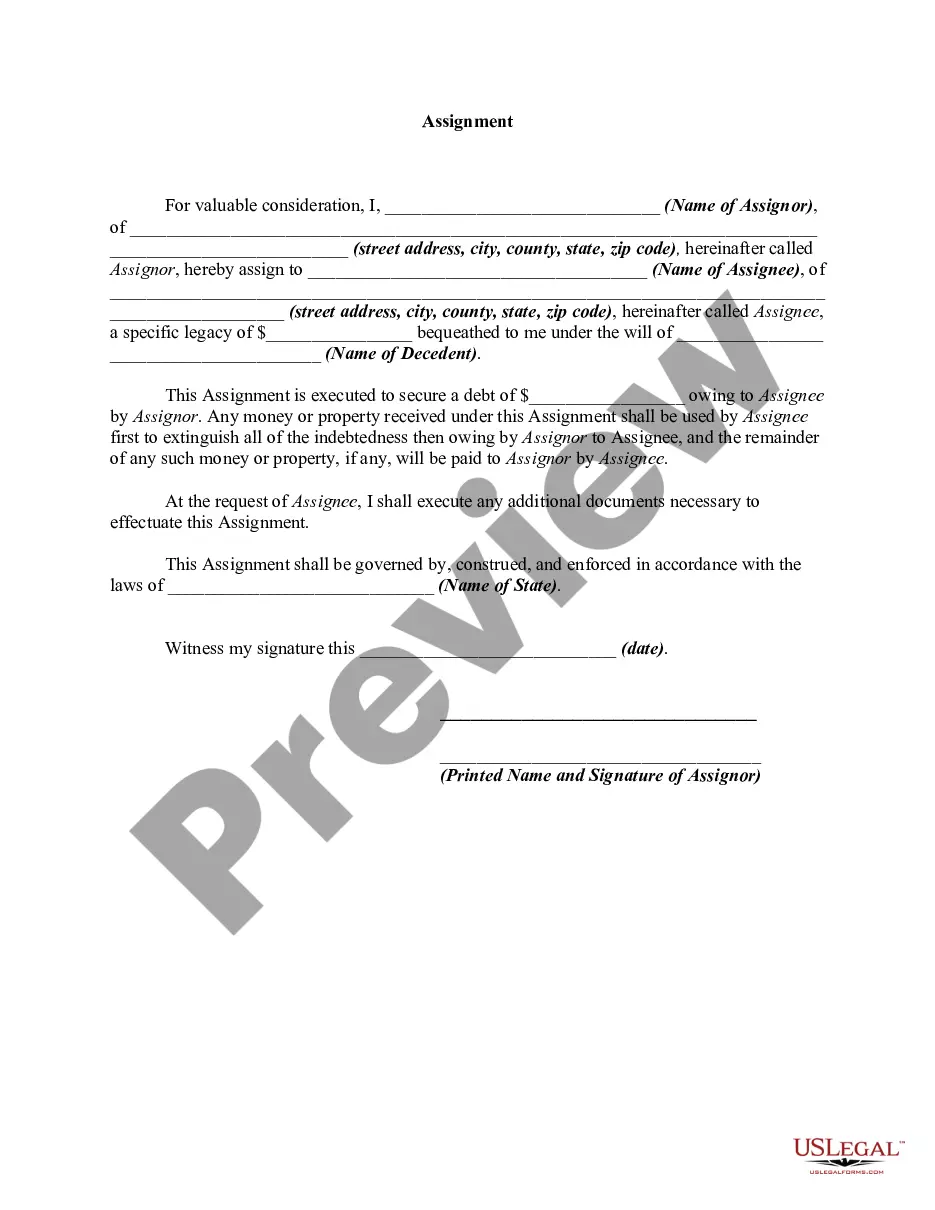
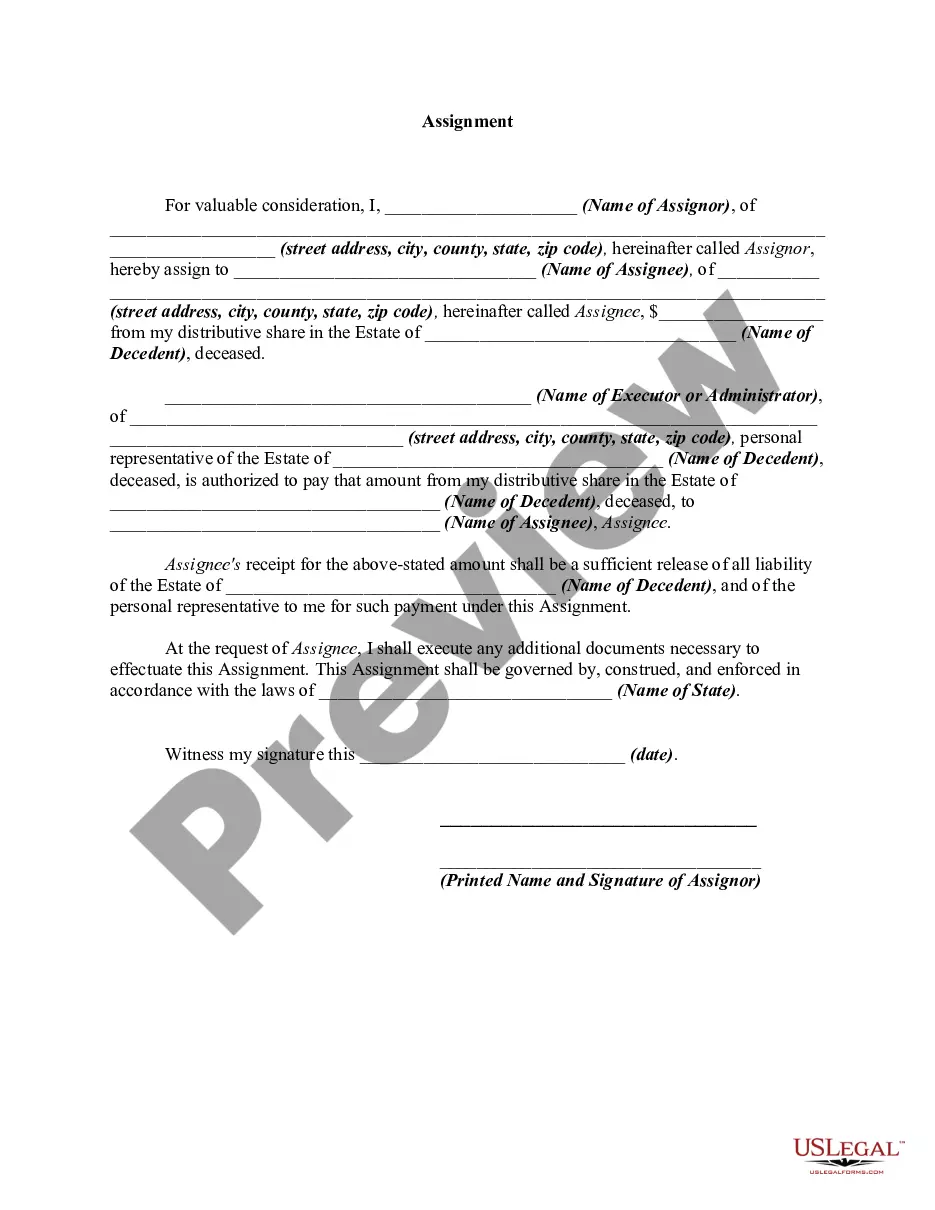
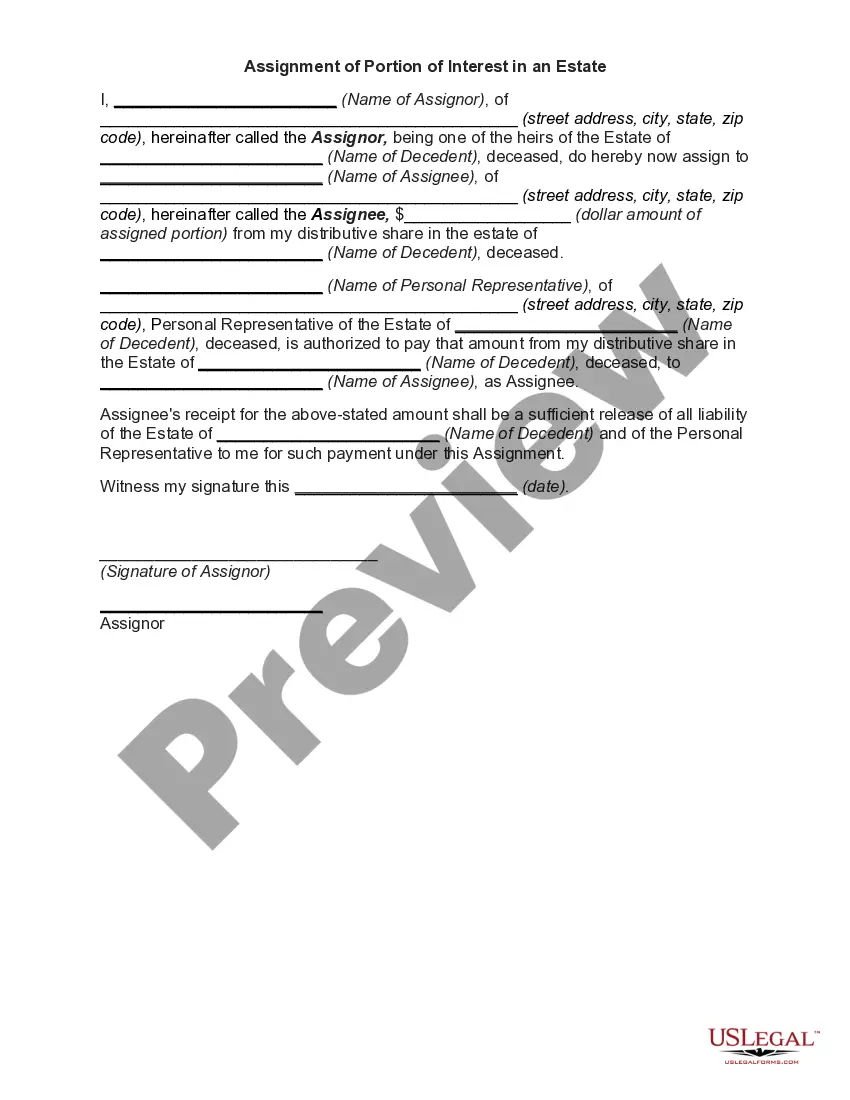
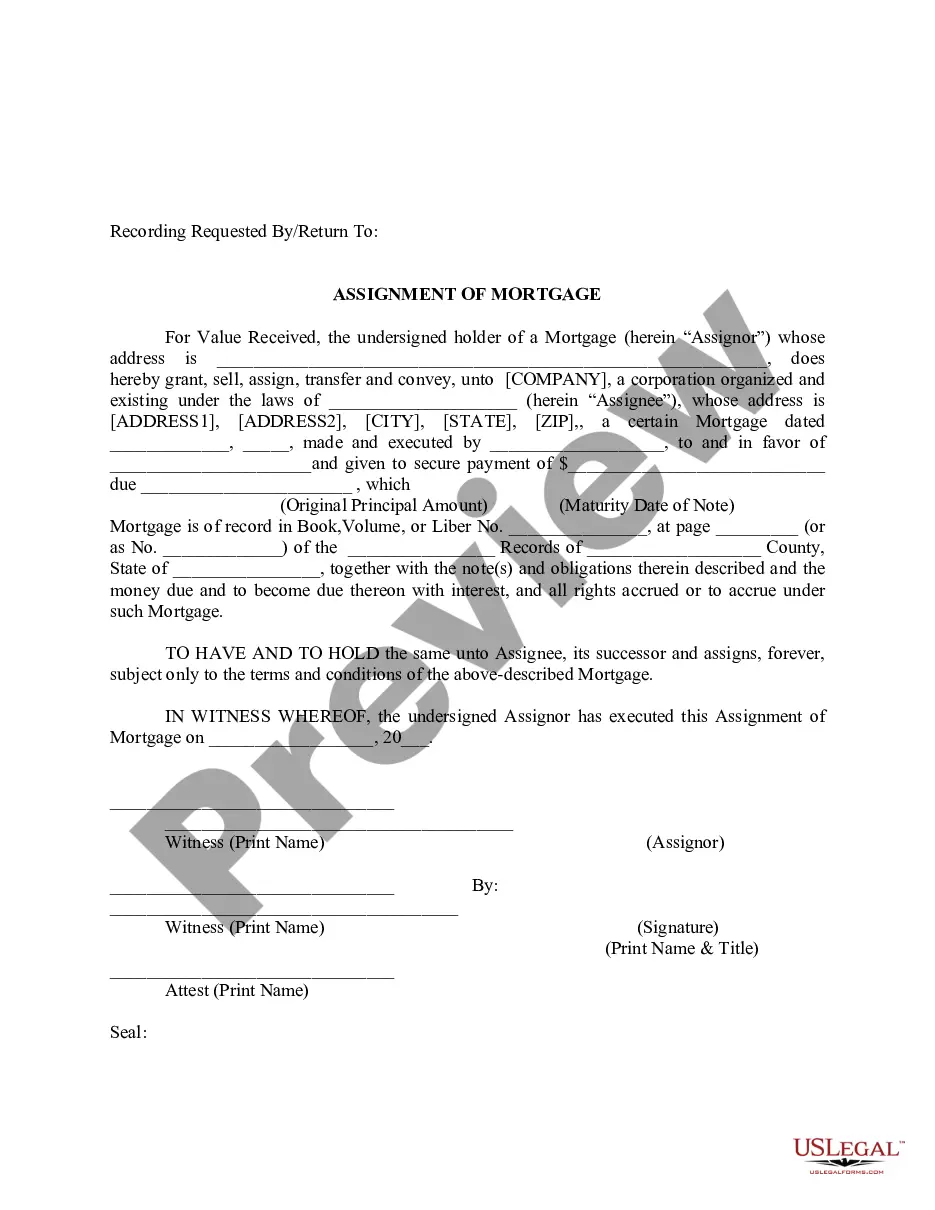
Cincinnati Ohio Assignment of All of Expected Interest in Estate in Order to Pay Indebtedness
Category:
State:
Multi-State
City:
Cincinnati
Control #:
US-01755BG
Format:
Word;
Rich Text
Instant download
Description
Free preview


Form popularity
FAQ
An administrator has significant power to manage and oversee the estate's affairs. This includes the ability to pay debts, sell estate property, and manage financial accounts. However, their actions must align with legal requirements and the best interests of the beneficiaries. Utilizing resources like US Legal Forms can streamline the process, especially when dealing with the Cincinnati Ohio Assignment of All of Expected Interest in Estate in Order to Pay Indebtedness.
In the absence of a will, an estate administrator cannot simply take everything for themselves. Instead, Ohio law dictates how assets are distributed among heirs, which may include family members or creditors. An administrator must act in the best interest of the estate and its beneficiaries. For those navigating these complex situations, the Cincinnati Ohio Assignment of All of Expected Interest in Estate in Order to Pay Indebtedness can be a vital tool to ensure proper management.
An estate administrator holds significant rights and responsibilities regarding the estate management. This includes collecting assets, paying debts, and distributing the remaining assets to heirs. They also have the authority to make decisions about the estate's financial matters. Understanding these rights is crucial, especially when dealing with the Cincinnati Ohio Assignment of All of Expected Interest in Estate in Order to Pay Indebtedness.
In Ohio, you can inherit up to $338,333 without facing any estate taxes. This threshold applies to the total value of the estate, which may include various assets. If the estate's value exceeds this limit, taxes may apply. To navigate complex estate matters, including the Cincinnati Ohio Assignment of All of Expected Interest in Estate in Order to Pay Indebtedness, consider using platforms like US Legal Forms for guidance.
An executor in Ohio typically has a period of one year to settle an estate, although this timeframe can vary based on the complexity of the estate. Executors must gather assets, pay debts, and distribute the remaining assets to beneficiaries. It's essential to keep the estate administration process on track to avoid complications. Utilizing resources like the Cincinnati Ohio Assignment of All of Expected Interest in Estate in Order to Pay Indebtedness can streamline this process and ensure timely settlements.
In Ohio, creditors generally have six months from the date of the executor's appointment to make claims against the estate. This timeframe is crucial for managing debts and ensuring that the estate can honor its obligations. If creditors do not present their claims within this period, they may lose the right to collect from the estate. Understanding the implications of a Cincinnati Ohio Assignment of All of Expected Interest in Estate in Order to Pay Indebtedness helps in navigating these timelines effectively.
The '7 year rule' in Ohio refers to the period during which creditors can potentially challenge a transfer of property made before a person's death. If the transfer occurred within seven years and the deceased owed debts, creditors might seek repayment from the new owner. Understanding how this rule interacts with a Cincinnati Ohio Assignment of All of Expected Interest in Estate in Order to Pay Indebtedness is crucial for maintaining financial stability. Consulting a legal expert can provide clarity and guidance on this matter.
In Ohio, if there is no will, the administrator must follow state laws regarding intestate succession. This means that the administrator cannot simply take everything; they must distribute assets in accordance with Ohio law. The Cincinnati Ohio Assignment of All of Expected Interest in Estate in Order to Pay Indebtedness can affect how these assets are managed and distributed to pay off debts. It is advisable to seek guidance to understand your rights and responsibilities.
Yes, there are time limits to settle an estate in Ohio, typically within one year from the date of death. This timeline ensures that all debts and obligations, including those addressed in a Cincinnati Ohio Assignment of All of Expected Interest in Estate in Order to Pay Indebtedness, are resolved efficiently. However, complex estates may require additional time. It is wise to consult with a legal expert to navigate the specifics of your situation.
In Ohio, creditors generally have six months from the date of the estate's appointment to file claims against the estate. This timeframe is critical for managing debts associated with the estate, especially when considering a Cincinnati Ohio Assignment of All of Expected Interest in Estate in Order to Pay Indebtedness. If creditors do not file their claims within this period, they may lose their right to collect from the estate. Thus, timely action is essential to protect your interests.