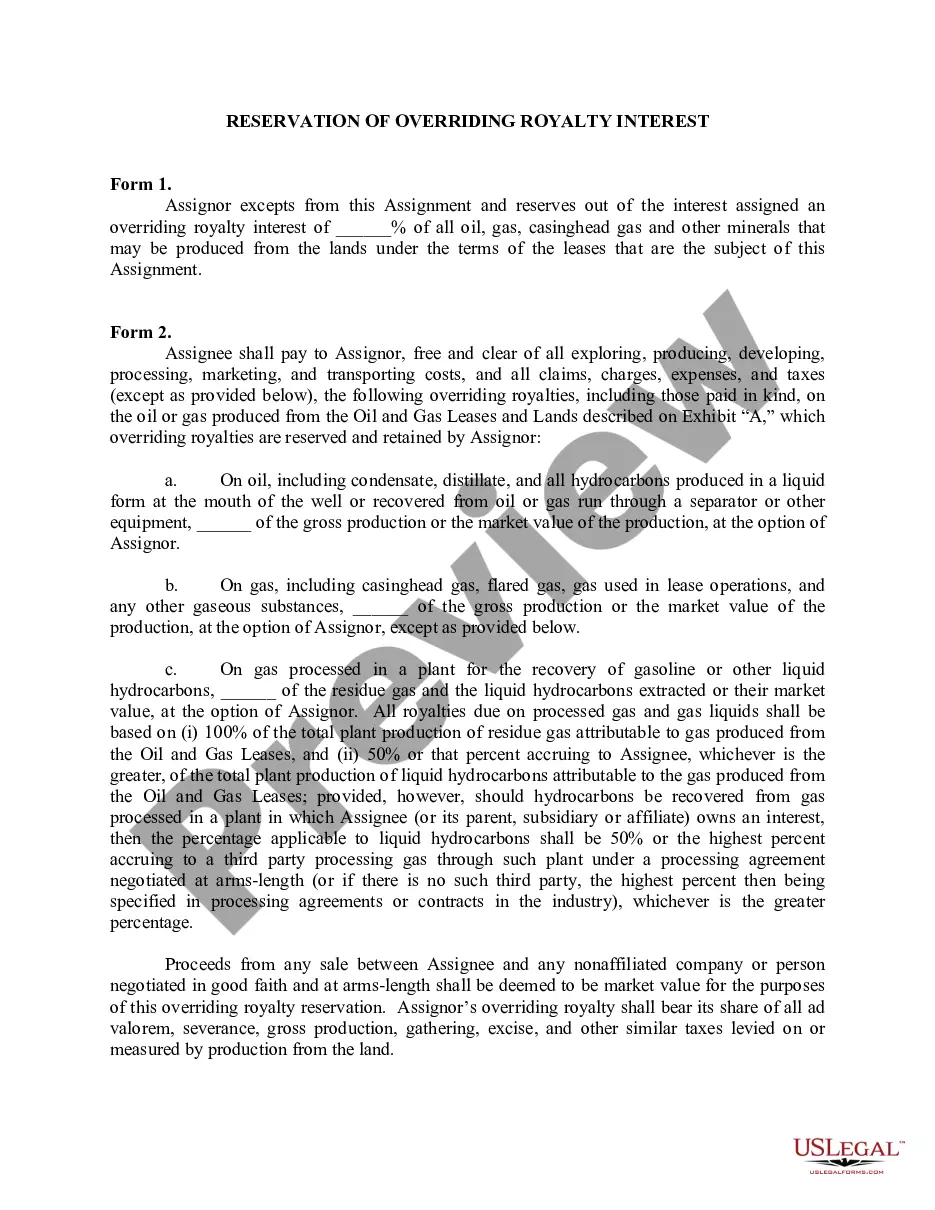
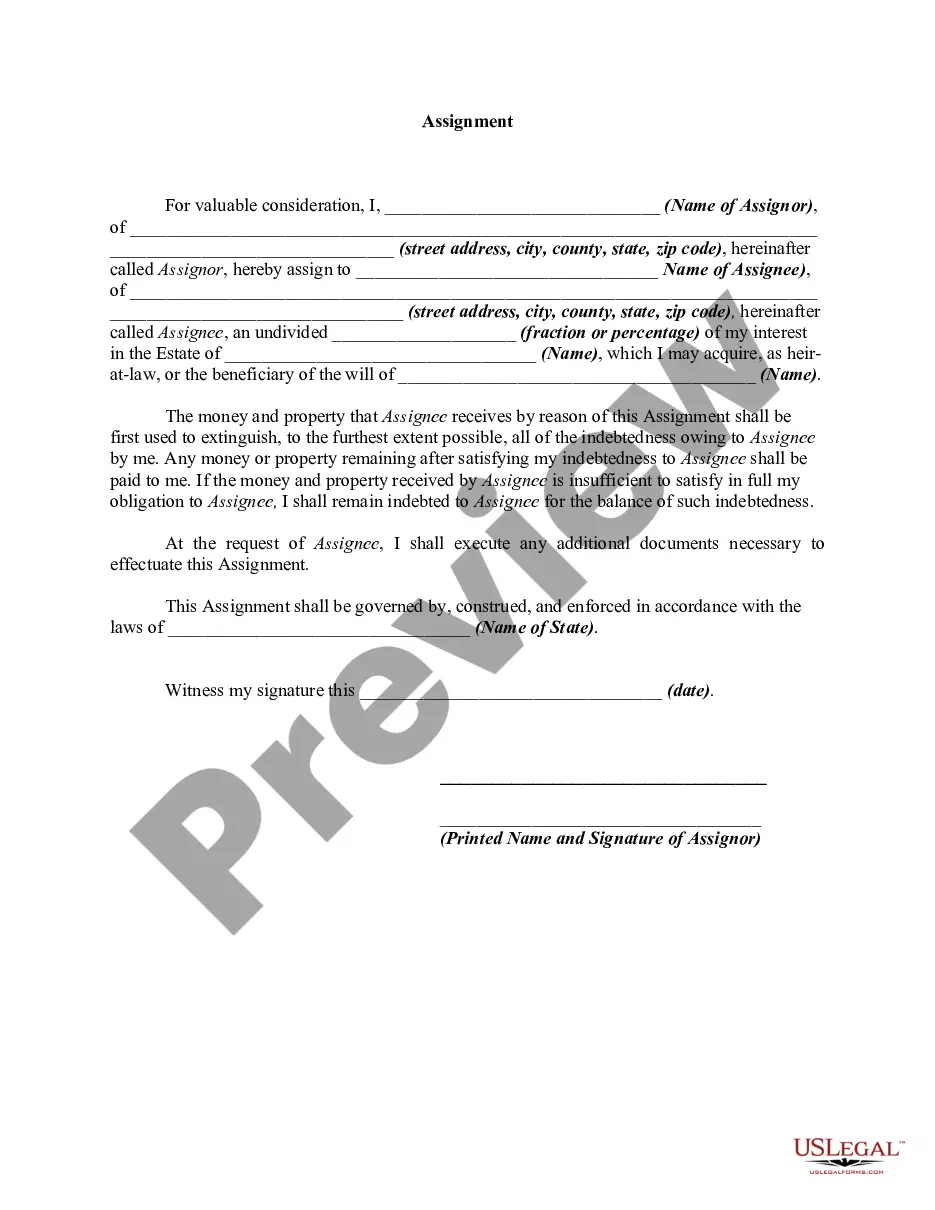
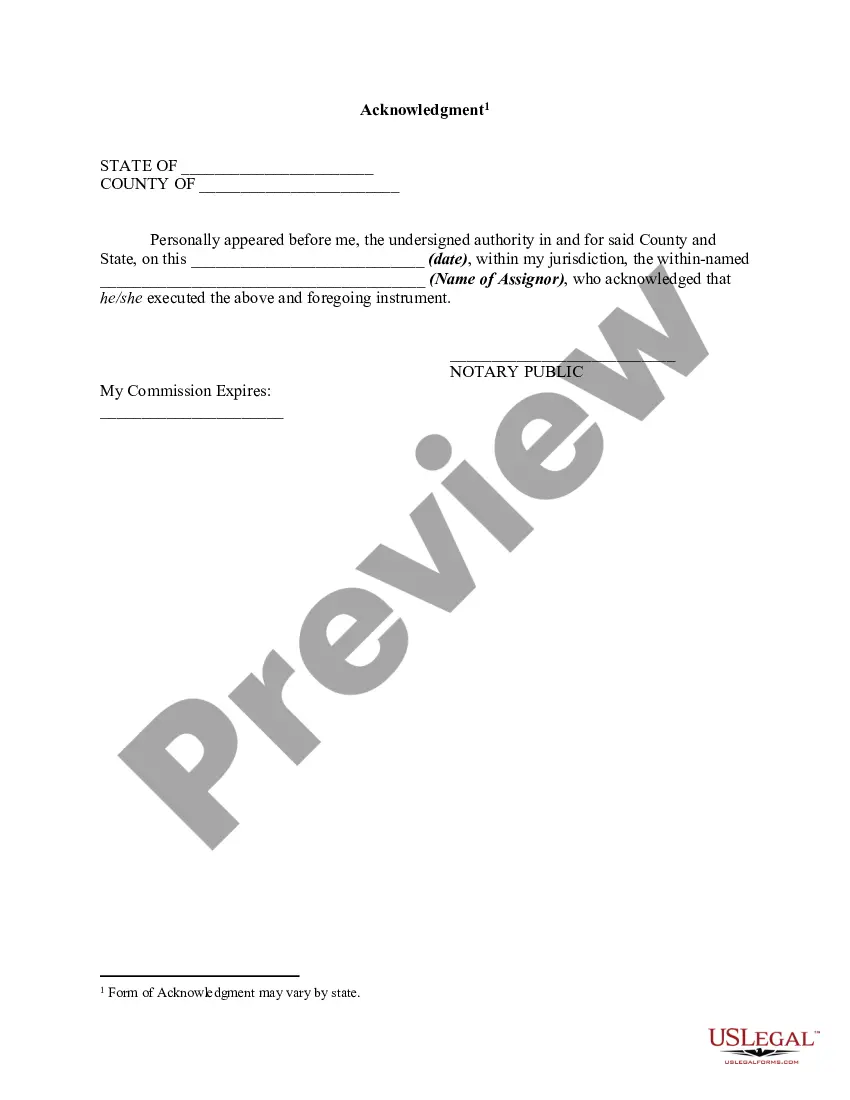
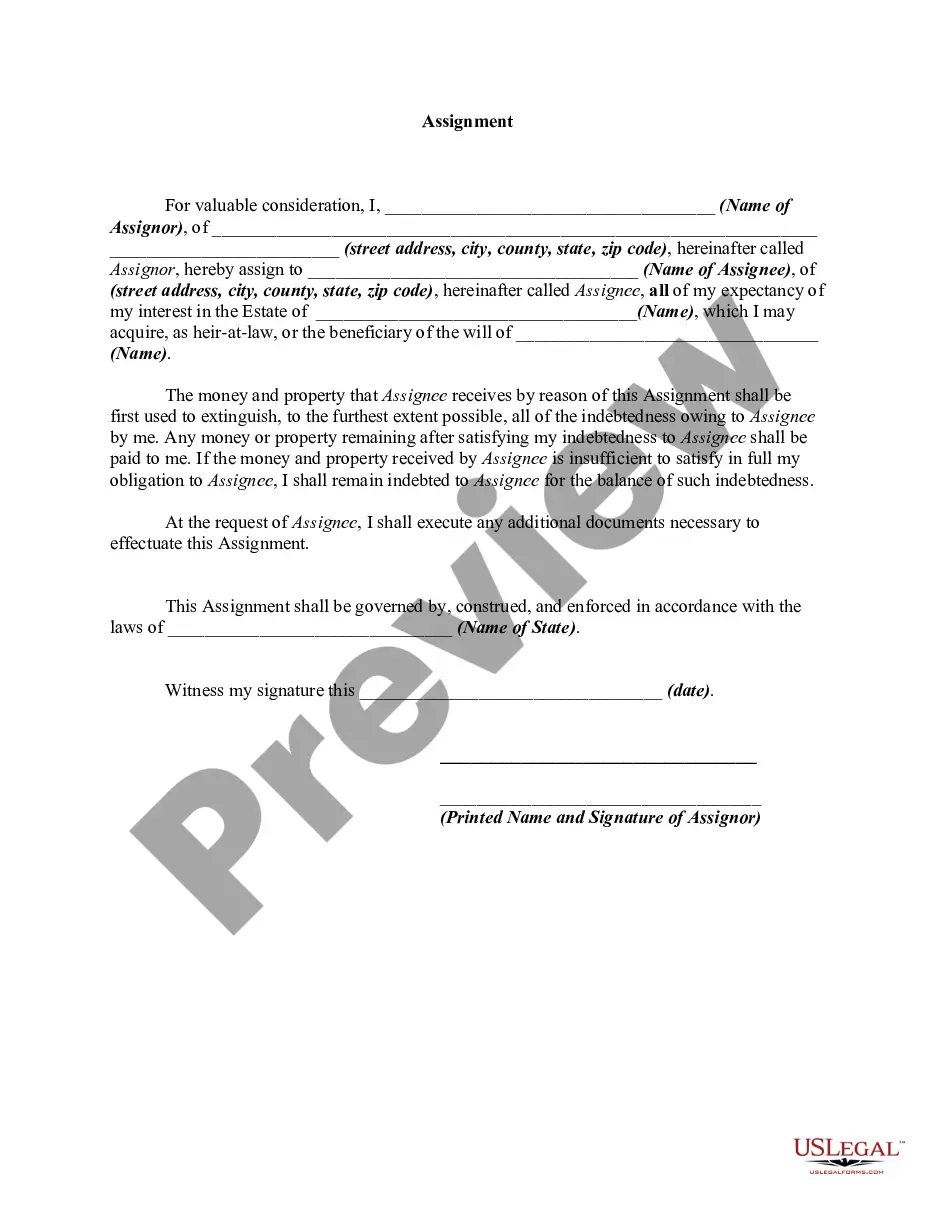
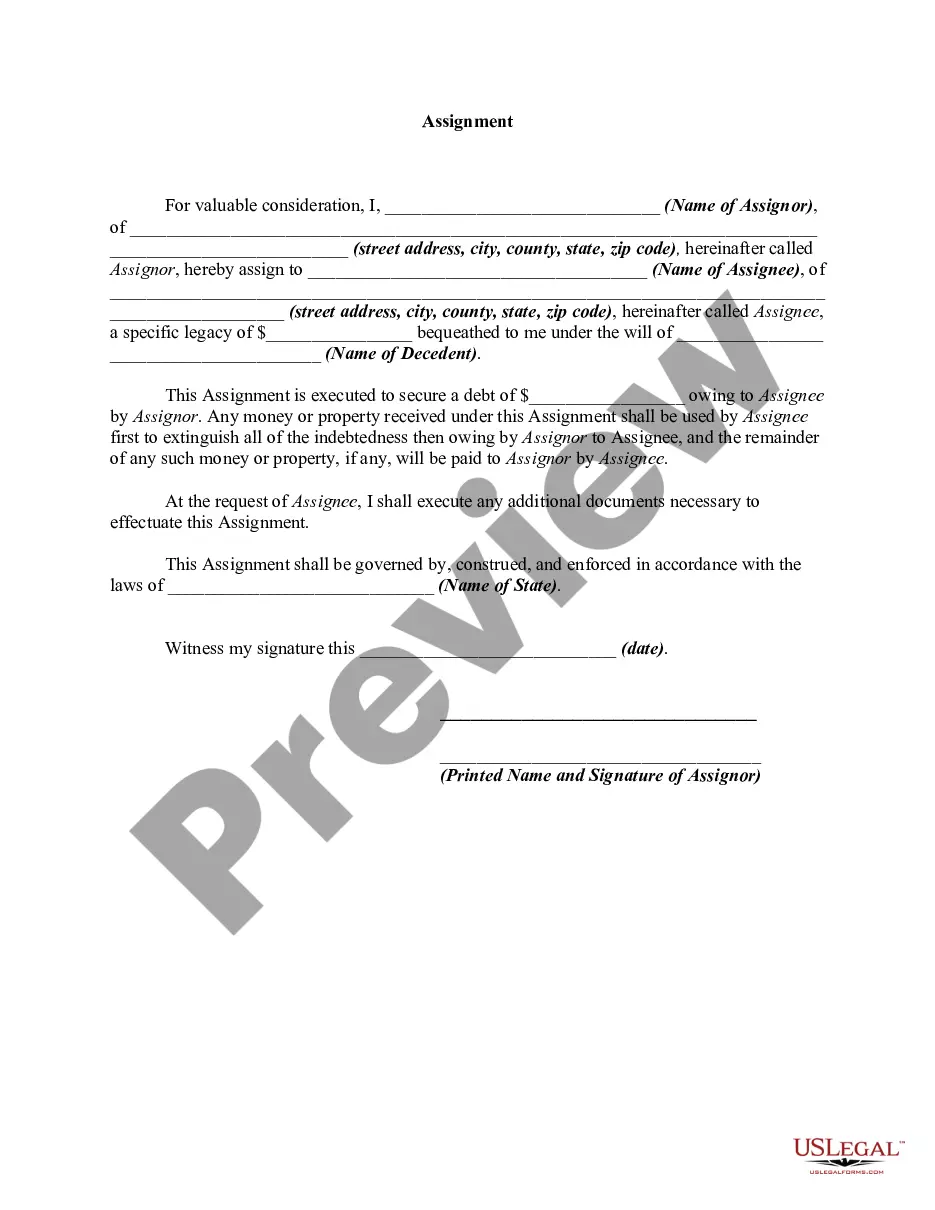
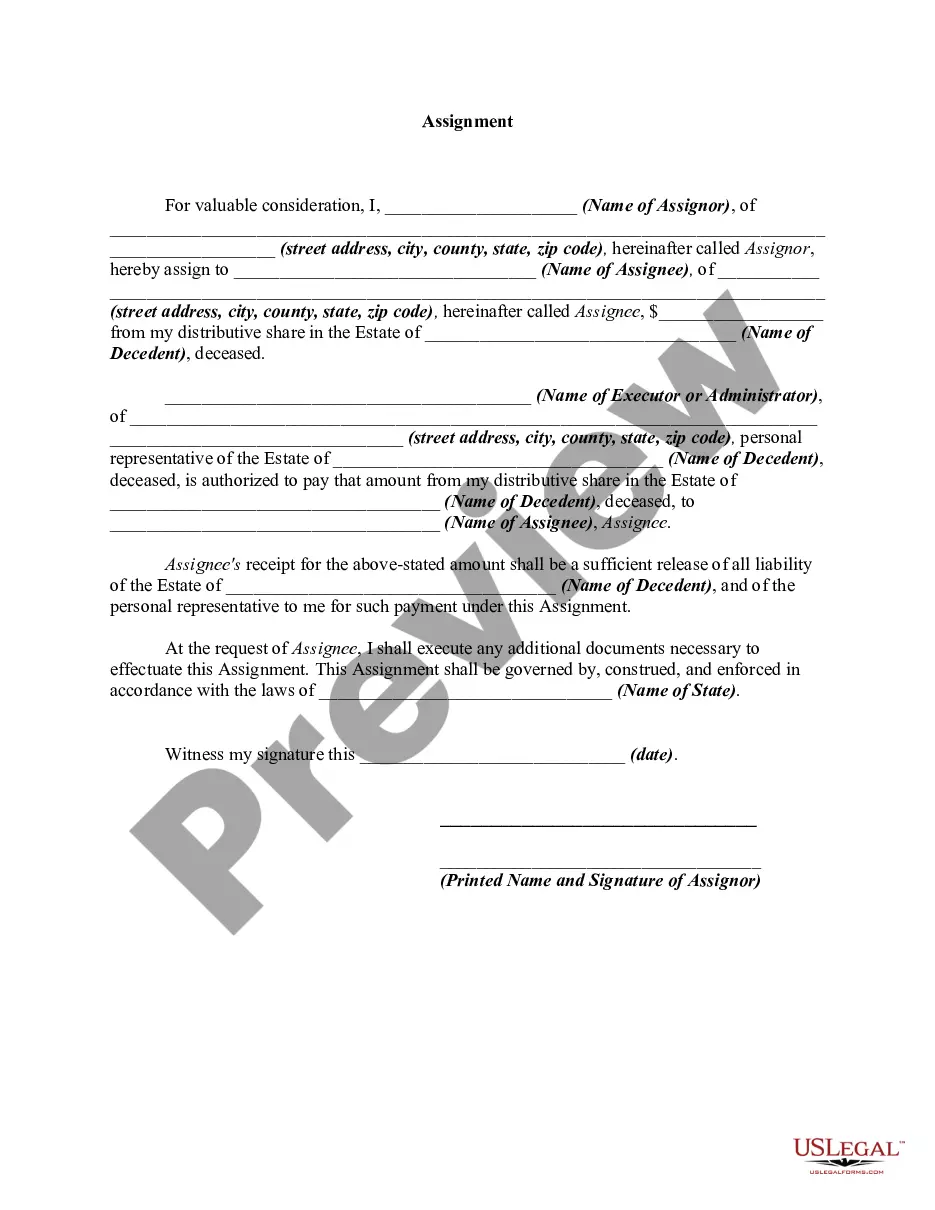
This form is a generic example that may be referred to when preparing such a form for your particular state. It is for illustrative purposes only. Local laws should be consulted to determine any specific requirements for such a form in a particular jurisdiction.
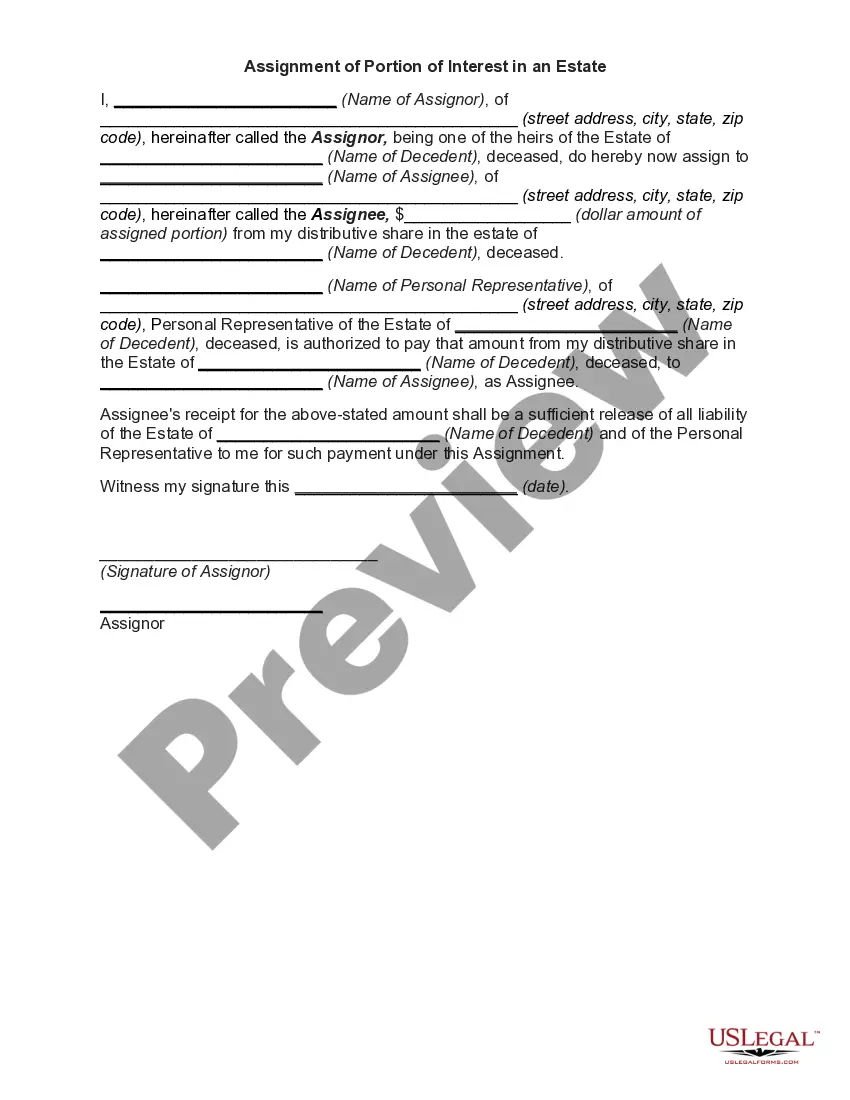
Cincinnati Ohio Assignment of Portion of Expected Interest in Estate in Order to Pay Indebtedness
Category:
State:
Multi-State
City:
Cincinnati
Control #:
US-01754BG
Format:
Word;
Rich Text
Instant download
Description
Free preview
Form popularity
FAQ
In Ohio, the statute of limitations on garnishments typically spans six years from the date the debt became due. This timeline is essential for understanding how long creditors have to pursue payment through garnishment, particularly in the context of a Cincinnati Ohio Assignment of Portion of Expected Interest in Estate in Order to Pay Indebtedness. Knowing this can help you plan and manage your financial obligations effectively.
Section 2921.33 of the Ohio Revised Code addresses the implications of making false statements related to the Cincinnati Ohio Assignment of Portion of Expected Interest in Estate in Order to Pay Indebtedness. This law emphasizes the importance of honesty in financial dealings and the potential penalties for misrepresentation. Familiarizing yourself with this section can prevent legal complications and ensure compliance with Ohio laws.
Section 2307.22 of the Ohio Revised Code outlines the legal framework for a Cincinnati Ohio Assignment of Portion of Expected Interest in Estate in Order to Pay Indebtedness. This section explains how expected interests can be assigned to satisfy debts, ensuring that the assignment process is both clear and legally binding. Understanding this section can help individuals make informed decisions about their estate and financial planning.
The new Ohio law 2025 introduces important updates regarding the Cincinnati Ohio Assignment of Portion of Expected Interest in Estate in Order to Pay Indebtedness. This law aims to clarify the rights of creditors and the processes involved in assigning portions of expected interests in estates. By adhering to this law, individuals can better navigate their financial obligations while protecting their interests.
Section 2703.26 of the Ohio Revised Code outlines the procedures related to the assignment of interests in estates. This section is particularly relevant for individuals considering a Cincinnati Ohio Assignment of Portion of Expected Interest in Estate in Order to Pay Indebtedness. By understanding this law, individuals can navigate the complexities of estate management and ensure compliance with state regulations, making it easier to settle debts and distribute assets appropriately.
In Ohio, creditors typically have six months from the date of the estate's notice to creditors to file claims for debts. However, if the estate is involved in a Cincinnati Ohio Assignment of Portion of Expected Interest in Estate in Order to Pay Indebtedness, it is essential to be aware of the specific timelines that apply. This process can affect how quickly debts are settled and how remaining assets are distributed, so consulting with legal experts can provide clarity.
The 7 year rule in Ohio refers to a provision that allows creditors to collect debts from estates for up to seven years after an individual's death. This rule impacts how long creditors can pursue claims against an estate, including debts that may require a Cincinnati Ohio Assignment of Portion of Expected Interest in Estate in Order to Pay Indebtedness. Understanding this timeframe is crucial for heirs and executors to manage estate debts effectively.