Multistate Fannie Mae Assignment of Mortgage - Single Family
What this document covers
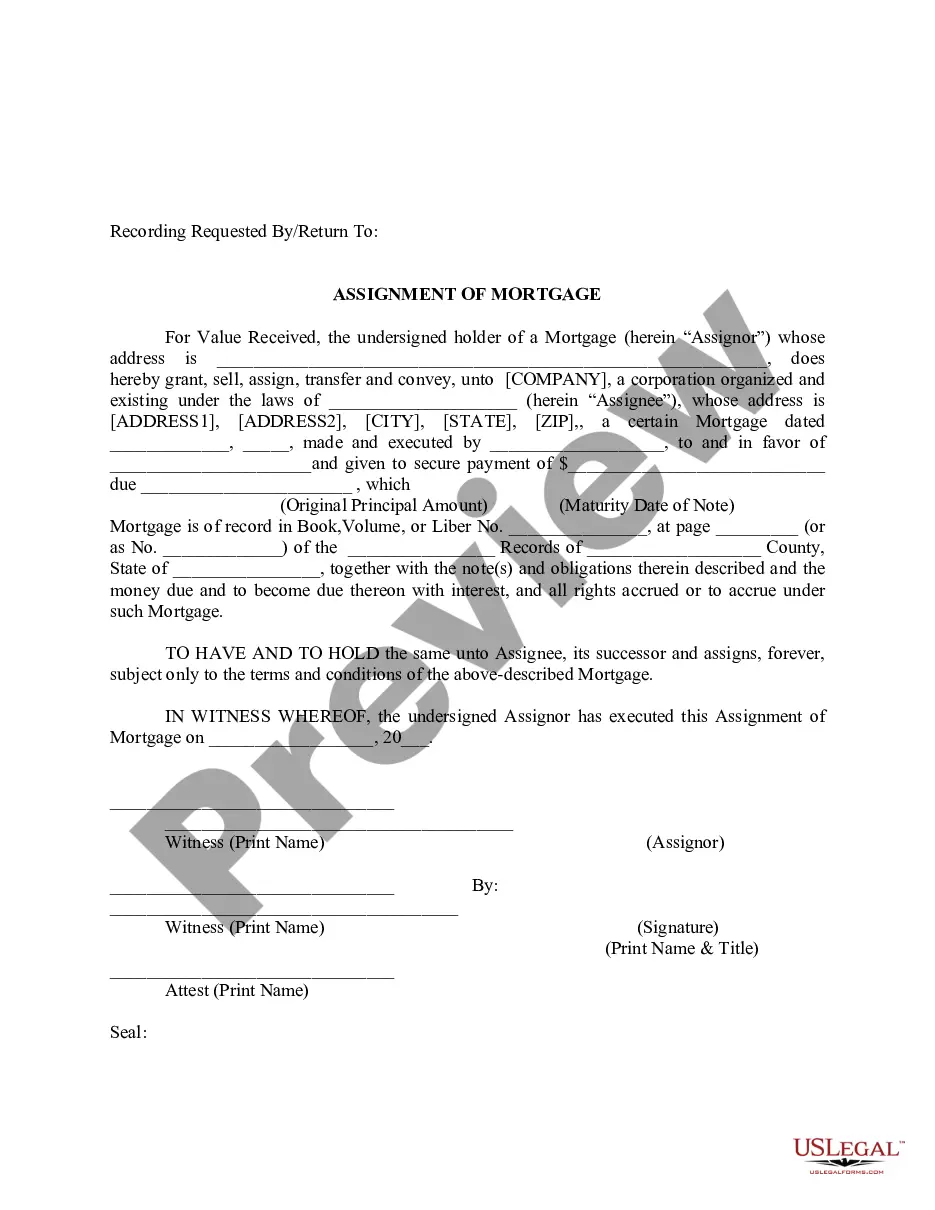
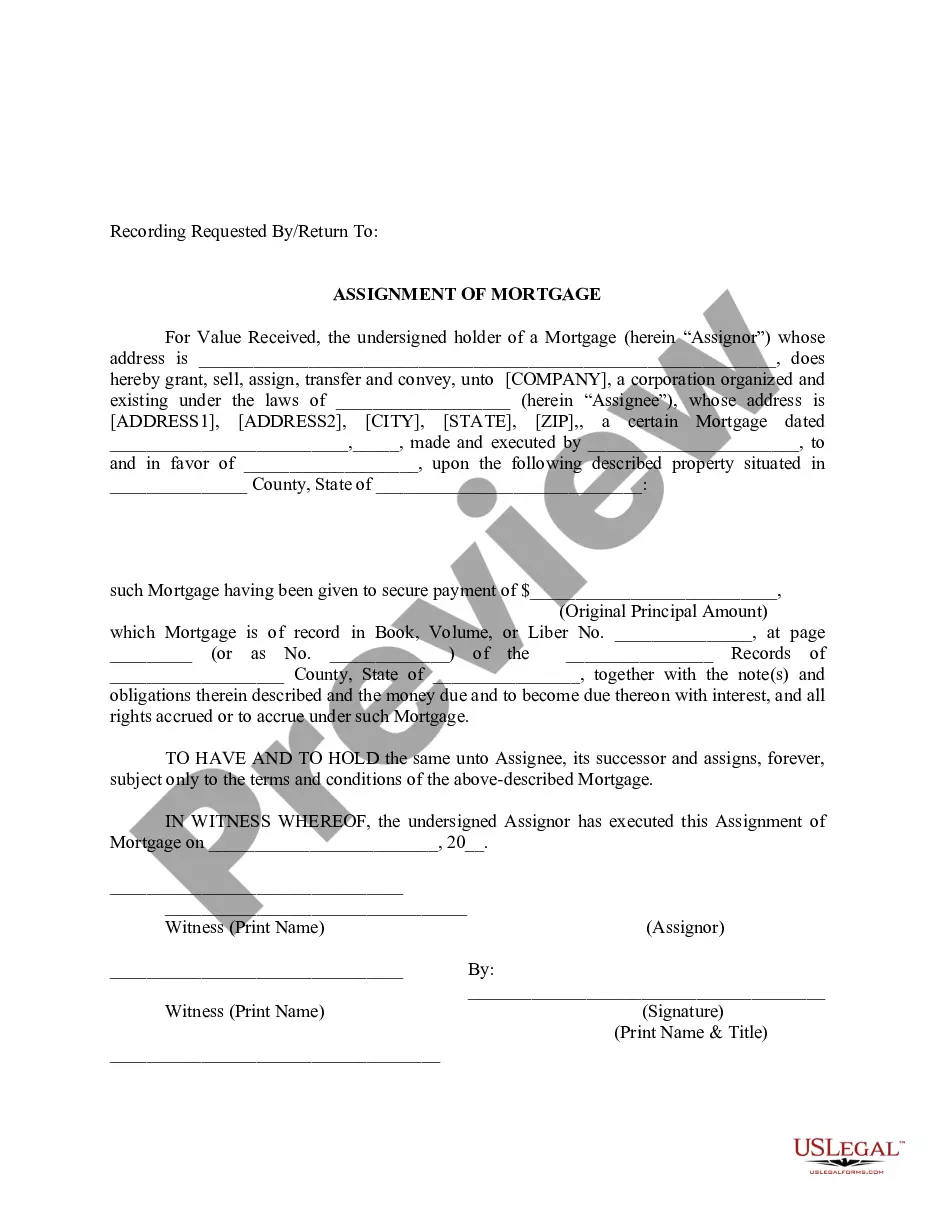
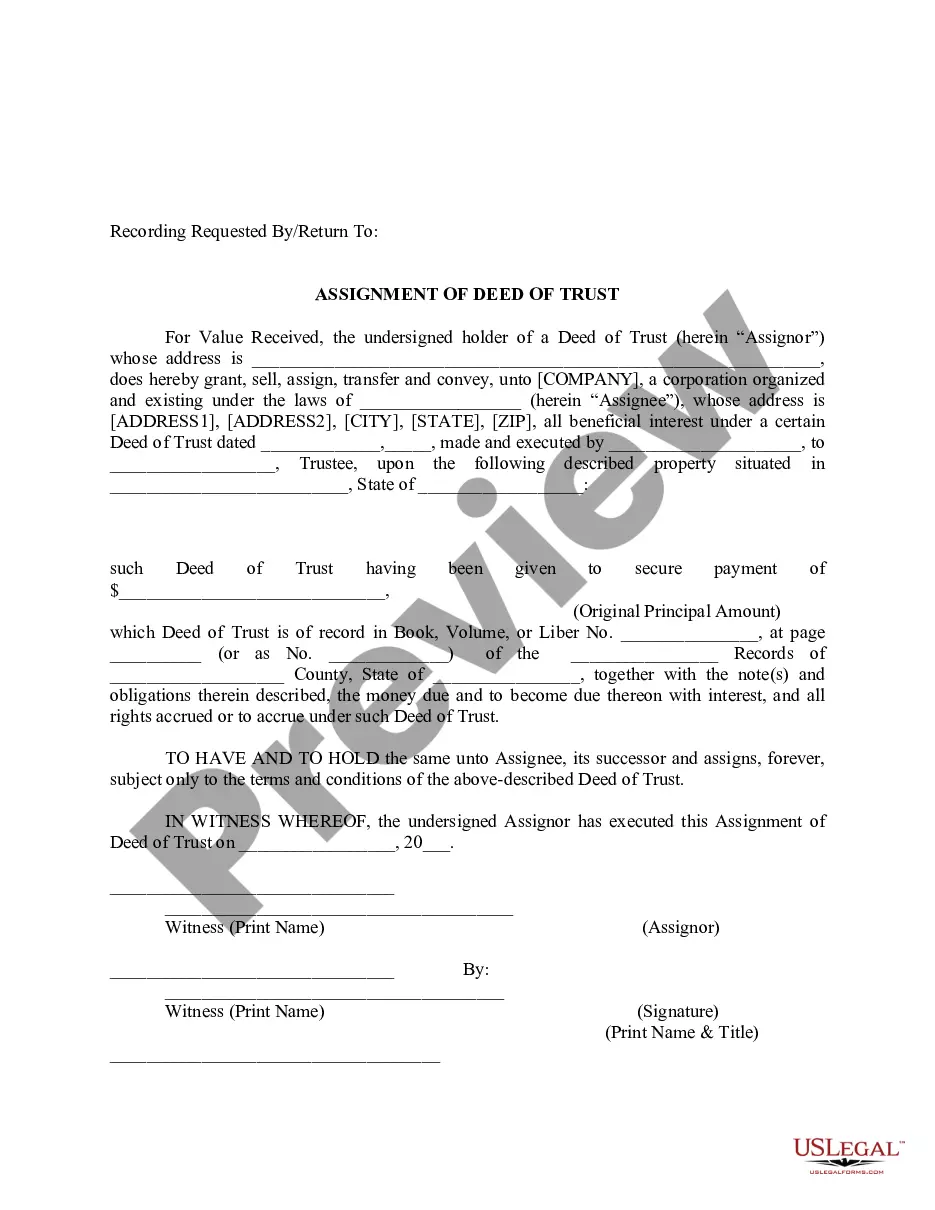
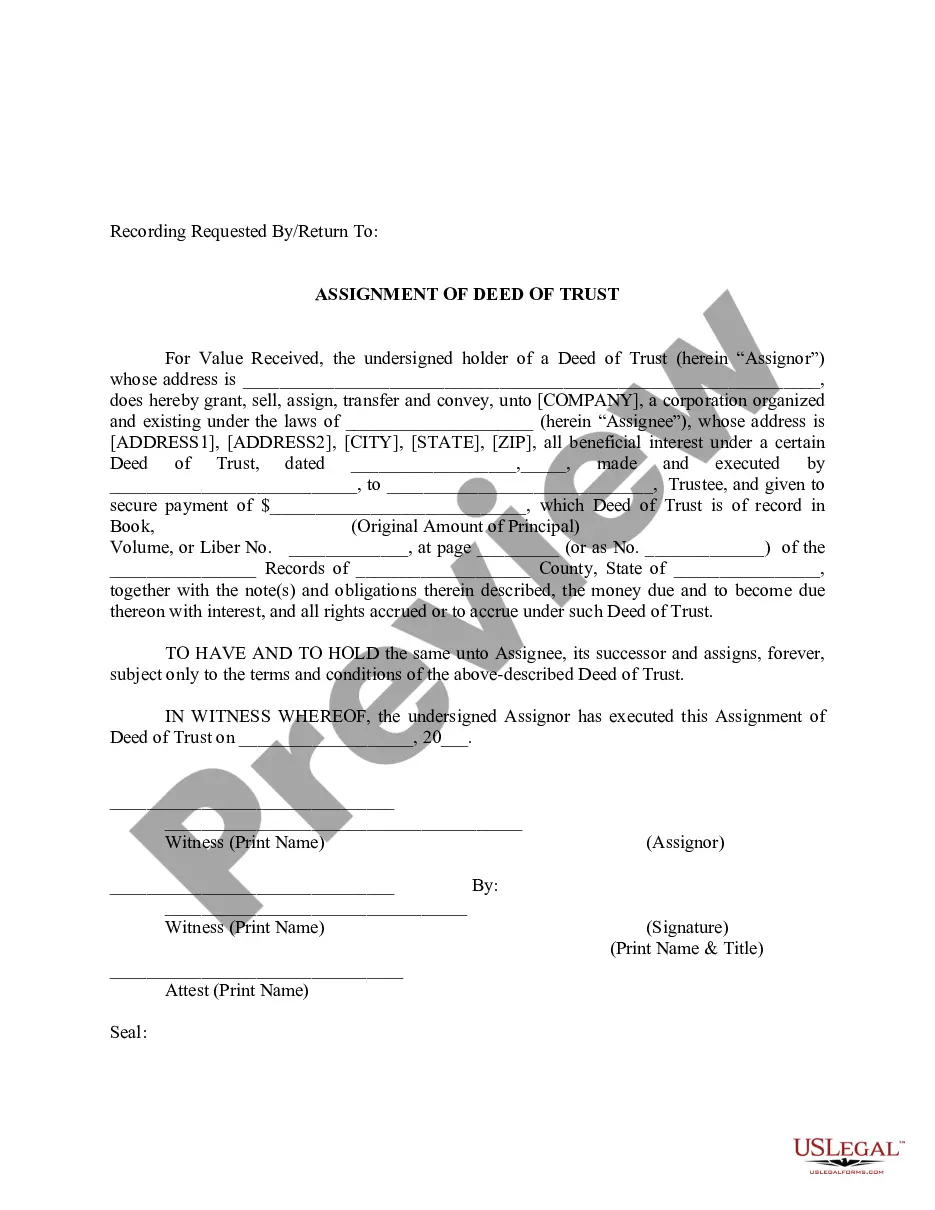
The Multistate Fannie Mae Assignment of Mortgage for a single family residence is a legal document used to officially transfer the rights and obligations of a mortgage from one party (the Assignor) to another (the Assignee). This form, governed by Fannie Mae standards, ensures that both lenders and borrowers have a clear record of the mortgage's transfer, which is essential for managing mortgage payments and rights. Unlike general mortgage assignment forms, this document is specifically designed to meet Fannie Mae requirements across multiple states.
Key parts of this document
- Identification of the Assignor and Assignee with their addresses.
- Details of the original mortgage including the date, parties, and principal amount.
- References to the public records where the original mortgage is filed.
- Signature blocks for the Assignor and witnesses to validate the assignment.
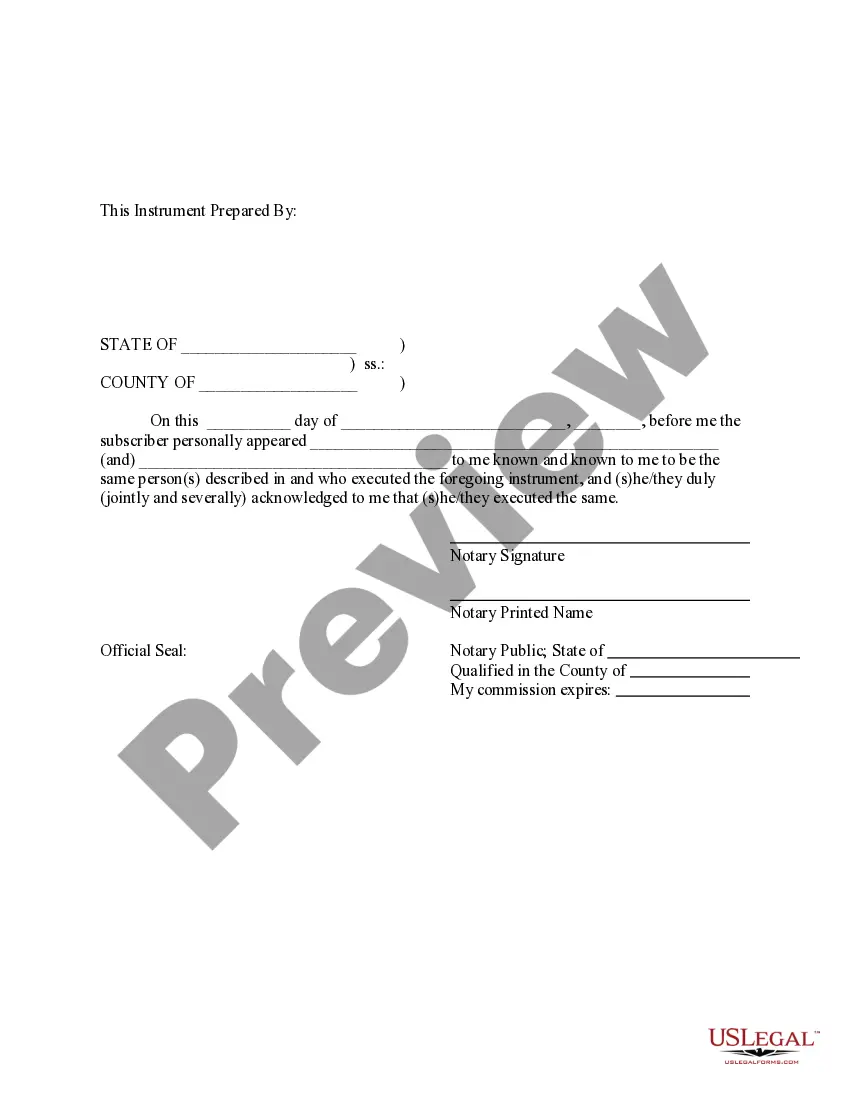
- Notarization section to certify the authenticity of the signatures.
When to use this form
You would use the Multistate Fannie Mae Assignment of Mortgage when you need to legally transfer a mortgage from one lender to another. This can occur in cases of refinancing, selling the loan to another financial institution, or managing portfolio changes in lending practices. It is essential to use this form to ensure that the new lender has legal rights to the mortgage and that all parties are informed of the change.
Who needs this form
- Lenders or financial institutions assigning a mortgage to another entity.
- Borrowers involved in a mortgage transfer or sale of the loan.
- Legal professionals overseeing the mortgage assignment process.
How to complete this form
- Identify the parties: Fill in the names and addresses of the Assignor and Assignee.
- Detail the mortgage: Enter the original mortgage's date, principal amount, and maturity date.
- Reference the public records: Provide the book or liber number and page where the mortgage is recorded.
- Sign and date the document: Ensure the Assignor signs the assignment in the presence of witnesses.
- Complete notarization: Have the form notarized to validate the execution of the assignment.
Notarization guidance
Yes, this form must be notarized to be legally valid. Notarization helps to establish the authenticity of the signatures involved in the assignment. US Legal Forms facilitates this process with integrated online notarization services that are available 24/7, ensuring a secure and convenient experience without the need for travel.
Get your form ready online
Our built-in tools help you complete, sign, share, and store your documents in one place.
Make edits, fill in missing information, and update formatting in US Legal Forms—just like you would in MS Word.
Download a copy, print it, send it by email, or mail it via USPS—whatever works best for your next step.
Sign and collect signatures with our SignNow integration. Send to multiple recipients, set reminders, and more. Go Premium to unlock E-Sign.
If this form requires notarization, complete it online through a secure video call—no need to meet a notary in person or wait for an appointment.
We protect your documents and personal data by following strict security and privacy standards.

Make edits, fill in missing information, and update formatting in US Legal Forms—just like you would in MS Word.

Download a copy, print it, send it by email, or mail it via USPS—whatever works best for your next step.

Sign and collect signatures with our SignNow integration. Send to multiple recipients, set reminders, and more. Go Premium to unlock E-Sign.

If this form requires notarization, complete it online through a secure video call—no need to meet a notary in person or wait for an appointment.

We protect your documents and personal data by following strict security and privacy standards.
Typical mistakes to avoid
- Failing to provide complete information for the Assignor and Assignee.
- Not referencing the correct book or liber number for the original mortgage.
- Omitting witness signatures, which are crucial for validity.
- Neglecting to notarize the document when required.
Why complete this form online
- Convenience: Downloadable and accessible from anywhere, at any time.
- Editability: Easily fill out the document with your specific information.
- Reliability: Professionally drafted by licensed attorneys to ensure compliance with legal standards.
Legal use & context
- This document serves as a formal legal record of the mortgage assignment.
- Enforceability is contingent upon proper completion and notarization according to local laws.
- Parties involved in the assignment should retain copies for their records.
Main things to remember
- The Multistate Fannie Mae Assignment of Mortgage is essential for transferring mortgage rights.
- Proper completion and notarization of the form are crucial for legal validity.
- This online resource allows for easy access and personalized use of the form.
Looking for another form?
Form popularity
FAQ
An assignment of mortgage is a legal term that refers to the transfer of the security instrument that underlies your mortgage loan ? aka your home. When a lender sells the mortgage on, an investor effectively buys the note, and the mortgage is assigned to them at this time.
Assignment of Mortgage ? The Basics. When your original lender transfers your mortgage account and their interests in it to a new lender, that's called an assignment of mortgage. To do this, your lender must use an assignment of mortgage document. This document ensures the loan is legally transferred to the new owner.
If the mortgagee fails to execute and record a Satisfaction of Mortgage within the 60-day period afforded by statute, the mortgagor (property owner) may file suit and seek a court order directing the mortgagee to execute a satisfaction of mortgage or an order extinguishing the lien against the property.
Legally, the term ?mortgage? refers only to the document that states that the home can be sold in case of default. Under an assignment of mortgage, both documents are transferred to their new owner for servicing.
Once a loan has been assigned to MERS, it can be bought and sold any number of times later without recording assignments. Don't be surprised if you find out that your mortgage was assigned to MERS at some point. In most cases, the loan will have to be assigned out of MERS' name before a foreclosure can begin.
A disadvantage of a mortgage assignment is the consequences of failing to record it. Under most state laws, an entity seeking to institute foreclosure proceedings must record the assignment before it can do so. If a mortgage is not recorded, the judge will dismiss the foreclosure proceeding.
In a mortgage assignment, your original lender or servicer transfers your mortgage account to another loan servicer. When this occurs, the original mortgagee or lender's interests go to the next lender. Even if your mortgage gets transferred or assigned, your mortgage's terms should remain the same.