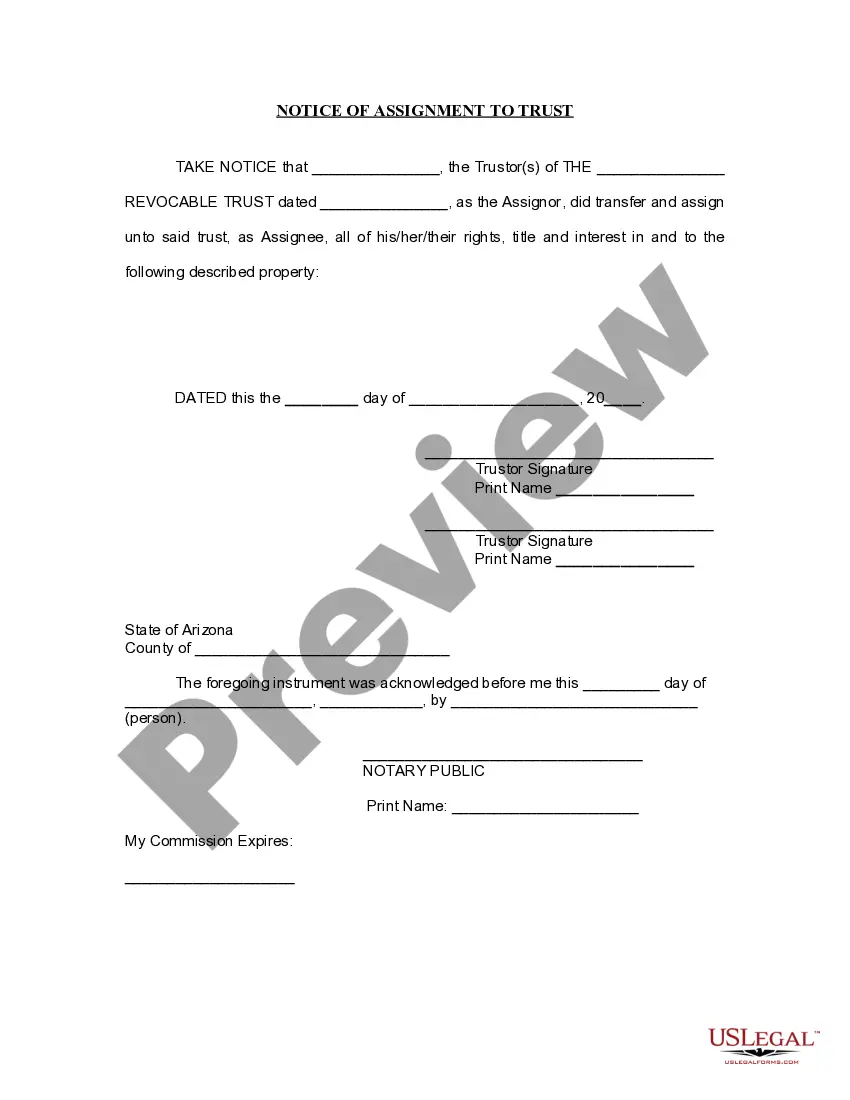
Long Beach California Petition for Forfeiture
Description
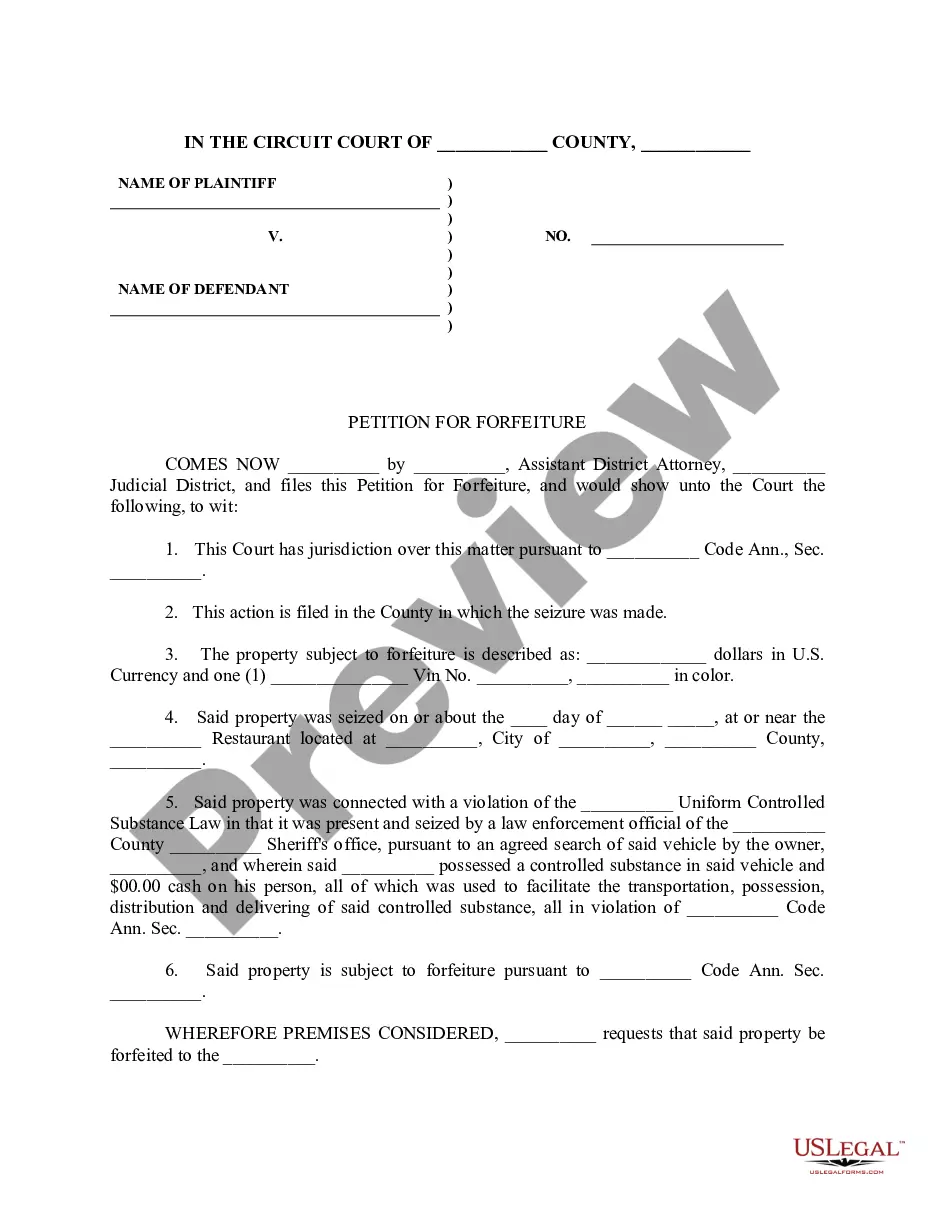

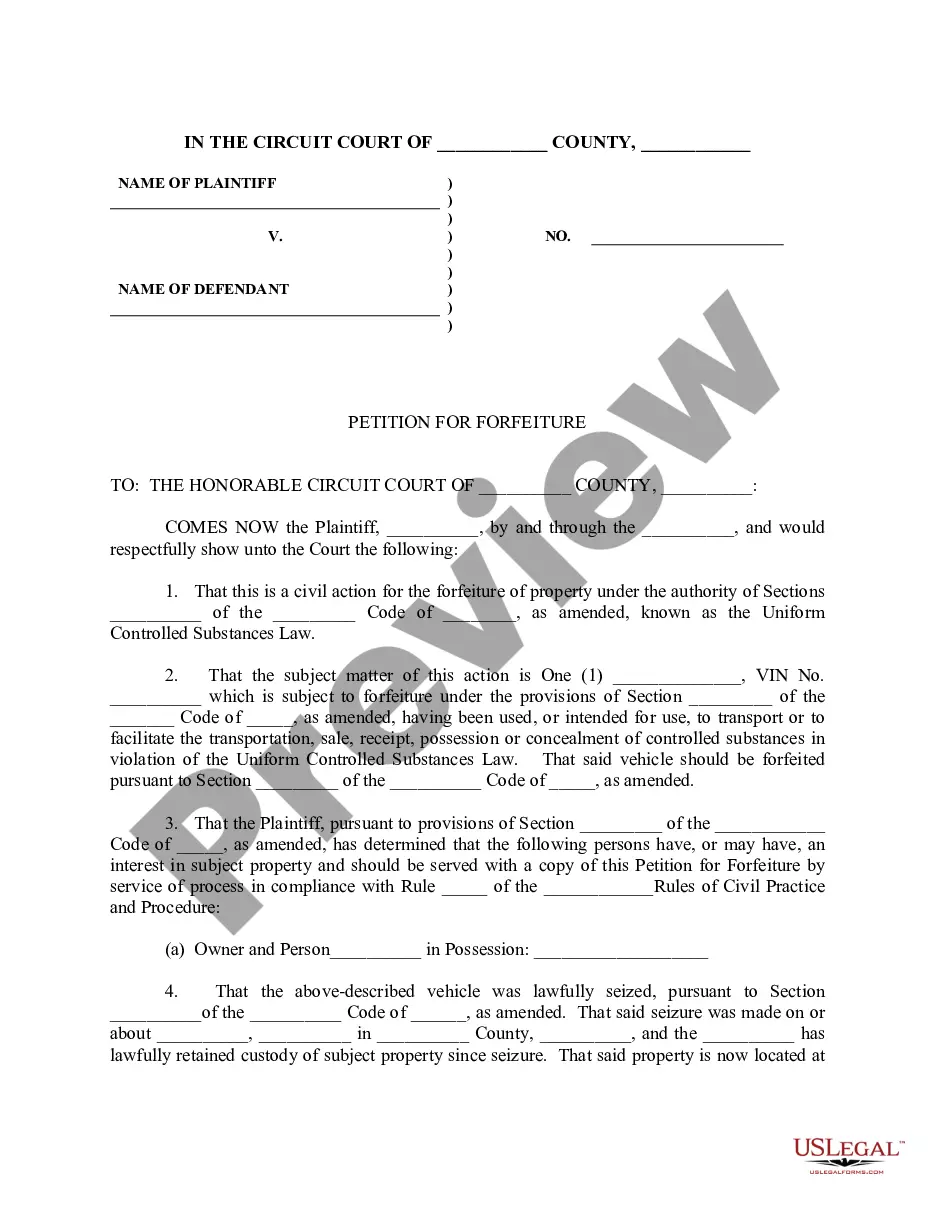
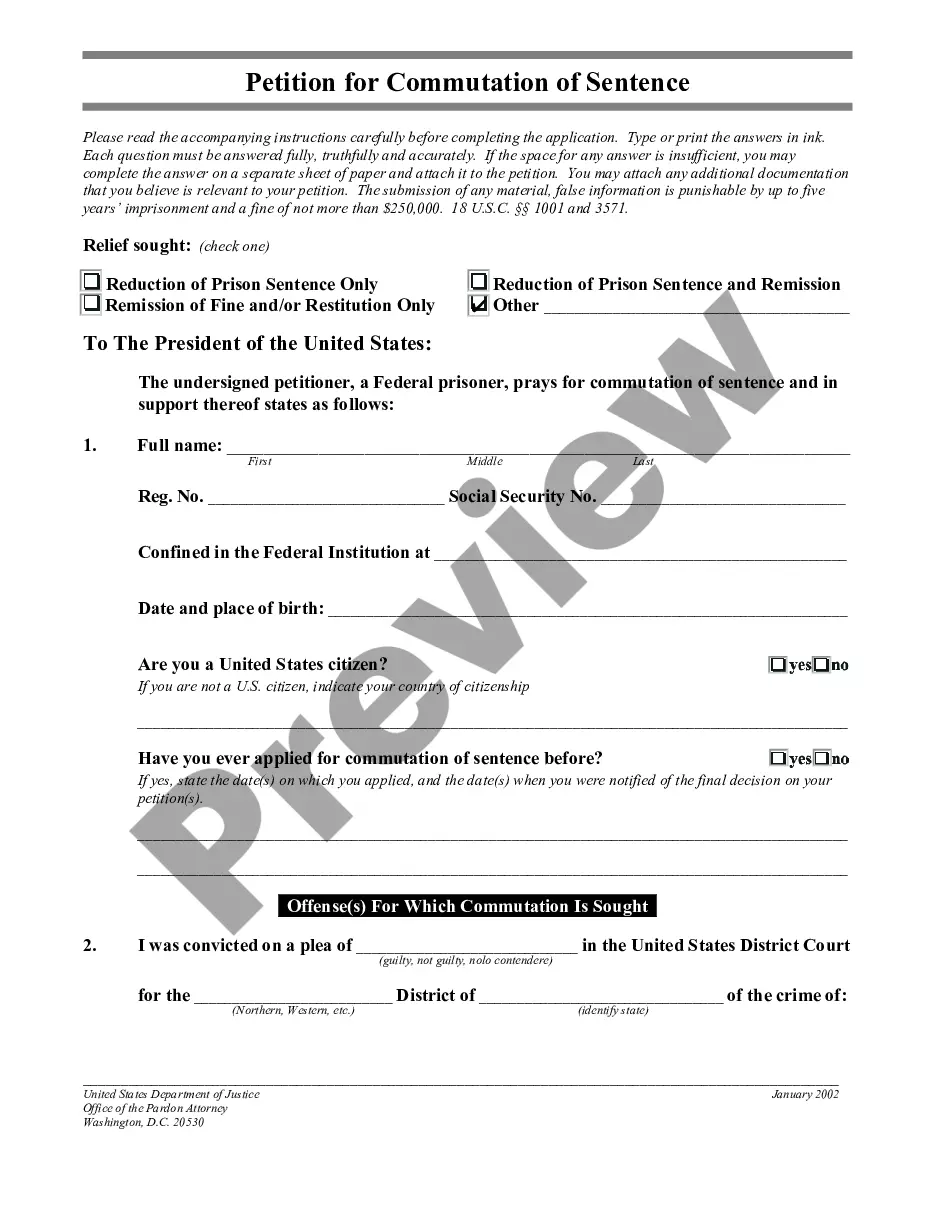

Form popularity
FAQ
In civil asset forfeiture cases, the burden of proof typically rests on the government. They must establish that the property in question is connected to illegal activity, using a standard known as 'preponderance of the evidence.' This means that the government must show that it is more likely than not that the property is subject to forfeiture, a principle outlined in the context of the Long Beach California Petition for Forfeiture. It is essential for claimants to understand this standard to effectively challenge forfeiture actions.
The three types of forfeiture cases include criminal forfeiture, civil forfeiture, and administrative forfeiture. Criminal forfeiture occurs as part of a criminal case against an individual, while civil forfeiture is pursued by the government based on the property's involvement in illegal activities. Administrative forfeiture, as mentioned earlier, is handled through agency procedures without a court trial, all of which are relevant under the Long Beach California Petition for Forfeiture framework. Understanding these distinctions is essential for anyone facing forfeiture.
The two main types of forfeiture proceedings are administrative forfeiture and judicial forfeiture. Administrative forfeiture occurs without a court hearing and is typically used when the value of the seized property is below a certain threshold. On the other hand, judicial forfeiture involves a court proceeding and is often initiated when the value exceeds that limit, or when a claimant contests the forfeiture, as seen in the Long Beach California Petition for Forfeiture. Knowing the difference can help you navigate the process effectively.
Any individual or entity that has a legal interest in the seized property can file a Petition under forfeiture proceedings. This includes property owners, lienholders, and other stakeholders who may be affected by the forfeiture action outlined in the Long Beach California Petition for Forfeiture. By filing a petition, these parties can challenge the legality of the forfeiture or seek restitution. Understanding who has the right to file a petition is crucial in protecting your interests.
The US government can file a civil forfeiture complaint when it believes that assets are connected to criminal activity. This is a vital step in the enforcement of laws concerning illicit properties and assets under the Long Beach California Petition for Forfeiture. Governments typically pursue these actions to deter crime and reclaim proceeds gained from illegal activities. It’s important for individuals affected to know their rights and options in response to such complaints.
A Petition for remission or mitigation of forfeiture is a legal request to reduce or eliminate the penalties imposed during a forfeiture proceeding. This type of petition is essential for individuals seeking relief from asset seizures under the Long Beach California Petition for Forfeiture process. Petitioners must provide evidence supporting their claim for remission, explaining why the forfeiture should be reconsidered. It is crucial to understand this option, especially if you believe the forfeiture was unwarranted.
Civil forfeiture law in California permits the government to seize property believed to be connected to criminal activity. This means your belongings can be taken even without a criminal conviction. It is crucial for individuals in Long Beach to comprehend the implications of these laws. Filing a Long Beach California Petition for Forfeiture presents an opportunity to reclaim your assets and assert your rights.
The election of forfeiture in California allows property owners a choice to contest the seizure of their assets. It provides property owners with a chance to argue against the government's claim. If you reside in Long Beach, it is important to understand your rights regarding your property. A Long Beach California Petition for Forfeiture can help you navigate this complex process.