Cincinnati Ohio Order Granting Protective Order
Description

Form popularity
FAQ
A no contact order restricts communication between two individuals, often issued in criminal cases, while a protective order offers comprehensive protection from harassment, threats, or harm. Protective orders are designed to safeguard victims in various situations, including domestic violence, stalking, or harassment. If you need reassurance after experiencing such situations, obtaining a Cincinnati Ohio Order Granting Protective Order may be an essential step toward securing peace and safety in your life.
A restraining order is a general term that may refer to any court order aimed at limiting someone's behavior, while a Temporary Protection Order (TPO) is a specific type of order issued in cases of domestic violence or related situations. In Ohio, TPOs provide immediate protection and are often granted on a temporary basis until a full court hearing can occur. If you seek a Cincinnati Ohio Order Granting Protective Order, understanding these differences can help you secure the protection you need effectively.
In Ohio, a no contact order typically prohibits a person from communicating with another individual, often within the context of a criminal case. A protection order, however, offers broader safeguards, protecting victims from threats, harassment, or violence. If you are considering a Cincinnati Ohio Order Granting Protective Order, it is essential to understand these distinctions to choose the right legal path for your situation. Ultimately, both orders aim to keep individuals safe, though their applications and legal implications differ.
As mentioned earlier, the three primary types of protection orders include civil protection orders, domestic violence protection orders, and stalking protection orders. Each serves a unique purpose to safeguard individuals facing different types of threats. Knowing these options allows affected individuals to take informed actions. If you seek legal guidance, consider using a platform like uslegalforms for clarity on your situation.
A Temporary Protection Order (TPO) and a Civil Protection Order (CPO) in Ohio differ primarily in duration and purpose. A TPO usually provides immediate, short-term relief, typically lasting until a court hearing. A CPO, on the other hand, is a more permanent solution granted after a thorough hearing. Understanding this distinction is key when seeking a Cincinnati Ohio Order Granting Protective Order.
Eye protection is essential for safety in various environments. The three main types include safety glasses, goggles, and face shields. Each type offers different levels of protection against impact, chemicals, and debris. Always ensure you choose the right category of eye protection based on the risks you face.
Protectionism refers to the economic policy of restraining trade between countries. The three primary types include tariff barriers, non-tariff barriers, and import quotas. Each type serves to protect domestic industries from foreign competition. Understanding these can help you navigate the complexities of international trade and its impact on local economies.
In Ohio, various types of protection can be established through a Cincinnati Ohio Order Granting Protective Order. These include civil protection orders, domestic violence protection orders, and stalking orders. Each type serves to shield individuals from specific threats or harassment. It’s crucial to understand which order best fits your situation.
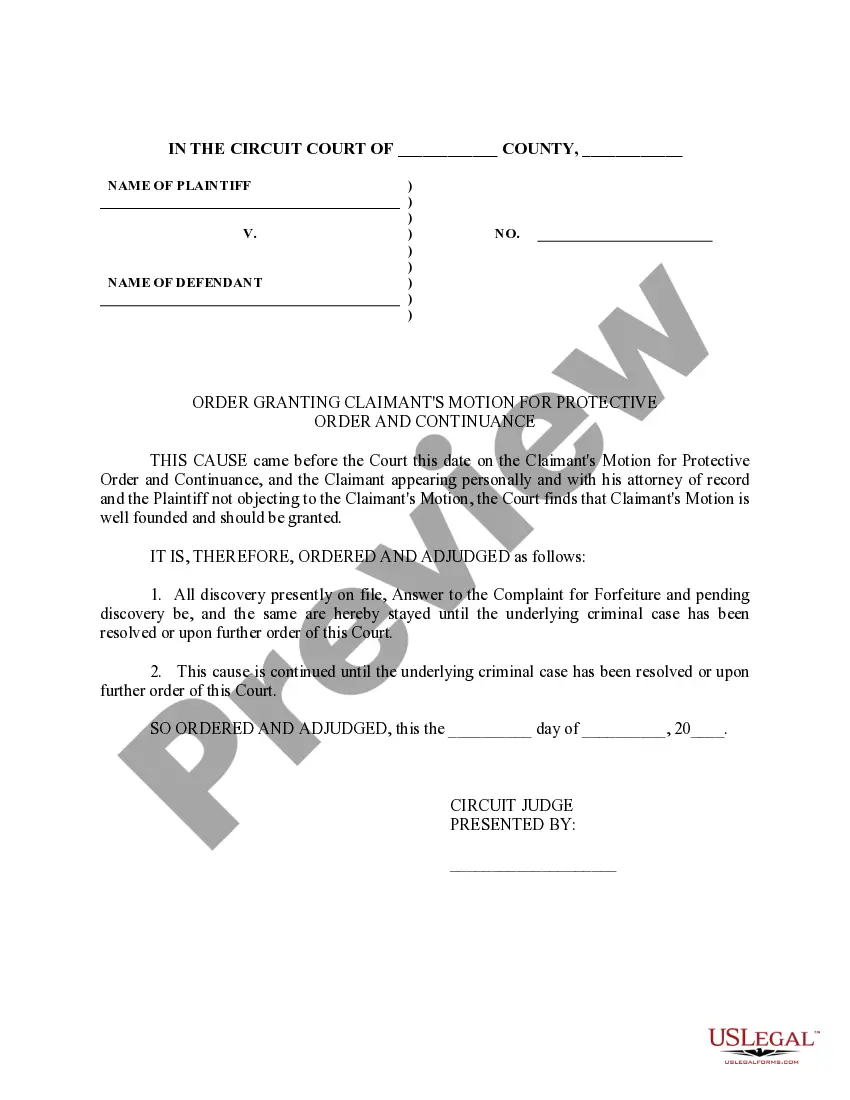
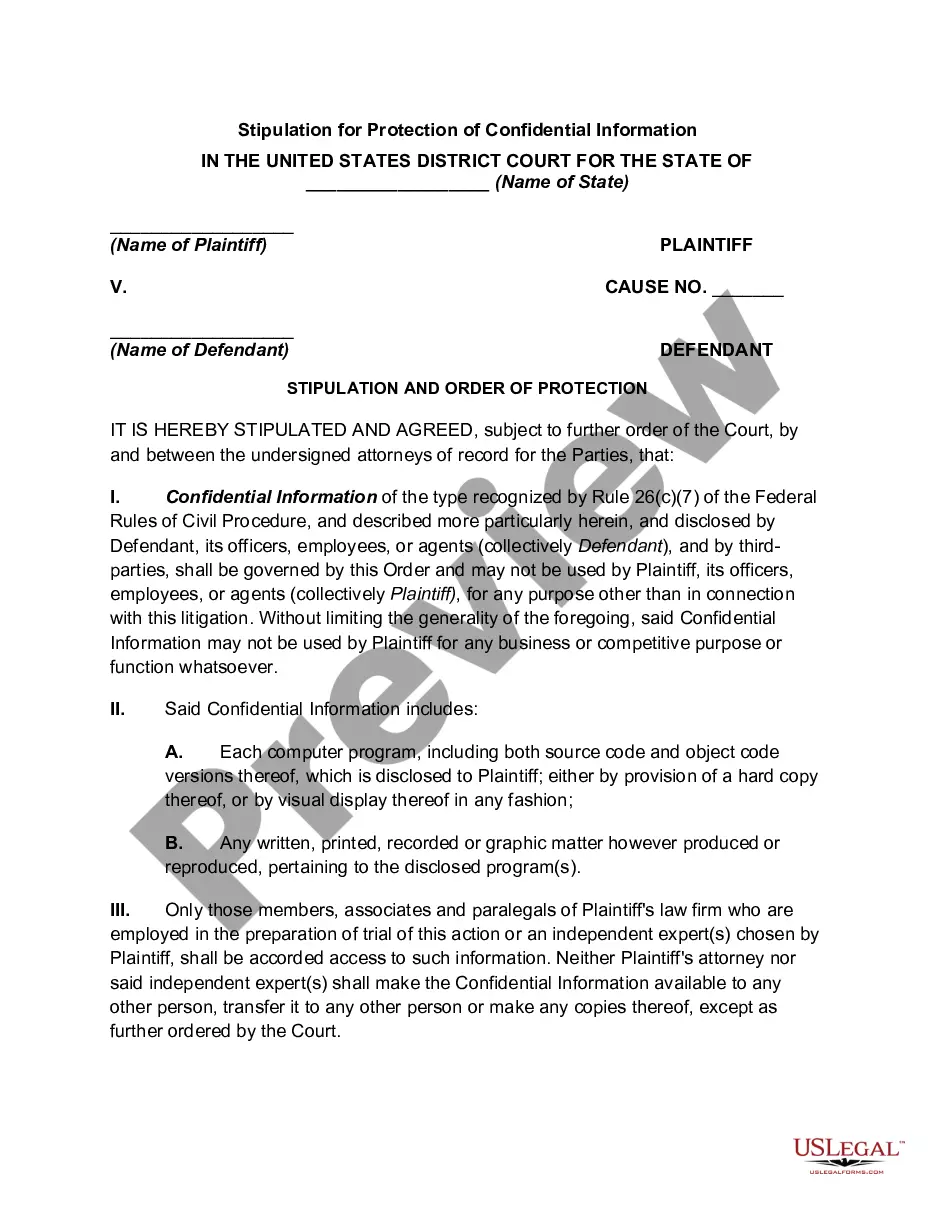
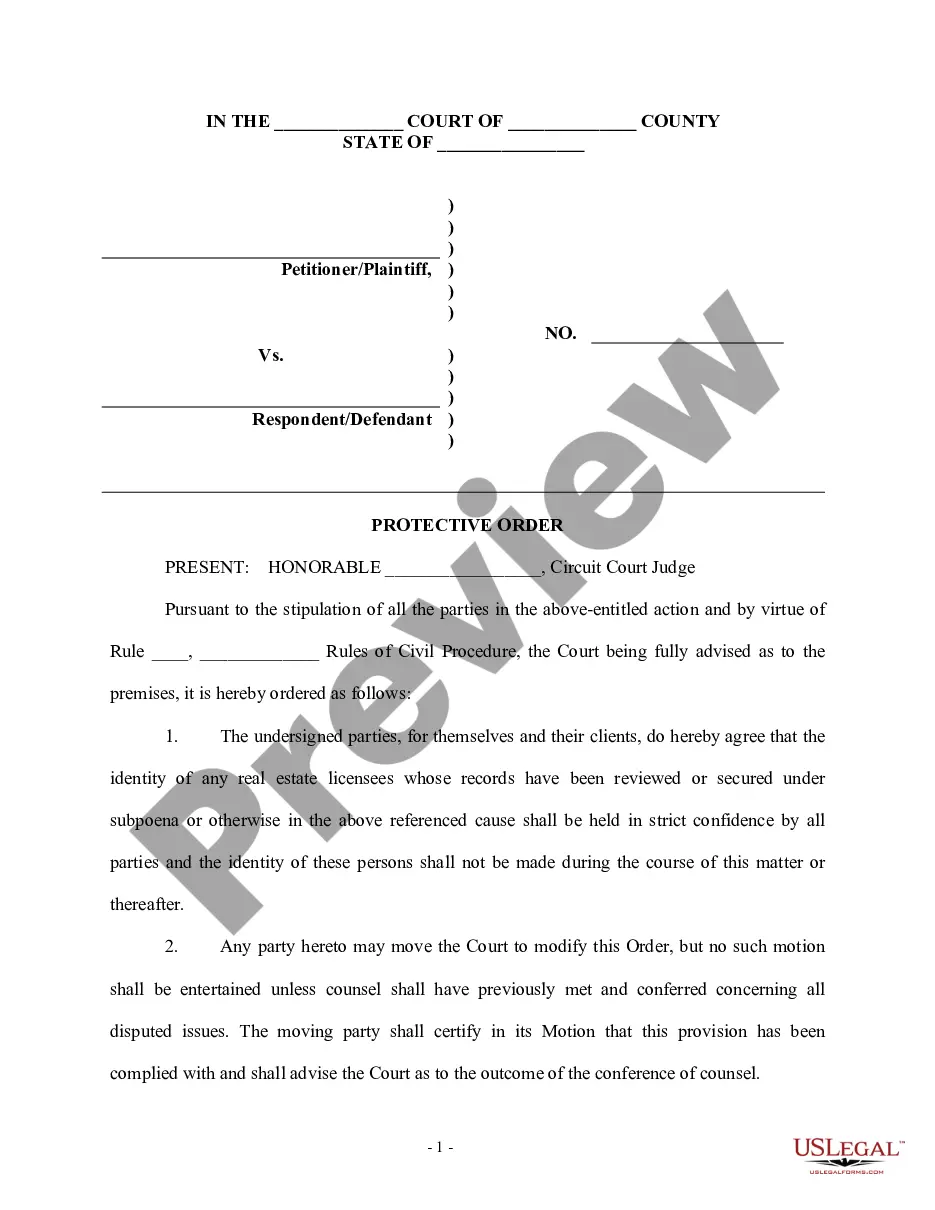
A motion for protective order in Ohio civil rules is a request submitted to the court to limit certain activities or prevent specific actions that may cause harm. This motion can be crucial when parties involved in a legal proceeding feel threatened or unsafe. Filing a Cincinnati Ohio Order Granting Protective Order can provide you with the necessary legal protections. For detailed guidance, consider using resources like uslegalforms to understand how to effectively file your motion.
A no contact order in Ohio prohibits the individual named from communicating with or coming near the protected person. Violating this order can lead to serious legal consequences, including criminal charges. It's vital to understand the specifics of the order, including exemptions, if any apply. If you need assistance, consider the resources available on platforms like uslegalforms to navigate through the process.