Louisiana Landlord Tenant Lease Co-Signer Agreement
What is this form?
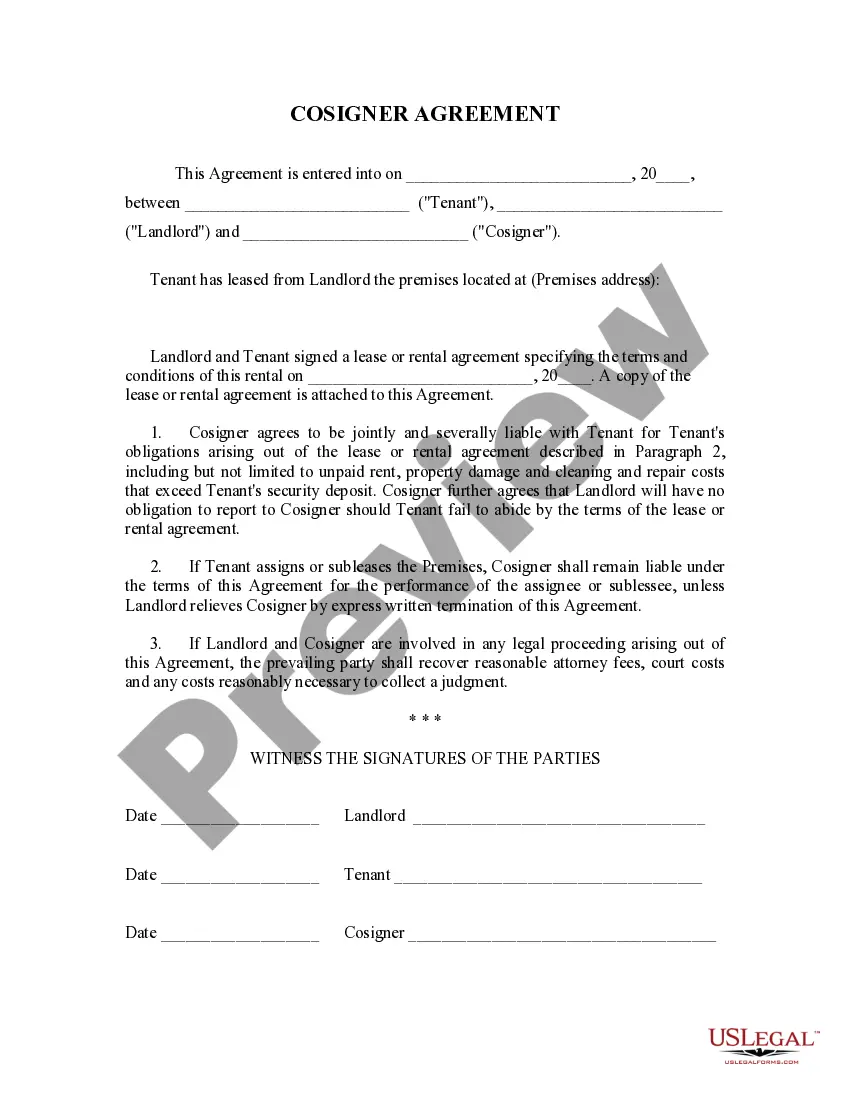
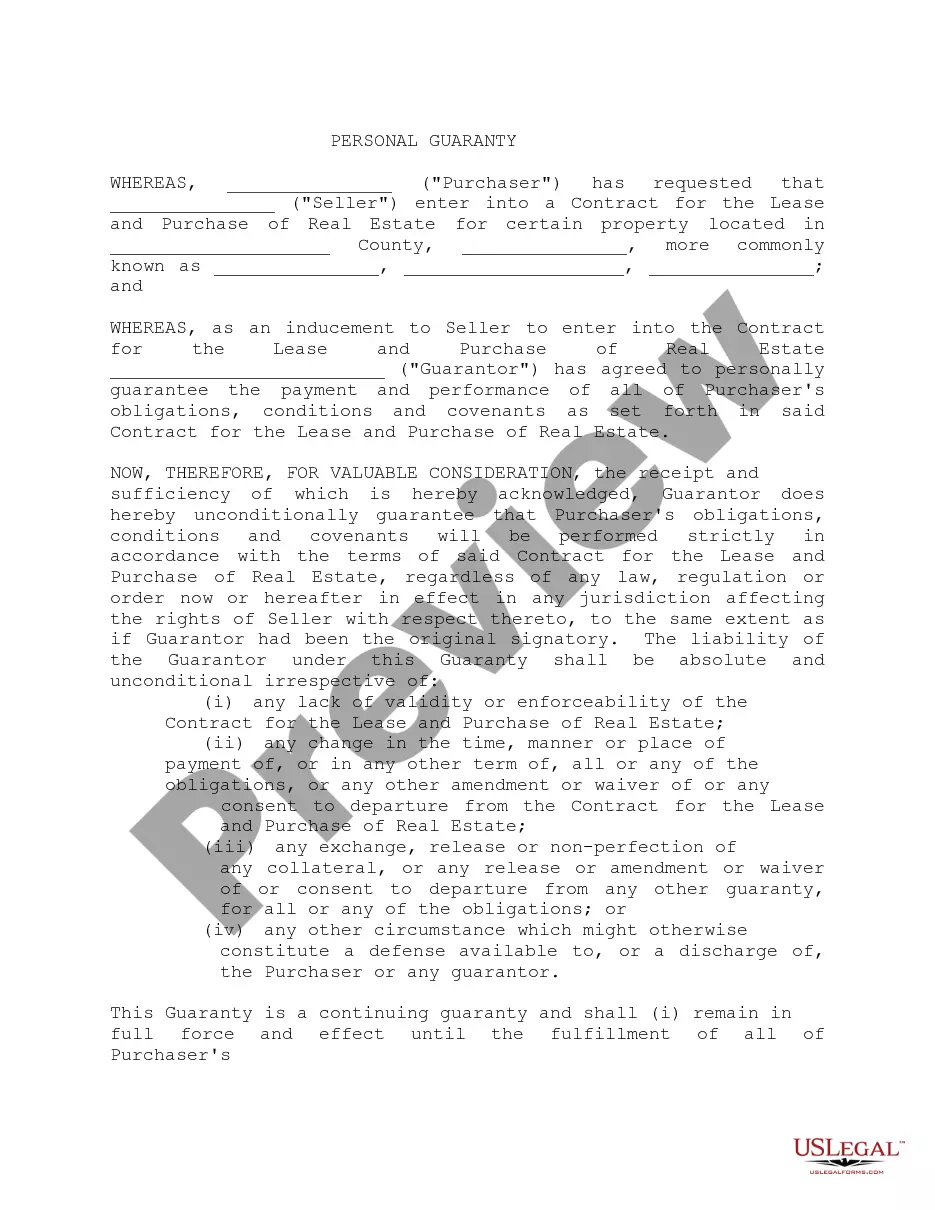
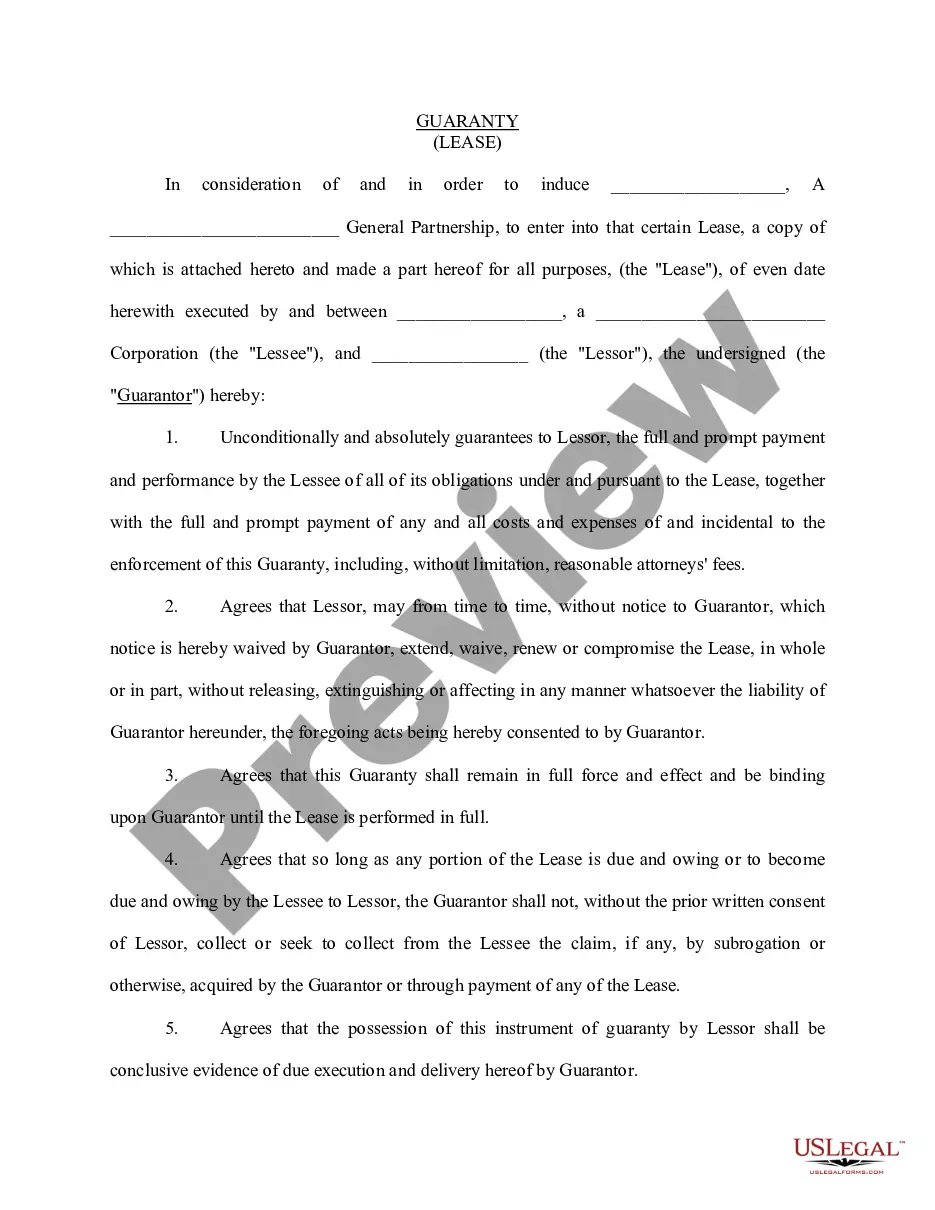
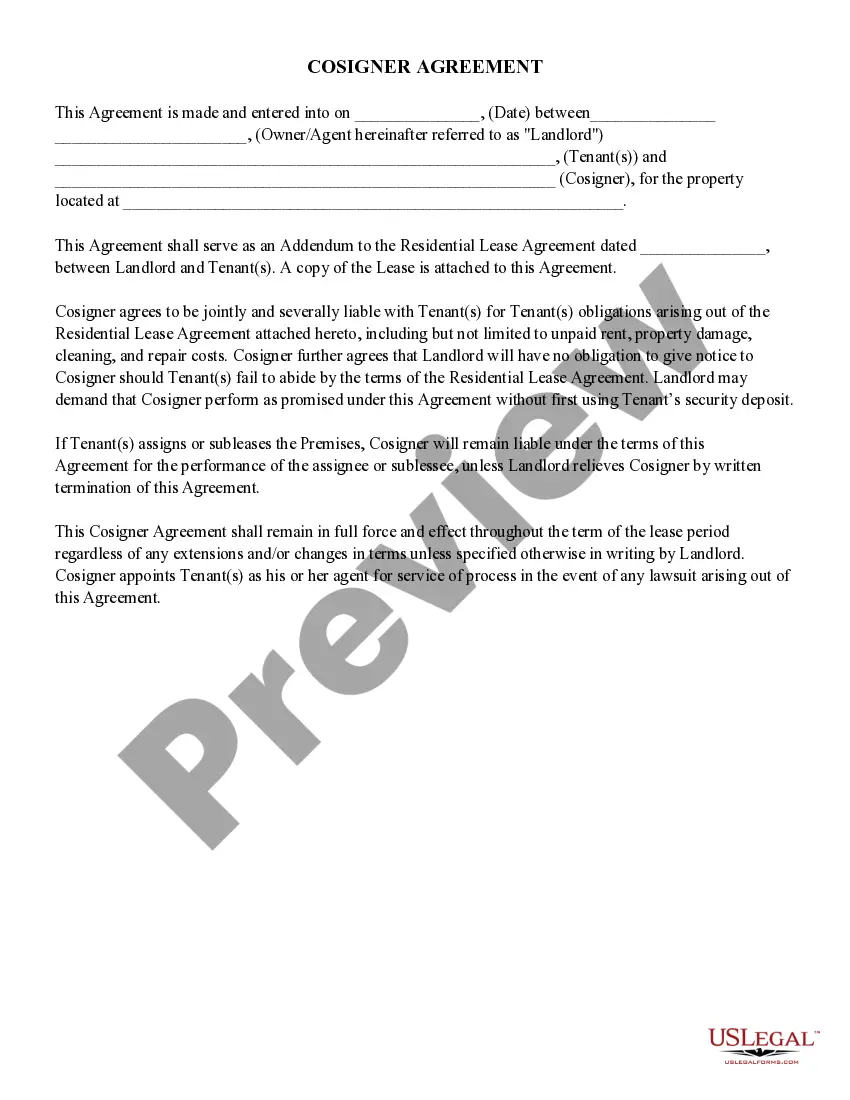
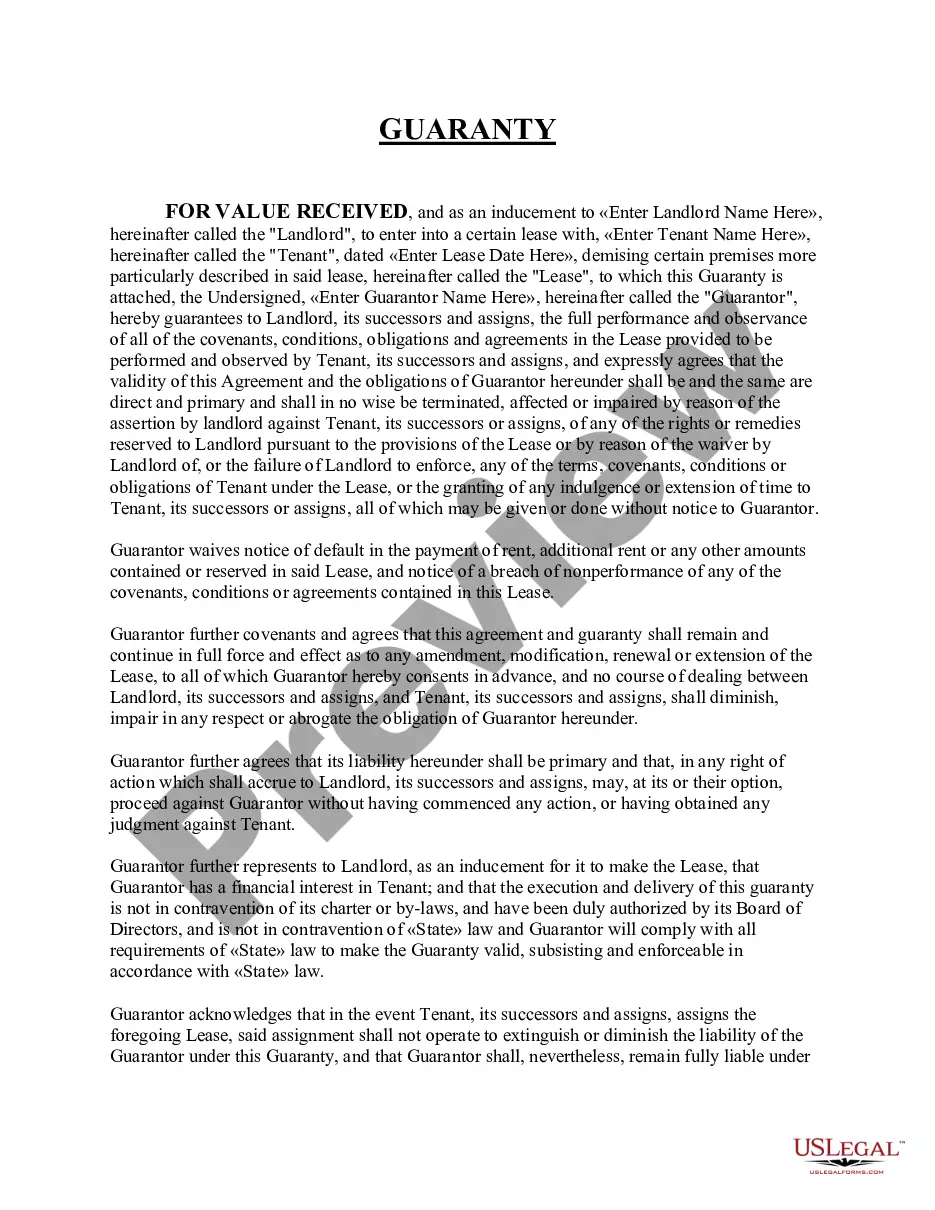
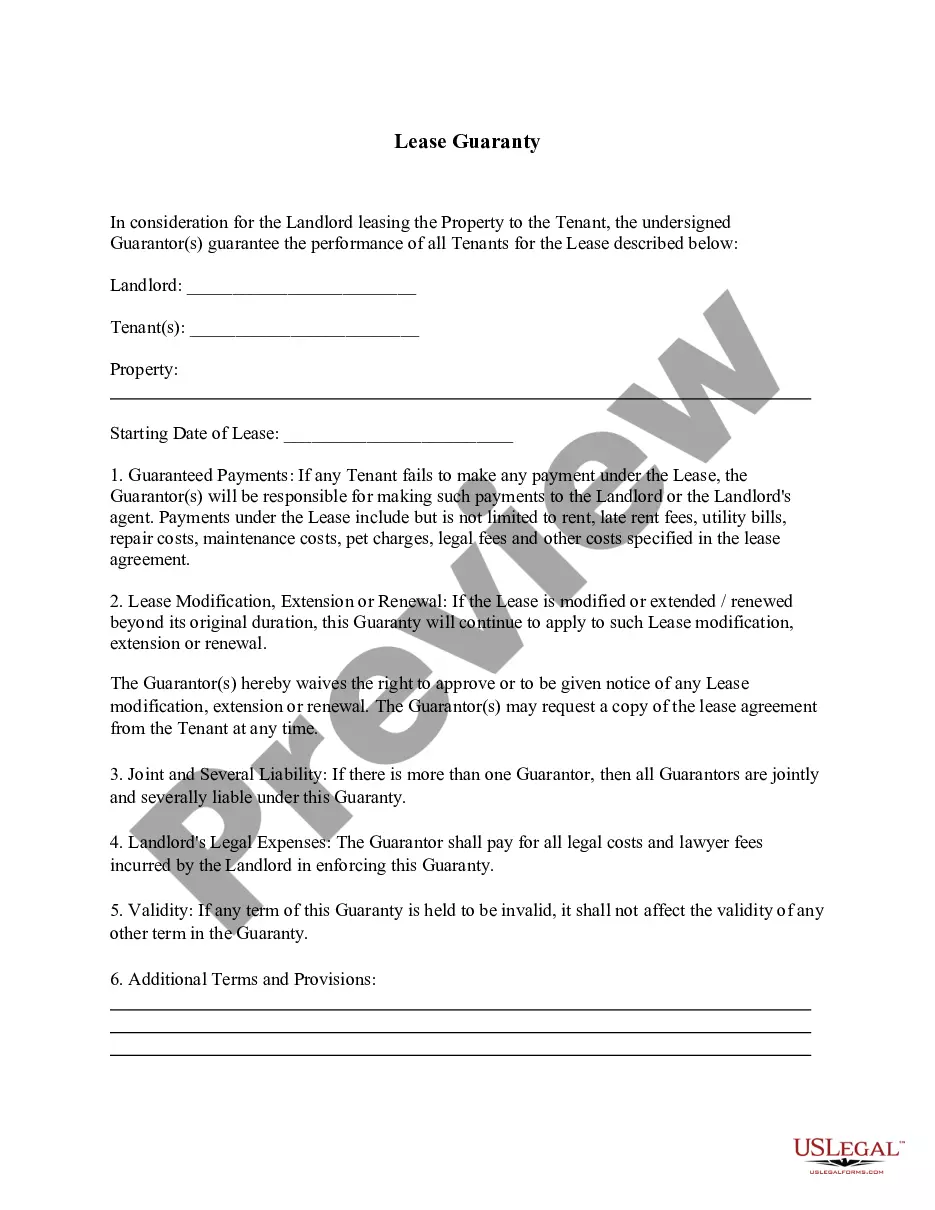
The Landlord Tenant Lease Co-Signer Agreement is a legal document that establishes an agreement between a landlord and a cosigner for a rental lease. This form outlines the cosigner's responsibility to cover rent or damages if the tenant fails to meet their obligations. The cosigner, also known as a guarantor, provides additional security for the landlord by agreeing to assume the tenant's financial obligations if necessary. This form ensures that landlords have a backup resource for rent and damages, making it distinct from standard lease agreements.
What’s included in this form
- Identification of the parties involved: tenant, landlord, and cosigner.
- Description of the leased premises and terms of the lease.
- Cosigner's liability for tenant obligations, including rent and damages.
- Provision for the liability of the cosigner if the tenant subleases or assigns the lease.
- Conditions regarding fees for legal proceedings if disputes arise.
- Signature lines for all parties, including date fields for authorization.
Common use cases
This form should be used when a tenant requires a cosigner to secure a lease agreement. It is particularly useful in scenarios where the tenant does not have sufficient credit history or income for the landlord's approval. A cosigner is often brought in to enhance the landlord's confidence that rental payments will be made in full and on time. Additionally, it is vital in situations where the property may be at risk of damage or if the tenantâs financial standing is uncertain.
Who can use this document
- Landlords seeking security for rental agreements.
- Tenant's family members or friends willing to act as a cosigner.
- Property management companies requiring guarantors for vulnerable tenants.
- Tenants who have a less-than-ideal credit profile and need assistance in securing a lease.
Completing this form step by step
- Identify and write the names of all parties: tenant, landlord, and cosigner.
- Specify the address of the premises being leased.
- Clearly outline the terms of liability for the cosigner and the tenant.
- Enter the date of the agreement at the top of the form.
- Ensure all parties sign and date the agreement to validate it.
Is notarization required?
This form does not typically require notarization unless specified by local law. It is crucial, however, to confirm any notarial requirements based on your state or jurisdiction to ensure the agreement is enforceable.
Get your form ready online
Our built-in tools help you complete, sign, share, and store your documents in one place.
Make edits, fill in missing information, and update formatting in US Legal Forms—just like you would in MS Word.
Download a copy, print it, send it by email, or mail it via USPS—whatever works best for your next step.
Sign and collect signatures with our SignNow integration. Send to multiple recipients, set reminders, and more. Go Premium to unlock E-Sign.
If this form requires notarization, complete it online through a secure video call—no need to meet a notary in person or wait for an appointment.
We protect your documents and personal data by following strict security and privacy standards.

Make edits, fill in missing information, and update formatting in US Legal Forms—just like you would in MS Word.

Download a copy, print it, send it by email, or mail it via USPS—whatever works best for your next step.

Sign and collect signatures with our SignNow integration. Send to multiple recipients, set reminders, and more. Go Premium to unlock E-Sign.

If this form requires notarization, complete it online through a secure video call—no need to meet a notary in person or wait for an appointment.

We protect your documents and personal data by following strict security and privacy standards.
Common mistakes to avoid
- Failing to include all necessary parties in the agreement.
- Not specifying the details of the leased premises.
- Assuming the cosigner's liability is limited without clear terms.
- Leaving signature or date fields blank, which can render the form invalid.
- Not understanding local laws that may affect lease agreements and cosigner responsibilities.
Benefits of using this form online
- Convenience of downloading the form anytime, reducing time spent on paperwork.
- Editability allows users to customize the agreement to meet specific situations.
- Access to attorney-drafted templates ensures legal reliability and thoroughness.
- Easy to store and share electronically, which improves record-keeping.
Looking for another form?


Form popularity
FAQ
Leasing companies typically have higher credit score requirements, so borrowers with poor credit generally have better chances of working with a bad credit lender for a car loan. Leasing is usually reserved for borrowers with good credit, but a cosigner could give you the boost you need to get into a lease.
Being a co-signer itself does not affect your credit score. Your score may, however, be negatively affected if the main account holder misses payments.You will owe more debt: Your debt could also increase since the consignee's debt will appear on your credit report.
A co-signer is a third party who is responsible if you are unable to pay rent. This person does not typically live in the apartment with you, but he or she is equally liable for your lease.
Ask the owner whether he allows for co-signers. Schedule a meeting with the owner and your co-signer. Sign the lease or rental agreement once the co-signer passes the property owner's requirements. Ask the landlord whether he objects to another tenant moving into the home.
Co-signers have equal responsibility for payment of monthly rental costs, while a guarantor is generally sought for payment only when the primary signer is unable to make the rental payment.
As a cosigner on a lease, you're not only helping someone out, you're taking on a ton of risk. For instance, if the lease holder doesn't make their payments on time, it will negatively affect your credit report and credit score.
In that case, it's important to understand that the co-signer is only responsible for the length of the lease, which is usually one year. At that point, the lease will end and the co-signer is no longer responsible unless they sign a new lease.
Only the owner/landlord can evict. Tenants and co-signors do not have the authority. If you want your ex GF out, there must be a basis for the eviction and a cooperative landlord.
If you are signing a new lease to include the new person, the landlord can alter the terms and you must decide whether you are willing to sign the revised lease agreement.