Louisiana Residential or Rental Lease Extension Agreement
What this document covers
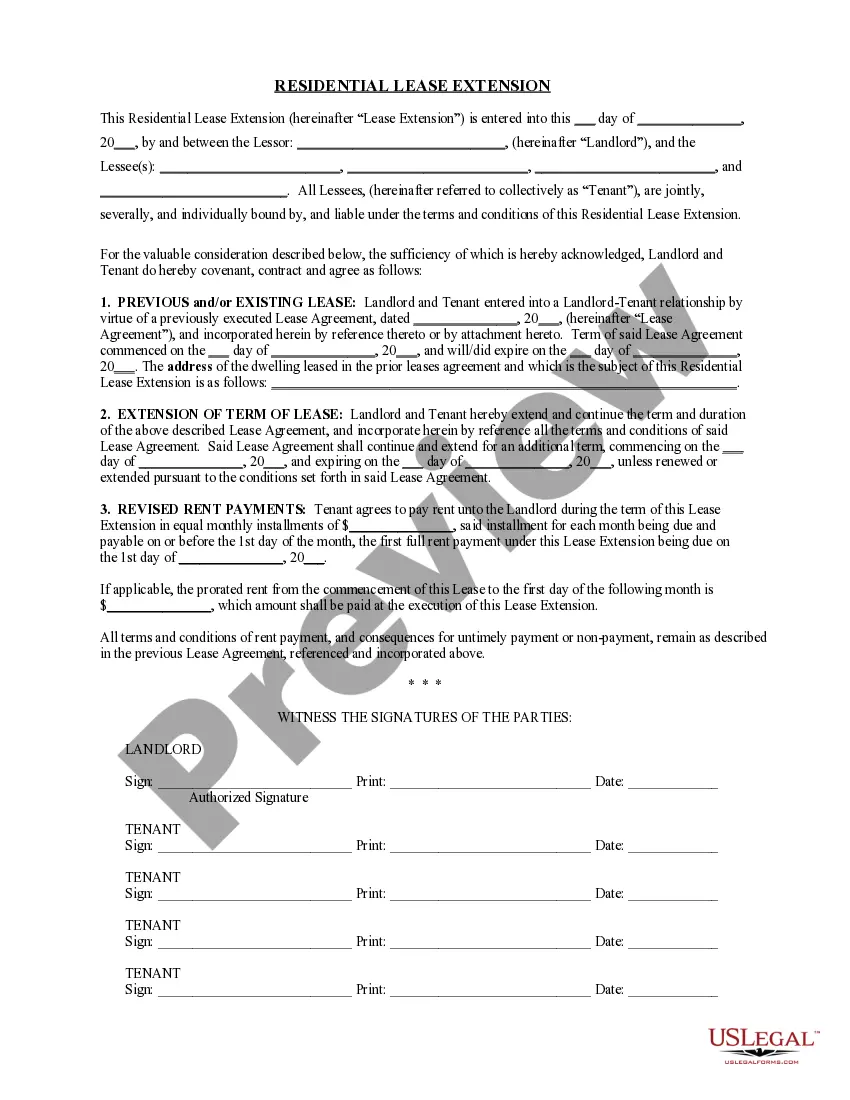
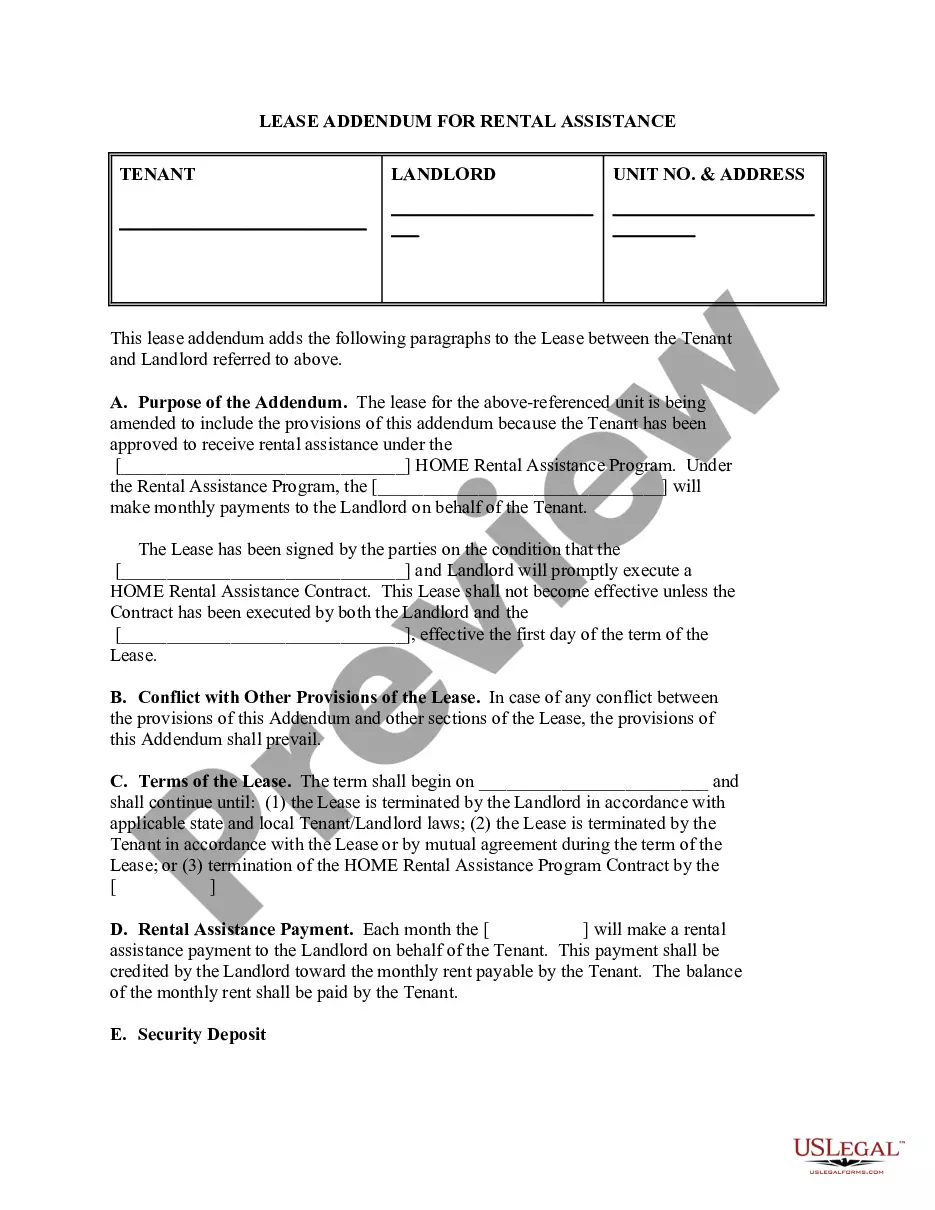
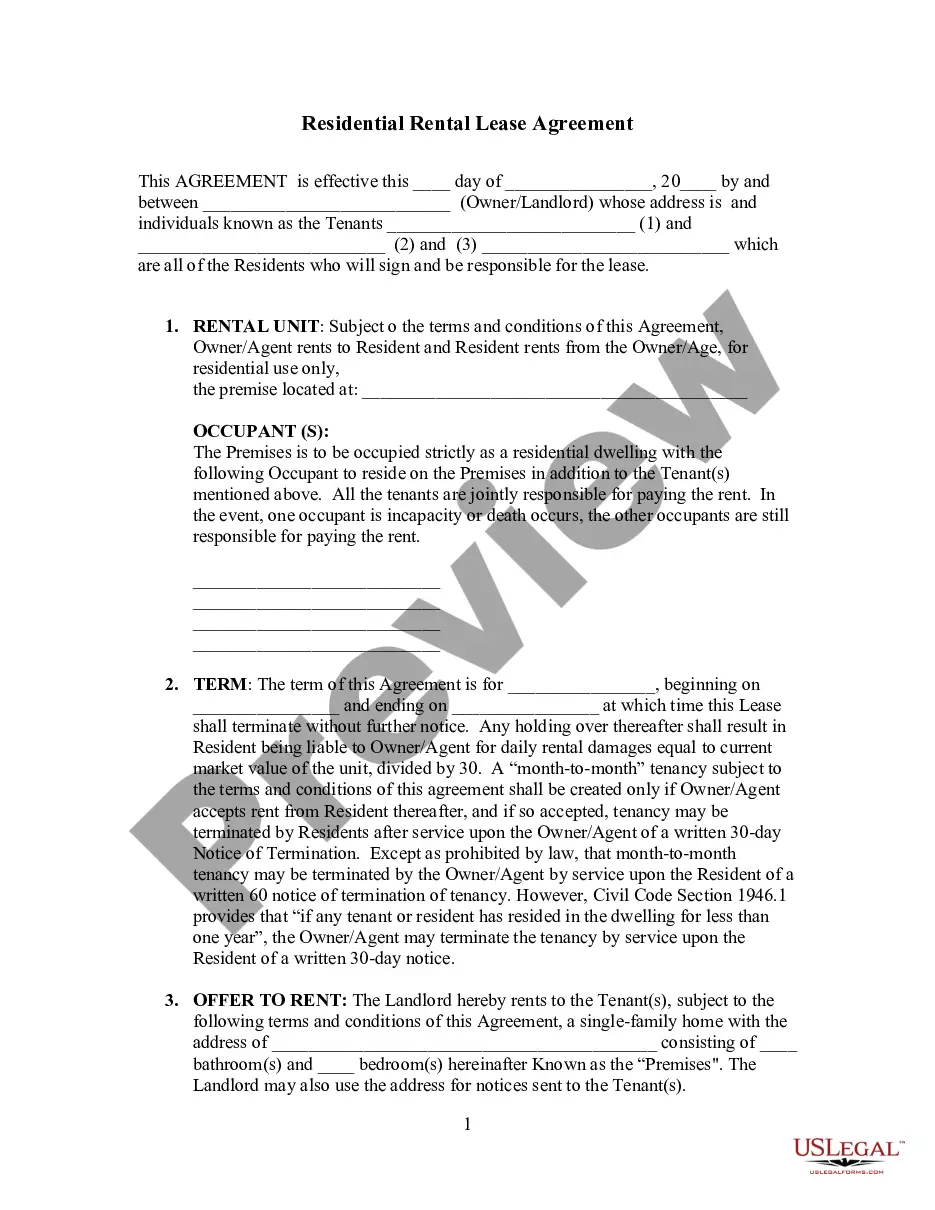
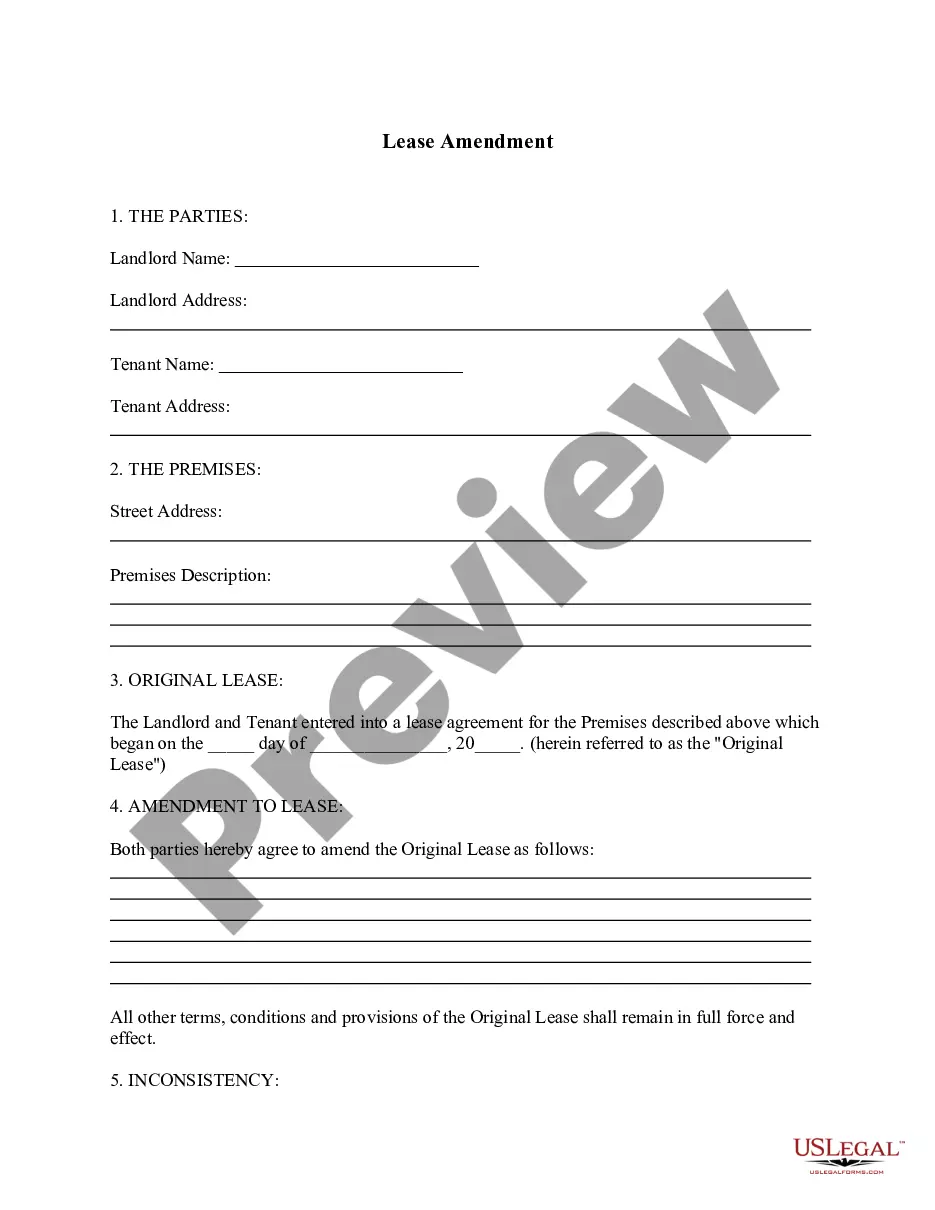
The Residential or Rental Lease Extension Agreement is a legal document that allows landlords and tenants to extend the terms of an existing rental lease. Instead of creating a new lease, the lease extension carries over all terms from the original agreement, making it a convenient option for both parties. This form may also include details regarding any modifications to the rental terms, such as changes in rent amounts or lease duration.
Main sections of this form
- Details of the parties involved: Names and contact information of the landlord and tenants.
- Reference to the original lease: Incorporates the terms of the previous agreement.
- Extension of lease term: Specifies the new start and end dates of the lease extension.
- Revised rent payments: States the new rental amount and payment schedule.
- Signatures: Requires signatures from all parties to make it legally binding.
Common use cases
This form is useful when both the landlord and tenant agree to continue the lease beyond its original expiration date without drafting a new lease. It is particularly relevant for tenants who want to remain in the same rental property and for landlords who wish to retain existing tenants for an extended period. You may need this form in scenarios such as a tenant's request for more time in their living space or when a landlord and tenant establish a mutual agreement to update rental terms.
Who can use this document
- Landlords seeking to extend the lease term with existing tenants.
- Tenants who wish to stay in their current rental property.
- Individuals or businesses involved in residential rental agreements.
Completing this form step by step
- Identify the parties: Fill in the names of the landlord and tenants.
- Specify the property: Provide the address of the rental property currently leased.
- Enter original lease details: Include the commencement and expiration dates of the original lease agreement.
- Set the new lease term: Specify the new start and end dates for the lease extension.
- Outline revised rent payments: Enter the new rental amount and payment due date.
- Collect signatures: Ensure all parties sign and date the agreement to finalize the extension.
Does this document require notarization?
This form usually doesn’t need to be notarized. However, local laws or specific transactions may require it. Our online notarization service, powered by Notarize, lets you complete it remotely through a secure video session, available 24/7.
Get your form ready online
Our built-in tools help you complete, sign, share, and store your documents in one place.
Make edits, fill in missing information, and update formatting in US Legal Forms—just like you would in MS Word.
Download a copy, print it, send it by email, or mail it via USPS—whatever works best for your next step.
Sign and collect signatures with our SignNow integration. Send to multiple recipients, set reminders, and more. Go Premium to unlock E-Sign.
If this form requires notarization, complete it online through a secure video call—no need to meet a notary in person or wait for an appointment.
We protect your documents and personal data by following strict security and privacy standards.

Make edits, fill in missing information, and update formatting in US Legal Forms—just like you would in MS Word.

Download a copy, print it, send it by email, or mail it via USPS—whatever works best for your next step.

Sign and collect signatures with our SignNow integration. Send to multiple recipients, set reminders, and more. Go Premium to unlock E-Sign.

If this form requires notarization, complete it online through a secure video call—no need to meet a notary in person or wait for an appointment.

We protect your documents and personal data by following strict security and privacy standards.
Avoid these common issues
- Failing to include all tenant names if shared tenancy exists.
- Not specifying the new rental amount or payment terms correctly.
- Omitting the signature of all parties involved, making the form unenforceable.
- Using incorrect dates for the lease term extension.
Benefits of completing this form online
- Convenience: Easily access and download the form anytime.
- Editability: Fill in the necessary details digitally before printing.
- Reliability: Form templates drafted by licensed attorneys to ensure legal validity.
Looking for another form?


Form popularity
FAQ
Louisiana Residential or Rental Lease Extension Agreement is a Louisiana-specific document that lets landlords and tenants extend an existing rental term without drafting a new lease. It carries over most terms from the original lease, while allowing changes to the lease period and rent if agreed. Signatures from all parties make the extension binding.
To extend a lease, both sides must agree and complete the Louisiana Residential or Rental Lease Extension Agreement. Reference the original lease, specify the new start and end dates, and note any changes to rent or payment terms. Then have all parties sign and keep copies for records.
Yes. The Louisiana Residential or Rental Lease Extension Agreement lets you extend an existing tenancy by carrying over most terms from the original lease while adding new dates and any revised rent. It requires signatures from the landlord and tenants to become legally binding.
Yes, you can extend your stay by using the Louisiana Residential or Rental Lease Extension Agreement, provided both parties agree. The form keeps existing terms unless you record changes to dates or rent, and requires signatures from all parties to be binding.
The Louisiana Residential or Rental Lease Extension Agreement is designed to extend an existing tenancy while referencing the original lease and possibly adjusting dates and rent. A renewal typically results in a new or restated agreement rather than an extension of the current term.
It is specifically intended to extend an existing tenancy in Louisiana by carrying over the original lease terms and adding new start and end dates plus any rent changes, rather than creating a new lease. This distinction helps keep the original contract intact while extending occupancy.