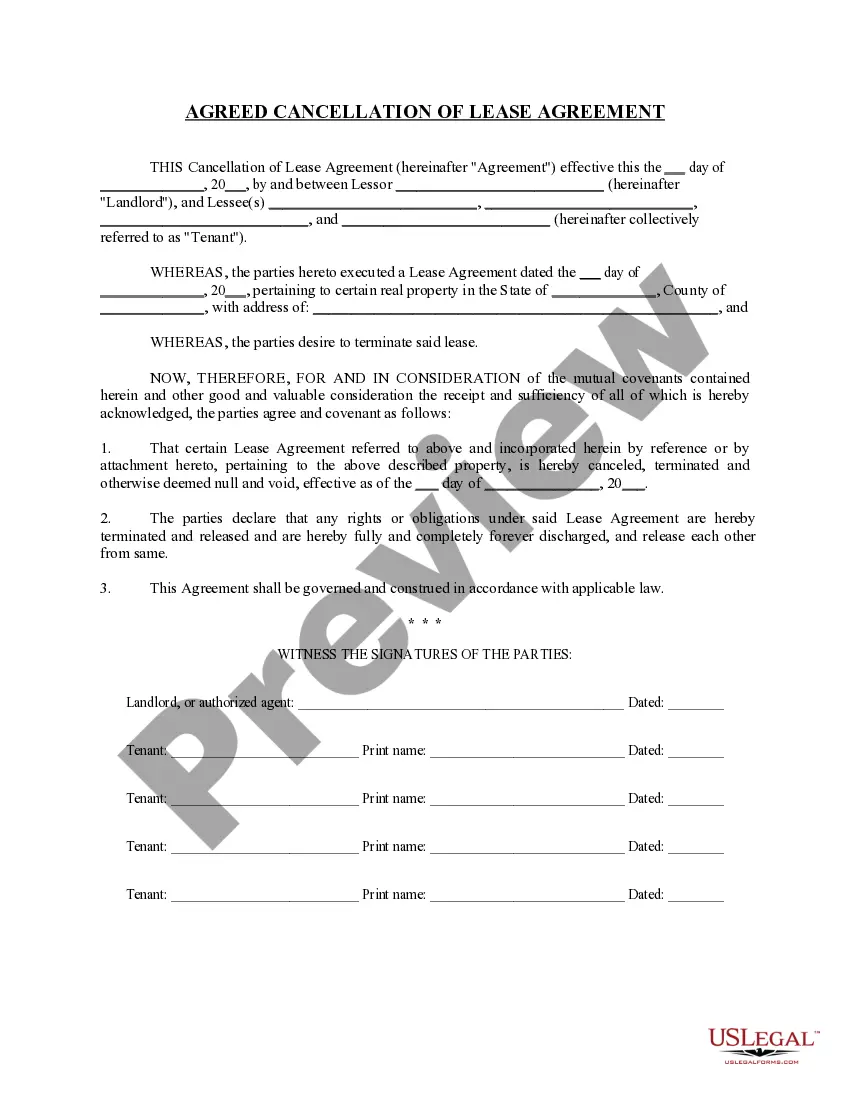
Mississippi Response to First Request for Production of Documents
What this document covers
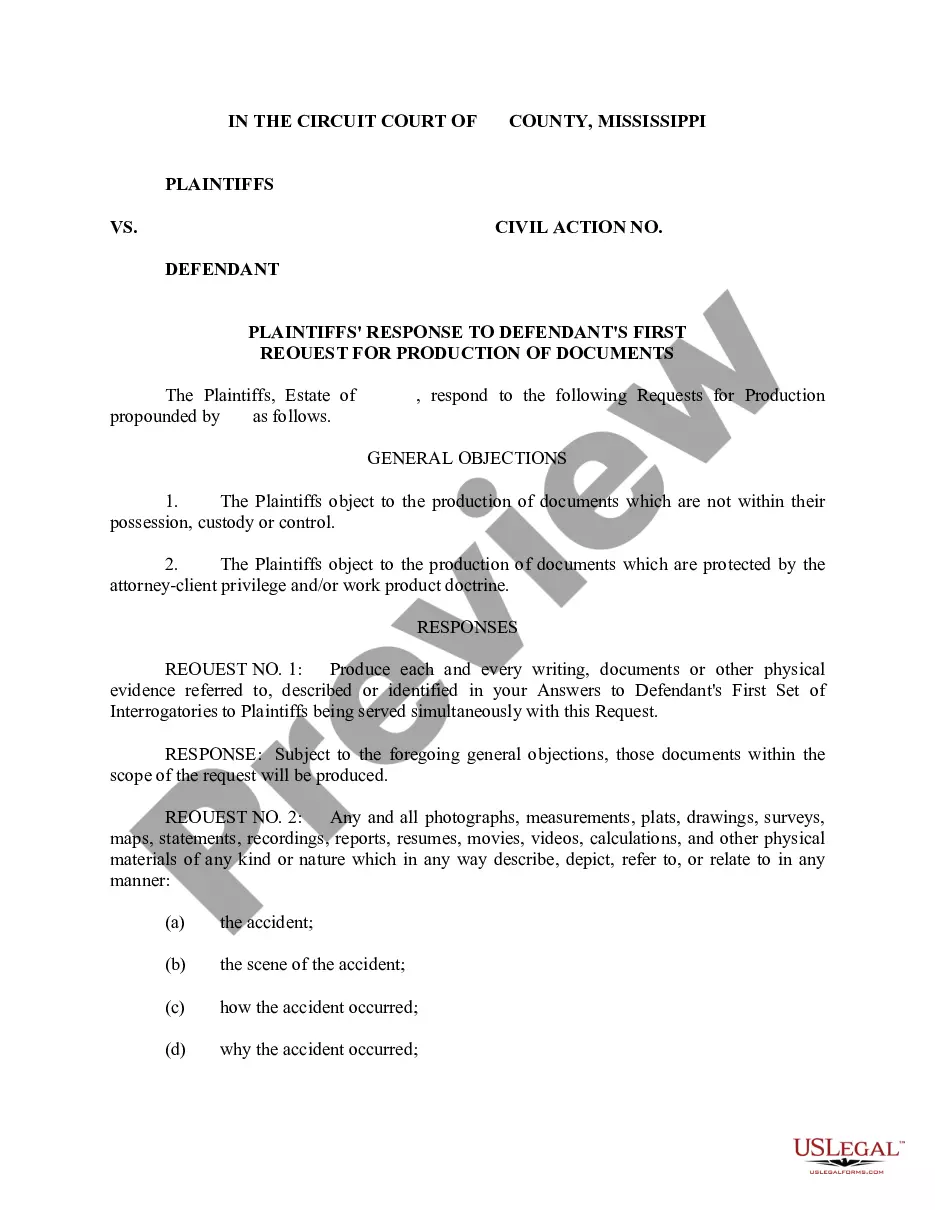
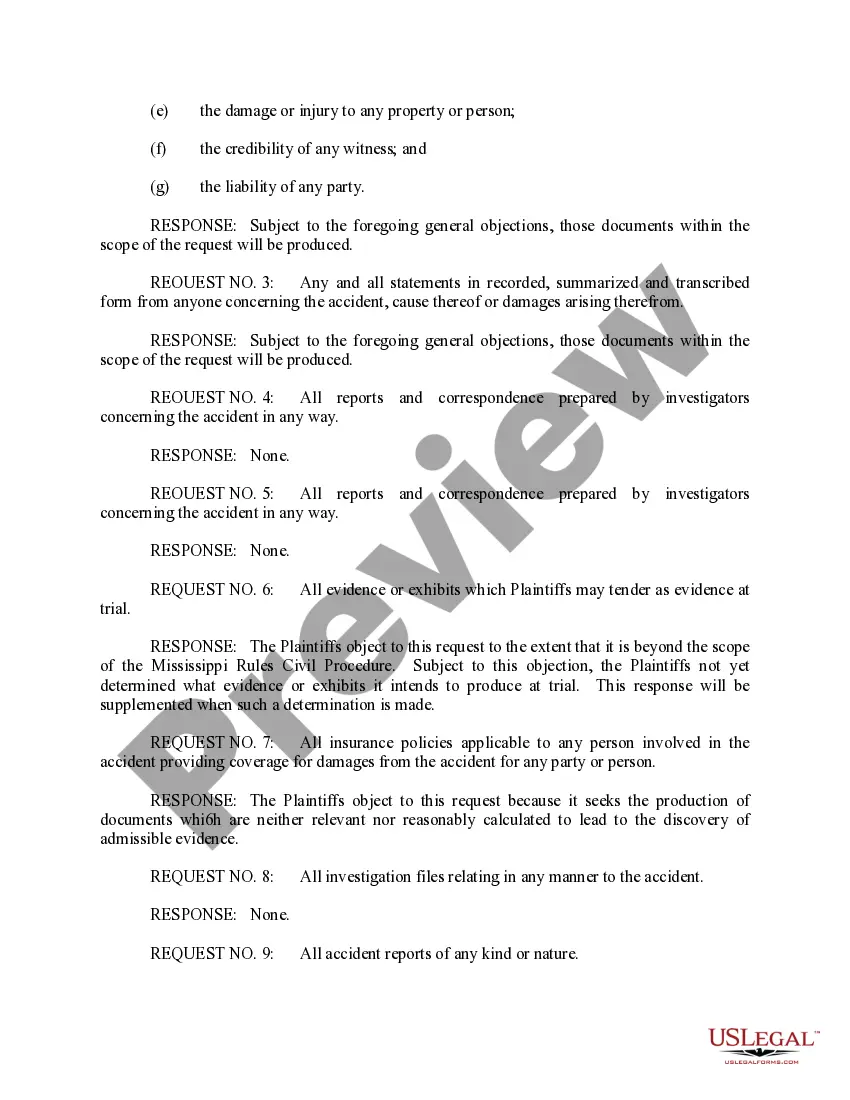
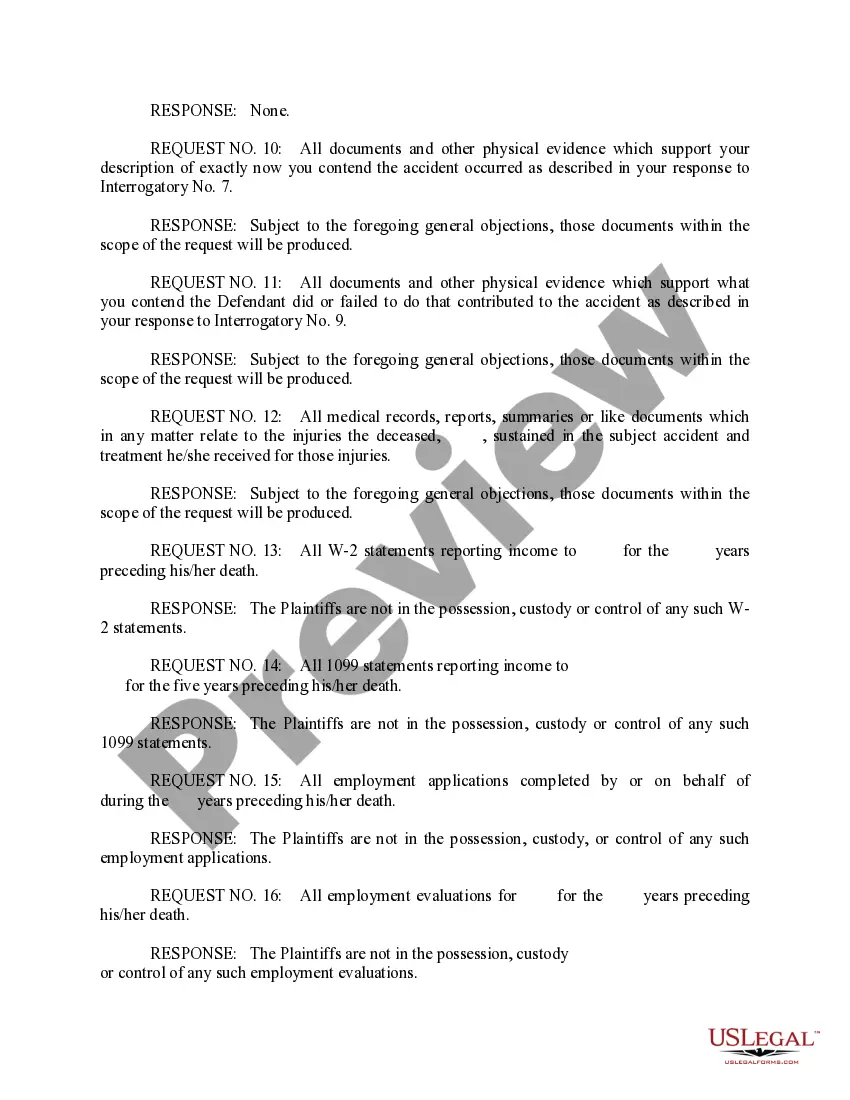
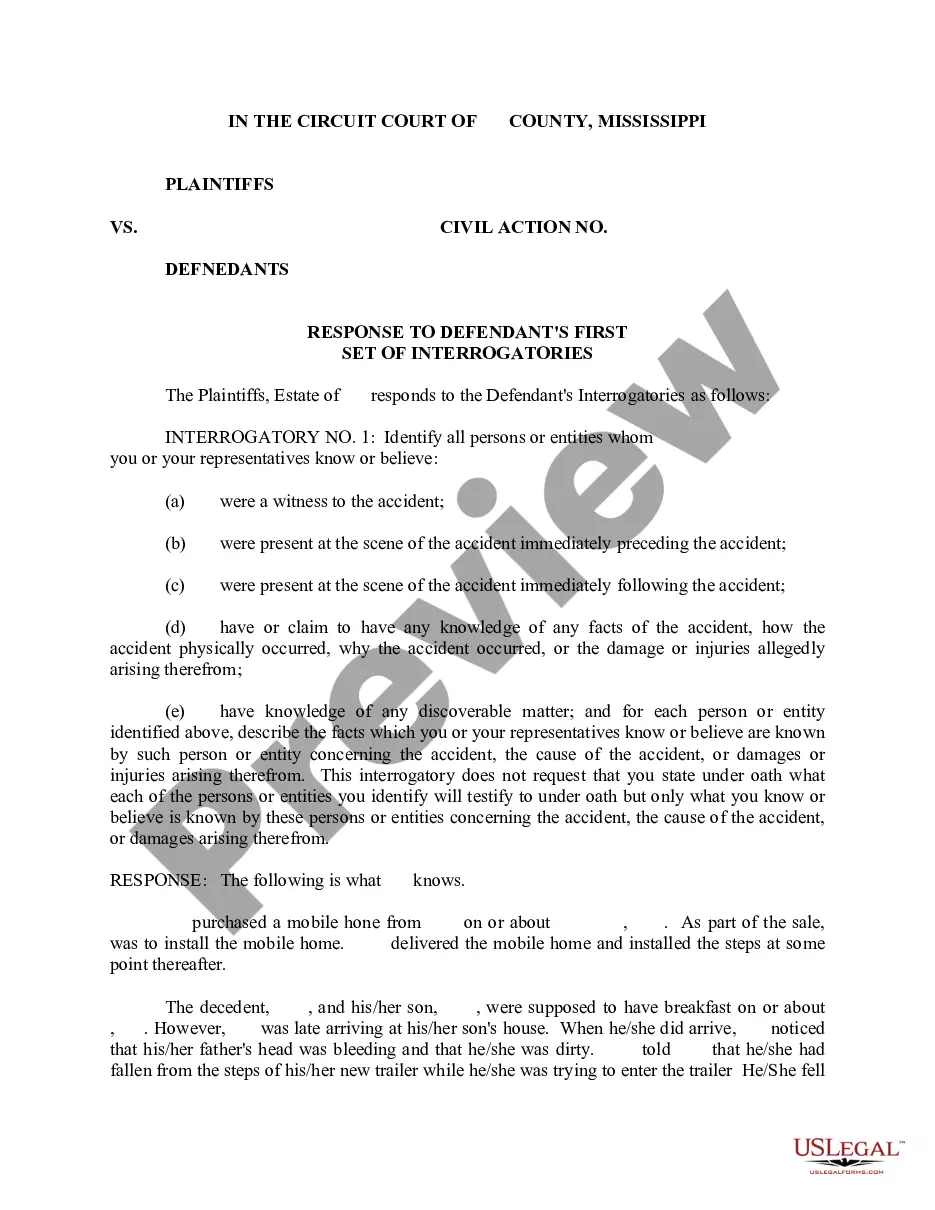
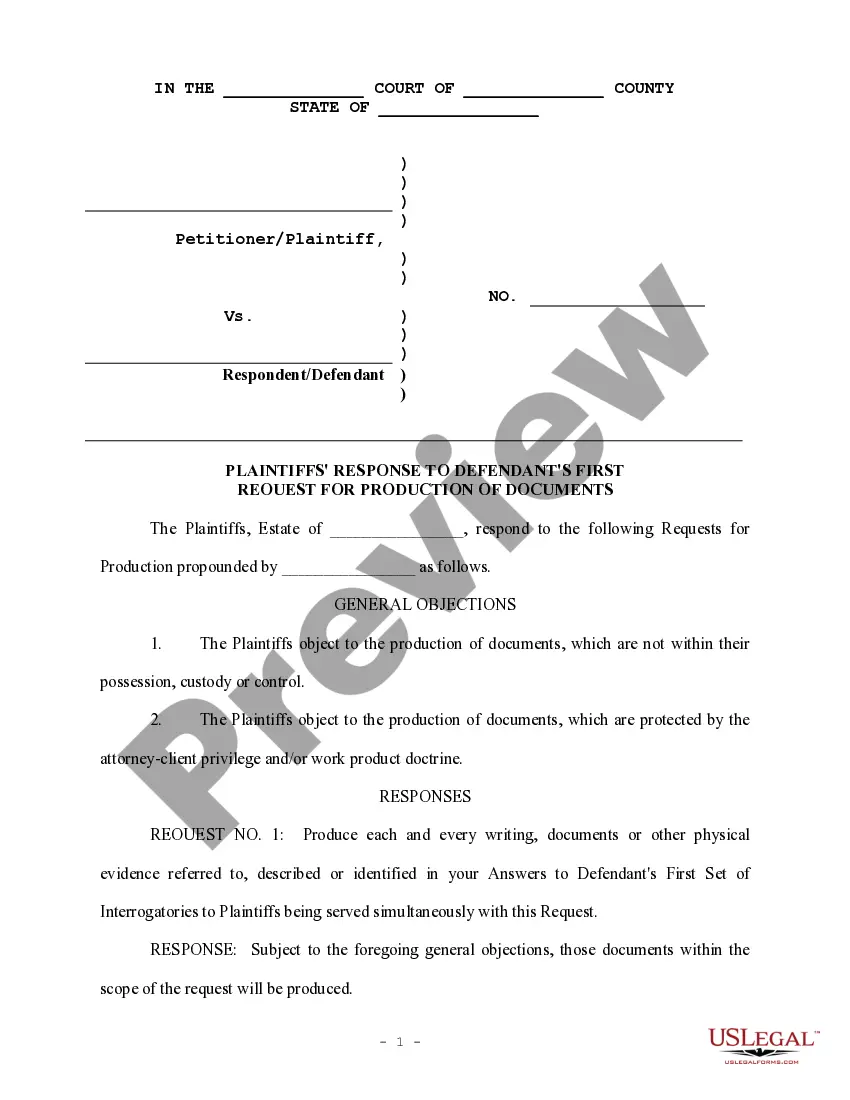
The Response to First Request for Production of Documents is a legal form used by plaintiffs in civil actions to respond to requests from defendants for the production of documents relevant to a case. This form is essential in the discovery process, allowing plaintiffs to formally address what documents they are able to provide, what documents they do not have, and any objections they might have to the requests. It ensures that all parties are aware of the evidence that may be available before trial.
What’s included in this form
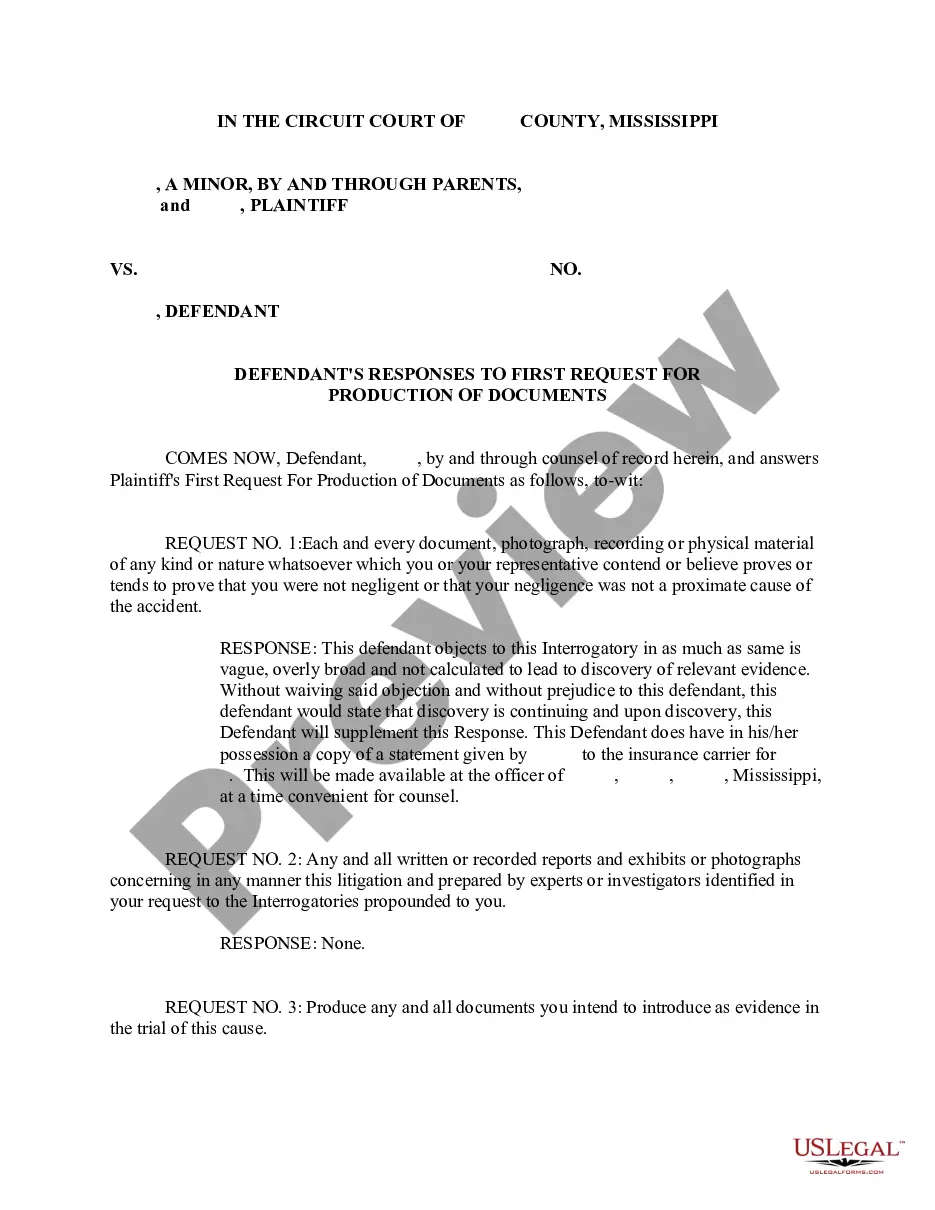
- Identification of the parties involved in the civil action.
- General objections to requests for documents.
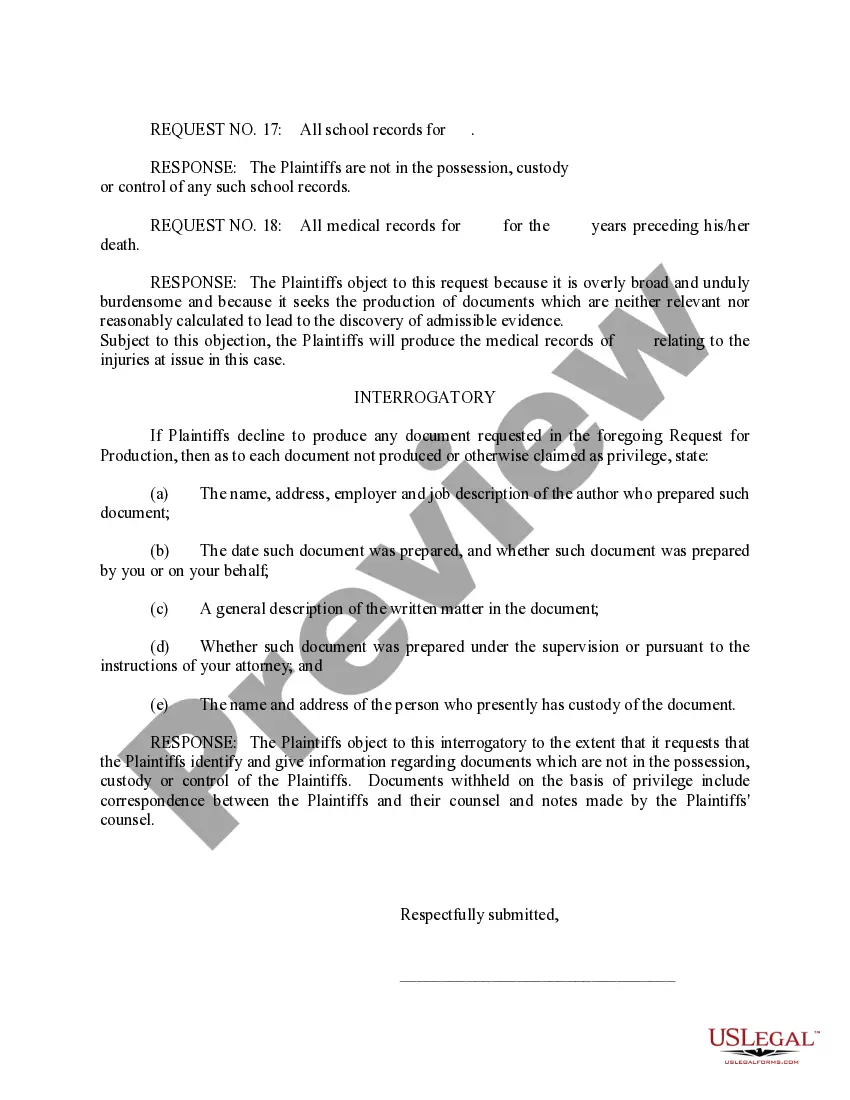
- Specific responses to each request for production, including what documents are available or objected to.
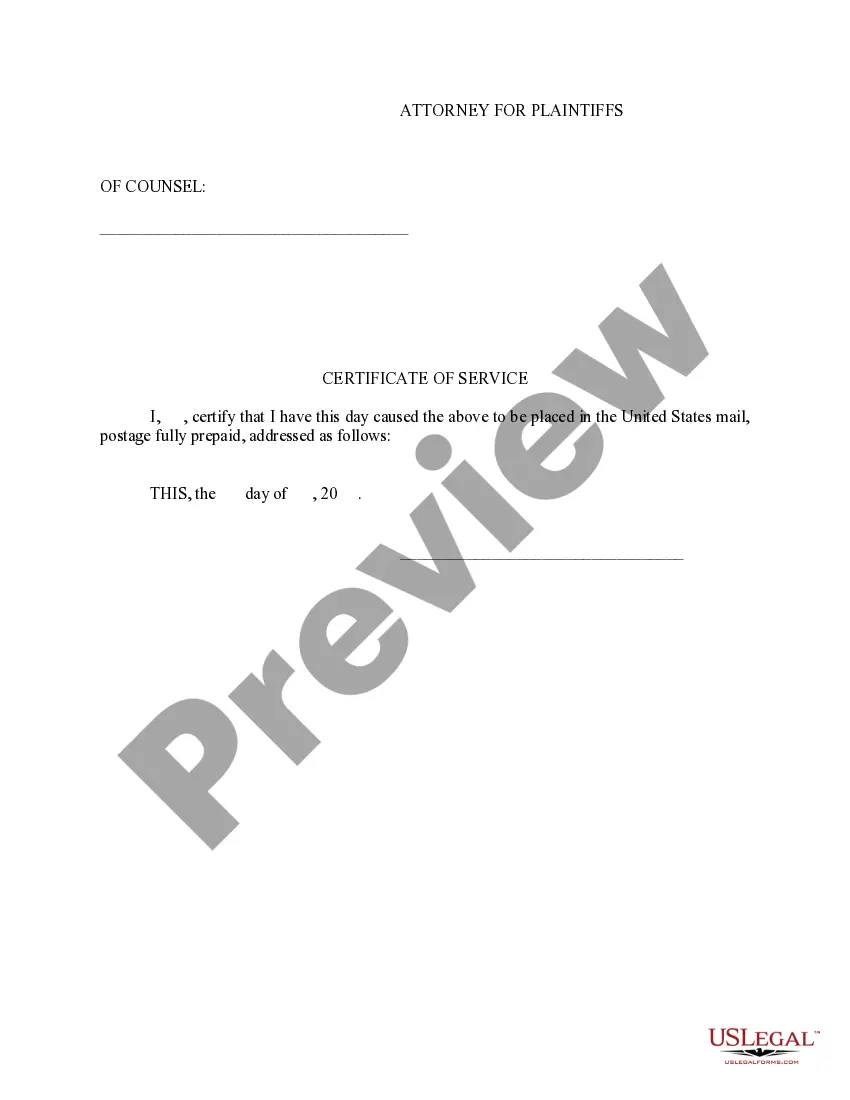
- Signature line for the attorney representing the plaintiffs.
- Certificate of service confirming delivery of the response to the opposing party.
Common use cases
This form should be used when a plaintiff receives a formal request from a defendant to produce documents related to a civil case. It is particularly useful during the pre-trial discovery phase when parties exchange information and evidence. If a plaintiff needs to clarify what documents they can provide or respond to objections against certain requests, this form will help articulate those points.
Intended users of this form
- Plaintiffs in civil litigation who have received a request for production from the defendant.
- Attorneys representing plaintiffs in personal injury cases, contract disputes, or any civil matters requiring document exchanges.
- Individuals representing themselves (pro se) in civil court proceedings.
Instructions for completing this form
- Identify the parties involved and the civil action number at the top of the form.
- Review each request for production from the defendant and determine which documents you possess.
- Clearly state your objections to any requests that you believe are unreasonable or irrelevant.
- Provide concise responses indicating what documents will be produced and which requests cannot be fulfilled.
- Sign the form as the attorney for the plaintiffs and include a certificate of service to confirm delivery to the opposing party.
Is notarization required?
Notarization is not commonly needed for this form. However, certain documents or local rules may make it necessary. Our notarization service, powered by Notarize, allows you to finalize it securely online anytime, day or night.
Get your form ready online
Our built-in tools help you complete, sign, share, and store your documents in one place.
Make edits, fill in missing information, and update formatting in US Legal Forms—just like you would in MS Word.
Download a copy, print it, send it by email, or mail it via USPS—whatever works best for your next step.
Sign and collect signatures with our SignNow integration. Send to multiple recipients, set reminders, and more. Go Premium to unlock E-Sign.
If this form requires notarization, complete it online through a secure video call—no need to meet a notary in person or wait for an appointment.
We protect your documents and personal data by following strict security and privacy standards.

Make edits, fill in missing information, and update formatting in US Legal Forms—just like you would in MS Word.

Download a copy, print it, send it by email, or mail it via USPS—whatever works best for your next step.

Sign and collect signatures with our SignNow integration. Send to multiple recipients, set reminders, and more. Go Premium to unlock E-Sign.

If this form requires notarization, complete it online through a secure video call—no need to meet a notary in person or wait for an appointment.

We protect your documents and personal data by following strict security and privacy standards.
Common mistakes
- Failing to respond to all requests, which can lead to negative consequences in court.
- Not articulating clear objections, which may result in misunderstandings about document availability.
- Ignoring deadlines for submitting responses to requests for production.
- Providing incomplete documentation or failing to specify what documents are being withheld.
Benefits of using this form online
- Convenient access to a customizable response template crafted by legal professionals.
- Easy download in various formats, allowing for quick editing and submission.
- Instant availability, making it quicker to respond to legal requests efficiently.
- Reliable guidance through the legal process, ensuring compliance with procedural rules.
Legal use & context
- The Response to First Request for Production of Documents is part of the legal discovery process and must meet specific procedural requirements.
- Responses should be accurate and complete as they can impact the outcome of the case.
- Failure to respond appropriately may lead to sanctions or dismissals of claims.
Looking for another form?


Form popularity
FAQ
Under Rule 33, answers to interrogatories must be verified and must be signed by the person answering the interrogatory, not only by the party's attorney.
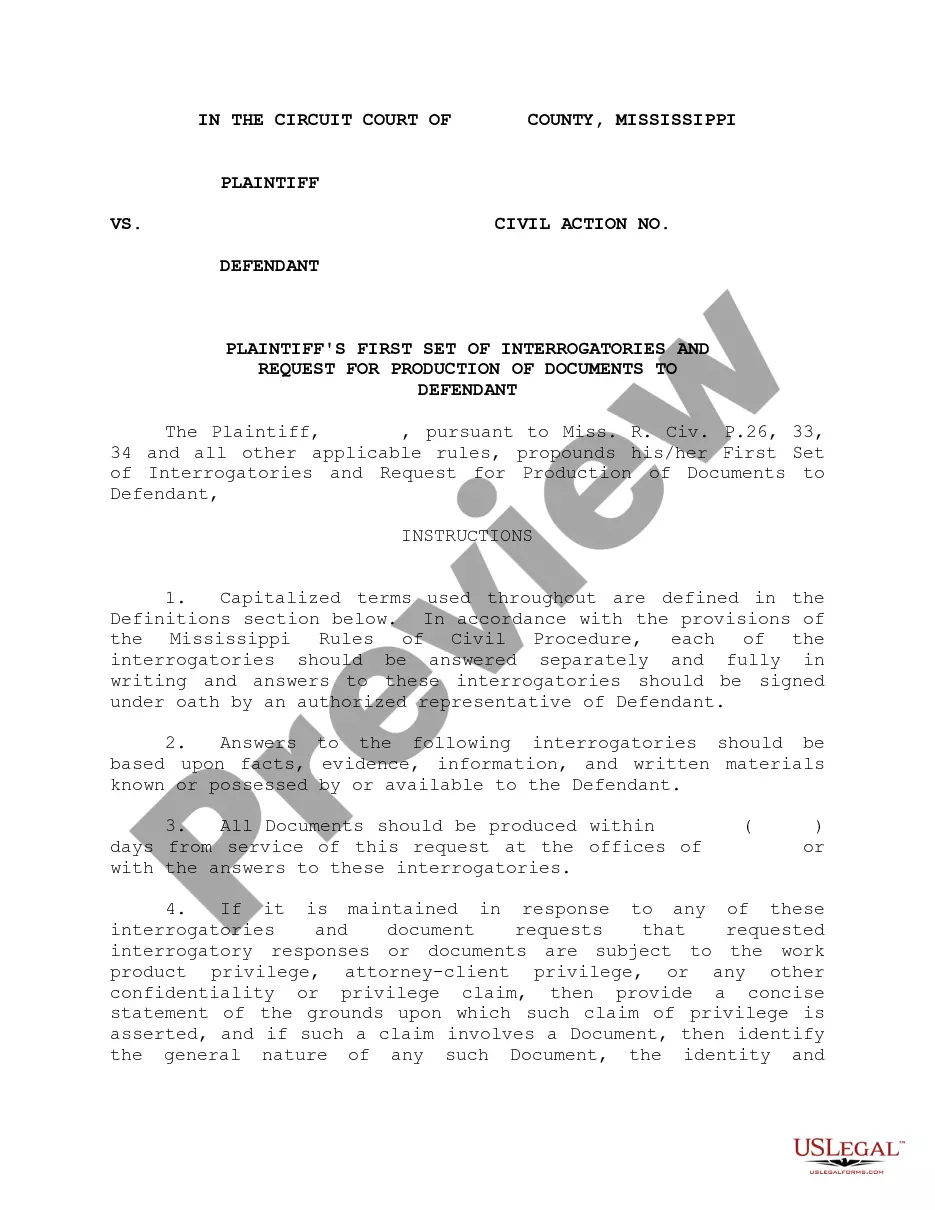
A request for production is a discovery device used to gain access to documents, electronic data, and physical items held by an opposing party in a legal matter. The aim is to gain insight into any relevant evidence that the opposing party holds.
Unlike responses to interrogatories and unlike state practice, the responses to document requests do not have to be verified. Requests for Admissions are governed by Rule 36, which operates in a similar manner as Requests for Admissions under state law.
A request for documents is a legal way the plaintiff can get information from you about the case.It will say Request for Documents at the top. This is part of the discovery process. If you do not respond in 30 days, the Plaintiff may be able to get a default judgment against you and win the case.
Thank you for your inquiry regarding our product or service. Thank you for your interest in our product or service. We would like to thank you for your letter inquiring about our product. We truly appreciate your letter asking for information about our service.
The plaintiff must respond to your requests for discovery. The plaintiff must respond by the deadline. There are different ways to make sure you get each kind of discovery if the plaintiff does not give it to you by the deadline.
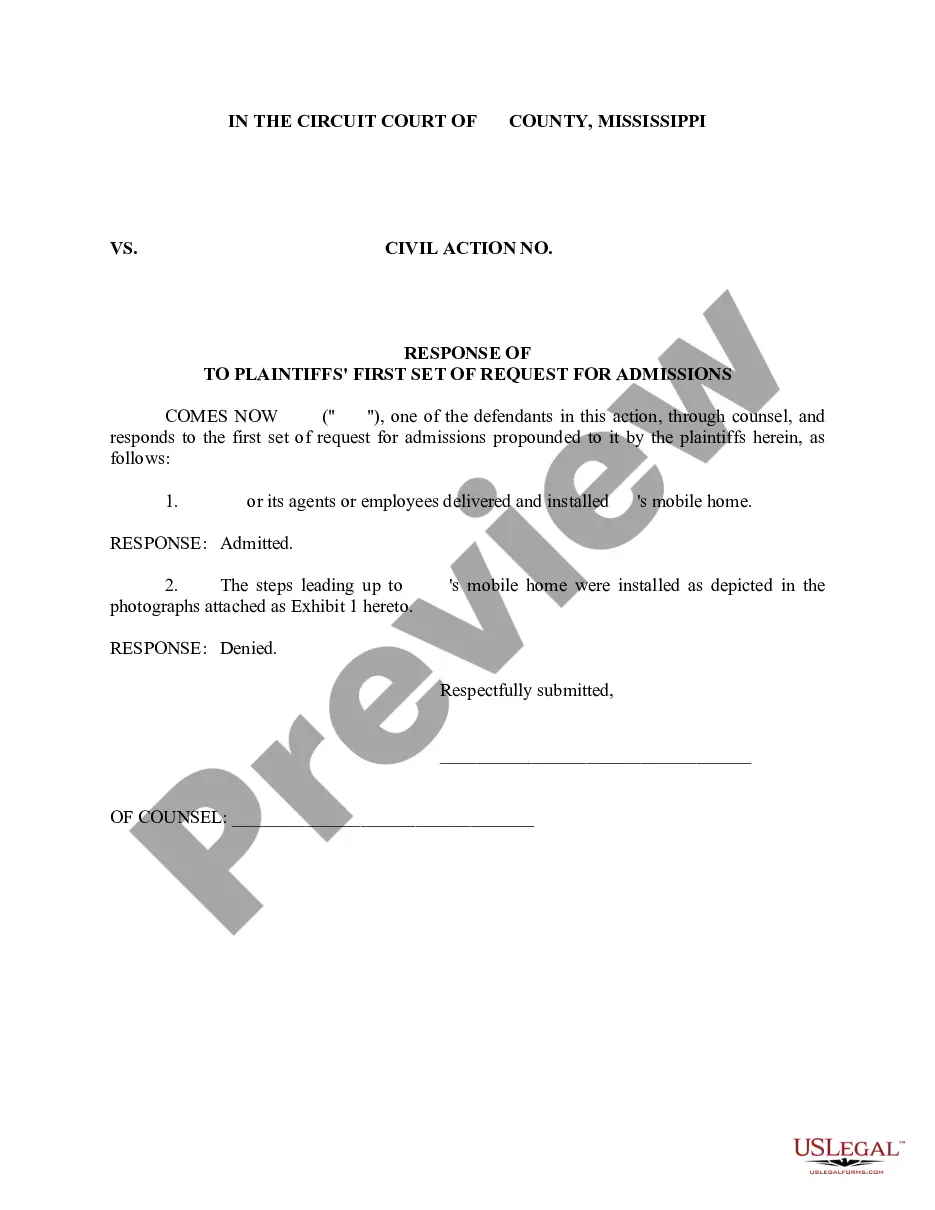
When responding to Requests for Admissions, remember to answer as follows: Admit: If any portion of the Request for Admission is true then you must admit to that portion of the request. You are also allowed to have a hybrid response admit the part of the request that is true while denying another part.
If a request asks for a document, make a copy of the document; in your response, describe the document and say that a copy is attached; and attach a copy of the document to the responses you send back to the other side.