Kentucky Letter from Tenant to Landlord about Insufficient Notice of Change in Rental Agreement for other than rent increase
Understanding this form
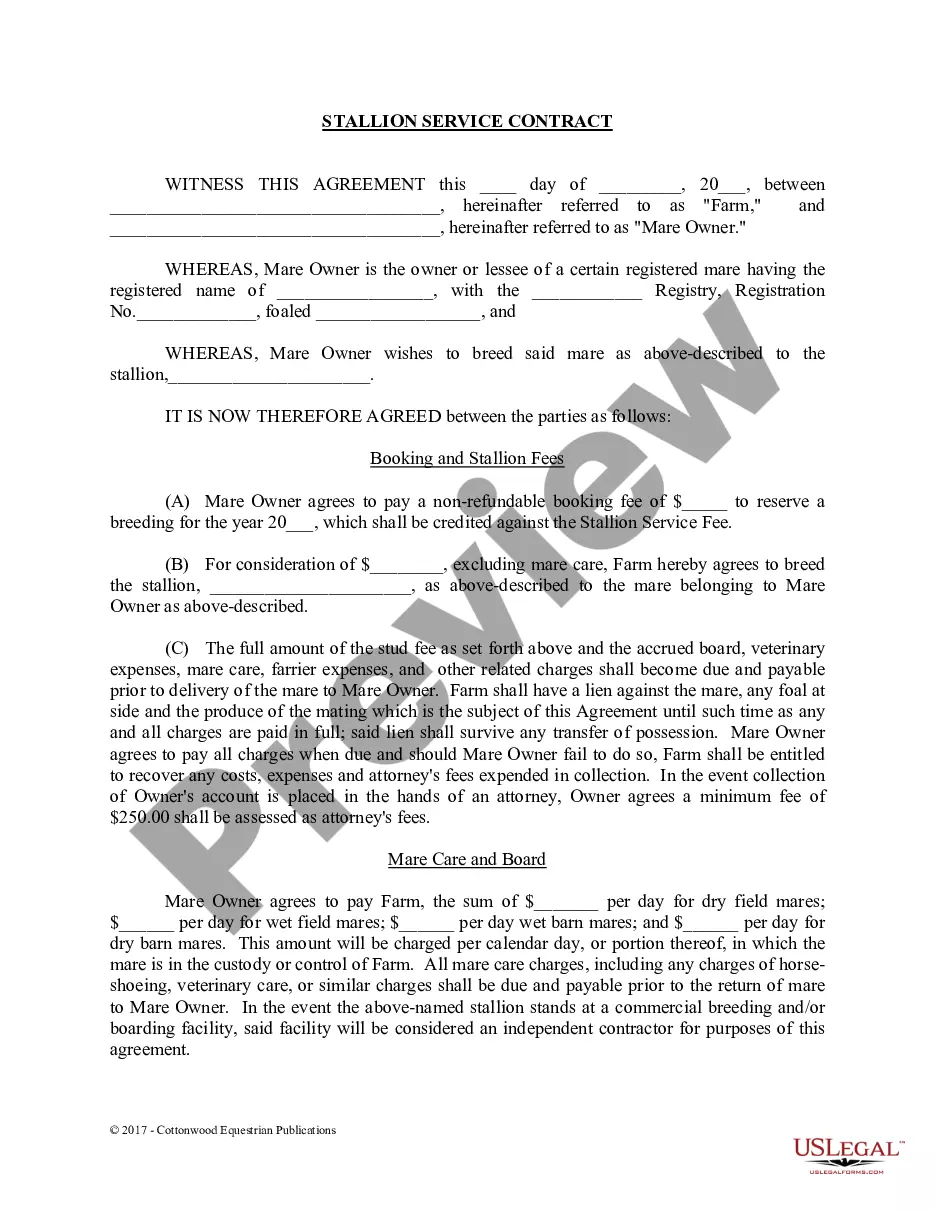
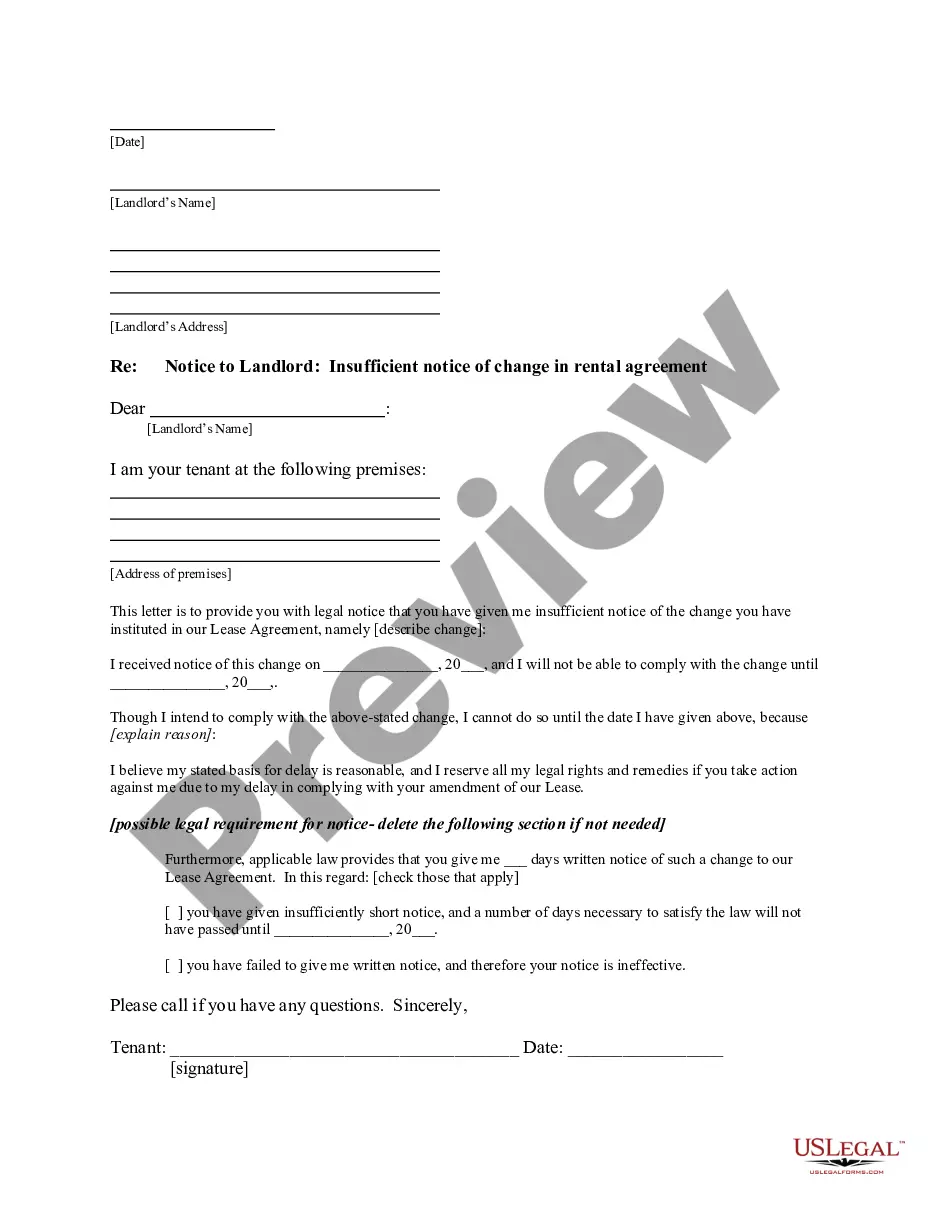
This letter from tenant to landlord regarding insufficient notice of change in rental agreement serves as a formal notification to the landlord that they have not provided adequate notice for changes in the lease terms other than a rent increase. This form allows tenants to document their position legally, clarifying that they will not comply with the proposed changes until proper notice has been given.
Key parts of this document
- Date of notice
- Name and address of the landlord
- Specific change in the rental agreement
- Statement regarding insufficient notice
- Declaration of compliance timeline
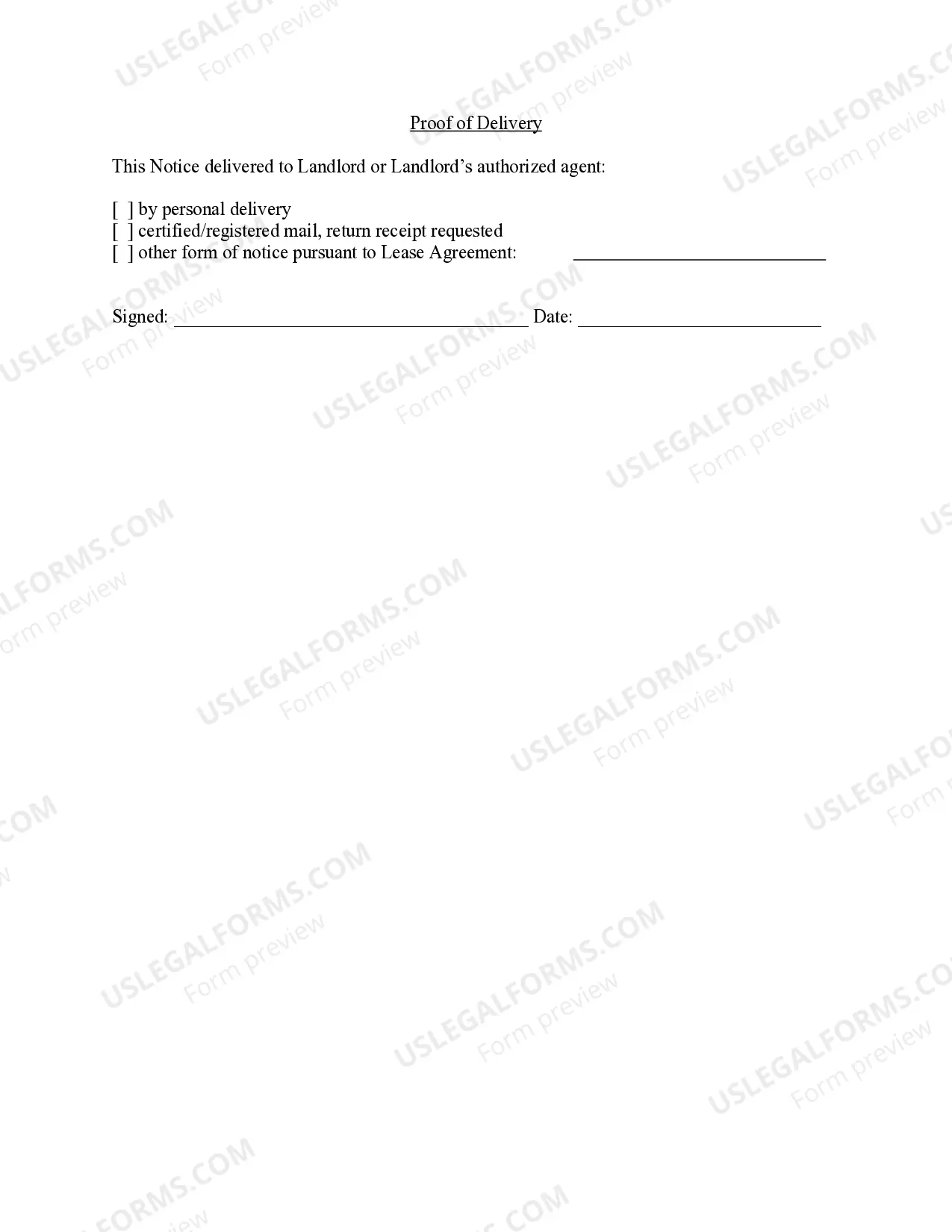
- Delivery method of the notice (e.g., personal or certified mail)
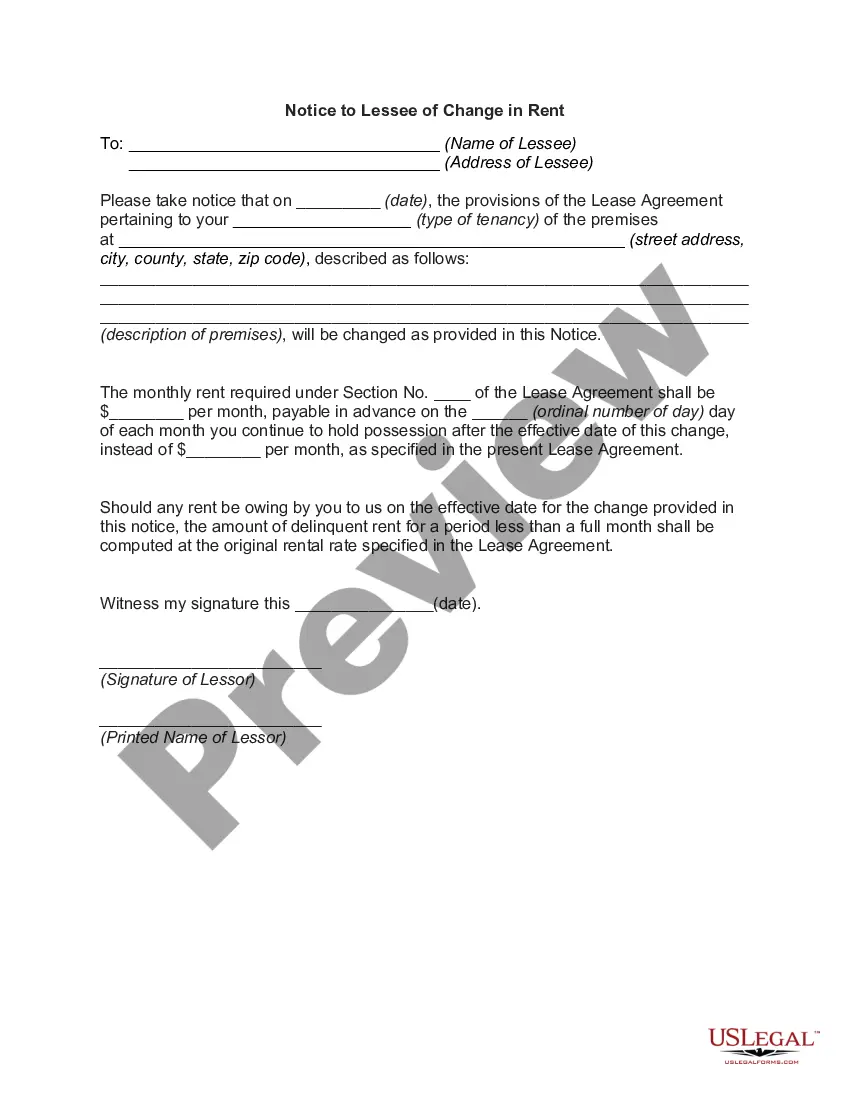
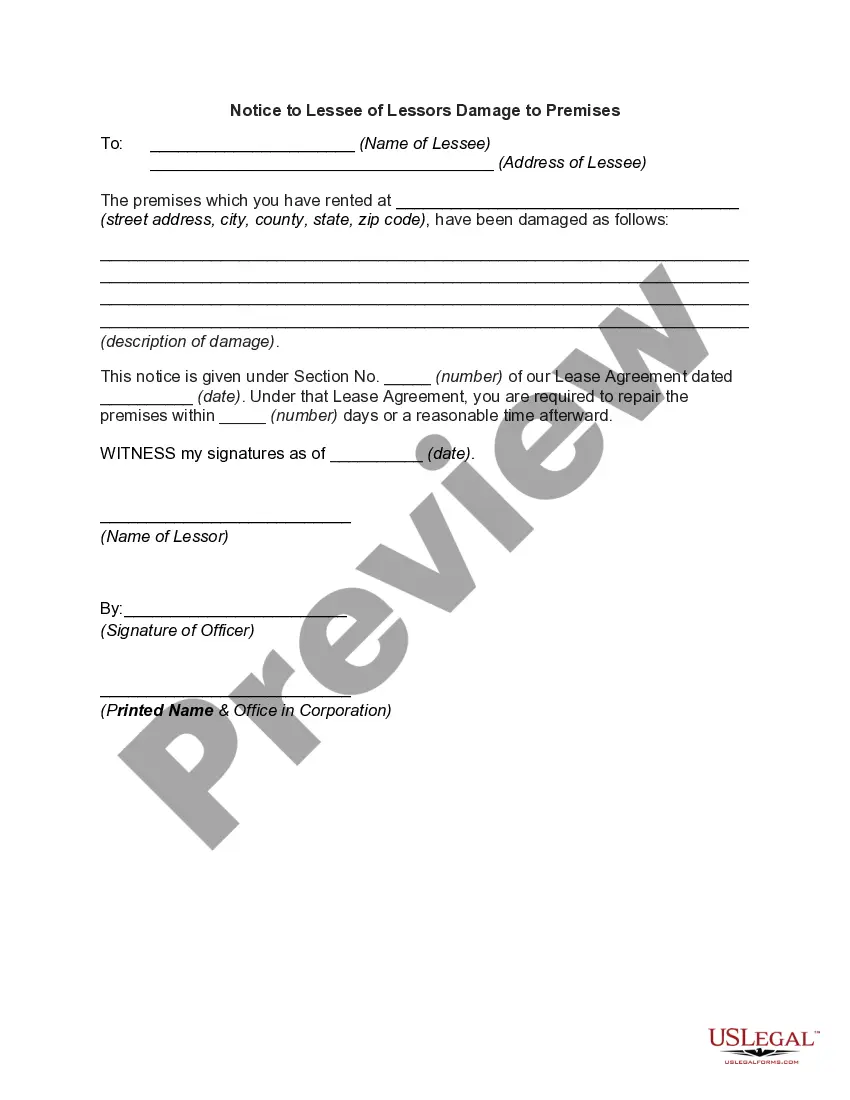

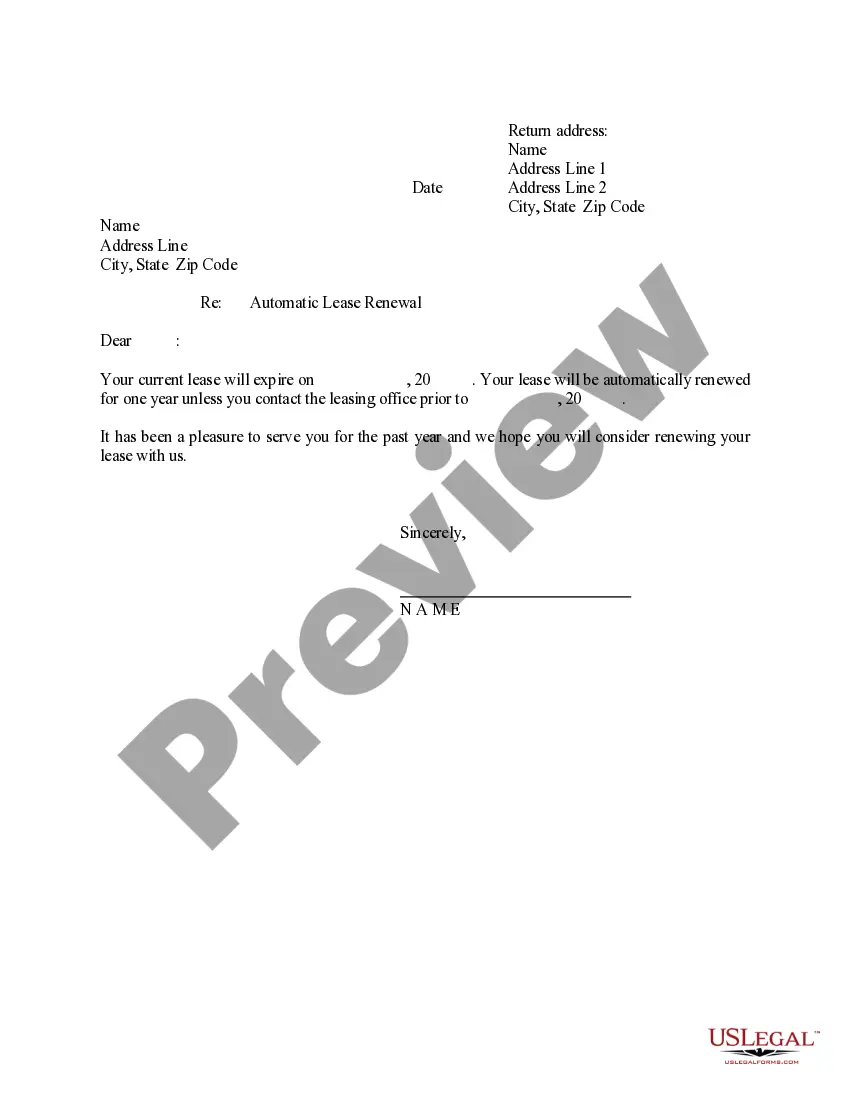

Common use cases
This form should be used when a landlord makes changes to the rental agreement without providing sufficient notice, as required by law. It is important for tenants to assert their rights, especially if the changes may affect their living conditions or obligations. Using this form can help prevent misunderstandings and set clear expectations between tenants and landlords.
Who this form is for
- Tenants who received notice of changes in their rental agreement.
- Individuals renting properties who want to clarify their rights.
- Those looking to maintain legal compliance regarding lease agreements.
Instructions for completing this form
- Enter the date of the notice at the top of the letter.
- Provide the landlord's name and address.
- Clearly state the specific change in the lease agreement.
- Specify the insufficient notice period and the required number of days based on local law.
- Include your name and signature as the tenant.
- Select the method of delivery for this notice and complete the proof of delivery section.
Does this document require notarization?
This form does not typically require notarization unless specified by local law.
Get your form ready online
Our built-in tools help you complete, sign, share, and store your documents in one place.
Make edits, fill in missing information, and update formatting in US Legal Forms—just like you would in MS Word.
Download a copy, print it, send it by email, or mail it via USPS—whatever works best for your next step.
Sign and collect signatures with our SignNow integration. Send to multiple recipients, set reminders, and more. Go Premium to unlock E-Sign.
If this form requires notarization, complete it online through a secure video call—no need to meet a notary in person or wait for an appointment.
We protect your documents and personal data by following strict security and privacy standards.

Make edits, fill in missing information, and update formatting in US Legal Forms—just like you would in MS Word.

Download a copy, print it, send it by email, or mail it via USPS—whatever works best for your next step.

Sign and collect signatures with our SignNow integration. Send to multiple recipients, set reminders, and more. Go Premium to unlock E-Sign.

If this form requires notarization, complete it online through a secure video call—no need to meet a notary in person or wait for an appointment.

We protect your documents and personal data by following strict security and privacy standards.
Common mistakes to avoid
- Failing to specify the change in the rental agreement clearly.
- Not including the date of notice, which is crucial for legal purposes.
- Sending the letter without confirming the method of delivery.
- Overlooking local laws regarding notice periods.
Advantages of online completion
- Immediate access to a professionally drafted form.
- Easy to edit fields to fit individual circumstances.
- Convenient download and printing options for any legal needs.
Looking for another form?

Form popularity
FAQ
Uninhabitable conditions can include dangerous ones, such as holes in the floor, unsafe or exposed wiring, or non-working air conditioning in dangerously hot summer months. Gross infestations of roaches, fleas or other pests are also uninhabitable conditions.
Tenant's name. Property address. Landlord name and contact information. Date the letter is written. Date the rent increase will take effect. Amount of rent increase. Current cost of rent.
Kentucky Tenant Responsibilities (KRS 383.605)Tenants must comply with any and all housing and building codes that address health and safety. Tenant must maintain cleanliness of the property. Tenants must dispose of trash in a safe manner. Tenants must keep plumbing as clean as their condition allows.
In most states, a landlord must give tenants notice at least 30 days before they'll enforce a rent increase. However, in other states like California, the notice can increase to 60 days' notice if the increase is more than 10% of the current rent rate.
When the tenancy is month-to-month, the tenant must give the landlord 15 days' notice before the end of any monthly period. (In Miami, the tenant must give the landlord 30 days' notice before the end of the monthly period).
Dear (Landlord's name), This letter is to inform you that I do not intend to renew my lease. As per the laws of the State of (insert state), this is my (insert number of days) notice of non-renewal stating that I will be leaving my apartment on (date), which is the end of my current lease.
If you feel you have been discriminated against, call HUD's toll-free number 1-800-669-9777; or call the Kentucky Commission on Human Rights at 1-800-292-5566. These agencies can assist you in filing a complaint.
Remember you're a business. Do your research. Raise the rent all at once or incrementally. Don't negotiate or ask tenants what they think a fair rent increase would be. Be courteous and firm. Find a template you like. Send a formal letter by certified mail. Give the tenant notice.
If you think your landlord is violating the Fair Housing Act, you can get that landlord in trouble by filing a complaint at HUD.gov. Your remedy for breach of quiet enjoyment is to terminate the lease and move or sue in small claims court.