Kansas Assignment of Lease and Rent from Borrower to Lender
Understanding this form
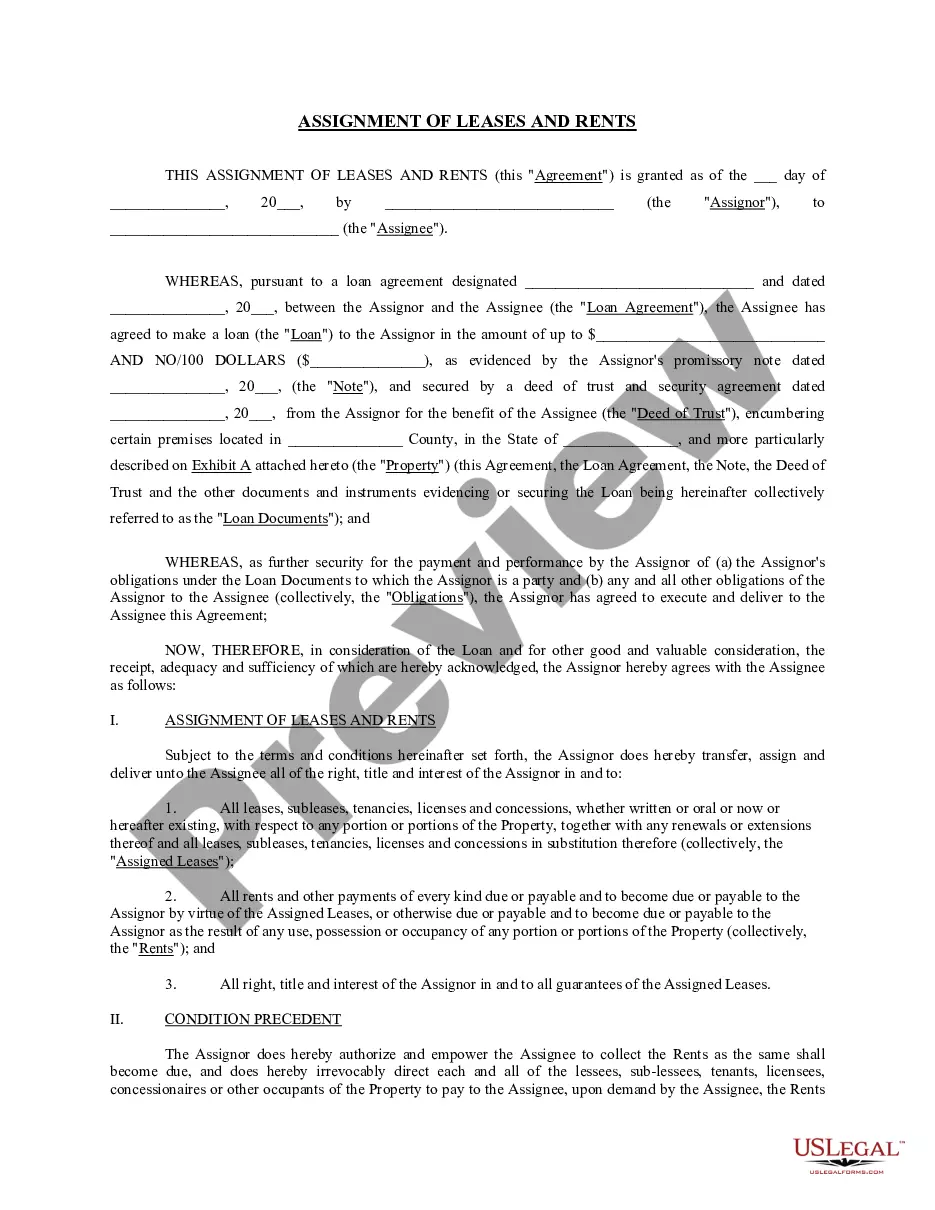
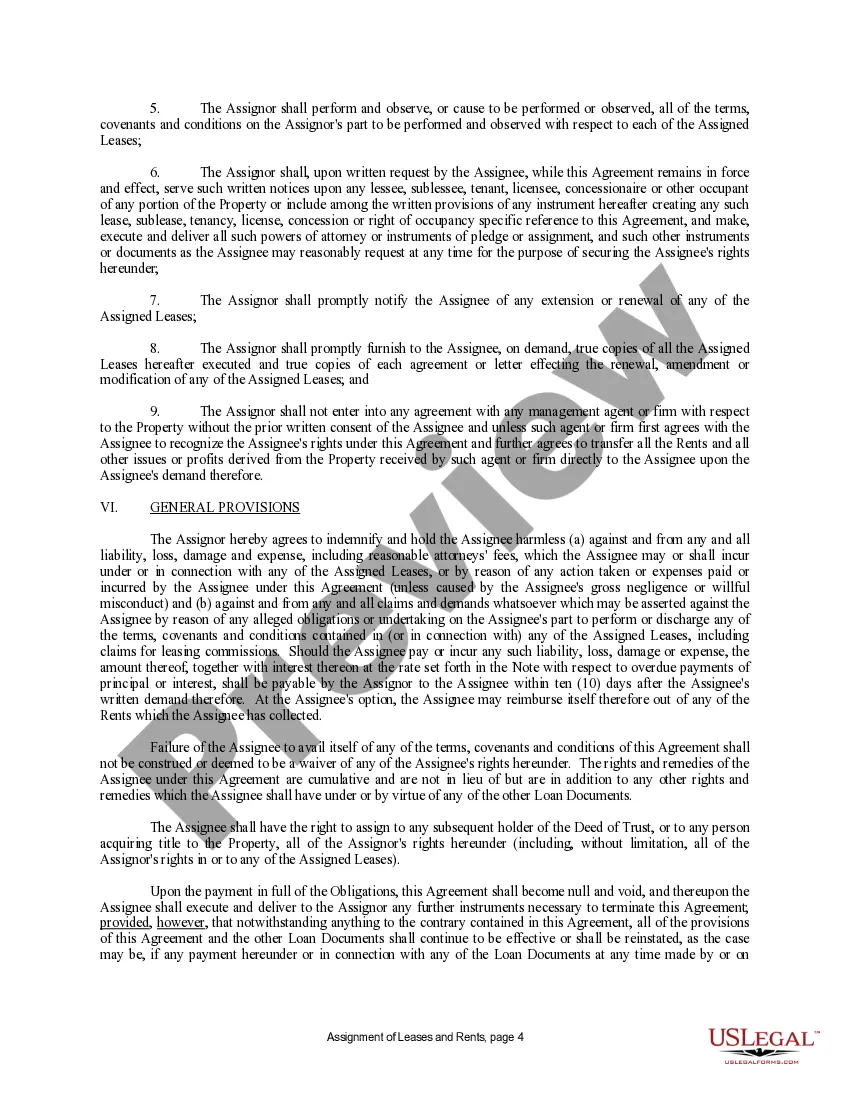
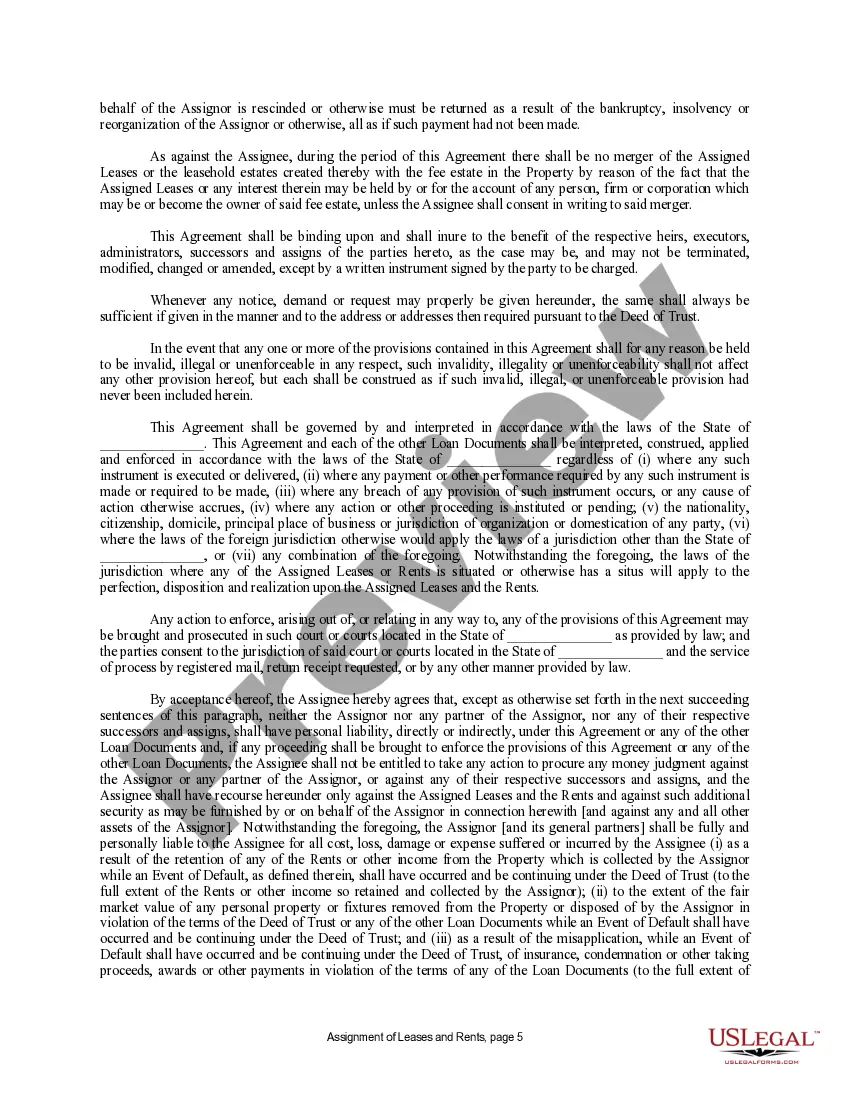
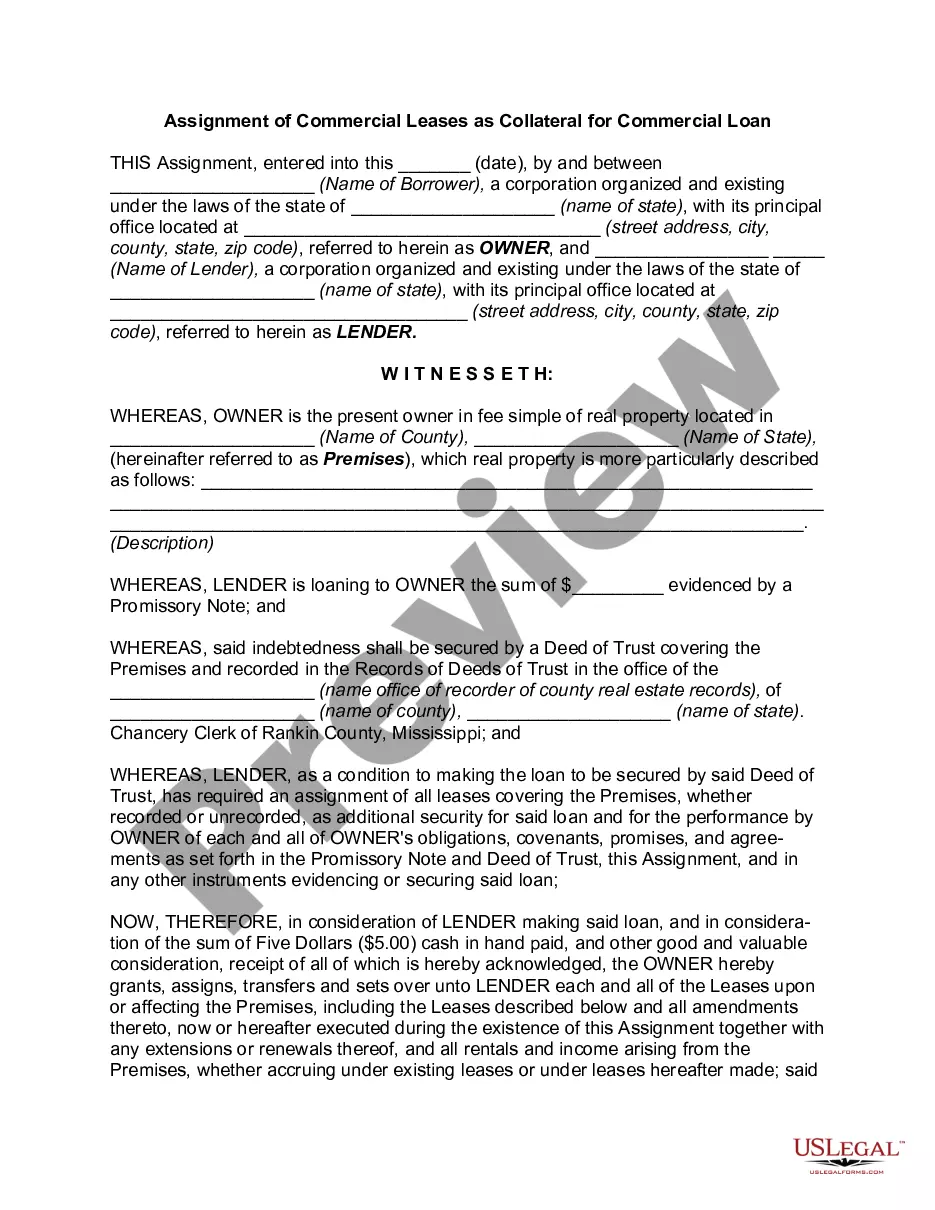
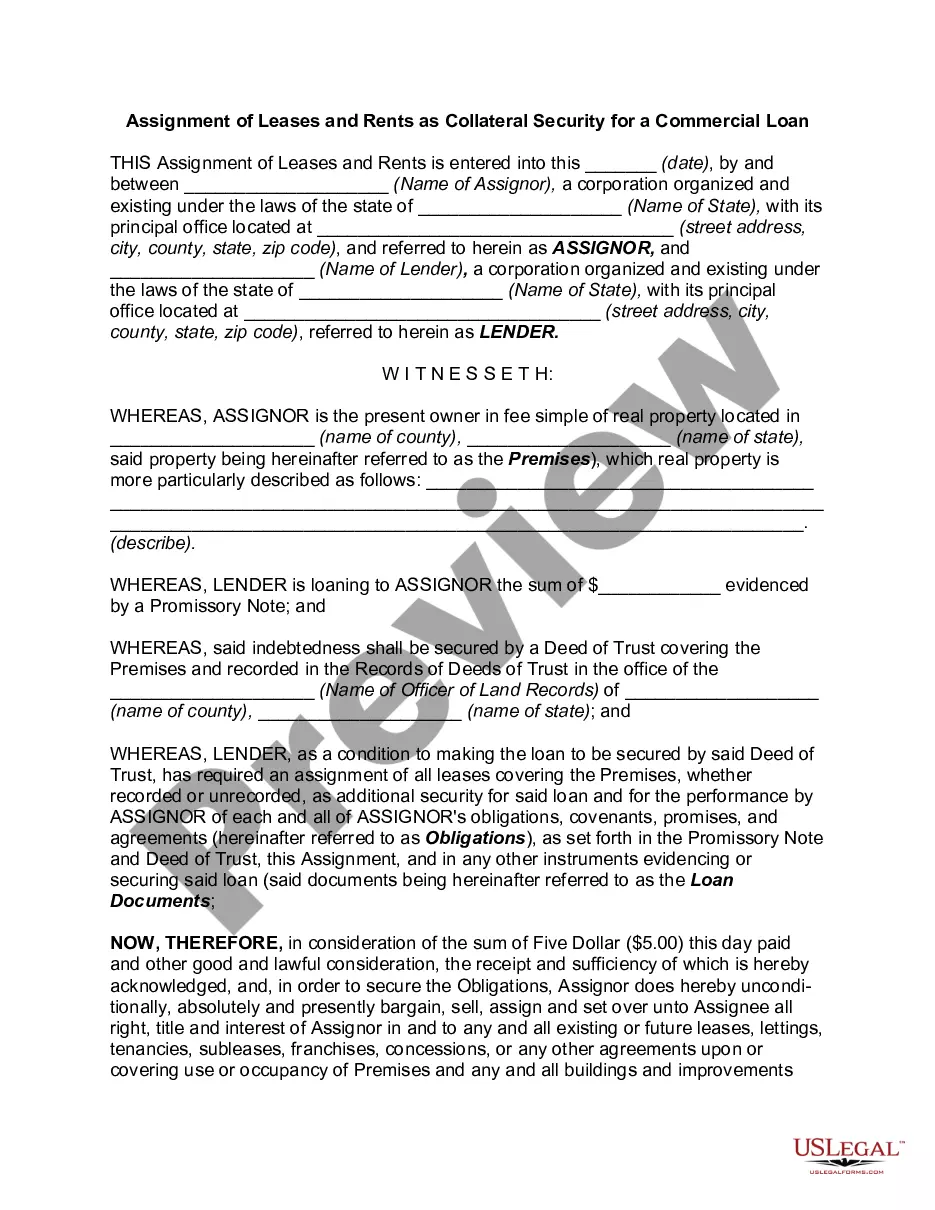
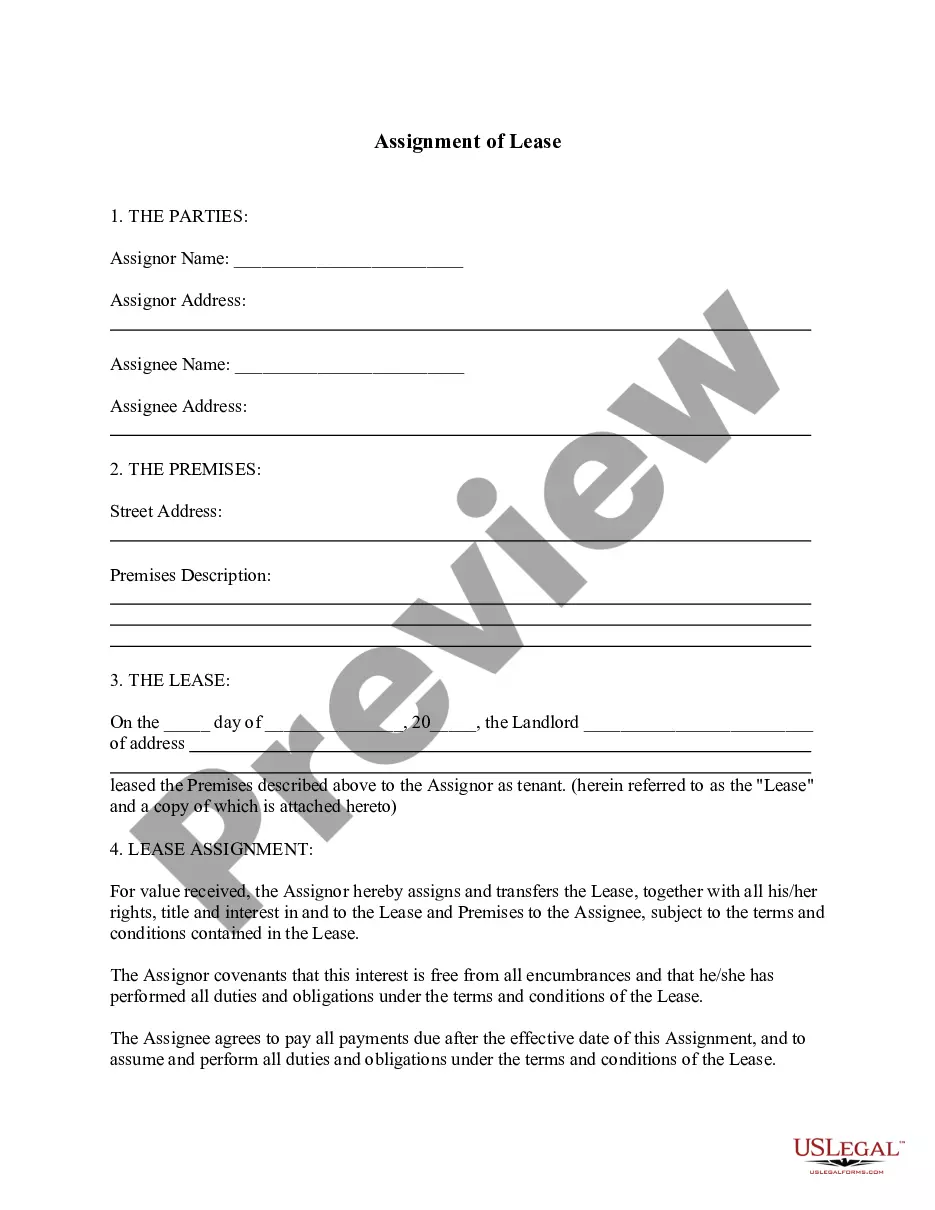
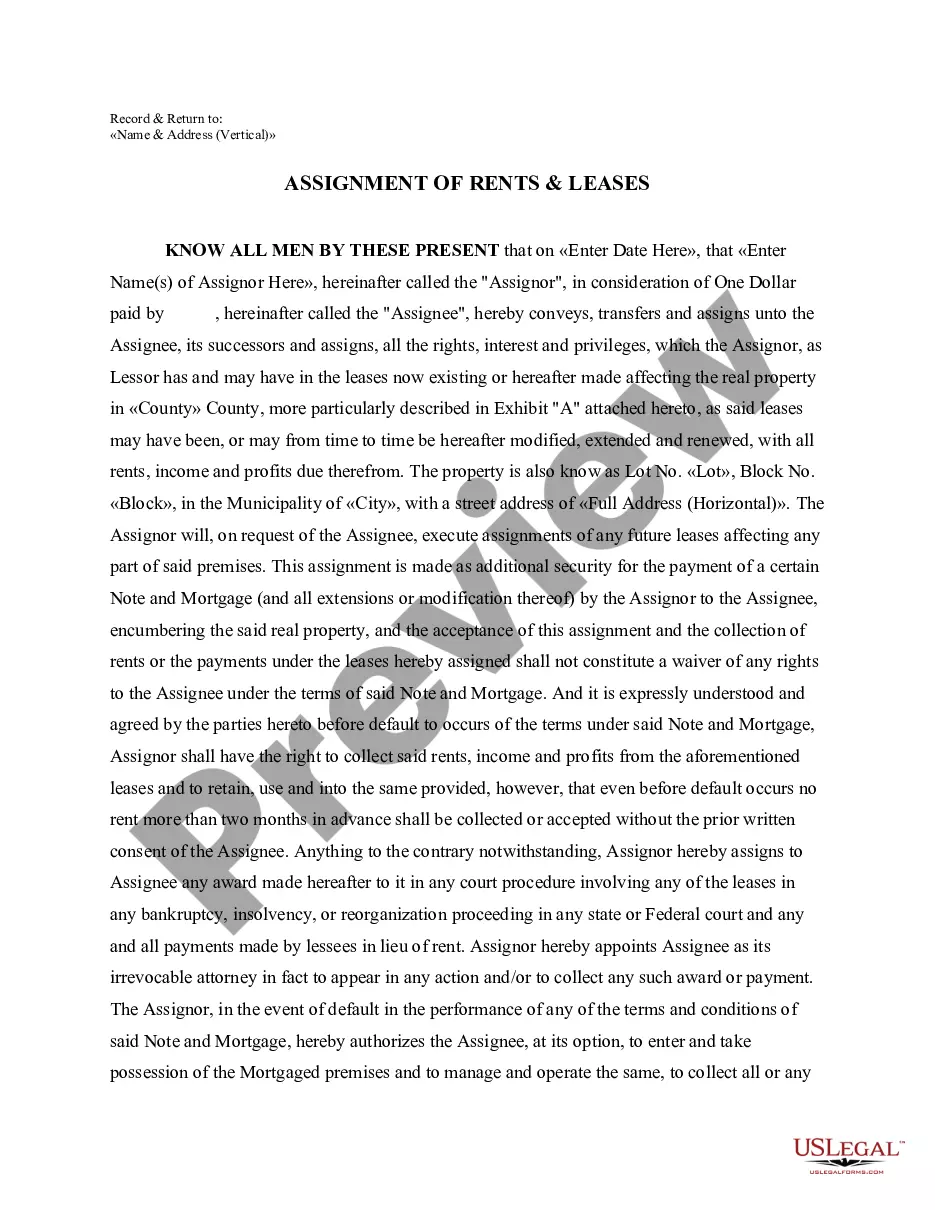
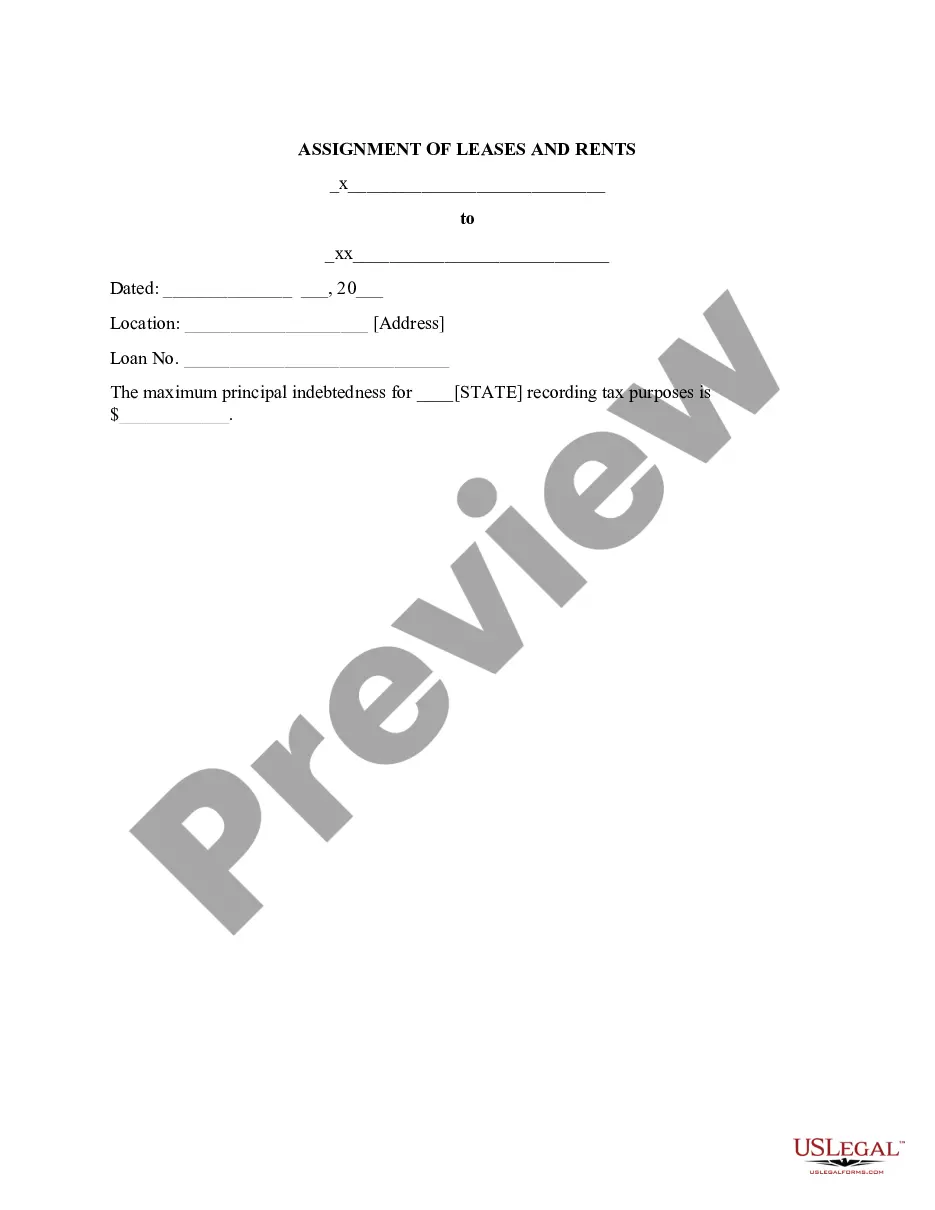
The Assignment of Lease and Rent from Borrower to Lender is a legal document that allows a borrower to transfer their rights to lease agreements and rental income to a lender as a way to secure a loan. This agreement ensures that the lender has access to rental payments in case the borrower defaults on their debt. Unlike other lease assignments that only pertain to the physical property, this form specifically includes the monetary rights associated with leases, thereby serving as collateral for the loan provided by the lender.
Form components explained
- Identification of the Assignor (borrower) and Assignee (lender) with their respective details.
- Loan agreement details highlighting the amount loaned and the conditions of the loan.
- Transfer of all rights, title, and interest in lease agreements and rental payments.
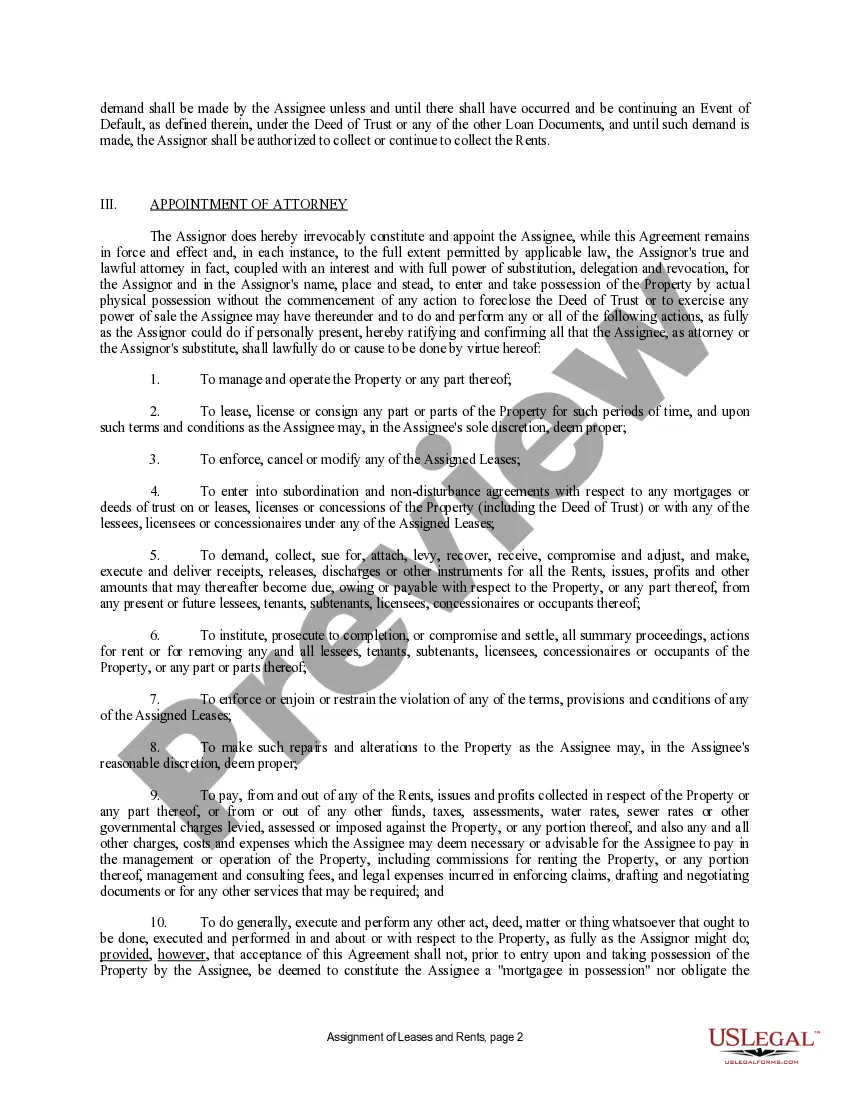
- Authorization for the lender to collect rents directly upon a default by the borrower.
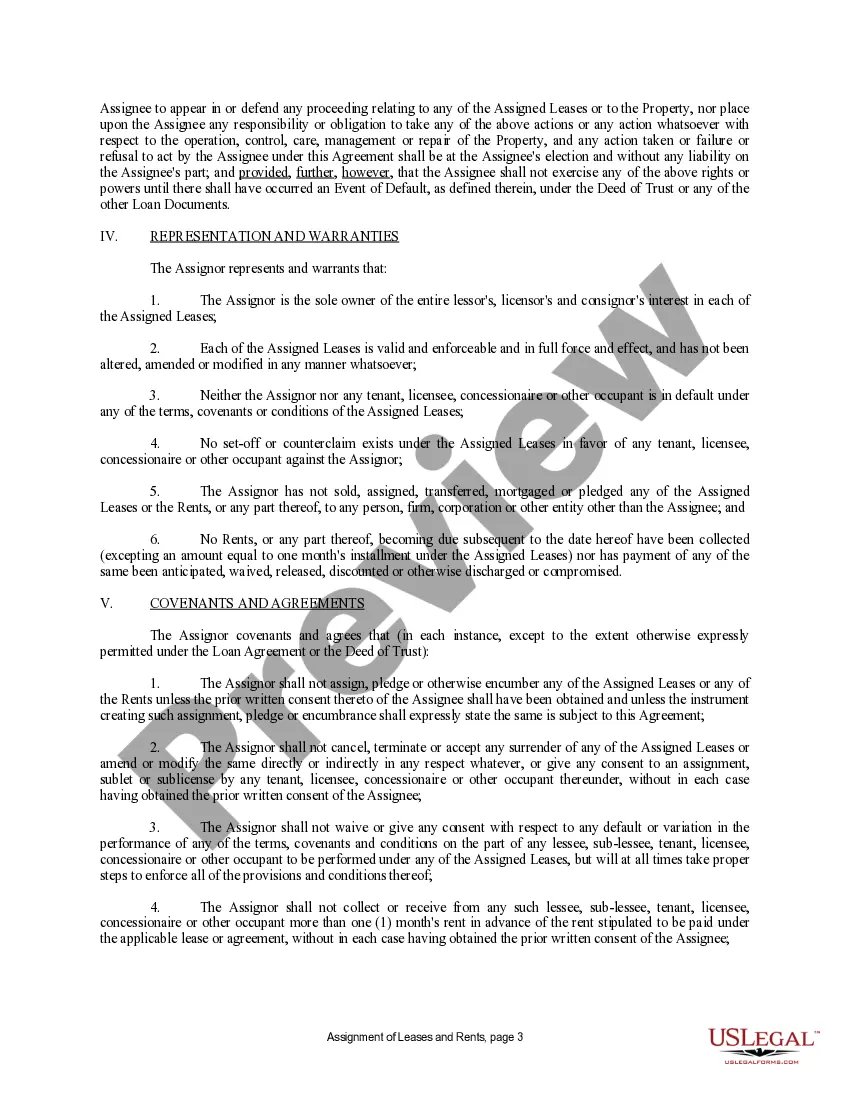
- Covenants that outline the obligations of the borrower in relation to the leases and rental income.
- General provisions concerning the legality, enforcement, and jurisdiction of the agreement.

Situations where this form applies
This form is typically used when a borrower seeks a loan and needs to provide additional security to the lender. It is particularly useful in commercial real estate transactions where the property's rental income can serve as collateral. It may also be employed when the borrower is facing financial difficulties and wants to assure their lender of the income stream from tenants, or when restructuring existing debts through a formal agreement.
Who should use this form
- Borrowers who own rental properties and are seeking loans from lenders.
- Lenders looking to secure an interest in the rental income of a borrower as part of the loan agreement.
- Real estate professionals involved in financial transactions that require collateralization of rental income.
- Property owners facing financial challenges and needing to formalize the transfer of rental rights.
How to complete this form
- Identify and enter the full names and details of both the Assignor (borrower) and the Assignee (lender).
- Specify the date of the loan agreement and the amount being borrowed.
- Detail the property location and any necessary attachments or exhibits, like a legal description.
- Outline any obligations the borrower has regarding the rental payments and leases included in the transfer.
- Have all parties sign and date the document to finalize the assignment.
Notarization requirements for this form
This document requires notarization to meet legal standards. US Legal Forms provides secure online notarization powered by Notarize, allowing you to complete the process through a verified video call, available 24/7.
Get your form ready online
Our built-in tools help you complete, sign, share, and store your documents in one place.
Make edits, fill in missing information, and update formatting in US Legal Forms—just like you would in MS Word.
Download a copy, print it, send it by email, or mail it via USPS—whatever works best for your next step.
Sign and collect signatures with our SignNow integration. Send to multiple recipients, set reminders, and more. Go Premium to unlock E-Sign.
If this form requires notarization, complete it online through a secure video call—no need to meet a notary in person or wait for an appointment.
We protect your documents and personal data by following strict security and privacy standards.

Make edits, fill in missing information, and update formatting in US Legal Forms—just like you would in MS Word.

Download a copy, print it, send it by email, or mail it via USPS—whatever works best for your next step.

Sign and collect signatures with our SignNow integration. Send to multiple recipients, set reminders, and more. Go Premium to unlock E-Sign.

If this form requires notarization, complete it online through a secure video call—no need to meet a notary in person or wait for an appointment.

We protect your documents and personal data by following strict security and privacy standards.
Common mistakes
- Failing to properly identify both the Assignor and Assignee, which can lead to confusion about contractual obligations.
- Not including all necessary information about the loan amount and property description.
- Overlooking to specify the conditions under which the lender can collect rents.
- Neglecting to have the form signed and dated by both parties, which can render the agreement unenforceable.
Why complete this form online
- Convenient access to a legally vetted document that can be downloaded and printed within minutes.
- Editability allows users to fill in specific details easily and accurately.
- Secure storage and retrieval of documents ensures vital information is protected.
- Step-by-step guidance provided by US Legal Forms simplifies completion, reducing the chance of errors.
Legal use & context
- This assignment creates a legal obligation for the lender to collect rents only upon the occurrence of a default by the borrower.
- The form is enforceable against all parties, ensuring that the lender has a secured interest in the rental income.
- It is critical that the borrower fully understands their obligations under the original loan agreement as well as this assignment.
Main things to remember
- The Assignment of Lease and Rent is a valuable tool for securing loans with rental income as collateral.
- Understanding the terms of the assignment and the associated obligations can prevent future legal complications.
- Ensure accuracy and completeness when filling out the form to enhance enforceability.
Looking for another form?
Form popularity
FAQ
An assignment of mortgage gives the loan seller's rights under the mortgage, including the right to foreclose if the borrower doesn't make payments, to the new owner of the loan.
For commercial lending purposes, an assignment of leases assigns the debtor's rights, as landlord under a lease or leases, to the creditor for the collection of rent as additional security for a debt or other obligation.
If the lease is silent on the point, an assignment of part will be permitted.
A deed of trust with assignment of rents acts as extra security for the lender. It gives the lender the right to collect any rents that the property generates if you don't make your loan payments.Without your permission, your lender would be unable to collect the rents from the tenants to pay off the mortgage default.
COLLATERAL ASSIGNMENTS. OF LEASE. Separate from a traditional as- signment of lease is a collateral assignment and assumption of lease whereby a landlord and ten- ant agree that a certain third party has a security interest in the lease pursuant to a separate agreement.
Definition of "Assignment of Rent" An Assignment of Rent is a document needed when a mortgaged property is being rented. It enables the lender to collect the rent if the mortgage is defaulted upon.
Definition of "Assignment of Rent" An Assignment of Rent is a document needed when a mortgaged property is being rented. It enables the lender to collect the rent if the mortgage is defaulted upon.
Sometimes called Assignment of Leases, Rents and Profits or simply Assignment of Rents, this is a document attached to a mortgage loan agreement which entitles the lender to any income (from leases, rents, etc.) derived from the property once the owner defaults on the loan.