Regeneration Facility Easement
About this form
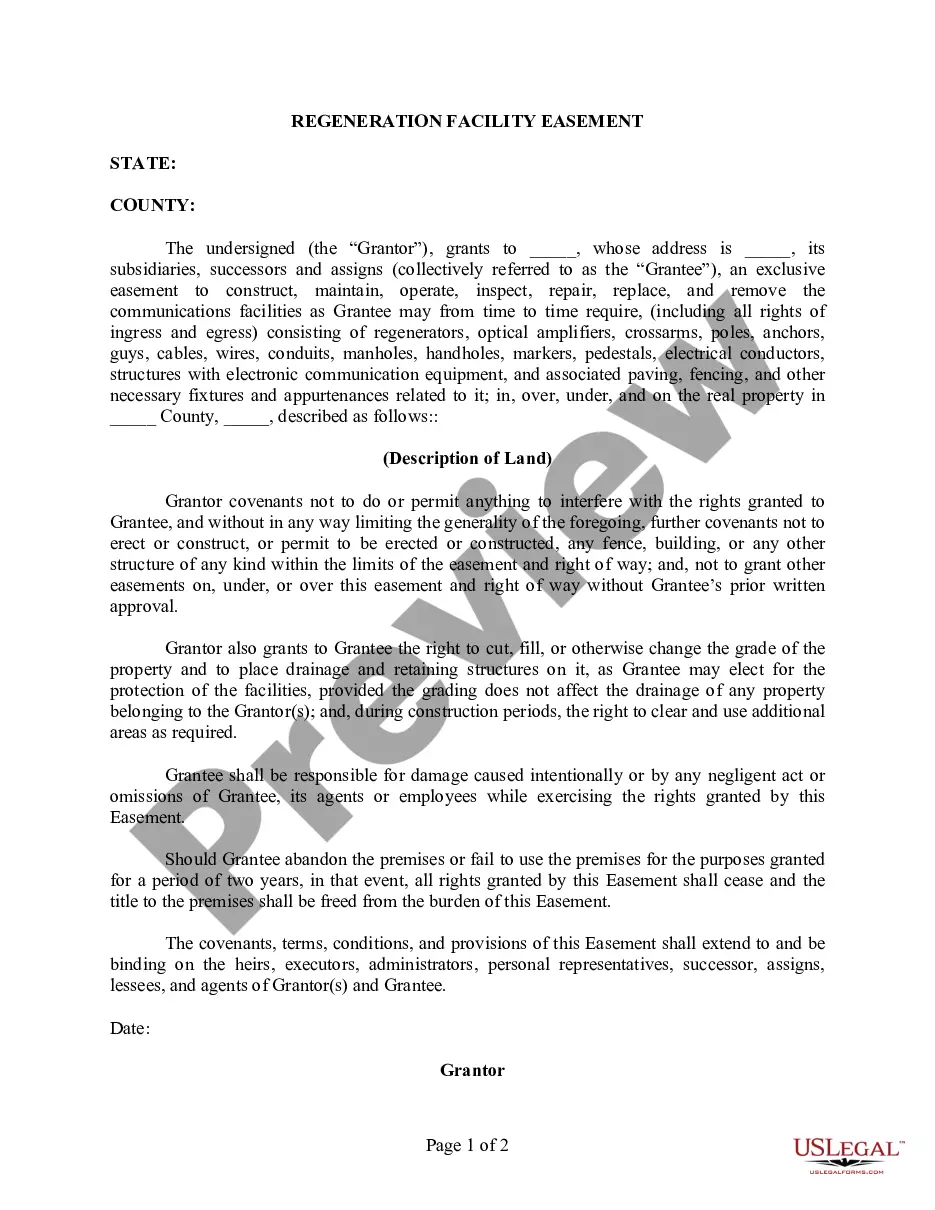
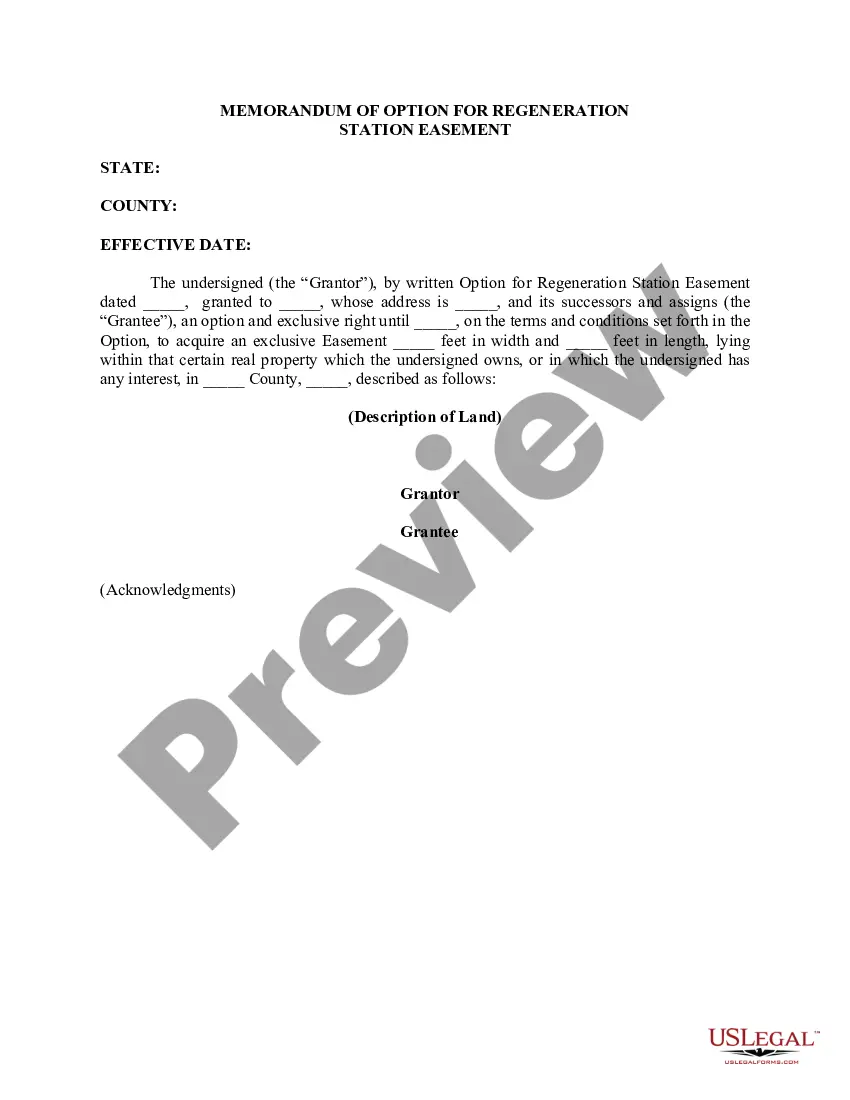
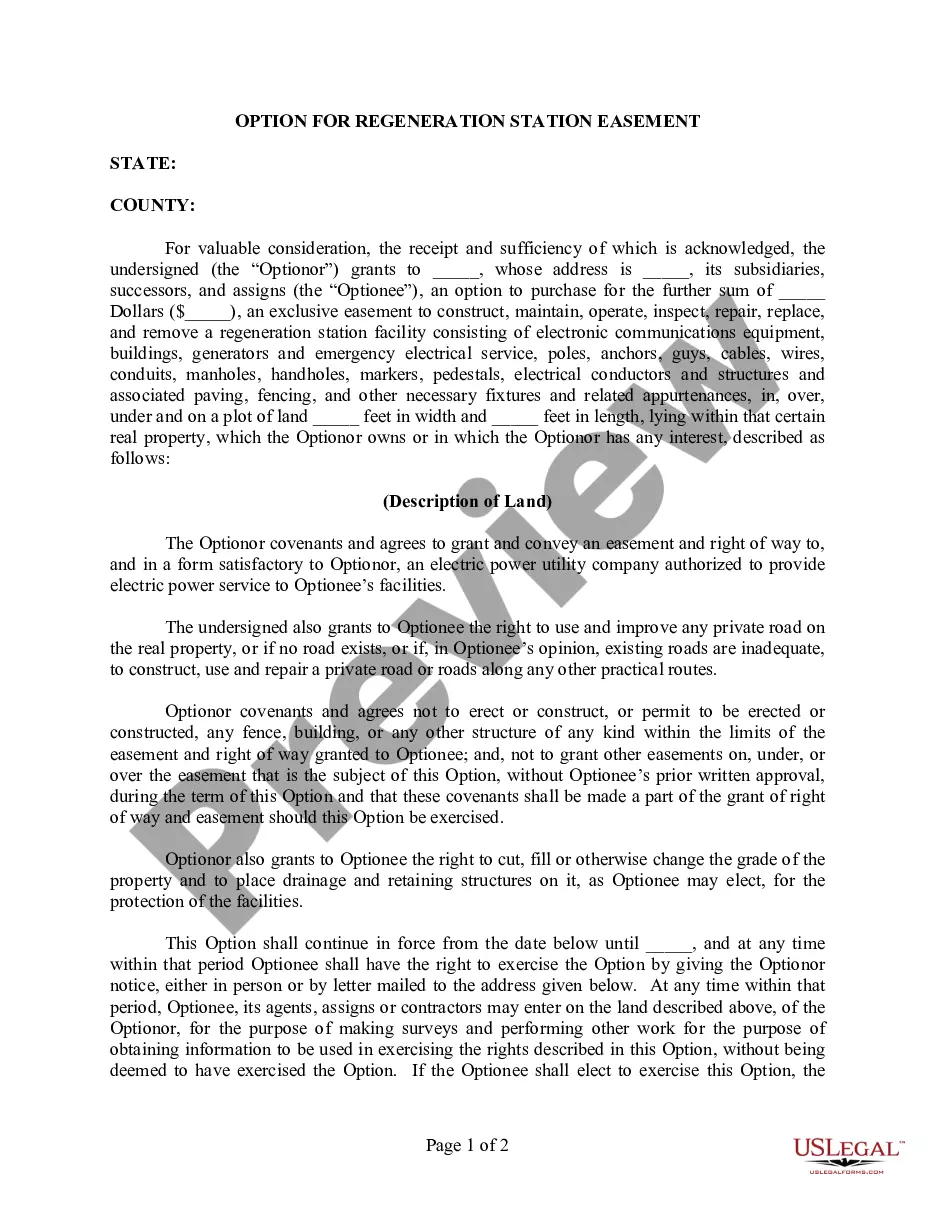
The regeneration facility easement is a legal document that grants a grantee the right to use a specified area of land for constructing and maintaining communication facilities. This form is essential for ensuring that the grantee can operate their equipment without interference, legally allowing them to access, inspect, and repair their infrastructure. Unlike similar forms, this easement specifically addresses rights related to regeneration facilities, making it crucial for companies involved in electronic communication services.
Key components of this form
- Exclusive easement: Grants the grantee the right to use specified land for communication facilities.
- Construction and maintenance rights: Includes rights to construct, operate, maintain, inspect, and repair the facilities.
- Restrictions on the grantor: Prohibits the grantor from interfering with the easement or constructing structures that impede access.
- Grading and drainage rights: Allows the grantee to modify the land as necessary for facility protection without affecting the grantor's drainage.
- Termination clause: Specifies conditions under which the easement rights will cease, such as abandonment of the premises.
When to use this form
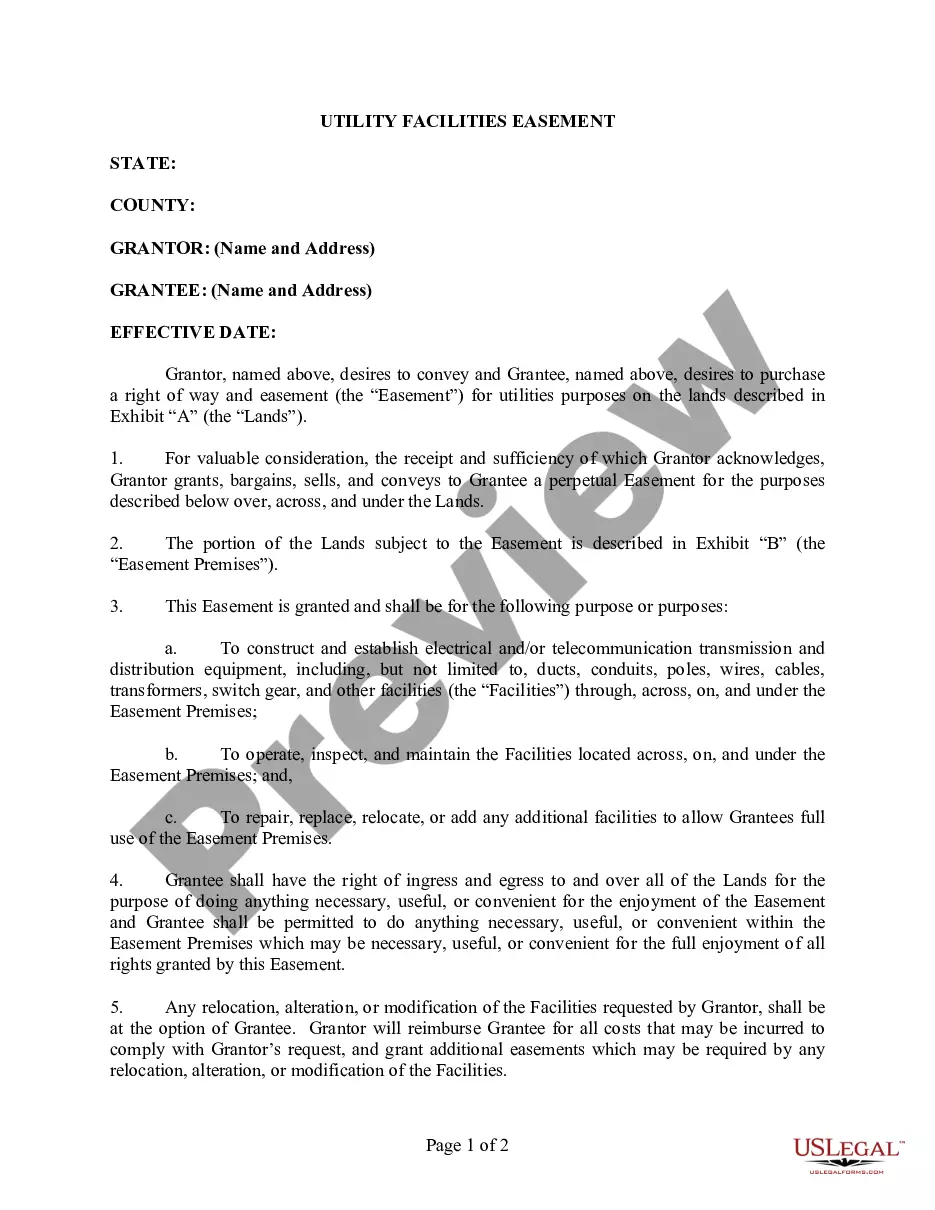
This form is typically used when a landowner needs to grant a specific easement to a communication company for the installation and operation of equipment related to electronic communications. Situations may include the installation of fiber optic cables, optical amplifiers, or other communication infrastructure that requires ongoing access to land. It is essential when multiple parties share land or when rights need clarification to prevent disputes.
Who this form is for
- Landowners granting easements for communications facilities.
- Companies requiring access to private land for installing communication equipment.
- Property developers coordinating communication infrastructure with utility providers.
- Attorneys and legal professionals assisting clients with real estate and easement negotiations.
How to complete this form
- Identify the parties: Clearly state the names and addresses of the grantor(s) and grantee.
- Specify the property: Provide a detailed description of the property involved in the easement.
- Detail easement rights: Outline what the grantee is allowed to do on the land, including operations and construction details.
- Set restrictions on the grantor: Include any covenants regarding construction or interference within the easement area.
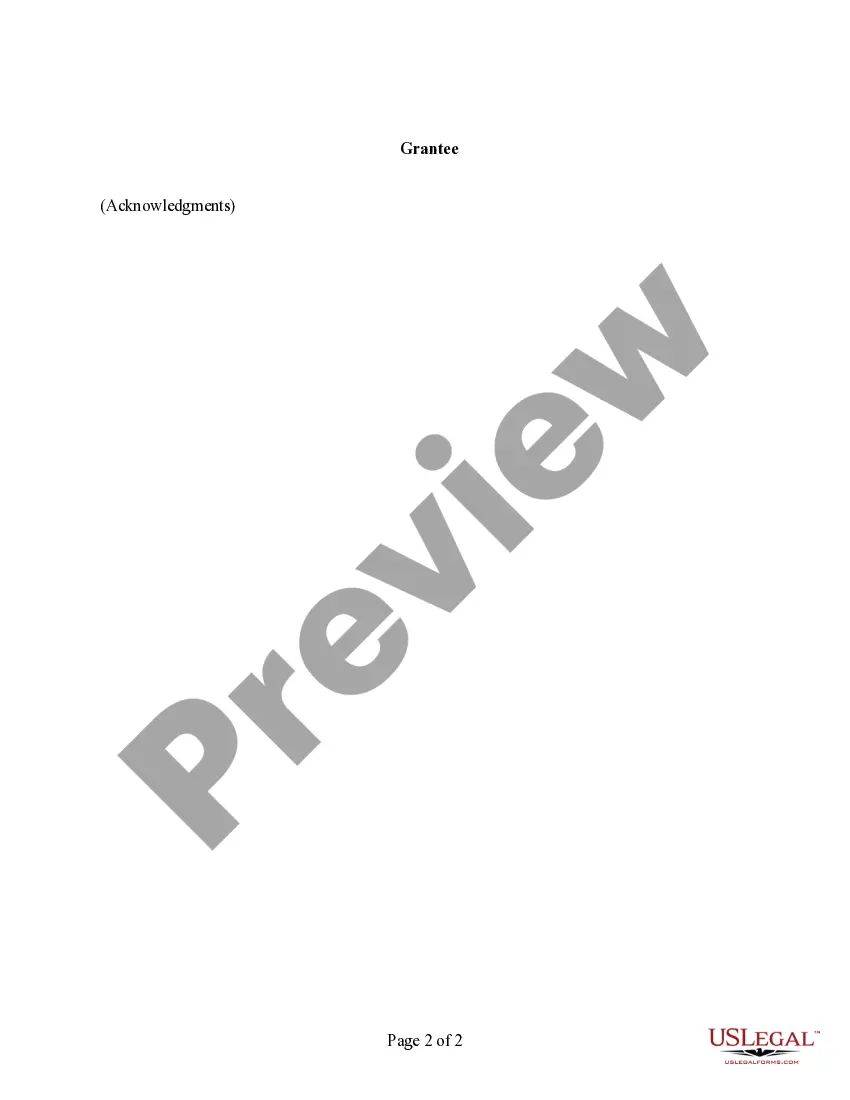
- Sign and date: Ensure all parties sign and date the document, and include acknowledgments as required.
Notarization guidance
This form does not typically require notarization unless specified by local law. However, having the easement notarized can strengthen its legal standing and ensure proper enforcement.
Get your form ready online
Our built-in tools help you complete, sign, share, and store your documents in one place.
Make edits, fill in missing information, and update formatting in US Legal Forms—just like you would in MS Word.
Download a copy, print it, send it by email, or mail it via USPS—whatever works best for your next step.
Sign and collect signatures with our SignNow integration. Send to multiple recipients, set reminders, and more. Go Premium to unlock E-Sign.
If this form requires notarization, complete it online through a secure video call—no need to meet a notary in person or wait for an appointment.
We protect your documents and personal data by following strict security and privacy standards.

Make edits, fill in missing information, and update formatting in US Legal Forms—just like you would in MS Word.

Download a copy, print it, send it by email, or mail it via USPS—whatever works best for your next step.

Sign and collect signatures with our SignNow integration. Send to multiple recipients, set reminders, and more. Go Premium to unlock E-Sign.

If this form requires notarization, complete it online through a secure video call—no need to meet a notary in person or wait for an appointment.

We protect your documents and personal data by following strict security and privacy standards.
Avoid these common issues
- Failing to properly describe the property in question, leading to ambiguity.
- Neglecting to clarify the rights and limitations of both parties.
- Not including necessary signatures or dates, which may render the form invalid.
- Overlooking state-specific requirements related to easements.
Why use this form online
- Convenience: Download and complete the form at any time without the need for a physical visit to a legal office.
- Editability: Easily modify fields to customize the form for your specific needs.
- Reliability: Ensure access to forms drafted by licensed attorneys, providing peace of mind regarding legal compliance.
Looking for another form?
Form popularity
FAQ
When one of the owners of either the dominant estate which an easement benefits or the servient estate over which the easement runs becomes the owner of both properties, then there is a unity of the two titles, and since an owner does not need an easement over the owner's own property, according to Florida law, the
Easement: An intangible capital asset that reflects the purchased right to use land without ownership. This right is considered permanent and inexhaustible.
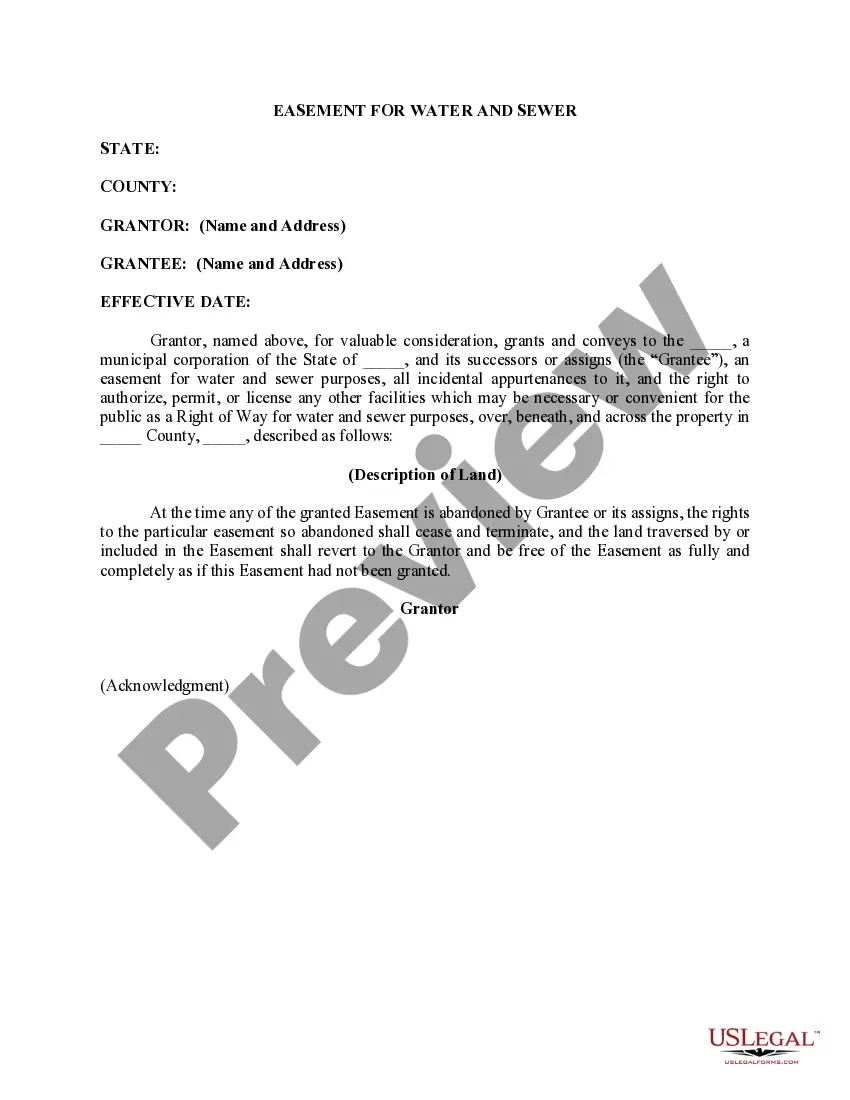
Rights of way (similar to the driveway example, but also including walkways or pathways); Public utilities, such as gas, electricity or water and sewer mains; Parking areas; Access to light and air; and. Shared walls.
Enter into an agreement with the easement holder to terminate the easement. Buy the adjoining property. Explore legal remedies to limit or terminate the easement.
Background on perpetual easements Easements are treated as a recovery of the basis of the property first, with any excess proceeds treated as capital gain, which is taxed at a lower rate than ordinary income. The basis of property that offsets an easement is limited to the basis of the affected acres or square footage.
The party gaining the benefit of the easement is the dominant estate (or dominant tenement), while the party granting the benefit or suffering the burden is the servient estate (or servient tenement). For example, the owner of parcel A holds an easement to use a driveway on parcel B to gain access to A's house.
Pursuant to s89(8) Conveyancing Act 1919 an easement may only be modified by Order of the Supreme Court. An extra fee is payable for a plan annexed to the dealing.For an easement in gross the dominant tenement panel must be completed with the name of the relevant statutory authority or the words 'easement in gross'.
Express Grant by Instrument. An express grant by written instrument is the most common source of an easement. Implied. The owner of a large tract of land splits up the land with one or more parcels that do not abut a public highway or road. Necessity. Dedication.
Tax Reporting Whoever is paying for the easement will send you a Form 1099 at the end of the year. If you get a 1099-MISC for rental payments, you report the income on Schedule E. For a permanent easement, you get a 1099-S and use Schedule D to report capital gains.