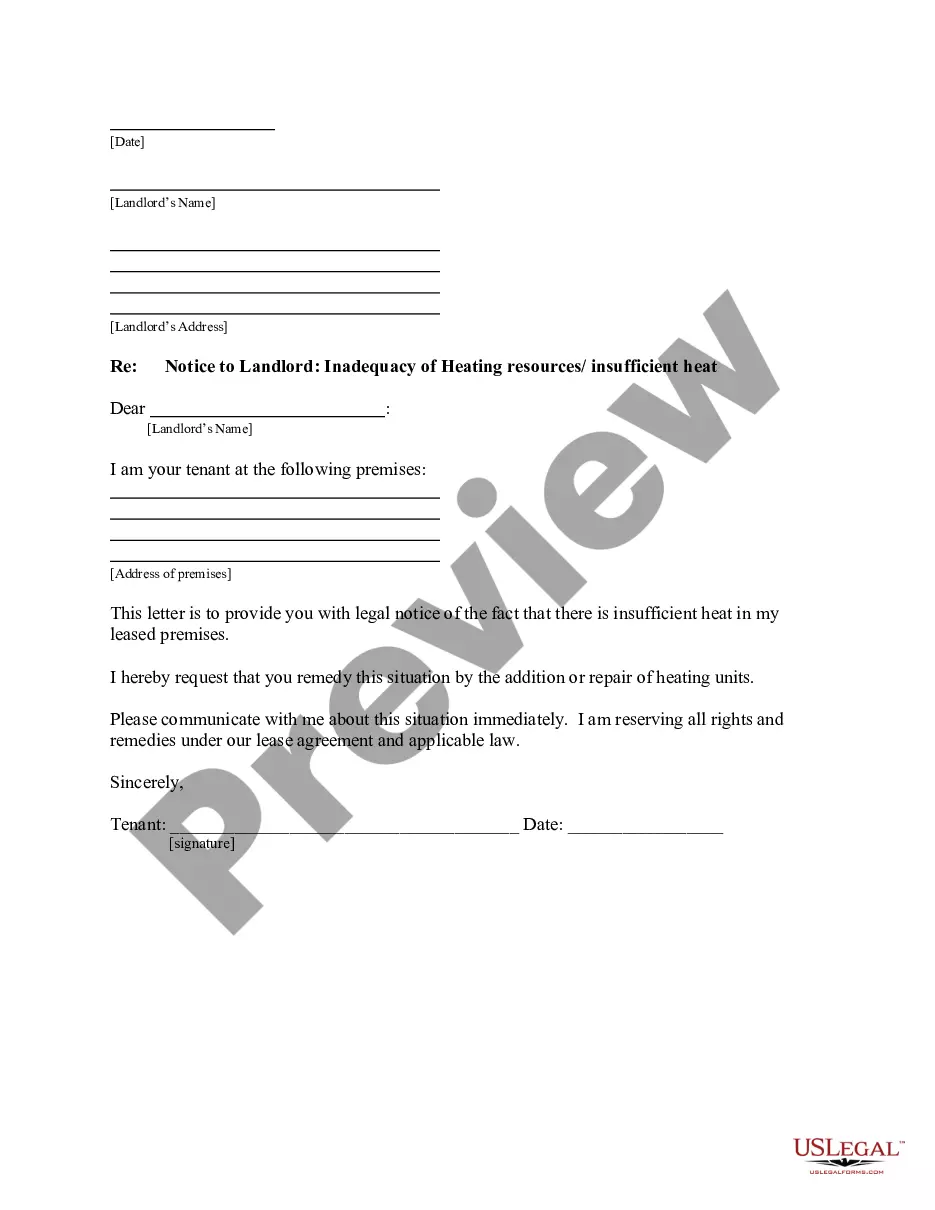
Kansas Letter from Tenant to Landlord about Inadequacy of heating resources insufficient heat
Overview of this form
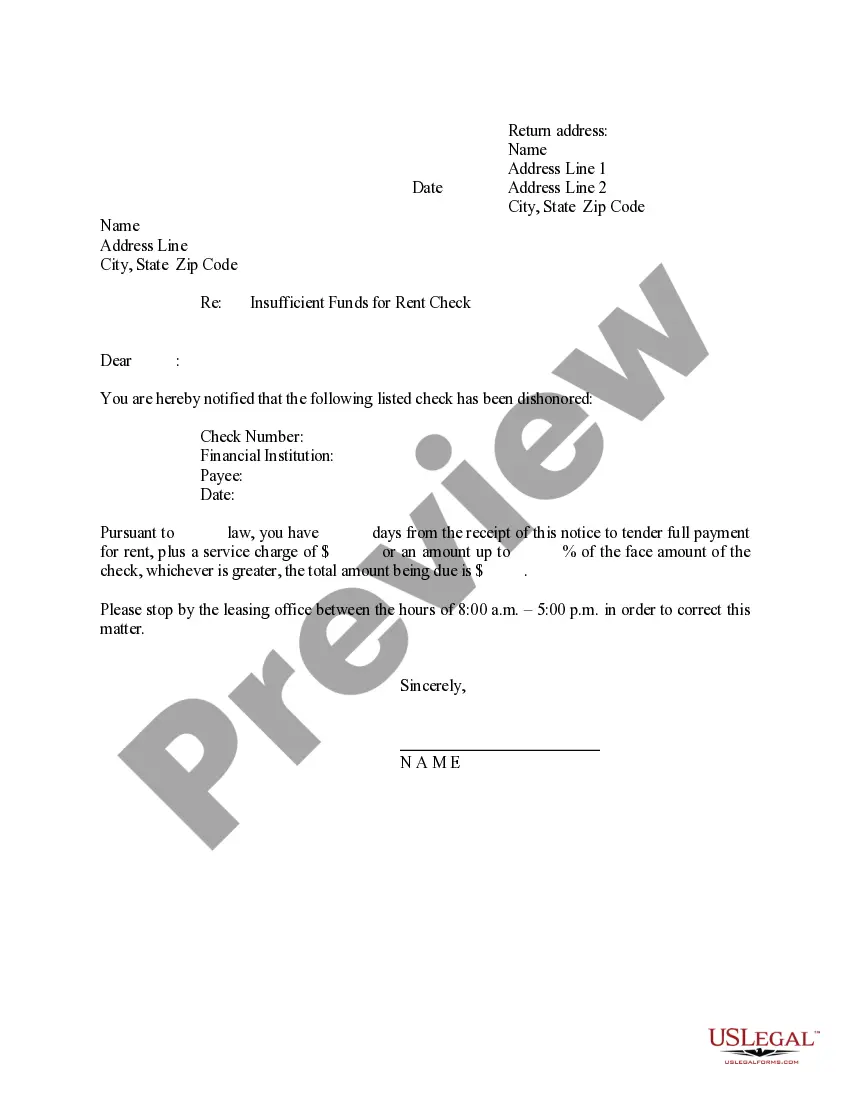
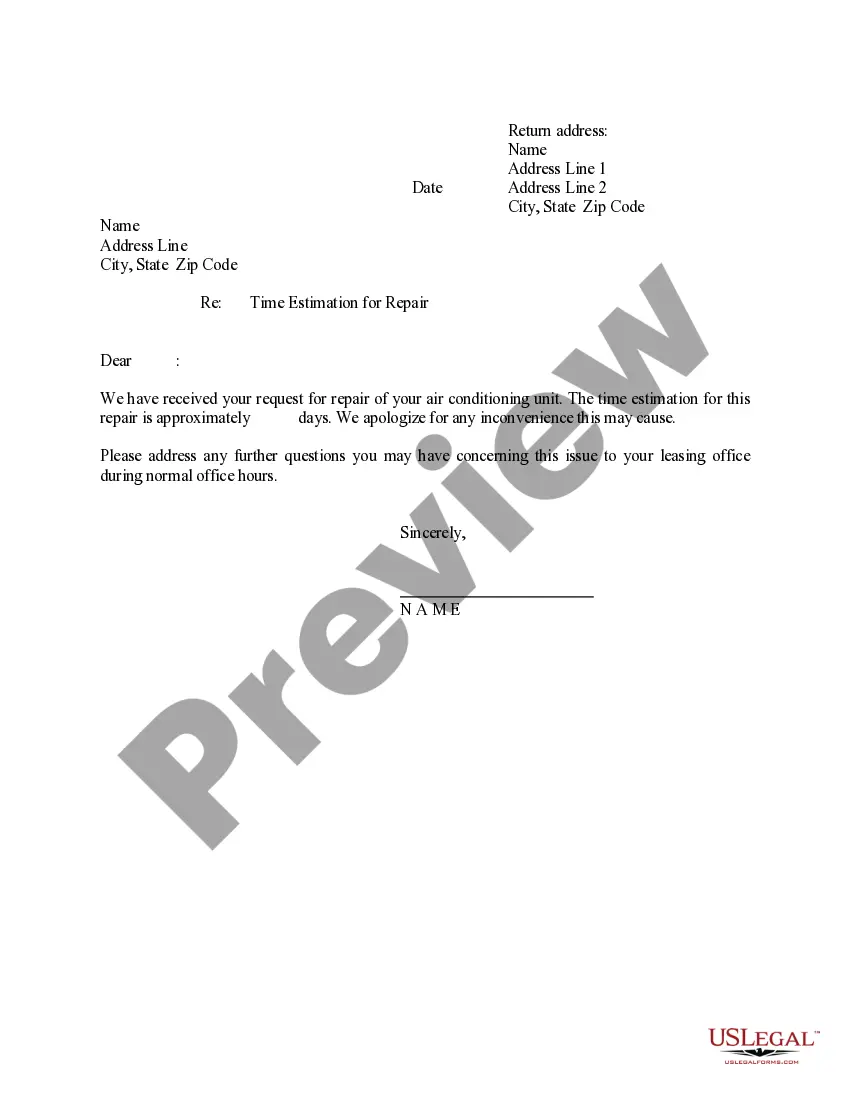
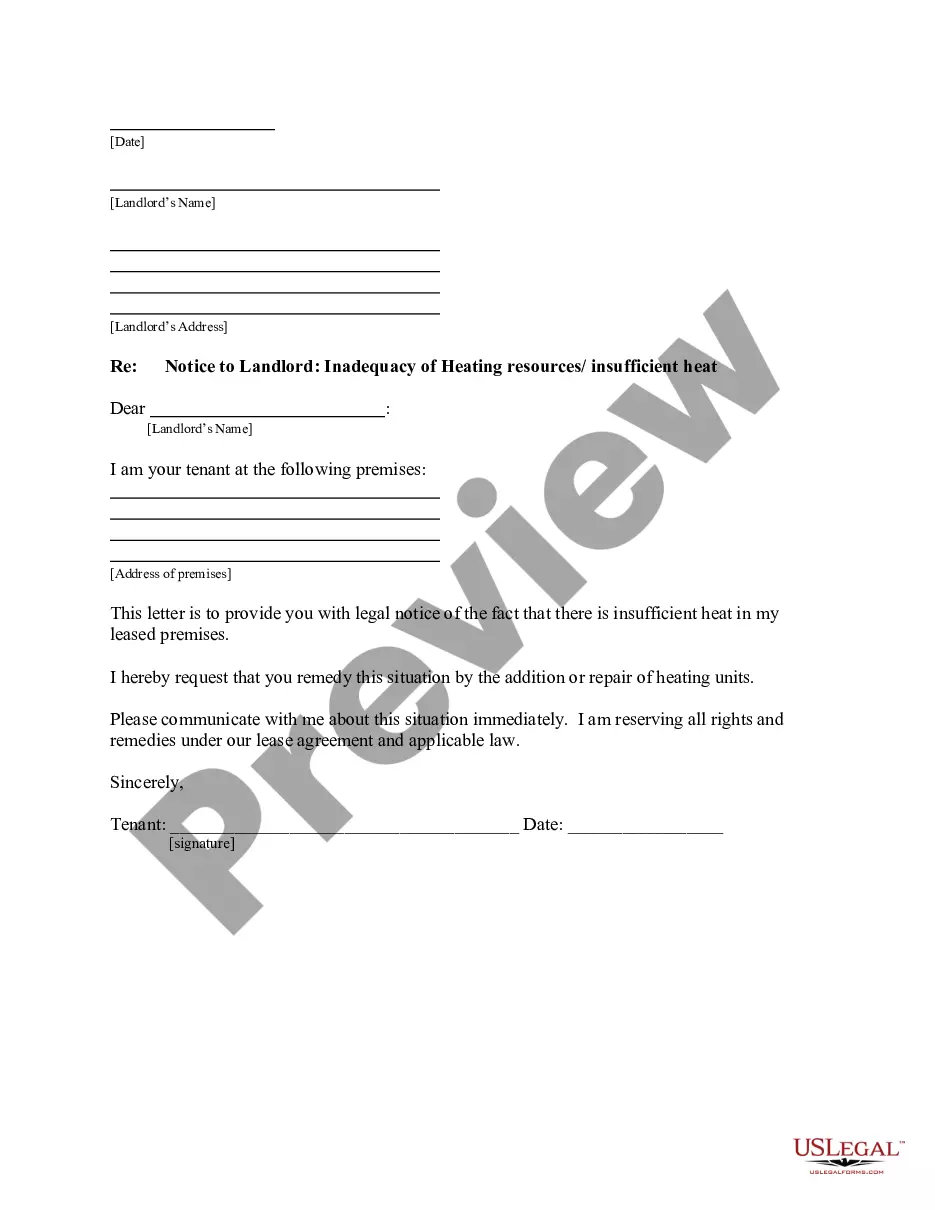
This form is a letter from a tenant to a landlord concerning insufficient heating resources in leased premises. Its primary purpose is to legally notify the landlord of inadequate heating and to formally request the addition or repair of heating units. This form serves as a vital communication tool for tenants experiencing heating issues, differentiating it from more general landlord-tenant communication forms.
What’s included in this form
- Tenant's request for remediation regarding insufficient heat.
- Clear statement expressing urgency for communication.
- Reservation of rights under the lease agreement and applicable laws.
- Signature and date fields for the tenant.
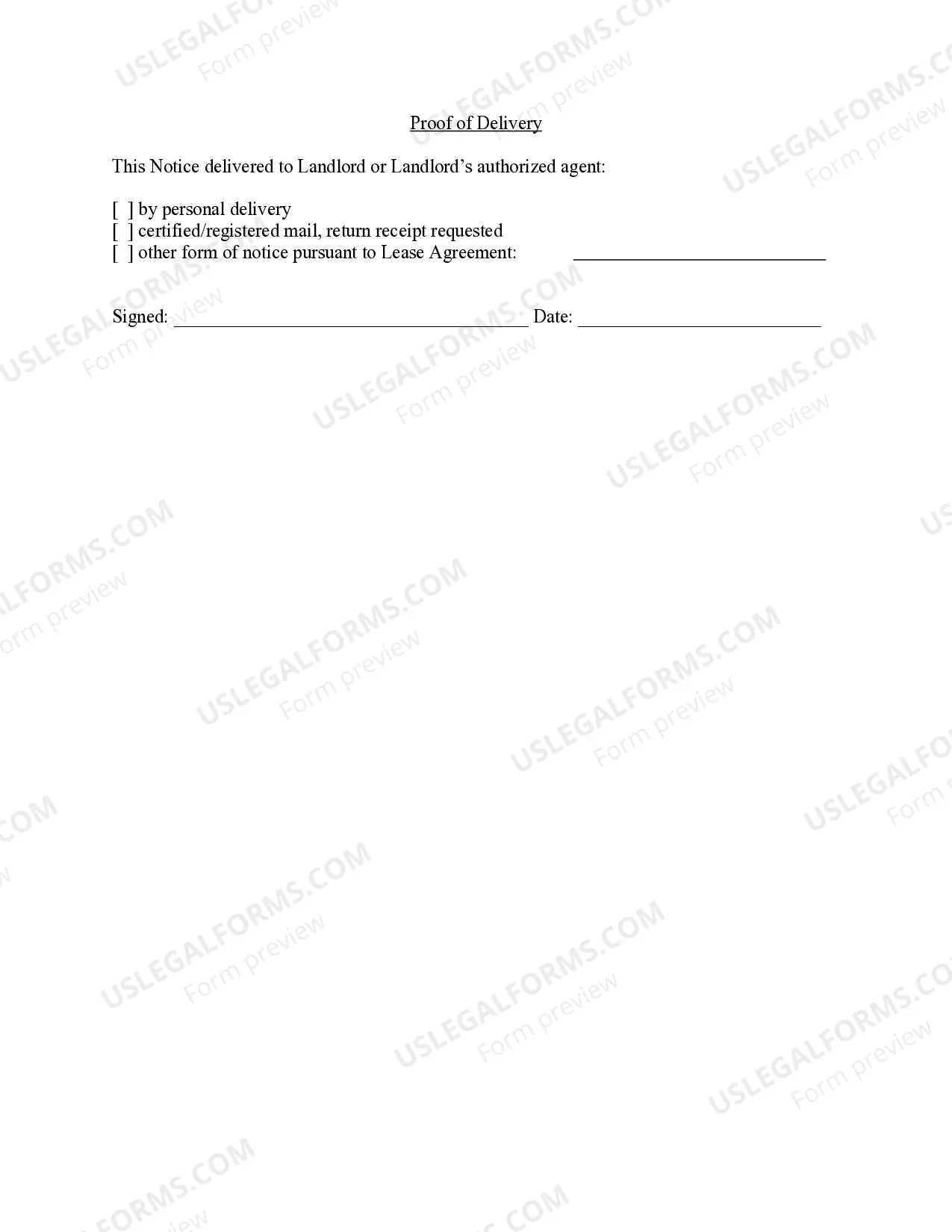
- Proof of delivery section for tracking the notification to the landlord.


When this form is needed
This form should be used when a tenant is facing insufficient heating in their rental unit. It is essential to provide the landlord with a formal notice so that necessary repairs or enhancements can be addressed promptly. Typical scenarios include experiencing consistently low temperatures during colder months or when the heating system is malfunctioning.
Who can use this document
- Tenants who are renting residential properties.
- Individuals experiencing heating deficiencies in their leased space.
- Those wanting to document their communication with their landlord regarding heating issues.
Completing this form step by step
- Identify the parties involved: enter your name as the tenant and the name of your landlord.
- Specify the property: include the address of the rented premises.
- Clearly state the issue of insufficient heat in the rental unit.
- Request the landlord to take immediate action to remedy the heating situation.
- Sign and date the letter to ensure it is valid.
Is notarization required?
Notarization is not commonly needed for this form. However, certain documents or local rules may make it necessary. Our notarization service, powered by Notarize, allows you to finalize it securely online anytime, day or night.
Get your form ready online
Our built-in tools help you complete, sign, share, and store your documents in one place.
Make edits, fill in missing information, and update formatting in US Legal Forms—just like you would in MS Word.
Download a copy, print it, send it by email, or mail it via USPS—whatever works best for your next step.
Sign and collect signatures with our SignNow integration. Send to multiple recipients, set reminders, and more. Go Premium to unlock E-Sign.
If this form requires notarization, complete it online through a secure video call—no need to meet a notary in person or wait for an appointment.
We protect your documents and personal data by following strict security and privacy standards.

Make edits, fill in missing information, and update formatting in US Legal Forms—just like you would in MS Word.

Download a copy, print it, send it by email, or mail it via USPS—whatever works best for your next step.

Sign and collect signatures with our SignNow integration. Send to multiple recipients, set reminders, and more. Go Premium to unlock E-Sign.

If this form requires notarization, complete it online through a secure video call—no need to meet a notary in person or wait for an appointment.

We protect your documents and personal data by following strict security and privacy standards.
Typical mistakes to avoid
- Failing to provide the specific address of the rental property.
- Not clearly stating the specific heating issues faced.
- Omitting the date or failing to sign the letter.
- Not sending the letter via a method that provides proof of delivery.
Why use this form online
- Convenient access to legal forms anytime, making it easy to address urgent issues.
- Editable templates allow for easy customization to fit your specific needs.
- Reliable forms drafted by licensed attorneys to ensure compliance with applicable laws.
Quick recap
- This letter is a formal notification to your landlord regarding inadequate heating.
- Completing the form accurately helps protect your rights as a tenant.
- Using this template can streamline the communication process with your landlord.
Looking for another form?
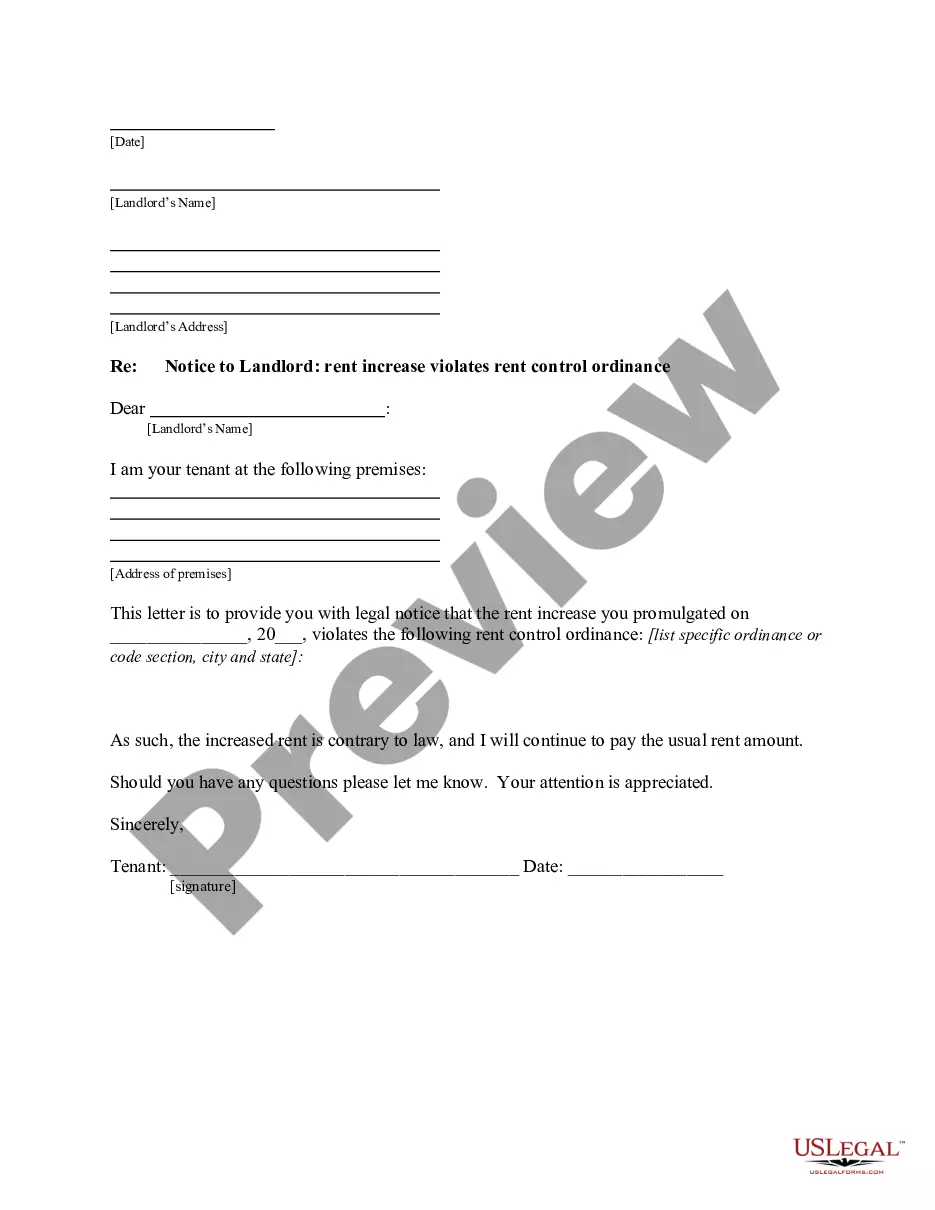
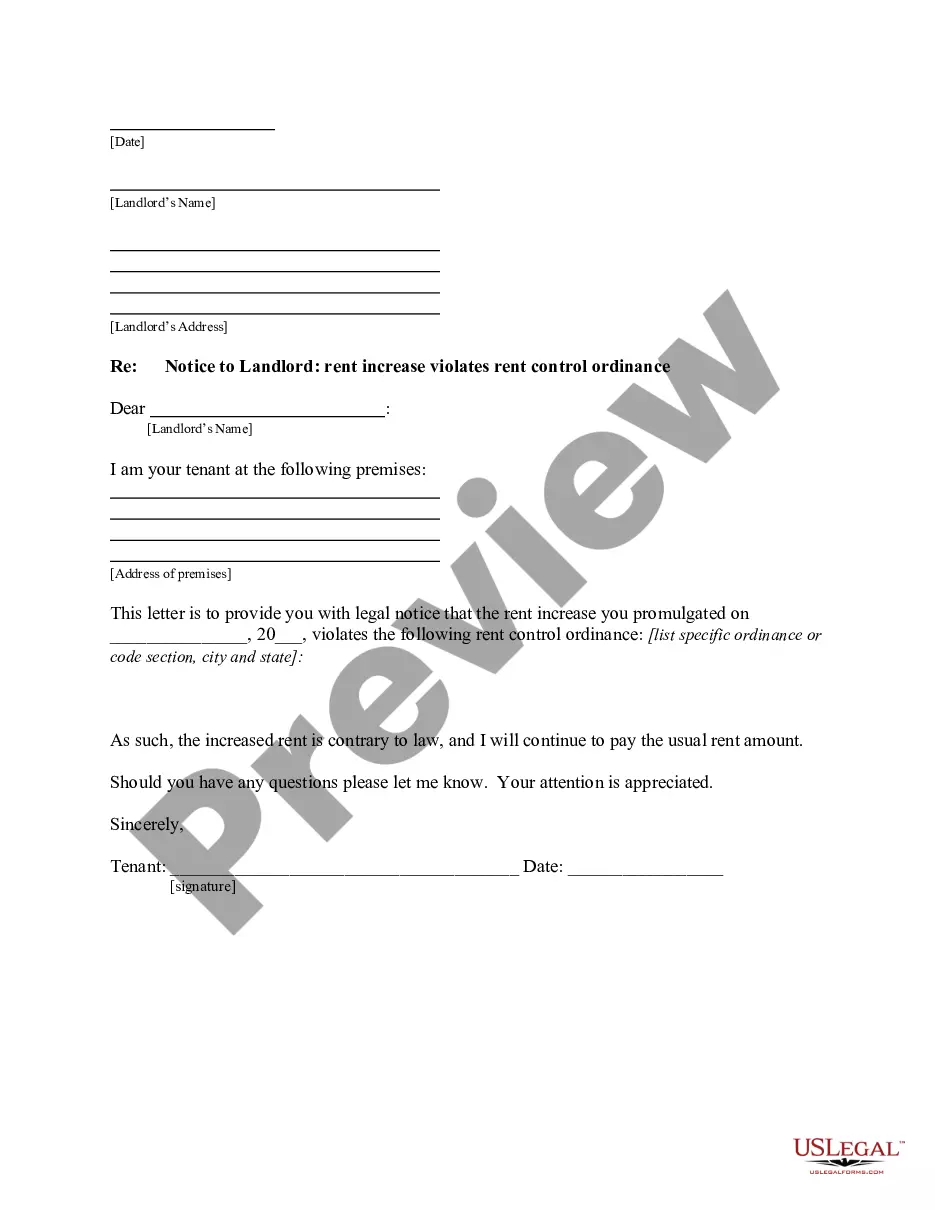
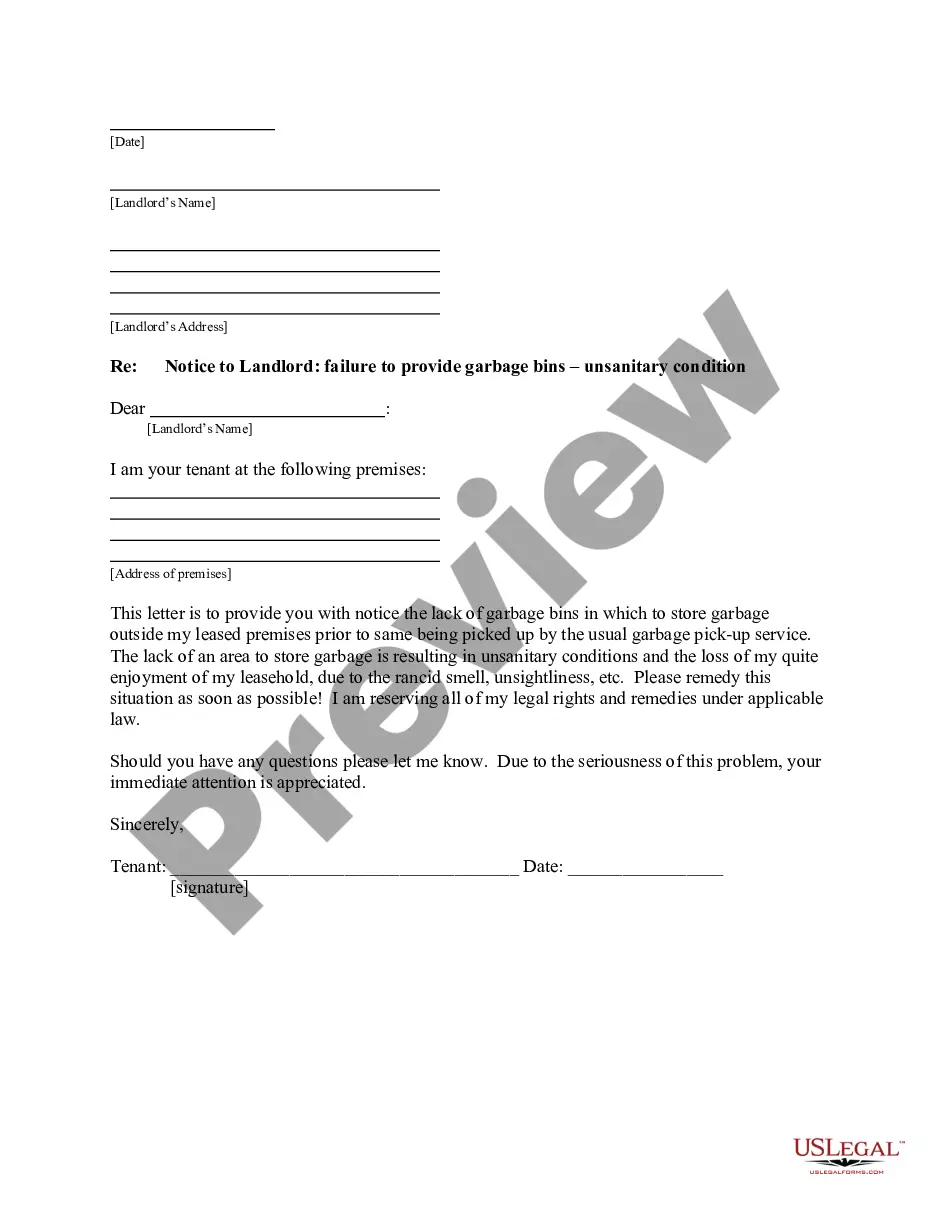
Form popularity
FAQ
While Kansas law does not explicitly require landlords to provide air conditioning, they must maintain a habitable living environment. If heat becomes excessive and units are lacking, it can lead to issues with habitability. Document your concerns in a Kansas Letter from Tenant to Landlord about Inadequacy of heating resources insufficient heat to encourage prompt repairs. Embrace the power of communication to ensure your home remains comfortable.
So you may not have to pay much, if any additional rent, if you break your lease. You need pay only the amount of rent the landlord loses because you moved out early. This is because Kansas requires landlords to take reasonable steps to keep their losses to a minimumor to mitigate damages in legal terms.
Kansas Eviction Process Timeline Issuance/Service of Summons and Complaint at least 3 days prior to the eviction hearing. Court Hearing and Ruling on the Eviction 3-28 days, depending on whether a follow-up hearing is held. Issuance of Writ of Restitution A few hours to a few days.
If you think your landlord is violating the Fair Housing Act, you can get that landlord in trouble by filing a complaint at HUD.gov. Your remedy for breach of quiet enjoyment is to terminate the lease and move or sue in small claims court.
When a landlord fails to make necessary repairs or maintenance you can not simply withhold paying rent until the landlord makes the repairs. Your duty to pay rent and the landlord's duty to make repairs are totally separate and if you do not pay rent the landlord can evict you and not make the repairs.
Review Your Lease Before You Sign. Research Local Laws. Keep Records. Pay Your Rent. Maintain Respectful Communication. Seek an Agreeable Solution. Request Repairs in Writing. What Do You Think?
Unfortunately that is not the case. Once a break notice has been served is cannot be unilaterally withdrawn. Even if both parties agree that the notice is withdrawn, service of the notice terminates the existing lease and creates a new tenancy by implication. There are a number of consequences that flow from this.
When a lease ends, a tenant may choose to move, continue to pay rent as a month-to-month tenant, or sign a new lease. If a tenant continues to pay rent after a lease ends, in most states the terms of the expired lease carry over into a month-to-month tenancy.
Nebraska Eviction is 3 Days or 30 Days And it must state that the tenant may halt the eviction process by paying the rent or curing the violation within the notice period.
The 14-day/30-day notice must say how the tenant is breaching the lease and that the lease will automatically terminate 30 days (or more) from the date of the notice unless the tenant fixes the problem within 14 days of the date of the notice.