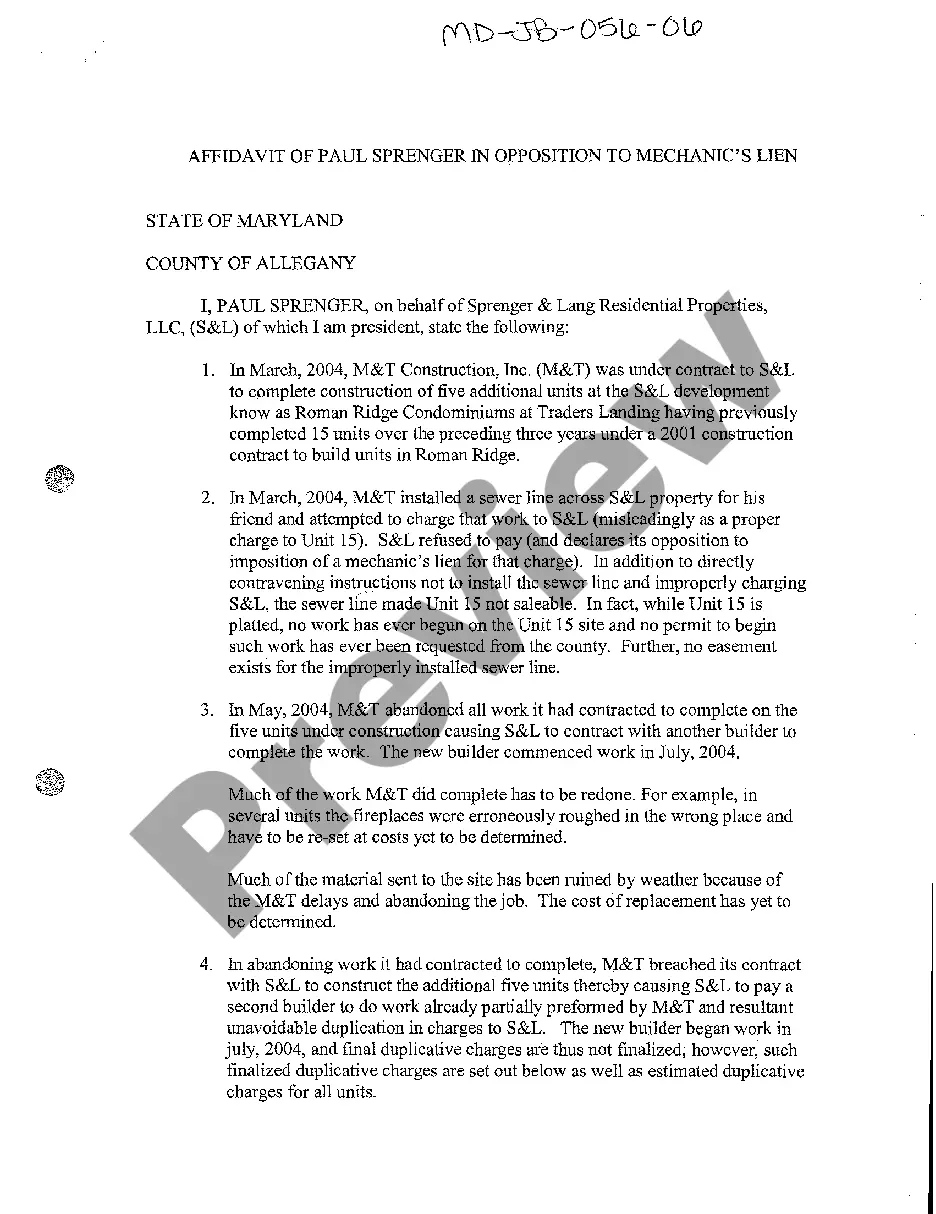
Kansas Letter from Tenant to Landlord about Sexual Harassment
Understanding this form
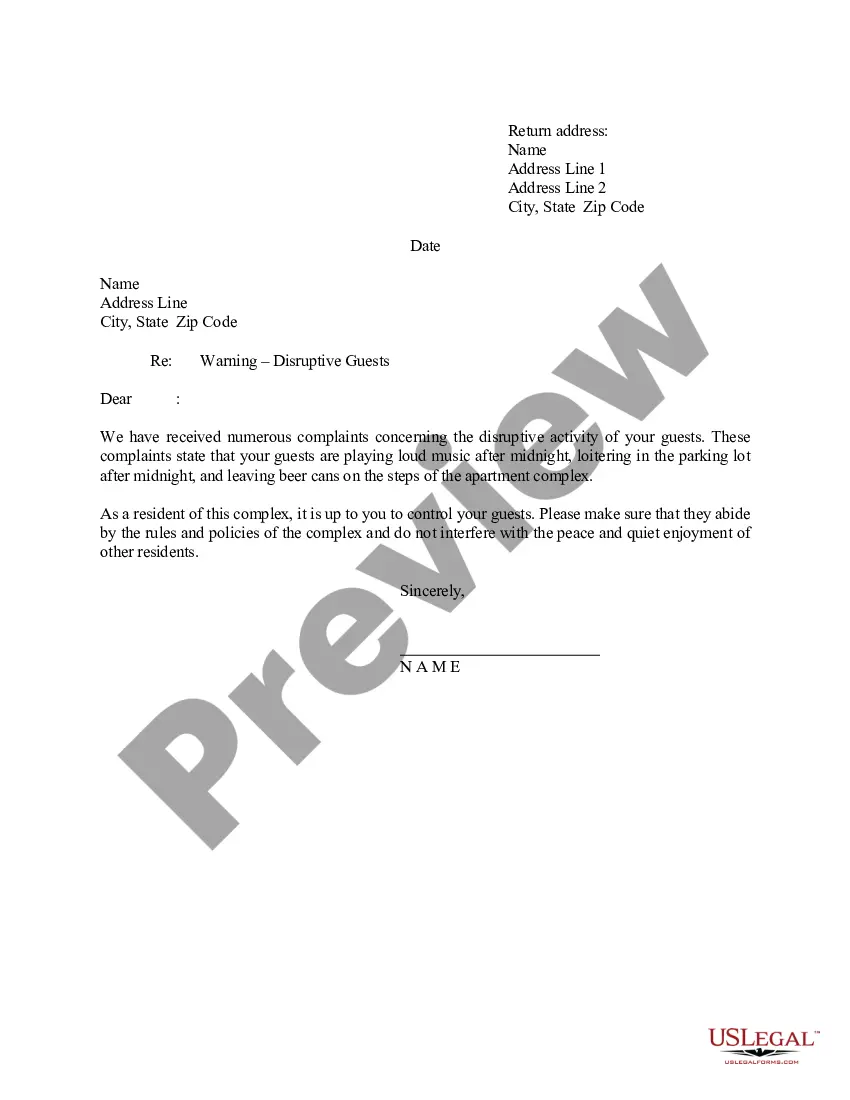
The Letter from Tenant to Landlord about Sexual Harassment is a formal document that notifies a landlord of inappropriate, sexually harassing behavior. This letter is crucial for tenants who wish to assert their rights and demand that the landlord stop any unlawful conduct. Unlike other general complaint letters, this specific form addresses serious allegations and establishes a clear record of the tenant's grievances while emphasizing professionalism and the need for respectful communication.
Form components explained
- Tenant's name and signature: Identifying the sender of the letter.
- Date: Indicating when the letter is issued.
- Statement of conduct: Detailed description of the landlord's behavior deemed as sexual harassment.
- Demand for cessation: A formal request for the landlord to stop the harassing conduct.
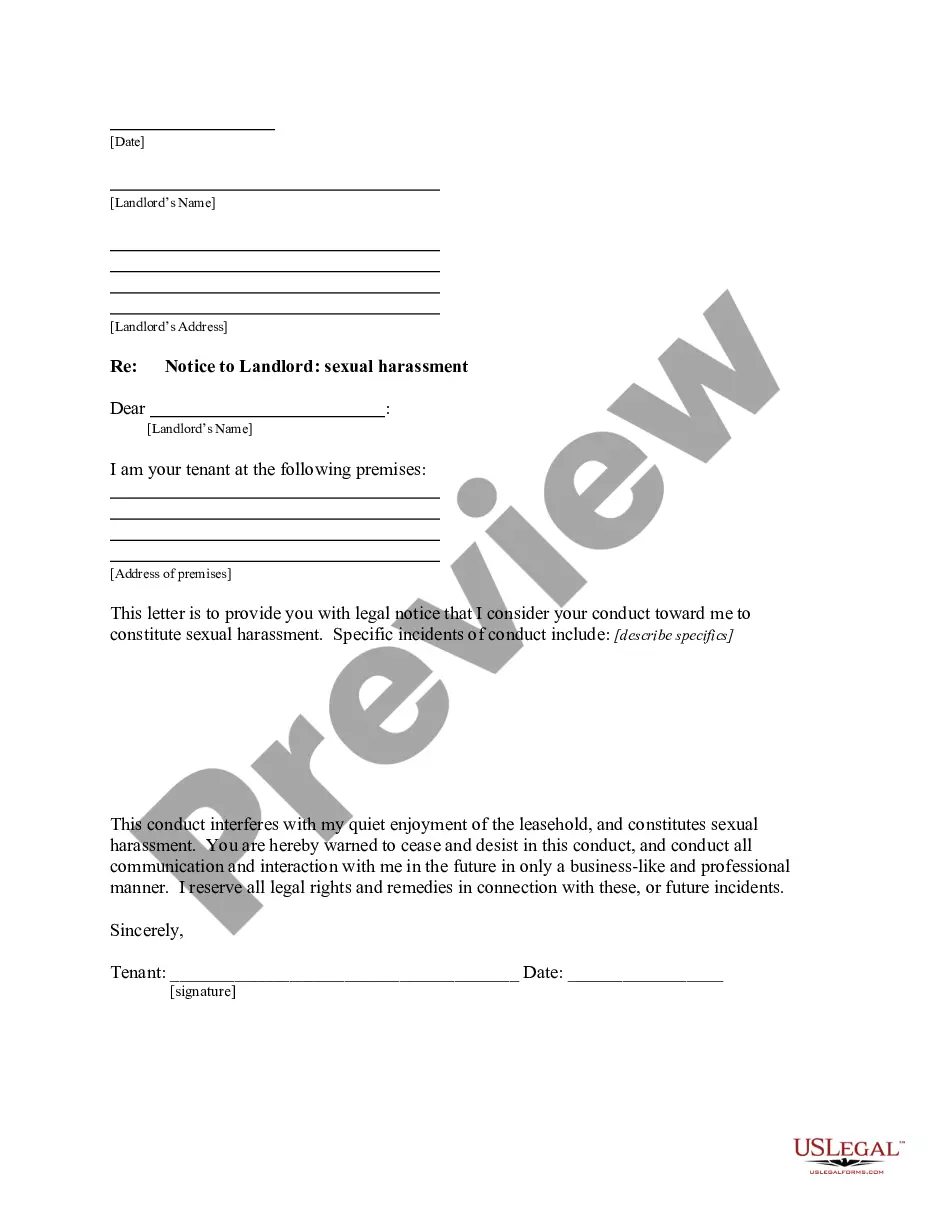
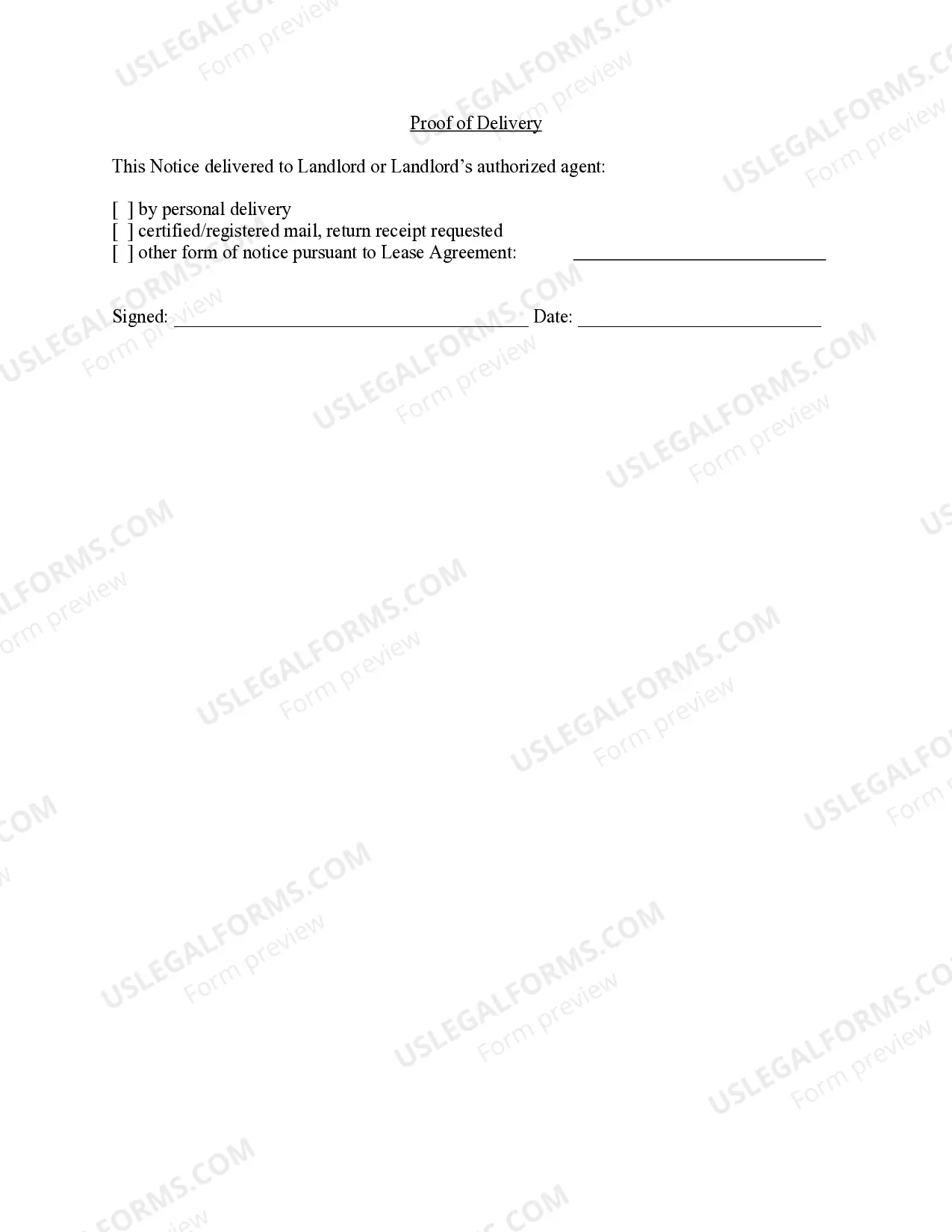
- Proof of delivery options: Instructions for how to deliver the notice to the landlord.

When to use this form
This letter should be used when a tenant experiences sexual harassment from a landlord. It is suitable for situations where the landlord's behavior directly interferes with the tenant's enjoyment of their home. Use this form to formally document the grievance and request that the landlord communicate in a professional manner only, helping to establish a written record in case of future legal actions.
Intended users of this form
- Tenants who are experiencing sexual harassment from their landlord.
- Individuals who wish to formally document ongoing harassment or inappropriate conduct.
- People seeking to communicate their concerns professionally while protecting their legal rights.
How to prepare this document
- Identify the parties: Fill in your name as the tenant clearly at the top of the letter.
- Specify the issues: Clearly state the behaviors that constitute sexual harassment.
- Enter the date: Write the date when you are delivering the letter.
- Sign the letter: Add your signature to formally validate your claims.
- Choose the delivery method: Indicate how you plan to deliver the letter, ensuring proof of delivery.
Does this document require notarization?
This form does not typically require notarization unless specified by local law. Ensure you check your jurisdiction's requirements for any additional formalities.
Get your form ready online
Our built-in tools help you complete, sign, share, and store your documents in one place.
Make edits, fill in missing information, and update formatting in US Legal Forms—just like you would in MS Word.
Download a copy, print it, send it by email, or mail it via USPS—whatever works best for your next step.
Sign and collect signatures with our SignNow integration. Send to multiple recipients, set reminders, and more. Go Premium to unlock E-Sign.
If this form requires notarization, complete it online through a secure video call—no need to meet a notary in person or wait for an appointment.
We protect your documents and personal data by following strict security and privacy standards.

Make edits, fill in missing information, and update formatting in US Legal Forms—just like you would in MS Word.

Download a copy, print it, send it by email, or mail it via USPS—whatever works best for your next step.

Sign and collect signatures with our SignNow integration. Send to multiple recipients, set reminders, and more. Go Premium to unlock E-Sign.

If this form requires notarization, complete it online through a secure video call—no need to meet a notary in person or wait for an appointment.

We protect your documents and personal data by following strict security and privacy standards.
Typical mistakes to avoid
- Failing to provide specific examples of harassment, which can weaken the letterâs impact.
- Not signing the letter, which can render it less formal or effective.
- Delivering the letter without proof of delivery, which can complicate future legal recourse.
Why complete this form online
- Convenience: Easily download and customize the form from the comfort of your home.
- Editability: Quickly make necessary adjustments to suit your specific situation.
- Reliability: Access professionally drafted templates that comply with relevant laws.
Key takeaways
- This form is essential for tenants addressing sexual harassment by landlords.
- It allows for formal communication regarding unacceptable behavior.
- Completion of the form can protect a tenant's rights and establish an official record.
- Delivery proof is important to confirm that the landlord received the notice.
Looking for another form?




Form popularity
FAQ
A landlord reference letter is a statement that: Details what kind of experience it was leasing property to the tenant. Usually takes the form of a written document, but can be served in a variety of mediums. Serves as a character reference for your tenant.
State the purpose of the letter. In the first paragraph, explain that you are writing to verify that the tenants live on your property. Also include the address where they live. For example, you can write, I am writing to confirm that Mr.
The landlord verification form is a document used by a landlord when verifying the previous rental information of an applicant for tenancy. The requesting landlord must send the form to the applicant's current or past landlord in order to obtain all details related to the tenancy of the individual.
If you're seeking damages for emotional distress caused by a landlord's discrimination, or punitive damages for especially blatant and intentional discrimination, a lawsuit may well be your best bet. Understand what's involved in suing your landlord. You may file a lawsuit in either federal or state court.
A rental verification helps landlords and property managers to verify the rental history of their applicant. This is done through a background check combined with a phone call verification.Calling the previous and current landlord is an important step of the rental verification.
Harassing a tenant with the intention of making their living situation so uncomfortable they want to move or terminate a lease agreement is illegal.Landlord harassment is considered such an issue in major cities of these states that specific laws and protections were created to protect renters and punish violators.
Write a letter to your landlord stating that you are aware of your rights as a tenant, that s/he is in clear violation of the law, and that you want the situation remedied with no further harassment. Keep a copy of the letter; it will be good evidence if you have to take the landlord to court later.
Notice to Pay or Quit. Another common landlord letter to tenants is the notice to pay or quit.Include the date by which the tenant must pay or fix the issues. Send this notice by certified mail, as this will act as a record of your attempt to correspond with your tenant.
Bottom line. In most cases, tenants can't break a lease because they feel unsafe. But if they feel unsafe, help make the place more secure. If you don't provide basic safety precautions, such a door and window locks, your tenant may be able to legally break the lease.