How to write a statement of the defendant refusing a plea bargain?
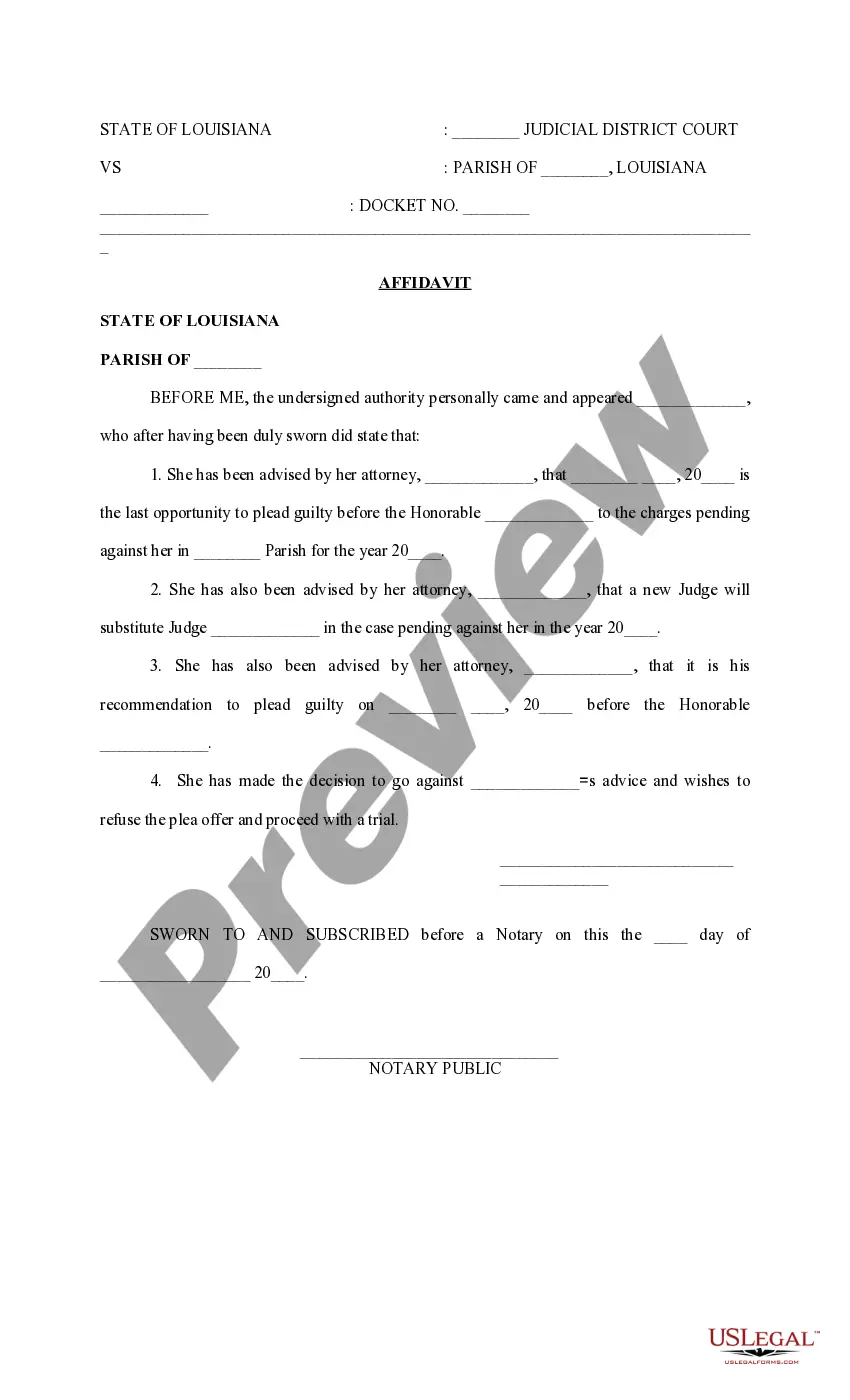
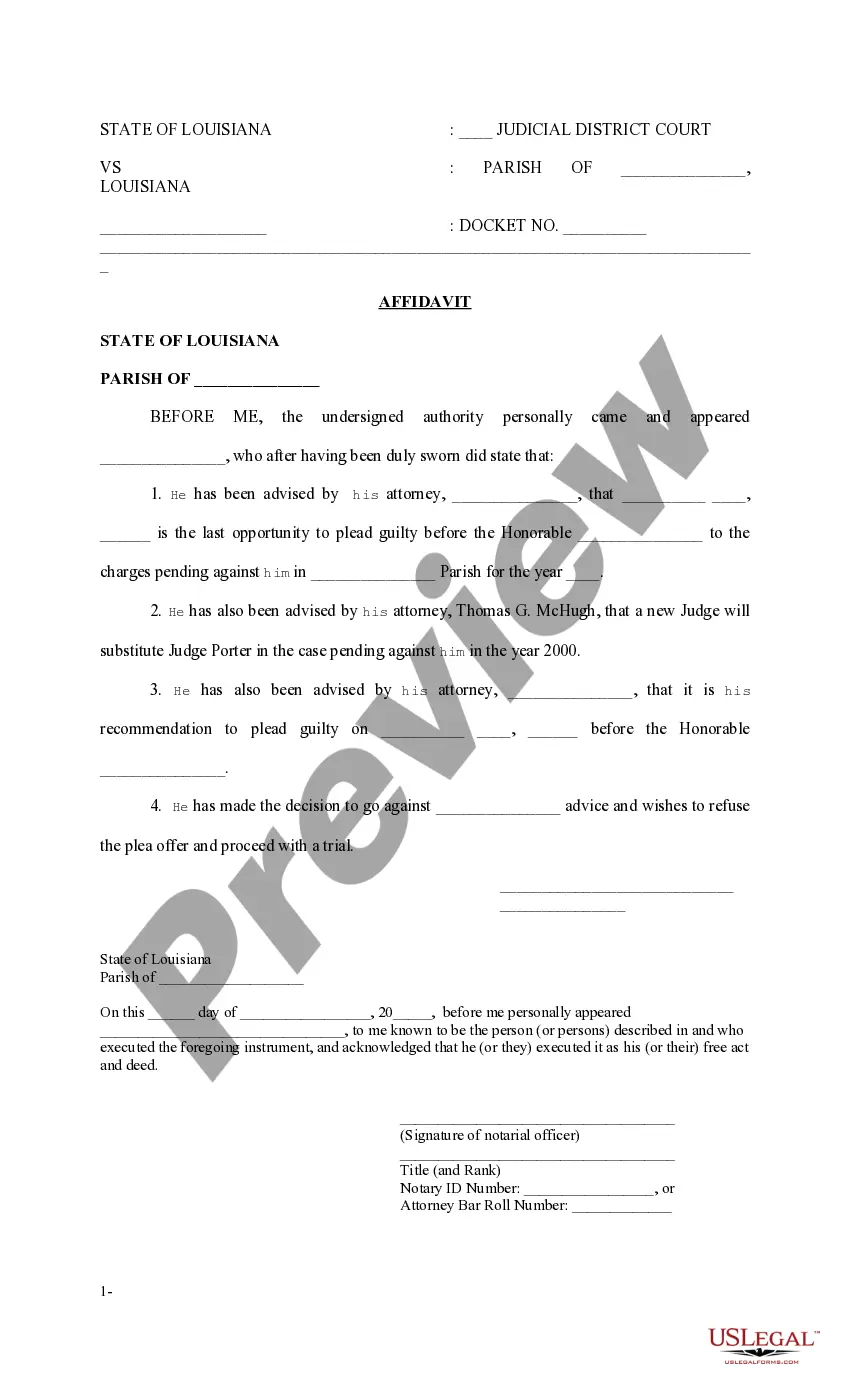
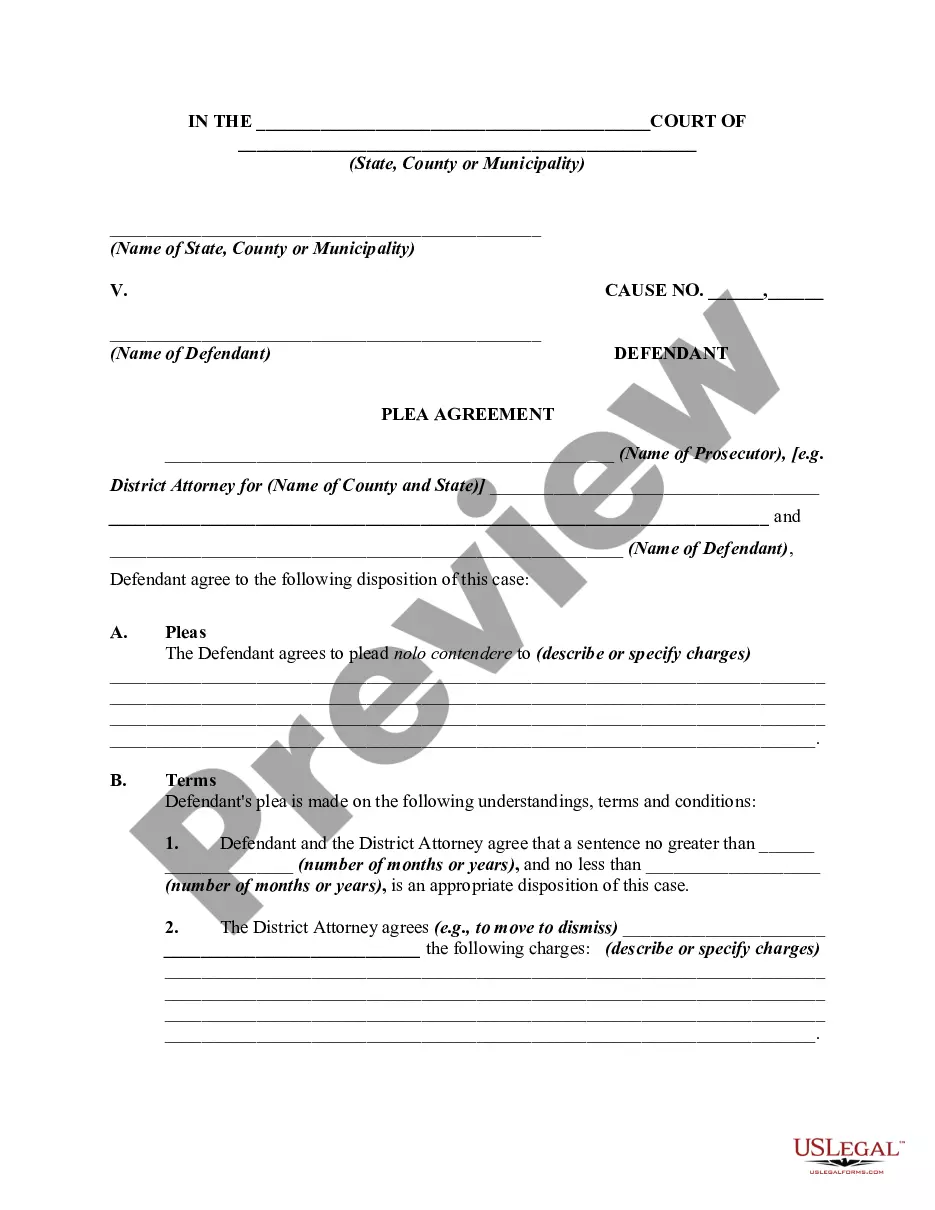
A statement of the defendant refusing a plea bargain is a formal document in which the defendant explicitly rejects an offer made by the prosecution to plead guilty in exchange for a lesser charge or a reduced sentence. By refusing the plea bargain, the defendant maintains their right to a trial and faces the charges as originally filed. This document serves to inform the court and the prosecution of the defendant's decision.
How to complete a form
To complete the statement of the defendant refusing the plea bargain, follow these steps:
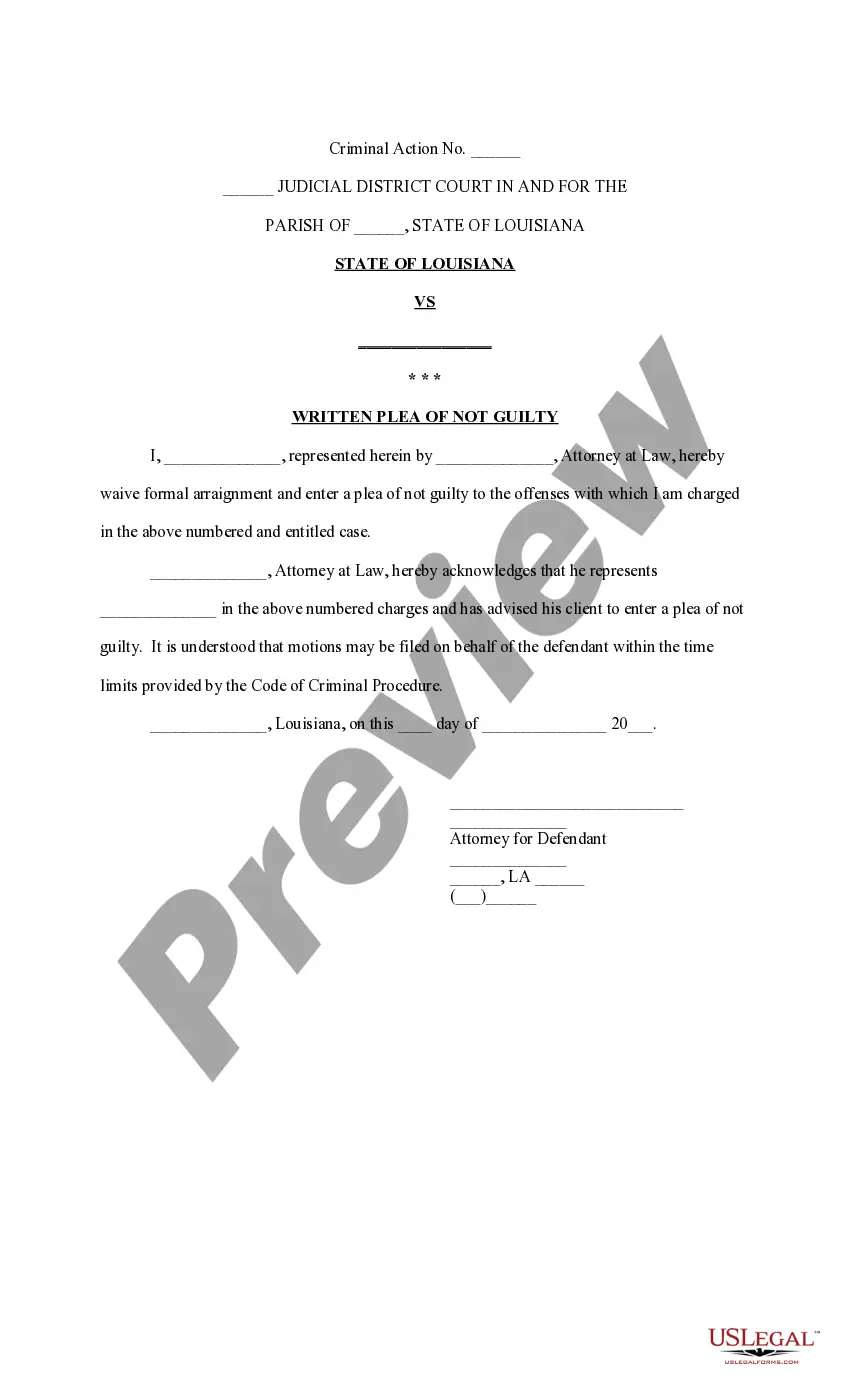
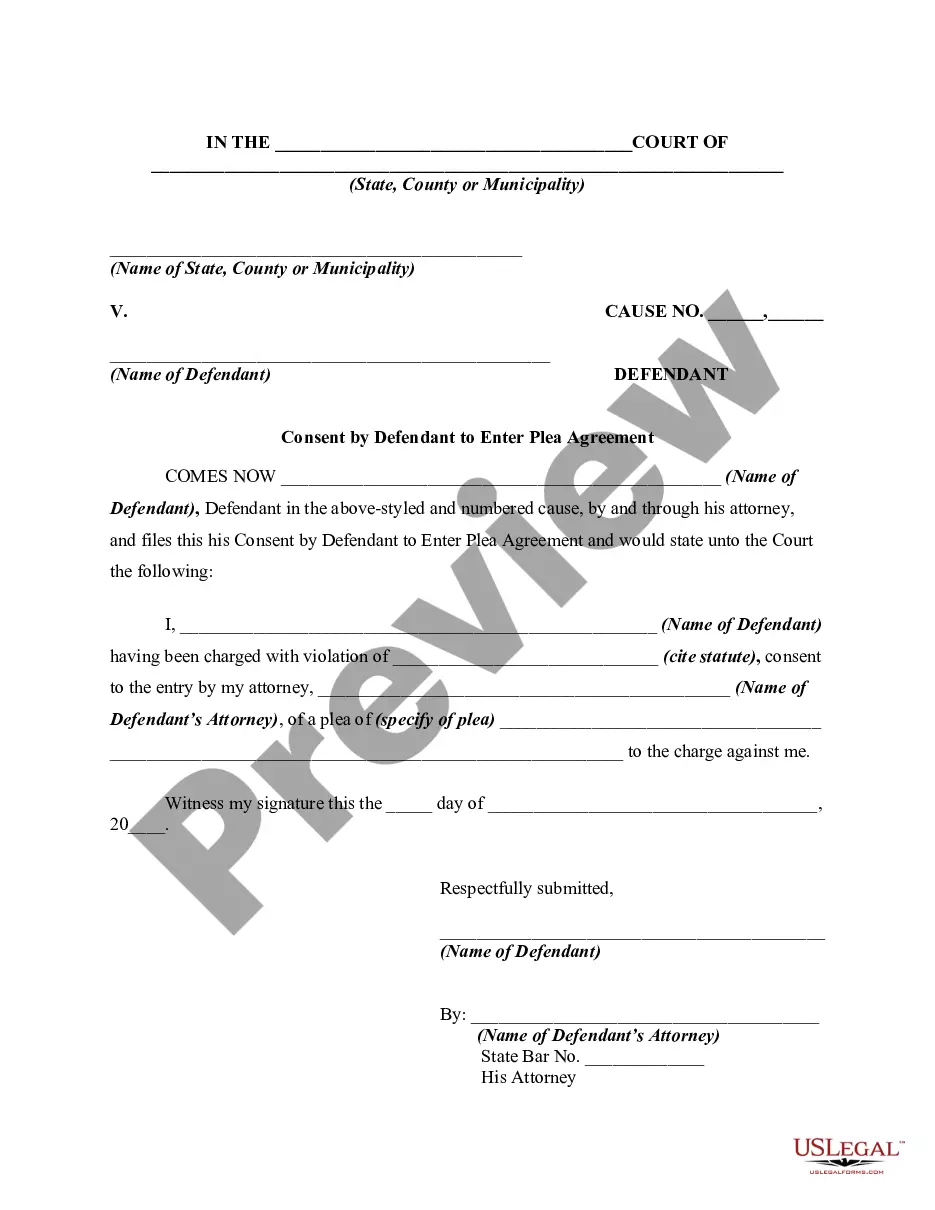
- Identify the case details, including the court name, case number, and the names of the parties involved.
- Clearly state your decision to refuse the plea bargain. Include language that demonstrates your understanding of the consequences of this decision.
- Include the date and location where the statement is signed.
- Sign the document to affirm that you understand the decision being made.
Make sure to keep a copy for your records and submit the completed form to the court.
Who should use this form
This form is intended for defendants in criminal cases who have been offered a plea bargain but choose to refuse it. If you are facing criminal charges and believe that your rights or interests are better served by going to trial rather than accepting a plea deal, this form is appropriate for you.
Key components of the form
When drafting a statement of the defendant refusing a plea bargain, be sure to include the following key components:
- The defendant’s full name and address.
- The case number and court where the charges are filed.
- A clear statement of the refusal of the plea bargain.
- An acknowledgment of the consequences of refusing the plea bargain.
- The date and location where the statement is signed.
- The defendant’s signature.
Common mistakes to avoid when using this form
When completing the statement of the defendant refusing a plea bargain, avoid these common mistakes:
- Failing to clearly state your refusal of the plea bargain.
- Not including essential case details such as the docket number and court name.
- Neglecting to sign and date the document.
- Using jargon or complex language that may confuse the reader.
What to expect during notarization or witnessing
Depending on the jurisdiction, the statement may need to be notarized or witnessed. Here’s what to expect:
- Present the completed statement to a notary public or witness.
- You may need to provide identification to verify your identity.
- The notary will confirm that you are signing voluntarily and understand the content of the document.
- Once signed and notarized, the document becomes part of the official court records.
Key takeaways
In summary, the statement of the defendant refusing a plea bargain is a critical document in the criminal justice process. Ensure that you understand the implications of your decision, accurately complete the form with all necessary information, and avoid common mistakes to prevent delays in your case. Always consult with a legal professional if you have questions regarding your plea options.