How to file a stipulation for settlement in court effectively
A stipulation for settlement is a formal agreement between parties involved in a legal dispute. It outlines the terms of the settlement and is typically filed with the court to resolve the issues without going to trial. In essence, it signifies that both parties have come to a mutual understanding and agreement regarding the matters at hand, such as financial obligations or parenting arrangements.
Steps to prepare your stipulation for settlement
To file a stipulation for settlement in court, follow these essential steps:
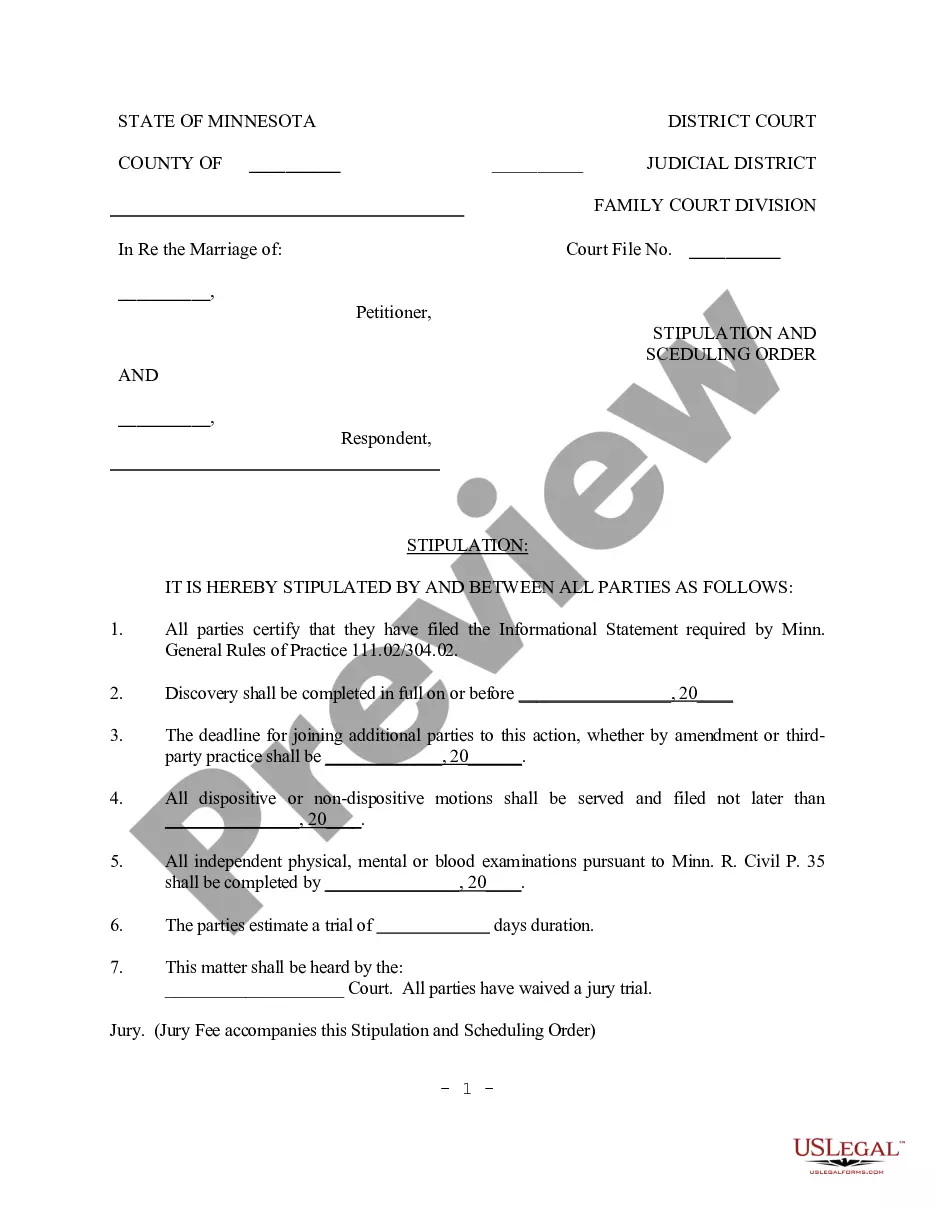
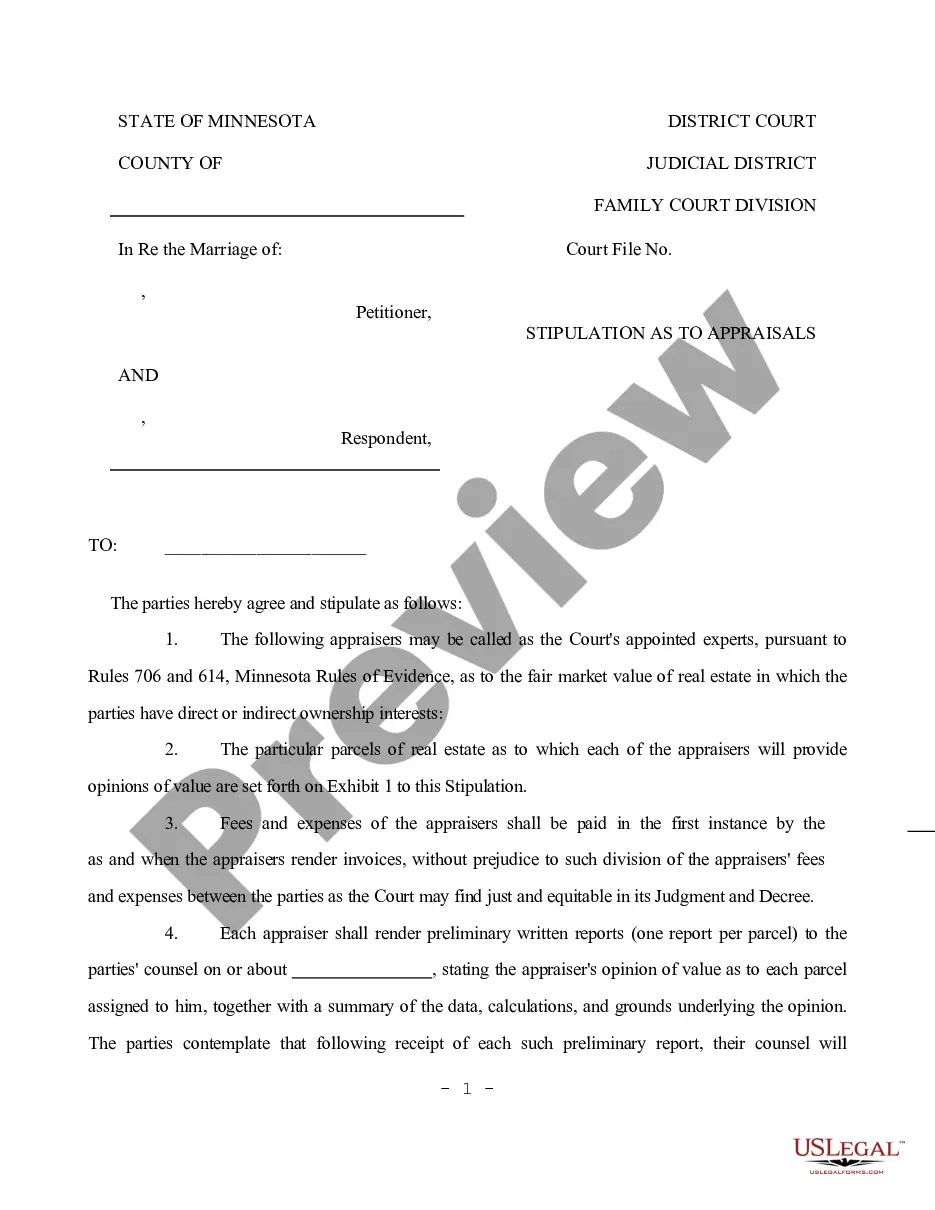
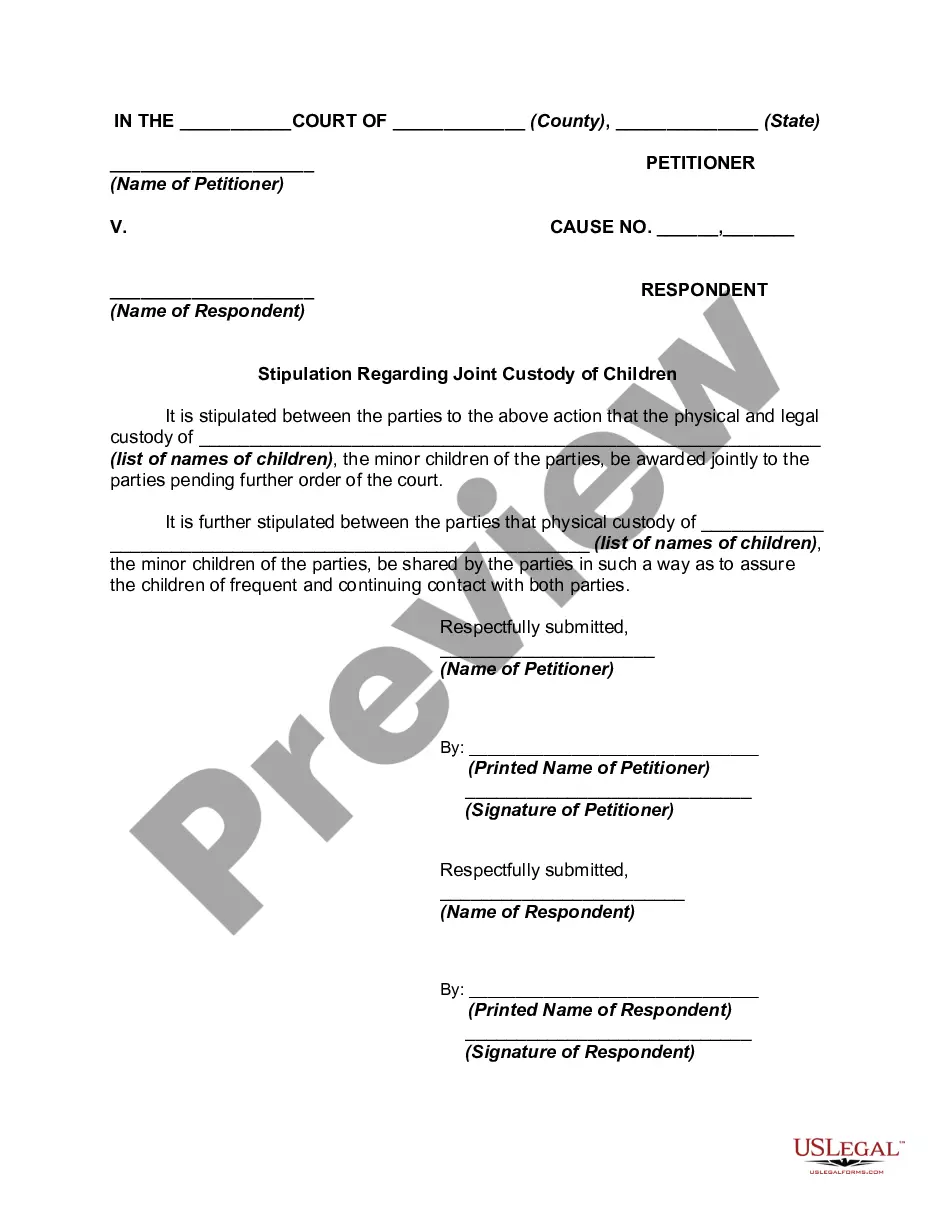
- Draft the stipulation: Include the names of both parties, relevant case information, and the agreed-upon terms.
- Sign the document: Both parties must sign the stipulation to validate the agreement.
- File with the court: Submit the signed stipulation to the appropriate court, along with any required filing fees.
- Obtain a court order: Request the court to issue an order of dismissal based on the stipulation once filed.
Who should file a stipulation for settlement?
A stipulation for settlement is suitable for individuals or parties who have reached an agreement regarding the terms of their legal dispute. It is commonly used in family law cases, such as divorce and child custody, as well as civil disputes. If both parties agree on the terms and wish to avoid a trial, filing a stipulation is a practical and efficient option.
Important components of a stipulation for settlement
A comprehensive stipulation for settlement typically includes:
- Names and contact information of both parties
- Case number and court details
- Description of settlement terms agreed upon by both parties
- Signatures of both parties, along with the date of signing
Ensuring that all elements are included helps validate the stipulation and facilitates court approval.
Common mistakes to avoid when filing
When preparing a stipulation for settlement, consider these common pitfalls:
- Inadequate detail: Ensure that all terms are clearly outlined to avoid confusion.
- Lack of signatures: Both parties must sign the document; failure to do so can result in delays.
- Incorrect court names: Always double-check that you've filed in the correct jurisdiction and provided accurate case numbers.
Expectations during the court process
When you file a stipulation for settlement, anticipate that:
- The court will review the document to ensure it complies with legal standards.
- There may be a hearing scheduled, during which a judge reviews the stipulation.
- The judge will approve the agreement if all requirements are met, leading to a dismissal of the case.
Understanding these steps can help streamline the process, ensuring a smoother experience.