How To Complete An Assignment Of Deed Of Trust Effectively
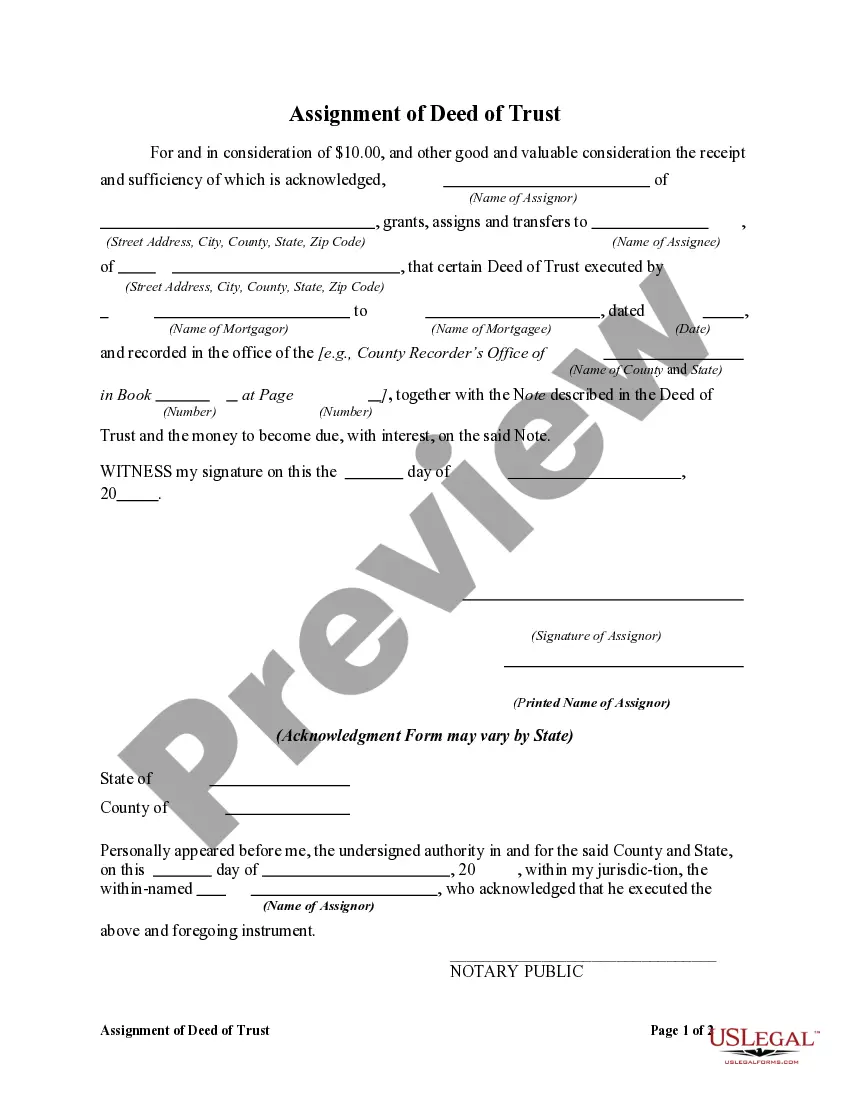
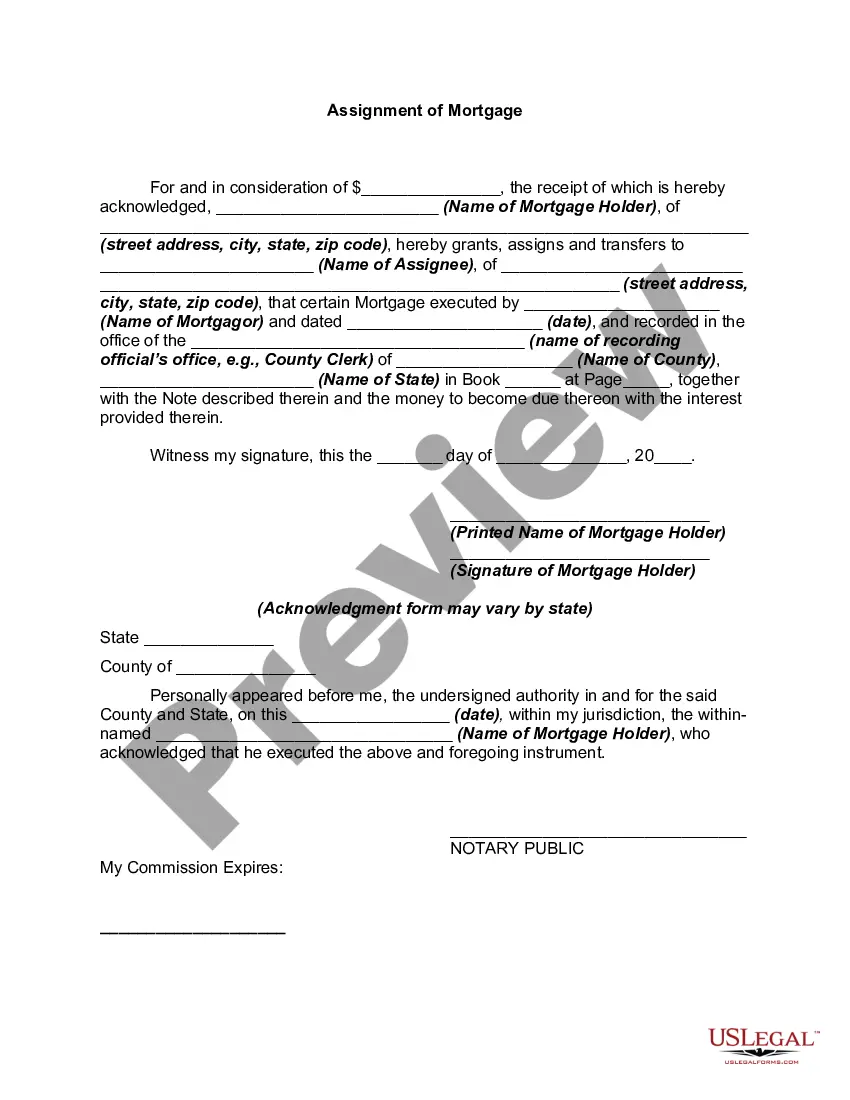
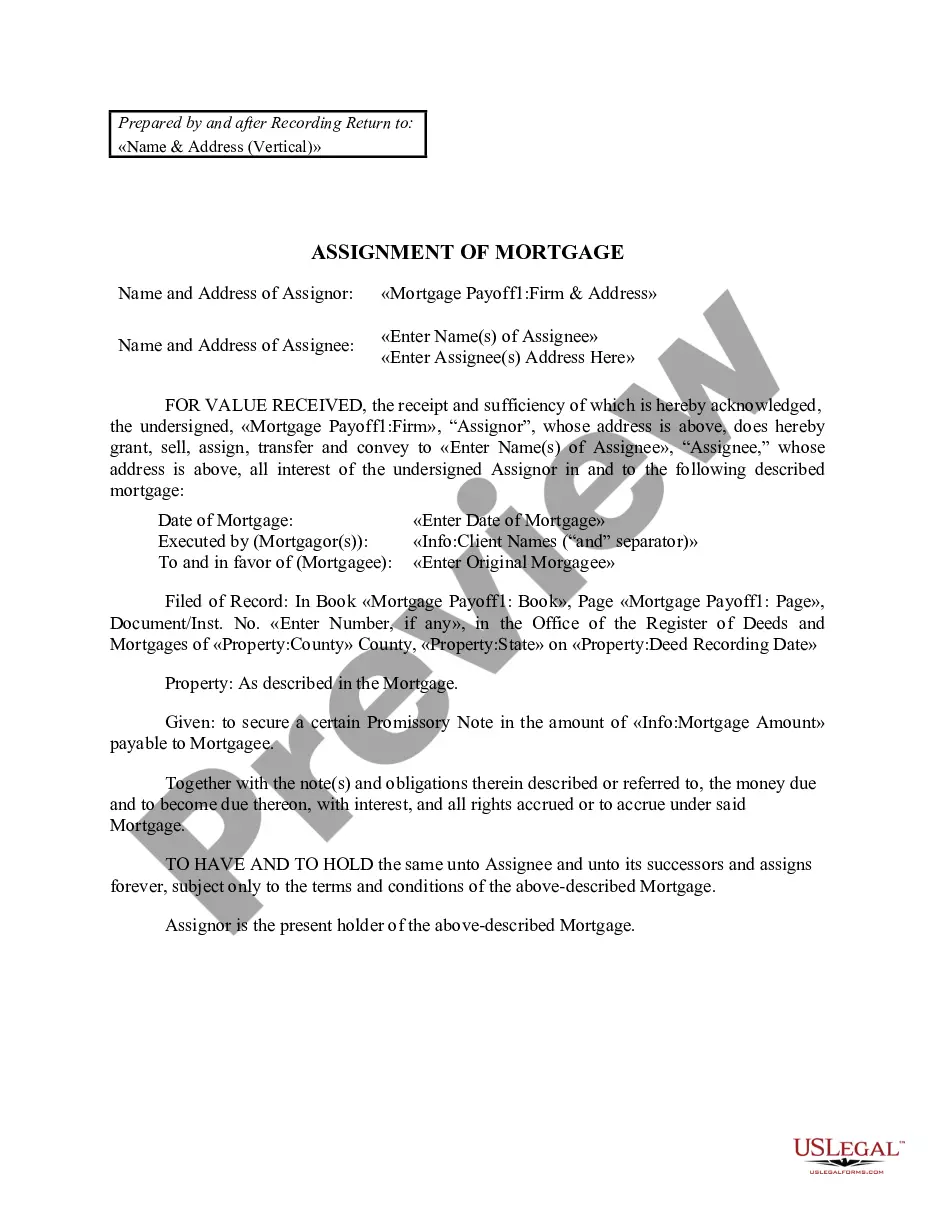
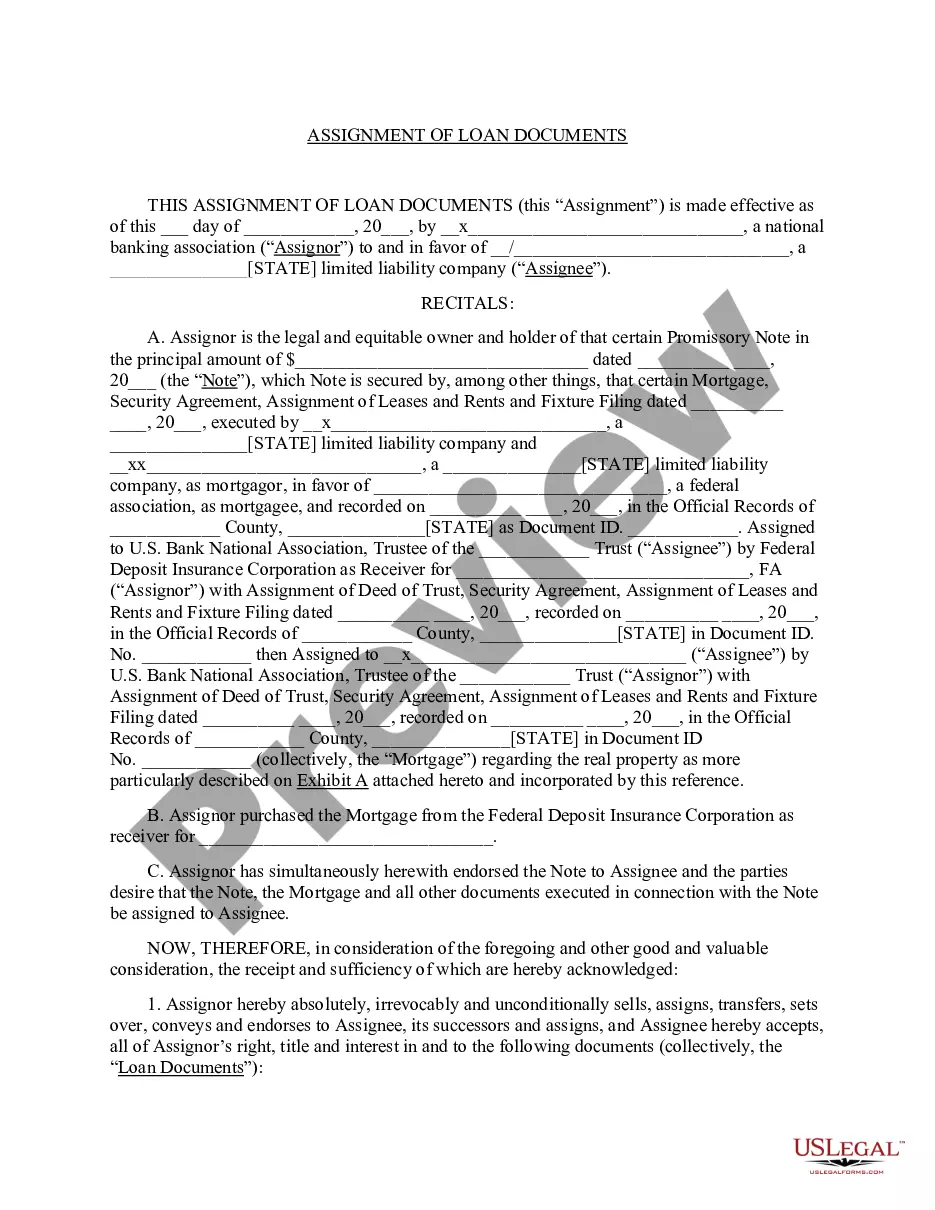
The Assignment of Deed of Trust is a legal document that transfers the benefits and interests of a Deed of Trust from one party to another. This document is essential in real estate transactions, particularly when the original lender wishes to assign their rights under the Deed of Trust to another lender or party. The Deed of Trust itself serves as a security document that ensures the loan is repaid, while the assignment allows a new lender to take over the original lender's interests in the property.
How to complete a form
Completing the Assignment of Deed of Trust requires accuracy and attention to detail. Follow these steps:
- Identify the parties involved: Clearly state the names of the assignor (the current holder of the Deed of Trust) and the assignee (the new party receiving the interest).
- Provide the Deed of Trust details: Include the date of the original Deed of Trust, the name of the trustee, and the recording information, such as the book/reel number, page/image number, and county.
- Describe the property: Briefly describe the property covered under the Deed of Trust.
- Sign and date the document: The assignor must verify the assignment with their signature and the date.
It is important to ensure all information is accurate to avoid legal complications.
Legal use and context
The Assignment of Deed of Trust is commonly used in real estate transactions when a lender sells or transfers their loan and security interest in the property to another entity. This may occur during the sale of mortgage portfolios, refinancing, or when lenders wish to delegate their rights due to various business reasons. The legal basis for executing this assignment relies on state-specific laws regarding real estate and property transfers.
What documents you may need alongside this one
To complete the Assignment of Deed of Trust, you may need the following documents:
- The original Deed of Trust
- The Promissory Note associated with the Deed of Trust
- Any amendments or modifications to the original Deed of Trust
- Identification documents for all parties involved
Gathering these documents beforehand will streamline the process and ensure all relevant information is at hand.
What to expect during notarization or witnessing
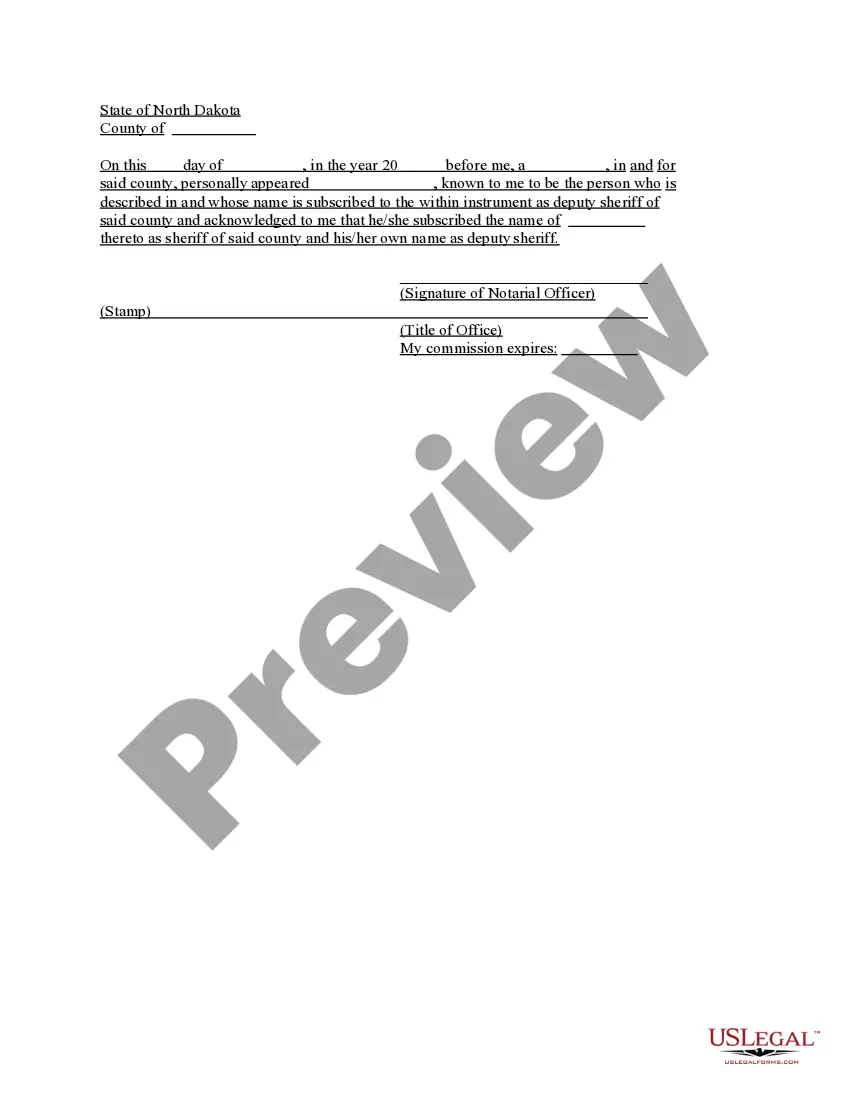
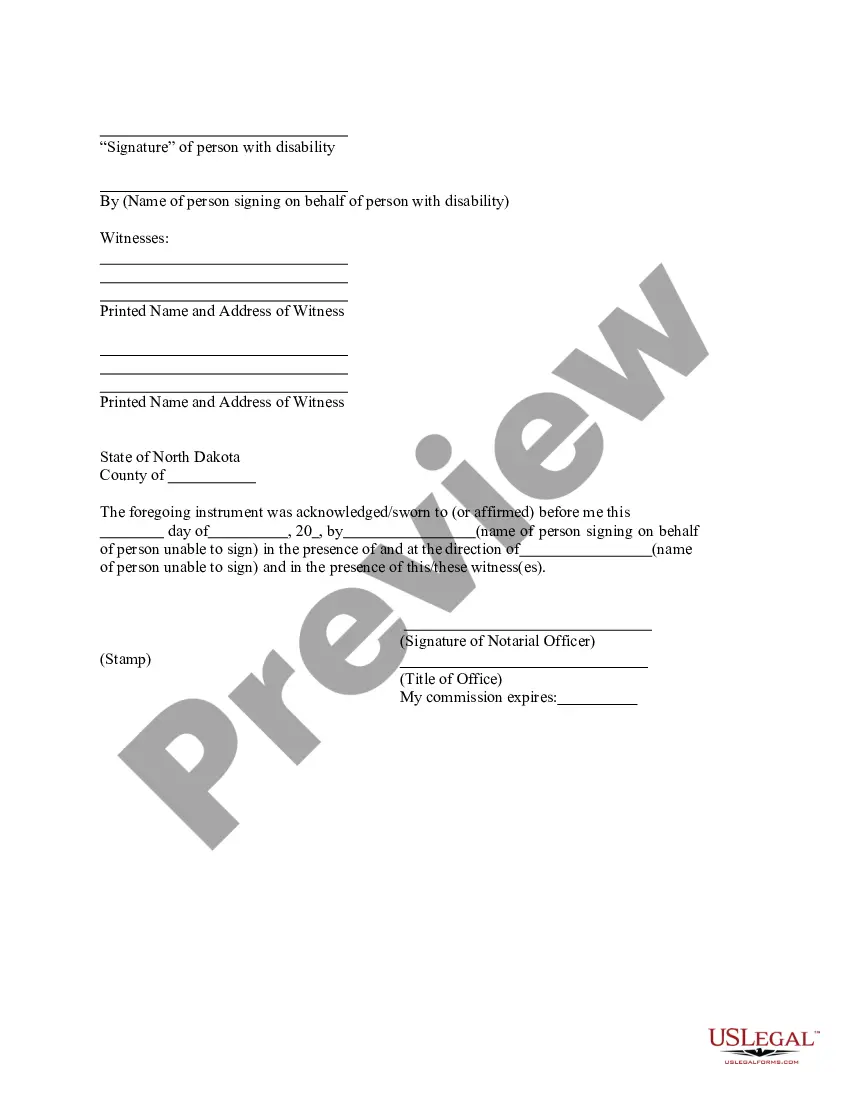
The notarization of the Assignment of Deed of Trust is a crucial step in validating the document. Expect the following during the process:
- Identification: You will need to present valid identification to the notary public.
- Signature verification: The notary will verify your signature and may ask questions to confirm your understanding of the document.
- Official notation: After witnessing the signing, the notary will provide an official seal and signature, indicating that the assignment is legally binding.
Completing this step ensures that the assignment is recognized by law and can be enforced in court if necessary.
Common mistakes to avoid when using this form
When completing the Assignment of Deed of Trust, be cautious of these common errors:
- Incorrect party names or misspellings
- Omitting essential details about the Deed of Trust
- Failing to sign and date the document
- Not ensuring proper notarization, which may render the document invalid
Taking the time to review the form carefully can prevent complications later.