Idaho Letter from Landlord to Tenant Returning security deposit less deductions
What is this form?
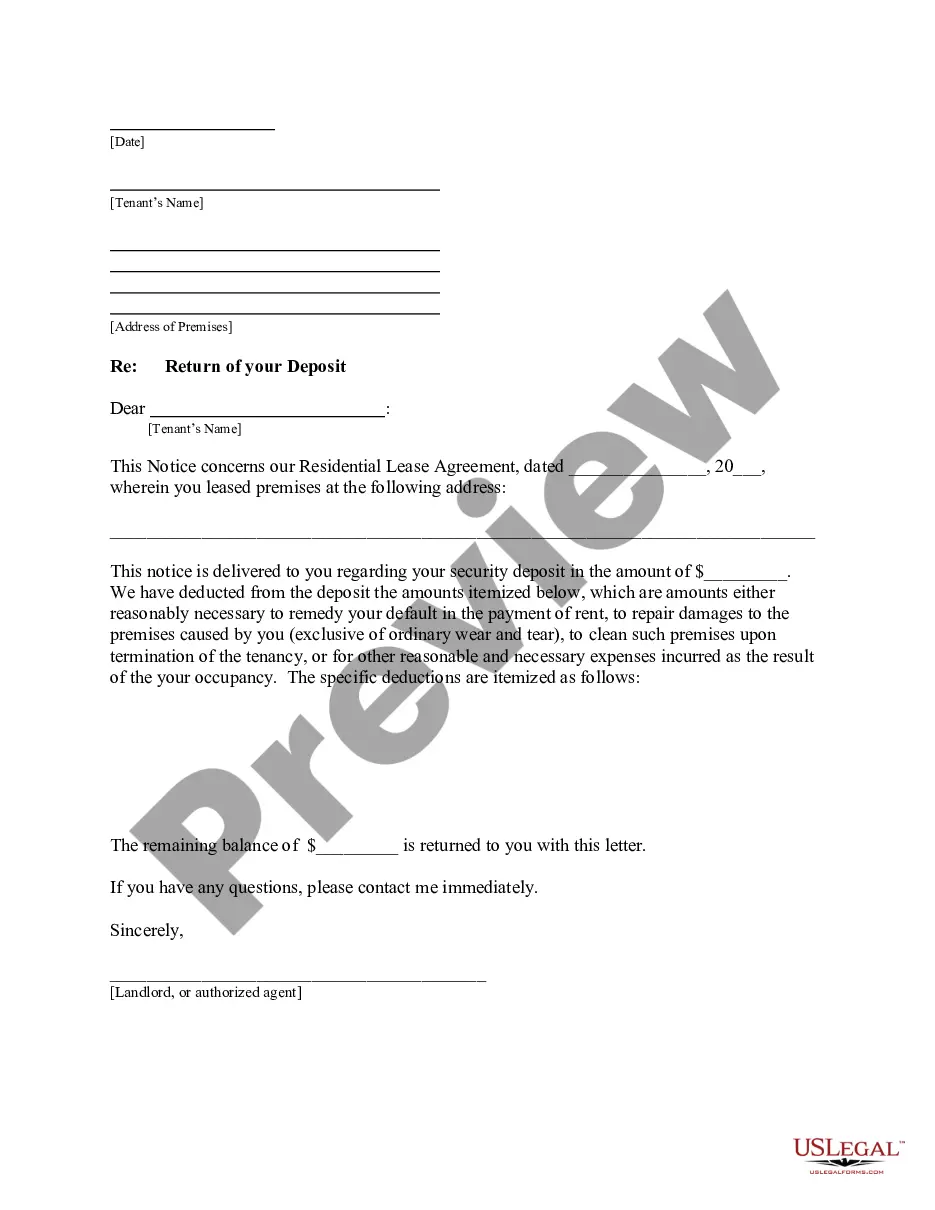
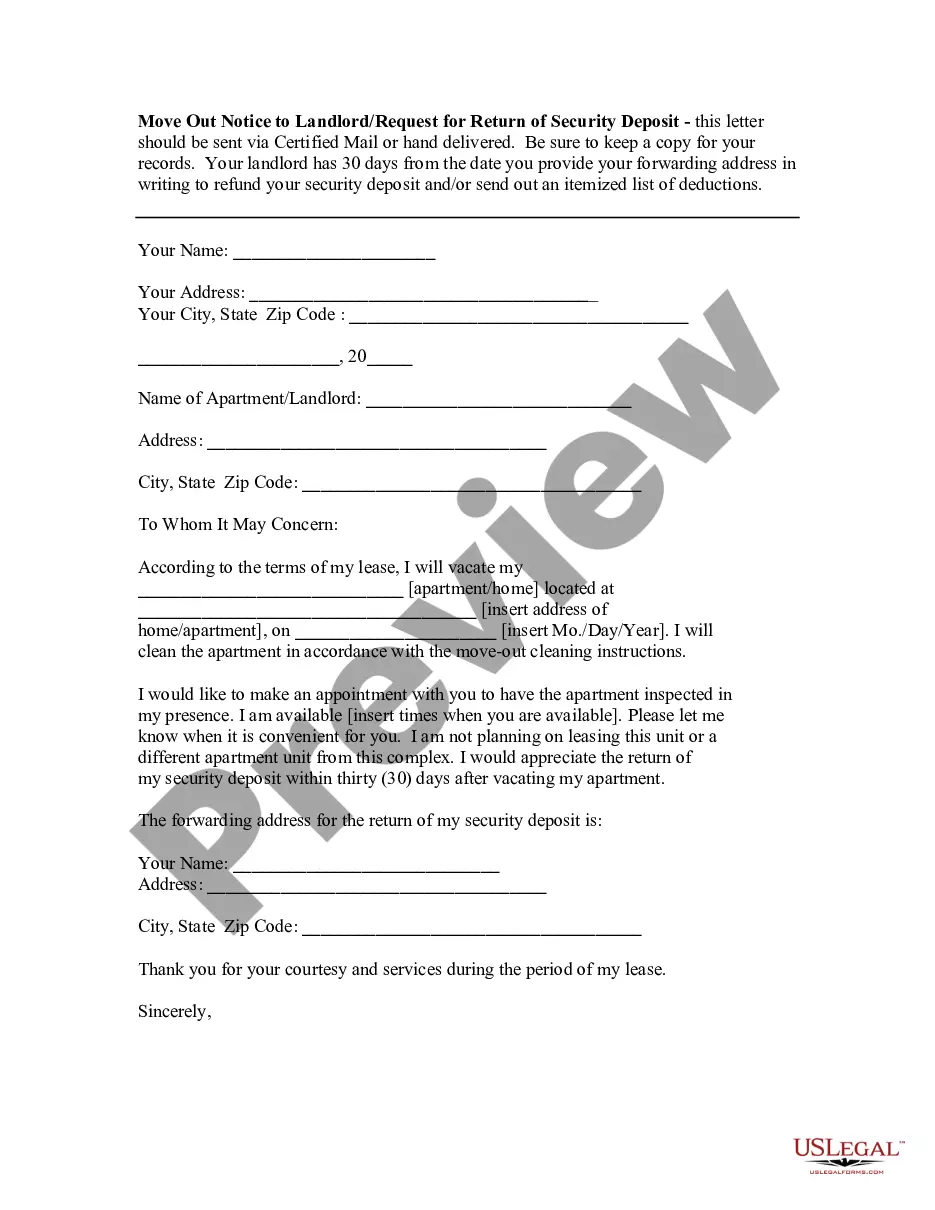
This form is a Letter from Landlord to Tenant Returning Security Deposit Less Deductions. It serves to notify tenants about the amounts deducted from their security deposit. These deductions may be related to unpaid rent, necessary repairs beyond normal wear and tear, cleaning, or other expenses incurred during the tenant's occupancy. Unlike rent, a security deposit is the tenant's money, held by the landlord, and is not intended for regular monthly payments.
Main sections of this form
- Identification of the lease agreement and property address.
- Declaration of the total security deposit amount.
- Itemized list of deductions with explanations for each.
- Reference to the tenant's responsibility for any damages or unpaid rent.
- Notification of any other reasonable expenses incurred.

When to use this form
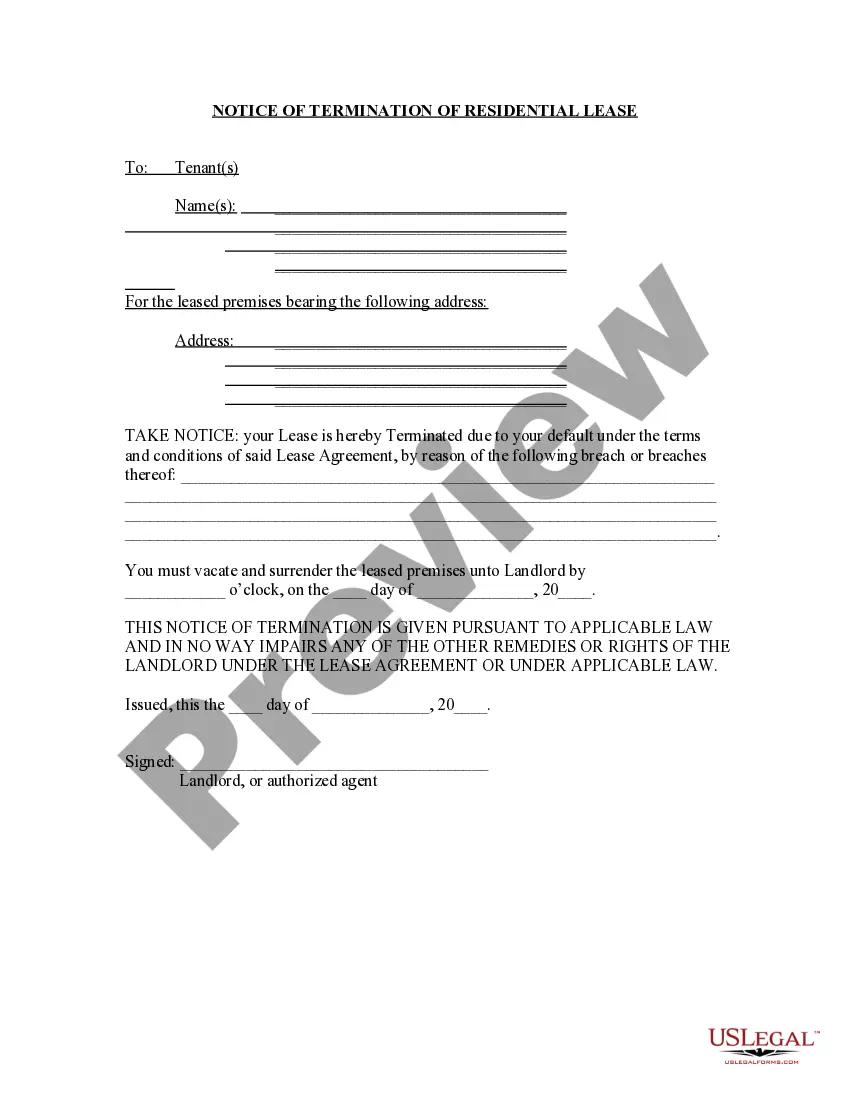
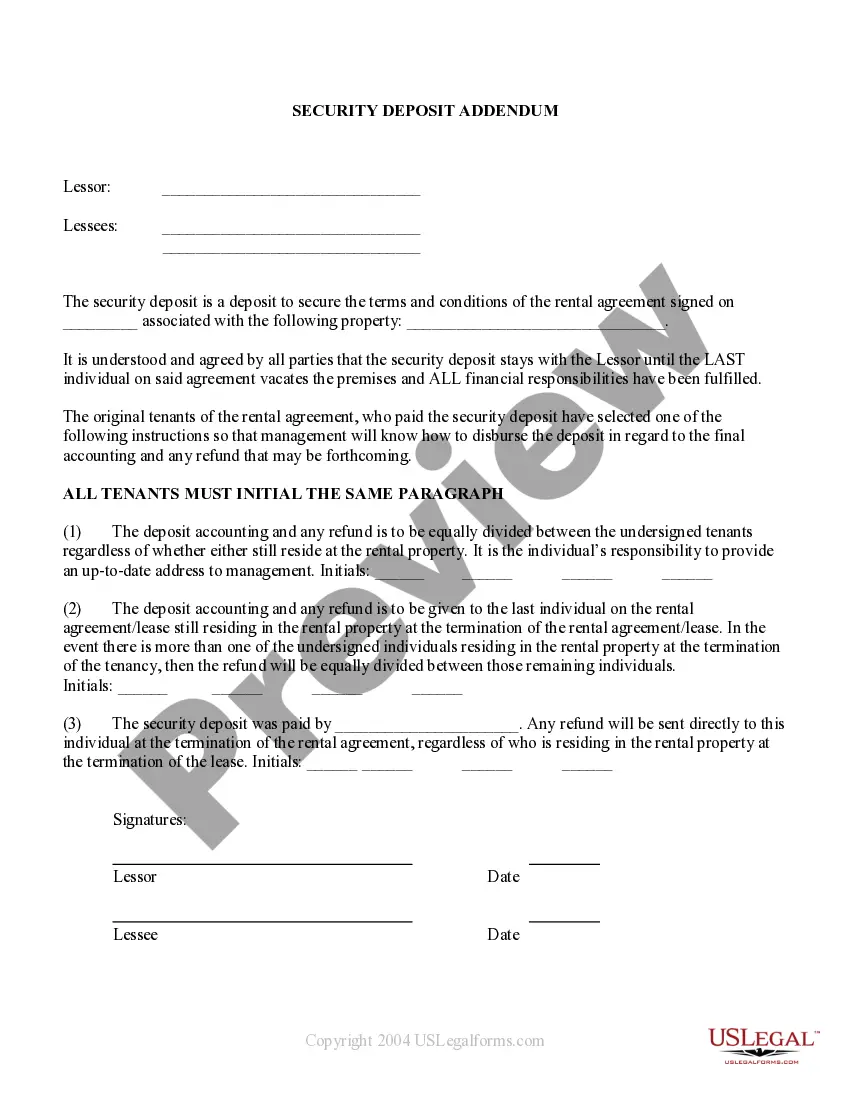
This form should be used when a tenant has vacated a rental property and the landlord needs to return the security deposit while communicating any deductions. It is important in cases where the landlord has incurred costs due to the tenant's actions, such as damages or unpaid rent. This ensures legal compliance and transparency between the landlord and tenant regarding the use of the security deposit.
Who this form is for
- Landlords seeking to return a security deposit to a tenant.
- Property managers handling rental agreements and tenant relationships.
- Tenants who wish to verify the deduction details of their security deposit after moving out.
How to prepare this document
- Identify the lease agreement by entering the date and property address.
- Specify the total amount of the security deposit.
- List each deduction with corresponding amounts and brief explanations.
- Sign the letter to validate the communication.
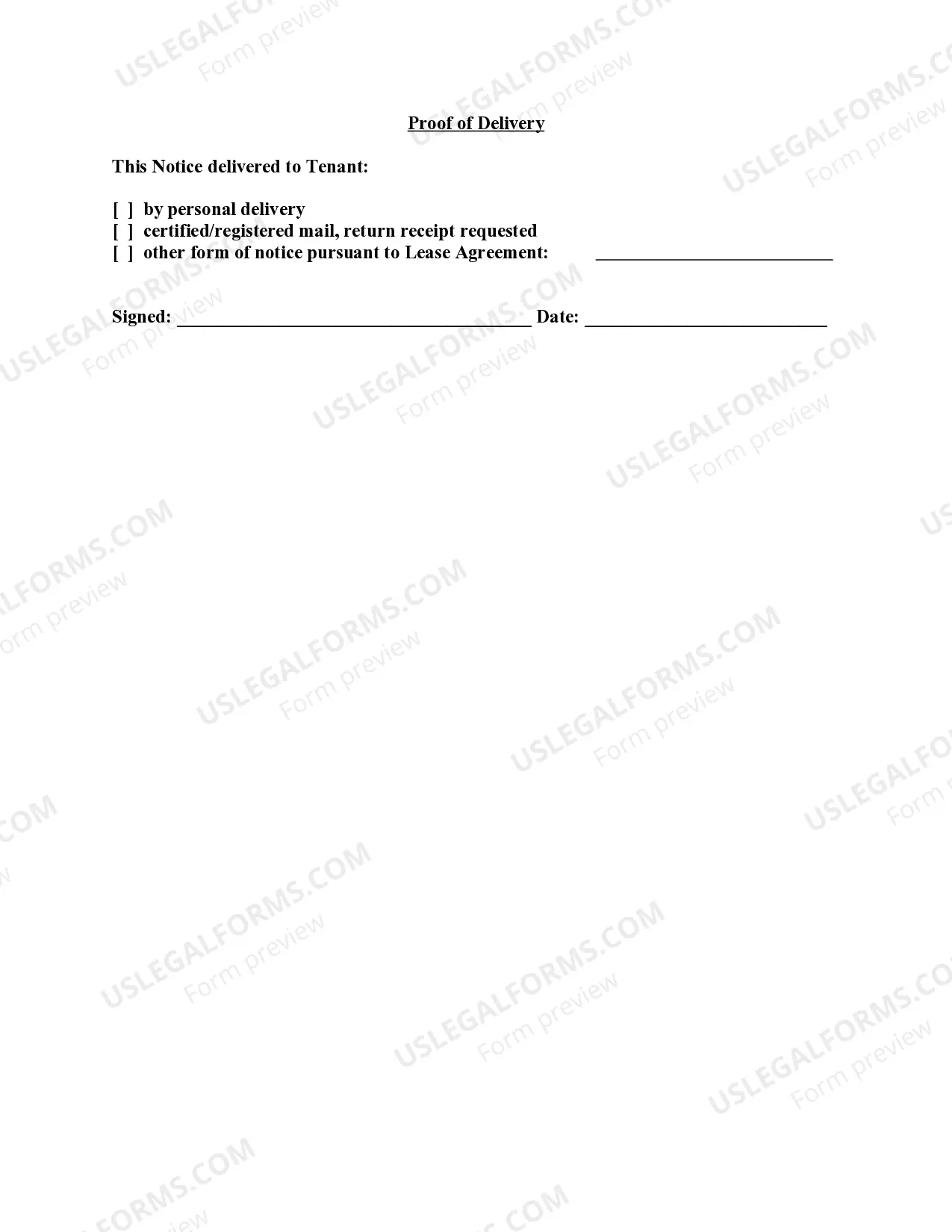
- Deliver the completed letter to the tenant in accordance with state requirements.
Does this document require notarization?
This form generally does not require notarization unless specified by local law. However, confirming with local regulations is advisable to ensure compliance.
Get your form ready online
Our built-in tools help you complete, sign, share, and store your documents in one place.
Make edits, fill in missing information, and update formatting in US Legal Forms—just like you would in MS Word.
Download a copy, print it, send it by email, or mail it via USPS—whatever works best for your next step.
Sign and collect signatures with our SignNow integration. Send to multiple recipients, set reminders, and more. Go Premium to unlock E-Sign.
If this form requires notarization, complete it online through a secure video call—no need to meet a notary in person or wait for an appointment.
We protect your documents and personal data by following strict security and privacy standards.

Make edits, fill in missing information, and update formatting in US Legal Forms—just like you would in MS Word.

Download a copy, print it, send it by email, or mail it via USPS—whatever works best for your next step.

Sign and collect signatures with our SignNow integration. Send to multiple recipients, set reminders, and more. Go Premium to unlock E-Sign.

If this form requires notarization, complete it online through a secure video call—no need to meet a notary in person or wait for an appointment.

We protect your documents and personal data by following strict security and privacy standards.
Avoid these common issues
- Failing to provide a clear itemization of deductions.
- Not adhering to state laws regarding the timeframe for returning the deposit.
- Using the security deposit as last monthâs rent without written agreement.
Benefits of completing this form online
- Quick download and immediate access to a legally compliant template.
- Customizable fields to adapt to specific circumstances.
- Ensures accuracy and reliability by following legal standards.
Legal use & context
- This form is used as a legal notification to the tenant regarding the status of their security deposit.
- Ensures that deductions are documented, providing legal proof of the landlord's actions.
- Helps clarify tenants' rights regarding their security deposit under state law.
Main things to remember
- The letter serves as an official notice regarding security deposit deductions.
- Itemize deductions with clear explanations to avoid disputes.
- Comply with local legislation regarding security deposit handling.
Looking for another form?



Form popularity
FAQ
Ask for a refund in a polite and formal language. Include details about the productwhat was purchased, when, and what the price was. Explain why you want to return the item. Mention relevant aspects of the transaction such as dates and place of delivery.
The Idaho law enacted in 1977 clearly specifies the rights of landlords and tenants. Some of the tenant rights include: Right to remain on the property until they're properly evicted by a court order. Right to have repairs made within a reasonable amount of time after a request is made.
When a tenant moves into a rental property, he or she will pay the landlord a security deposit in addition to first month's rent. This deposit will typically be returned to the tenant at the end of the lease term, as long as the tenant follows all the terms of the lease agreement.
The date of the letter and the landlord's full name and address. The address of the residence you rented and the date you moved in. A statement that you've been paying your rent timely and that you are current with your payments.
Mail your landlord a letter requesting that she return your deposit. Be polite and simply inform the landlord that you have vacated the property and would appreciate the return of your deposit once she has had a chance to complete any checks and paperwork.
You should usually get your deposit back within 10 days of agreeing on the amount with your landlord. It can take a lot longer if you and your landlord disagree on the amount that's being taken off.
According to Idaho's security deposit law, landlords have 21 days to return tenants' security deposits once they move out. This period may be extended or shortened if both parties reach an agreement. In such cases, the period must not exceed 30 days.
Unpaid rent at the end of the tenancy. Unpaid bills at the end of the tenancy. Stolen or missing belongings that are property of the landlord. Direct damage to the property and it's contents (owned by the landlord)
5 Times a Landlord Does Not Have to Return a Tenant's Security Deposit. Breaking or Terminating a Lease Early. Nonpayment of Rent. Damage to the Property. Cleaning Costs. Unpaid Utilities.