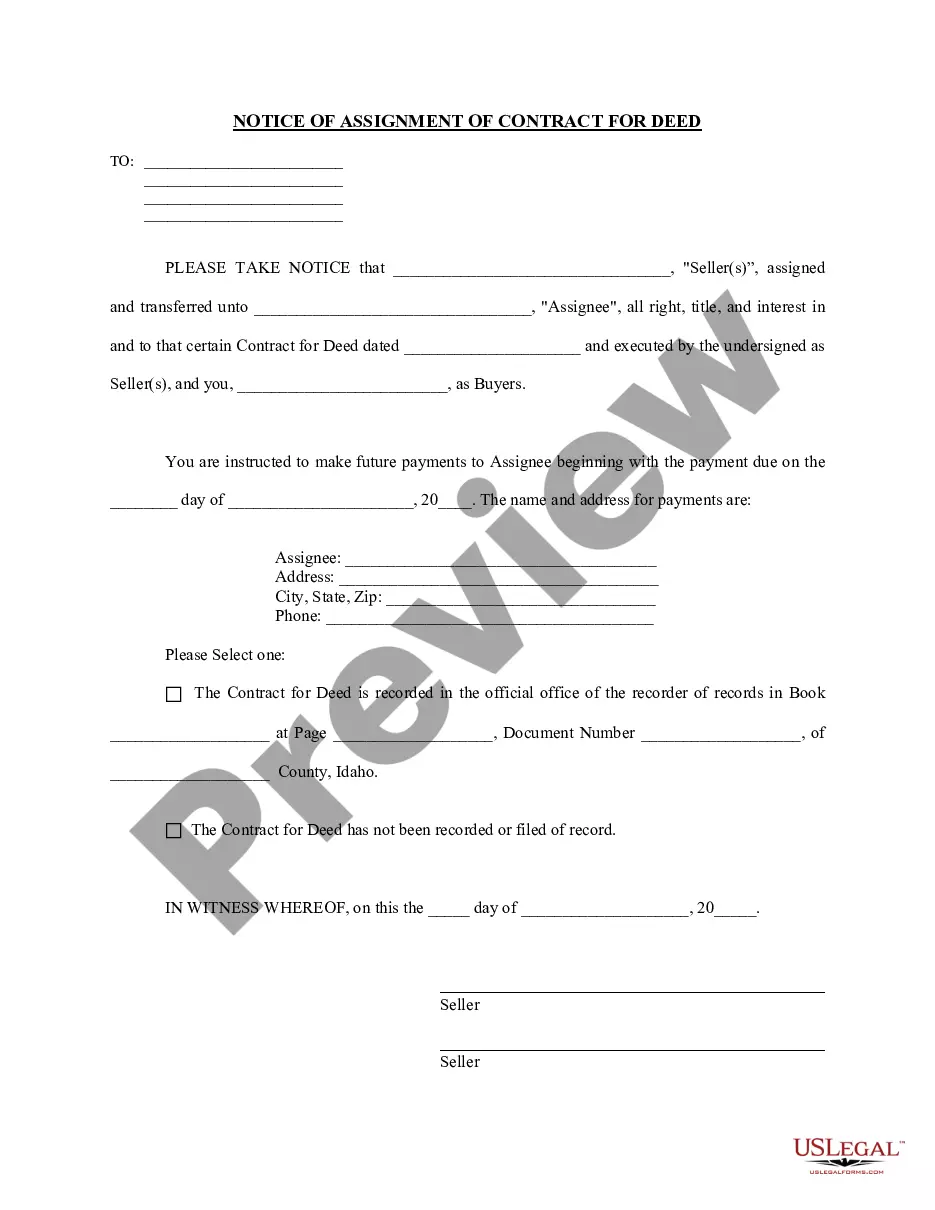
Idaho Notice of Assignment of Contract for Deed
What is this form?
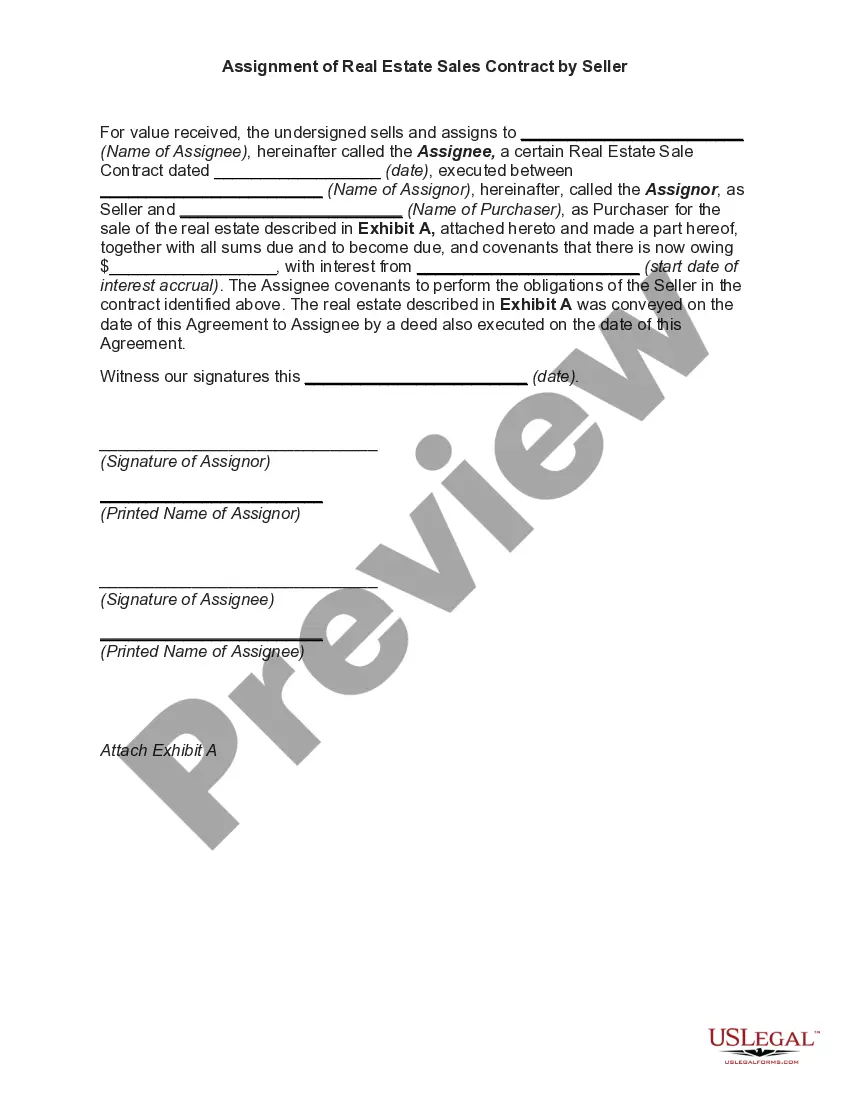
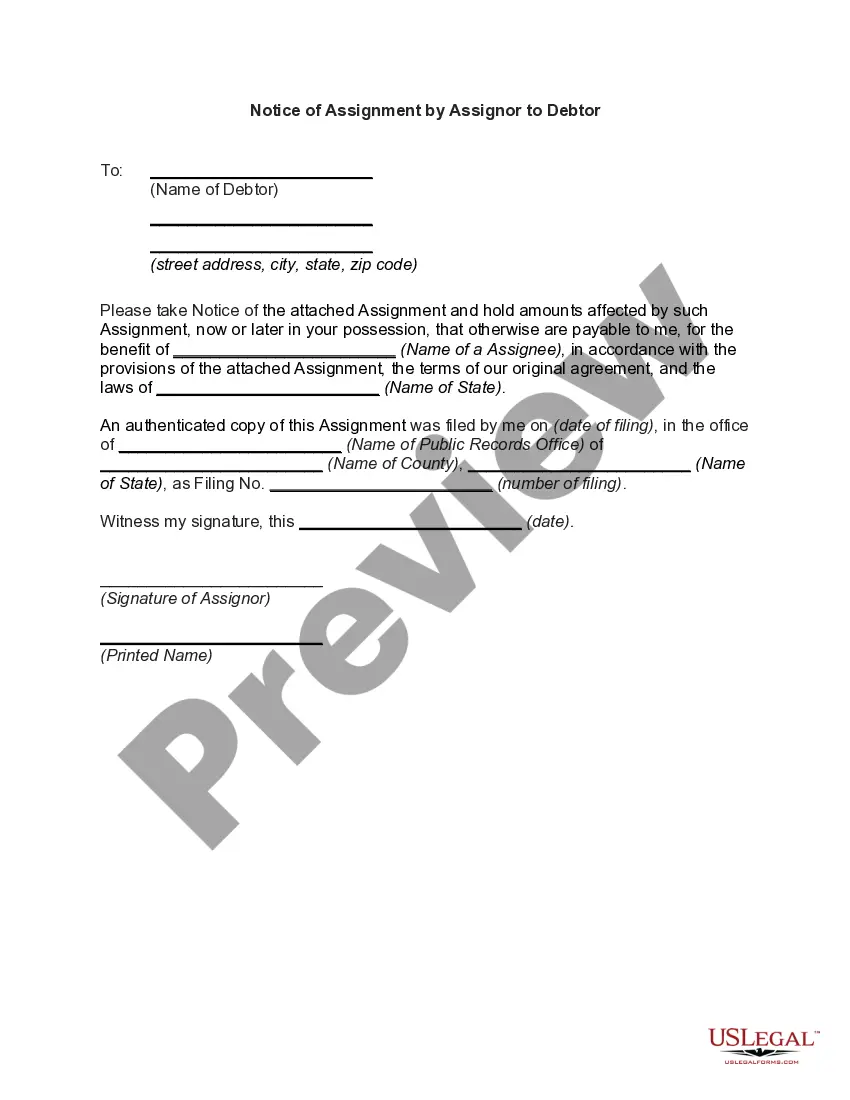
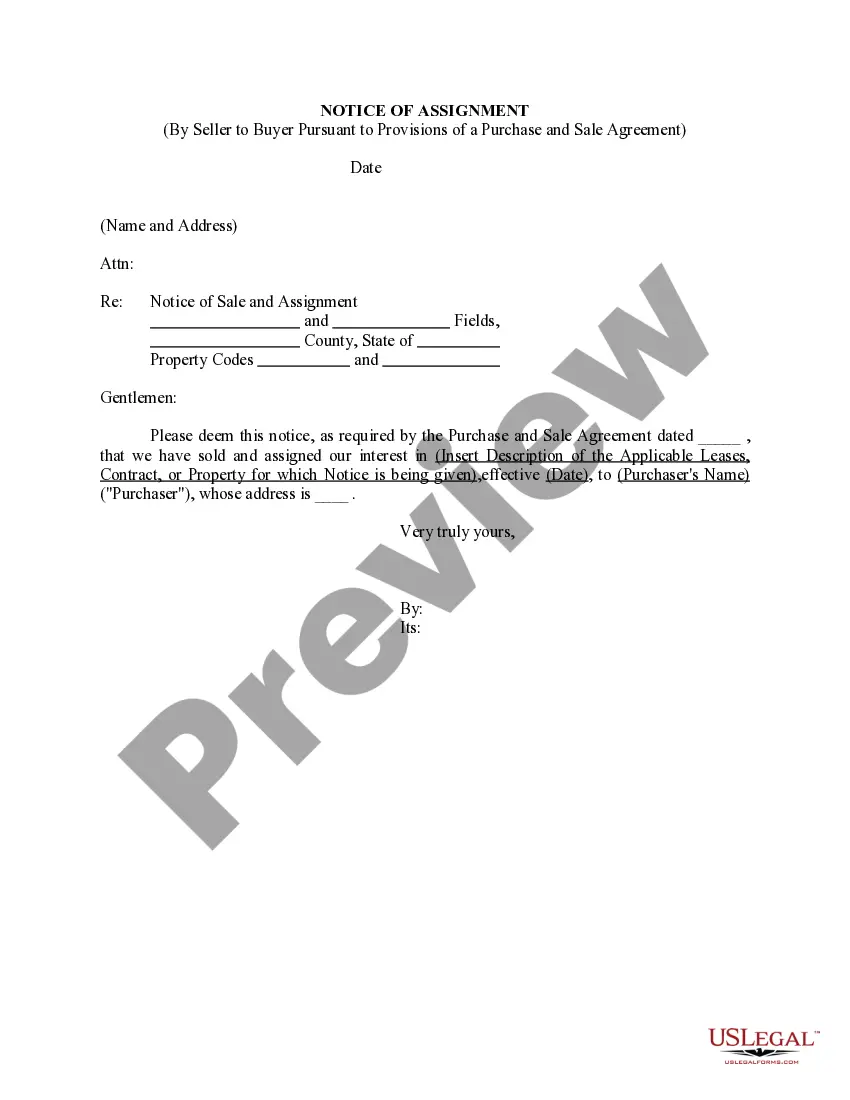
The Notice of Assignment of Contract for Deed is a legal document used by a Seller to inform the Buyer(s) that the Seller has assigned the contract for deed to a third party. This notice ensures that future payments are directed to the new party involved. Unlike other property assignment forms, this specific form focuses on the transfer of obligations under a contract for deed and must be signed and notarized for validity.
Form components explained
- Identification of the Seller and Buyer(s).
- Details of the contract for deed assignment.
- Clear instruction for future payment direction to the third party.
- Signature lines for the Seller.
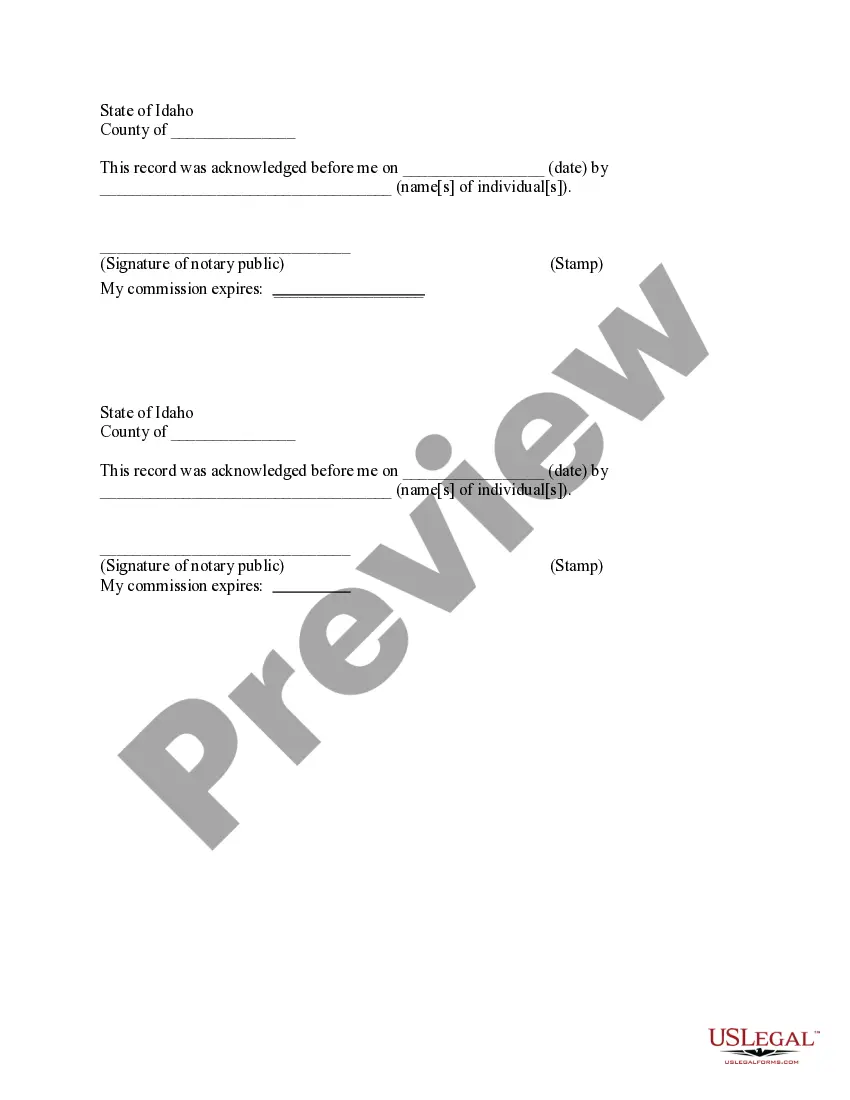
- Notary acknowledgment section to verify the authenticity of signatures.
When this form is needed
This form is needed when a Seller has entered into a contract for deed with a Buyer and later decides to assign that contract to a third party. It is essential in situations where the Seller no longer wishes to receive payments directly or when they want to transfer their responsibilities to another individual or entity. Using this notice helps ensure all parties remain informed and the transaction is legally binding.
Intended users of this form
- Sellers who have a contract for deed and intend to assign it to another party.
- Buyers who need clarification about where to send future payments.
- Real estate agents or attorneys assisting in the transaction.
How to complete this form
- Identify the Seller and Buyer(s) by entering their names and addresses.
- Confirm details regarding the contract for deed assignment, including effective dates.
- Specify the third party to whom the contract is assigned, including their details.
- Enter the date of signing and provide signatures for all Sellers involved.
- Complete the notary acknowledgment section, ensuring it is signed and dated in the presence of a Notary Public.
Does this form need to be notarized?
Yes, this form must be notarized to be legally valid. Notarization assures that the signatures are authentic and the document is completed in accordance with the law. US Legal Forms offers integrated online notarization services, allowing you to secure a notary public via a 24/7 video call, ensuring convenience and legal equivalence without the need for travel.
Get your form ready online
Our built-in tools help you complete, sign, share, and store your documents in one place.
Make edits, fill in missing information, and update formatting in US Legal Forms—just like you would in MS Word.
Download a copy, print it, send it by email, or mail it via USPS—whatever works best for your next step.
Sign and collect signatures with our SignNow integration. Send to multiple recipients, set reminders, and more. Go Premium to unlock E-Sign.
If this form requires notarization, complete it online through a secure video call—no need to meet a notary in person or wait for an appointment.
We protect your documents and personal data by following strict security and privacy standards.

Make edits, fill in missing information, and update formatting in US Legal Forms—just like you would in MS Word.

Download a copy, print it, send it by email, or mail it via USPS—whatever works best for your next step.

Sign and collect signatures with our SignNow integration. Send to multiple recipients, set reminders, and more. Go Premium to unlock E-Sign.

If this form requires notarization, complete it online through a secure video call—no need to meet a notary in person or wait for an appointment.

We protect your documents and personal data by following strict security and privacy standards.
Mistakes to watch out for
- Not having the form notarized, which is necessary for legal validity.
- Failing to accurately fill in the third partyâs details.
- Forgetting to include all Sellers' signatures if there are multiple parties involved.
- Not specifying the exact date of the assignment.
- Using outdated versions of the form that may not comply with current laws.
Why complete this form online
- Immediate access to a professionally drafted and legally compliant form.
- Convenient downloading allows for easy editing and printing.
- Secure and reliable document management with clear step-by-step instructions.
- Access to customer support for any questions regarding form completion.
Summary of main points
- The Notice of Assignment of Contract for Deed informs Buyers of a third-party assignment.
- Accurate completion and notarization are crucial for legal enforceability.
- This form is designed to protect the interests of both the Seller and Buyer during the assignment process.
Looking for another form?

Form popularity
FAQ
Yes, the seller must typically agree to the assignment of the contract. When dealing with an Idaho Notice of Assignment of Contract for Deed, it is crucial to include the seller in the discussion. If the seller does not consent, the assignment may become invalid, potentially complicating the transaction.
Generally, contract for deed sellers use IRS Form 6252 to report installment sales in the year in which they take place. You also use Form 6252 during each year you receive income from your contract for deed.
In order to cancel a contract for deed, a seller needs to complete a form called a notice of cancellation of contract for deed, and have the notice personally served on the buyer.A seller can cancel a contract for deed for buyer's default in making the monthly payments.
Purchase price. Down payment. Interest rate. Number of monthly installments. Responsibilities of the buyer and seller. Legal remedies for the seller if the buyer does not make payments.
But you might be wondering if an owner can transfer a deed to another person without a real estate lawyer. The answer is yes. Parties to a transaction are always free to prepare their own deeds.A quitclaim deed, for example, is far simpler than a warranty deed.
Resolving Small Ambiguities: The Scrivener Affidavit. Sometimes an omission attracts attention just after recording. The Correction Deed: Stronger Than a Scrivener's Affidavit. Obtain your correction deed form. Execute the correction deed. Record the correction deed.
A disadvantage to the seller is that a contract for deed is frequently characterized by a low down payment and the purchase price is paid in installments instead of one lump sum.The legal fees and time frame for this process will be more extensive than a standard Power of Sale foreclosure.
The buyer should record the contract for deed with the county recorder where the land is located and does so normally within four months after the contract is signed, though the time may vary depending on state law.
In the first instance, if your deed is not recorded, there is nothing in the public record to stop the seller from conveying the property to another person.The second situation could happen if your seller fails to pay his or her debts and the seller's creditors file liens or judgments against your property.
The buyer must record the contract for deed with the county recorder where the land is located within four months after the contract is signed. Contracts for deed must provide the legal name of the buyer and the buyer's address.