Iowa Last Will and Testament for Divorced Person Not Remarried with No Children
Overview of this form
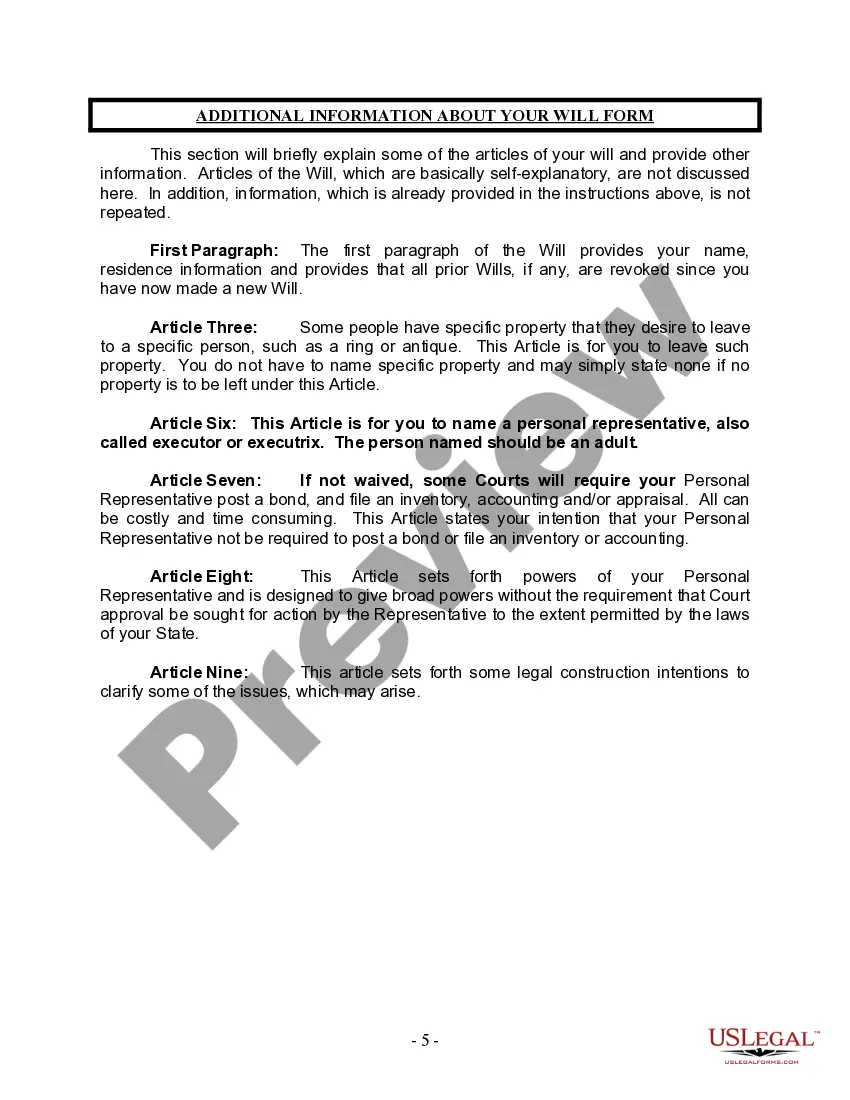
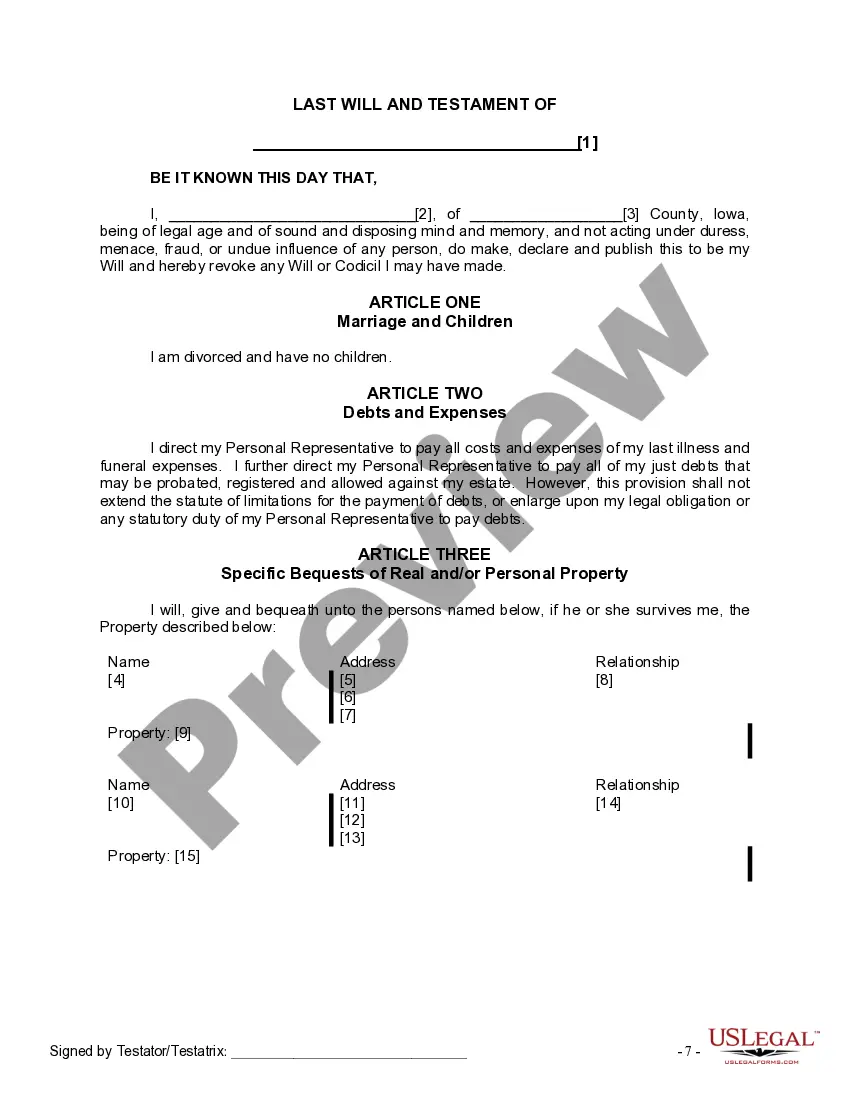
The Last Will and Testament for Divorced Person Not Remarried with No Children is a legal document that allows a divorced individual who has not remarried and does not have children to outline the distribution of their assets upon death. This will serves to appoint a personal representative, specify beneficiaries, and outline other relevant provisions for the management of the estate. Unlike other wills, this document is specifically tailored for those without children and who have gone through a divorce, ensuring their unique circumstances are addressed.
Key parts of this document
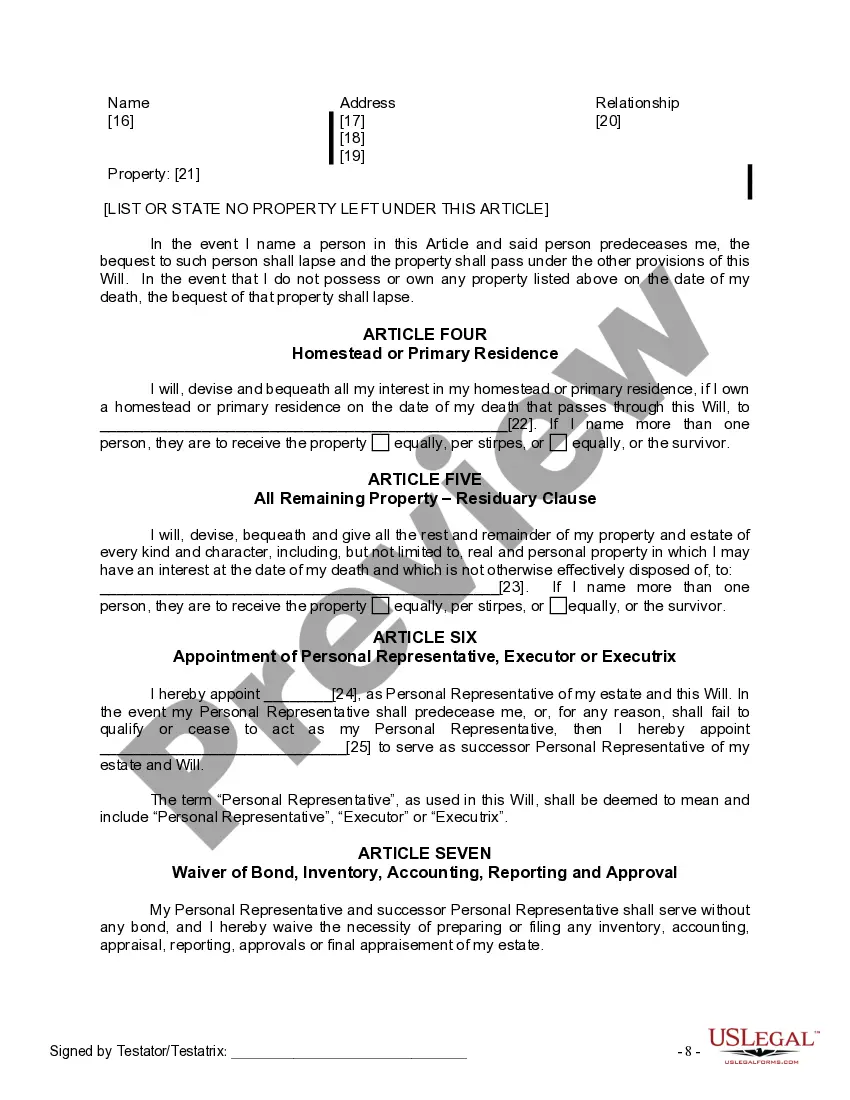
- Appointment of a personal representative or executor.
- Explicit declaration of marital status and absence of children.
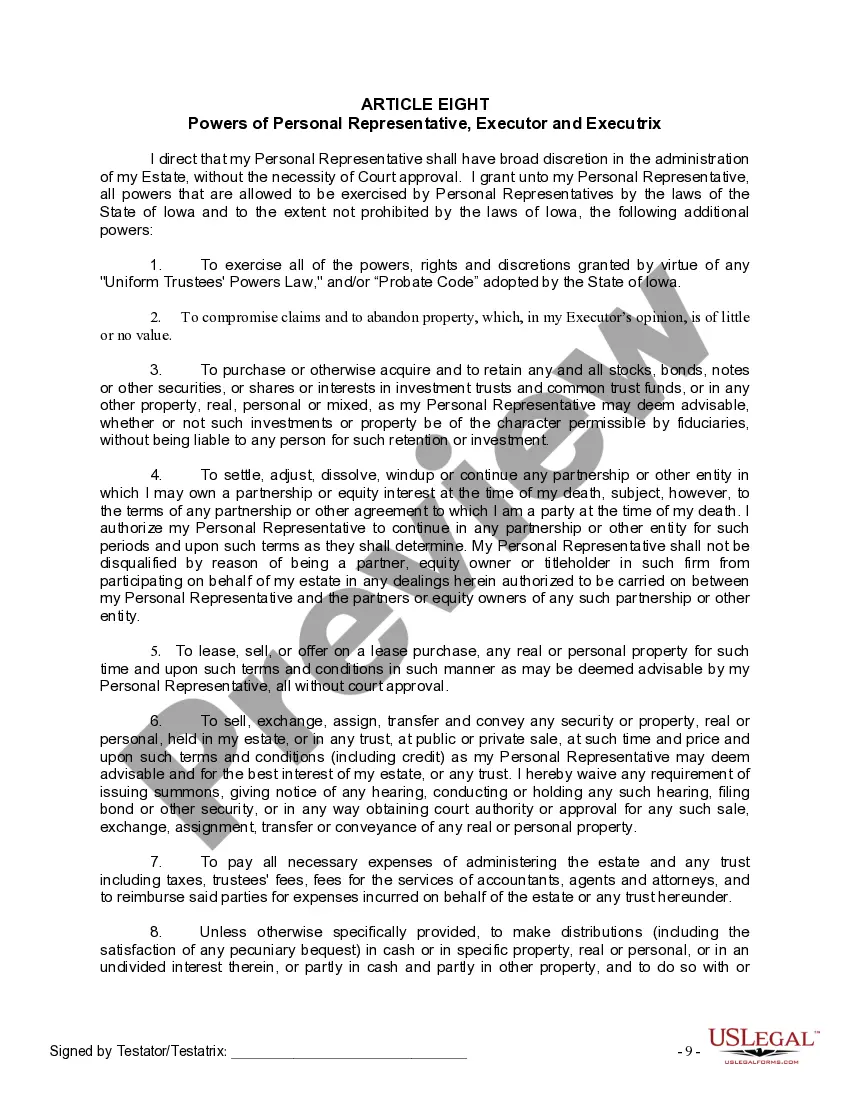
- Executive powers granted to the personal representative for administering the estate.
- Instructions for the payment of debts and funeral expenses.
- Specific bequests of property to designated beneficiaries.
- A residuary clause indicating the distribution of remaining assets.



Common use cases
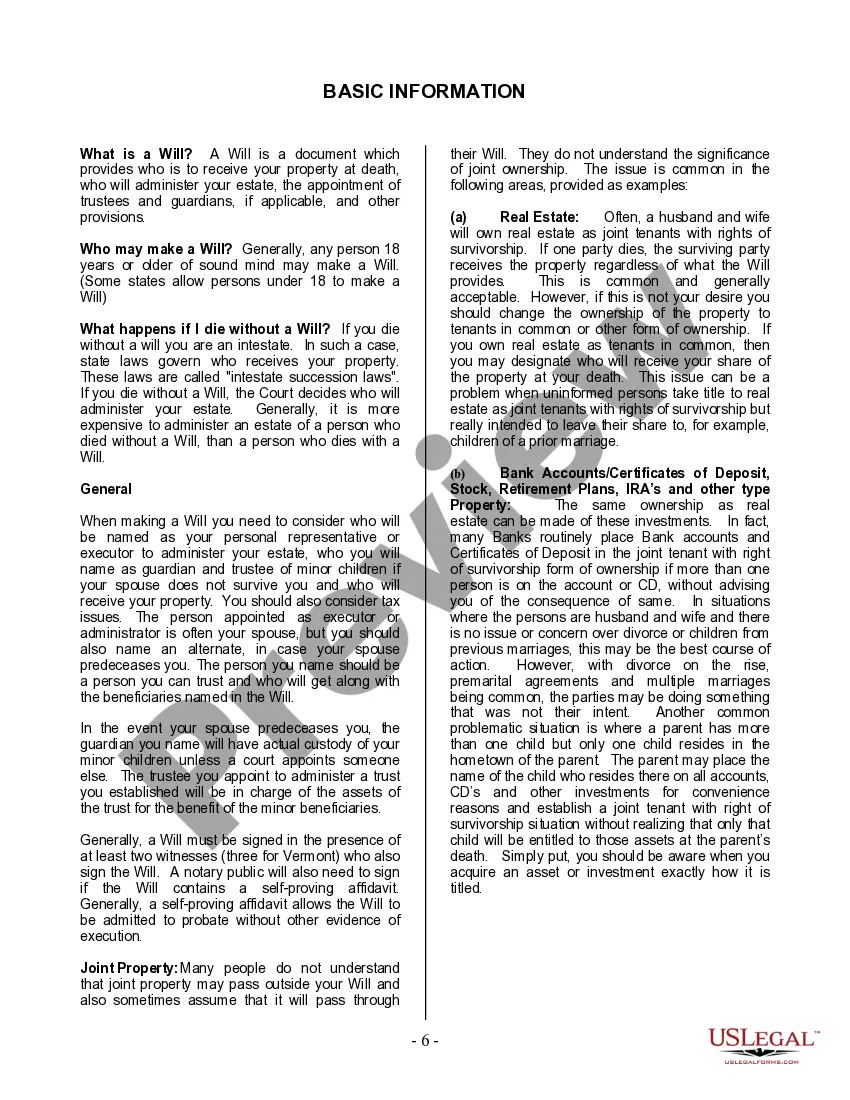
This form should be used when a divorced individual wishes to establish a clear and legally binding record of their wishes regarding their estate following their death. It is particularly useful for those who have no children and want to ensure that their assets are distributed according to their preferences. It can also help avoid potential disputes among surviving relatives and friends regarding asset distribution.
Who this form is for
- Divorced individuals who have not remarried.
- Individuals without children wishing to specify the distribution of their estate.
- Anyone looking to formalize their last wishes and appointment of an executor.
- People who want to simplify the probate process for their heirs.
How to prepare this document
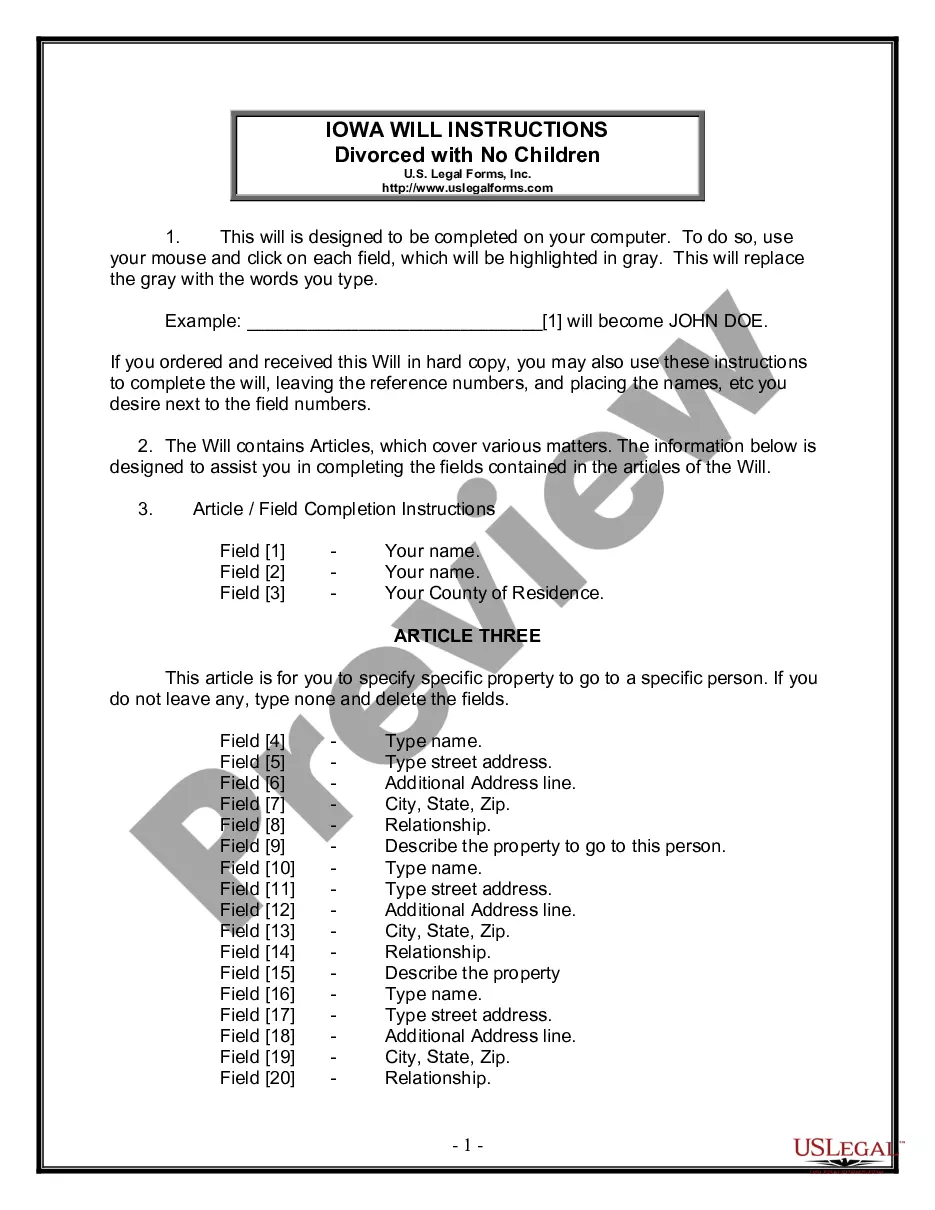
- Identify yourself as the testator with your full name and county of residence.
- Clearly state your marital status and indicate that you have no children.
- Specify any debts and funeral expenses to be paid from your estate.
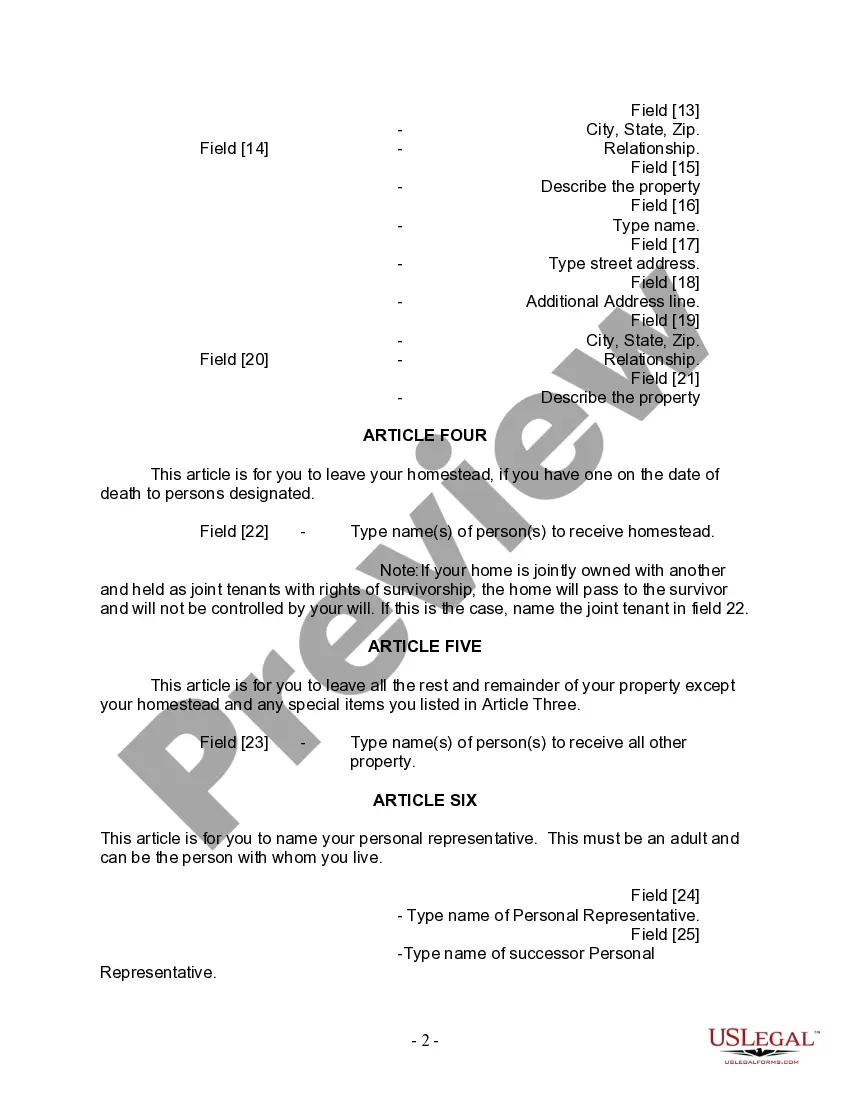
- Provide the names, addresses, and relationships of beneficiaries receiving specific property.
- Designate your personal representative and an alternate if needed.
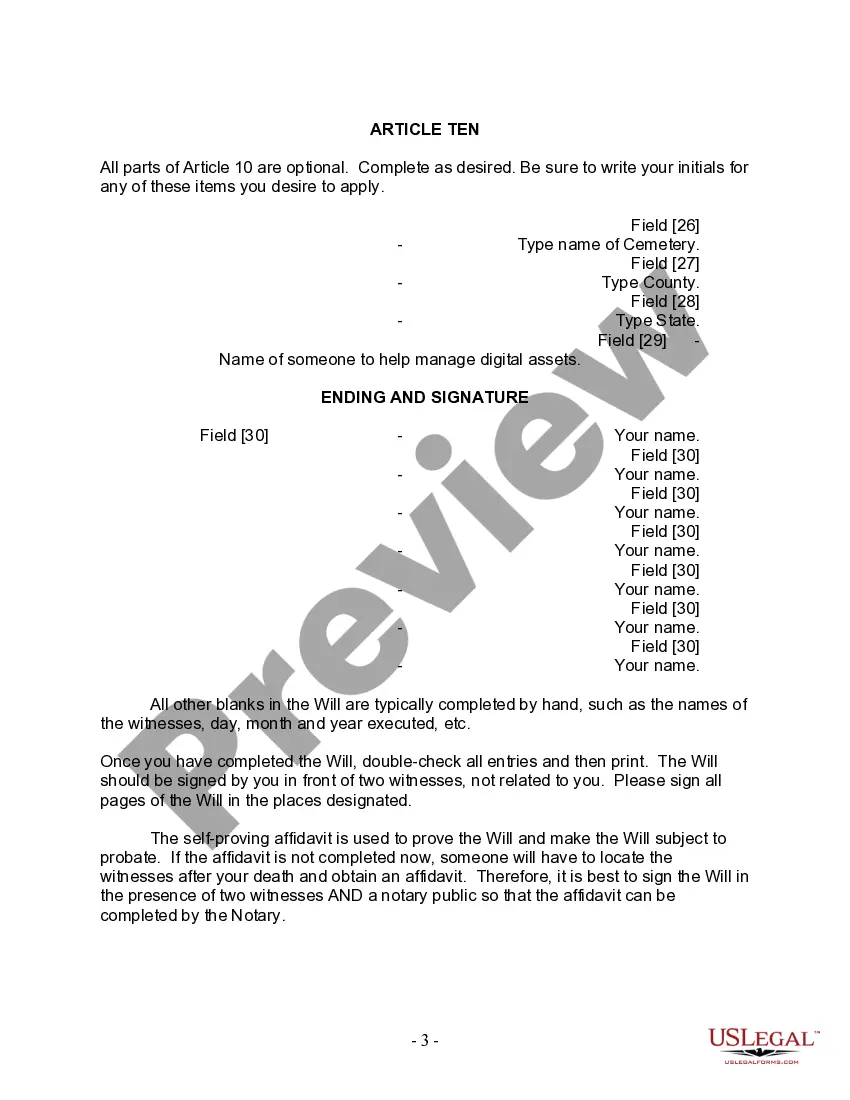
- Sign the will in the presence of two witnesses who are not related to you and are not named as beneficiaries.
Does this document require notarization?
Yes, this form must be notarized to be legally valid in Iowa. A self-proving affidavit is included, which requires the presence of a notary public to enhance the reliability of your will and streamline the probate process.
Get your form ready online
Our built-in tools help you complete, sign, share, and store your documents in one place.
Make edits, fill in missing information, and update formatting in US Legal Forms—just like you would in MS Word.
Download a copy, print it, send it by email, or mail it via USPS—whatever works best for your next step.
Sign and collect signatures with our SignNow integration. Send to multiple recipients, set reminders, and more. Go Premium to unlock E-Sign.
If this form requires notarization, complete it online through a secure video call—no need to meet a notary in person or wait for an appointment.
We protect your documents and personal data by following strict security and privacy standards.

Make edits, fill in missing information, and update formatting in US Legal Forms—just like you would in MS Word.

Download a copy, print it, send it by email, or mail it via USPS—whatever works best for your next step.

Sign and collect signatures with our SignNow integration. Send to multiple recipients, set reminders, and more. Go Premium to unlock E-Sign.

If this form requires notarization, complete it online through a secure video call—no need to meet a notary in person or wait for an appointment.

We protect your documents and personal data by following strict security and privacy standards.
Common mistakes
- Failing to have the will signed in front of two non-related witnesses.
- Not accurately identifying all property to be bequeathed.
- Forgetting to appoint a personal representative or alternate.
- Neglecting to update the will after significant life changes, such as changes in relationships or assets.
Why complete this form online
- Convenience of completing the form at your own pace and from anywhere.
- Editability allows you to easily make changes as your circumstances change.
- Reliability from templates drafted by licensed attorneys ensuring legal compliance.
- Immediate access to download the completed document once finalized.
Legal use & context
- This form serves as a legally binding declaration of your wishes regarding asset distribution after death.
- In the absence of a will, state intestate laws will determine how your estate is handled.
- Using this form helps avoid potential disputes among heirs by clearly outlining your intentions.
Summary of main points
- The Last Will and Testament for Divorced Person Not Remarried with No Children allows control over asset distribution.
- It is crucial for avoiding family disputes and ensuring your wishes are respected.
- Proper execution and notarization are essential for validity.
Looking for another form?





Form popularity
FAQ
Contrary to popular belief, you do not need to have an attorney draft a will for you. Anyone can write this document on their own, and as long as it meets all of the legal requirements of the state, courts will recognize one you wrote yourself.
You can make your own will in Iowa, using Nolo's Quicken WillMaker & Trust. However, you may want to consult a lawyer in some situations. For example, if you think that your will might be contested or if you want to disinherit your spouse, you should talk with an attorney.
In order to qualify for the simplified probate process, the gross value of the estate must be $100,000 or less. In order to use the procedure, the executor files a written request with the local probate court asking to use the simplified process.
Is Probate Required in Iowa? In most cases, probate is required in Iowa. There are a few exceptions to this rule, such as having a small estate, which is valued at less than $25,000 and only includes personal property. If the assets have a named beneficiary, you can also avoid probate.
As long as it was properly signed and witnessed by two adult independent witnesses who are present at the time you sign your will, it should be legally binding.Using the wrong wording could mean that your instructions aren't followed, or even that your will isn't valid.
In general, in order for a will to be legally valid in Iowa, a will must be (1) in writing, (2) signed by the person making the will, (3) declared by the person making the will to be his or her will, and (4) witnessed by two competent witnesses who must sign in the presence of the person making the will.
In general, in order for a will to be legally valid in Iowa, a will must be (1) in writing, (2) signed by the person making the will, (3) declared by the person making the will to be his or her will, and (4) witnessed by two competent witnesses who must sign in the presence of the person making the will.
You don't need a lawyer to create a will if you have a straightforward financial situation.You can use online templates or software to write a will yourself. In order to legalize the will, it needs to be signed and dated by you and at least two other witnesses.