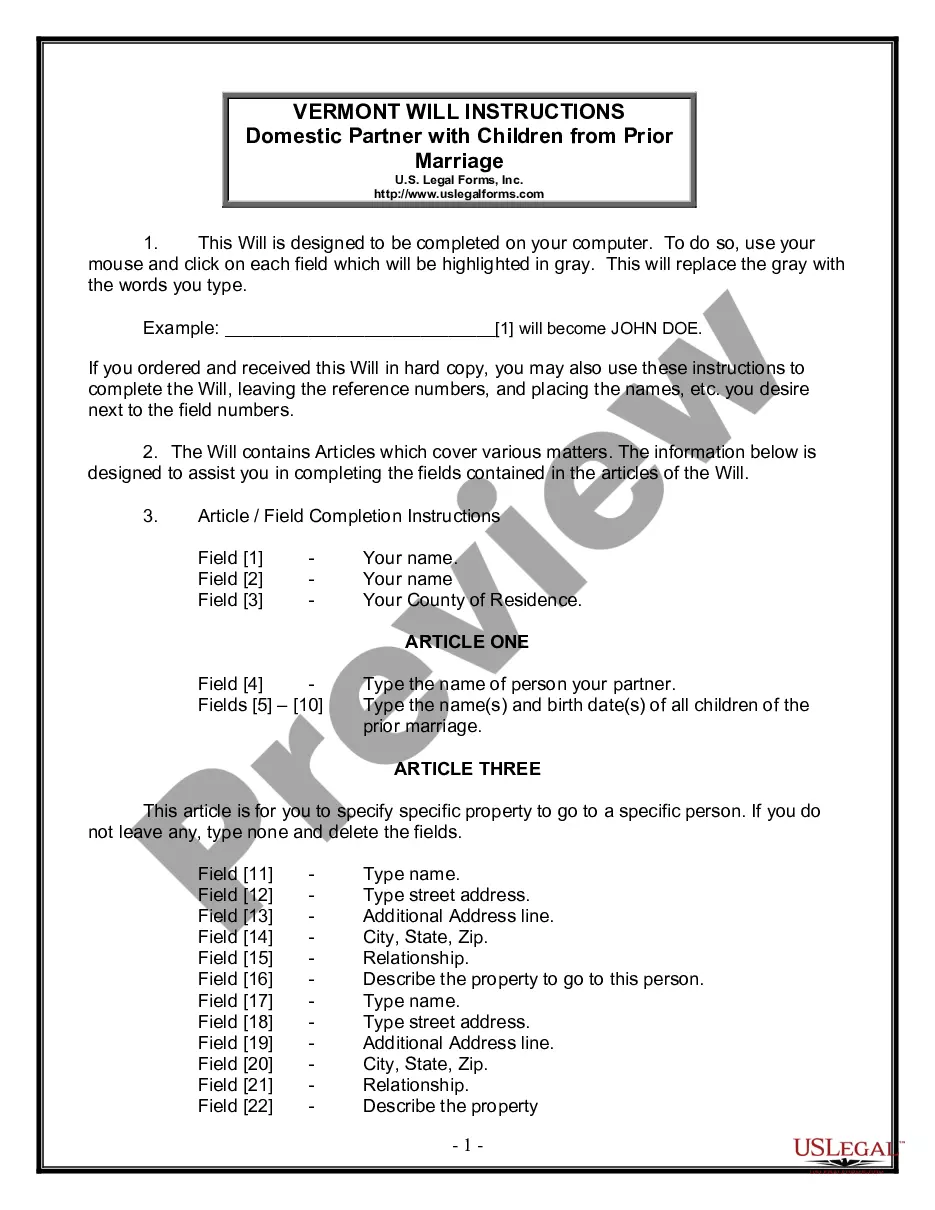
Iowa General Power of Attorney for Care and Custody of Child or Children
What this document covers
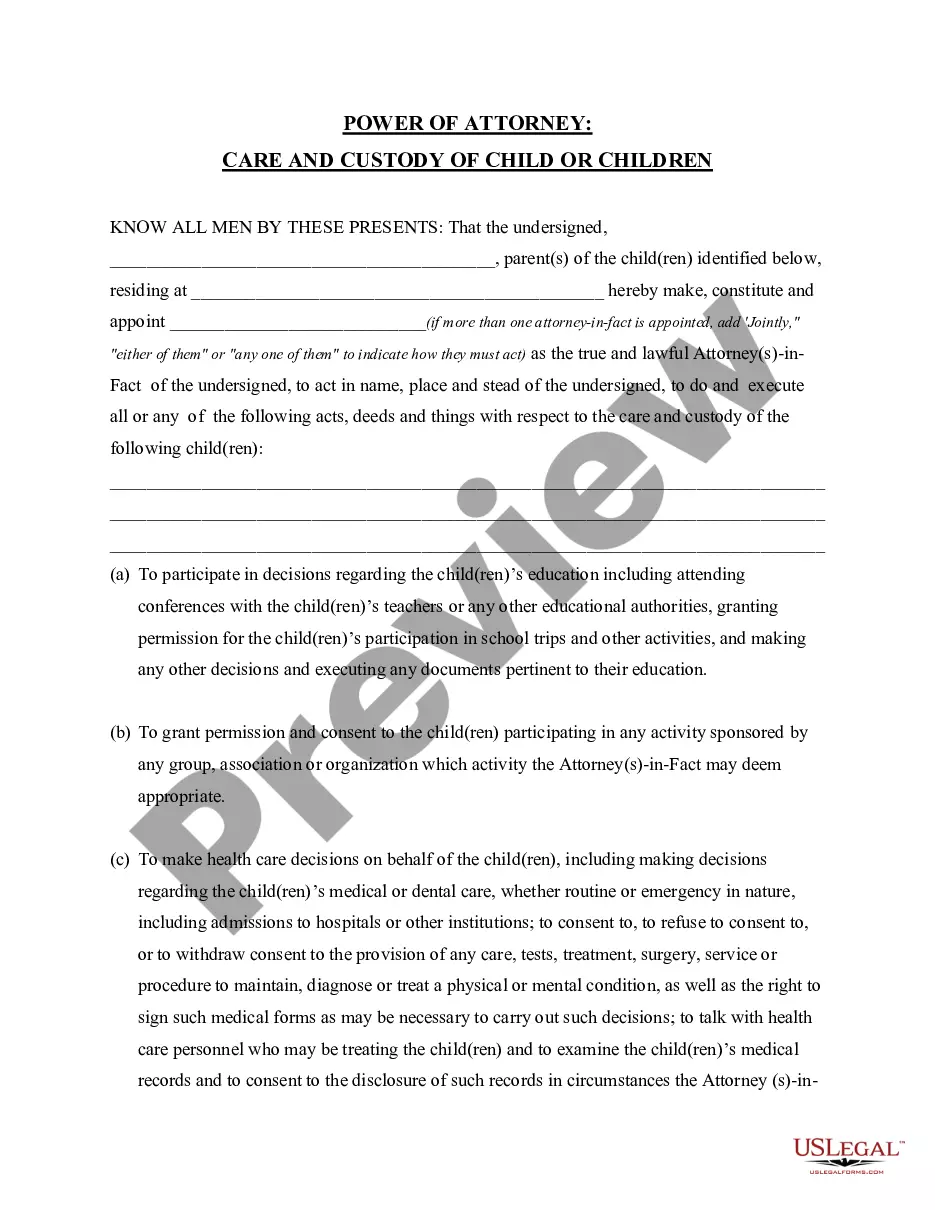
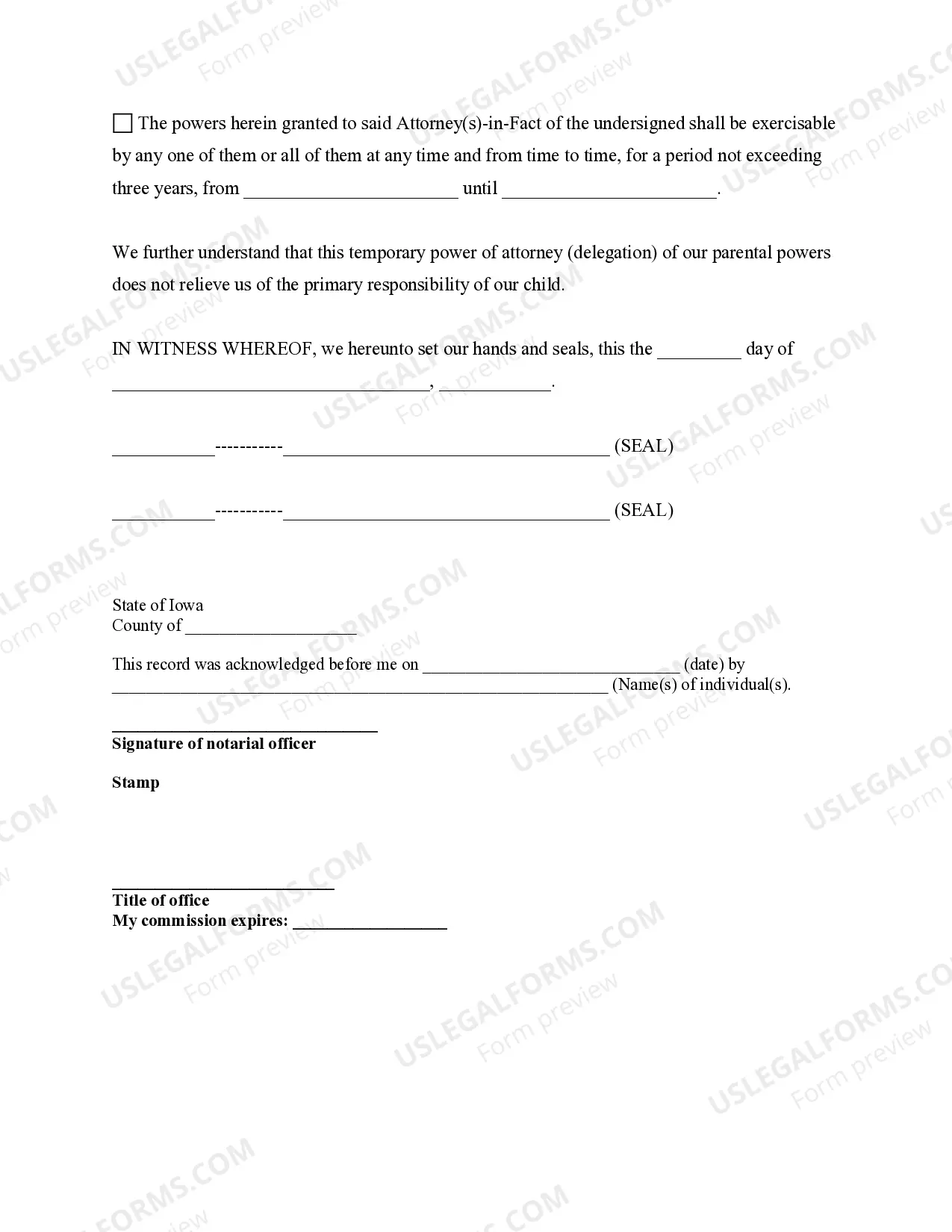
This General Power of Attorney for Care and Custody of Child or Children allows a parent or guardian to designate another individual as their attorney-in-fact. This form empowers the appointed person to make important decisions regarding the care, custody, and education of the named child or children, including health care decisions. This form differs from other power of attorney forms as it focuses specifically on child care responsibilities and does not permit the attorney-in-fact to consent to marriage or adoption of the child.
Key components of this form
- Names and addresses of the parent(s) or guardian(s) and child(ren).
- Appointment clause designating the attorney(s)-in-fact.
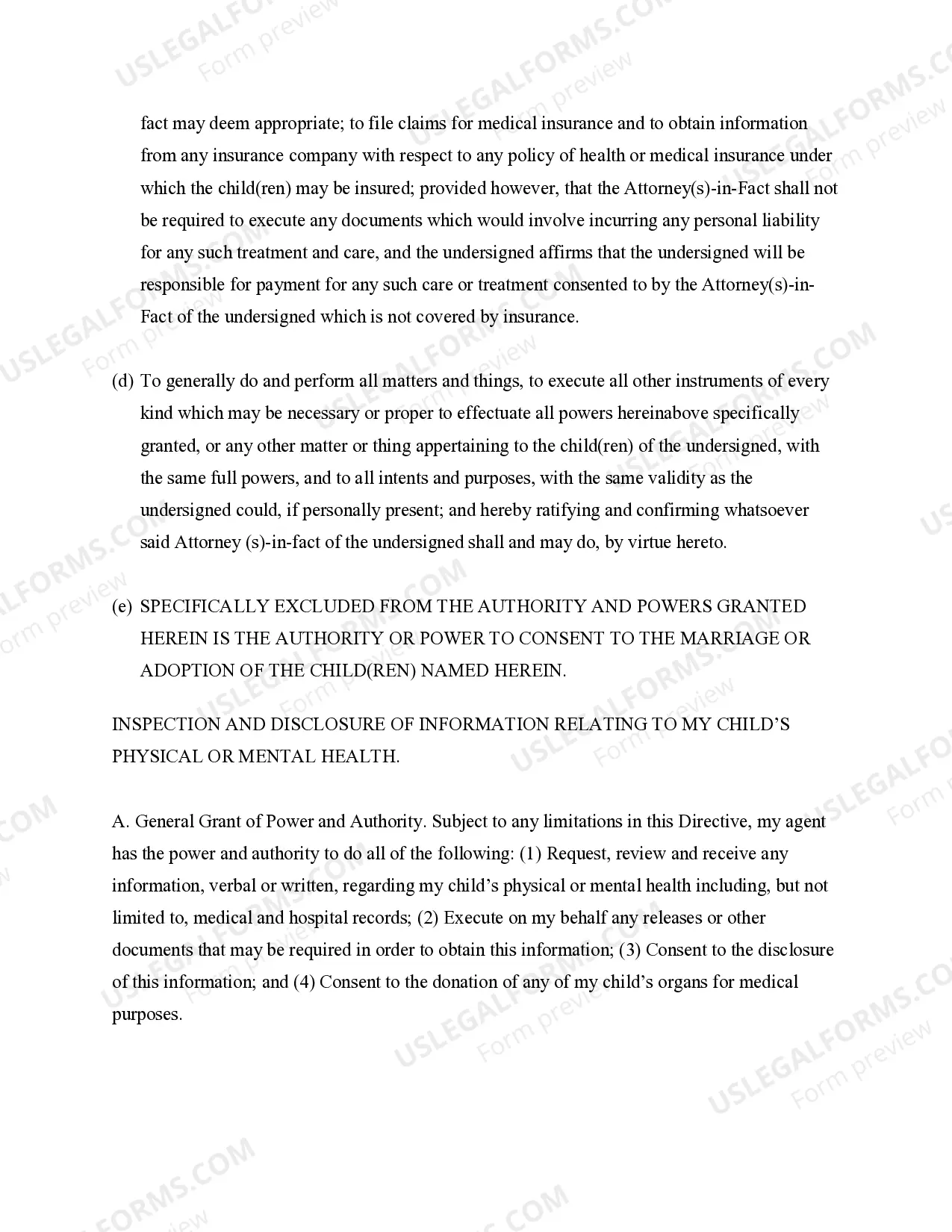
- Authority to make decisions regarding education, health care, and participation in activities.
- Exclusions from authority, such as marriage or adoption consent.
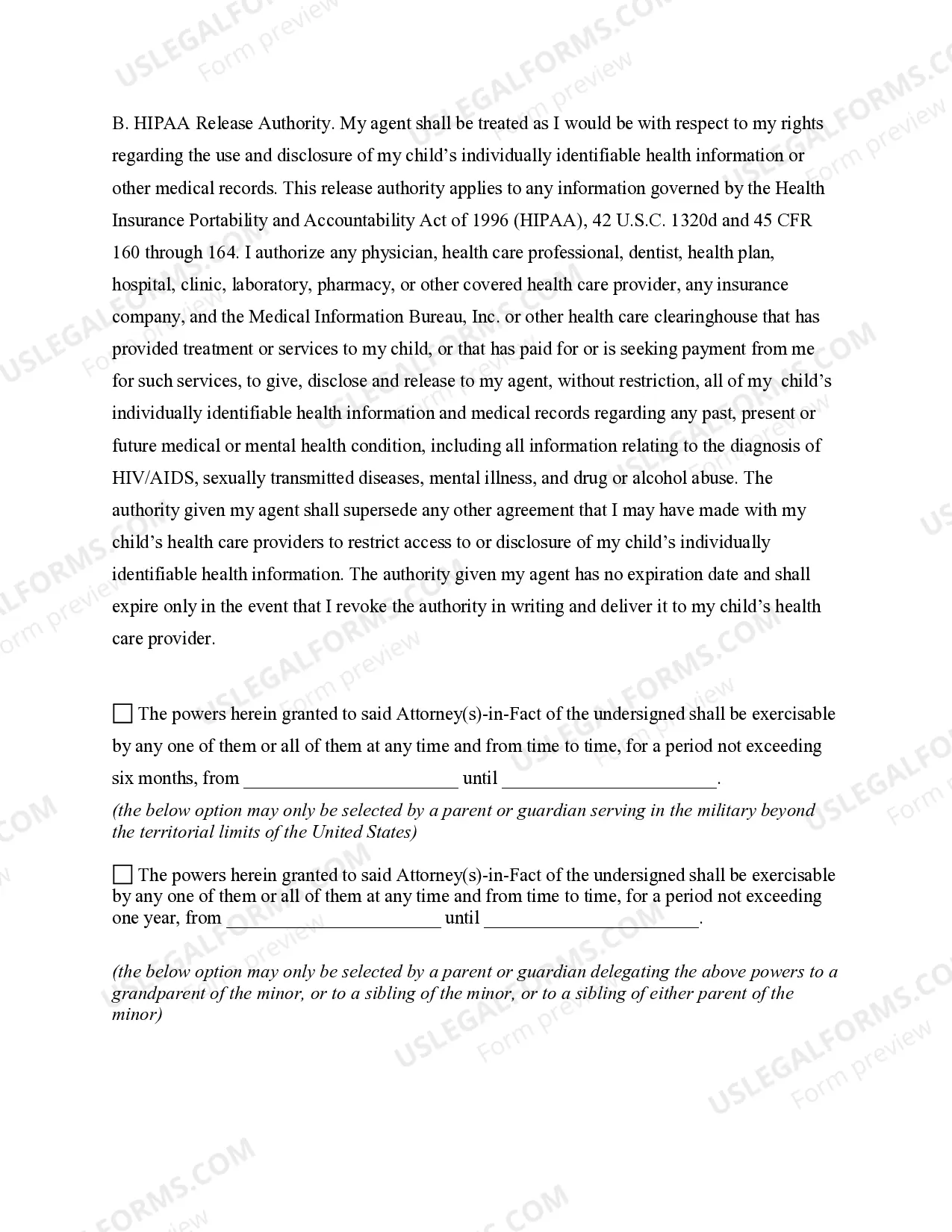
- Duration of the power of attorney, with flexible time limits.
- Notary acknowledgment section to validate the signature.
Common use cases
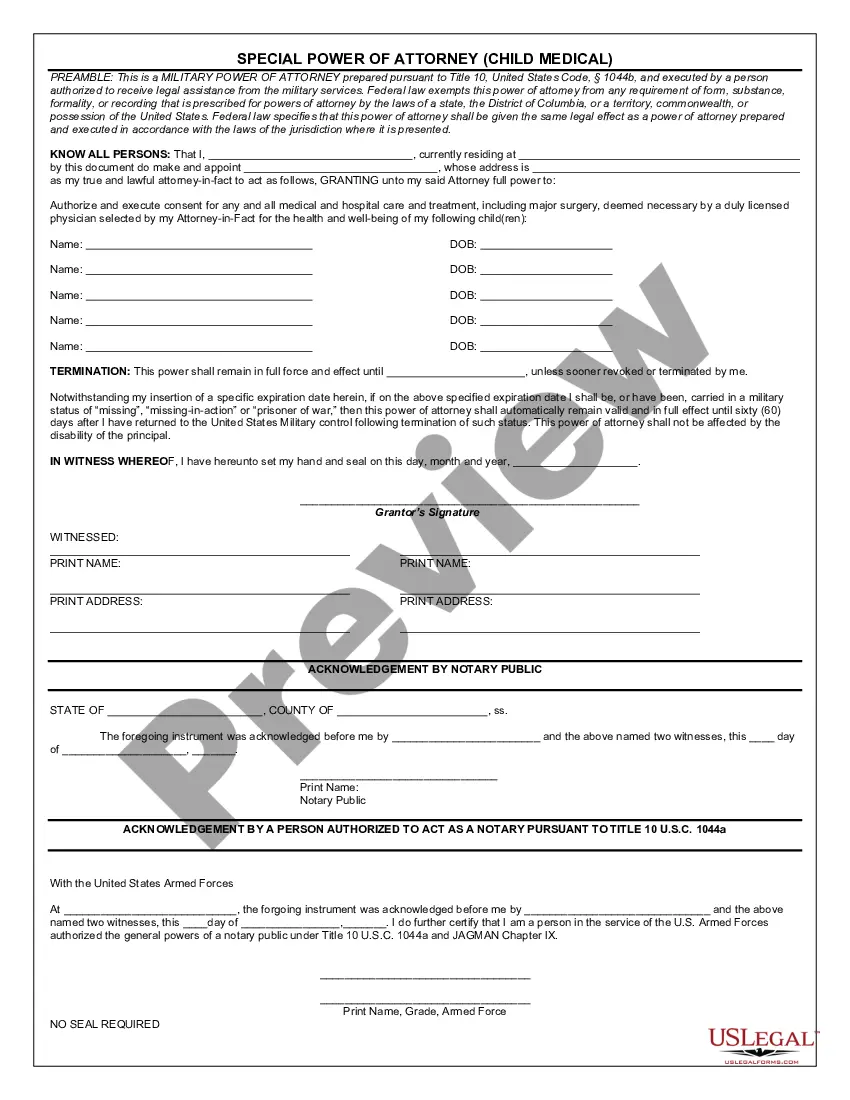
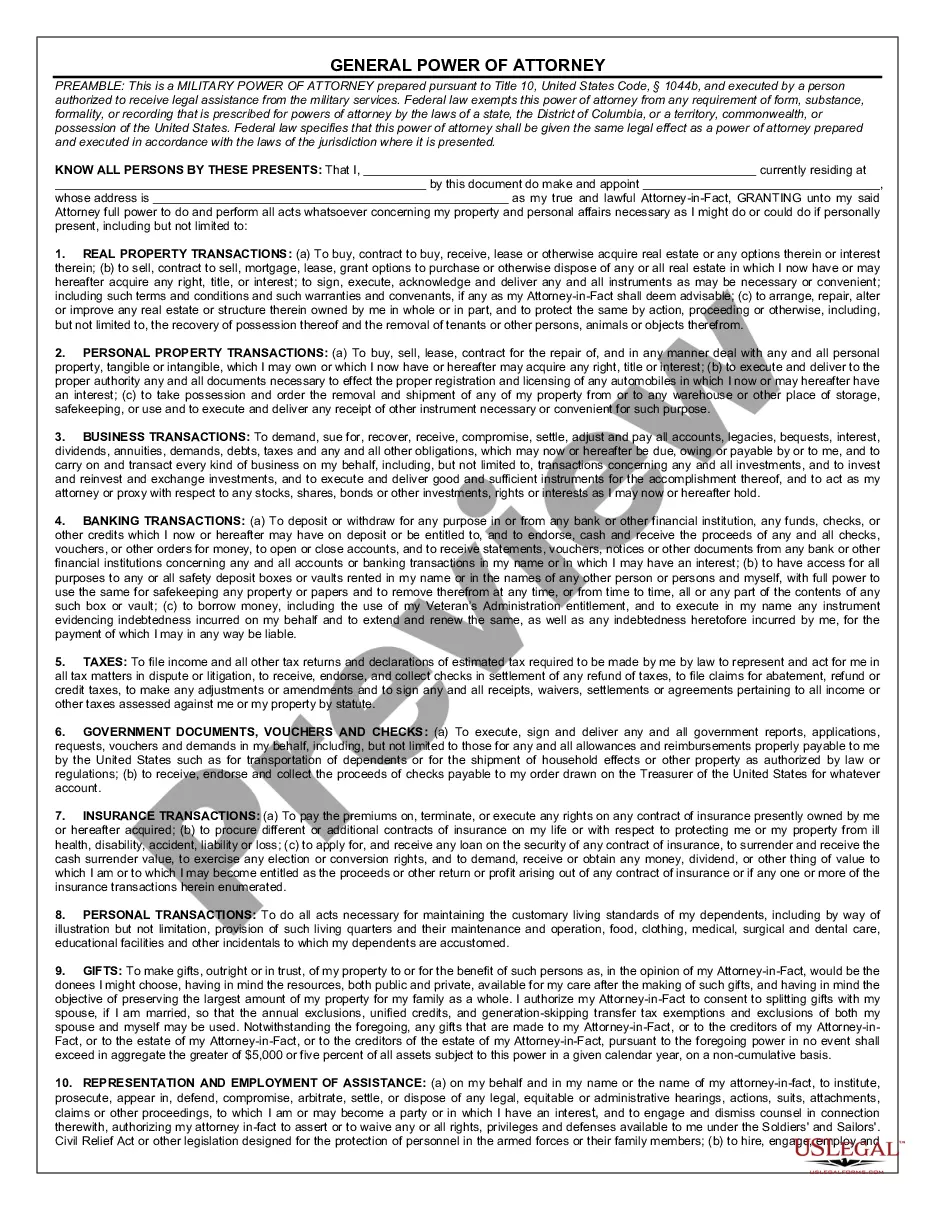
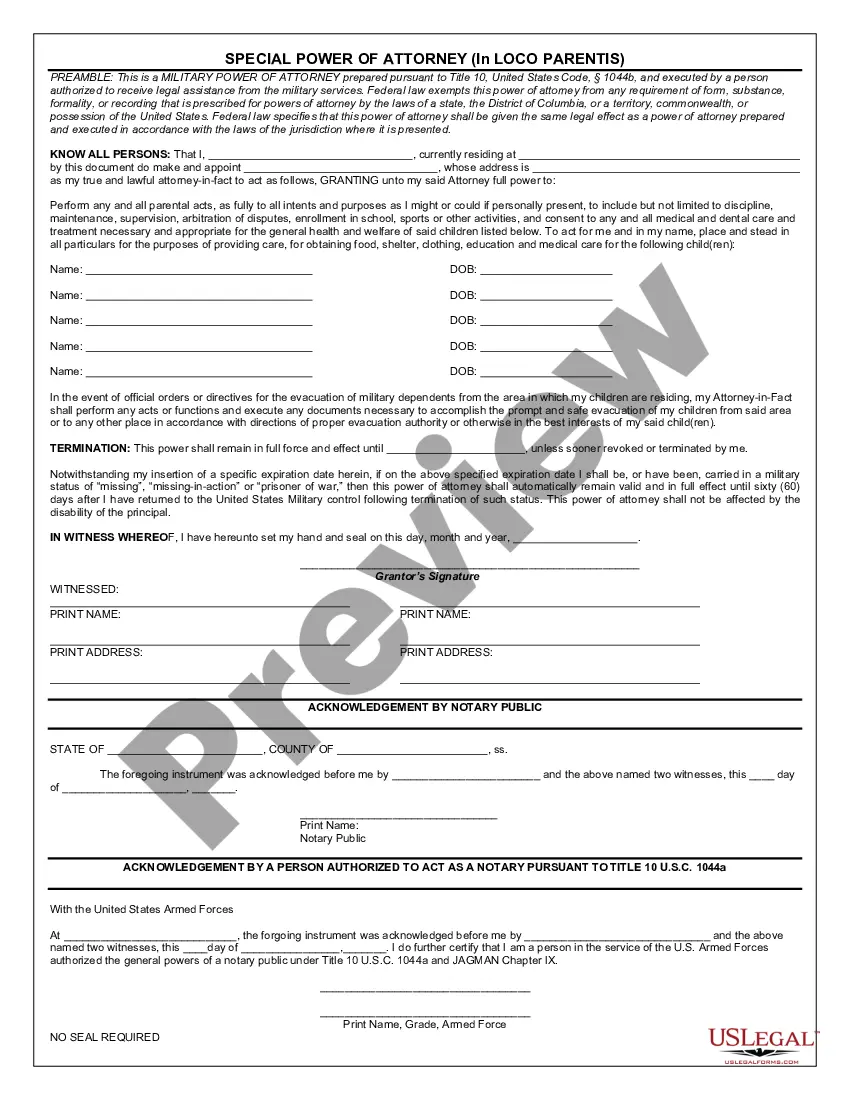
This form is useful when a parent or guardian needs to temporarily delegate their authority over the care and custody of their child or children. Situations may include the parent's short-term absence due to travel, deployment in the military, or other circumstances that may prevent them from being physically present to make decisions for their child. It provides peace of mind by ensuring that someone trusted can act in their stead.
Who should use this form
- Parents or guardians who need to appoint someone to care for their child or children temporarily.
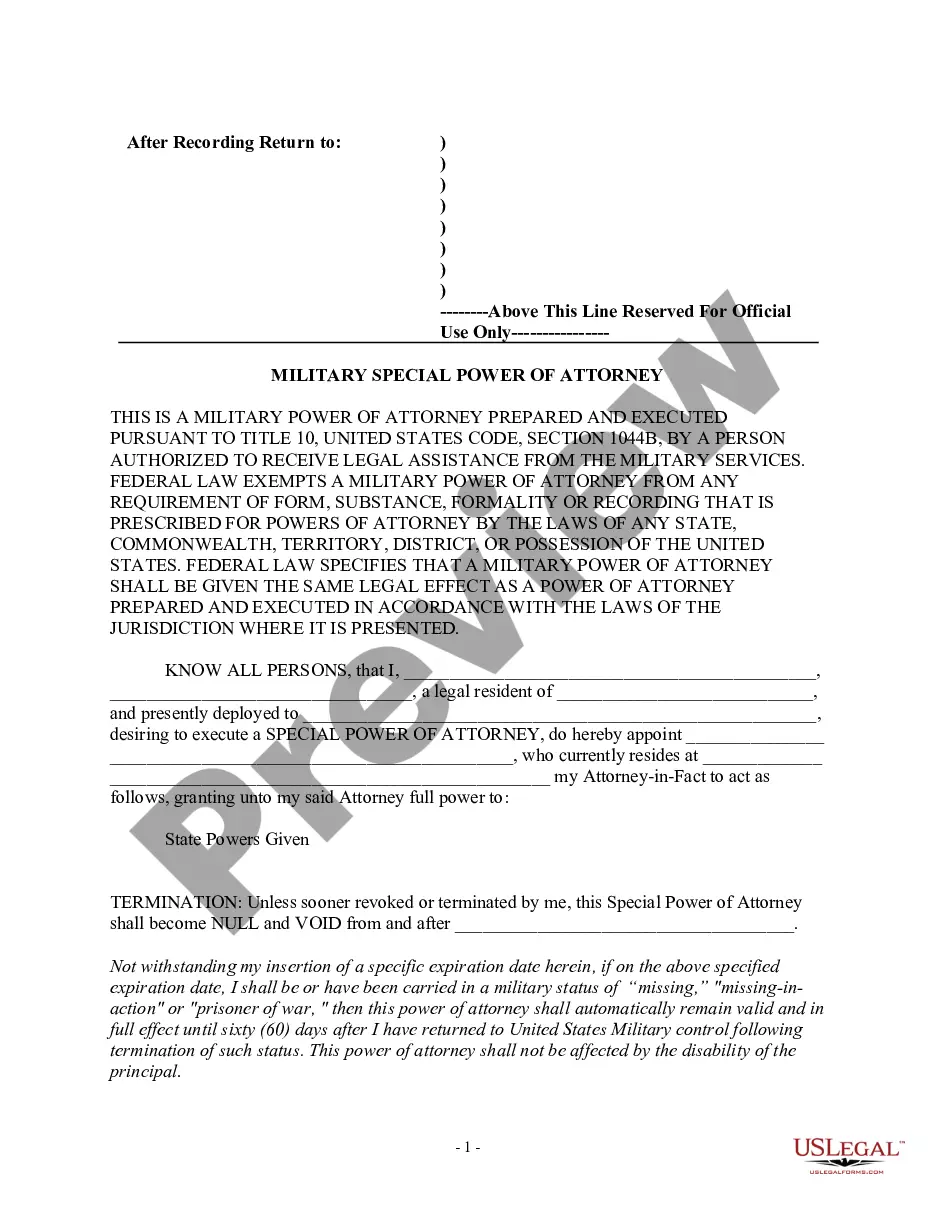
- Individuals in the military who are stationed away from home.
- Parents who need to arrange for care due to personal circumstances, such as extended travel or hospitalization.
How to prepare this document
- Enter the names and addresses of the parent(s) or guardian(s) and the child(ren).
- Designate the attorney(s)-in-fact by providing their names.
- Specify the powers granted, particularly concerning education and healthcare decisions.
- Define the duration of this power, selecting a time limit that fits your needs.
- Have the form signed in the presence of a notary public to ensure legal validity.
Notarization requirements for this form
Notarization is required for this form to take effect. Our online notarization service, powered by Notarize, lets you verify and sign documents remotely through an encrypted video session, available 24/7.
Get your form ready online
Our built-in tools help you complete, sign, share, and store your documents in one place.
Make edits, fill in missing information, and update formatting in US Legal Forms—just like you would in MS Word.
Download a copy, print it, send it by email, or mail it via USPS—whatever works best for your next step.
Sign and collect signatures with our SignNow integration. Send to multiple recipients, set reminders, and more. Go Premium to unlock E-Sign.
If this form requires notarization, complete it online through a secure video call—no need to meet a notary in person or wait for an appointment.
We protect your documents and personal data by following strict security and privacy standards.

Make edits, fill in missing information, and update formatting in US Legal Forms—just like you would in MS Word.

Download a copy, print it, send it by email, or mail it via USPS—whatever works best for your next step.

Sign and collect signatures with our SignNow integration. Send to multiple recipients, set reminders, and more. Go Premium to unlock E-Sign.

If this form requires notarization, complete it online through a secure video call—no need to meet a notary in person or wait for an appointment.

We protect your documents and personal data by following strict security and privacy standards.
Mistakes to watch out for
- Failing to notarize the document when required.
- Not clearly specifying the powers granted to the attorney(s)-in-fact.
- Omitting relevant details such as dates or names.
Benefits of completing this form online
- Convenience of accessing and completing the form at your own pace.
- Editability allows for easy adjustments and customization to fit specific needs.
- Reliability, as the forms are drafted by licensed attorneys ensuring compliance with legal standards.
Looking for another form?
Form popularity
FAQ
It lets a parent or guardian designate another person as attorney-in-fact to handle the care, custody, education, and health decisions for the named child or children while the parent is temporarily absent. It specifically excludes the attorney-in-fact from consenting to marriage or adoption. The document may specify a duration and requires a notary acknowledgment to validate signatures.
Common mistakes include failing to clearly name the child(ren) and the attorney-in-fact, not defining the scope or duration of authority, forgetting exclusions like marriage or adoption consent, and skipping the notary acknowledgment. Also ensure the form includes authority for education, health care, and activities to avoid gaps in decision-making.
Appoint someone trusted and available to act in the child’s best interests, capable of making education, health care, and activity decisions. The form requires an appointment clause naming the attorney-in-fact, so consider reliability, accessibility, and understanding of duties before deciding.
Red flags include an incomplete form with no clearly named attorney-in-fact, broad or undefined authority, missing duration, omitted exclusions (like marriage or adoption consent), or a missing notary acknowledgment.
The form must include names and addresses of the parent(s) or guardian(s) and child(ren), an appointment clause designating the attorney-in-fact, authority for education, health care, and activities, any exclusions, a stated duration, and a notary acknowledgment.
This form focuses specifically on care and custody duties for a child, excludes consent to marriage or adoption, and emphasizes decisions about health care, education, and activities. It is designed for temporary caregiving needs and may feature flexible duration compared to other minor POA forms.