Iowa Commercial Lease Assignment from Tenant to New Tenant
Understanding this form
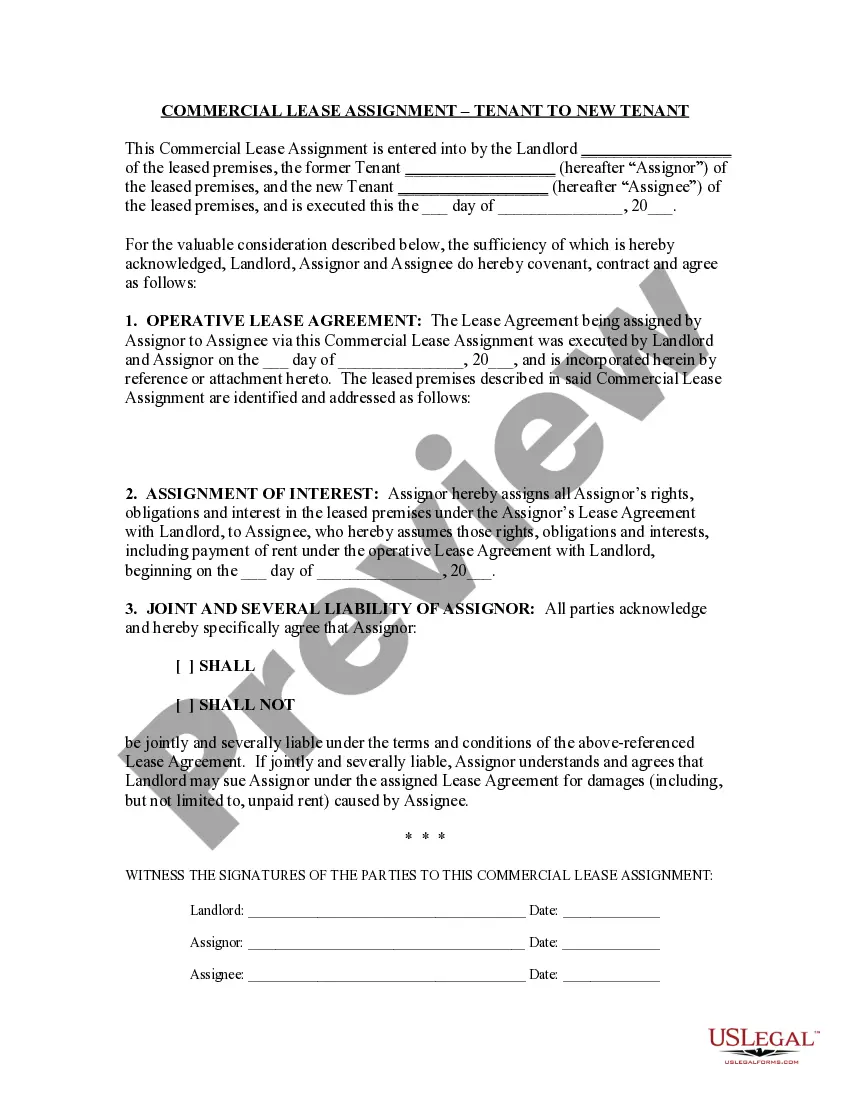
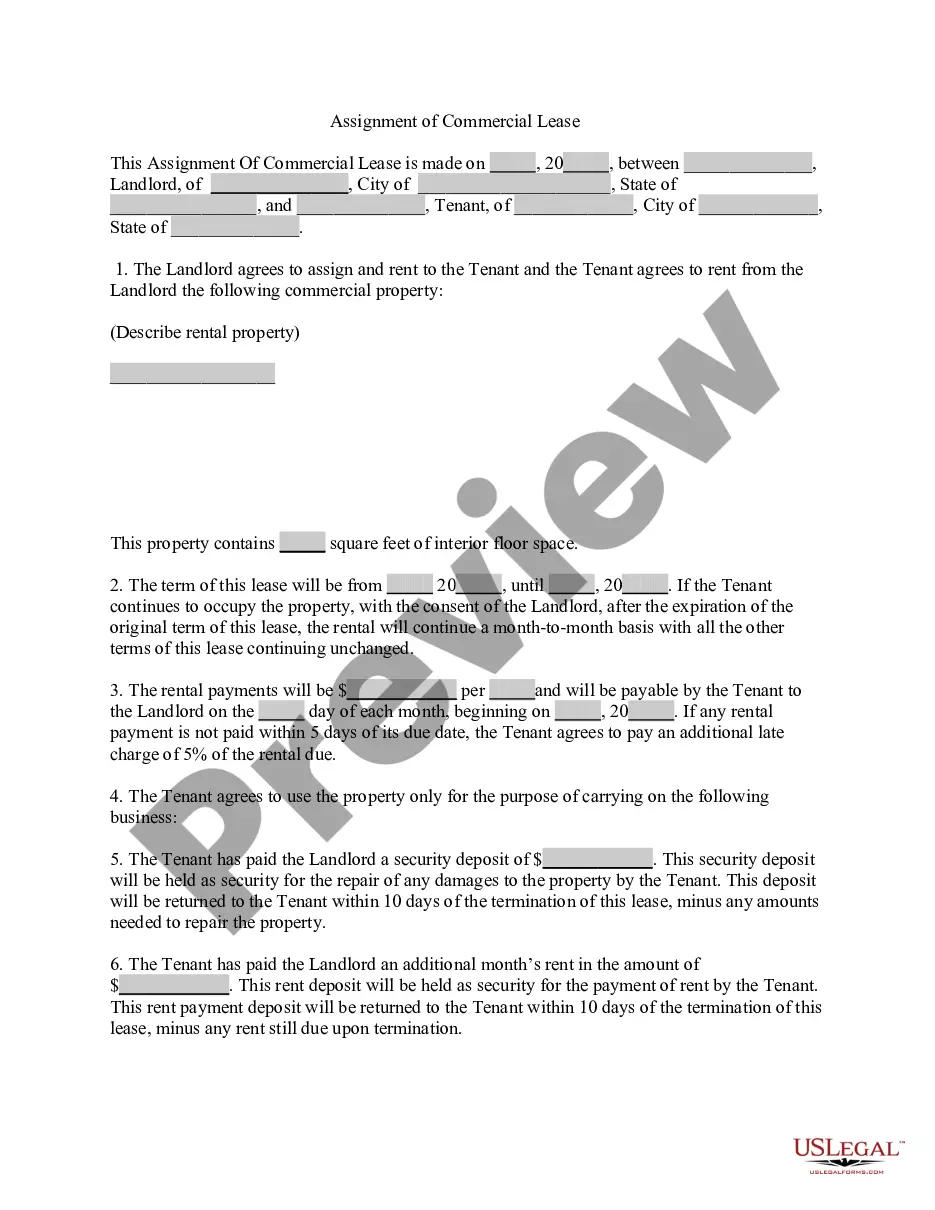
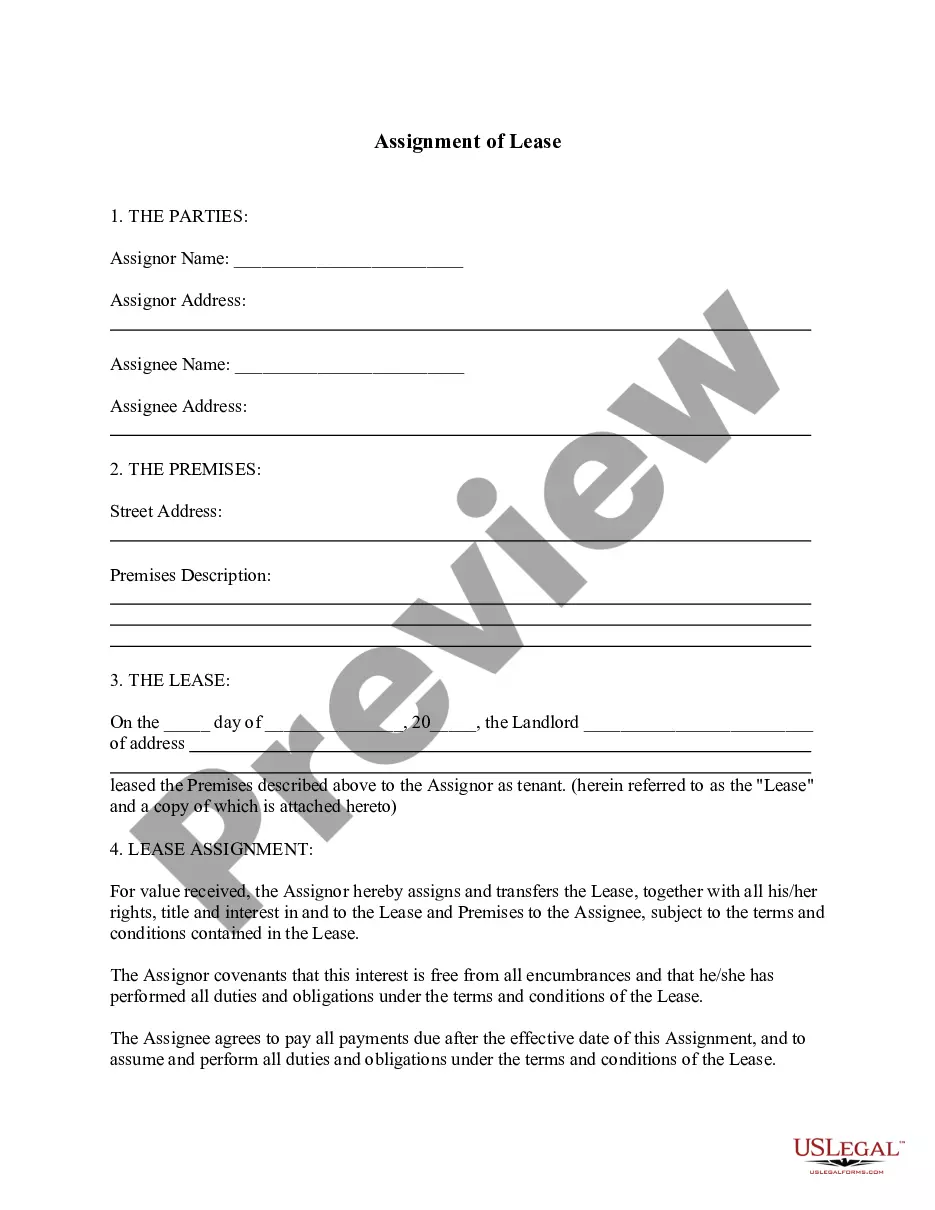
This Commercial Lease Assignment form allows a tenant to transfer their rights and duties under a commercial lease to a new tenant, while keeping the landlord unchanged in the lease agreement. Unlike a lease termination, this form facilitates the continued operation of the property under new management without altering the original leasing terms with the landlord. This assignment is essential for ensuring that the contractual obligations are carried forward and that all parties understand their positions and liabilities.
Key parts of this document
- Title and introductory information about the assignment parties: Landlord, former Tenant (Assignor), and new Tenant (Assignee).
- Joint and several liability clause indicating whether the Assignor remains liable for obligations under the lease.
- Signatures and dates for all parties involved, ensuring documentation of agreement.
- Details of the lease being assigned, including any valuable consideration acknowledged.
Common use cases
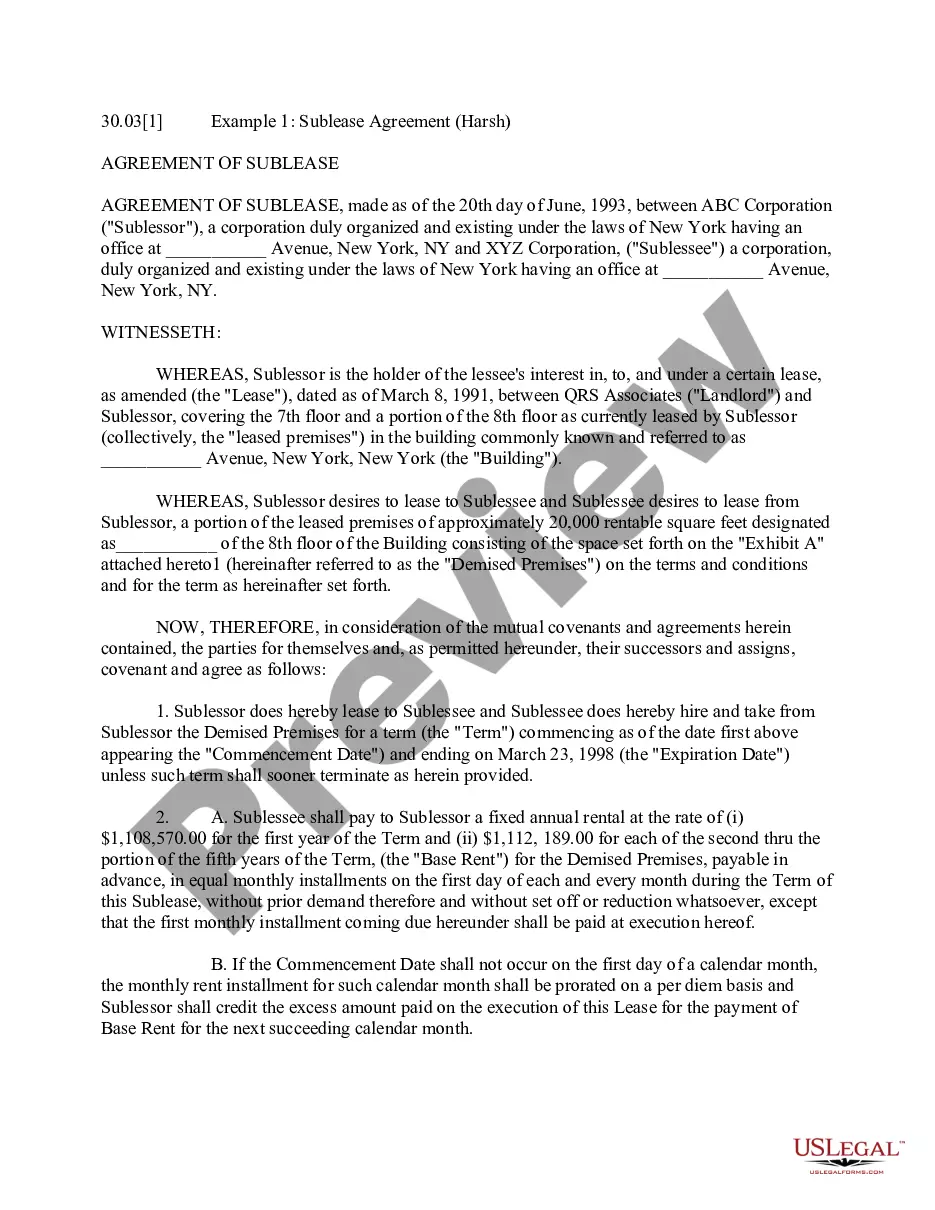
This form is commonly used when a current tenant wishes to transfer their leasehold interest to a new tenant. Situations may include the original tenant needing to relocate for job reasons, financial difficulties, or simply wanting to exit the lease early while ensuring that the landlord's interests are protected. It provides clarity on liability and obligations for all parties involved in the transaction.
Who should use this form
This form is suitable for:
- Commercial tenants looking to assign their lease to another party.
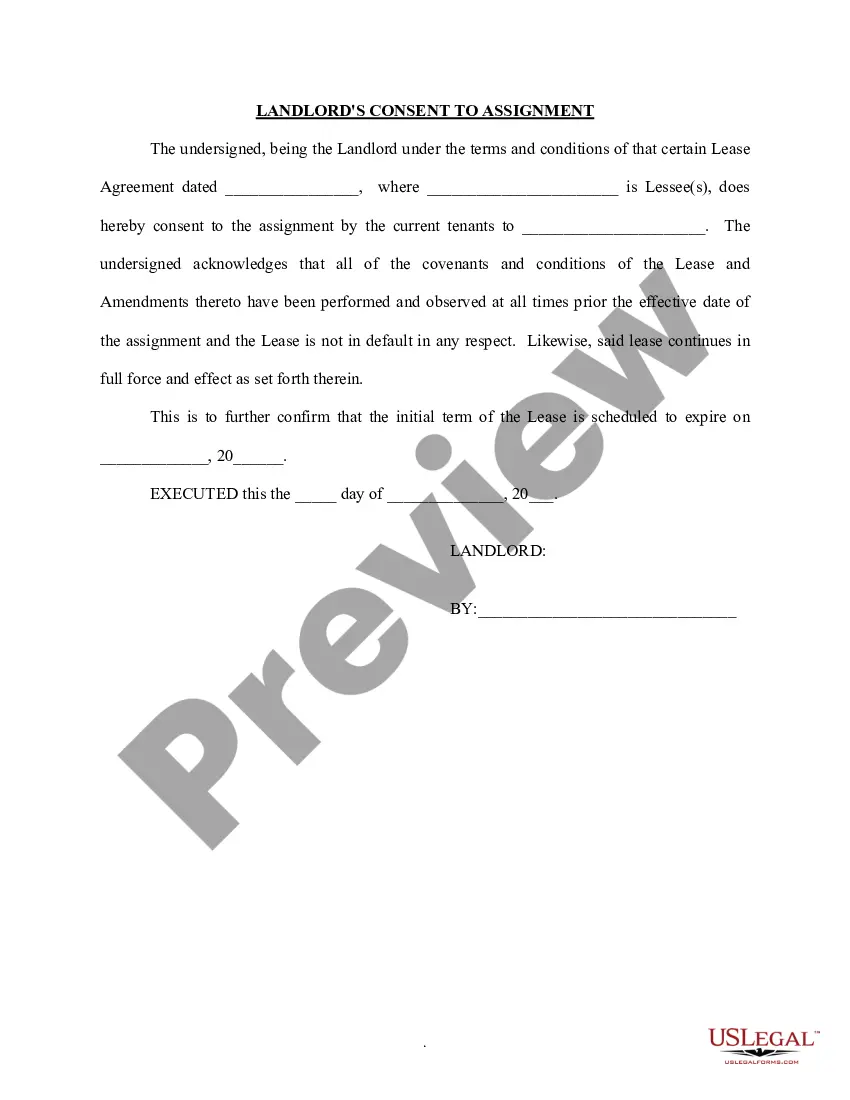
- Landlords who want to ensure a smooth transition of lease responsibilities.
- New tenants interested in taking over an existing lease agreement.
Completing this form step by step
To properly complete this Commercial Lease Assignment, follow these steps:
- Identify and enter the names of the parties: the Landlord, Assignor (former Tenant), and Assignee (new Tenant).
- Specify the property details covered under the lease agreement.
- Indicate the date of the agreement.
- Determine if the Assignor will remain jointly and severally liable and mark the appropriate option.
- Have all parties sign and date the document to validate the agreement.
Does this form need to be notarized?
This form does not typically require notarization unless specified by local law. It is advisable to check any specific requirements in your jurisdiction to ensure legal validity.
Get your form ready online
Our built-in tools help you complete, sign, share, and store your documents in one place.
Make edits, fill in missing information, and update formatting in US Legal Forms—just like you would in MS Word.
Download a copy, print it, send it by email, or mail it via USPS—whatever works best for your next step.
Sign and collect signatures with our SignNow integration. Send to multiple recipients, set reminders, and more. Go Premium to unlock E-Sign.
If this form requires notarization, complete it online through a secure video call—no need to meet a notary in person or wait for an appointment.
We protect your documents and personal data by following strict security and privacy standards.

Make edits, fill in missing information, and update formatting in US Legal Forms—just like you would in MS Word.

Download a copy, print it, send it by email, or mail it via USPS—whatever works best for your next step.

Sign and collect signatures with our SignNow integration. Send to multiple recipients, set reminders, and more. Go Premium to unlock E-Sign.

If this form requires notarization, complete it online through a secure video call—no need to meet a notary in person or wait for an appointment.

We protect your documents and personal data by following strict security and privacy standards.
Avoid these common issues
- Failing to review the original lease for assignment restrictions or limitations.
- Not getting the agreement signed by all necessary parties.
- Omitting important details such as property descriptions or parties' contact information.
- Not understanding the implications of joint and several liability for the Assignor.
Benefits of using this form online
- Convenient access to a legally sound form drafted by licensed attorneys.
- The ability to customize the form for your specific leasing situation.
- Downloadable and printable format for easy completion.
- Supports clear communication and documentation between all parties, reducing misunderstandings.
Legal use & context
- The Commercial Lease Assignment is legally binding once signed by all parties.
- This assignment does not permit the Assignor to escape all lease obligations unless specifically stated.
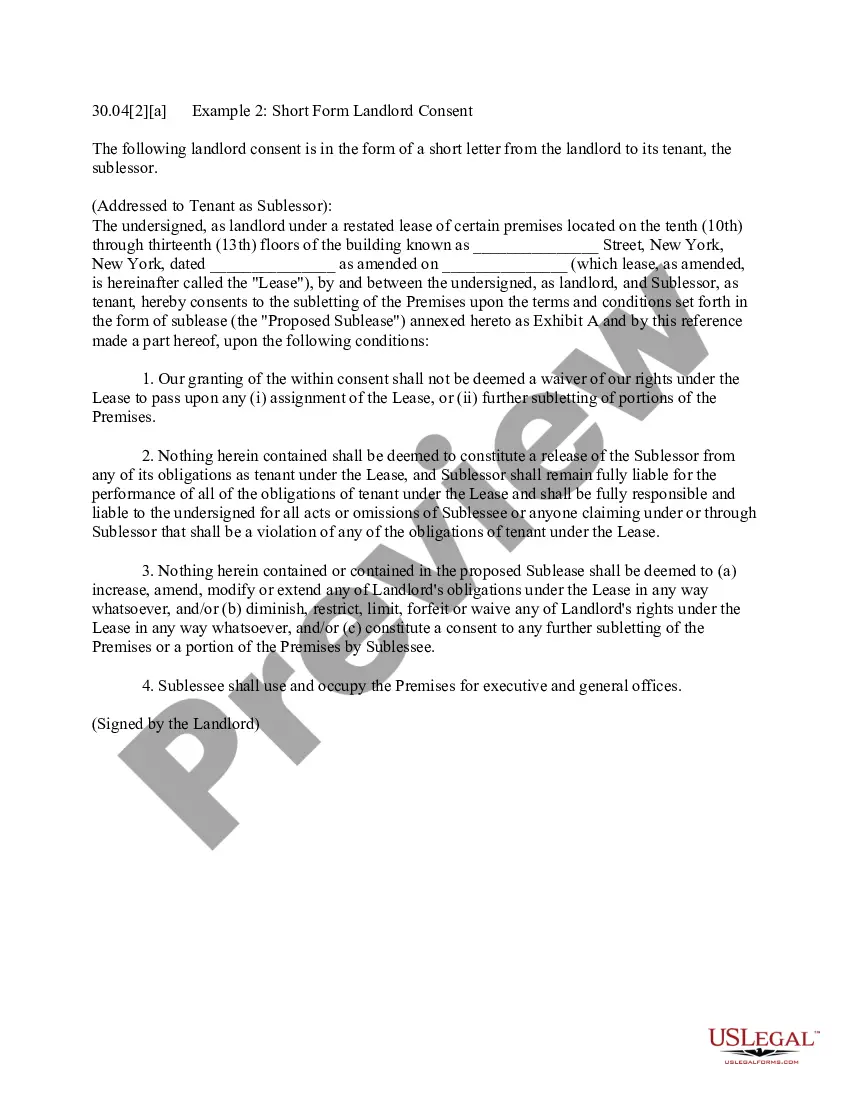
- Landlords may have the right to deny assignments, so checking lease agreements is essential.
What to keep in mind
- A Commercial Lease Assignment transfers lease obligations from one tenant to another.
- Be clear about liability conditions to protect all parties involved.
- Ensure all documentation is completed correctly and signed for legal validity.
Looking for another form?

Form popularity
FAQ
Yes, your girlfriend can live with you even if she is not on the lease, but it’s important to verify your lease terms first. Some leases have specific clauses that require all occupants to be listed. Understanding the Iowa Commercial Lease Assignment from Tenant to New Tenant may also provide pathways for including her on the lease if needed. If you have questions about your rights as a tenant, USLegalForms offers valuable resources to help you navigate through this situation.
Yes, a lease agreement can often be assigned, allowing another party to take over your obligations as the tenant. The process for this varies by state, so understanding the Iowa Commercial Lease Assignment from Tenant to New Tenant is essential. Make sure to seek your landlord's consent, as an assignment typically requires their approval to ensure the new tenant is a suitable fit. Utilizing resources like USLegalForms can guide you through the assignment process seamlessly.
Yes, you can transfer your rental lease to someone else, but it typically requires approval from your landlord. The Iowa Commercial Lease Assignment from Tenant to New Tenant process allows you to officially assign your lease obligations to a new tenant. This means you can successfully hand over your rental responsibilities while ensuring the new tenant meets the landlord’s criteria. Always check your original lease agreement for any specific terms regarding lease assignment.
You can transfer a lease to another name through an Iowa Commercial Lease Assignment from Tenant to New Tenant. This assignment allows the new tenant to take over your lease responsibilities and rights. Make sure to follow the proper procedures and communicate with your landlord to ensure a smooth transfer.
To assign a lease to someone else, follow the guidelines set forth in your lease agreement, focusing on the Iowa Commercial Lease Assignment from Tenant to New Tenant. This usually involves gaining consent from your landlord and completing any necessary paperwork. Ensuring that all parties are informed can help make the transition seamless.
To assign a commercial lease, start by reviewing the lease agreement for details about the Iowa Commercial Lease Assignment from Tenant to New Tenant. Typically, you must obtain consent from the landlord and formally notify them of the assignment. Including the new tenant in discussions can streamline the process.
Yes, you can take over someone's car lease, but this process differs from an Iowa Commercial Lease Assignment from Tenant to New Tenant. Car leases often have their own requirements and policies for taking over. Check with the leasing company to understand their rules and get the necessary approvals.
You can transfer a lease to someone else by following the Iowa Commercial Lease Assignment from Tenant to New Tenant process. This transfer allows another party to assume your responsibilities under the lease. Be sure to discuss this with your landlord, as their approval might be needed.
Yes, a commercial lease can indeed be transferred through an Iowa Commercial Lease Assignment from Tenant to New Tenant. This process involves formally assigning the lease to another tenant, allowing them to take over your rights and obligations. Always review your lease agreement for any specific clauses or conditions regarding assignments.
You can transfer your lease to your partner, provided that you adhere to the rules of an Iowa Commercial Lease Assignment from Tenant to New Tenant. Most leases allow assignments, but it is essential to obtain the landlord's consent. Clear communication with your landlord can help facilitate this process.