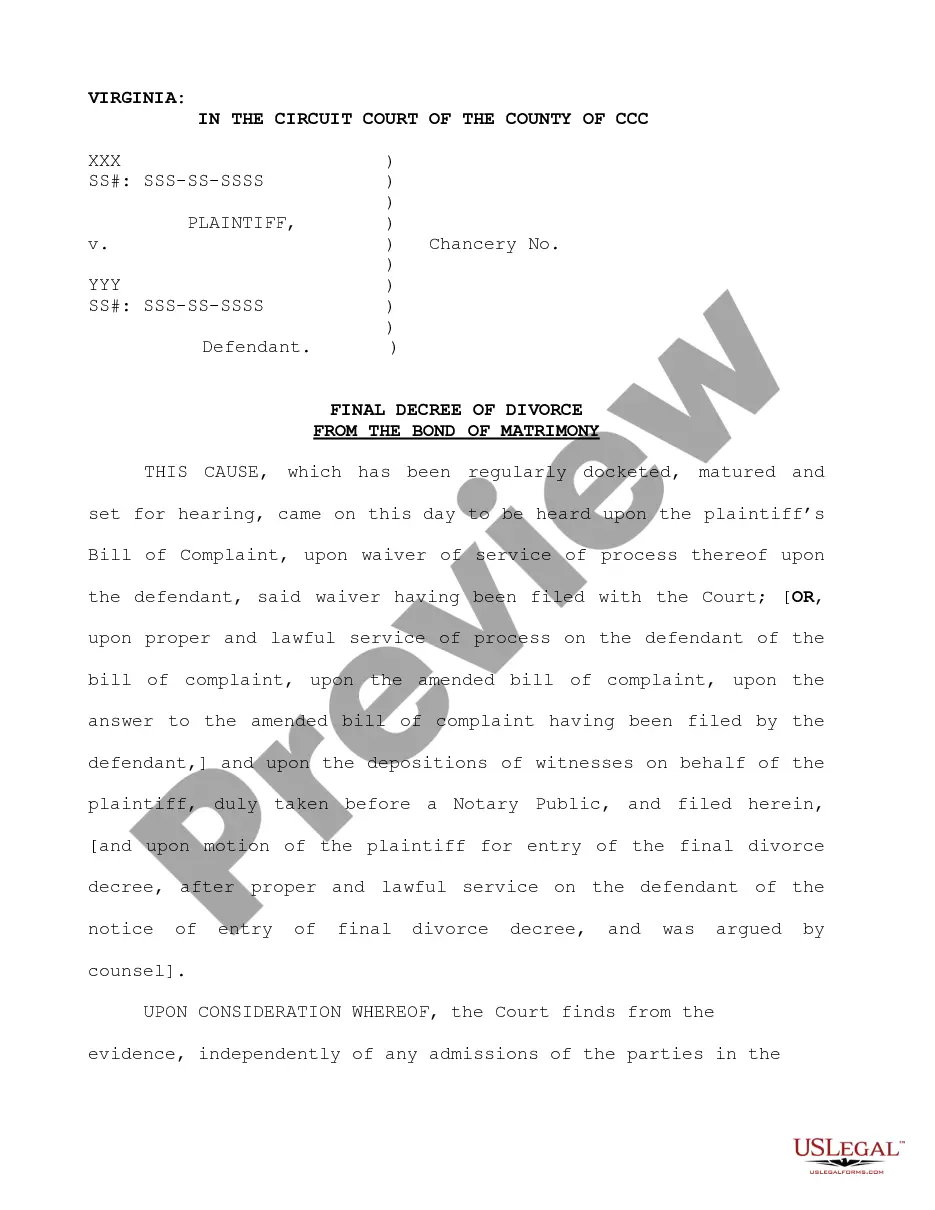
Iowa Quitclaim Deed from Husband and Wife to an Individual

About this form
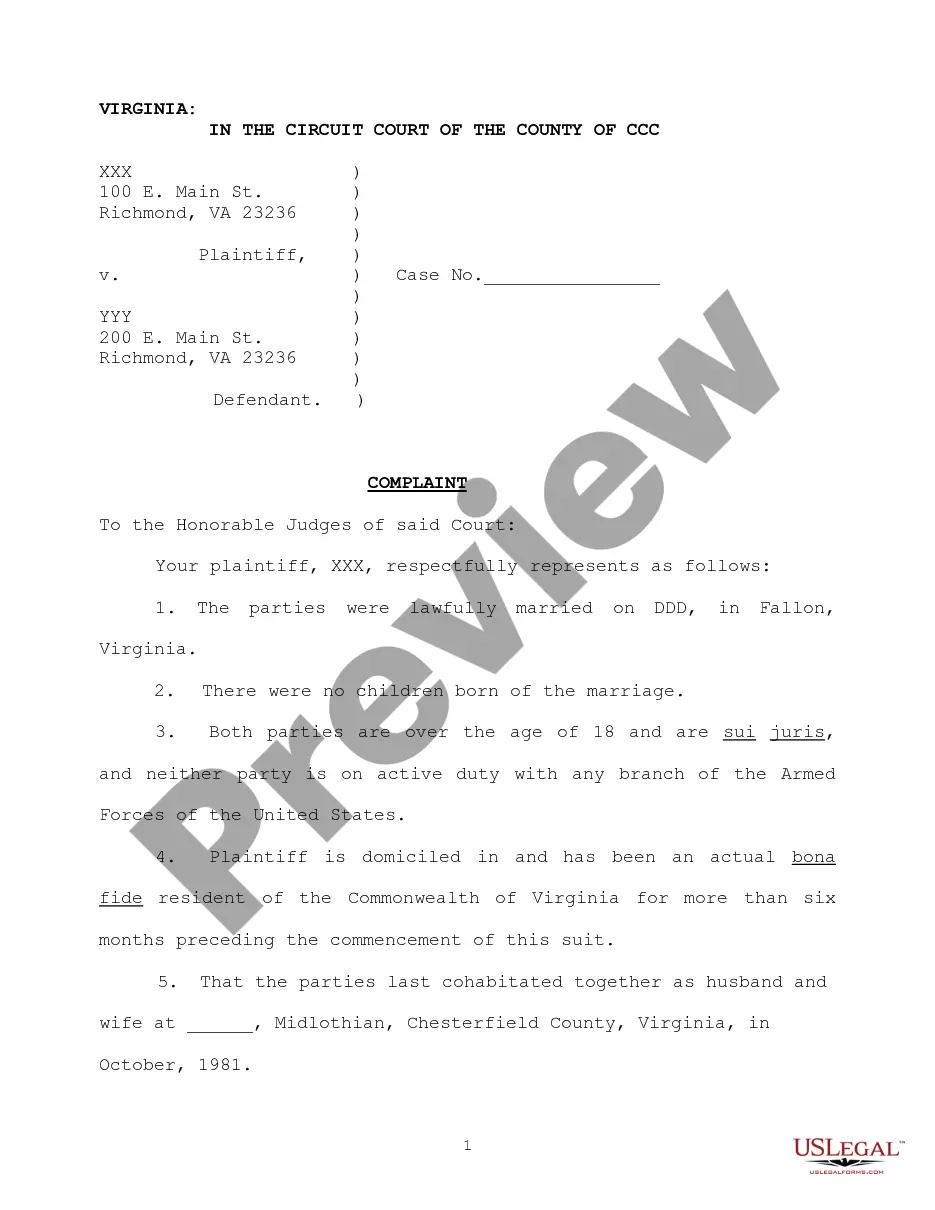
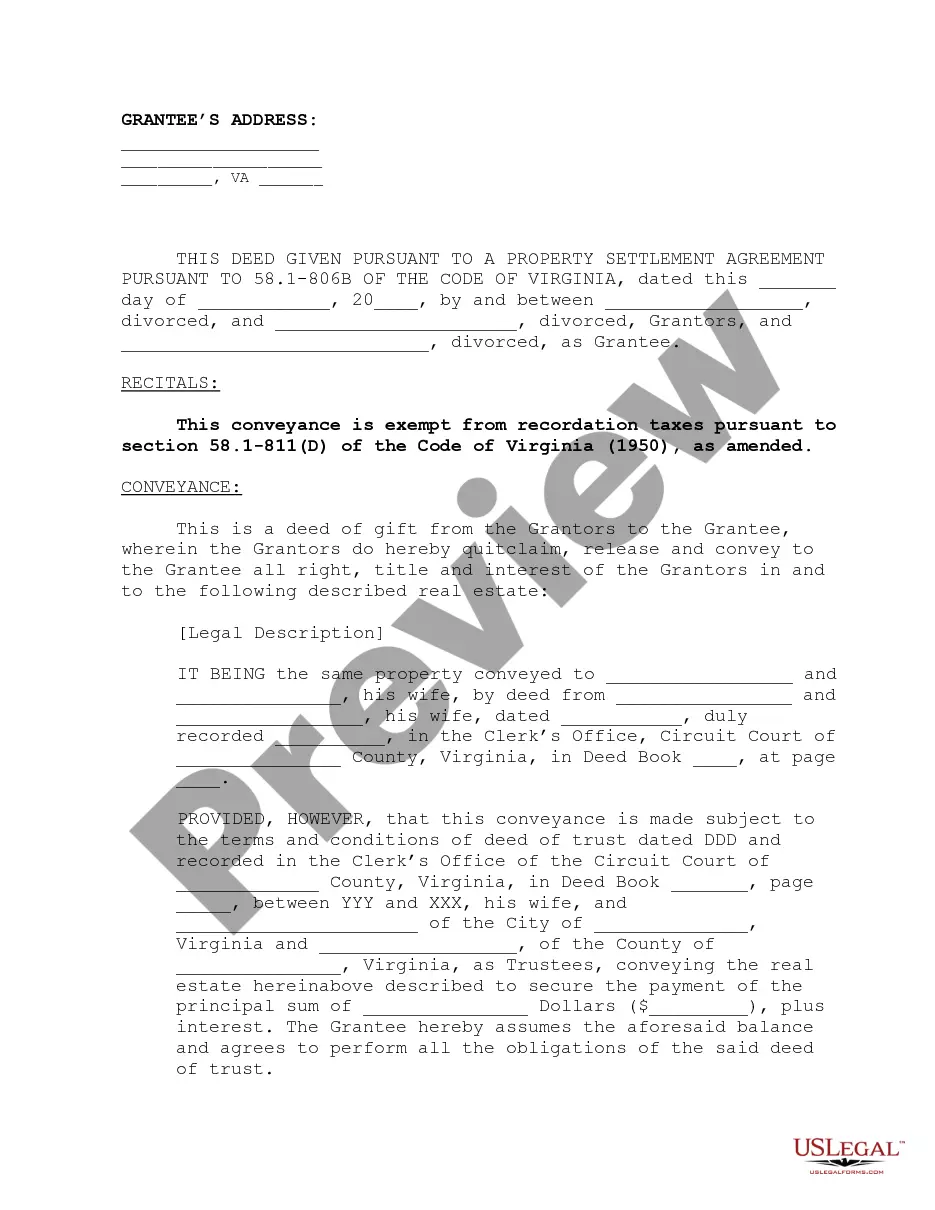
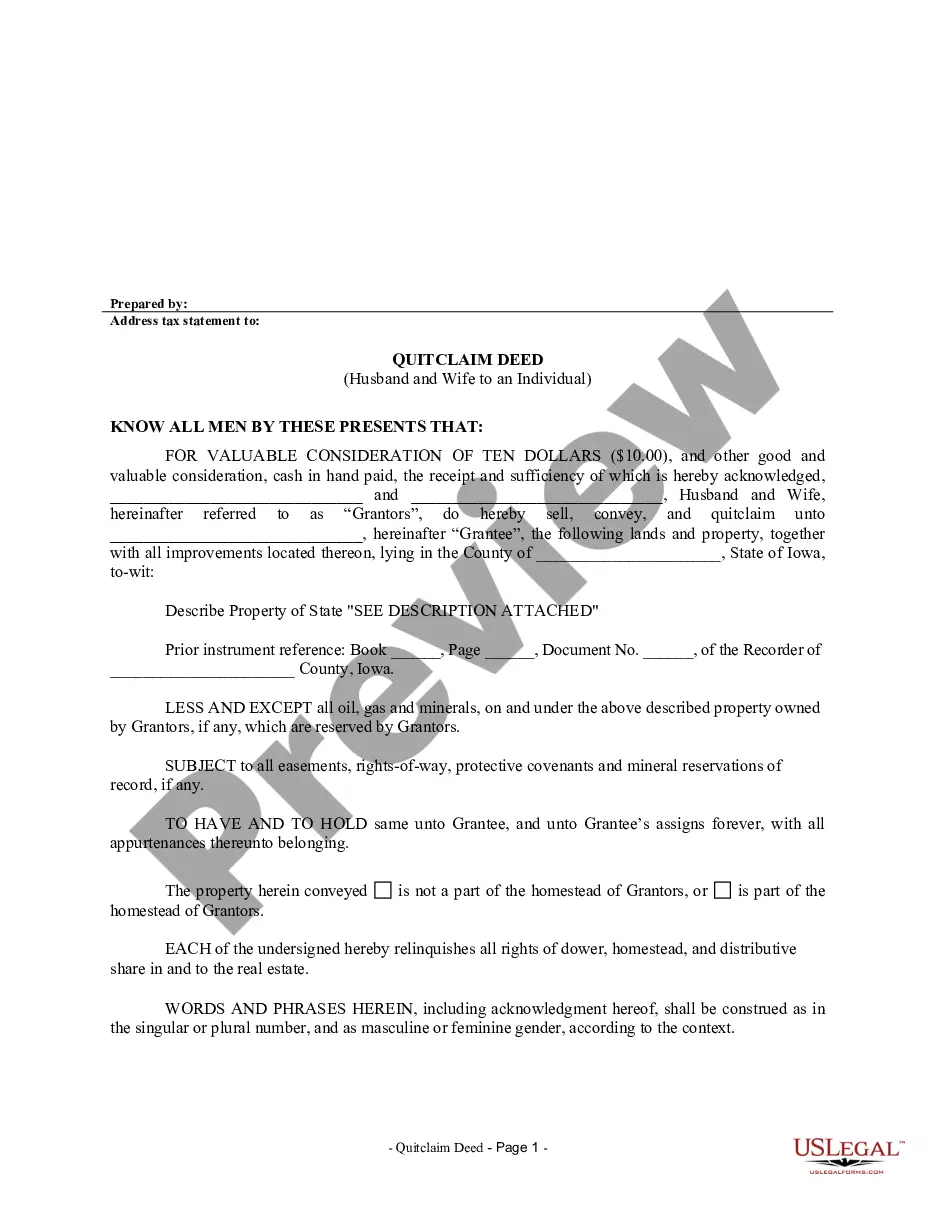
The Quitclaim Deed from Husband and Wife to an Individual is a legal document used to transfer property ownership from a married couple to an individual without guaranteeing that the title is clear. Unlike warranty deeds, quitclaim deeds do not guarantee that the grantors have any ownership interest in the property. This form is essential for couples who wish to convey their interest in a property to another person without the complexities of title insurance or warranties.
Form components explained
- Names of the Grantors (husband and wife) and the Grantee (individual receiving the property).
- Description of the property being transferred, including any improvements.
- Statement of consideration, typically a nominal amount like ten dollars.
- Clauses specifying the reservation of oil, gas, and minerals by the grantors.
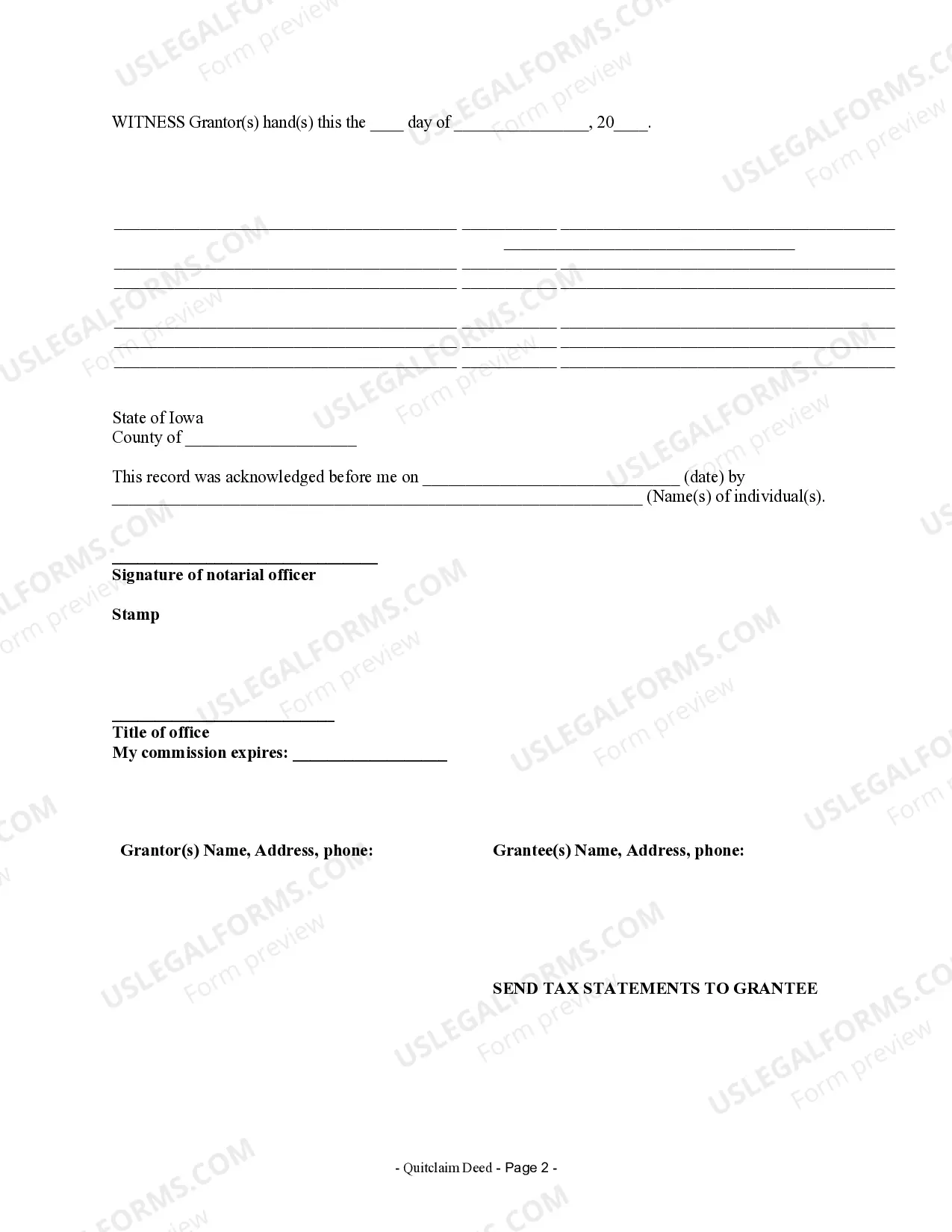
- Acknowledgment by a notary public, confirming the identity of the signers.




Situations where this form applies
This form is commonly used when a married couple wishes to transfer ownership of a property to another individual, often during a divorce, estate settlement, or gift. It is also applicable when a couple wants to remove their names from a property title without guaranteeing clear ownership to the buyer.
Intended users of this form
- Married couples who wish to transfer property to an individual.
- Individuals involved in property divisions during a divorce.
- Heirs or beneficiaries handling the distribution of property from an estate.
- People involved in property transactions that do not require a warranty of title.
Instructions for completing this form
- Identify the parties involved, including both grantors (husband and wife) and the grantee (individual receiving the property).
- Clearly specify the property being conveyed with a detailed description.
- Include the consideration amount, typically a nominal value of ten dollars.
- Indicate any reservations, such as oil, gas, and mineral rights retained by the grantors.
- Sign and date the document in the presence of a notary public.
Notarization guidance
Yes, this form must be notarized to be legally valid. Online notarization services provided by US Legal Forms allow for secure video calls with licensed notaries, making it easy to complete the process without the need for travel.
Get your form ready online
Our built-in tools help you complete, sign, share, and store your documents in one place.
Make edits, fill in missing information, and update formatting in US Legal Forms—just like you would in MS Word.
Download a copy, print it, send it by email, or mail it via USPS—whatever works best for your next step.
Sign and collect signatures with our SignNow integration. Send to multiple recipients, set reminders, and more. Go Premium to unlock E-Sign.
If this form requires notarization, complete it online through a secure video call—no need to meet a notary in person or wait for an appointment.
We protect your documents and personal data by following strict security and privacy standards.

Make edits, fill in missing information, and update formatting in US Legal Forms—just like you would in MS Word.

Download a copy, print it, send it by email, or mail it via USPS—whatever works best for your next step.

Sign and collect signatures with our SignNow integration. Send to multiple recipients, set reminders, and more. Go Premium to unlock E-Sign.

If this form requires notarization, complete it online through a secure video call—no need to meet a notary in person or wait for an appointment.

We protect your documents and personal data by following strict security and privacy standards.
Typical mistakes to avoid
- Failing to include a clear legal description of the property.
- Not having the document notarized before submission.
- Leaving out the reservation of rights, such as minerals or easements.
- Not specifying whether the property is part of the homestead.
Why complete this form online
- Convenience of downloading and filling out the form at your own pace.
- Editable templates that can be customized to meet specific needs.
- Access to forms drafted by licensed attorneys to ensure compliance with legal standards.
What to keep in mind
- A quitclaim deed transfers ownership without warranties or guarantees.
- It is essential for married couples wanting to convey property to an individual.
- Notarization is required for legal validity.
Looking for another form?

Form popularity
FAQ
For a married couple, the Iowa Quitclaim Deed from Husband and Wife to an Individual can be an effective choice when intending to transfer property between each other or to an outside individual. This type of deed allows a spouse to transfer their interest in the property without the complexities that may arise with other deed types. However, in certain situations, couples may also consider a warranty deed for added assurance of ownership. If you need help choosing the right deed, US Legal Forms offers valuable resources and templates to assist you.
A spouse may choose to execute an Iowa Quitclaim Deed from Husband and Wife to an Individual for various reasons, such as simplifying property ownership after a divorce or transferring property to a family member. This deed allows one spouse to relinquish their interest in jointly owned property without transferring the ownership completely. It often serves as a quick and efficient way to clarify ownership titles while avoiding lengthy probate processes. If you're navigating this situation, consider using US Legal Forms for clear guidance and easy documentation.
To fill out a quit claim deed to add your spouse, start by ensuring you have the correct form suited for your needs, such as the Iowa Quitclaim Deed from Husband and Wife to an Individual. Fill in both spouse's names, the property details, and sign it in front of a notary. For additional clarity and ease, using services like USLegalForms can guide you step-by-step.
Yes, you can add a spouse to a deed without refinancing your mortgage. Utilizing an Iowa Quitclaim Deed from Husband and Wife to an Individual allows you to add your spouse's name to the property deed without affecting your financing arrangement. This can be a straightforward process, especially with templates available on platforms like USLegalForms.
To fill out an Interspousal transfer deed, you will need to include essential information such as the names of both spouses, a legal description of the property, and the type of deed you are using. Remember, when you are executing an Iowa Quitclaim Deed from Husband and Wife to an Individual, accuracy is key to ensure the deed is valid. Guidance is available through online resources like USLegalForms.
The best way to add your wife to your deed is to execute an Iowa Quitclaim Deed from Husband and Wife to an Individual. This process involves drafting a quitclaim deed that clearly names both spouses as grantees. Ensure all necessary information is included, and consider using a trusted platform like USLegalForms to simplify the process.
Adding a spouse to a deed can be regarded as a gift, depending on the circumstances. If there is no exchange of value, the transfer may be seen as a gift under Iowa law. Keep in mind that this can have tax implications, so consulting a legal professional is wise when executing an Iowa Quitclaim Deed from Husband and Wife to an Individual.
No, you cannot add someone to a deed without their knowledge. A deed is a legal document that requires mutual consent from all parties involved. When dealing with an Iowa Quitclaim Deed from Husband and Wife to an Individual, transparency is crucial. Always ensure that all parties are aware and agree to the changes.
Absolutely, you can remove someone from a deed without refinancing by using an Iowa Quitclaim Deed from Husband and Wife to an Individual. This method does not involve your mortgage company or require refinancing. Simply fill out the quitclaim deed, have both parties sign it in front of a notary, and file it with the appropriate governmental office. This process keeps your title updated without additional financing steps.
Yes, you can take your husband's name off the house deed using an Iowa Quitclaim Deed from Husband and Wife to an Individual. This helps you retain full ownership of the property. It requires both your signatures and a notary. Once completed and filed with the county, you will have successfully removed his name from the deed.