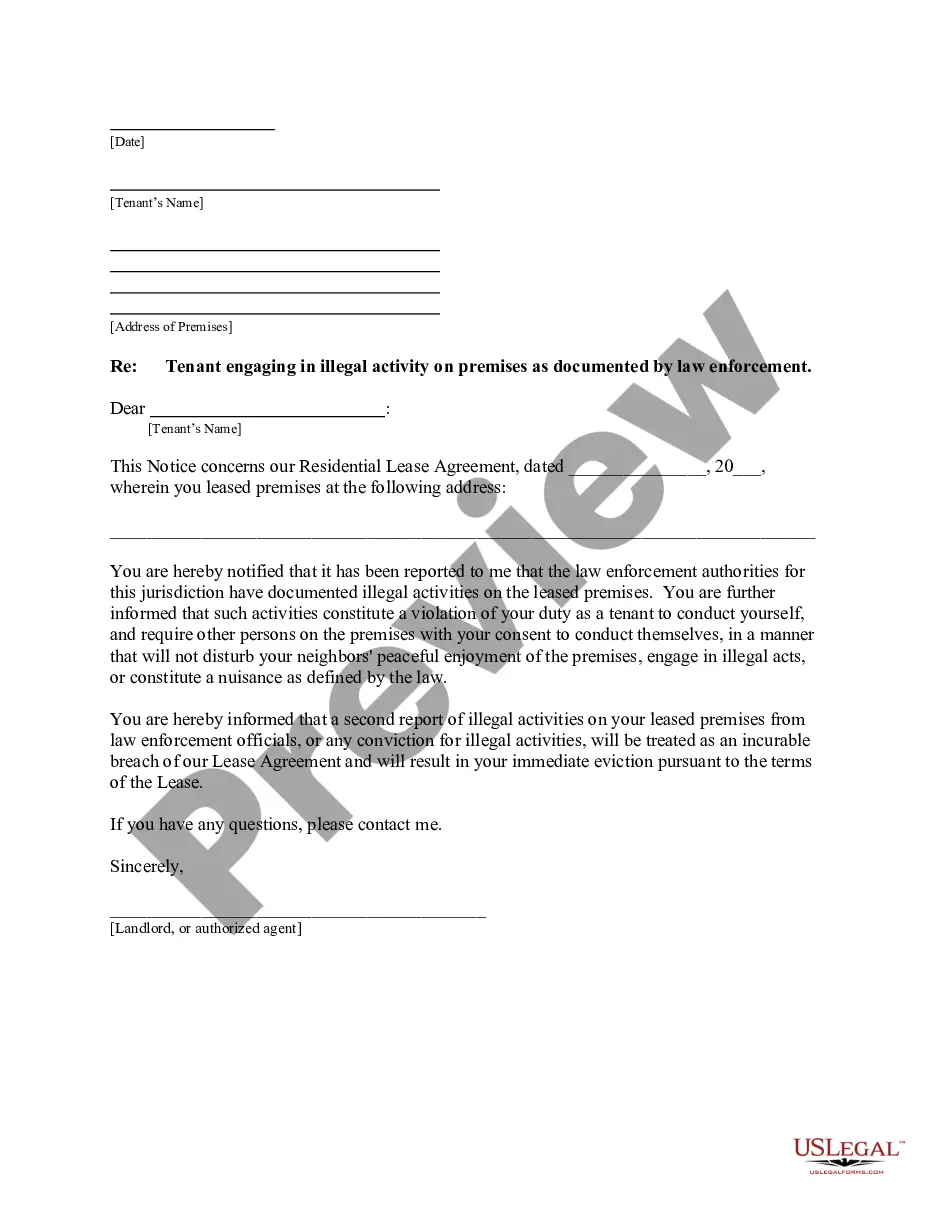
Hawaii Letter from Landlord to Tenant about Tenant engaging in illegal activity in premises as documented by law enforcement and if repeated, lease terminates
What is this form?
This letter from a landlord to a tenant serves to notify the tenant that illegal activities have been reported by law enforcement on the leased premises. Its purpose is to remind the tenant of their obligation to adhere to the rental agreement and warn them that continued violations could lead to lease termination. Unlike other forms of notice, this document specifically addresses illegal behavior as documented by law enforcement authorities.
Key components of this form
- Notification of reported illegal activities by law enforcement.
- Clarification of the tenant's obligations under the lease agreement.
- Consequences of repeated illegal activities, including potential eviction.
- Instructions for the tenant on how to respond or seek clarification.

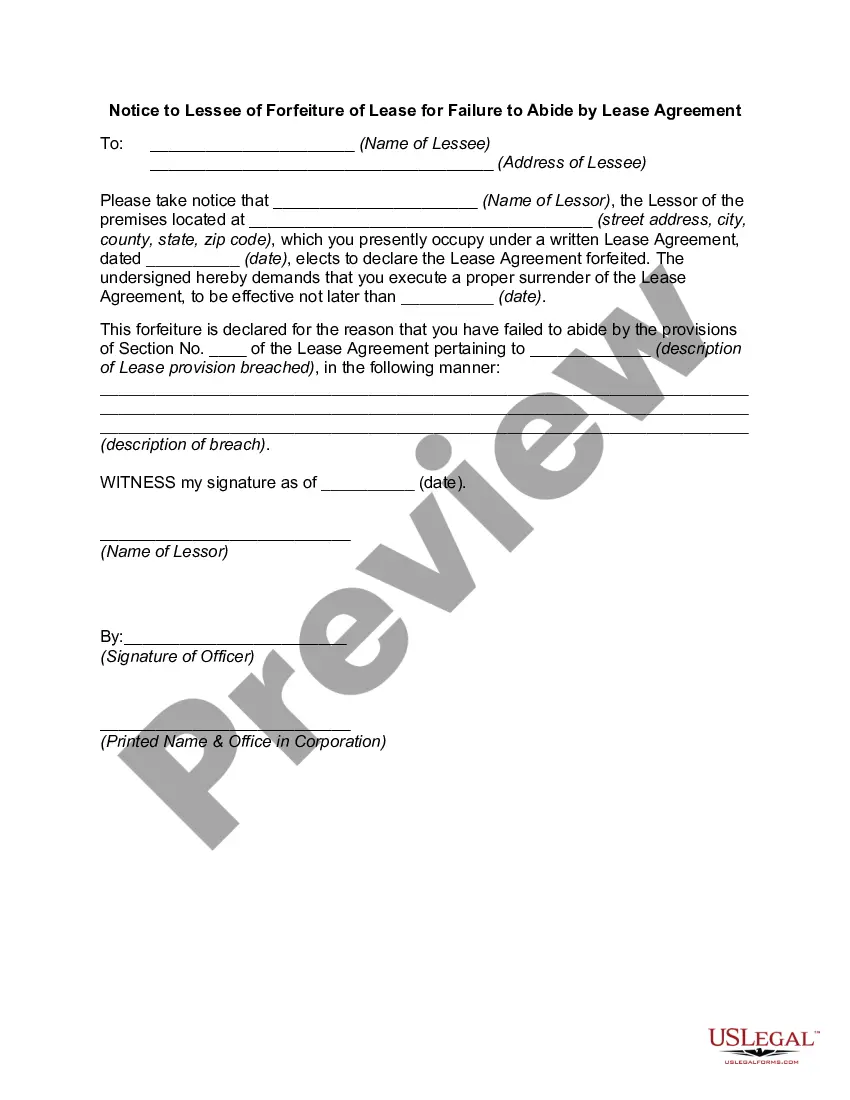
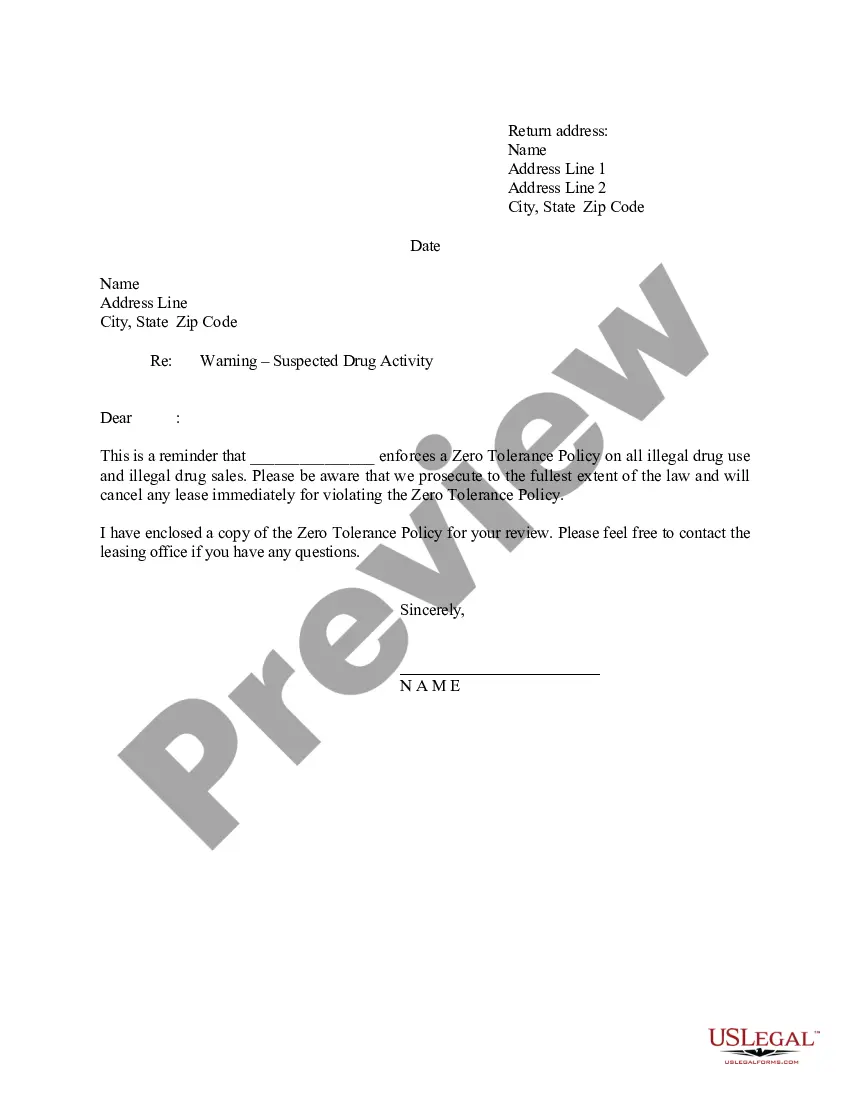
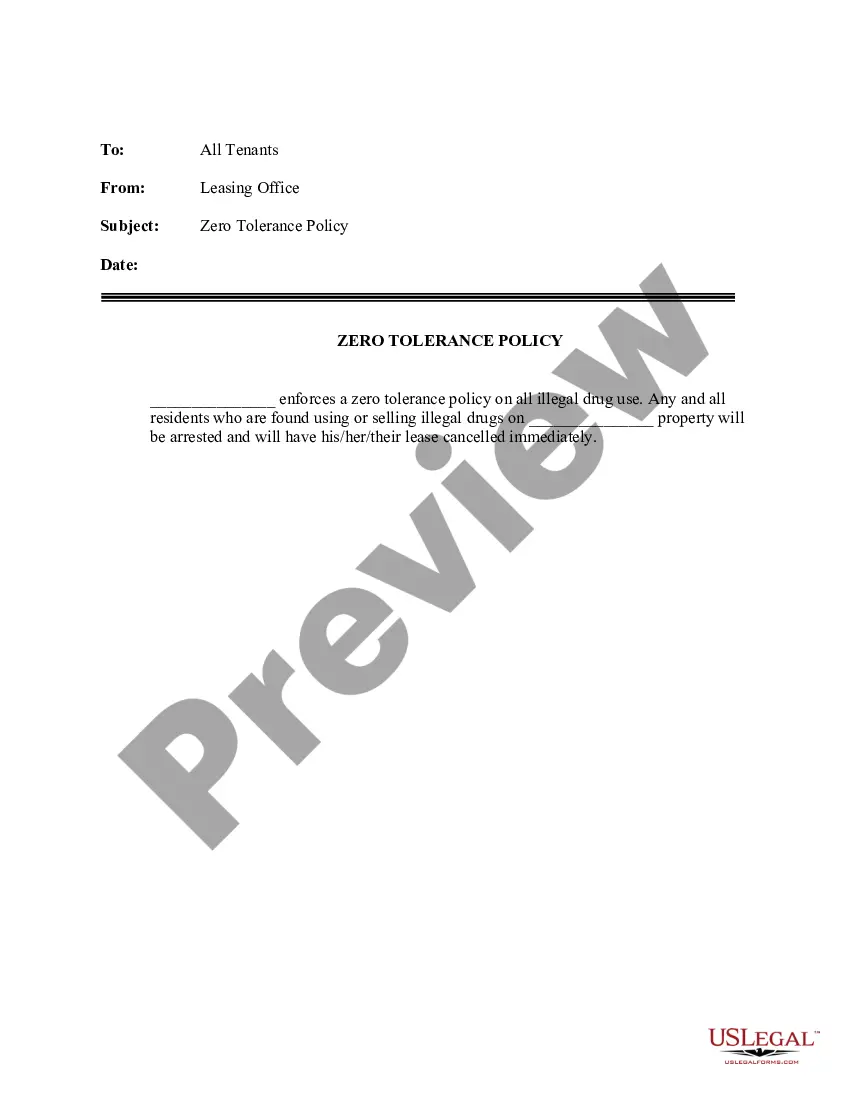
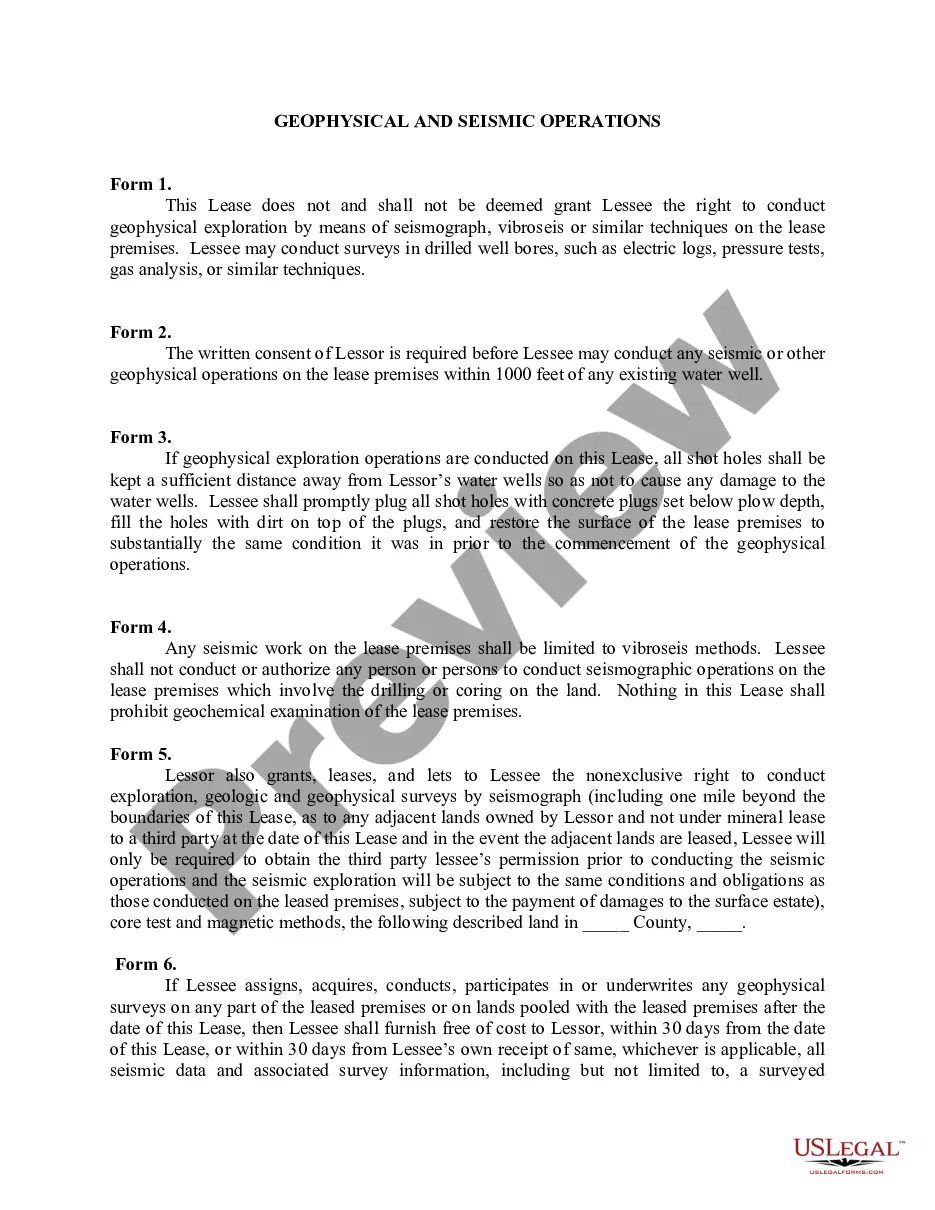
When this form is needed
This form should be used when a landlord is made aware of illegal activities occurring on their property as evidenced by reports from law enforcement. It is essential in situations where the landlord needs to formally inform the tenant of these violations and the implications of further infractions, ensuring that the tenant understands the gravity of the situation and the potential consequences.
Intended users of this form
This form is intended for landlords who have tenants engaging in illegal activities on the property. It is suitable for property owners or managers who wish to formally address these issues in order to protect their property and comply with legal standards.
- Landlords managing rental properties.
- Property managers acting on behalf of the owner.
How to complete this form
- Identify the tenant by including their full name and rental address.
- State the specific illegal activities reported by law enforcement.
- Clearly outline the consequences for further illegal activities, including lease termination.
- Provide your contact information for any questions the tenant may have.
- Sign and date the letter to validate the notice.
Notarization requirements for this form
This form usually doesn’t need to be notarized. However, local laws or specific transactions may require it. Our online notarization service, powered by Notarize, lets you complete it remotely through a secure video session, available 24/7.
Get your form ready online
Our built-in tools help you complete, sign, share, and store your documents in one place.
Make edits, fill in missing information, and update formatting in US Legal Forms—just like you would in MS Word.
Download a copy, print it, send it by email, or mail it via USPS—whatever works best for your next step.
Sign and collect signatures with our SignNow integration. Send to multiple recipients, set reminders, and more. Go Premium to unlock E-Sign.
If this form requires notarization, complete it online through a secure video call—no need to meet a notary in person or wait for an appointment.
We protect your documents and personal data by following strict security and privacy standards.

Make edits, fill in missing information, and update formatting in US Legal Forms—just like you would in MS Word.

Download a copy, print it, send it by email, or mail it via USPS—whatever works best for your next step.

Sign and collect signatures with our SignNow integration. Send to multiple recipients, set reminders, and more. Go Premium to unlock E-Sign.

If this form requires notarization, complete it online through a secure video call—no need to meet a notary in person or wait for an appointment.

We protect your documents and personal data by following strict security and privacy standards.
Mistakes to watch out for
- Failing to document illegal activities before sending the letter.
- Not providing a clear deadline for the tenant to respond.
- Omitting relevant details regarding the lease agreement.
- Using unclear or ambiguous language that may confuse the tenant.
Why complete this form online
- Convenience of instant download and printing.
- Editability ensures you can customize the letter to your needs.
- Templates drafted by licensed attorneys for reliability.
- Accessible guidance for landlords unfamiliar with legal terminology.
Legal use & context
- This letter serves as formal notice, ensuring the landlord meets legal obligations regarding tenant conduct.
- May be used as evidence in court if eviction proceedings are necessary.
- Helps establish a record of communication regarding tenant violations.
Quick recap
- A clear notification letter is essential when addressing illegal tenant behavior.
- Failure to act may lead to further legal complications for the landlord.
- Understanding state laws regarding tenant rights is crucial for effective property management.
Looking for another form?
Form popularity
FAQ
To write a letter to your landlord about breaking a lease, clearly explain your reasons and provide valid details. Include your lease information, any relevant documentation, and the date you plan to vacate the property. Be polite and professional, as this will help maintain a good relationship, particularly if future correspondence involves issues like a Hawaii Letter from Landlord to Tenant about Tenant engaging in illegal activity in premises as documented by law enforcement and if repeated, lease terminates.
Renters' rights in Hawaii provide tenants with protections against unfair treatment, illegal eviction, and unsafe living conditions. Tenants have the right to live in habitable spaces and can request repairs from landlords. Understanding these rights is crucial, especially if you receive a Hawaii Letter from Landlord to Tenant about Tenant engaging in illegal activity in premises as documented by law enforcement and if repeated, lease terminates.
Landlord negligence refers to the failure of a landlord to provide a safe and habitable living environment for tenants. This can include neglecting necessary repairs, failing to comply with health and safety laws, or ignoring tenant complaints. If you encounter such issues, you might need to document your concerns and potentially seek a Hawaii Letter from Landlord to Tenant about Tenant engaging in illegal activity in premises as documented by law enforcement and if repeated, lease terminates.
When writing a violation letter to a tenant, clearly state the specific violation, referencing the lease terms that were breached. Use concise language and include a request for the tenant to address the issue within a certain timeframe. It may be essential to include a note that explains that engaging in illegal activities on the premises could lead to a Hawaii Letter from Landlord to Tenant about Tenant engaging in illegal activity in premises as documented by law enforcement and if repeated, lease terminates.
To report a landlord in Hawaii, collect documentation related to the issue, whether it be unsafe living conditions or illegal eviction practices. You can contact the local housing authority or the State of Hawaii’s Office of Consumer Protection for assistance. Providing clear evidence helps address the matter effectively, especially if it involves a Hawaii Letter from Landlord to Tenant about Tenant engaging in illegal activity in premises as documented by law enforcement and if repeated, lease terminates.
If you need to report a landlord in Hawaii, start by gathering any evidence of their misconduct. You can file a complaint with the Hawaii Office of Consumer Protection, which oversees landlord-tenant issues. Ensure that you provide details of the situation, including the Hawaii Letter from Landlord to Tenant about Tenant engaging in illegal activity in premises as documented by law enforcement and if repeated, lease terminates.
Start your letter with your name and address, specifying the date. Clearly articulate your complaint, referencing the specific issues, such as illegal activities occurring on the premises. It’s crucial to remain factual and objective, indicating your expectation for prompt resolution. If unsure about the format, UsLegalForms provides helpful templates you can adapt.
In Hawaii, a landlord must provide a minimum notice of 5 days for tenants engaging in illegal activity. If the behavior is severe, such as criminal actions, the notice period can be shorter. For regular leases, landlords typically give 30 days notice for non-renewal. Ensure your communication reflects these regulations to avoid complications.
To write a letter of tenancy termination, begin with your name and address, followed by the date. Clearly state that the letter serves as notice for termination of tenancy due to illegal activities documented by law enforcement. Include specific details about the incidents and remind the tenant that repeating such actions will lead to lease termination under Hawaiian law. For ease of use, consider utilizing the resources available on UsLegalForms to craft a legally sound letter.
To write a warning letter for a tenant, begin by addressing the letter to the tenant directly. Clearly state the illegal activity that has been documented by law enforcement, using specific details to outline the incident. Emphasize that continued engagement in such activities may lead to termination of the lease, referencing the Hawaii Letter from Landlord to Tenant about Tenant engaging in illegal activity in premises as documented by law enforcement and if repeated, lease terminates. Finally, offer the tenant an opportunity to discuss the matter further, ensuring they understand the seriousness of the situation.