Georgia Power of Attorney for Care and Custody of Child or Children
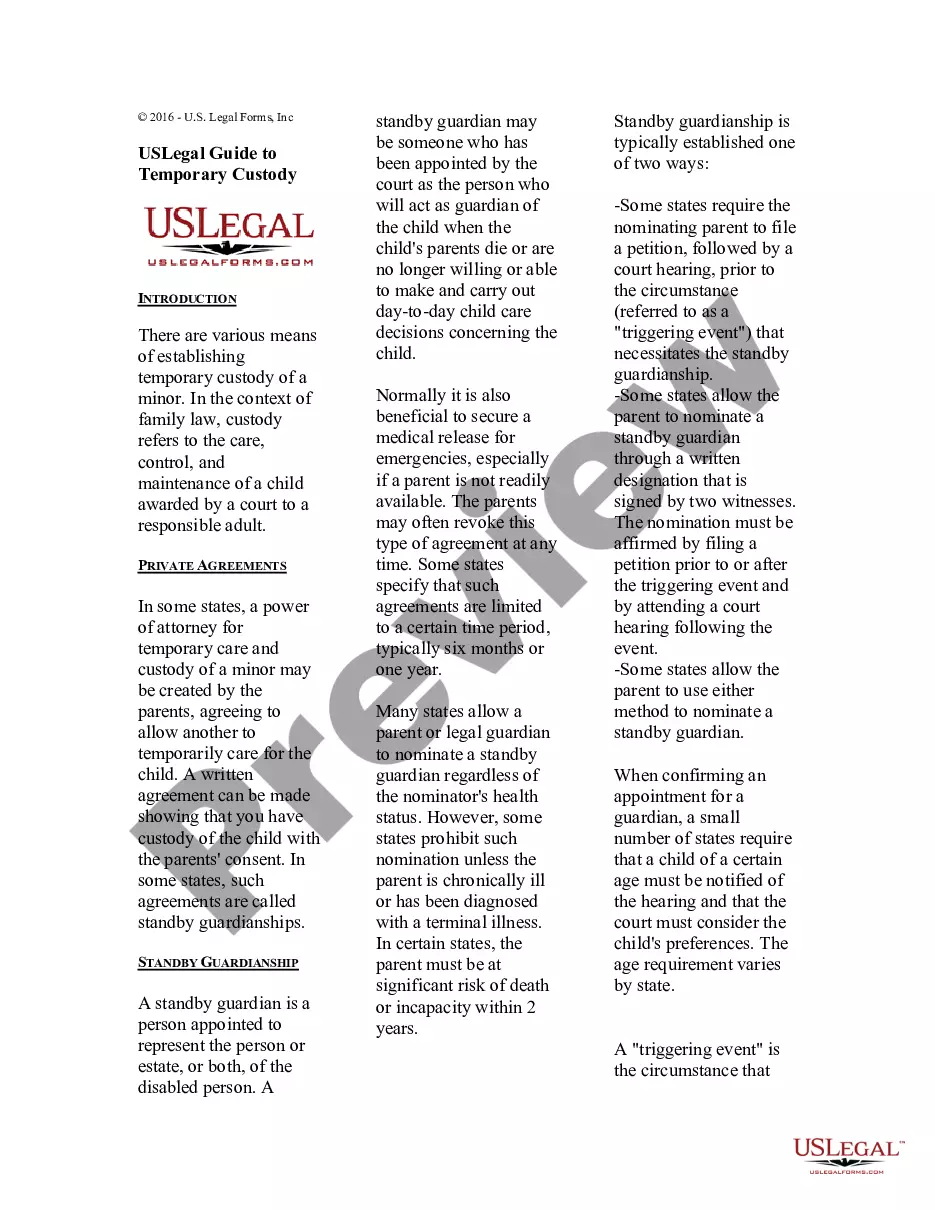
About this form
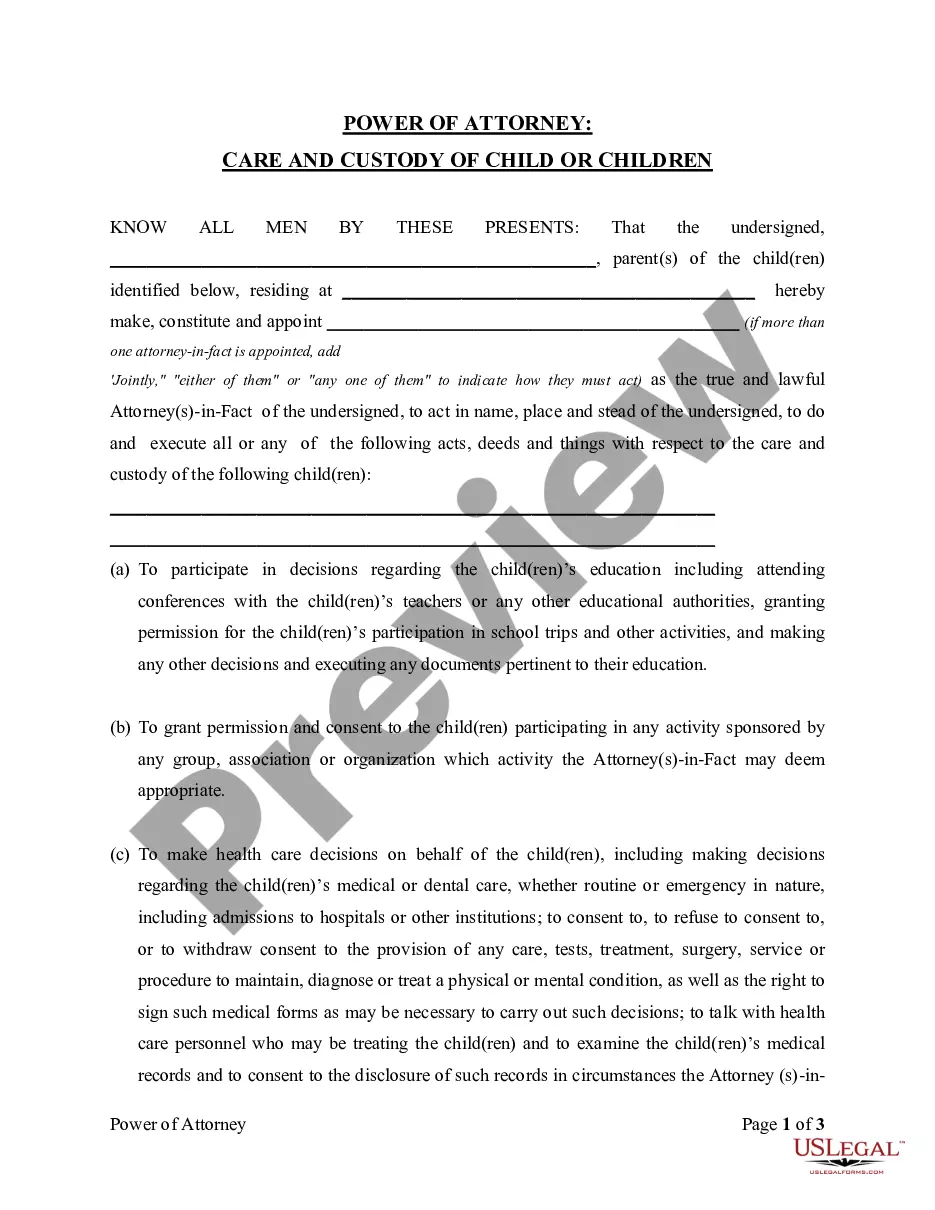
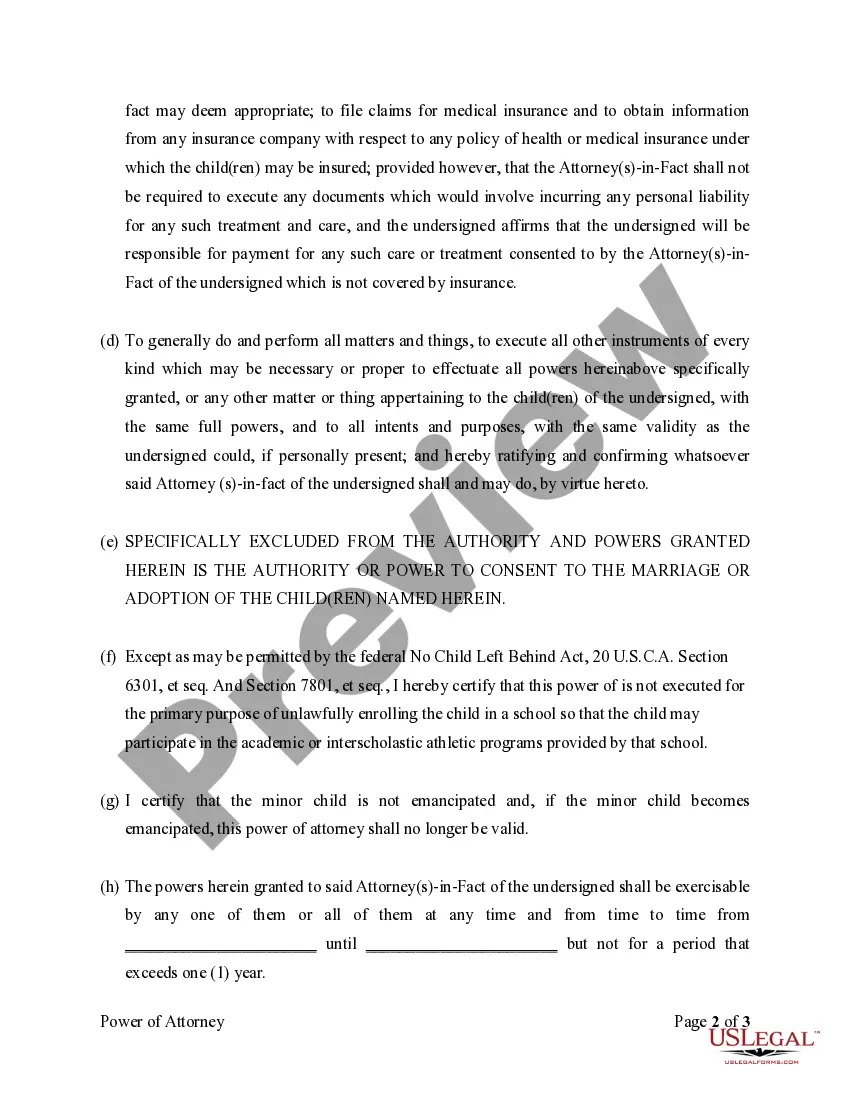
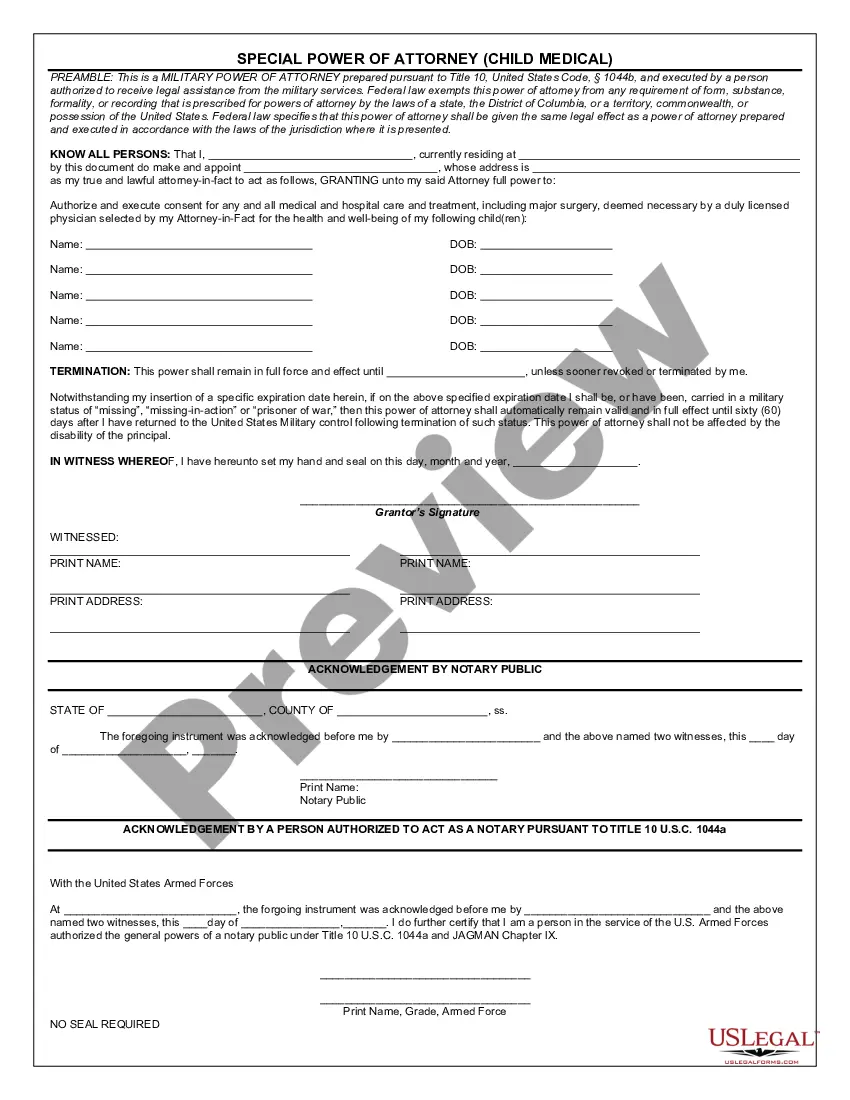
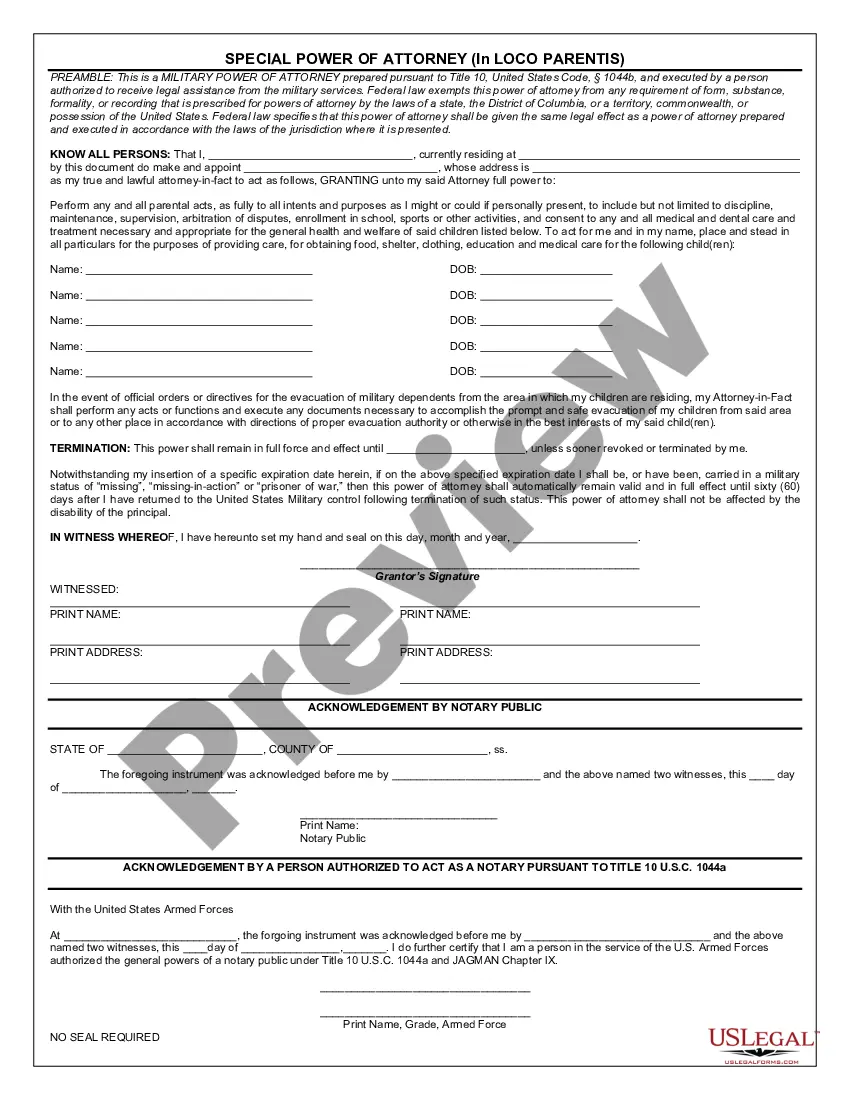
The Power of Attorney for Care and Custody of Child or Children is a legal document that allows a parent or guardian to appoint an attorney-in-fact to make decisions regarding the care and custody of their child or children. This form specifically empowers the designated individual to handle educational and health care decisions on behalf of the minor, differing from traditional power of attorney forms which are often used for financial matters. This ensures that designated individuals can act in the best interest of the child during the specified timeframe.
Form components explained
- Identification of the child or children covered by the power of attorney.
- Full names of the parent(s) granting power and the attorney(s)-in-fact appointed.
- Specific powers granted to the attorney-in-fact, including decisions about education and healthcare.
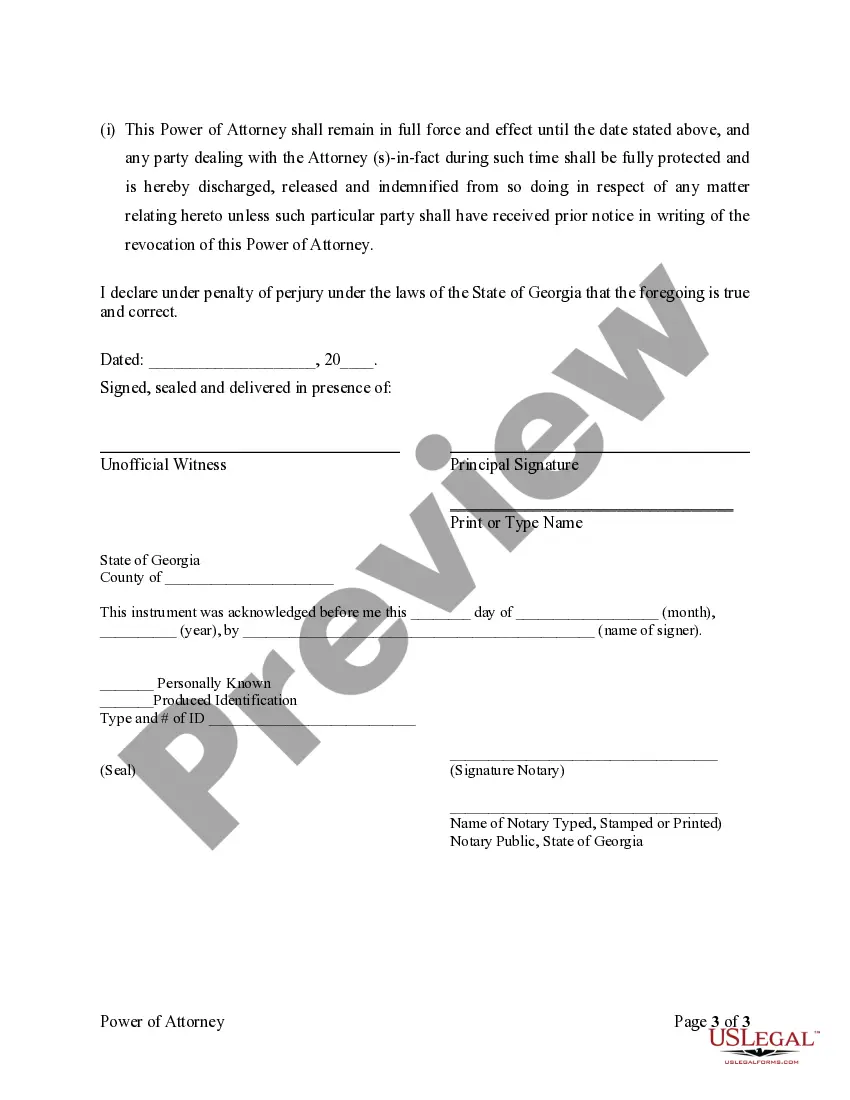
- Duration of the authority granted, limiting it to a maximum of one year.
- Notarization requirement for the signature of the parent(s).
- A declaration confirming the accuracy of the information and compliance with applicable laws.
Situations where this form applies
This form is useful in various situations, such as when a parent needs to temporarily delegate child care responsibilities while traveling, when both parents are unavailable, or when one parent is unable to make immediate decisions due to other obligations. It can also be used in situations where a parent wants to ensure that trusted individuals can make healthcare or educational decisions for their child in their absence.
Who this form is for
This form is intended for:
- Parents who wish to designate someone else to care for their children.
- Guardians who need to manage the care and decisions for minor children.
- Anyone wanting to prepare for potential future situations where they might be unable to make decisions for their child.
Steps to complete this form
- Identify the child or children by entering their full names in the designated section.
- Provide your full legal name and residential address as the parent(s) granting this power.
- Enter the full name(s) of the attorney(s)-in-fact and specify how they may act (jointly or individually).
- State the duration for which this power of attorney will be valid, ensuring it does not exceed one year.
- Sign the document in the presence of a notary public to validate it.
Notarization guidance
To make this form legally binding, it must be notarized. Our online notarization service, powered by Notarize, lets you verify and sign documents remotely through an encrypted video session.
Get your form ready online
Our built-in tools help you complete, sign, share, and store your documents in one place.
Make edits, fill in missing information, and update formatting in US Legal Forms—just like you would in MS Word.
Download a copy, print it, send it by email, or mail it via USPS—whatever works best for your next step.
Sign and collect signatures with our SignNow integration. Send to multiple recipients, set reminders, and more. Go Premium to unlock E-Sign.
If this form requires notarization, complete it online through a secure video call—no need to meet a notary in person or wait for an appointment.
We protect your documents and personal data by following strict security and privacy standards.

Make edits, fill in missing information, and update formatting in US Legal Forms—just like you would in MS Word.

Download a copy, print it, send it by email, or mail it via USPS—whatever works best for your next step.

Sign and collect signatures with our SignNow integration. Send to multiple recipients, set reminders, and more. Go Premium to unlock E-Sign.

If this form requires notarization, complete it online through a secure video call—no need to meet a notary in person or wait for an appointment.

We protect your documents and personal data by following strict security and privacy standards.
Mistakes to watch out for
- Failing to have the document notarized, which is a requirement for validity.
- Not including the full names and details of the child or children.
- Leaving the duration of power blank or exceeding the one-year limit.
Benefits of completing this form online
- Convenience of downloading and printing the form from home.
- Editability to customize the document according to your specific needs.
- Access to reliable legal templates drafted by licensed attorneys.
Legal use & context
- This form empowers another person to make important decisions for a child, promoting their welfare when the parent is unavailable.
- It should not be used to circumvent legal requirements or to make decisions that could significantly impact the child's future without proper oversight.
Quick recap
- The Power of Attorney for Care and Custody is crucial for parents needing someone else to manage their child's care temporarily.
- Ensure the document is completely filled out and notarized for it to be effective.
- Review and understand the powers being granted to avoid potential legal issues.
Looking for another form?
Form popularity
FAQ
In Georgia, a power of attorney does not need to be filed with the court for it to be valid. However, if you are using a Georgia Power of Attorney for Care and Custody of Child or Children, it is advisable to keep this document accessible for reference, especially when dealing with schools or medical facilities. Filing the document may enhance its credibility, but it's not a legal requirement. You can utilize platforms like uslegalforms to create a power of attorney that meets all necessary guidelines.
A legal power of attorney cannot make personal decisions regarding marriage, divorce, or adoption for a child. Additionally, they cannot make medical decisions that require consent if the individual is unable to communicate. It is essential to understand the limitations of a Georgia Power of Attorney for Care and Custody of Child or Children. Consulting a legal platform like USLegalForms can help clarify these boundaries and assist you in making informed choices.
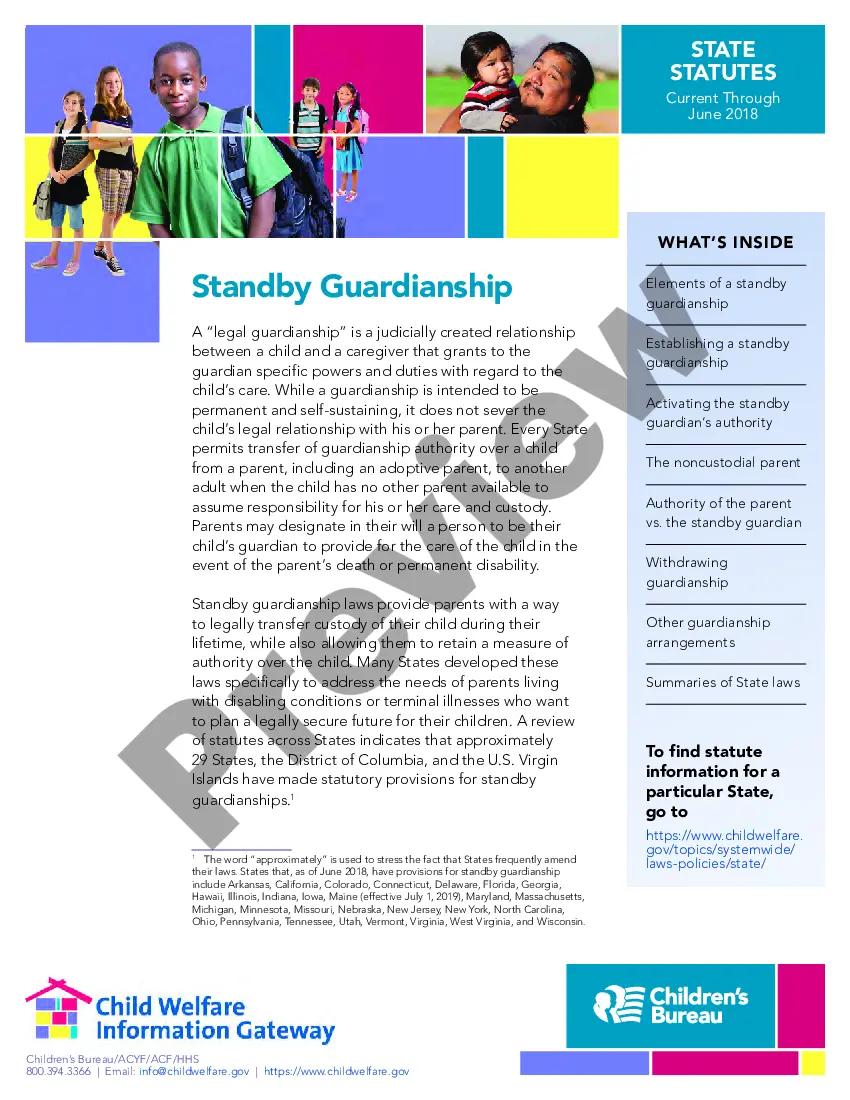
Power of attorney grants a person the authority to make decisions for a child, while guardianship provides legal custody and responsibility for the child’s well-being. With a Georgia Power of Attorney for Care and Custody of Child or Children, the agent may be able to act on behalf of the parents without assuming full guardianship. Guardianship requires a court process and establishes more permanent rights. Each option should be considered carefully based on the specific needs of your situation.
Yes, a power of attorney can be used for custody arrangements, particularly with a Georgia Power of Attorney for Care and Custody of Child or Children. This legal document allows a designated individual to make decisions regarding a child's care and welfare. It is important to ensure that the power of attorney clearly outlines the extent of authority being granted. Consulting with a legal expert can help you navigate this process effectively.
The four main types of power of attorney are general power of attorney, limited power of attorney, durable power of attorney, and medical power of attorney. Each type serves a specific purpose and provides different levels of authority. A general power of attorney allows broad authority, while a limited power of attorney restricts authority to specific tasks. Understanding these distinctions is essential when considering a Georgia Power of Attorney for Care and Custody of Child or Children.
To write a Georgia Power of Attorney for Care and Custody of Child or Children, you should begin by clearly stating your intent to designate someone as your child's legal caregiver. Include essential details such as your child's name, the name of the designated caregiver, and the specific powers you wish to grant. It is important to have the document signed in front of a notary to ensure its legality. If you prefer a straightforward process, consider using a reliable platform like US Legal Forms, which provides templates designed for your specific needs.
To become a guardian or conservator, you must file a petition with the local probate court where your loved one currently resides. The proposed ward (the person for whom guardianship is sought) will be informed of the petition and given the opportunity to hire his or her own lawyer.
1 attorney answer But no, a power of attorney is not somehow going to constitute or override a custody order, and as a non-parent, he doesn't have any standing to contest custody unless your daughter's been with him (and him alone, not with her mom...
Estates: $57.00. Adult Guardianship and/or Conservatorship: $77.00. Minor Guardianship and/or Conservatorship: $30.00.
A power of attorney and a guardianship are tools that help someone act in your stead if you become incapacitated. With a power of attorney, you choose who you want to act for you. In a guardianship proceeding, the court chooses who will act as guardian.