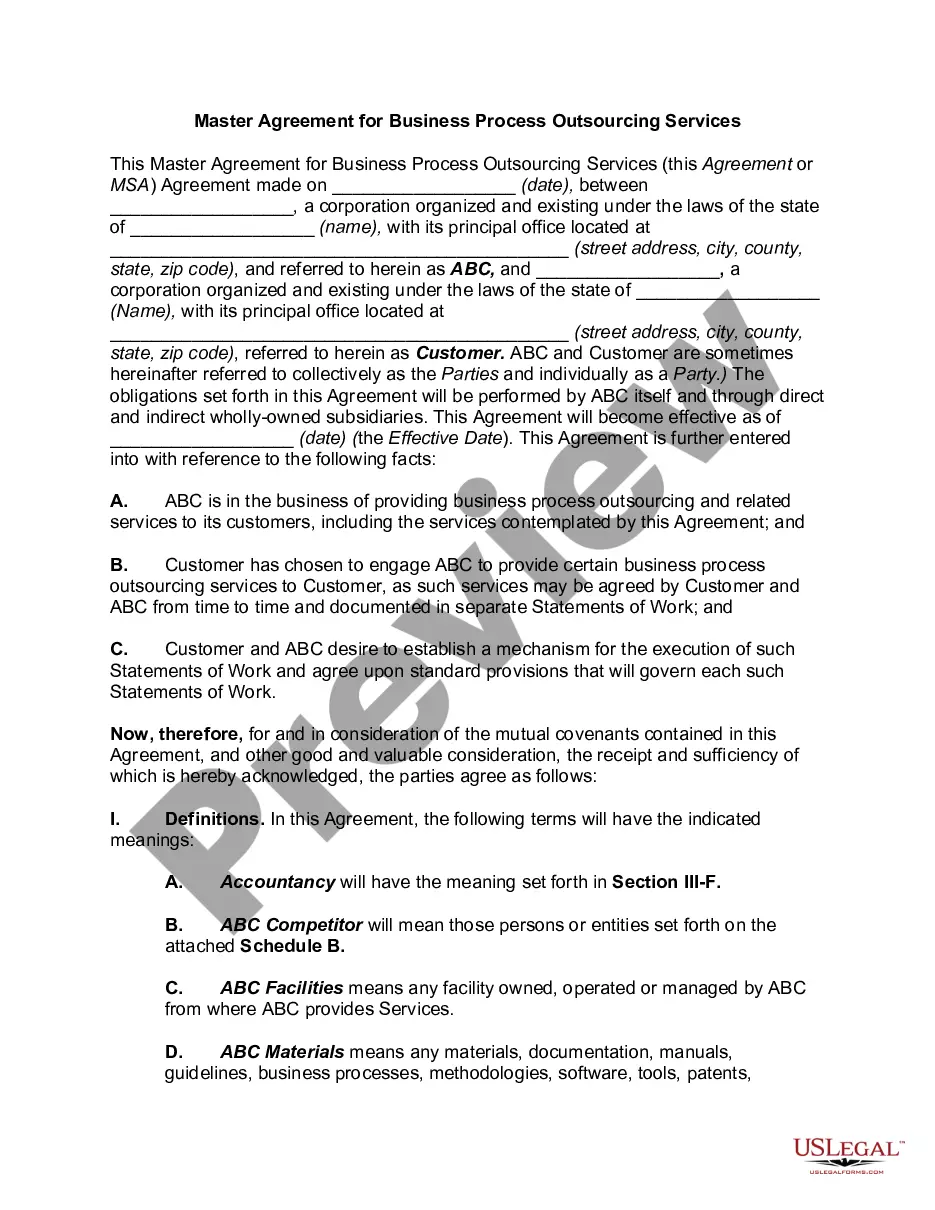
Georgia Letter from Landlord to Tenant about Tenant engaging in illegal activity in premises as documented by law enforcement and if repeated, lease terminates
About this form
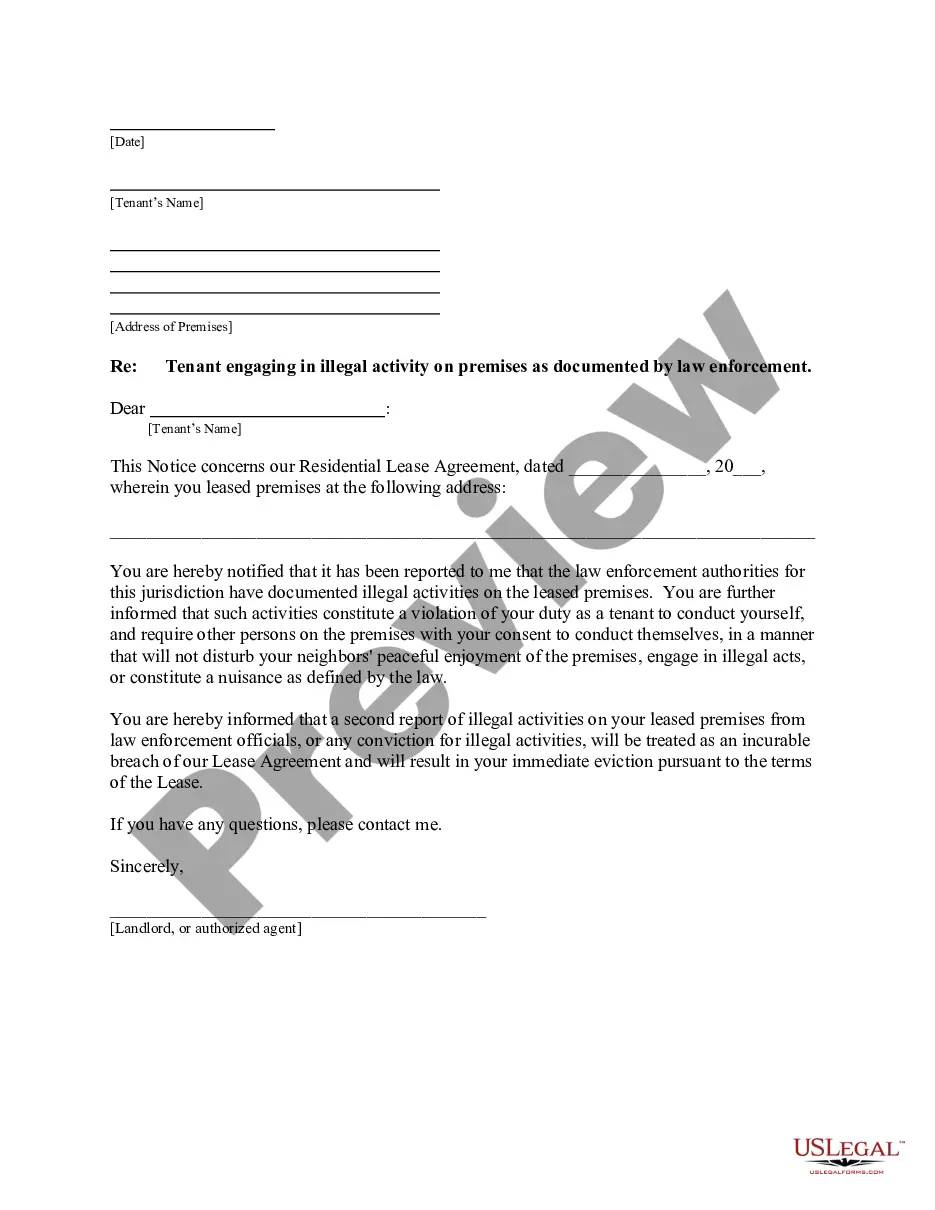
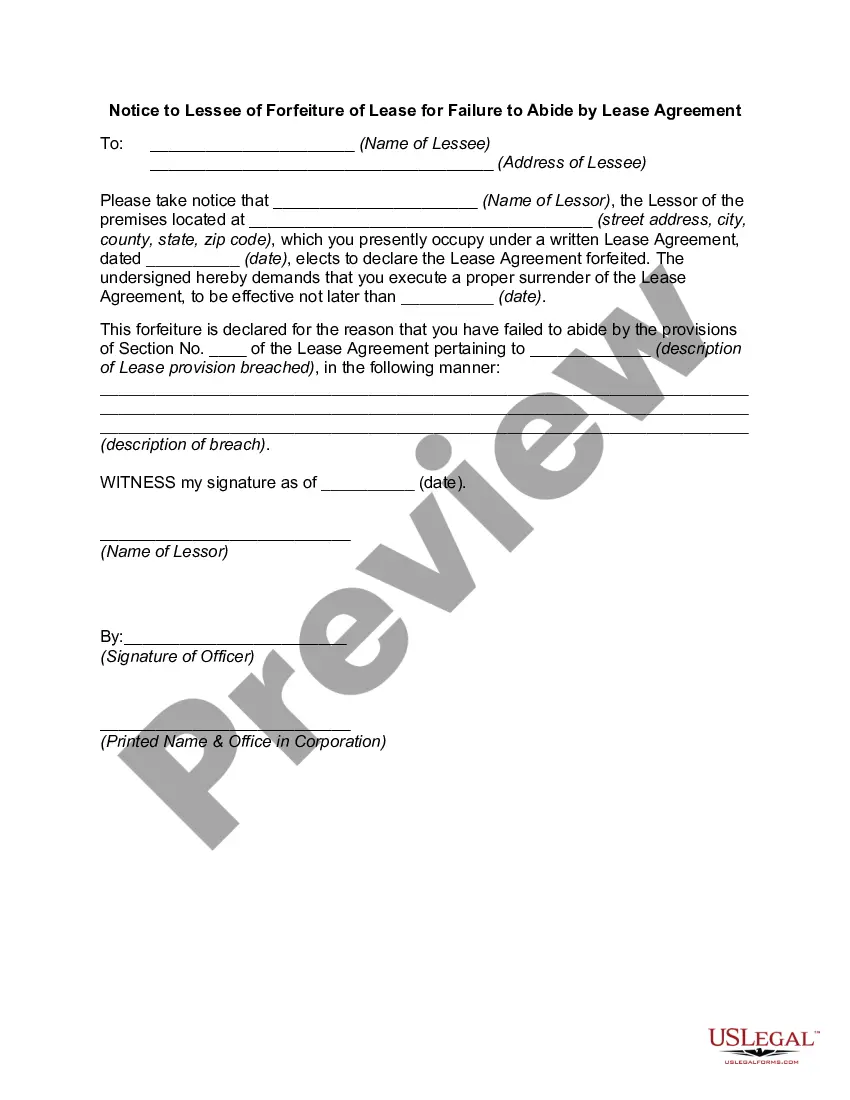
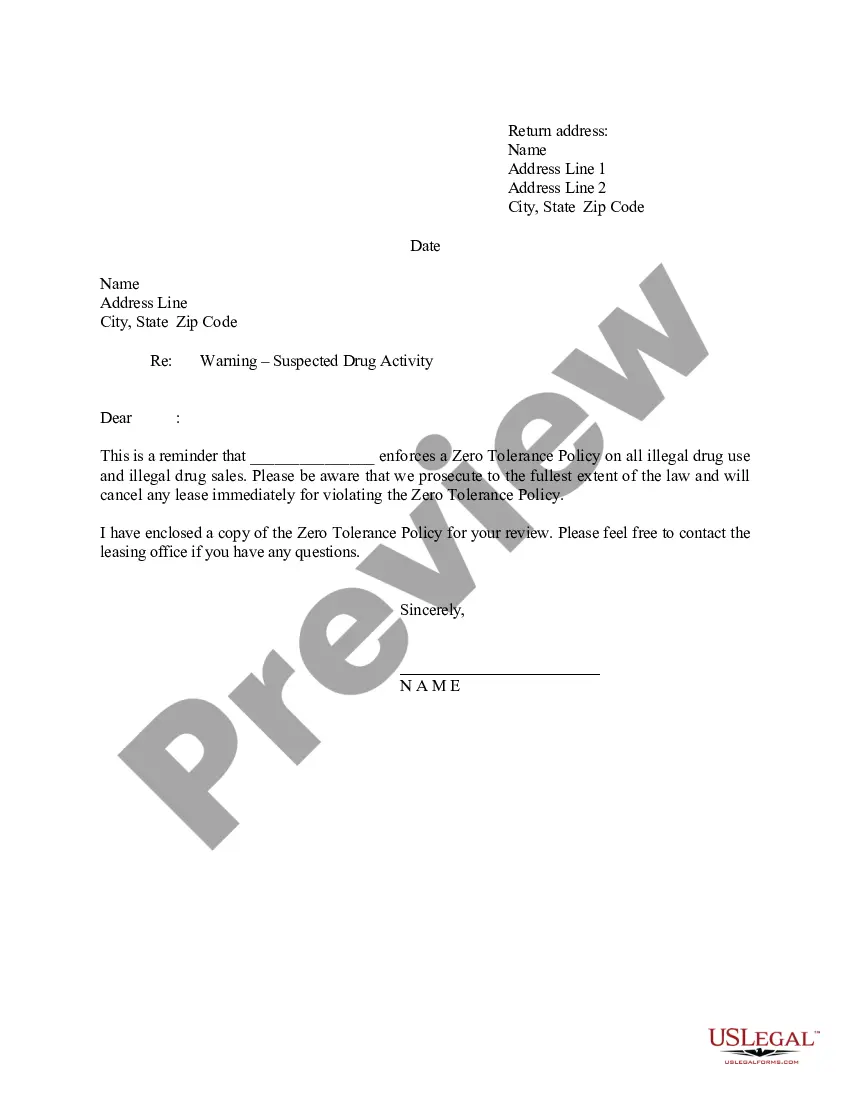
This is a letter from the landlord to the tenant, addressing illegal activity occurring on the leased property as documented by law enforcement. The purpose of this Letter from Landlord to Tenant is to formally notify the tenant of the illegal activities, demand that they cease such activities, and outline the consequences of failing to comply, including potential eviction. This form is essential in ensuring that tenants understand the seriousness of their actions and the implications for their lease agreement.
Form components explained
- Notification of illegal activities documented by law enforcement
- Clarification of tenant responsibilities regarding conduct
- Consequences of repeat offenses, including possible lease termination
- Contact information for further inquiries

Common use cases
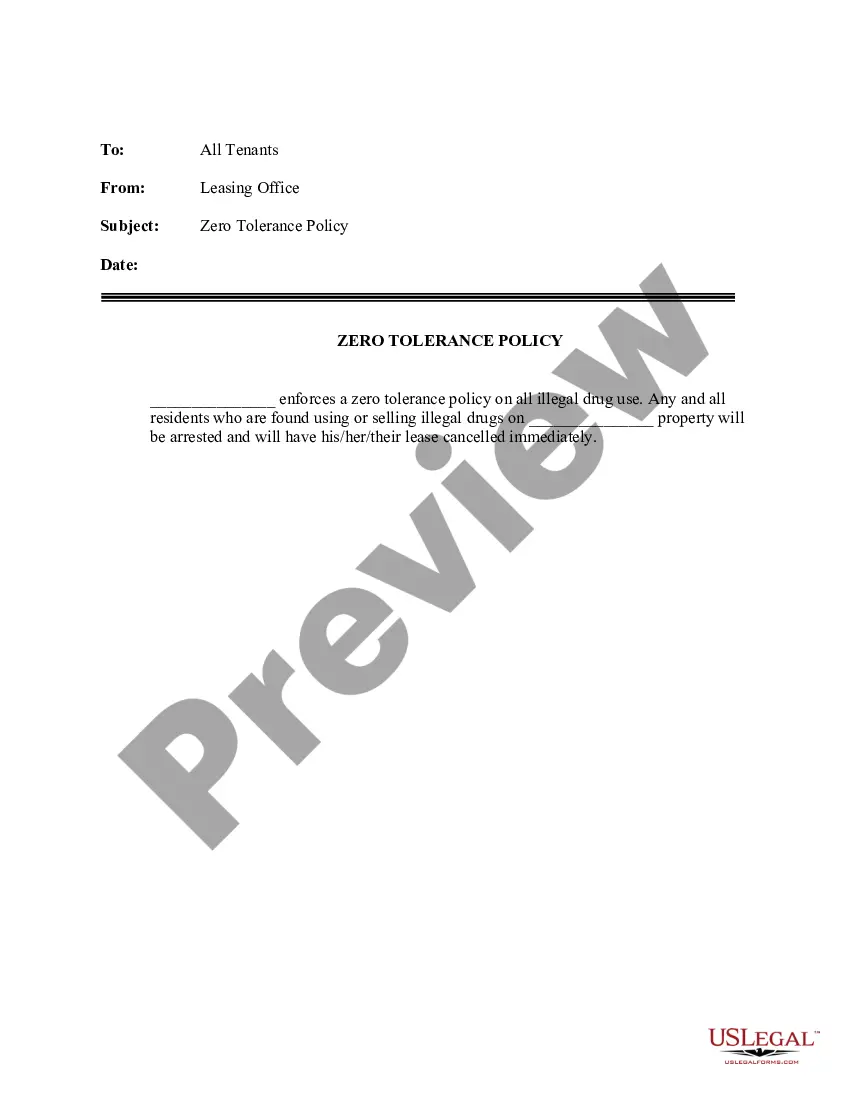
This form should be used when a landlord has received reports or documentation from law enforcement regarding illegal activities taking place in the rental property. It serves as a formal notice to the tenant that such behavior must cease immediately to avoid further legal action or lease termination. Common scenarios include drug-related activities, vandalism, or other unlawful acts that disrupt the peace of the community.
Intended users of this form
This form is intended for:
- Landlords who discover that a tenant is engaging in illegal activities on their property
- Property managers acting on behalf of a landlord
- Landlords who need to document a formal warning prior to lease termination
Completing this form step by step
- Identify the parties involved: Include the landlord's and tenant's names and addresses.
- Specify the property: Include the address of the leased premises.
- Document the illegal activities: State the nature of the reported illegal activity as noted by law enforcement.
- Sign and date the letter: Provide your signature and the date of issuance.
- Include any additional information: Offer contact details for the tenant to reach out with questions.
Does this document require notarization?
Notarization is generally not required for this form. However, certain states or situations might demand it. You can complete notarization online through US Legal Forms, powered by Notarize, using a verified video call available anytime.
Get your form ready online
Our built-in tools help you complete, sign, share, and store your documents in one place.
Make edits, fill in missing information, and update formatting in US Legal Forms—just like you would in MS Word.
Download a copy, print it, send it by email, or mail it via USPS—whatever works best for your next step.
Sign and collect signatures with our SignNow integration. Send to multiple recipients, set reminders, and more. Go Premium to unlock E-Sign.
If this form requires notarization, complete it online through a secure video call—no need to meet a notary in person or wait for an appointment.
We protect your documents and personal data by following strict security and privacy standards.

Make edits, fill in missing information, and update formatting in US Legal Forms—just like you would in MS Word.

Download a copy, print it, send it by email, or mail it via USPS—whatever works best for your next step.

Sign and collect signatures with our SignNow integration. Send to multiple recipients, set reminders, and more. Go Premium to unlock E-Sign.

If this form requires notarization, complete it online through a secure video call—no need to meet a notary in person or wait for an appointment.

We protect your documents and personal data by following strict security and privacy standards.
Mistakes to watch out for
- Failing to provide adequate details of the illegal activities reported.
- Not including all parties' names and correct property address.
- Inaccurate or unclear information regarding the consequences of repeat offenses.
Advantages of online completion
- Convenience of immediate access: Download and customize the form at your convenience.
- Editability: Tailor the content to fit specific situations easily.
- Reliability: Use forms prepared by licensed attorneys, ensuring compliance with legal standards.
Looking for another form?


Form popularity
FAQ
Rental applications should not include questions about a tenant's age, national origin, or disability status. These inquiries can infringe on tenant rights and violate fair housing laws. Stick to questions about financial and rental background for compliance and professionalism. Always maintain transparency and clarity, especially when discussing serious matters such as a Georgia Letter from Landlord to Tenant about Tenant engaging in illegal activity in premises as documented by law enforcement and if repeated, lease terminates.
You can ask prospective tenants about their monthly income, employment stability, and prior rental references. These inquiries provide insight into the tenant's financial responsibility. It's also helpful to query about their lifestyle and any pets, as this can affect your property. If legal issues arise, a Georgia Letter from Landlord to Tenant about Tenant engaging in illegal activity in premises as documented by law enforcement and if repeated, lease terminates will guide the actions you may need to take.
Landlords can inquire about a tenant's rental history, income, and employment status. These questions help determine a tenant's ability to meet lease obligations. Additionally, landlords may ask about the number of occupants and the purpose of the tenancy. Addressing concerns related to illegal activities is critical; therefore, a Georgia Letter from Landlord to Tenant about Tenant engaging in illegal activity in premises as documented by law enforcement and if repeated, lease terminates is relevant.
When speaking with a potential landlord, avoid making overly negative comments about previous rental experiences. This can give the wrong impression and raise red flags about your reliability as a tenant. Additionally, steer clear of making demands that come off as entitled; instead, focus on fostering a positive dialogue. Ensure that your communications reflect your commitment to being a responsible tenant under the terms of a Georgia Letter from Landlord to Tenant about Tenant engaging in illegal activity in premises as documented by law enforcement and if repeated, lease terminates.
Landlords should avoid asking prospective tenants about their race, religion, or marital status. These questions can violate fair housing laws and may lead to discrimination claims. Instead, focus on questions related to rental history and financial stability. Remember that a Georgia Letter from Landlord to Tenant about Tenant engaging in illegal activity in premises as documented by law enforcement and if repeated, lease terminates can be issued after valid rental agreements are in place.
A breach of lease occurs when either party fails to fulfill their obligations as set forth in the lease agreement. Common examples include non-payment of rent, unauthorized alterations to the property, or engaging in illegal activities. Landlords may document these issues through a Georgia Letter from Landlord to Tenant about Tenant engaging in illegal activity in premises as documented by law enforcement and if repeated, lease terminates. Understanding these factors is critical for both tenants and landlords.
To fight a lease violation, a tenant should start by reviewing the lease agreement for clarity on the terms. Document all relevant evidence that supports your position and consider discussing the matter with the landlord to reach a resolution. In scenarios involving claims like a Georgia Letter from Landlord to Tenant about Tenant engaging in illegal activity in premises as documented by law enforcement and if repeated, lease terminates, it is wise to seek legal advice to understand your rights and obligations.
The most common action taken by landlords against tenants in breach of contract is to issue a notice to cure or quit, allowing the tenant a specific time frame to remedy the violation. If the tenant fails to comply, the landlord may initiate eviction proceedings. In cases involving a Georgia Letter from Landlord to Tenant about Tenant engaging in illegal activity in premises as documented by law enforcement and if repeated, lease terminates, landlords often move swiftly to protect their interests.
To write a violation letter to a tenant, clearly state the violation and refer to the specific lease provision that has been breached. Use concise language, and include details such as dates and any law enforcement involvement, particularly regarding a Georgia Letter from Landlord to Tenant about Tenant engaging in illegal activity in premises as documented by law enforcement and if repeated, lease terminates. Lastly, outline the next steps the tenant must take to remedy the situation.
To sue an apartment complex for breach of contract, first gather all relevant documents, including the lease agreement and any correspondence related to the issue. Next, consider reaching out to the landlord to resolve the matter amicably. If that fails, file a claim in small claims court or consult an attorney. It is essential to understand your rights under Georgia laws, especially in contexts involving a Georgia Letter from Landlord to Tenant about Tenant engaging in illegal activity in premises as documented by law enforcement and if repeated, lease terminates.