Georgia Quitclaim Deed from Corporation to Corporation
Overview of this form
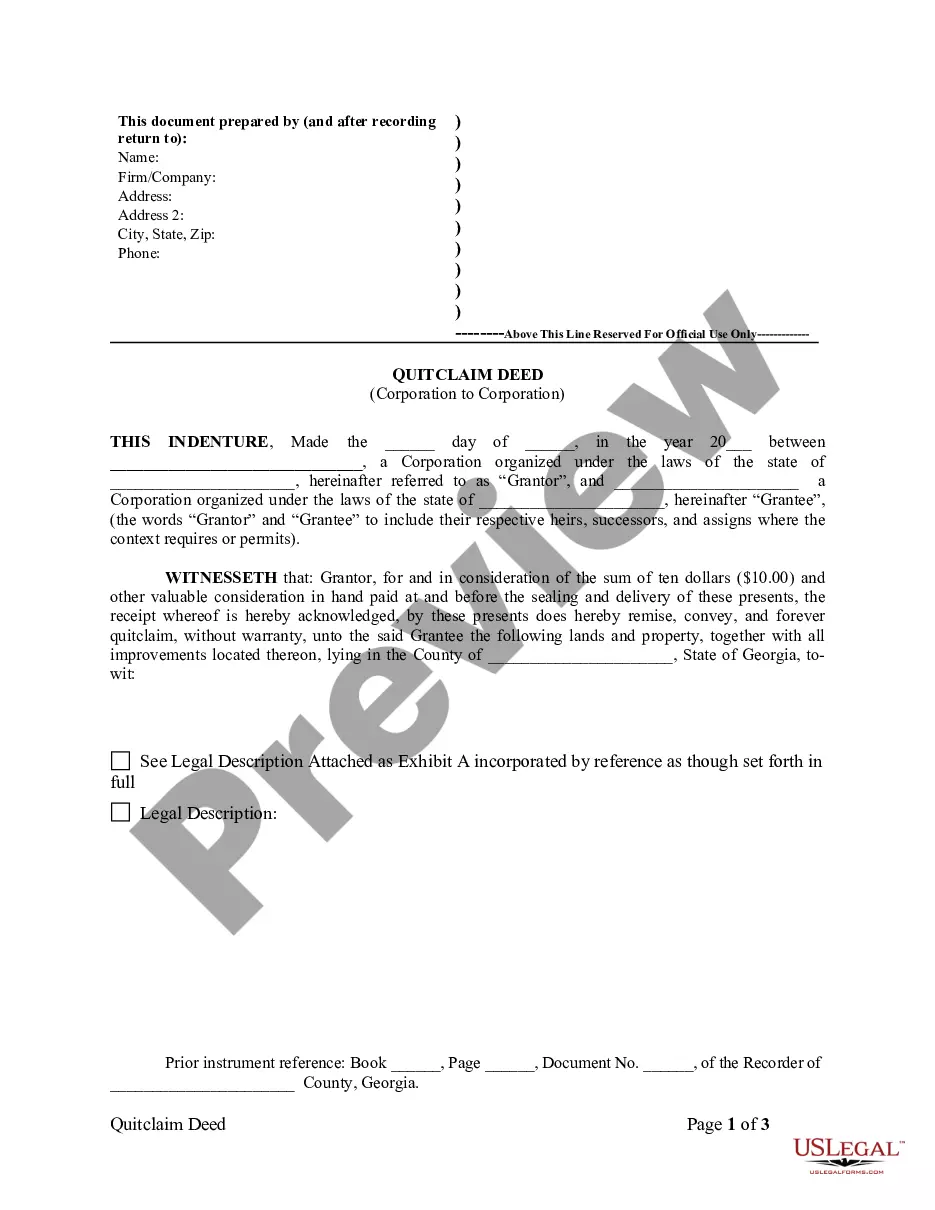
The Quitclaim Deed from Corporation to Corporation is a legal document used to transfer ownership of property between two corporations. Unlike a traditional warranty deed, this quitclaim deed does not guarantee the title, meaning the Grantor does not provide any warranty regarding the propertyâs ownership or condition. This form helps simplify property transfers in corporate transactions while ensuring compliance with state statutory laws.
Main sections of this form
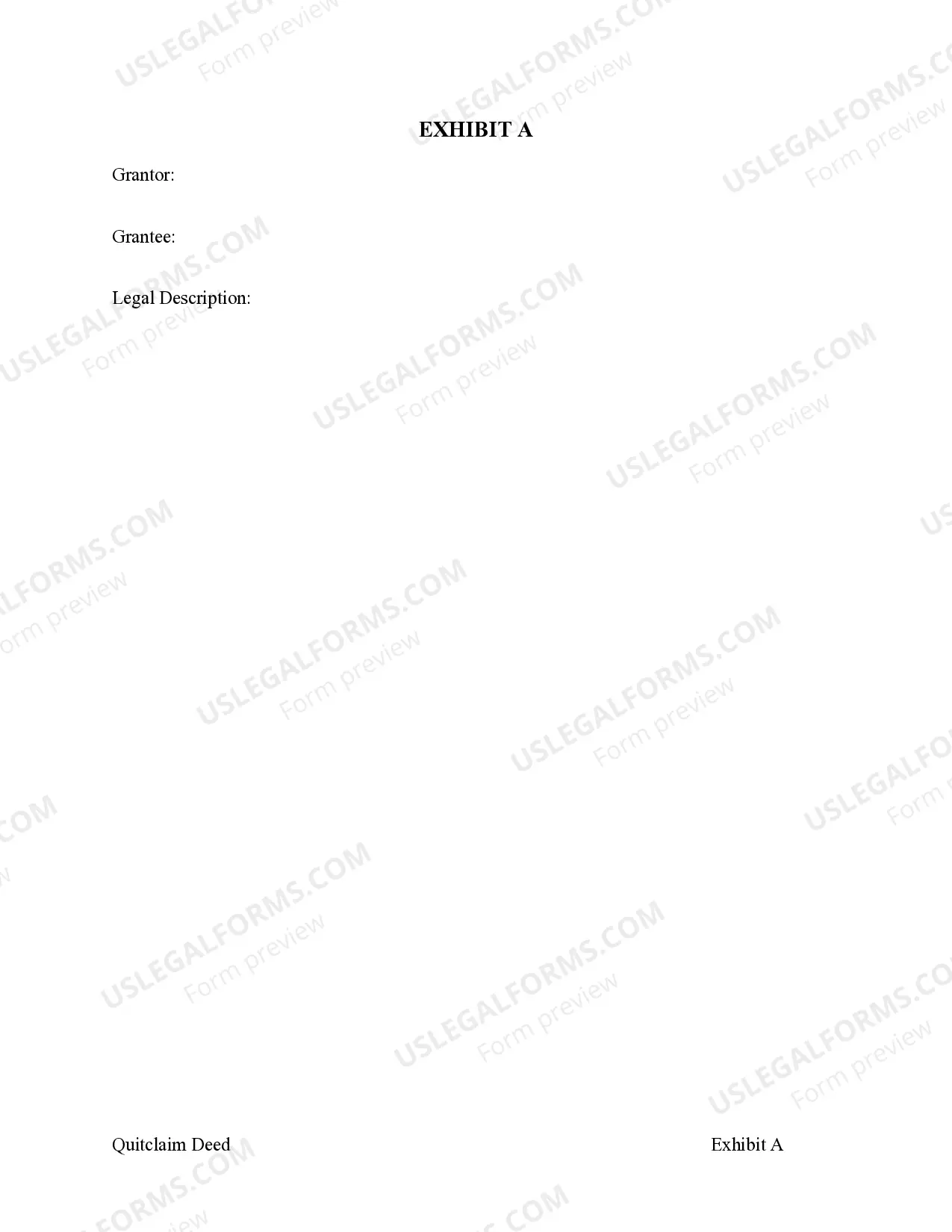
- The name and details of the Grantor and Grantee corporations.
- A description of the property being conveyed.
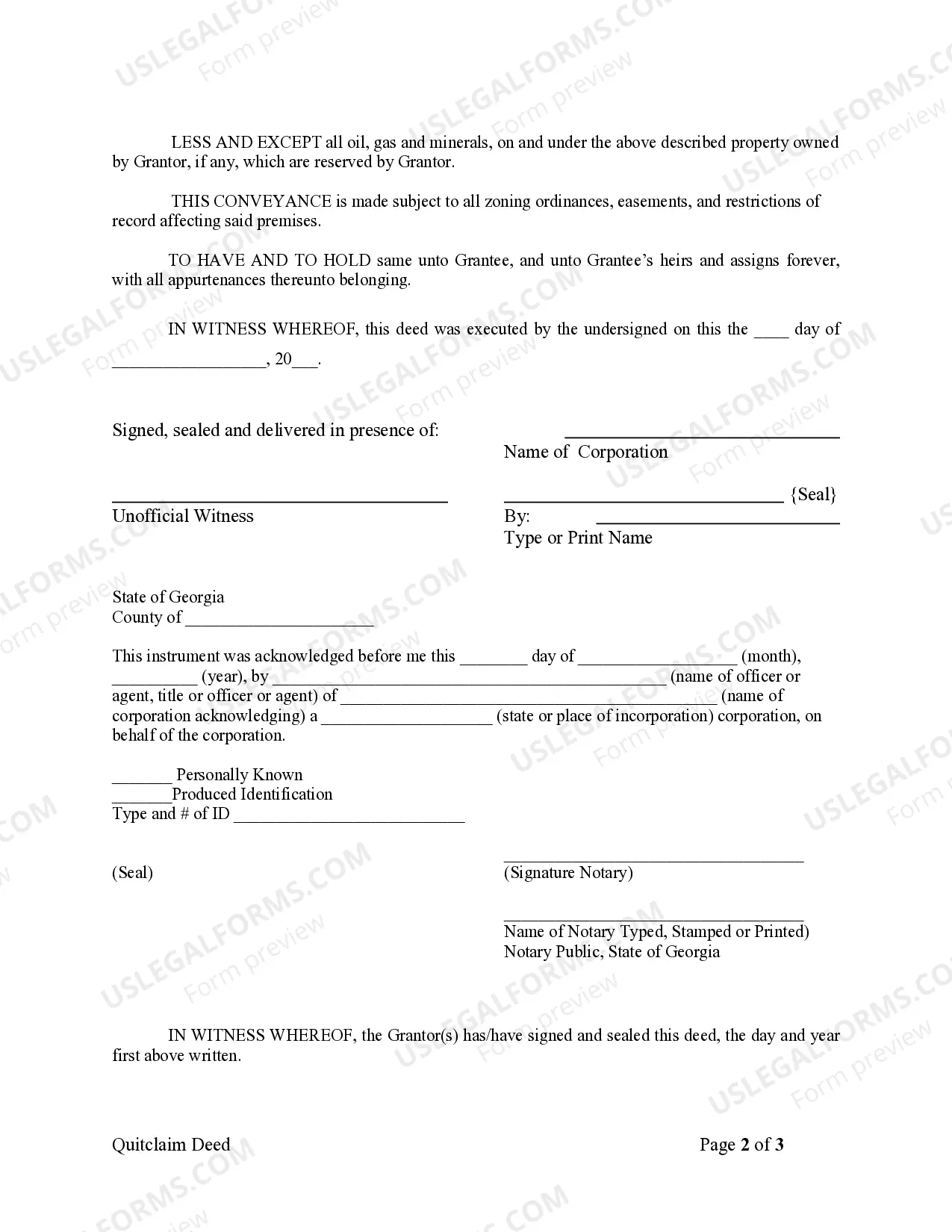
- Specific reservations regarding oil, gas, and minerals underneath the property.
- Statement about compliance with zoning ordinances and restrictions.
- Effective date and signatures of the involved parties.


When to use this document
This form is essential when one corporation wants to transfer property to another corporation without making warranties about the title. It may be used during corporate restructuring, mergers and acquisitions, or simply to facilitate the sale of corporate assets. It is typically used when the companies are familiar with the property and the parties involved.
Who should use this form
- Corporate executives responsible for property management.
- Legal representatives of corporations during acquisitions.
- CFOs managing corporate asset transfers.
- Real estate professionals involved in corporate transactions.
Completing this form step by step
- Identify the Grantor and Grantee by entering their full legal names and business addresses.
- Provide a detailed description of the property being conveyed, including its location and any improvements.
- Specify any reservations regarding minerals, oil, and gas underneath the property in the designated section.
- Ensure compliance with any applicable zoning ordinances or restrictions.
- Sign and date the document in the presence of a notary if required, confirming the transfer is legally binding.
Notarization guidance
This form does not typically require notarization unless specified by local law. However, noting the involvement of corporate entities and the significance of property ownership transfers, it is advisable to consider notarization for added legal validity and to avoid potential disputes.
Get your form ready online
Our built-in tools help you complete, sign, share, and store your documents in one place.
Make edits, fill in missing information, and update formatting in US Legal Forms—just like you would in MS Word.
Download a copy, print it, send it by email, or mail it via USPS—whatever works best for your next step.
Sign and collect signatures with our SignNow integration. Send to multiple recipients, set reminders, and more. Go Premium to unlock E-Sign.
If this form requires notarization, complete it online through a secure video call—no need to meet a notary in person or wait for an appointment.
We protect your documents and personal data by following strict security and privacy standards.

Make edits, fill in missing information, and update formatting in US Legal Forms—just like you would in MS Word.

Download a copy, print it, send it by email, or mail it via USPS—whatever works best for your next step.

Sign and collect signatures with our SignNow integration. Send to multiple recipients, set reminders, and more. Go Premium to unlock E-Sign.

If this form requires notarization, complete it online through a secure video call—no need to meet a notary in person or wait for an appointment.

We protect your documents and personal data by following strict security and privacy standards.
Mistakes to watch out for
- Failing to accurately describe the property being conveyed.
- Neglecting to include necessary reservations regarding mineral rights.
- Not having the document signed and notarized if state law requires it.
- Omitting compliance with local zoning ordinances and restrictions.
Benefits of completing this form online
- Convenient access to legal templates designed by licensed attorneys.
- Edit and customize the form as necessary to fit specific transaction details.
- Download immediately for easy printing and submission.
- Stay compliant with state laws using current legal standards.
Legal use & context
- Quitclaim deeds are generally less formal than warranty deeds.
- Enforceable in court as long as executed correctly and delivered.
- May not protect against future claims or challenges to title.
Looking for another form?

Form popularity
FAQ
A corporation conveys real estate through a deed, such as a Georgia Quitclaim Deed from Corporation to Corporation, by having its authorized representatives sign the deed. This legal instrument must detail the consideration, grantor, and grantee information. Additionally, proper execution and recording with the county ensure that the transaction is legally binding and recognized.
To file a Georgia Quitclaim Deed from Corporation to Corporation, you must first complete the deed form accurately, including all required signatures. Next, take the signed deed to the county clerk's office where the property is located and file it with the appropriate fees. Once recorded, obtain a copy for your records to ensure your interests are protected.
A Georgia Quitclaim Deed from Corporation to Corporation can transfer property without guarantees, which may lead to potential legal issues. Since this deed offers no warranties, the grantee assumes any risks associated with existing liens or claims on the property. Therefore, it is wise to conduct thorough due diligence before entering into this type of transaction.
In a Georgia Quitclaim Deed from Corporation to Corporation, the grantor is the entity that conveys the property, and it must sign the deed. The grantee, the receiving corporation, does not need to sign, although it is good practice for record-keeping. The grantor’s authorized representative should sign on behalf of the corporation, ensuring that all legal requirements are met.
Yes, the deed must be signed by an authorized representative of the corporation to be valid in a Georgia Quitclaim Deed from Corporation to Corporation. This signature confirms the corporation's intent to transfer property ownership and must be notarized. It’s important to follow proper procedures to ensure the deed’s enforceability.
Yes, a title company can prepare a Georgia Quitclaim Deed from Corporation to Corporation. They have the expertise to ensure that all legal requirements are met, and they can assist in processing the deed correctly. Engaging a title company can provide added peace of mind, especially in complex transactions.
While it is not mandatory to hire a lawyer for a Georgia Quitclaim Deed from Corporation to Corporation, consulting with a legal professional can be beneficial. A lawyer can help ensure that the document is correctly prepared and compliant with state laws, reducing the risk of issues arising in the future. Alternatively, you can use uslegalforms to access easy-to-follow instructions and templates.
Yes, you can prepare a Georgia Quitclaim Deed from Corporation to Corporation by using templates or forms available online. However, it’s essential to ensure that all relevant information is accurate and follows the legal requirements outlined by Georgia law. If you're unsure, consider using a reliable platform like uslegalforms to simplify the process and ensure your deed is legally sound.
A Georgia Quitclaim Deed from Corporation to Corporation transfers whatever interest one corporation has in a property to another without guaranteeing any rights or claims to the property. This type of deed is often used in situations where the corporations involved know each other and understand the terms of the transfer. It's a straightforward instrument that helps streamline property transactions between business entities.
To execute a Georgia Quitclaim Deed from Corporation to Corporation, you need to ensure the deed identifies the grantor and grantee clearly, includes a legal description of the property, and is signed by an authorized representative of the corporation. Additionally, the deed must be notarized to be valid. Once completed, it should be filed with the county clerk's office to provide public notice of the property transfer.